


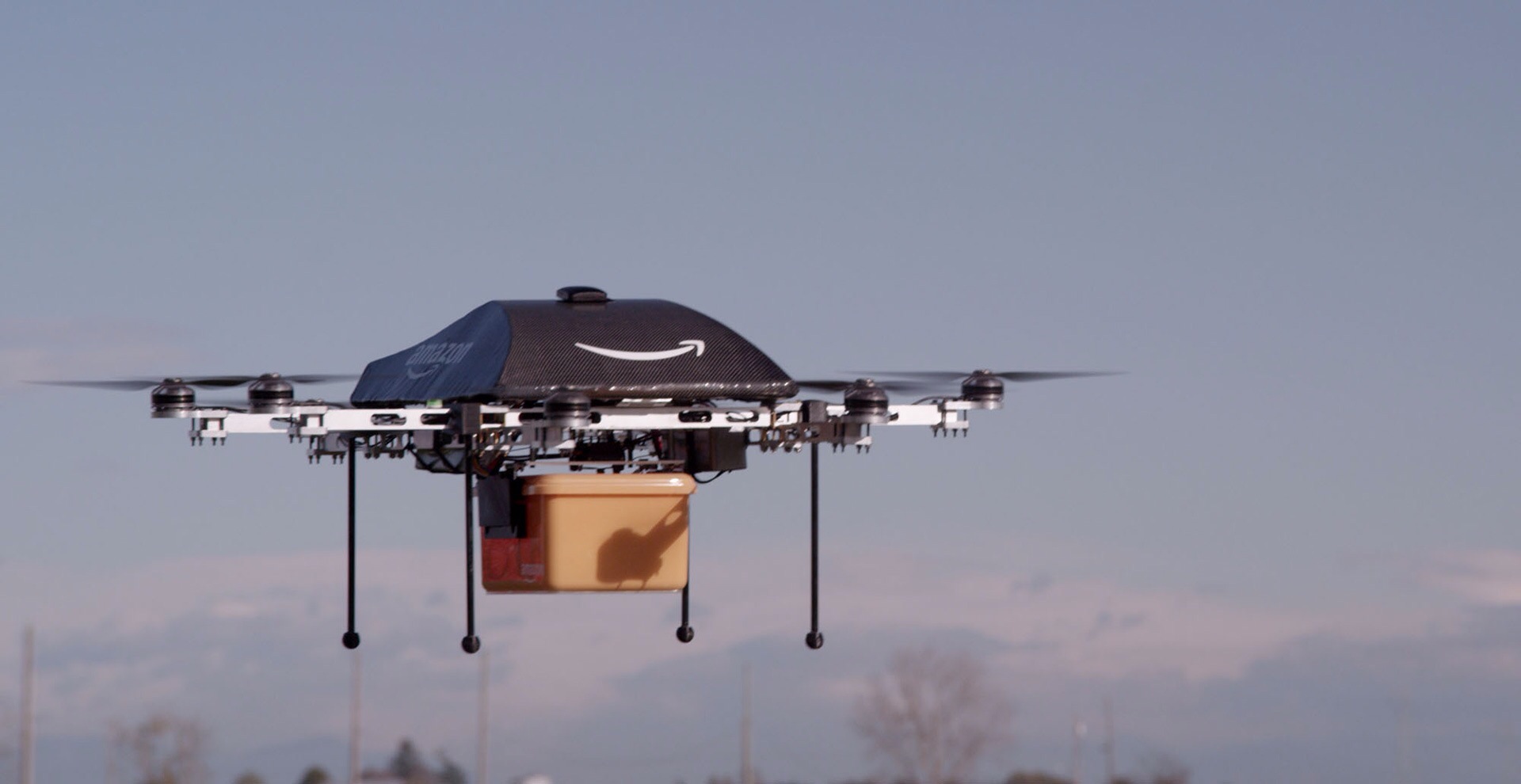
For most of our lives, we were careful not to get hit by a car, bicycle, or motorcycle while walking outside. Now, we have a whole new concern, drones. To learn more about a drone, read the balance of this blog post and then google the word “drone.” If you don’t, you just may get knocked over by one.
A drone is a remote-control aircraft. See above. These flying objects used to be toys, but now commercial enterprises, as well as hobbyists, are flying drones in record numbers. They retail from approximately $400 to thousands of dollars. This used to be a sport for those interested in aviation, but now the person who has everything is jumping in on the action. Drones are the new Harleys, you garner a lot of attention. To make matters worse, companies like Amazon are testing drones to make deliveries. This is not science fiction. In the next year or two, drones will be showing up at your front door delivering your new pair of shoes.
What’s wrong with all that? Drones are not regulated. That means drones can be flown anywhere and at anytime. It is just a disaster waiting to happen. In fact, a helicopter recently flying around New York almost collided with a drone. Drones are capable of flying a few thousand feet high and a mile-and-a-half away. Click here for more information.
My friend Andy Pargh of Palm Beach, Florida, flies drones. He graciously invited Eliot and I to visit him during one of his flying expeditions. Andy explained that he is all for regulations because he knows of too many near-misses. “The industry is growing so fast,” Pargh said, “there are too many careless people who can spoil it for the serious flyers.”
Andy explained that drones are divided into three groups, the hobbyists who build their own drones as a sport, the weekend user who adopts all new technologies and businesses who will use drones as a means for transportation for shipping goodies or taking aerial pictures with a GoPro.
 Andy Pargh
 DigiDame
At the moment, except where the FAA has given special permission, commercial uses are mostly banned, and non-commercial drones must fly no higher than 400′, stay within sight of their human operators, and keep out of restricted airspace (such as near airports) as well as national parks. Some states and cities have additional restrictions, and problems such as damages, privacy invasion, etc, are already covered by laws whether committed via drone or not. But enforcing these rules is still in its infancy, and there are crossover problems (e.g., what if a hobbyist shoots an aerial photo for fun, then later finds a market for it?). Remind me in a couple of weeks, after my recent drone article is published, and I’ll give you a link to it.