
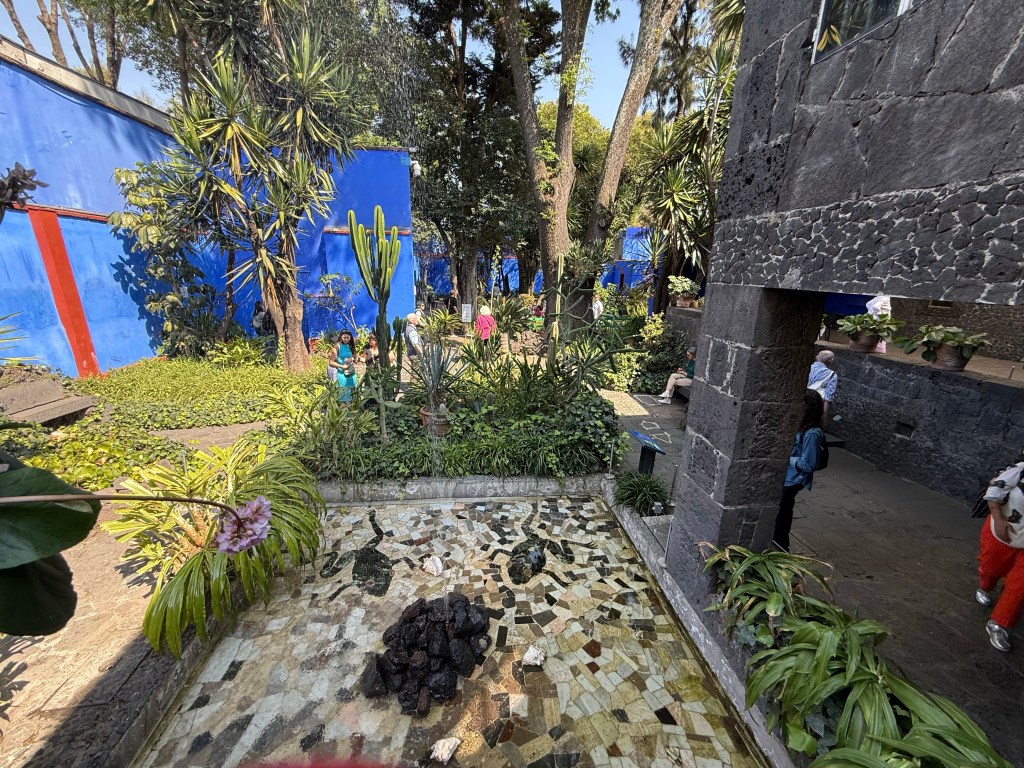
This is the house where Frida Kahlo lived 36 of her 47 years of her life. It is also the space that lived forever in her heart.
From her birth in 1907 to her death in 1954 it is the place that shapes Frida as a daughter, sister, member of a community, friend, spouse, painter, teacher, legend.
Within these walls, Frida builds spaces to know herself better; as meeting and starting points to other geographic or imaginary destinations.
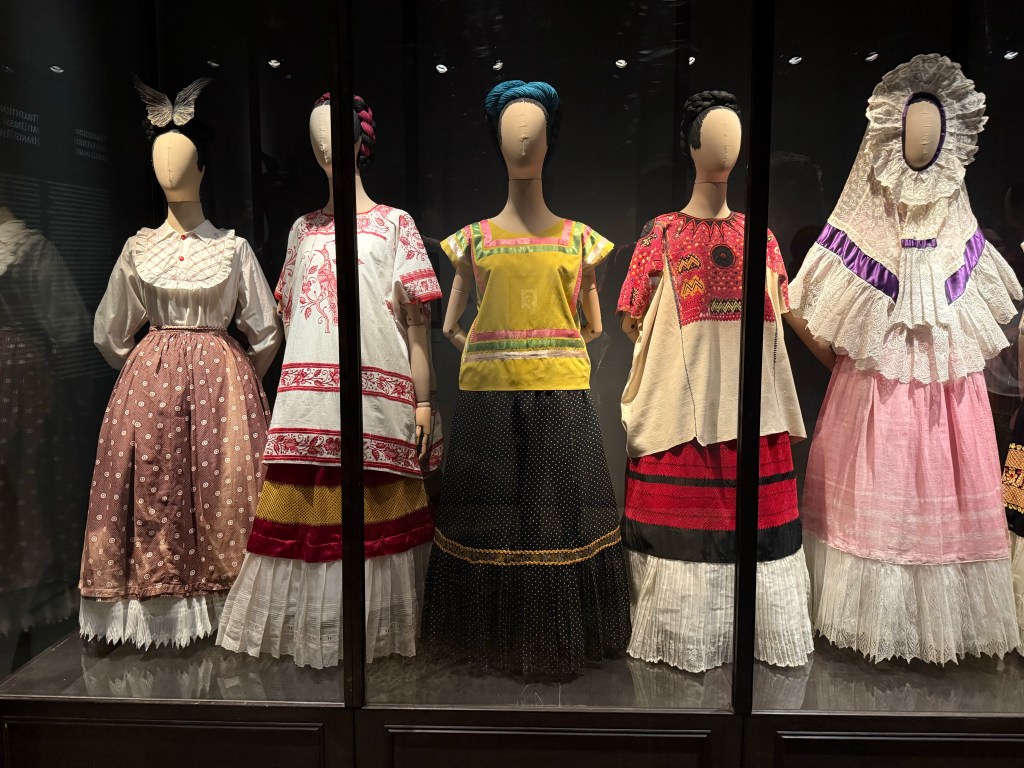
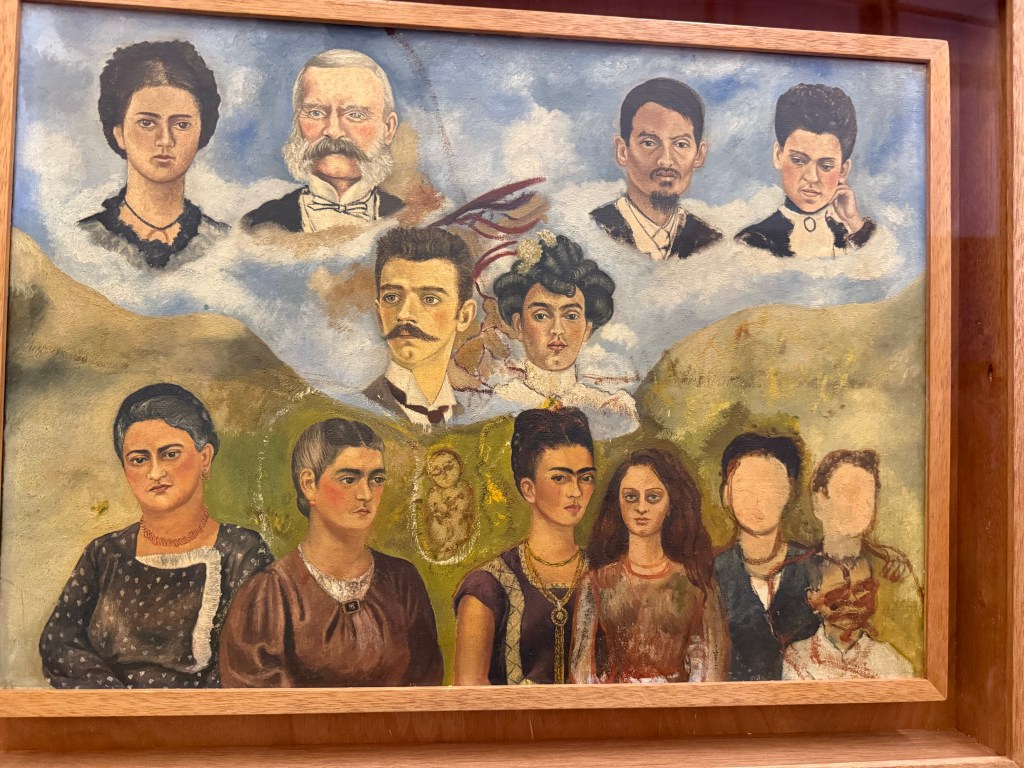
Through her belongings, pictorial work, and collections of traditional and pre-Hispanic art, Frida remains alive to this day.
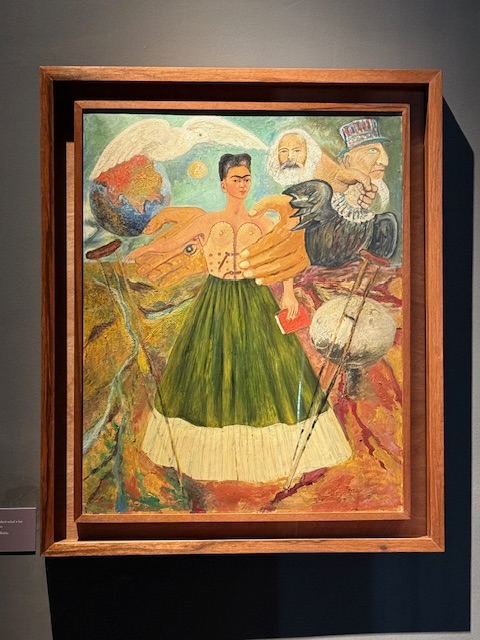
The purpose of this house as a home is transformed at Frida’s death.
Her dear friend Carlos Pellicer, is a frequent visitor here. As a poet, he understands the spirit of these walls, and as an exhibition designer, he is the ideal person to turn it into a house-museum.

After some modifications, the space is inaugurated on July 30, 1958, in the presence of those who frequent this place: figures from the Mexican culture scene, friends, neighbors, and relatives who sign the first guest book.

After her birth on July 6, 1907, Frida lives in this place with her parents and sisters. Stemming from economic problems after the Mexican Revolution, the house is mortgaged. In 1931, Diego pays the debt and puts the property in his wife’s name. In those years, the walls are painted blue.

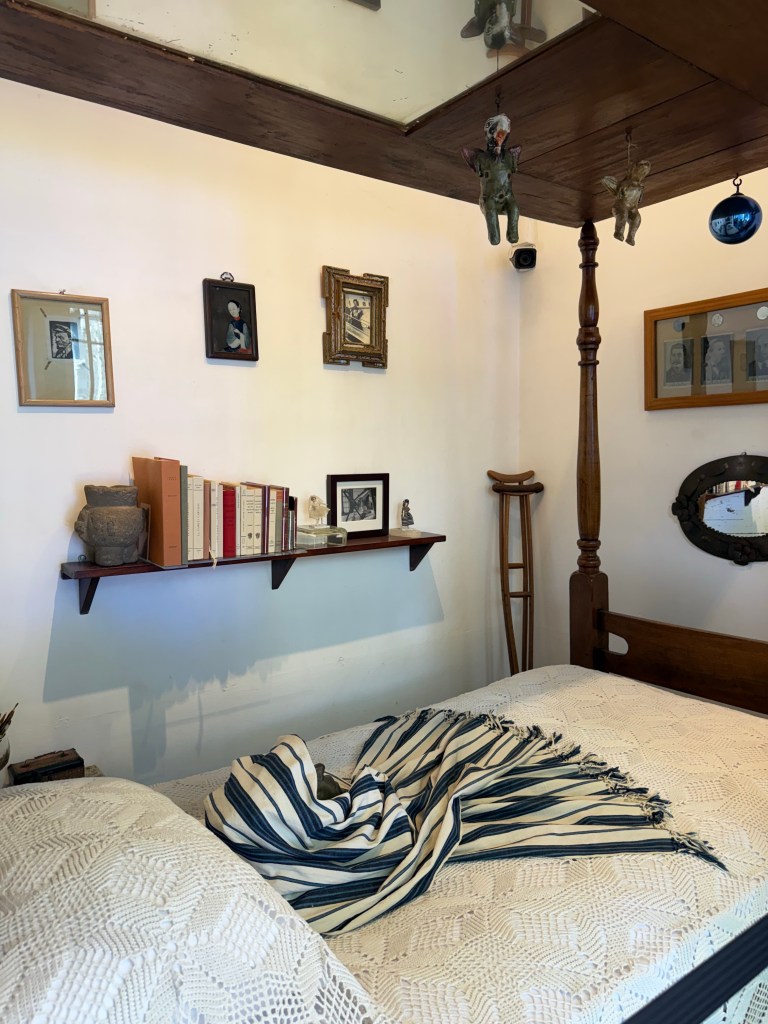
The house is a dynamic place that evolves along with Frida: the spaces are modified or used in different ways. This room, once the family room, is transformed into Diego’s studio, and later into Frida’s. The windows are covered, ramps are built for Frida’s wheelchair, the property is extended, and new bedrooms are constructed.

However, that would happen later. For now, the story of Frida and her family begins here. This is the Kahlos’ haven.

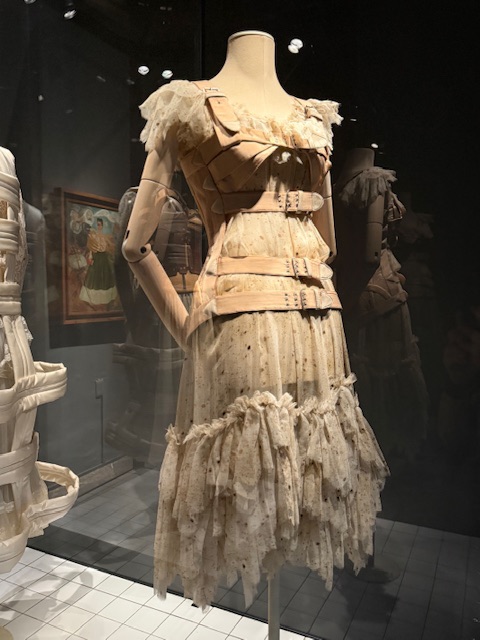
From a young age, Frida is known for her disruptive, irreverent behavior. She enjoys romping in the house’s garden with her sisters and with her neighbors in the nearby parks, on the fringes of Coyoacán far from the bustling capital. She likes traditional Mexican dishes, ice cream, and typical sweets. She roller-skates in what is now Plaza Hidalgo and enjoys fairs, sports, and dolls. From then on, she wears cotton dresses with embroidery and lace, and big bows in her hair, generally worn short.
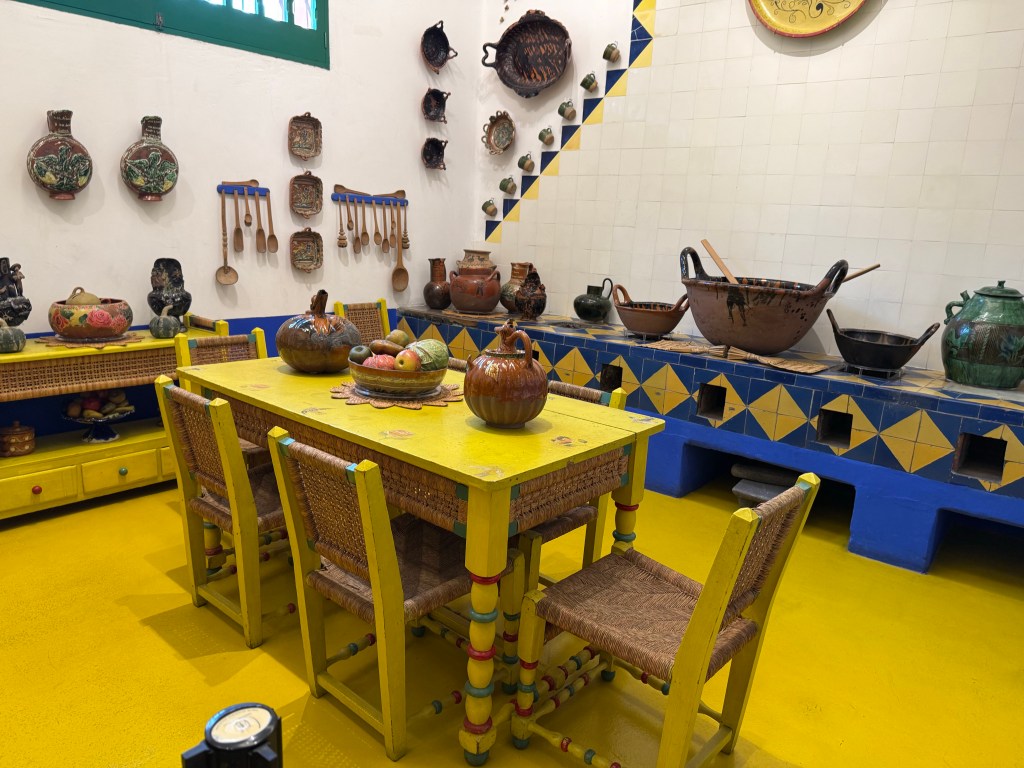

The Casa Azul would always be the place where Frida gave her mind free rein for reflection and imagination, where she expresses herself in painting and prepares to go out into the world to embrace everything it has to offer.


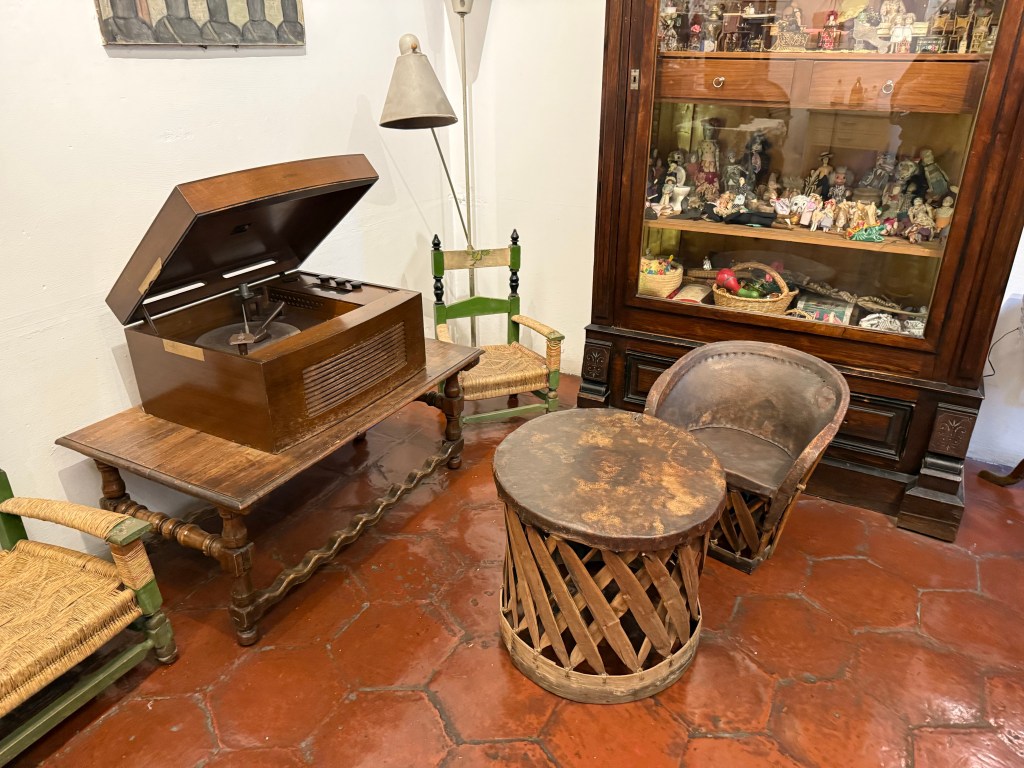


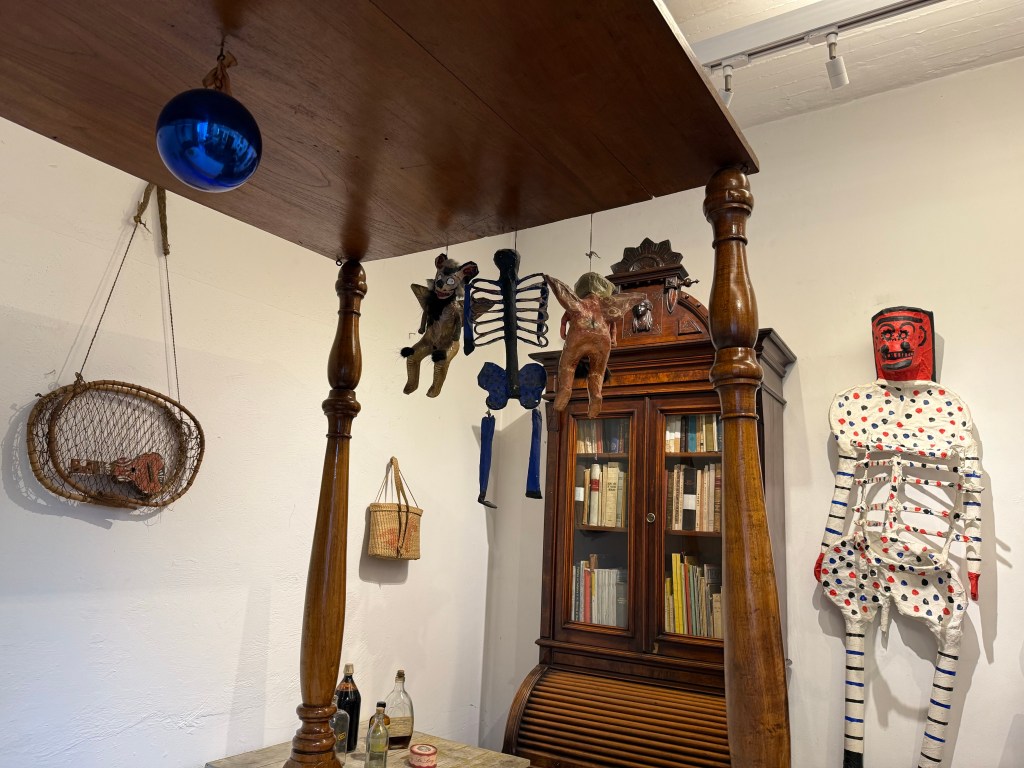


Her curiosity sets her apart in kindergarten. Eagle-eyed, she collects rocks and plants in that rural zone of early-20th-century Coyoacán. As an adolescent, school, movies, newspapers, friends, and books further expand her horizons. Later, trips and art show her the possibilities of her creative power.



 DigiDame
Glad you made it x
Oh lovely, have fun! I love Mexico City and have not been to Fridaâs home yet. I will add this to my list. I just arrived to Zurich to spend the weekend with Krina. We take the tra
Love this! Thanks for sharing!Sent from my iPhone