
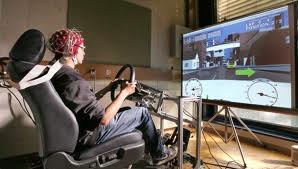
 You all know what a smart phone is. For those of you who don’t, it is a mobile phone with more advanced computing features. The first smart phones mainly combined the functions of a personal digital assistant (PDA), a mobile phone and a camera. Today’s smart phones also have portable media players, digital photo and video cameras and GPS navigation capabilities plus 700,000 apps.
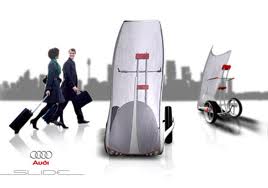 Now we are entering the world of smart cars, smart roads, smart parking and smart public transportation. I am sure after that we will find ourselves involved in smart clothes, smart food, smart furniture, smart exercise, smart arts, and yes, smart travel.
Many of the car companies today are advertising smart cars with all the latest gizmos like navigation, voice recognition, remote controls, and automatic sensors. Bill Ford, Executive Chairman of the Ford Motor Company, has been trying to stay ahead of the curve by looking way into the future to see how we can cure some of the traffic challenges drivers face today by just applying smart technology.
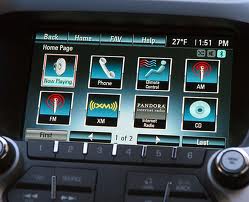 Ford said the answer to traffic problems is not to build more roads. “When Americans began moving west we didn’t add more wagon trains, we built railroads. To connect our country after World War II, we didn’t build more two-lane highways, we built the interstate highway system. Today we need that same leap in thinking for us to create a viable future. We are going to build smart cars, but we also need to build smart roads, smart parking, smart public transportation systems, and more. We don’t want to waste our time sitting in traffic, sitting at toll booths, or looking for parking spots. We need an integrated system that uses real-time data to optimize personal mobility on a massive scale, without hassle or compromises for travelers. That’s the kind of system that’s going to make the future of personal mobility sustainable.”
Here is some of his thinking:
1-A smart road system that automatically changes traffic lane direction based on timing and congestion levels.
2-Automobiles that signal a network system when they run into traffic jams on the highway. The signal warns cars behind them to change course and take a different route.
3-Traffic jam alerts on the dashboard so drivers have the option to proceed to the next metro train stop. Drivers hop on a train to work, and then after work take the train back to the station where they parked their car.
4-Red traffic lights that switch to green if no other cars are approaching.
5-A smart phone app that automatically books parking spots and then alerts the location to drivers.
Some of these ideas may sound a little farfetched. Not so! Just remember life before Google.
I want to credit CNET for distilling some of this information so we can get a snapshot of what is going on in Detroit. I also included links from Ad Age, Geek.com, Popular Science, Science Daily, The Car Connection, and Wired for additional information. I even gave you a clue to what each story is about. Simply fascinating!
Cars That Talk To Each Other To Prevent Accidents
Happy Trails To You………….
 DigiDame
I’m for less smart and more real. If I were in charge I’d insist we had at least one human interaction for each digital one. In other words, stop the world, i want to get off!
You are very real
Sorry, I’m obviously feeling testy this morning. It’s just that the smarter the computer get, the more isolated I feel.
Some of this traffic technology exists – it’s known as ITS – Intelligent (another word for smart) Transportation Systems. We currently have live-feed signage that is already in place and telling me there was an accident ahead. The only problem is that our infrastructure isn’t providing me with many alternate routes – yet. I think the more we get this working in synergy with other systems (bus route schedules, park & rides, etc) , the better off we will be. I think this stuff is great!
Why are you so Smart?