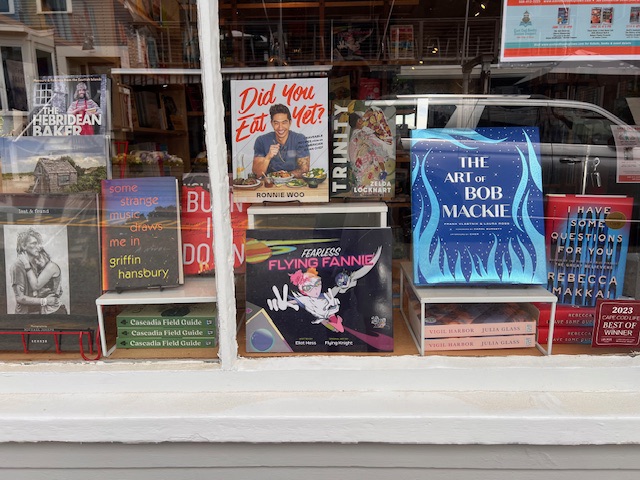
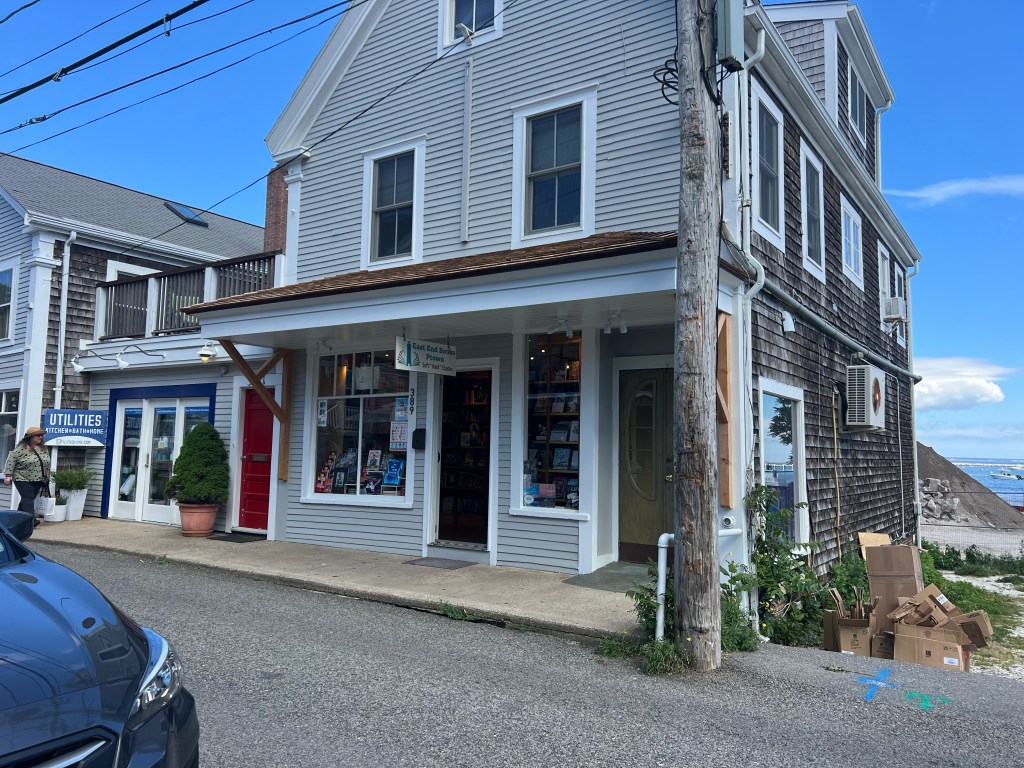
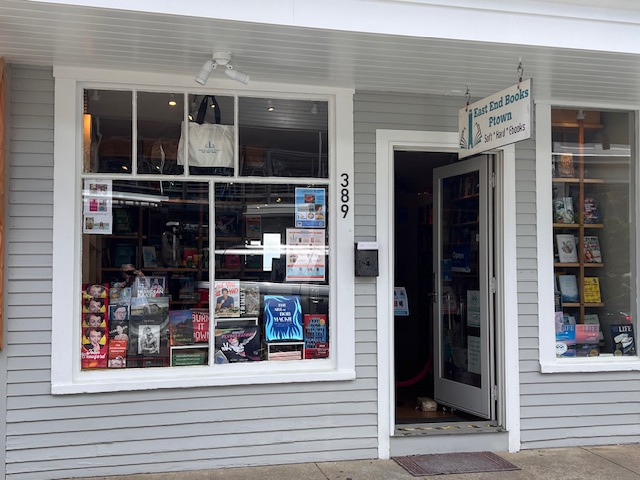
Fearless Flying Fannie is in the front window of East End Books Ptown. This is a true honor. Thank you Jeff G. Peters.
————————————————
Siblings unite to see how they can help their feathered friends. These children now live in our coop apartment in NYC since we moved out. The circle of life. Photo by @aviador143 Sharon Marantz.
————————————————
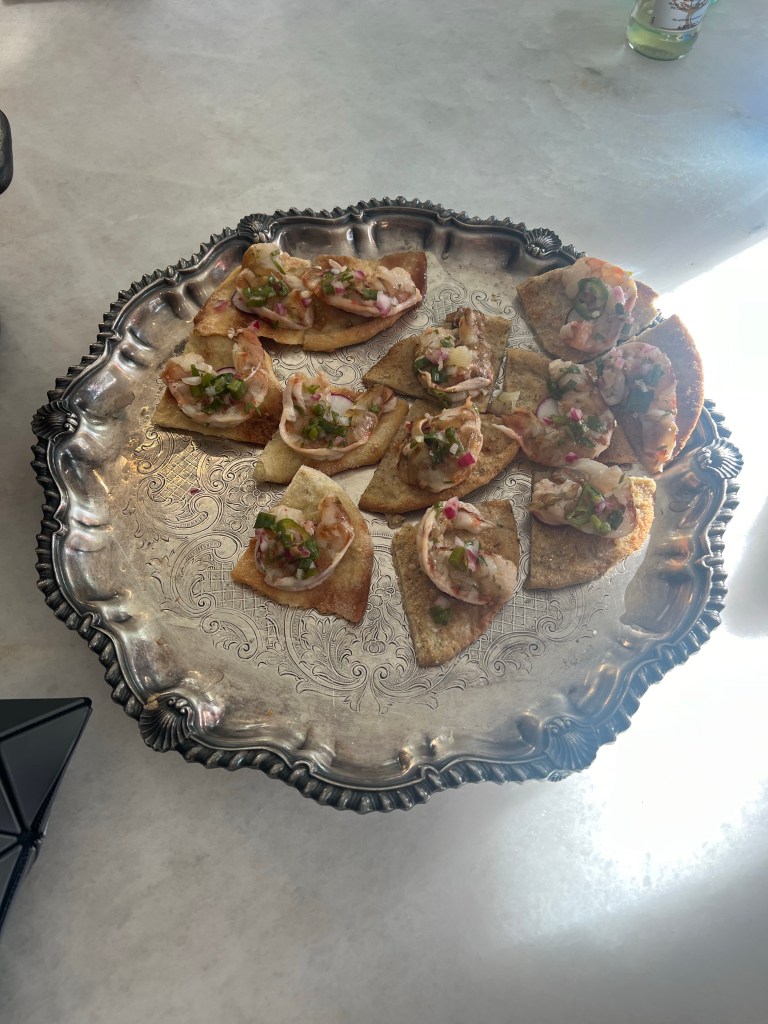
A delicious dinner at Debbie and Derik’s. DDDD, Joan, Al, Maddie, Don, Eliot and me. Four hours of non stop food and talking. Missing Gail and Dawn.
Welcome To Art Lovers Forum. Tomas Redrago is one of the youngest gallery owners in the United States. He became a gallerist in his homeland of Buenos Aires during the pandemic because he felt it was a period in all of our lives when we could try new things. He was just starting his career in foreign affairs when the world went into lockdown. He couldn’t travel so he turned to his love of art. Tomas was friendly with a number of artists who he really admired so he started representing them. He was only in his early 20s.
Today Tomas is a full-fledged gallerist working in both Miami and Buenos Aires. He explains that Miami is like a second home to people who live in Buenos Aires. They go back and forth all the time. The TOMAS REDRA-DO ART gallery is now located in Little Haiti, Miami. Address is 224 NW 71 Street.
Tomas feels his art business is very experimental. The gallery of tomorrow will not be what it is today. Collectors travel around more than ever before so you just can’t sit around in one spot and wait for clients to come to you. There are a lot of new opportunities for gallerists to show their collections. He talks a lot about that during our interview.
Americans emerged from their pandemic lockdowns with better jobs, extra spending money and a burning desire to live life outside of the confines of their own abodes, regardless of the price. In what was dubbed the YOLO economy (short for ‘you only live once’), or revenge spending, consumers shelled out for the experiences and goods they had missed.
“Covid showed all of us that life doesn’t go on forever,” Sameer Samana, senior global market strategist at the Wells Fargo Investment Institute, told Before the Bell. “Preparing for a retirement that’s way off into the future and could be interrupted by something like a global pandemic changed our mindsets. People wanted to live in the moment.”
Now, five years after the onset of the pandemic, the free-spending party is coming to an end. And that may be bad news for the economy.
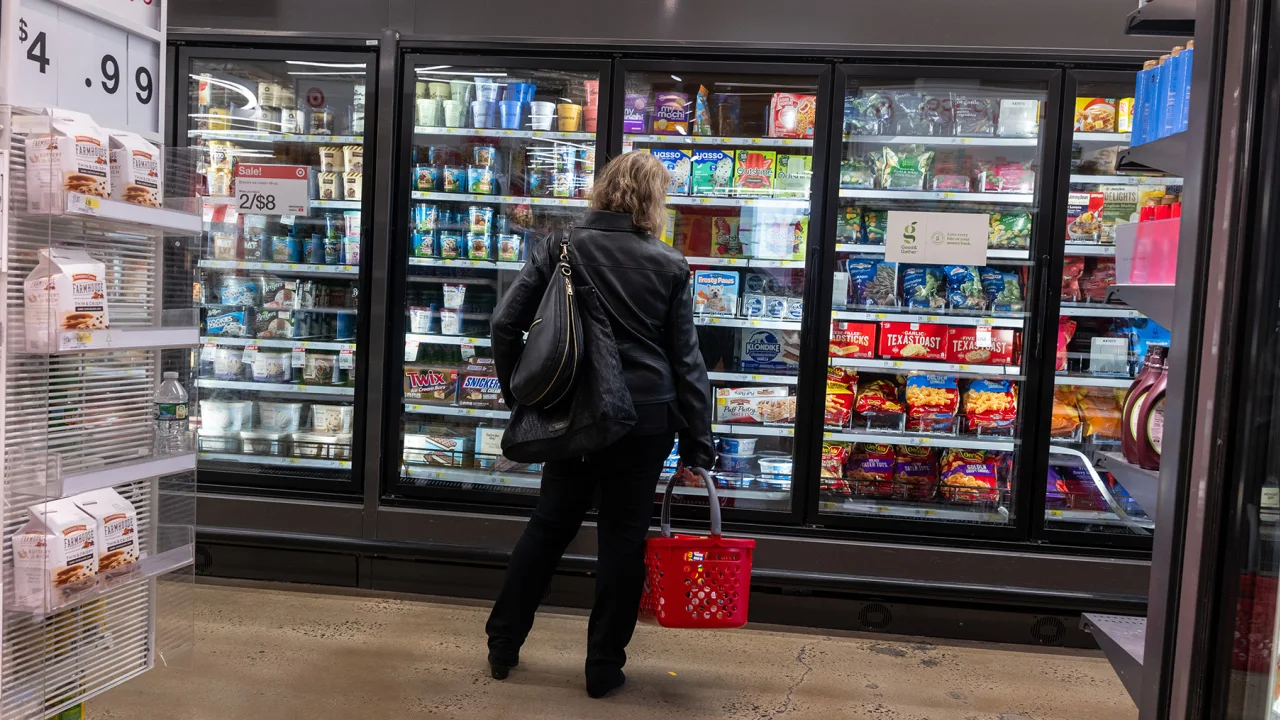
What’s going on: Consumer spending is falling back to earth, and even the highest-income Americans are turning to discount retailers like Walmart.
Target is slashing prices to lure reluctant shoppers back into their stores, and sweet-treat shops like Starbucks have reported that sales aren’t growing like they used to be — a Frappuccino no longer feels like a necessary expense.
So what’s happening? Inflation is still elevated and consumers are running out of their Covid-era savings, the job market is beginning to tighten and workers are getting worried about losing their jobs.
There’s also another explanation: Americans have gotten their post-Covid ya-ya’s out and are ready to tone things down again.
“There is an element of ‘how long can I live in this PTSD post-Covid environment?’” said Samana. “At some point you do have to figure out what the new normal looks like. Employers want workers back more often in the office and in certain locations, you can’t work from anywhere anymore, that’s also changing mindsets. There’s this sense of reversion to the mean.”
Well, they’re paring back in some areas. People are still willing to shell out for Taylor Swift concerts and plane tickets. Memorial Day travel was at its highest level in history, according to the TSA. But that means people are paring back their discretionary purchases and looking to trade down in everyday necessities, too.
And it still continues to be the most important measure of a strong economy – spending accounts for about 70% of gross domestic product, the go-to measure of US economic health.
So if that slows, that would be bad news and could potentially trigger the recession that economists began warning about way back in 2021. (Don’t worry, most economists at major banks and firms don’t predict that will happen anytime soon, and if it does happen, it might be not be a slowdown for everyone.)
It’s also rattling markets and keeping investors on edge – the Dow dropped more than 1,000 points between Tuesday and Thursday last week on unexpected economic data. It dropped another 115 points on Monday after a report showed that the manufacturing industry had contracted slightly.
“There’s really no indication that all of the factors weighing on the consumers’ mind are going to ease up anytime soon,” said Samana.
What comes next: These next two weeks will be important for investors, consumers and general economy-watchers. Official jobs data for the month of May will be released on Friday and analysts will pore over the numbers for hints about whether the labor market will continue to loosen.
Next week, the Federal Reserve holds its policy meeting where officials will also release their outlook for employment, inflation and interest rates in the months to come. It’s highly unlikely that we’ll see any change in interest rates at that meeting, but Fed Chair Jerome Powell could provide some guidance on when the central bank expects to begin its pivot.


















 DigiDame