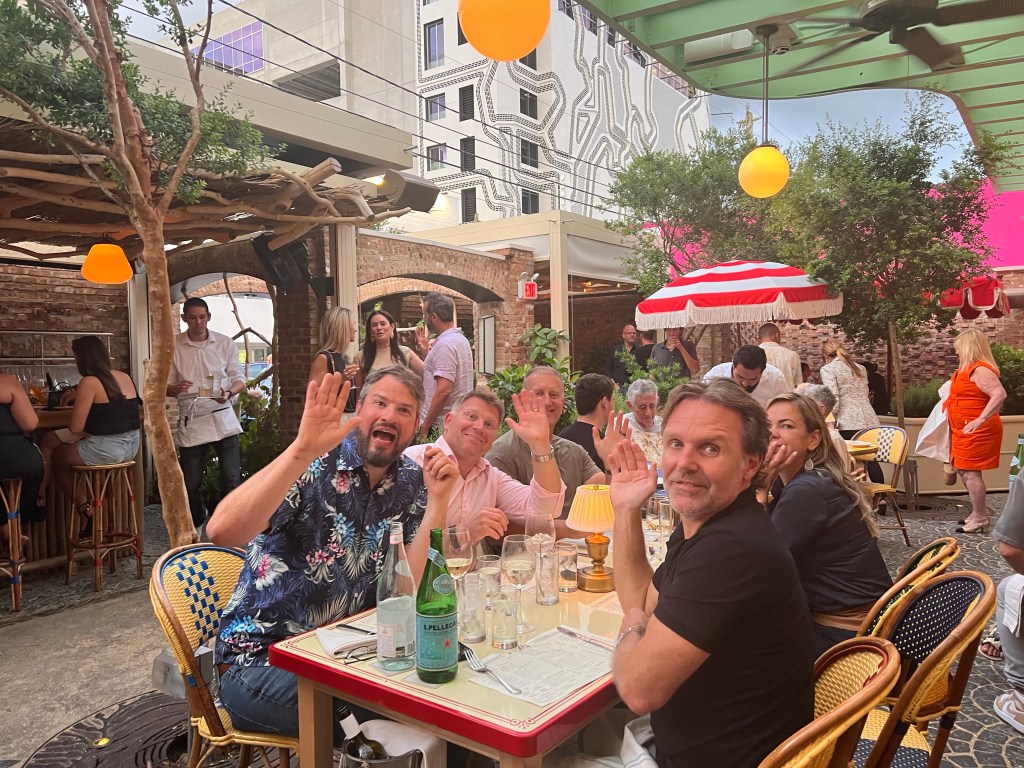
This is the second time I am writing about Pastis, the New York City Parisian-style brasserie which got its fame in the Meatpacking District. Thank you very much Sex in the City for all the scenes that you filmed at the restaurant. The owners, Keith McNally and Stephen Starr, have now taken their signature “je ne sais quoi” vibe that they created over the years and brought it to the Wynwood district of Miami.
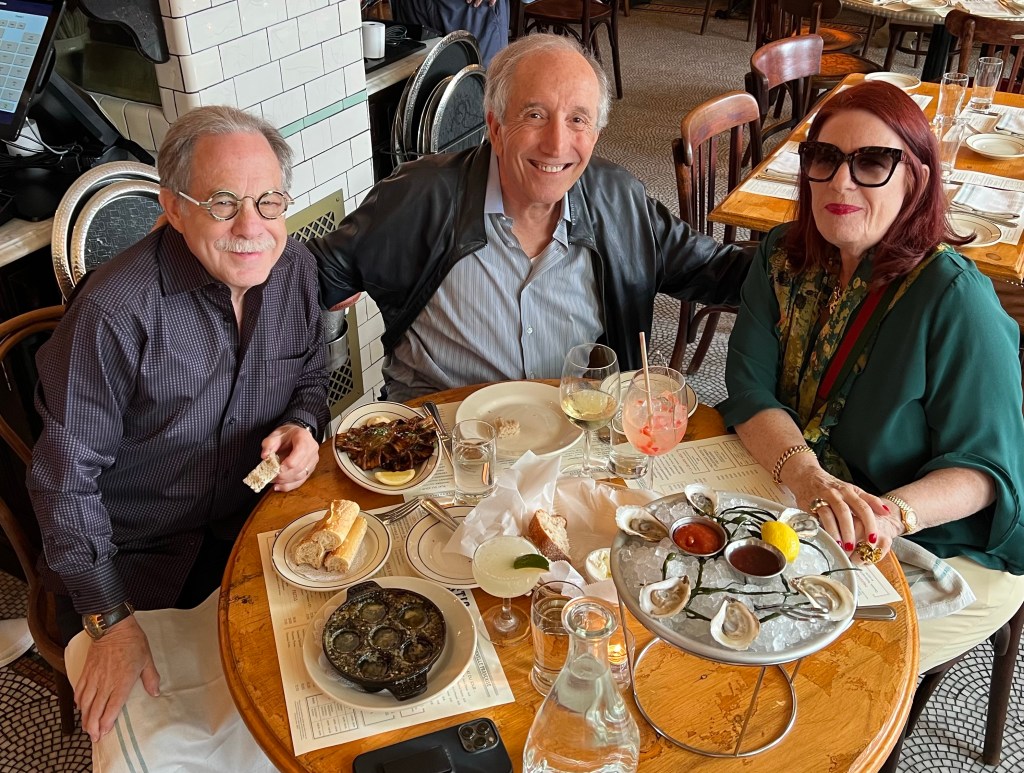
Eliot (husband) and I dined there last night with our neighbor Maurice Zarmati, a long-time top executive with Carnival Cruise Lines. He certainly knows the hospitality business better than most. He made friends with all the important staff members so we can easily get reservations on busy nights.
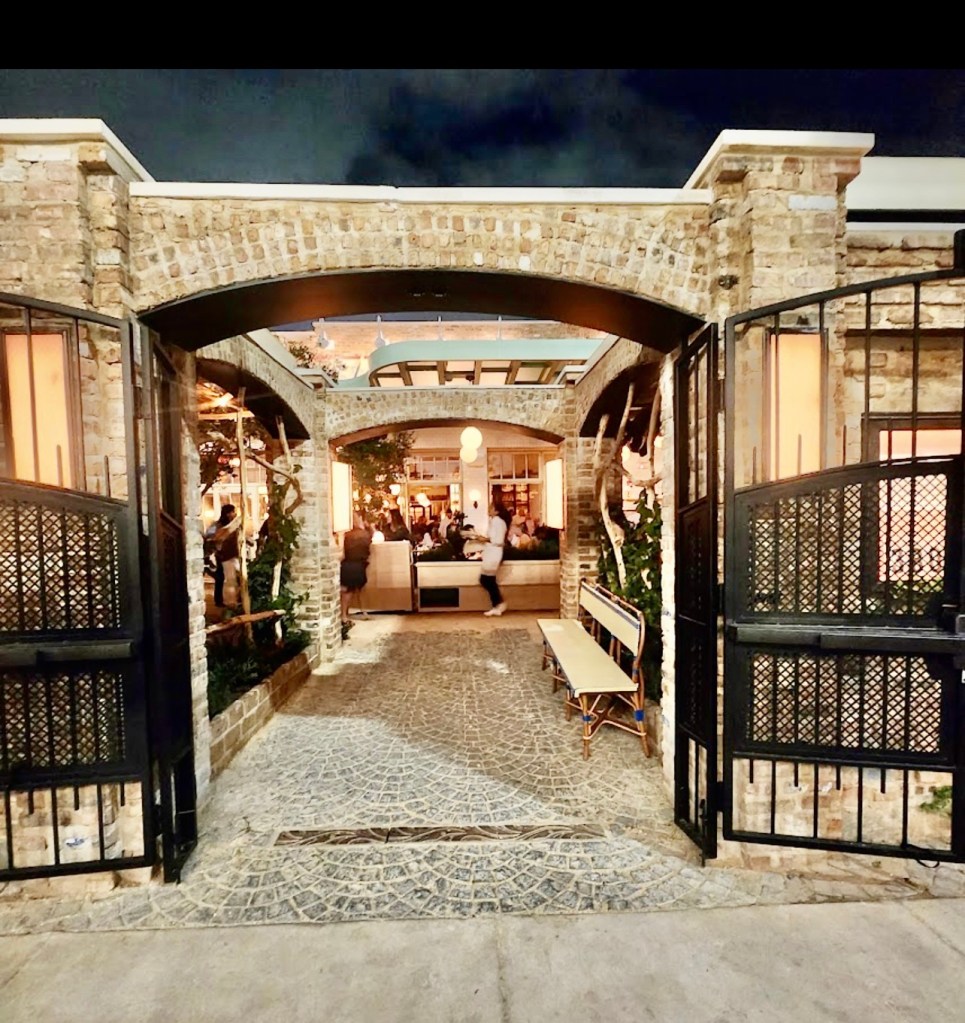
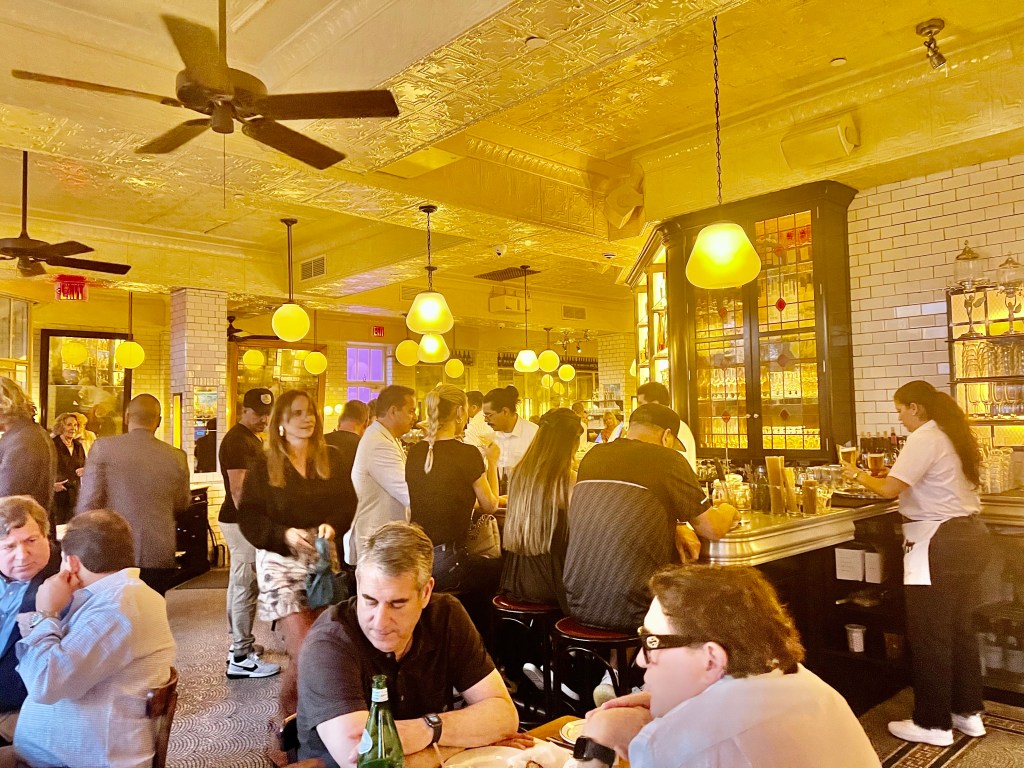
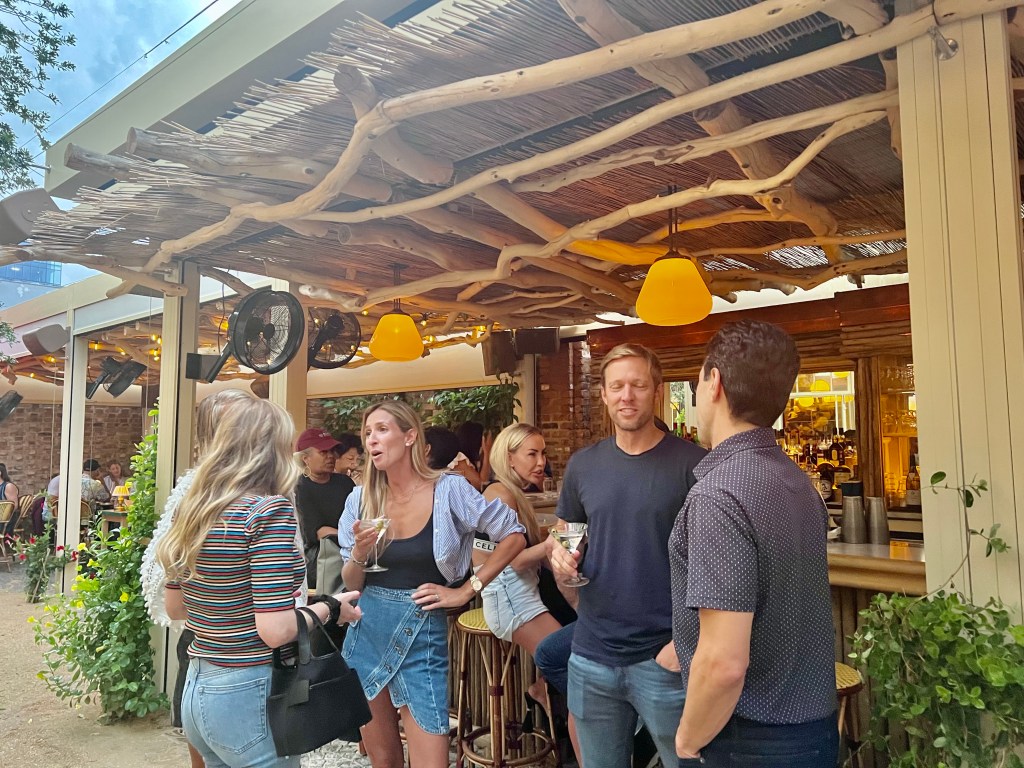
From the minute we walked in, to the minute we left, we felt like we were experiencing the high life. The service was impeccable. They also must have spent a fortune on the decor because you absolutely feel like you are in a very upscale Parisian bistro. The white tiles paired with rich wood tones give you a feeling of total elegance. The curb appeal is the brick archway that leads into a garden area where patrons can opt to dine outdoors. Equipped with its own sizable bar area, the garden area is better for spotting the new arrivals.
The snazzy restaurant was obviously designed for people watching because the restaurant is totally open to the garden area. It’s very exciting to see who arrives next. Last night was filled with fashionistas who forgot to cover certain areas of their bodies. Maurice, who is single, was certainly creating a little stir for himself. It’s amazing how the unattached can spot others who supposedly are available. Eliot was doing his fair share of looking. The women last night looked like runway models.
Now let’s get to the food. Maurice and I had Dover Sole à la Meunière and Eliot had Duck. Maurice started off with Crispy Artichokes, Eliot had Escargots and I had Oysters. We also pigged out on desserts. The men had Creme Brulee and I had Profiteroles.
I dare to say that Pastis has that New York special “something in the air” that most restaurants in Miami are missing. I’m not complaining. The restaurants here are wonderful but when something shines you just have to spotlight it.
Ooh la la!
🌺🌺🌺🌺🌺🌺🌺🌺🌺🌺🌺🌺🌺🌺🌺🌺🌺🌺
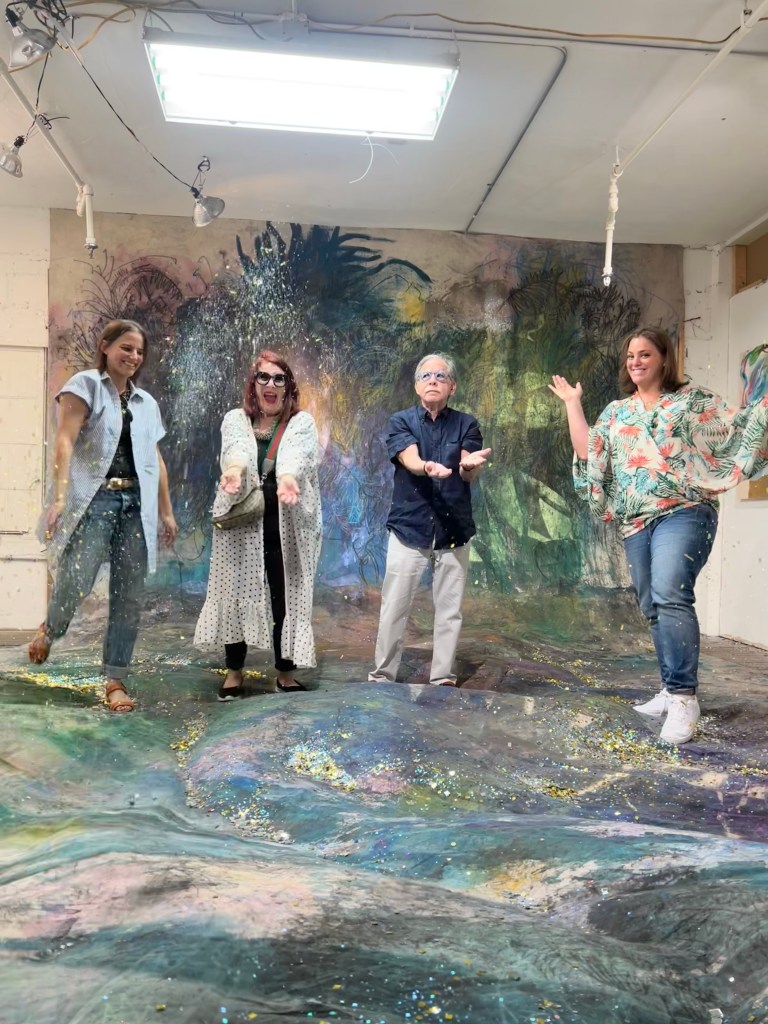
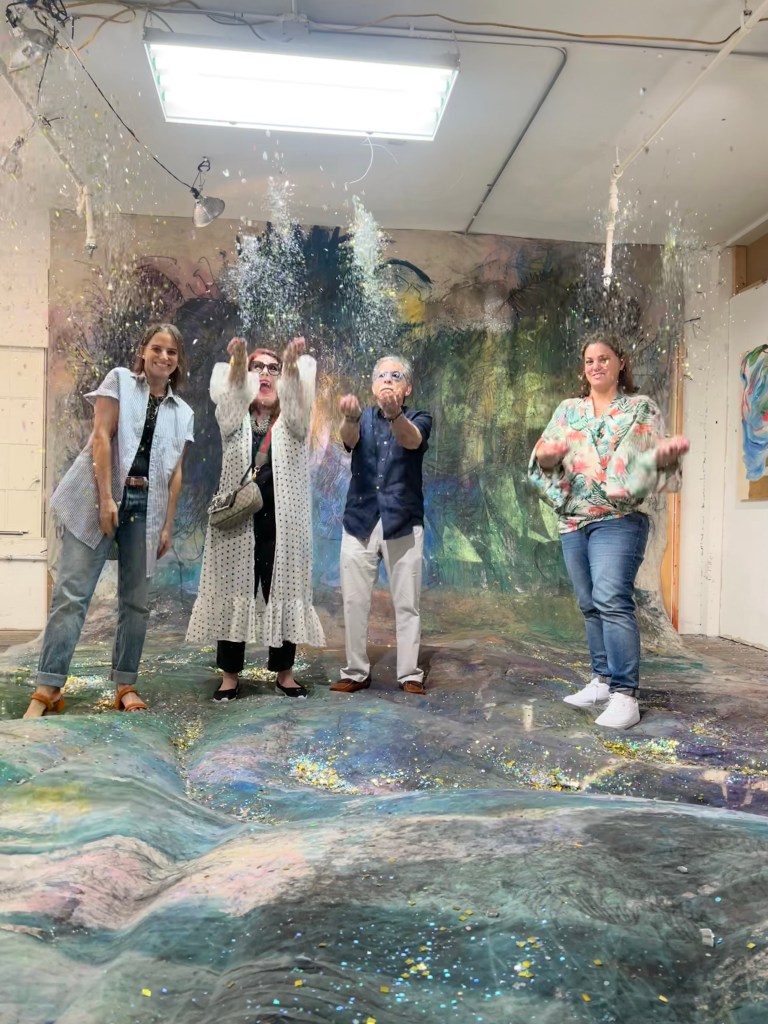
We finally got to experience Alex Nuñez’s award winning, brilliant and unique installation which uses canvas like you have never seen before. We were fully submersed in the scale of her work (16’ x 65’) which is currently being displayed at Fountainhead Studio. Alex, me, Eliot, Danielle Nuñez.
The canvas is covered with 50 lbs of double sided mirrors and iridescent confetti, which shift according to the audience’s path. The sense of equilibrioception is activated navigating this space of undulating canvas.
Fans are placed beneath this large canvas to create a kinetic sculptural painting. This unique combination allows the work to be seen in constant motion, altering space and distorting areas of vision. The large scale, hypnotic motion and sound of the work transform the painting into a living character. The fans mimic a rapid, mechanical breath, pulsating life into a vivid array of line and color.
Alex received the C12 Emerging Artist Fellowship Award from Hunter College’s MFA in Studio Art program.
Love being in the middle of art.
.
🌺🌺🌺🌺🌺🌺🌺🌺🌺🌺🌺🌺🌺🌺🌺🌺🌺🌺
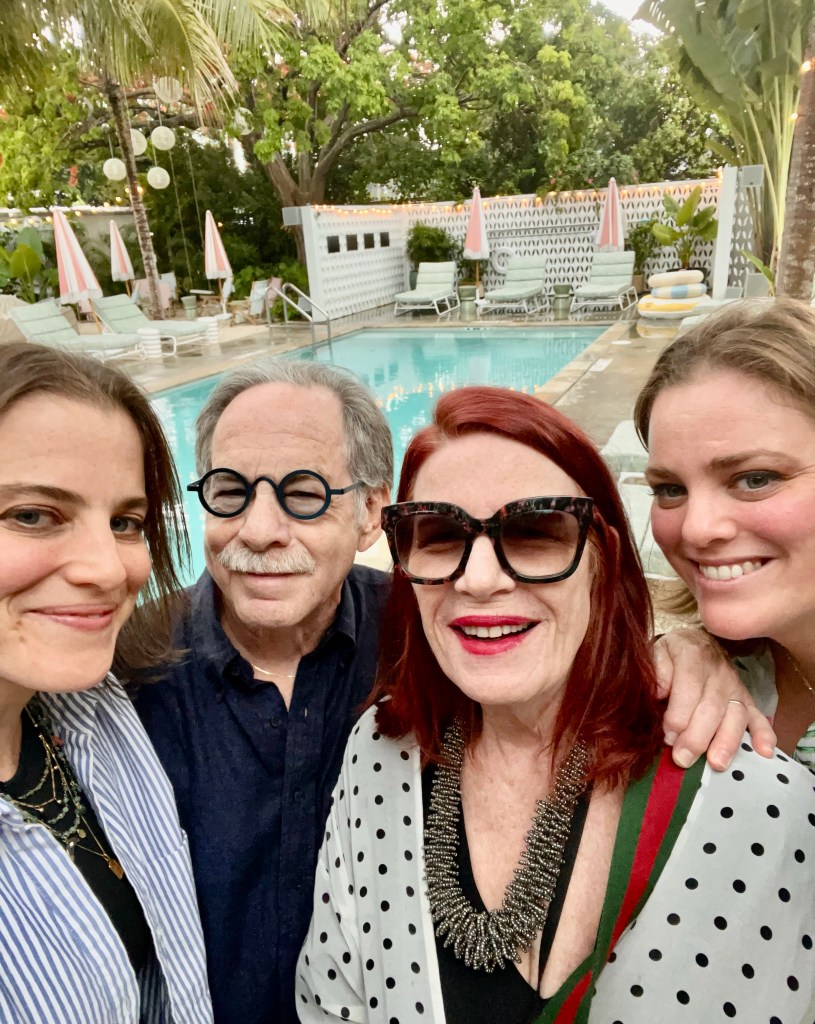
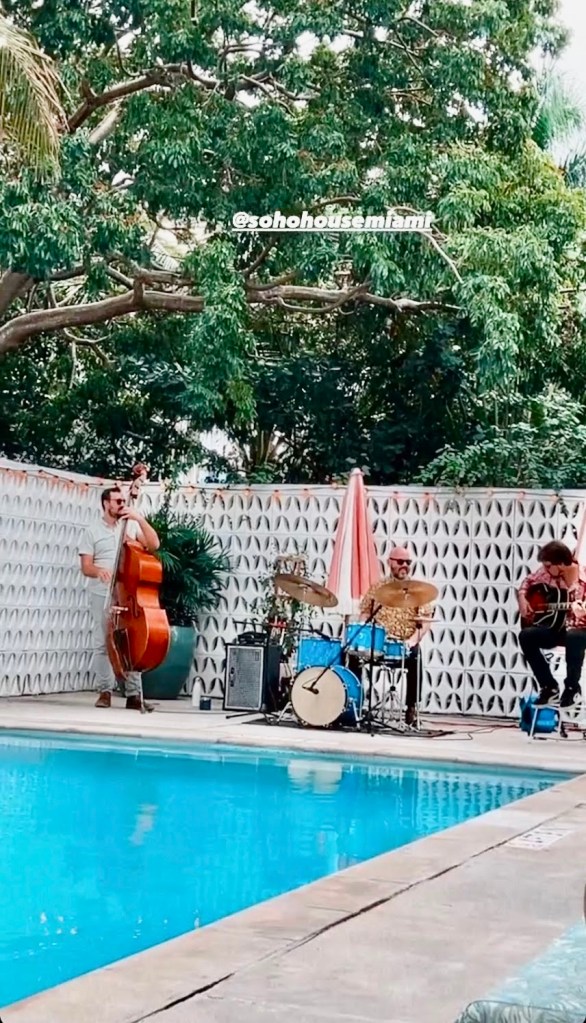
After having fun at the art installations, Alex Nuñez and Danielle Nunez took us to the Soho House in Edgewater/Wynwood. What a great escape. We laughed and compared life notes for hours. Thank you gals for sharing your membership.
Not only does Miami have great weather, the best beaches, plenty of sunshine, outstanding restaurants and an exciting nightlife, it now has City Life Guru.
The new digital publication is like no other. Co-founders, Alison Davis and Michelle Roth Maloy, have created a new type of newsletter that provides hidden gems all over Miami that most of the mainstream publications will never talk about.
While City Life Guru may occasionally cover the typical glitz and glamour of Miami, the newsletter is going to provide a platform where local experts recommend specialty restaurants, pop-up exhibits, boutique clothing shops, native theater productions, unique marketplaces, and home furnishings from all over the world.
Miami has needed a publication like this for a long time. It’s a city that embraces a multicultural population. People who live in Miami, or tourists who visit here, are usually curious, sophisticated world travelers who enjoy different cultures, ethnic food and diverse social practices.
Here are some of the areas that most folks know very little about:
Allapattah—Diverse Latin neighborhood
Aventura—World class shopping
Bal Harbour—Luxury open air mall and fancy restaurants.
Coconut Grove—Historic hamlet filled with jungle/lush landscaping and bayfront and sidewalk cafes.
Coral Gables—Mediterranean architecture, luxury suburban life.
Doral—World class golf courses and parks.
Downtown Miami/Brickell —Industry and entertainment meet city life.
Everglades Area—Hiking, biking, camping, canoeing, and airboats. Explore the wetlands.
Hialeah—Hispanic culture and fun and games.
Historic Overtown—A Black heritage with rich history.
Key Biscayne—Sandy beaches, nature preserves, and outdoor restaurants.
Little Haiti—Lively arts and culture to Creole flavors.
Little Havana —The heart of Miami’s Cuban diaspora.
Miami Beach: Mid Beach—Enjoy South Beach cool and North Beach calm.
Miami Beach: North Beach—The relaxed Miami Beach neighborhood from 60th streetto Surfside.
Miami Beach: South Beach—Life of the rich and famous. Very seasonal. Fancy restaurants.
Miami Design District—The luxurious destination for fashion, art, architecture, and five dining.
Miami Gardens —International food and quiet parks
North Miami Beach Area—Home to 44,000 multicultural residents celebrating inclusivity, creativity, and innovation.
South Dade—Farmland, exotic fruit stands, and the unique ecosystems of two national parks.
Sunny Isles Beach—Quiet beaches, family activities, romantic hotels.
Surfside —Lavish resorts, Jewish comfort food, Sandy white beaches.
Wynwood —Home to art galleries, retail stores, antique shops, eclectic bars, artisanal eateries and street art.
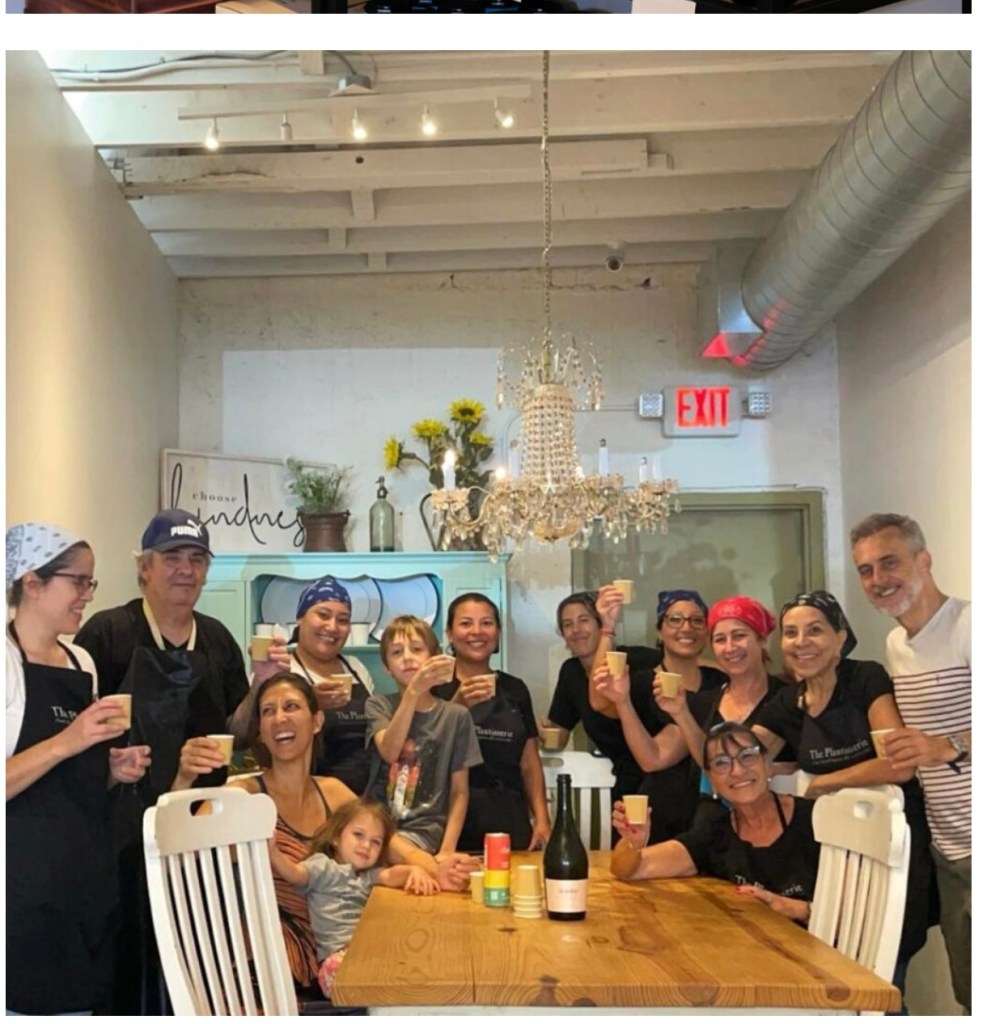
One of the recent “finds” that Alison and Michelle just uncovered in Little River is a vegetarian restaurant that offers healthy, clean, homemade style food that you can purchase by the pound. Maria Laura Alemann, along with her husband, opened Plantisserie in order to introduce Miamians to all of her new dishes. She “veganized” all of her childhood favorite recipes: curries,lasagnas, stuffed eggplants, empanadas and even pizzas.
Plantisserie is located at:
7316 NE 2ND AVE Little River Miami, Fl 33138
The restaurant now has a cult-like following among non-vegetarians and vegans alike. One of the secrets is that Maria hires actual grandmothers to cook traditional recipes. I personally think that’s brilliant. Everyone appreciates a home cooked meal even if it’s done remotely.
Alison and Michelle have a knack for gallivanting around to find new things and places for all of us. They have been doing it for years. They met in their 20s. Alison said, “Michelle’s dad is from Argentina and her mom is from Brooklyn. My mother is from Argentina and my father is from Maine. We had a lot in common when we met in Buenos Aires. I was working in advertising. She had an internship with a law firm. We quickly became great friends. She moved in with me for a year and a half. We traveled around Buenos Aires and discovered it was very multicultural. We both loved the differentneighborhoods. There was so much to do. We loved exploring together.”
Every weekend they went to markets, galleries, restaurants, and bars uncovering unique places. Michelle returned to her hometown of Miami a few years later and continued her law career becoming an Assistant State Attorney and then a defense attorney. Alison’s advertising career took her to New York, Singapore, Indonesia and eventually to Miami
Alison added, “We are both married now. Michelle has children. We still find plenty of time to enjoy Miami together the way we did in Buenos Aires”.
Michelle lives in Miami’s Bay Harbor. She actually grew up in Miami Beach. Alison lives in Williams Island. She also lived in Morningside for several years and before that across from the Standard Hotel in Miami Beach. They are both well acquainted with Miami.
The women point out that unlike most other cities many Miami residents are grateful that both English and Spanish are spoken here. “The Cubans and the South Americans love living in Miami and they want to stay here forever,” added Alison. “They are just nostalgic about their native tongue. They make every effort to speak English but they don’t to forget the Spanish language. Many Americans who live in Miami speak enough Spanish to communicate with their new friends and neighbors.”
One of the most valuable elements of City Life Guru are the city guides that allow you to walk through the different areas of Miami and know exactly where you are going. Alison explained “We want people to take our guides and walk through the streets and discover things on their own. We just finished Little Haiti. It’s such a fantastic neighborhood. The area has the most unique places plus incredible galleries and restaurants. Look for the Caribbean marketplace on Saturdays. It’s incredible.”
Alison and Michelle invite everyone who are interested in Miami to go to their website and sign up for the newsletter.www.citylifeguru.com.
Alison and Michelle will shortly be launching a major advertising and marketing campaign for their new venture. It should be the talk of the town.
Meet Susan Sall Warner. I have been an advisor and publicist on her upcoming book, “Never Say Never, Never Say Always,” for a year and a half.
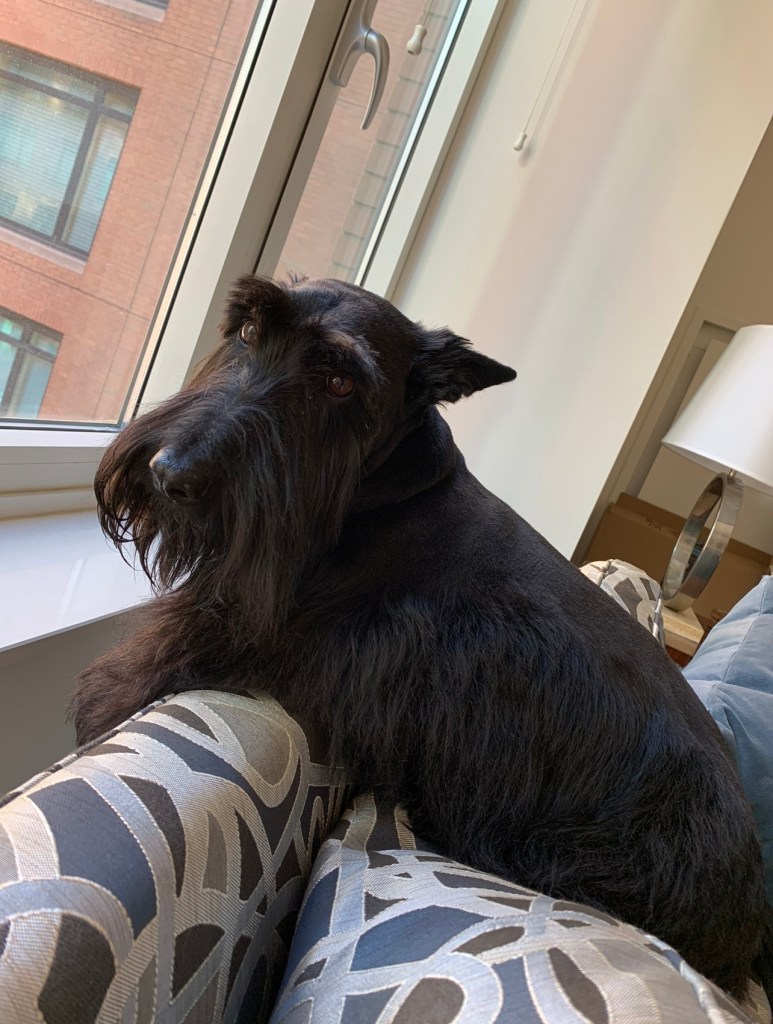
The podcast that we just did together, number 26, explains how important her Scottish Terrier, Winston, is in her life, especially when she was deep in grief.
Winston has constantly been at Susan Warner’s side since her son David, and then her husband Michael, died six years ago. Everyone who owns a dog knows the irreplaceable comfort that a dog brings on a daily basis. When crises strikes, their companionship is irreplaceable. Pets represent normalcy, consistency, devotion, tender love, no judgement, and loyalty.
Susan’s upcoming book, “Never Say Never, Never Say Always,” will devote a chapter to Winston because he holds a very special place in her life and recovery. He could probably tell us secrets about Susan no one knows. Winston is a major part of Susan’s return to normalcy and a major part of her heart. Everyone who meets Winston knows he deserves so much credit.
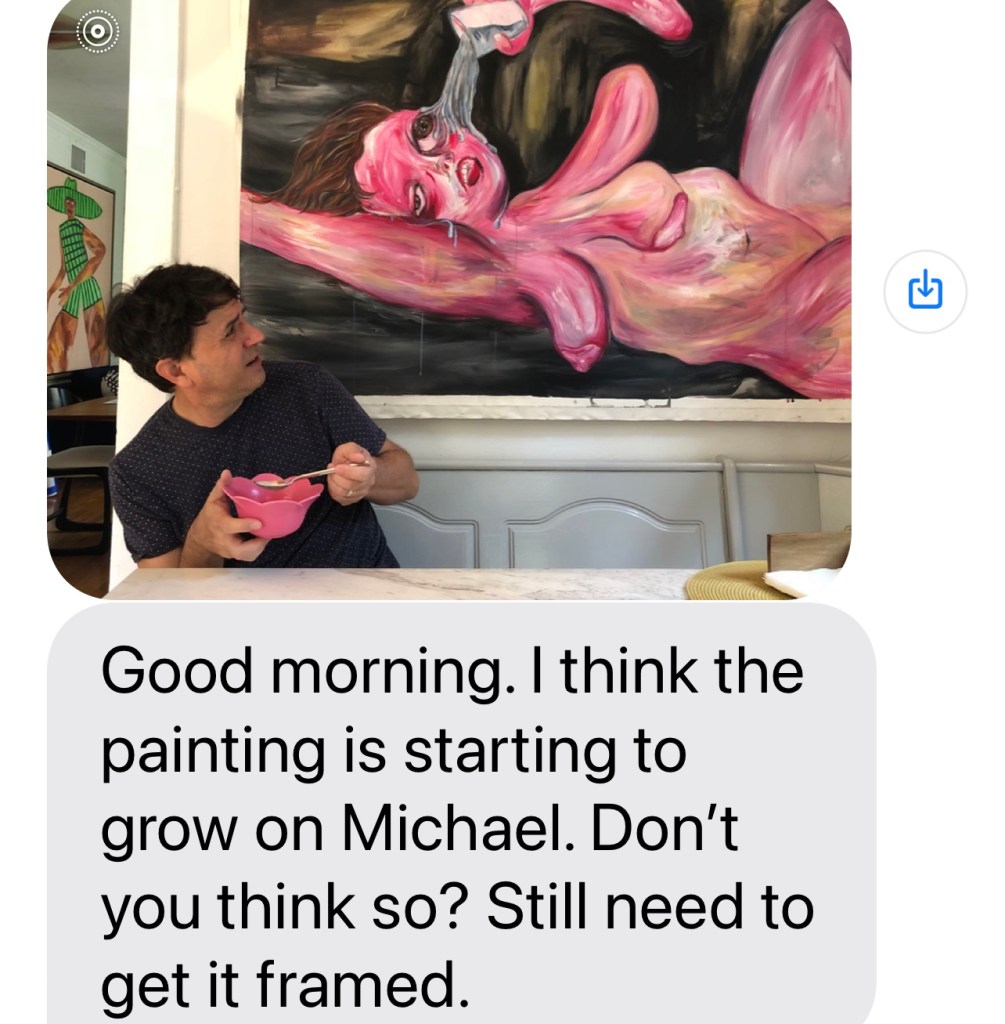
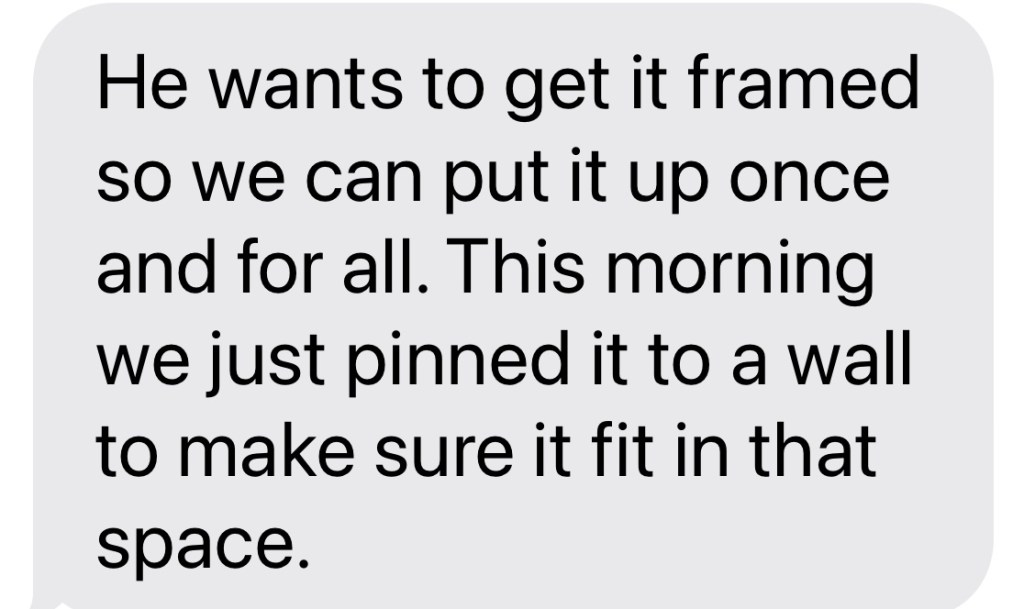
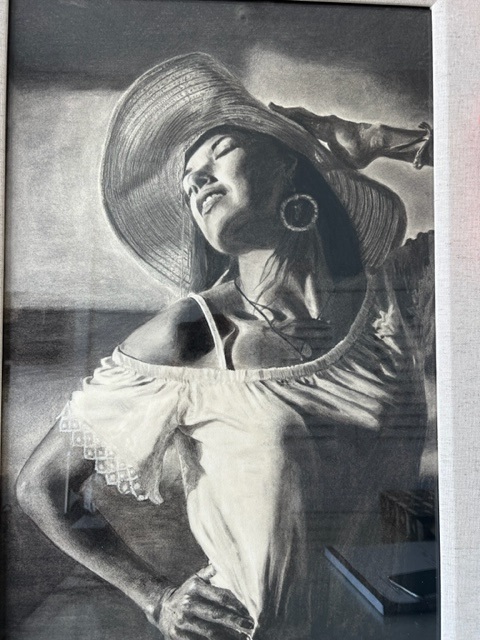
I received the text below from my friend. We were on the same art tour in Buenos Aires. That’s where she bought the painting from one of the most popular artists in Argentina. When you know the artist and the history behind the painting, you absolutely adore it.
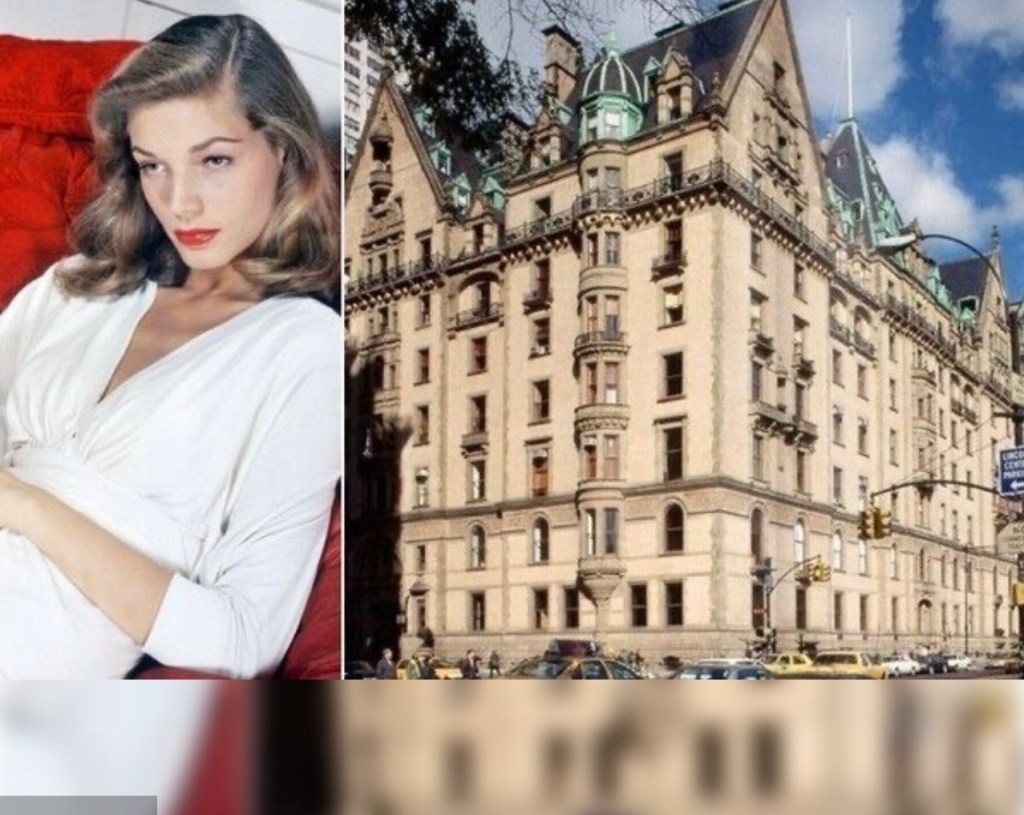
(We have been inside the Dakota several times). We were lucky to have had several clients who lived there. We never toured Lauren Bacall’s apartment. The minute I saw this story, I knew I had to share it with you.—LWH)
.
Lauren Bacall was more than just an actress and singer; she defined an era with her timeless style. Her distinctive voice and sultry looks placed her in the top 20 of the greatest female stars in Classic Hollywood Cinema.

While the name may not ring a bell to some, her films such as The Big Sleep, To Have and Have Not, as well as Key Largo are classics, and her romance with fellow acting legend Humphrey Bogart has gone down in the history books. During her career, she won several prestigious awards: a Golden Globe, Tony, as well as several Academy Award nominations. She was a legend in her own right, and her multi-million dollar home where she spent decades of her life is more than worth a look into.
The Most Coveted Real Estate in New York City
It’s no secret that some of the most expensive and luxurious apartments in New York City are the ones directly across from Central Park. And it’s not surprising that with all the success she experienced in her life, Lauren Bacall had the financial ability to own one of them – one worth $26 million. For 53 years until her death in 2014 at age 89, she lived in the Dakota Building on the Upper West Side of Manhattan. After her death, people got to glimpse inside her apartment for the first time when it was put on the market before all of her possessions were sold at auction.

The $26 million price tag certainly has something to do with the history of the Dakota Building, which has been home to many well-known figures and much history. Not to mention, her apartment was more like a standalone home thanks to its nine rooms.
Nine Rooms
Some may say that having a place with nine rooms shouldn’t be counted as an apartment, and it shouldn’t. At 4000 square feet, Bacall’s place was so huge that it is one of the most historic and famous properties in all of New York City’s history. If you take a look at just the master bedroom, you’ll see that it is a staggering 22 feet wide with doors that open into a study room, and its own bathroom and walk-in closet.
NYT
As for the rest of the apartment, you’ll find a huge balcony overlooking the iconic Central Park. As for the kitchen, it wasn’t some hole in the wall with minimal space. Nor was it shoved into a corner of the living room. Bacall’s kitchen was huge and opened up into the 24-foot by 19-foot dining room that was linked to the family room. But that’s not all. This place included a guest bedroom, a gallery, and a library – everything you could ever want or need in a home all inside an apartment.
The Dining Room
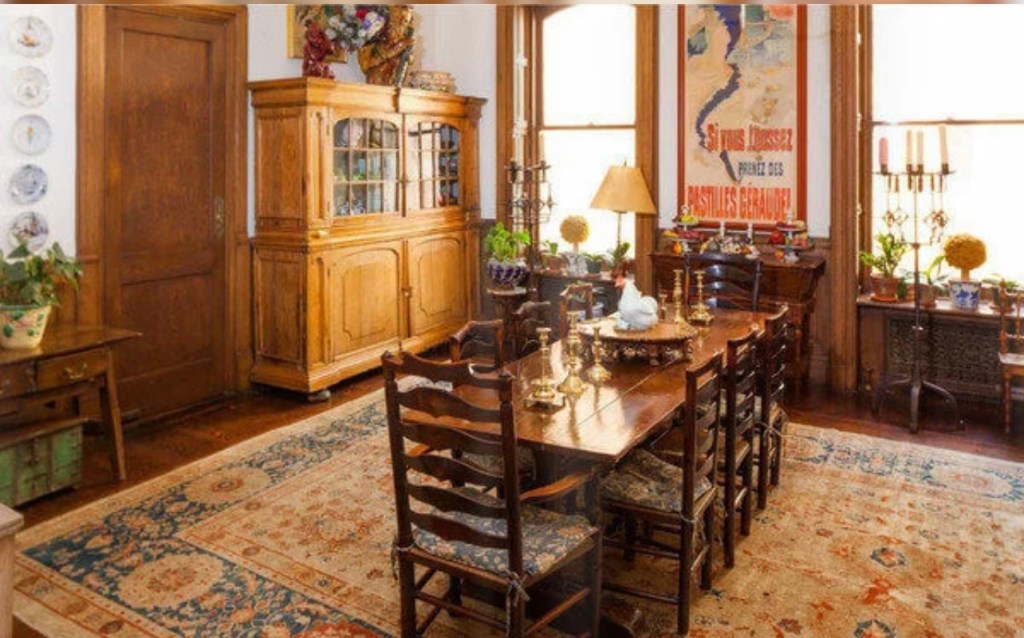
Being rich and famous gives you the ability to buy whatever you want. For Bacall, she was in love with French-inspired designs. Many of her furnishings were of French design based on the Louis XIII style.
As for Bacall’s dining room, she managed to bring her love of French design into perfect harmony. The color pallet she used was nearly flawless with its deep blues in the rug highlighted by the rustic reds that can be seen in the wall hanging. Incredibly though, the wall decor is the highlight of the whole room. The poster created by Jules Cheret actually sold for $7,000 and is called The Belle Epoque.
French Posters and Fine China in the Dining Room
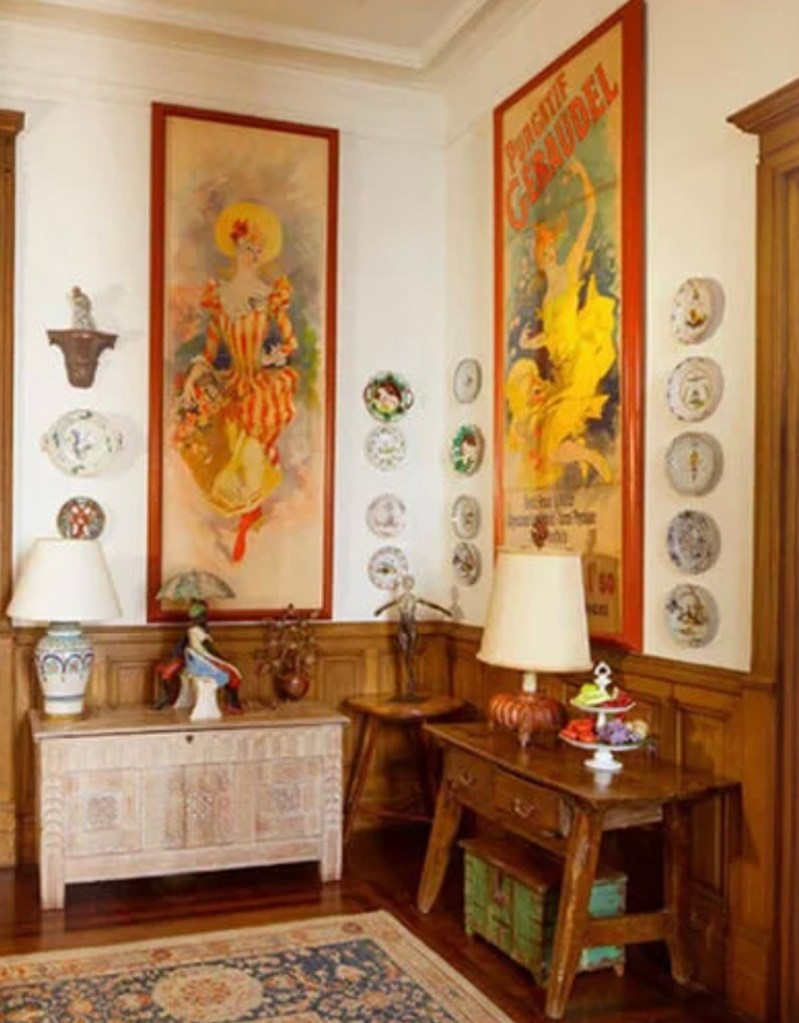
The Belle Epoque poster isn’t the only decor on the walls in Bacall’s lavish formal dining room. There were several hanging around the room that showcased her love for French design. Although these posters were beautiful and fabulous, Bacall’s style paired the French with collectible china that she placed under the stylish posters.

This corner of Bacall’s formal dining showed just how much of a collector she was. Instead of using the fine china for dinners, she proudly displayed them. But it wasn’t just plates that she admired – she lavished the room with pristine lamps and other art pieces that rested on nearly every piece of furniture.
Bacall’s Unique George III Dresser
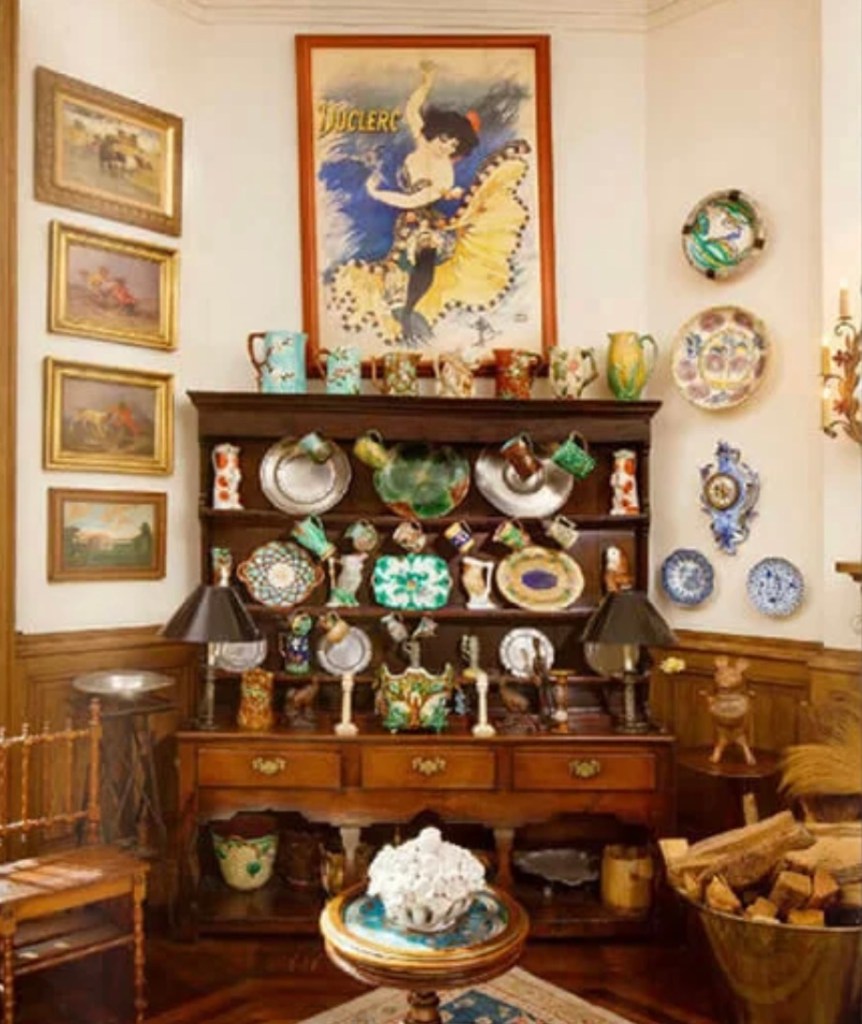
Despite the fact that Bacall favored the French style, she also collected pieces from all around the world and different times. She had a beautiful George III oak Welsh dresser that held some of her china collection that dated back to the late 18th century.

While the Welsh dresser was in fact from England, it was designed to mimic French style. The dresser was made from oak which was unique for furniture during that time period. Typically, furniture was created from mahogany or sometimes satinwood or giltwood, but very rarely oak, which is why this piece sold for a whopping $6,875.
The Pretty Pink Master Bedroom
Just like the rest of Bacall’s home, her bedroom features prized collections and various artwork. You’ll find behind her bed one of the many gallery walls that she has decorated with her best collection. But the artwork that is on the walls isn’t what makes this bedroom so stunning: it is the unobstructed view of Central Park.

What also makes this bedroom stand out among the other rooms of this lavish apartment is the color scheme. Throughout the rest of the house, Bacall chose blue, white, brown, and rustic red, however, with her bedroom, she used softer tones of lavender and pink which are not found anywhere else in the rest of her home.
The Master Suite
One thing is certain: Bacall loves to fill every available space in her home with antique furniture, collectibles, and fine art. Unlike some places that appear to be crowded with collectibles, Bacall made it cozy. Take the master suite for example, where the working fireplace is adorned by metal plates and figurines that she collected over the years is highlighted by a very modern lounge.

Surprisingly the lounge does not throw the scheme of the room off but ties everything together quite nicely. But what good is a lounge without books? Here you will find a large bookshelf filled with knickknacks, and her favorite books.
Gallery Walls in the Master Suite
While the fireplace is the perfect spot for Bacall to feature her candlesticks and decorative metal plates, you’ll also find yet another gallery wall. Here she has featured portraits of ships as well as floral designs with the splash of accent colors.
One of the main reasons why this apartment can feature so much fine art is the fact that the walls are 13 feet high. This of course gives an art collector all the space they need to showcase the work that they have.
Yellow Walls in the Guest Bedroom
When it comes to the guest bedroom, you won’t find the typical color scheme. Here Bacall decided to use bright and cheerful colors. The yellow walls and the highlighted blues allow this room to have a whimsical feel. Once again you will find expensive art hanging on the walls. The painting behind the bed which depicts a woman holding a basket of fruit was created by Andres Segovia from Spain back in the 1920s and was sold at auction for $18,750.

Although the walls are a cheerful shade of yellow in this guest bedroom, the blue bedspread and rug just so happen to match her living room couches and walls. The unique tiered shelving piece that rests in the room’s right corner definitely adds an interesting touch to the overall look and feel of this room.
The Blue Living Room
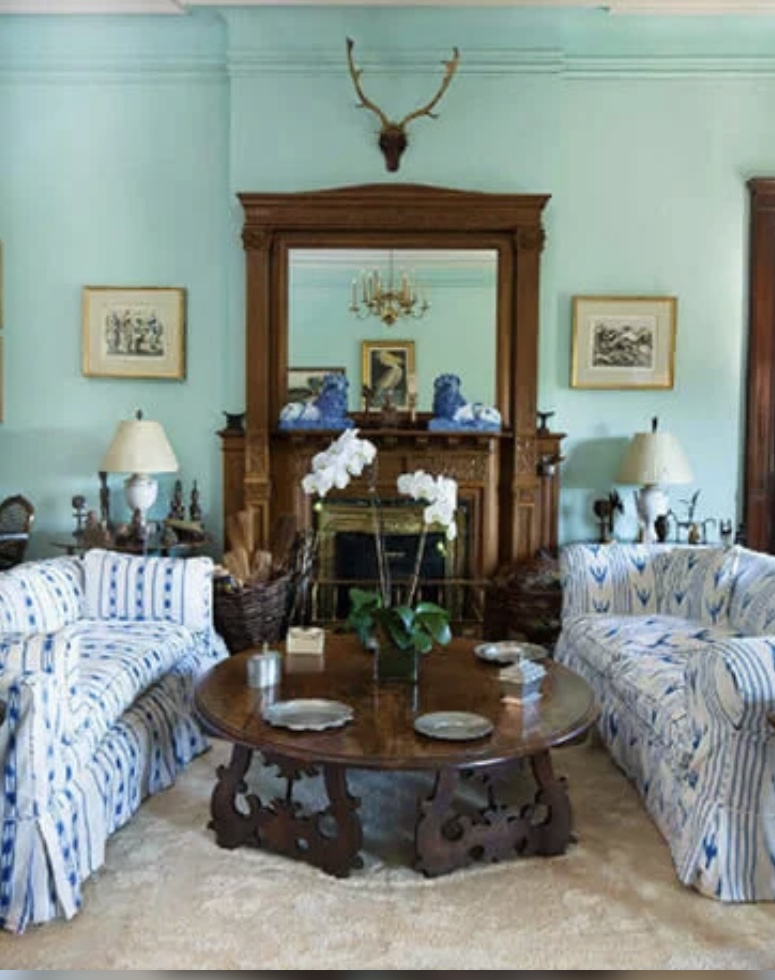
It’s very clear that Bacall was known for her style, and despite the living room being quite formal, she managed to pull off a refreshing color scheme with her choice of baby blues alongside robin’s egg blue. Due to the choice of colors, the room is not stuffy or dreary but in fact works wonderfully with the natural light.

Here you will find the soft blues really tie into her collection of statues and knickknacks. The actress who liked to collect things from all around the world has placed Indian-inspired elephant statues alongside a rustic table that features crane and the camel.
The Baby Grand Piano
When you have the money to burn why wouldn’t you get yourself a baby grand piano? Although Bacall was known for her musical skills, it’s clear that she didn’t play much in her older years. The baby grand piano works more as a tabletop that showcases family photos.
This particular piano was created by Mason and Hamlin which was a New England-based piano company founded back in 1854. Due to Bacall’s status, her piano sold for $6,875 which is just above the starting price for a new piano. We can only imagine how difficult it was to get that into the apartment or out of it.
One of the things that makes this apartment so unique is the five working fireplaces scattered about the apartment. Many apartments in New York do not have such lavish comfort. Add to that, each of the fireplace mantles offers detailed ornate carvings.

Here in the sitting room, Bacall gives a nod to the overall theme of wildlife that is showcased in many of her other rooms. And while the couches are not your average grandma couches, they are quite comfy. Many will say that trying to pull off patterned couches is hard to do these sofas not only ground the room but the white actually offset the dark wood of her coffee table as well as the fireplace.
French Style Mirrors
Bacall’s apartment offered a stunning nine-room living space. This allowed her the freedom to obtain as much antique furniture and art as her heart desired. In the sitting room, you’ll find an ornate French-style mirror that highlights and expands the Regence Provincial Walnut Commonde. This piece of furniture is estimated to have been created in the mid-18th century and sold at the auction for $3,750.
Another stunning feature is the secretary desk that was also crafted in Bacall’s beloved French Style. The walnut Louis XV provincial bureau, which was also created around the 18th century, sold for a whopping $5,000. Both pieces of furniture that Bacall had tied in with the hardwood flooring making them a lovely addition to this room.
There is no doubt about it, Bacall loved her art. She moved into the Dakota at the age of 36 and remained there until she was 89, during which she had plenty of time to decorate the lavish apartment and build her astounding collection. Some will even go so far as to say that Bacall’s apartment was more of a museum than a home.
You’ll find that nearly every inch of the walls within her home was covered by framed artwork. Some pieces were a pretty penny and somewhere just works that the actress admired. Although, not all of her pictures were pricy paintings, many of them were photographs and posters.
The Pelican Painting
It’s not surprising that the collection Bacall had was priced more than her furniture. The painting Bacall owned from painter James Audubon of an American White Pelican sold at the auction for $173,000.

James Audubon was more than just a painter though, he was an ornithologist and a naturalist. His works often gravitated to birds, and he wanted to paint them in their natural habitats. One of his more astonishing accomplishments was his book called The Birds of America in which he set out to paint one page a day and identified 25 new species of birds.
Louis XIII Walnut Fauteuils
For most of us, it’s hard to imagine dropping two grand on just a couple of chairs. But for those who collect antiques, two grand is a reasonable price for these Louis XIII style chairs. Bacall managed to keep this pair in pristine condition. With the light blue stitching in the upholstery, these chairs complimented her already lavish home.

The chairs priced for $1,875 at the auction and are considered the top tier of French design and decor. The chairs featured veneer turned wood and leaned towards the architectural, making them works of art in their own rights.
Louis Vuitton Luggage
The very name Louis Vuitton has a ring and style all of its own. For many, they won’t carry around anything else. Celebrities from all generations have fallen in love with Louis Vuitton ever since the company first came on the scene back in 1854. But Bacall’s collection of Louis Vuitton luggage is a class all to itself.
A single duffle from Louis Vuitton can run around $2,000, however, Lauren Bacall’s collection is vintage and rare which also implies very expensive. Her luggage set sold for $37,500.
Director’s Chair
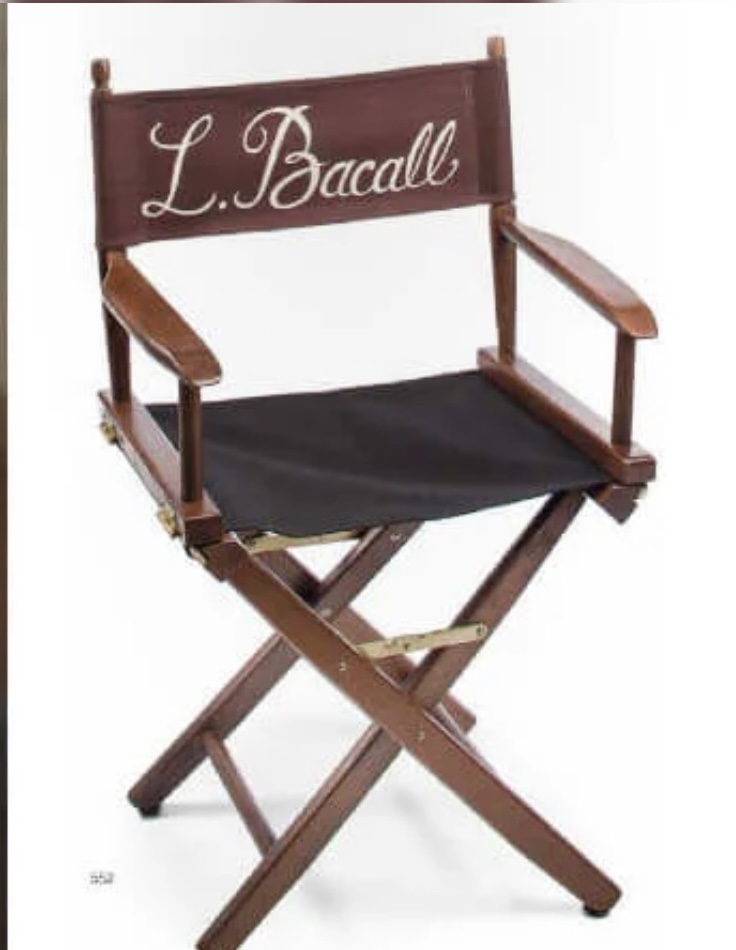
Lauren Bacall was an actress and talented singer so it’s no surprise that her apartment would reflect her career. While many of her things dwell around the fine arts, there are some that directly relate to her job. Take her Director’s Chair for example. This is but one of the many pieces of Hollywood history she had. And while many may say that such an item is priceless, it sold for $4,750.

While everyone knows her as Lauren Bacall, she was born Betty Joan Perske. After she changed her name and starred in To Have and Have Not, her whole world changed and she rose to stardom. Bacall acted alongside some of Hollywood’s best such as Marilyn Monroe, and her husband, Humphrey Bogart.
Bronze Statues
Most of the items in Bacall’s home should be in a museum. But each piece was a part of her life and lifestyle. A few of the more remarkable pieces she had include three bronze statues of the female form. These pieces sold for $30,000 and were created by Robert Graham.

trend-chaser.com
trend-chaser.com
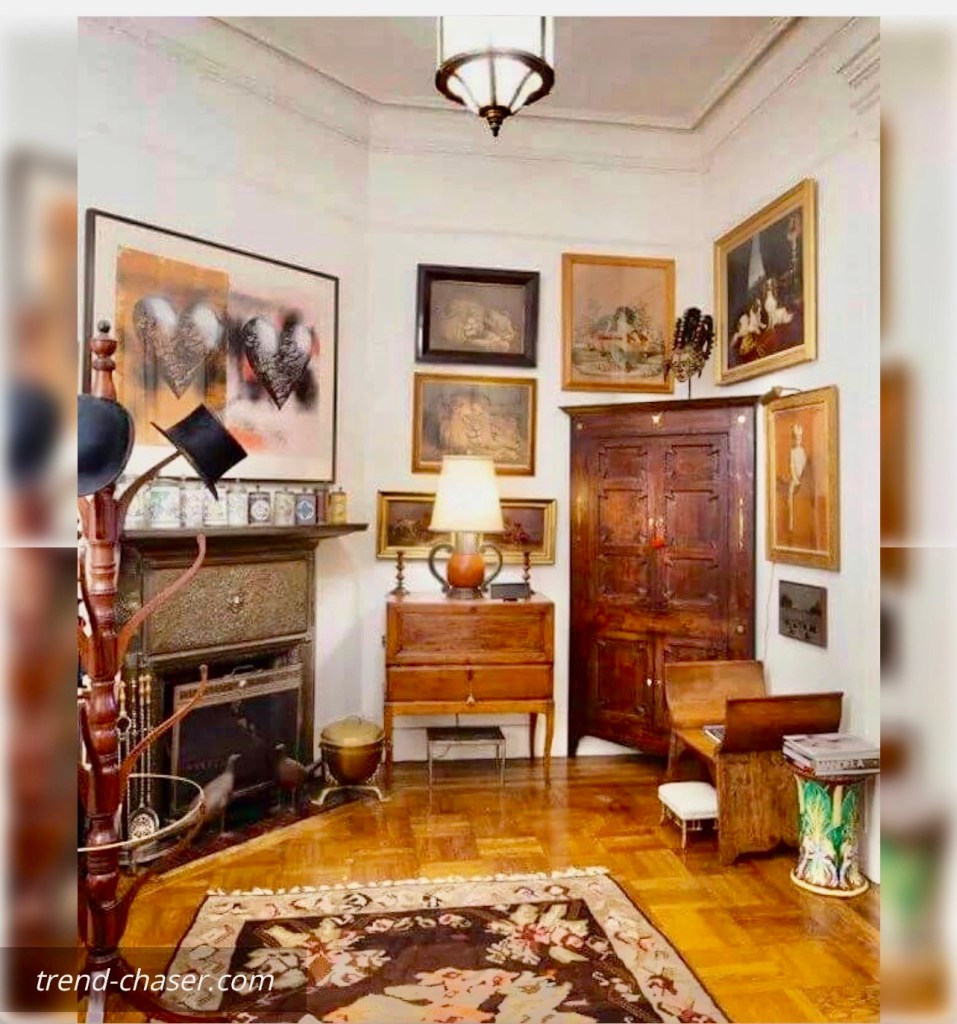
You can see them here at the left of the photo, amongst all the other art in what seems to be Bacall’s foyer. The quality of the works only further accentuates the feel that you’ve stepped into a museum.
Raw Drawings
During one of Bacall’s last interviews with Vanity Fair, Bacall stated how her apartment became a “map of memories” to her. Each picture, statue, and antique told a story of her life.

The artwork Bacall owned came from all sorts of painters, artists, and sculptors. Names such as James Audubon, David Hockney, Henry Moore, and Max Ernst all added to her massive collection over the years.
Divine Wood Furnishings
All of Bacall’s furniture was unique, decorative, and above all else – functional. The interior of her massive apartment wasn’t flashy or glamorous like many other Hollywood stars’ homes are. Her home was elegant and classy, a trademark of many classical Hollywood stars from the golden years.

Each piece she picked out for her home was hand-carved. It didn’t matter if the furniture was a wooden bench, dresser, or bureaus; each piece was unique by design instead of some carbon copy you’d find in a catalogue. This made the place homey and often gave a sense of coziness to guests who visited. But above all, the pieces of furniture Bacall picked worked as they should. They weren’t something set off in the corner to be admired.
Central Park
One of the main things about living in New York City is the massive amounts of building and skyscrapers. Often times a view is looking out into the busy city streets. But Bacall had unobstructed views of the trees in Central Park.

Bacall’s apartment offered her a stunning and coveted 100-foot view of Central Park. In other words, nearly half of Bacall’s apartment featured breathtaking views of the park. It was this view that Bacall admired the most about her apartment and stated it was an important reason for her to live in the Dakota.
Extravagant Exterior
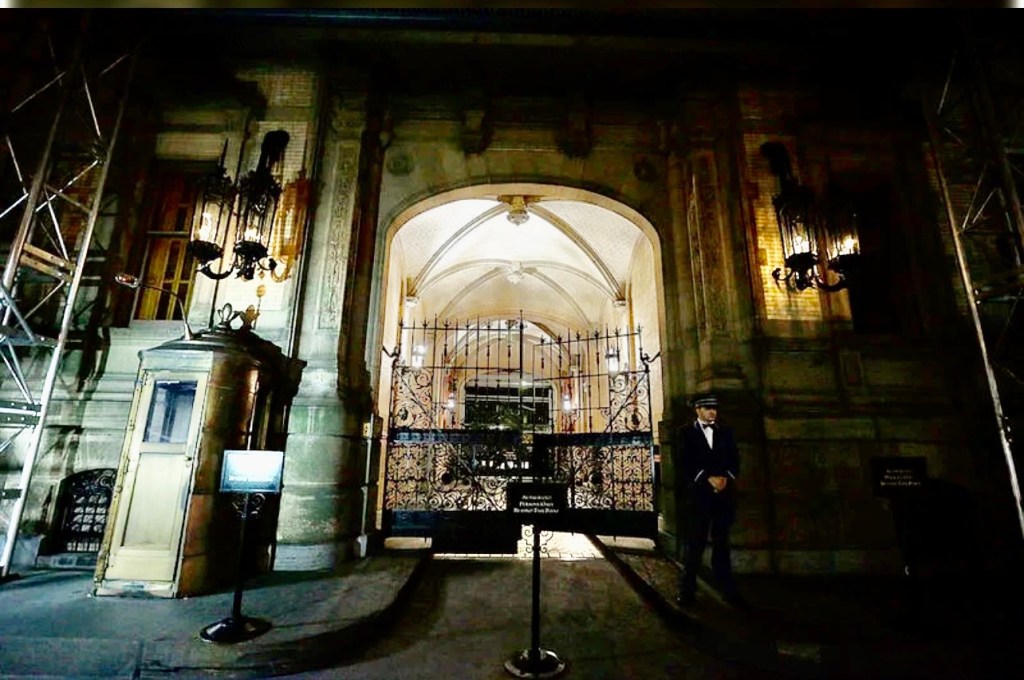
The Dakota stands at the corner of Central Park West and West 72nd Street in New York City. Every brick and stone holds a place in history.

One of the most stunning buildings in New York City, it is filled with icons and history. It is essentially the spirit of the city that gives hope to those that come to the city looking for a better life and fulling dreams. It’s no wonder that the building has grown significantly over the years.
Roses Adorned Her Gate
Just five weeks shy of her 90th birthday, Lauren Bacall passed away on August 12th, 2014. Fans from all around came to pay their respects by leaving gifts and adorning her gate with roses.

Being one of the last actresses from the Golden Age of Hollywood, her massive stroke came as a shock to many. But in the weeks after her death, fans from all across the country came to honor her and her life.
Henri Matisse’s Apartment on the French Riviera Hits the Market for $2.7 Million
The famed French artist lived in this spectacular Nice residence for more than a decade
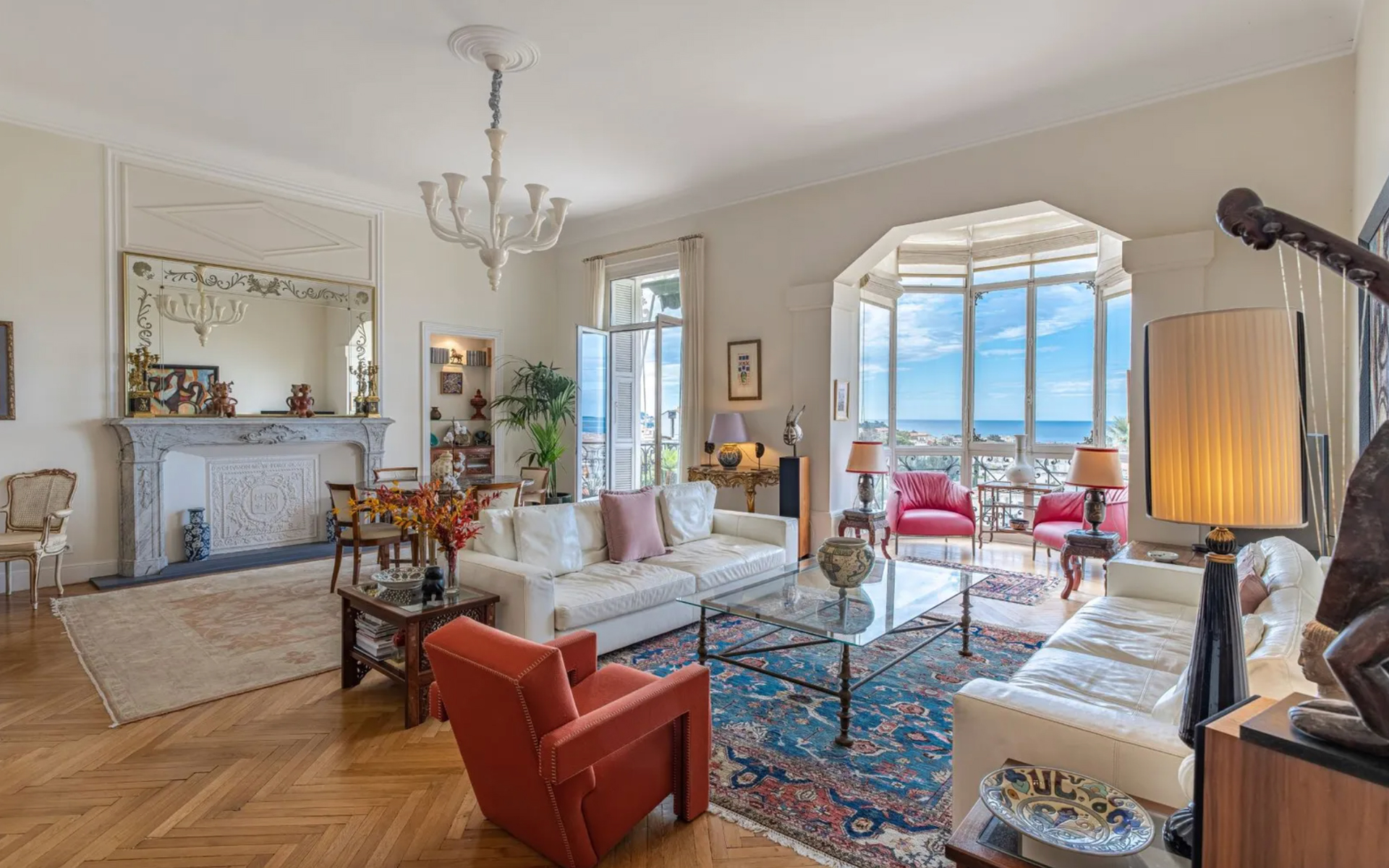
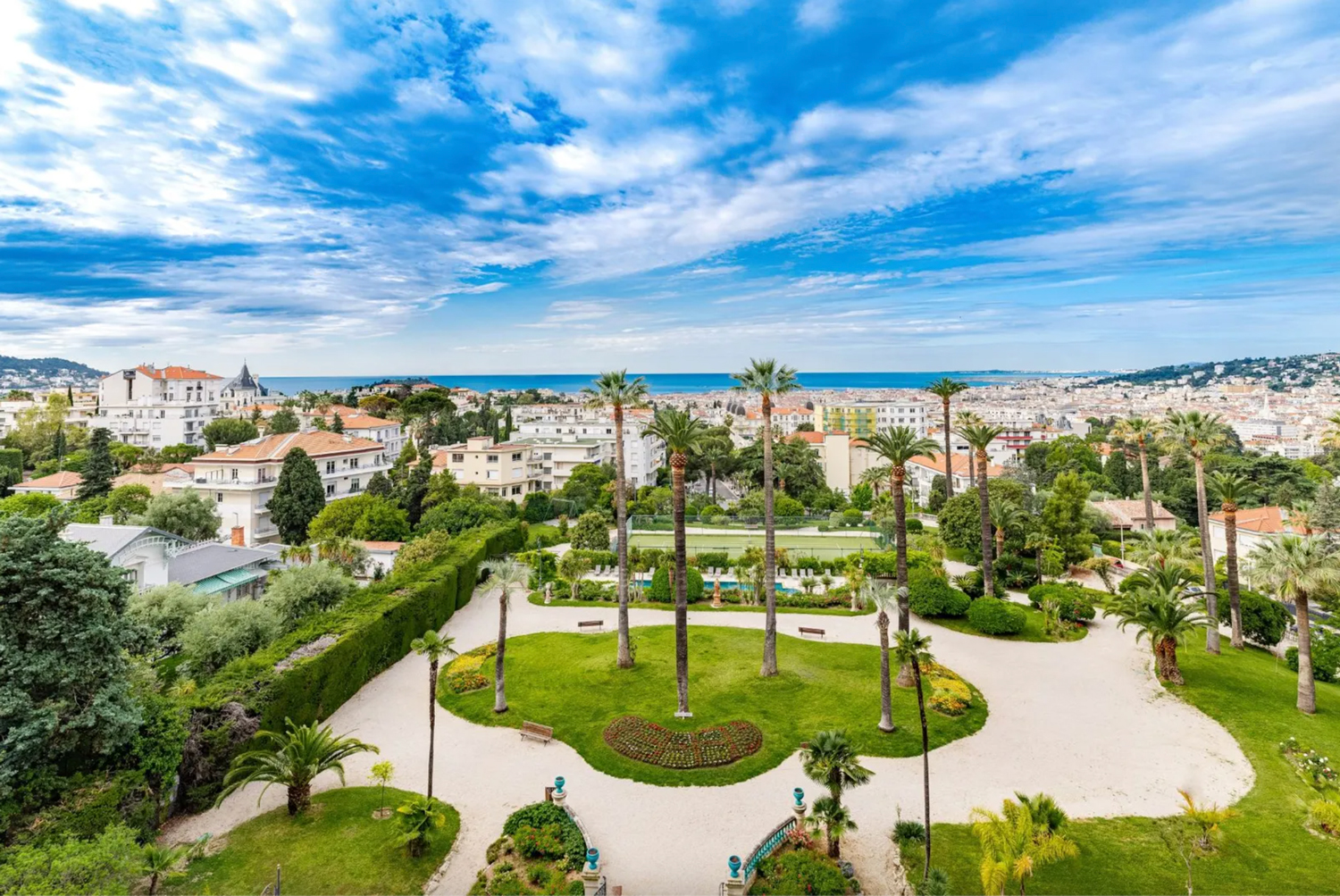
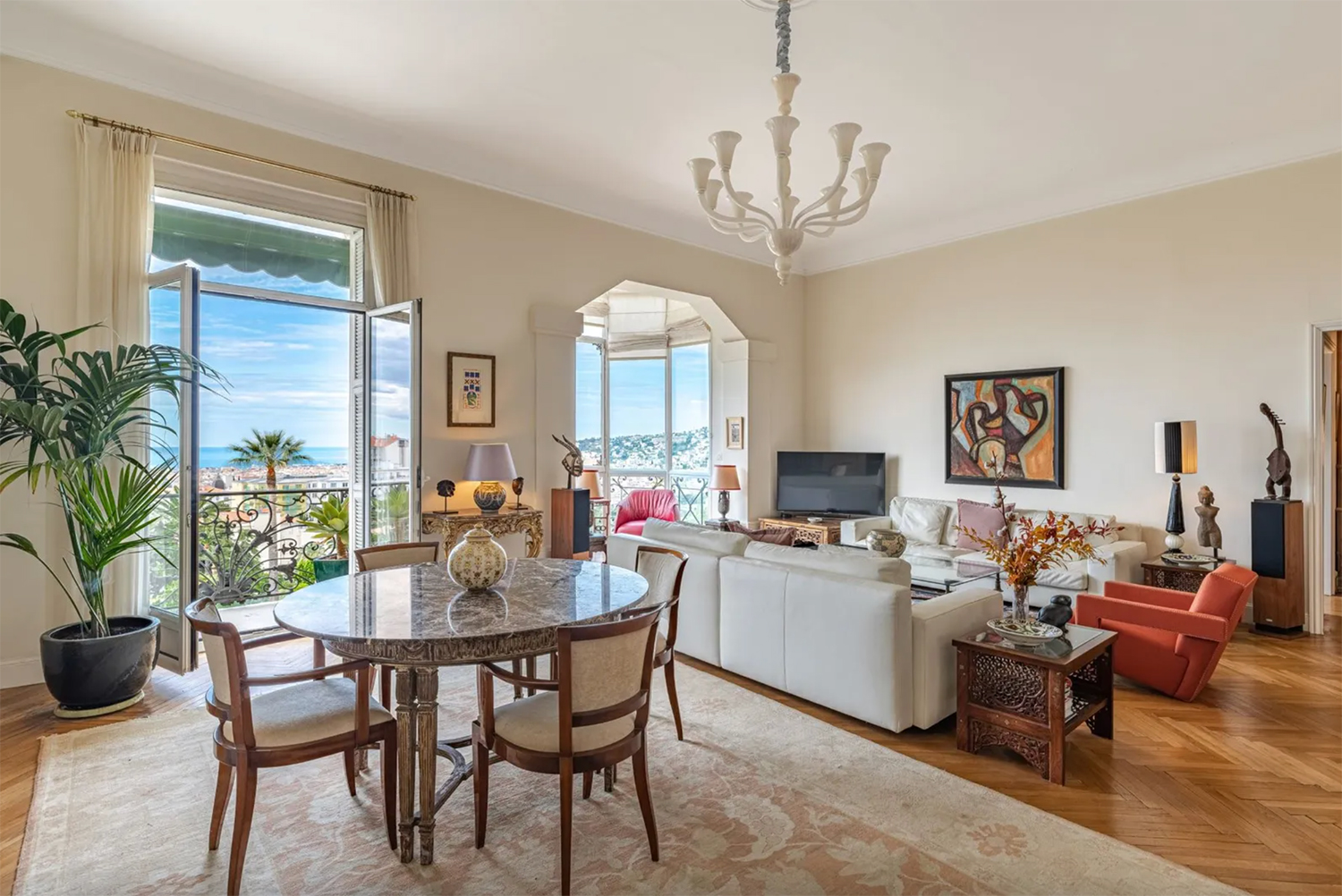
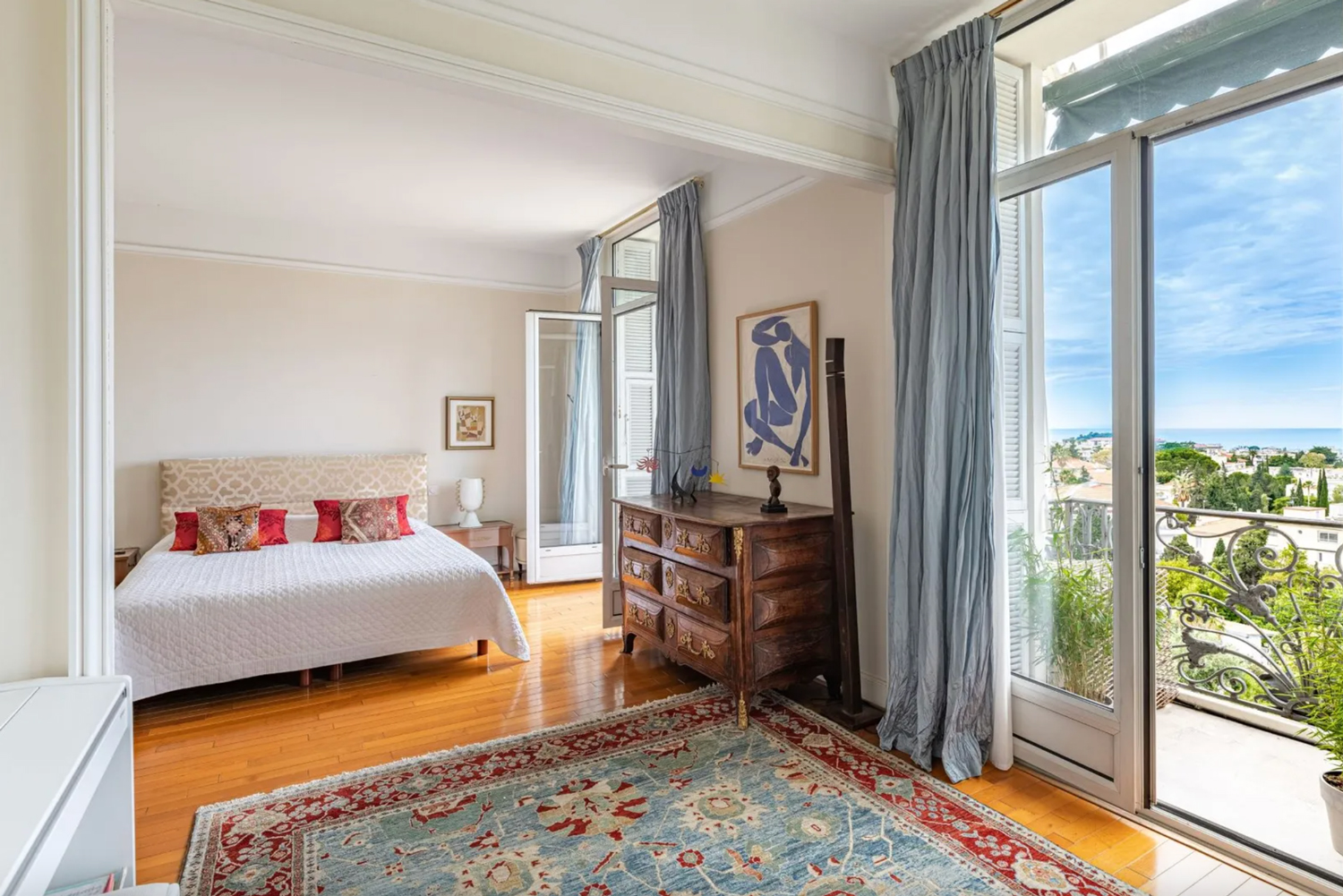
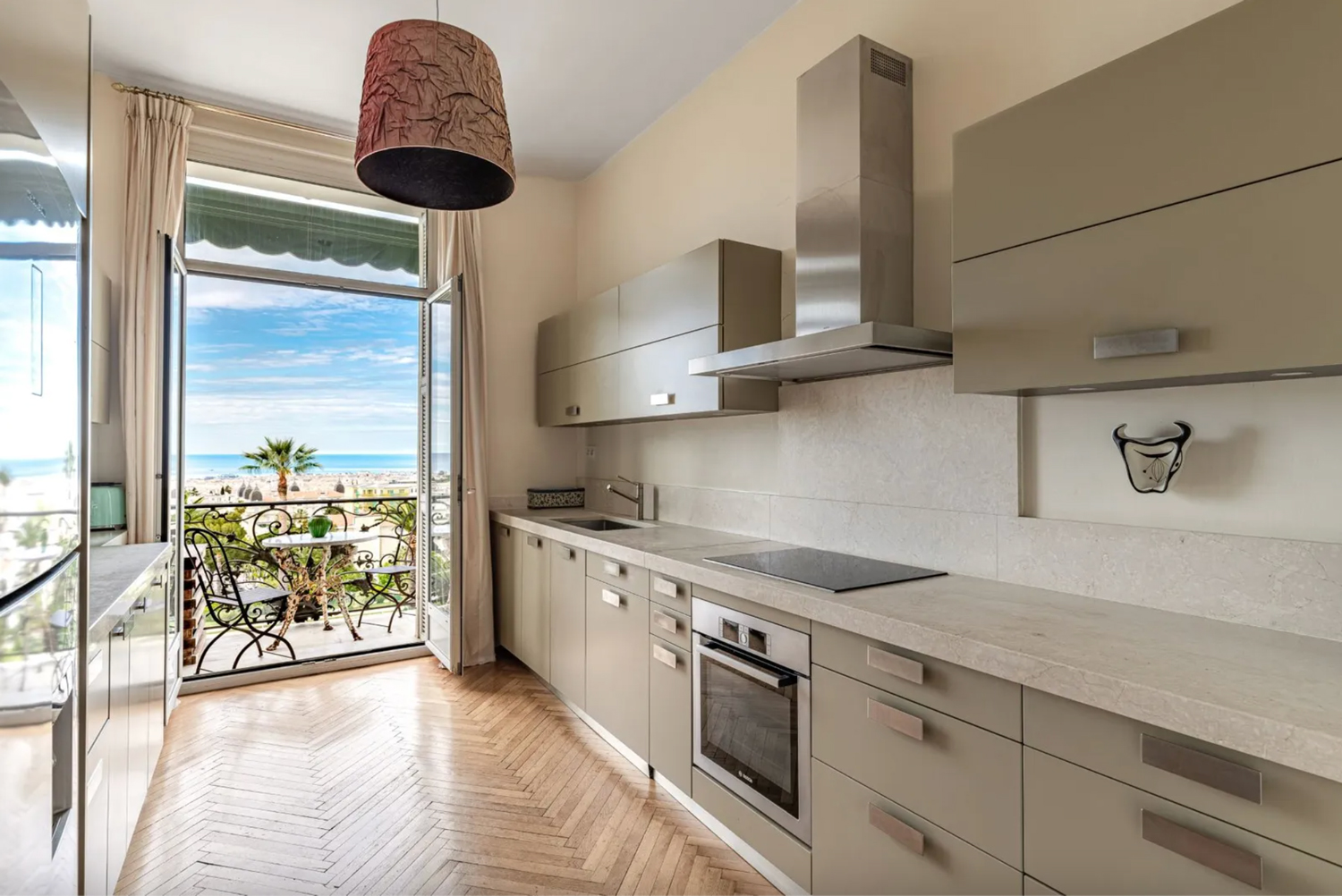
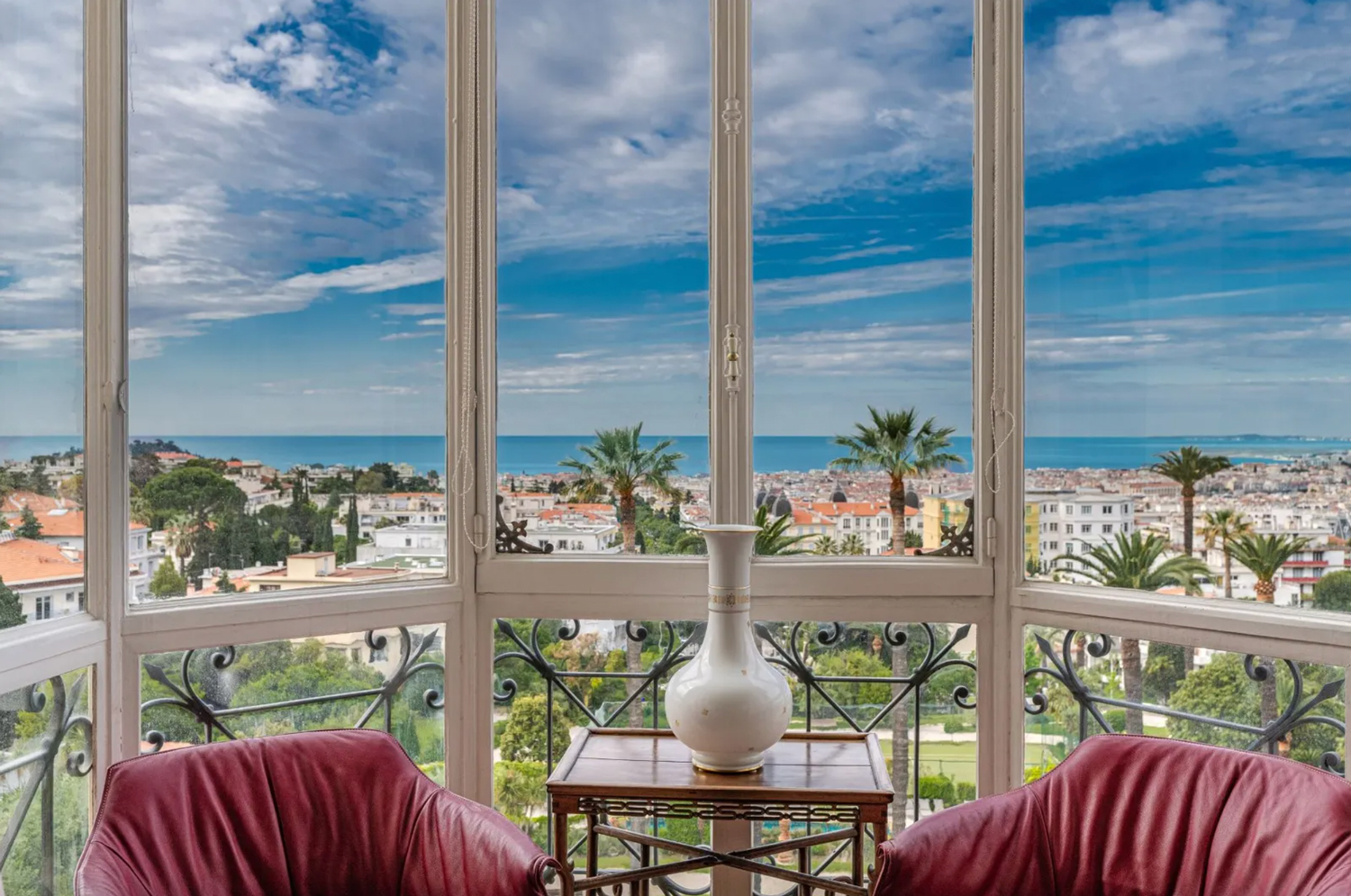
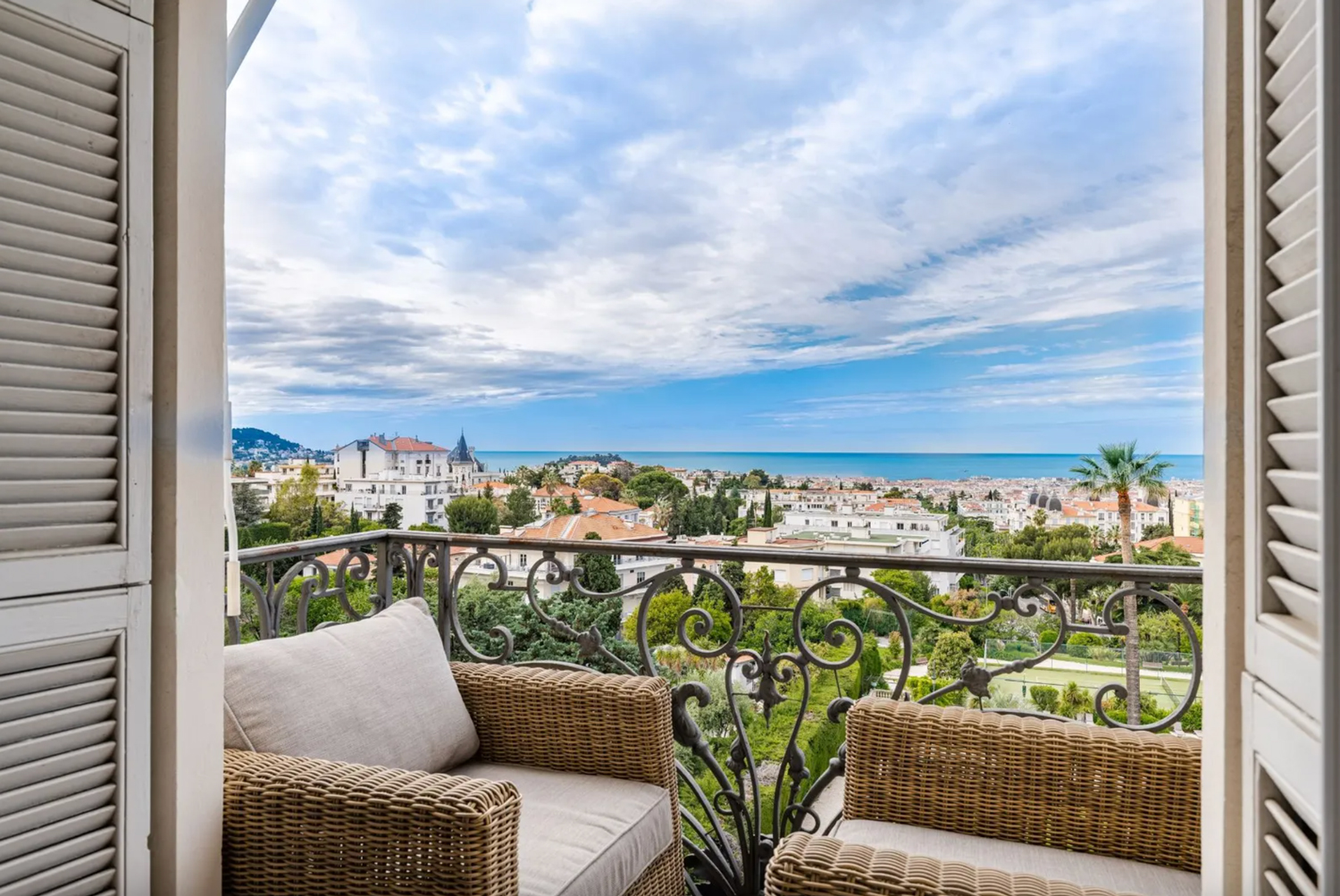
A spectacular apartment that once belonged to famed French painter Henri Matisse has hit the market for $2.7 million. Perched on a high floor of the landmark Régina in Cimiez in the seaside city of Nice, the glamorous two-bedroom unit features extraordinary views of the Bay of Angels from its four balconies and striking bow window.
Matisse, a pillar of modern art, acquired the 1,700-square-foot dwelling in the 1930s, choosing to make it both his primary residence and studio for the next decade. “The large colorful reflections in January, the brightness of the day are what attracted me to settle here,” he wrote shortly before his death in 1954. The unit is particularly noteworthy as the location that inspired the artist to pare down his aesthetic to include working with just paper, scissors, glue, and gouache to create his famous cutouts, which once adorned the walls. New owners can also enjoy access to the Belle Époque building’s host of amenities, among them a swimming pool, tennis court, gardens, and a fitness center.
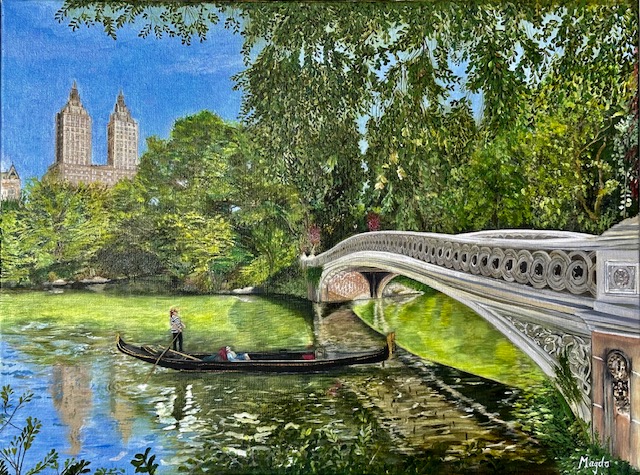
They say art follows life; this time love gave birth to an artist. Magdalena Perez is living proof that television personality Bob Ross was a master painting teacher. Just three years ago Magda, my Miami neighbor, had never picked up a paint brush. Today, she is as good as artists who have been painting their whole lives. Her series of 15 lakeside scenes will be on exhibit at the VynnArt Gallery in Meredith, New Hampshire, June 29th to July 16th.
Eliot and I immediately bought one of her paintings when we previewed her collection before they got shipped off to the New England gallery. Her talent to capture still life is so unreal you almost feel like you are looking at photographs. It’s completely uncanny.
I must have asked Magda a dozen times during our interview how it was possible that she lived 40 years without knowing she had this inner talent. Her life partner, John Rutherford, said her dexterity skills have always been super special. “You should see her do a 1000-piece jigsaw puzzle. She completes them in record breaking time. She can even do them upside down.”
Magda, a Colombian native,claims she learned everything she needed to know to get started from Ross. She adds that she now takes an occasional art class to learn new techniques like how to mix colors. When she is in New York she attends the Art Students League. You can tell she was meant to be an artist when she talks about the New York art school. Her whole face lights up when she tells you about the teachers, students, and history of the institution. She loves going there for the inspiration.
Look at the wave and the reflections. How does a novice know how to do that?This is actually a doll house that Magda replicated.A close up of Magda’s self portrait.Magda, instinctively, was able to capture landscape scenes.Lake friends The iconic scene in Central Park. Magda painted this like a pro.Eliot and I bought this one. We found this amazing.Isolation at best.Magda and John’s dog Goldie. This painting by Magda is perfect.
Magda’s studio in Miami is in one of the bedrooms of the condo she shares with John. You have never seen anything so neat in your life. She is meticulous about her surroundings. No splatters, no sprays, no spots anywhere. You think you are entering someone’s lavish office. Every brush, every paint, every canvas is lined up like it’s in a retail showcase. Magda’s a neat freak.
She’s been that way ever since she walked into a Michael’s art store in Miami a few years ago asking the clerks to help her stock up with everything she would need to paint her way through the pandemic. She and John escaped to a private island in lake Winnipesaukee, New Hampshire to stay safe during Covid. Magda spent most of her time painting and experimenting with acrylics, oils and charcoal. Her imagination was running wild while she painted many of the surrounding lake front sights. She wanted to capture the beauty of this unspoiled area. It was amazing that she was capable of painting pictures with such rich, vibrant colors. I’m no art connoisseur but I can honestly say Magna’s paintings all contain some sort of magnetism that makes you stare at them for long periods of time.
That has been the reaction of many of our neighbors in the South Pointe area of South Beach. We have been amazed that we knew Magda before she ever picked up a paint brush to the masterpieces she is producing now. To many of us who can’t draw a straight line, this is a miracle in the making.
Magda and John Magda and John
Magda moved in with John a number of years ago after meeting him in Columbia when he traveled to the country to perfect his ability to speak Spanish. He met Magna, the owner of a well-established hair salon in Medellin through a friend. She and others escorted John around the city only speaking to him in Spanish. While communications between Magda and John were limited at first, they soon discovered that they enjoyed each others company. I would guess that one of the attractions was that they were both looking for uncomplicated lives. By that I mean, less drama and more fun.
John was a transplant from New Zealand who spent most of his life deep in business and Magda was a country girl who moved to the big city to be self supporting and build a career. They both had their fair share of hardships and successes and now wanted to bring more joy into their lives. The only trouble was that they didn’t know how to communicate that to each other because of the language barrier.
John explained that the problem resolved itself in the strangest possible way. This story is one for the books. He wanted a more serious relationship with Magda but had no way of actually explaining that to her. He decided to take her to dinner one last time to see if there was any chemistry between them. Magda tends to be on the shy side so she was not going to necessarily show any signs of affection without cause.
John made the restaurant reservation in his broken Spanish. He was asked a bunch of questions which he felt he answered properly. When the couple arrived at the restaurant, they were directed to a table that looked like it was decorated for Valentine’s Day. There were hearts and rose petals on the table and all kinds of flowers framed their cozy little area. Both John and Magda were embarrassed at first but quickly adapted to the mood that was set up for them. John still insists he doesn’t know what he said to the reservationist but whatever he communicated did the trick to cement the relationship.
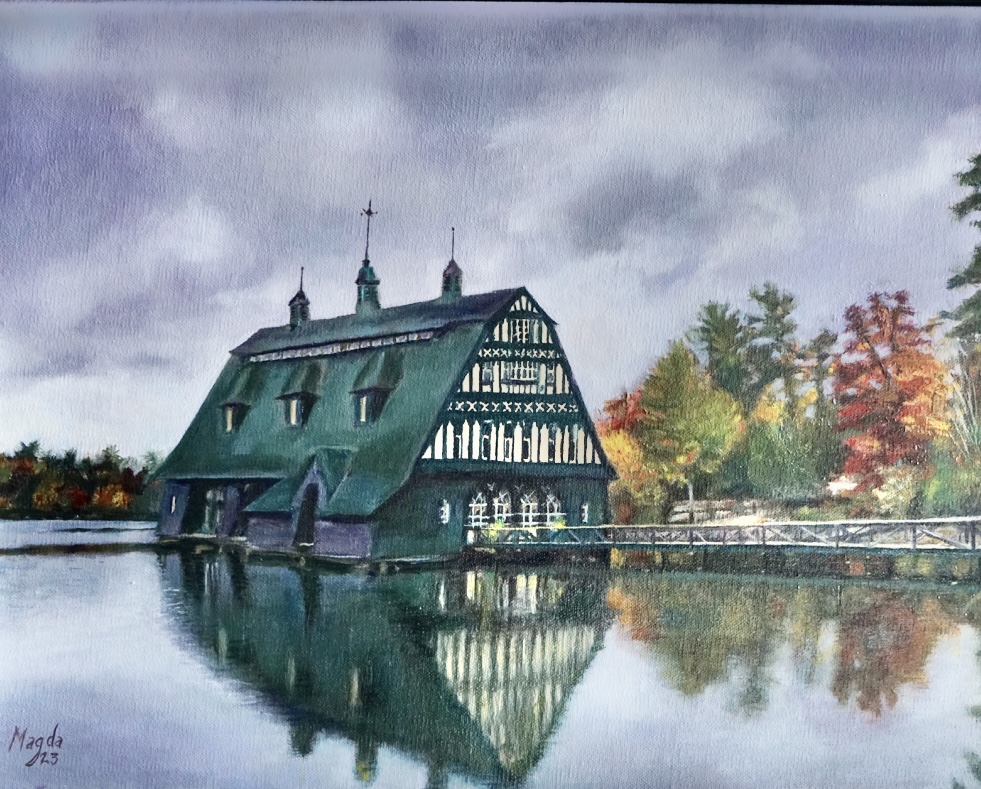
I am just guessing, but I believe that Magda’s new life in America has brought out the artistic gift in her. She recently did a painting of the boathouse area of Central Park that I swear looks like it was created by one of the masters. How is it possible that someone who never drew a picture in her life can produce such an image? Wait till she unveils her series of portraits. They are outstanding.
I am the first writer to feature and review Magda’s work. What a privilege. Maybe I will become famous just for that. I’m hoping that Magda’s work moves into abstracts. I am very anxious to see what her mind creates. I will be the first to report on that as well.
Lulama ‘wolf’ Mlambo is a 28-year-old visual artist who lives and works in Johannesburg, South Africa. We came across her work on our art trip to Paris last October. An Athens, Greece gallery, “The Breeder,” was showing her work in a grand old mansion that was in desperate need of being restored. Many galleries who use pop up spaces to present the work they represent try to find places that are avant guarde.
The pop up gallery was not even on our itinerary but Kathryn Mikesell, co-founder of Fountainhead Arts, insisted we make the stop even though most of us in our group were exhausted by the end of the day. I think I complained the most. “Enough, my eyes are popping out of my head from looking at art.” Kathryn was very persuasive. I left the limo for one last gallery visit. We all had to walk the steep and imposing circular staircase to reach the gallery on the upper floors.
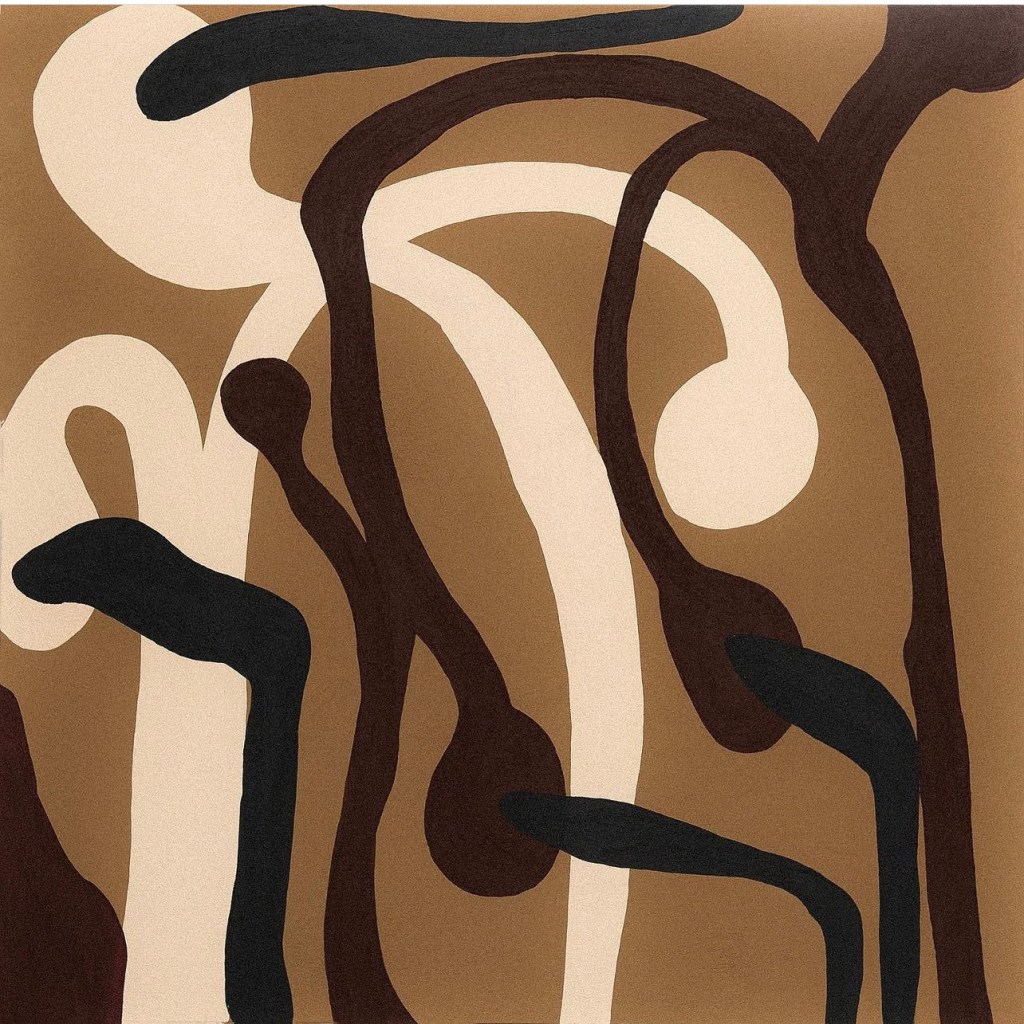
I finally made it and immediately stopped when I saw a piece of art that was designed to fit in a corner of a room, on two adjacent walls. We didn’t have room for an object like but I was attracted to the style of the painting, very Henri Émile Benoît Matisse. I caught up with Eliot and we asked the gallerist about the artist, Lulama Wolf. He showed us her work on a laptop and we both immediately spotted “More of Less.” We both are very impulsive and said in unison, “We want it.”
At the time we had no idea how prolific the artist was. We have been following her on Instagram ever since and we get more and more impressed. This is just a small sampling of her work. I couldn’t possibly post all of them. It goes on and on. Watch the video. She is the real deal.
We own this one. It’s called “More of Less.” 2002 Acrylic and sand on canvas.” 60 inches wide by 47 inches high.
In unprecedented move, Cuba will let Russians lease land as the two countries get closer.
BY NORA GÁMEZ TORRES NGAMEZTORRES@ELNUEVOHERALD.COM
In a clear signal of their strengthened alliance, Cuba will grant preferential treatment to investors from Russia, allowing them to lease land for 30 years, an unprecedented step in the history of the island’s communist government, a Russian official told Russian business representatives in Havana.
Boris Titov, Russia’s presidential commissioner for entrepreneurs’ rights and chairman of the Russia-Cuba Business Council, told representatives of more than 50 Russian companies on Thursday that Cuban authorities “are ready to provide special conditions for Russian businessmen,” Russian news outlet Sputnik reported.
According to Sputnik and the Reuters news agency, the Russian official said the concessions include the right to make use of Cuban land for 30-year terms, duty-free importation of agricultural machinery and the right to repatriate profits in foreign currency, which the Cuban government currently restricts.
In a separate announcement, Russian Deputy Prime Minister Dmitry Chernyshenko, who arrived on the island on Thursday on an official visit, said the Cuban government has also green-lighted Russian banks to open subsidiaries to finance Russian businesses on the island and that the countries “will transition to ruble-based investment in our joint projects,” according to a Russian government statement.
On Friday, Chernyshenko announced that Russian state airline Aeroflot will resume regular flights to Cuba on July 1, the Russian news agency Tass reported.
“Relations between Russia and Cuba have historical significance,” Chernyshenko said upon arrival on the island, adding that he carried instructions from Russian President Vladimir Putin, a Russian government statement said. “We intend to do everything possible to help the Cuban economy reach a decent level.”
The flurry of announcements is the clearest sign yet of the Cuban government’s decision to move further away from opening its economy to U.S. investors, especially Cuban Americans, in favor of its old political ally as the island seeks a lifeline out of its economic crisis. It might also add tension to Cuba’s already strained relationship with the United States at a time when the Biden administration is moving to further expand sanctions against Russia for its invasion of Ukraine.
“Nothing and no one can stop it,” Cuba’s minister of foreign commerce, Ricardo Cabrisas, said of the economic ties with Russia, Reuters reported.
In contrast, the Cuban government has yet to respond to the Biden administration’s authorization to a U.S. company to offer a loan and invest in a small private business in Cuba last year, a first in several decades.
Cuba blames the island’s economic crisis on the U.S. economic embargo and the impact of the COVID-19 pandemic while refusing to make substantial reforms to its inefficient centrally planned economy, which restricts private property, market competition and investments. The government authorized Cubans to own small and medium-sized private businesses in 2021 for the first time in several decades. But factions within the government are divided on how far they want to go to boost the private sector, which Communist Party hardliners see as a threat to their grip on the population.
Officials from the Ministry of Foreign Affairs have tried to assure potential U.S. investors, in particular Cuban Americans, that they can do business on the island. Still, the lack of Cuba’s response to the U.S. license and the increased ties with Russia signal that hardliners are winning for now.
Allowing Russian companies to lease land might be particularly controversial because American citizens and companies still hold certified property claims over lands confiscated by Fidel Castro shortly after he took power in 1959.
The land-lease measure, which was not reported in Cuban state media, might also add to the population’s discontent with the government of Miguel Díaz-Canel.
The Cuban government is the country’s largest land owner after Castro ordered the confiscation of most land through a so-called agrarian reform. Excessive government control over lands, farming, food distribution and prices has caused agricultural production to plummet, and economists have advised the government to let more Cubans own or lease land for agriculture.
For Russia, finding new markets for its products has become more crucial after its invasion of Ukraine led to financial and economic sanctions by the U.S. and the European Union. Several officials have traveled in recent months to the island, which Putin sees as a key ally only 90 miles away from U.S. shores.
Russian officials in Havana touted a number of deals in the works, including Cuban hotels accepting Russian Mir payment cards, increasing the number of charter flights connecting the two countries, opening a trading house in Havana and establishing a direct route for freight transportation. Officials also said Russian trade with Cuba has grown to $452 million, three times the amount in 2021, with oil accounting for most of it.
But some experts doubt Russian companies’ real appetite to invest on the island and take advantage of the promised benefits, given Cuba’s long history of defaulting on creditors and fears of litigation over property rights.
These concessions “are not representative of a robust government-run economy; it is almost a message of desperation,” said John Kavulich, president of the U.S.-Cuba Trade and Economic Council, whose company received the U.S. government license to invest in a private business in Cuba.
“Given Cuba’s financial history, it is quite likely that the Russian experience may not be long-lived,” he added.
If you lived in New York City for the past 30 years, you certainly knew of ‘Pale Male.’ He was the inspiration to get out and make nice with nature—-LWH.
“The end of an era,” a wildlife rehabilitator wrote, saying the red-tailed hawk died Tuesday. Others say the raptor actually died years ago.
Famous red-tailed hawk Pale Male perches on a neighboring balcony overlooking Central Park after having his nest removed by building management Dec. 13, 2004 in New York City.
CENTRAL PARK, NEW YORK — Pale Male, a red-tailed hawk whose exploits in Central Park captured the imagination of New York City and beyond, died Tuesday.
Then again, maybe he didn’t.
Let us explain the Uptown raptor uproar.
A Facebook post Tuesday by Bobby Horvath, a wildlife rehabilitation expert, ruffled feathers when he announced that Pale Male was found sick and grounded in Central Park.
“I’m sorry to have to report the end of an era that Pale Male passed away tonight in our care,” Horvath wrote.
“Our Vet reported the blood results came back revealing severe renal failure likely due to age.”
The post drew attention from far and wide, as Pale Male had staked an avian claim as Central Park’s first celebrity bird.
But Pale Male stuck around Central Park and continued to inspire nature lovers and photographers until his passing at more than 30 years old, Horvath wrote in his tribute.
While Horvath believes the red-tailed hawk that died this week was Pale Male, others aren’t so sure.
As Hell Gate and the New York Times first reported, many experts believe Pale Male likely died years ago. Wild red-tailed hawks typically live 20 years, they said, which would make Pale Male perhaps the oldest known.
The hawk that ceased to be this week was likely one of Pale Male’s many descendants, one expert told the Times.
Horvath, however, maintains Pale Male defied the odds.
“He lived at least 30 years in a challenging environment that NYC poses and there will never be another hawk as well known and loved as he was,” Horvath wrote.
“We feel it was better he was found and cared for than if he passed somewhere never to be found and unknown circumstances. Hopefully it was simply age related issues and it was just his time after an amazing unmatchable lifespan.”
Regardless, New Yorkers can raise a glass — or a dead rat — in honor of Pale Male, a bird that hit it big in the Big Apple.