Apple is planning a new version of the Mac mini using the M4 chip, according to reports from Bloomberg.
It’s expected sometime before the end of the year, and insider information suggests that it will be significantly smaller than the previous generation — almost as small as the Apple TV box.
This will be the first significant redesign of the product since it was overhauled in 2010 under late Apple co-founder Steve Jobs.
It seems there will be two versions of the new Mac mini, one with the standard M4 chip and one with an M4 Pro chip that has yet to be announced. Like other Pro chips, it’s expected that the M4 Pro will support additional memory and enhanced graphic performance.
Apple has also reportedly tested models of the mini with at least three USB-C ports alongside the power and HDMI ports, and Bloomberg speculates that it will be cheaper to make than the previous model. Whether this will translate to a smaller price tag is yet to be seen.
Mac mini is not the only Mac getting upgraded to the M4 chip, however. If the rumors are true, Apple will be putting an M4 chip in every one of its Macs, and this will be the first time the entire lineup has shared the same chip generation.
The iMac desktop and MacBook Pros with M4 chips could launch as early as this year, with M4 MacBook Airs planned for spring 2025 and Mac Pro and Mac Studio models expected in mid-2025. Whether we’ll truly see M4 MacBook Pros before 2024 ends, however, is currently in question after some cryptic comments during Apple’s recent quarterly earnings call. This is despite assurances by Mark Gurman of Bloomberg that things are still on track for later this year.
The reason for these upgrades could be to make sure the entire Mac lineup benefits from the AI-focused M4 chip, which will enable each model to handle upcoming and future Apple Intelligence features smoothly.
Many artists take inspiration from their travels, but Benjamin Sack found a unique way to make his way around the world. For the past decade, Sack has been an artist-in-residence on a Holland American cruise ship. This unique opportunity allows him to soak in architectural details from cities worldwide, which he then incorporates into his detailed pen drawings.
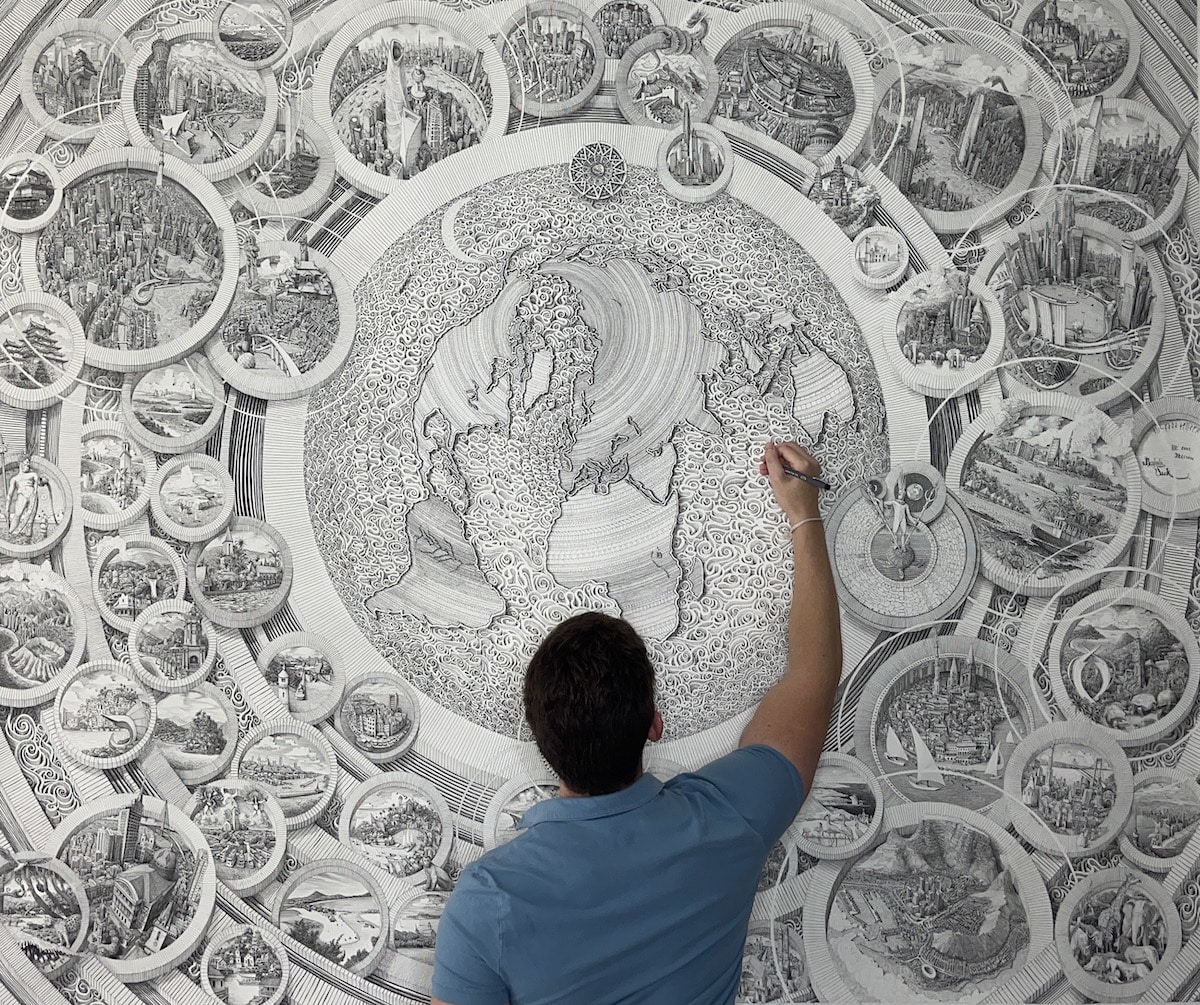
Sack first approached Holland America—a company known for its round-the-world cruises—after he finished university. He pitched a unique idea: an “artist residency” where he’d give drawing classes and lectures to passengers on art related to the ports of call. He also offered to create a large cartographic-style drawing to commemorate the voyage.
“Long story short, they loved the idea and welcomed me aboard, saying it would only happen this one year. Ten years later, I’m now the court artist to King Neptune himself,” he jokingly tells My Modern Met.
Sack now has his own artist studio on board the ship, where he works on his drawings inspired by the journeys around Africa, South America, Antarctica, and beyond. “I’m lucky in that the room comes with a view that’s ever changing,” he says. “Perhaps it’s the best art studio in the world.” At the end of each voyage, he presents the final drawing to the passengers and crew.
The artist meets people from all over the world and from all walks of life while on the ship. “As the ship is very much a city at sea, I feel like a Court Artist of sorts,” he says. “My position onboard is unique in that I’m kind of in the gray zone between passenger and crew member. I have access to both worlds, much like how art is in the real world where all practices and divisions in society overlap.”
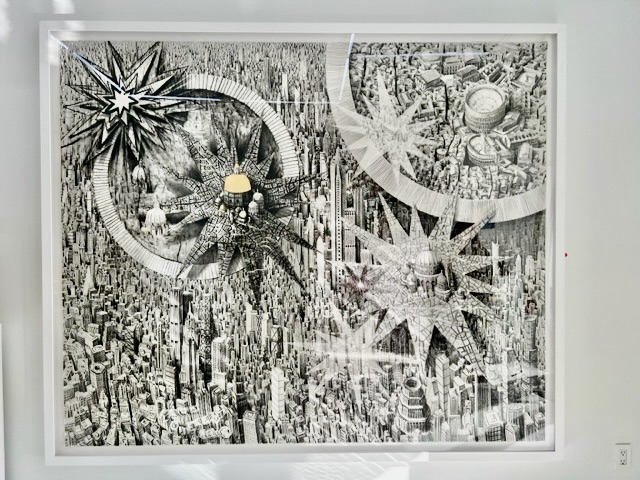
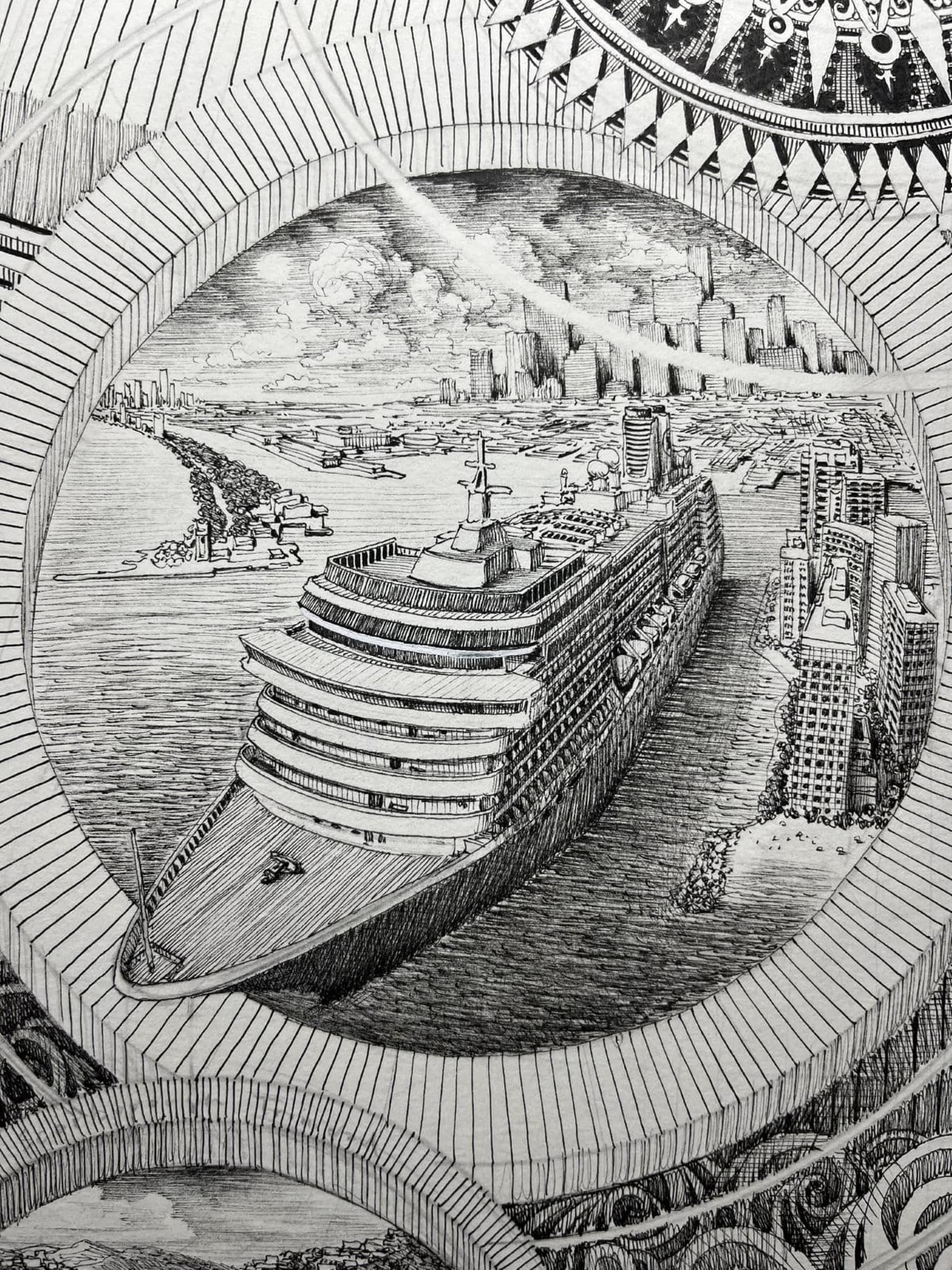
Sack captures the incredible scale and complexity of his journeys, as well as the intricate details that define each monochrome place. His unique situation is woven into all of his drawings. The gentle swaying of the ship inevitably influences the lines he draws with his fine liners. His large-scale drawings feature dizzying details, such as architectural renderings that encapsulate the microcosm of a city. Each piece is reminiscent of the mind-bending lithographs and etchings of M. C. Escher.
The rich details of the cities he visits are also omnipresent in his designs. Florence, in particular, is a favorite destination, and its iconic Duomo has been incorporated into many drawings. “Architecture is merely music frozen in time,” Sack poetically articulates. “It also can represent the human form in a myriad of ways, physically (as per the roman architect Vitruvius) and metaphorically: the body is a temple…So, in essence, each building is a character, portrait, or even a note assembled in a symphony of movement and form.”
Sack spends anywhere from a few months to half a year at sea and loves the adventure that awaits him. These adventures weave into his monumental drawings, which are rife with detail. From the regal architecture of Japan’s Himeji Castle to the sleek modern buildings on Singapore’s Marina Bay, his works are a magical mirror of world architecture.
“On land, the drawings are fixed to the studio. On the ship, the studio travels, and the drawing literally records the movement of a journey around the planet—as I draw lines, a little bit of the ship’s movement is recorded; this slight nuance repeated a thousand times breathes a whole different spirit into the work,” he shares. “Through my stateroom window, sunsets and sunrises depending on the ship’s trajectory from every time zone break across the drawing. Each year, I find the drawings become richer and richer. It’s magic!”
Artist Benjamin Sack has spent the last decade as an artist-in-residence on a Holland America cruise ship.
This makes his art studio completely unique.
He then weaves his travel adventures into his monumental pen drawings.
null
Reminiscent of old cartographical drawings, they give an aerial view of cities around the world.
Artist Laura Shabott is a well-known, multi-media artist and actress, but should be the Ambassador for Provincetown, Massachusetts, the New England town located at the extreme tip of Cape Cod. Laura sounds like she is reciting poetry when she describes the small coastal resort which has a year-round population of 4,000 and then grows to 60,000 or higher in the summertime. Often called “PTown, the locale is known for its beaches, harbor, artists, tourist industry, and as a popular vacation destination for the LGBT+ community.
PTown, three miles long, is regarded to be “America’s Oldest Working Art Colony in the United States since 1850. There are now 60 art galleries, a major regional art museum, and many other organizations that provide opportunities for artists including residencies and educational programs.
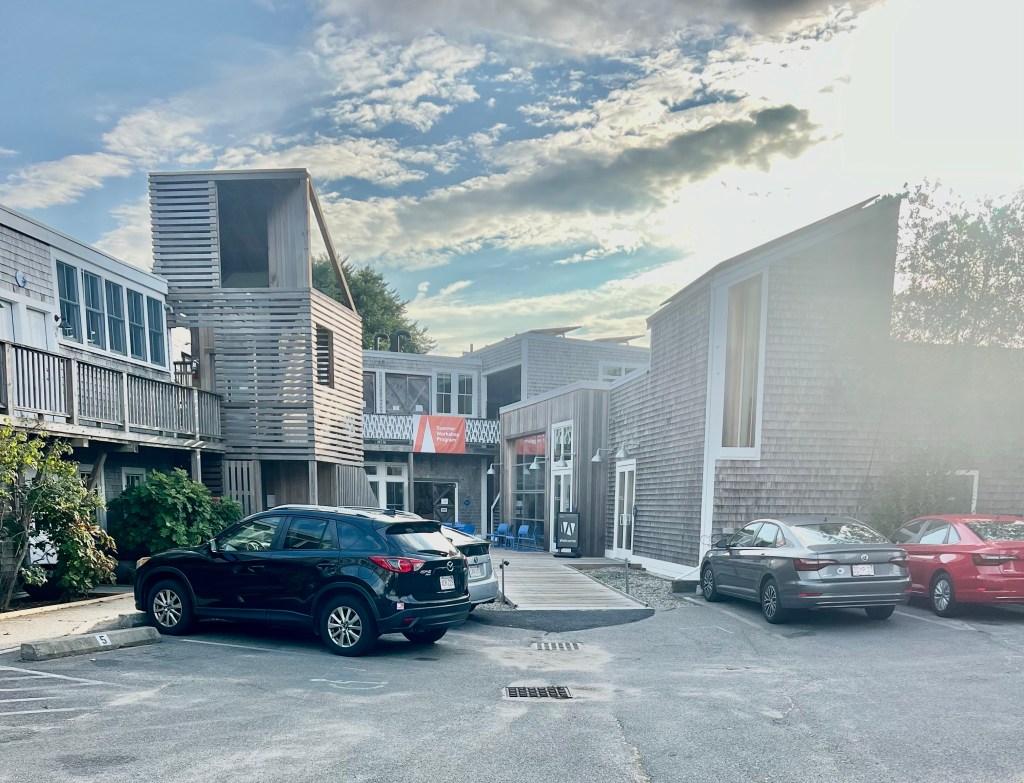
I met Laura at the Fine Arts Work Center, an art program and residency based in Provincetown. For over five decades, the Fine Arts Work Center has provided time and space for emerging artists, and writers at crucial, early stages of creative development through their seven-month residency program.
Laura’s paintings, collages and drawings have been exhibited at Berta Walker Gallery, the Museum of Art, Ely Center for Contemporary Arts, Four Eleven Gallery, the Provincetown Art Association and Museum, (PAAM); Provincetown Monument and Museum (PMPM); and Truro Center for the Arts. Laura has work in the permanent collection of PAAM Museum and will have a solo show. “YOU ONLY GET ONE BODY” on October of 2025 at the Cape Cod Museum of Art, Boston.
Laura will also return to the stage in “A PART OF THE NOISE” by Carl Kline and directed by Lynda Sturner on August 11, and she will act as Lee Krasner in a performance of LEE AND TENNESSEE directed by David Kaplan on September 14th as part of Forum 24 with the Provincetown Art Gallery Association.
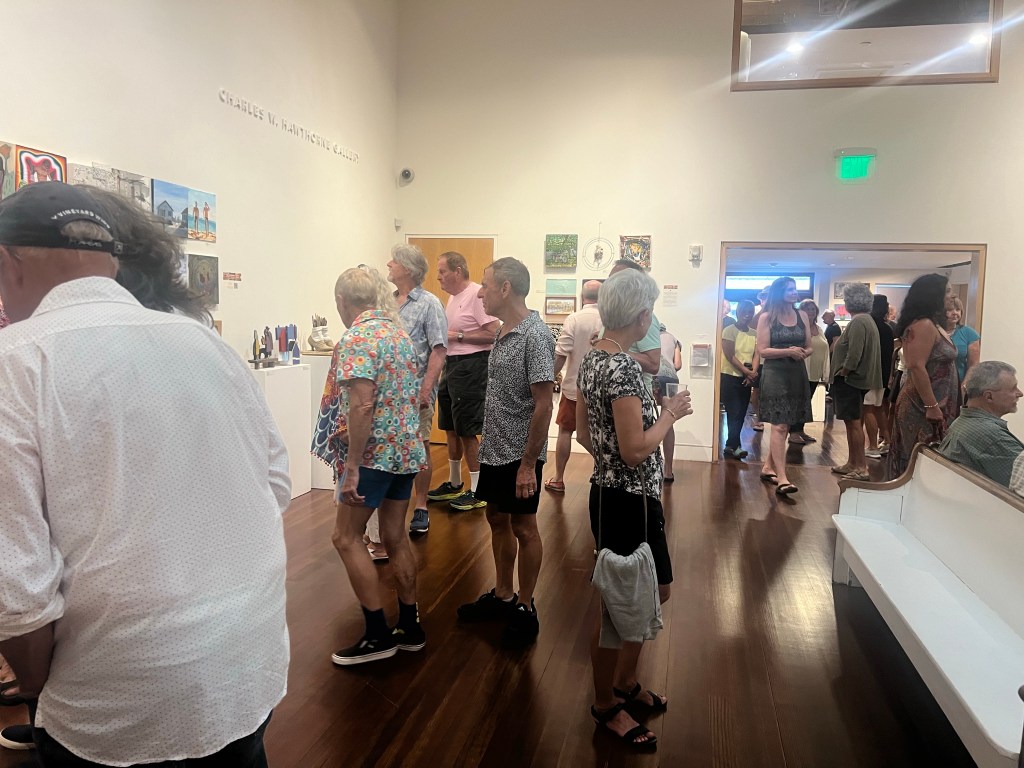
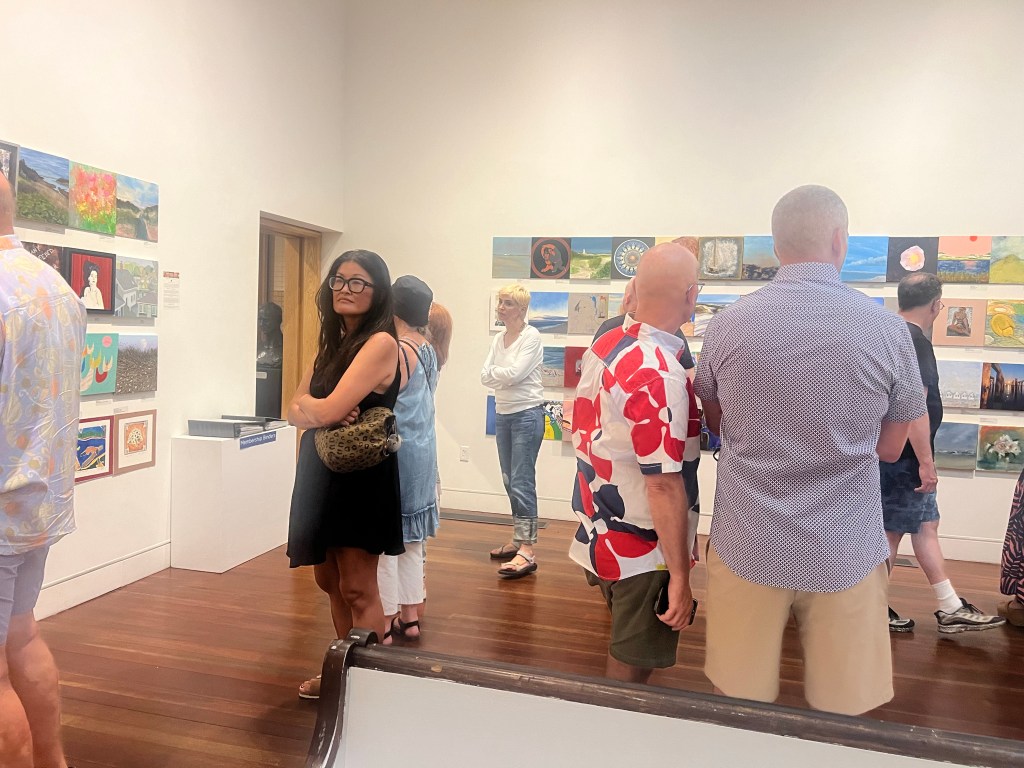
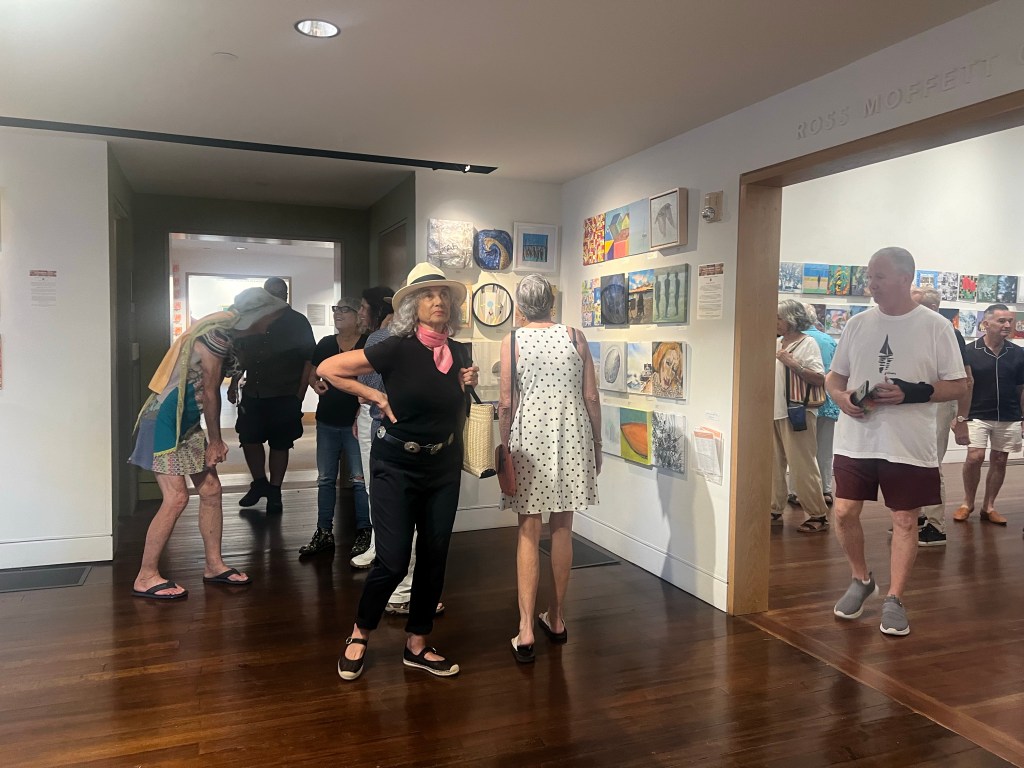
The big opening night for the 12×12 Exhibition and Silent Auction at the Provincetown Art Association and Museum. Prices start at $125.00.
The woman in the hat is Harriet Reisen who wrote a terrific biography of Louisa May Alcott, which was the basis for a wonderful movie. ArtSpeak’s video interview with her husband, NPR’s Tony Kahn, will be published this month. The woman with her back to the camera is artist & travel writer Necee Regis, whose stories appear regularly in the Boston Globe & elsewhere. Necee had a studio at the Bakehouse Art Complex for a longtime & a condo in South Beach, but departed Miami about 10 years ago. Here is a link to my ArtSpeak video conversation with Necee: https://artspeak.fiu.edu/interviews/necee-regis-2/
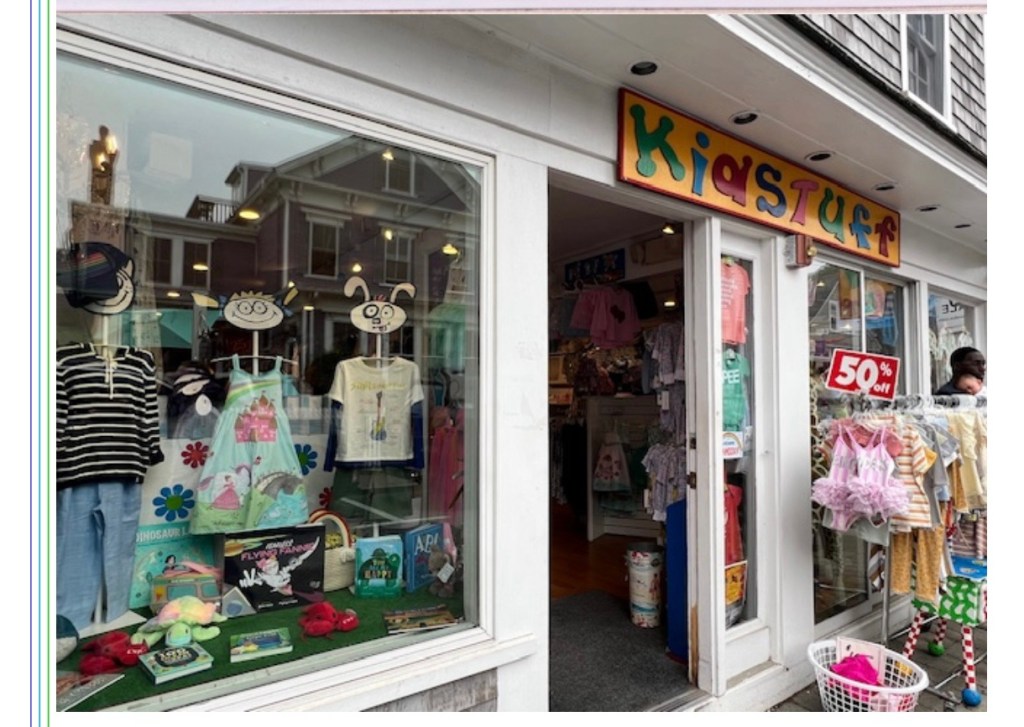
Fearless Flying Fannie And KIDSTUFF Join Forces To Remind Little Girls They Can Be President Of The United States
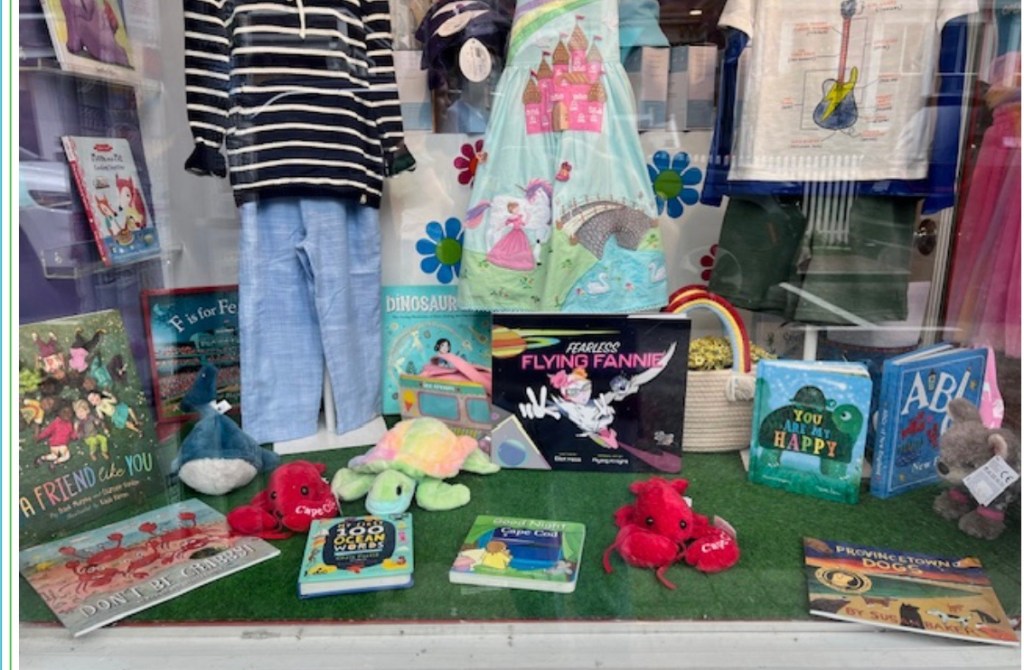
Provincetown’s Only Children’s Specialty Store Showcases Fannie In Front Window To Celebrate The Elevation Of Woman Leaders
KIDSTUFF Invites Young Girls To Drop By For Free Good Luck Pins That Shows Off Their Own Unique Powers
Provincetown, MA — KIDSTUFF, PTown’s only children’s specialty store, has teamed up with Fearless Flying Fannie to let the world know that women belong in the White House as Madam President. The children’s book, authored by Eliot Hess, teaches young girls they can make their dreams come true by helping others. Fannie is a great role model because she shows through attitude, kindness, friendship and trust, any young girl can be strong and powerful at a moment’s notice.
Kelly Blake, owner of KIDSTUFF, said, “This collaboration is a natural. Our children’s clothing store is probably one of the best starting points to prepare young children for a fruitful and rewarding life. All of our clothing and accessories have a positive flare that make children feel good about themselves. We are delighted to partner with Fearless Flying Fannie at this time in history.
The story begins when Fannie rescues a young bird named Phoebe who accidentally lands on her high-rise terrace and becomes trapped while learning to fly. The next day, Fannie receives a visit from a very different bird and her adventure begins.
Eliot Hess, author, wrote Fearless Flying Fannie during the COVID19 pandemic based on a young bird he rescued that landed on his terrace and struggled to fly away. He felt the inspiration to write this story for young people because he wanted them to know how good it feels when you help others.
Eliot Hess is also a photographer, cookbook author, mystery book and art collector and world traveler. He co-founded a marketing and public relations agency, with his wife Lois Whitman-Hess, that’s been responsible for introducing numerous consumer electronics products, changing the modern world. He resides in Miami Beach where the inspiration for Fannie began.
Jayda Knight, (aka Flying Knight) a visual street artist, brought life to Fannie with her whimsical fashion sense, playful aesthetic style, and an exceptional imagination.
Fearless Flying Fannie is published by Genius Cat Books. Fearless Flying Fannie is available at Amazon.com or any national online bookseller.
This Man Knows the Truth About Amelia Earhart. Why Doesn’t Anyone Believe Him? Piecing together Earhart’s final moments was hard enough. Convincing the world he’s right has been much tougher. RIC GILLESPIE REMEMBERS being asked over and over: When are you going after Amelia? It was the late 1980s, just a few years after he had established the International Group for Historic Aircraft Recovery (TIGHAR). Gillespie was a former sales rep and investigator in the airplane insurance business. Whenever an airline was having problems—botched landings or outdated parts on aging
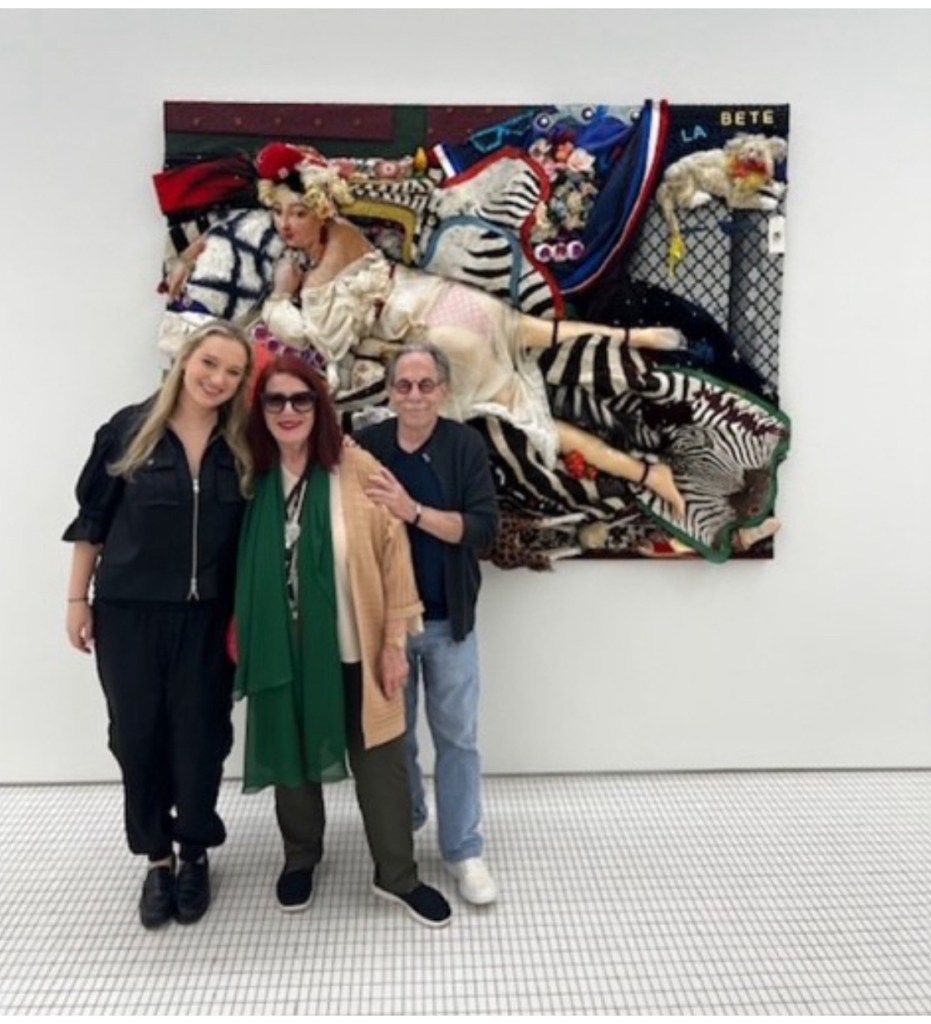
I met Melanie Baer Schwartz a few months ago during a Fountainhead Arts trip to Detroit. She is the Director of Sales at Library Street Collective, one of the most creative art galleries in the nation. The minute I met her I knew this is what I needed from a gallerist. She was well informed, willing to share her knowledge, very inspirational and super friendly. She made our experience visiting the Library Street Collective and buying Mike Shultis’s Booty and La Bete, euphoric. We came away convinced that Detroit is going to be among the leading cities for art in the future.
The following is the official explanation of the Library Street Collective. “Since its inception in 2012, Library Street Collective has connected Detroit to the international arts community while supporting the local creative renaissance through exhibitions, collaborations, and public projects. The gallery’s influence extends beyond its walls into the city’s public, private, and heritage spaces, raising awareness and funding for nonprofits and other worthy causes and has evolved into collaborations and partnerships with major US museums, large-scale public projects, and community-based initiatives.
“Expanding upon this mission, the gallery has transformed a century-old Romanesque-style church into The Shepherd, a cultural arts center designed by Peterson Rich Office (PRO) with exhibition spaces, the Black Art Library curated by Asmaa Walton, a performing arts theater, and community workshop space. The Shepherd’s grounds, designed by Office of Strategy + Design (OSD) feature a boutique bed and breakfast, McArthur Binion’s Modern Ancient Brown Foundation, a public skate park designed by Tony Hawk, and a sculpture park honoring the late Charles McGee. This project reflects Library Street Collective’s commitment to Detroit’s Little Village neighborhood, reinforcing its role in fostering a vibrant and inclusive arts community in Detroit and beyond.”
At an early age, Melanie wanted to enter the world of medicine. That all changed when a high school art teacher spotted her talent and passion. She encouraged her to take art classes in college to better understand her future. That sealed the deal. Melanie studied studio art and art history at the University of Michigan before achieving her Masters in Contemporary Art and Art Business at the Sotheby’s Institute of Art. During her time in New York, she interned at David Zwirner, Christie’s, and Gagosian. She became the Assistant Director of Leila Heller Gallery, followed by her move to Detroit once she met the owners, Anthony and JJ Curis of the Library Street Collective.
Earlier this month, heat advisories were in place in Kansas and Texas, as well as New York and South Carolina, among other states. Multiple cities also reached near record breaking daily temperatures, and heat-related deaths were reported in multiple states as the climate emergency makes extreme temperatures and longer heatwaves more likely
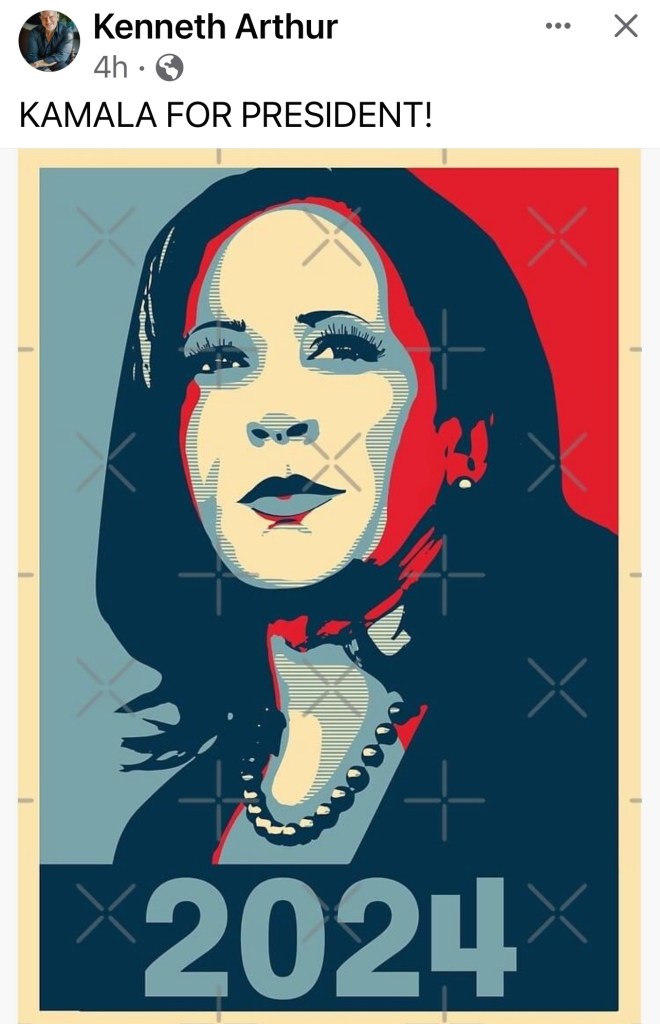
Hillary Clinton: How Kamala Harris Can Win and Make History
OPINION /GUEST ESSAY
I know a thing or two about how hard it can be for strong women candidates to fight through the sexism and double standards of American politics. I’ve been called a witch, a “nasty woman” and much worse. I was even burned in effigy. As a candidate, I sometimes shied away from talking about making history. I wasn’t sure voters were ready for that.
🌺🌺🌺🌺🌺🌺🌺🌺🌺🌺🌺🌺🌺🌺🌺
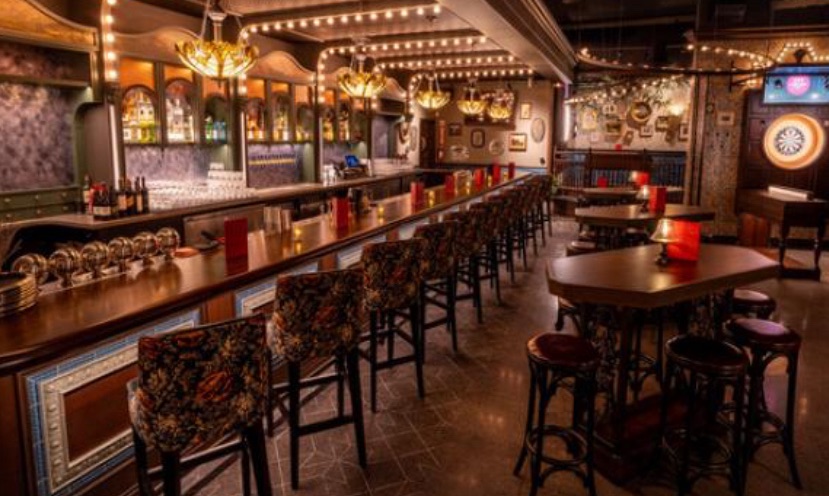
Social darts’ concept Flight Club to open global flagship in landmark NYC building | Chain Store Age
Flight Club was founded in London in 2015. It has more than 20 locations worldwide.
Senior Dermatologists Display Extreme Artistic Talents—Skin And Canvas
🌺🌺🌺🌺🌺🌺🌺🌺🌺🌺🌺🌺🌺🌺🌺
I just finished this memoir. Very well written and organized. It’s a class act. Every page captivates. Bottom line: This actor is a tortured soul. His insecurity rules his life. He would rather be sitting on top of a mountain talking to the stars than attending a Hollywood party talking to those stars. He apologizes profusely for his comedy club outbursts. He is haunted by them forever and regrets his actions. In some ways, it has completely paralyzed him. He punishes himself everytime he thinks about it.
🌺🌺🌺🌺🌺🌺🌺🌺🌺🌺🌺🌺🌺🌺🌺
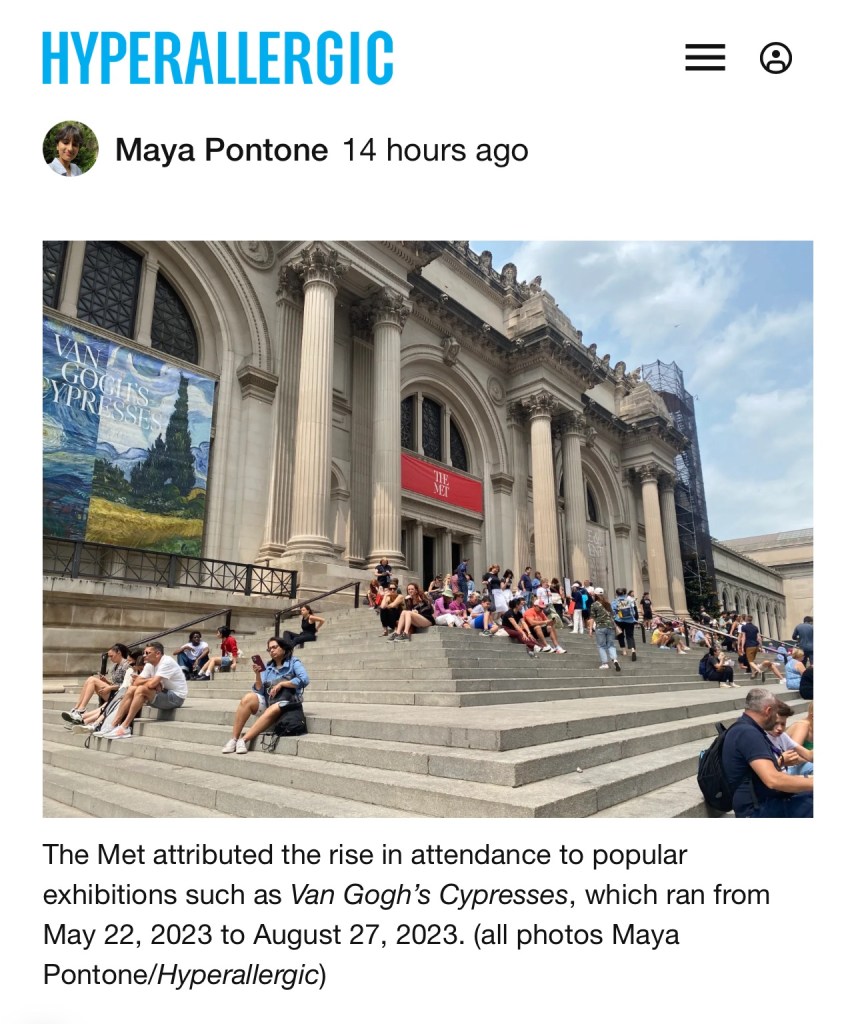
Met Museum Attracted 5.5M Visitors Last Year in Pandemic Rebound
Newly released attendance data from the Metropolitan Museum of Art suggests a promising future for the institution following pandemic-related declines. In a statement today, July 24, the Manhattan museum announced that its two locations — The Met Fifth Ave and The Cloisters — attracted over 5.5 million visitors for the 2024 fiscal year, which ended on June 30, representing a 102% recovery rate among local visitors since 2019
Emily and Chris Campbell Announce “Not These Ovaries, Inc.” A 501(c)(3) Non-Profit Organization To Accelerate The Cure For Ovarian Cancer
Miami. FL — Emily and Chris Campbell announce the launch of “Not These Ovaries, Inc.” (NTO), a 501(c)(3) non-profit organization that will help accelerate funds for ovarian cancer clinical trials and support frontline researchers.
Their goal is simple. They don’t want anyone in the future to go through the hardship and anxiety they went through two years ago when Emily was diagnosed with ovarian cancer.
“We were on our own to find a cure,” explains 35-year-old Emily Campbell, who is now cancer-free. “We knew from the beginning that this disease needed more research and definitive answers. It was a guessing game for us from the start.”
Ovarian cancer presents unique challenges, including the struggle to find accurate information and appropriate medical care. Many patients face conflicting advice, outdated resources, and long waits for specialist appointments.
The rarity of certain ovarian cancer types — such as borderline ovarian tumors (BOT) and low-grade serous (LGSOC), which serve as particular areas of focus for NTO — often means that even experienced physicians may lack familiarity with the latest diagnostic techniques and treatment options. This information gap can lead to delays in diagnosis, misdiagnosis, or suboptimal treatment plans, underscoring the critical need for improved education, research, and support networks in the field of ovarian cancer care.
Adds 38-year-old Chris Campbell, Emily’s husband and advocate: “We had to spend weeks sifting through convoluted medical websites, fighting for timely appointments, navigating antiquated processes, battling medical gaslighting, and even hand-delivering medical specimens to secure second opinions in time to finally get the right diagnosis. It was a torturous time.”
The Campbells believe that “Action Saves Lives.” They also believe that the more information that is shared, the better the results.
According to research:
1 in 10 people diagnosed with ovarian cancer is under 45. There are two rarer, less understood types that often affect this demographic: borderline and low-grade serous. But there’s very little research and funding into these — donations can change that. The average survival rate for low-grade serous ovarian cancer is 9 years.
It’s notoriously hard to detect and even harder to treat — mainly because there hasn’t been enough research.
There are currently NO proven FDA approved drug treatments. Besides a surgery developed decades ago that often involves removing the entire reproductive system (resulting in early-stage menopause and fertility loss), there are no tests to detect ovarian cancer, no FDA-approved drug treatments to manage it, and no vaccines to prevent it. There’s hardly any research about borderline and low-grade serous ovarian cancer at all. Not These Ovaries is working to change that.
The Campbells feel that their experience in recent years raising investment capital for a leading B2B marketing software and technology company taught them the skills they needed to help fund the most promising ovarian cancer research work.
Most recently, Emily and Chris partnered with Dana-Farber Cancer Institute, raising $1.8 million for one of the largest low-grade ovarian cancer projects in the U.S. Following that experience, the Campbells founded NTO with the goal of raising $100 million to better the lives of tens of thousands of women impacted by this disease each year.
Emily and Chris are available to answer any questions donors may have. Visit https://www.nottheseovaries.org/ to make a connection.
The NTO website also contains information about the studies and trials the Campbells are helping fund, with more added every week.
Disclaimer: This information is for educational purposes only and not a substitute for professional medical advice. Not These Ovaries, Inc. is not a medical provider. Always consult your physician for medical concerns.


























































 DigiDame