Photos by Eliot Hess

















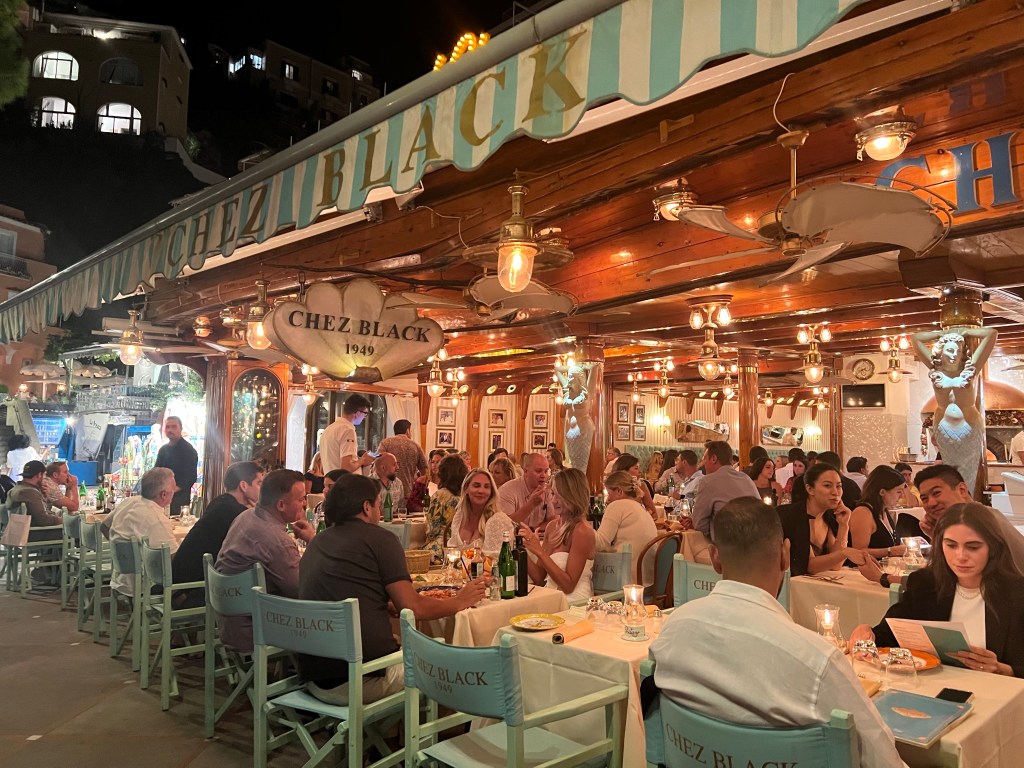
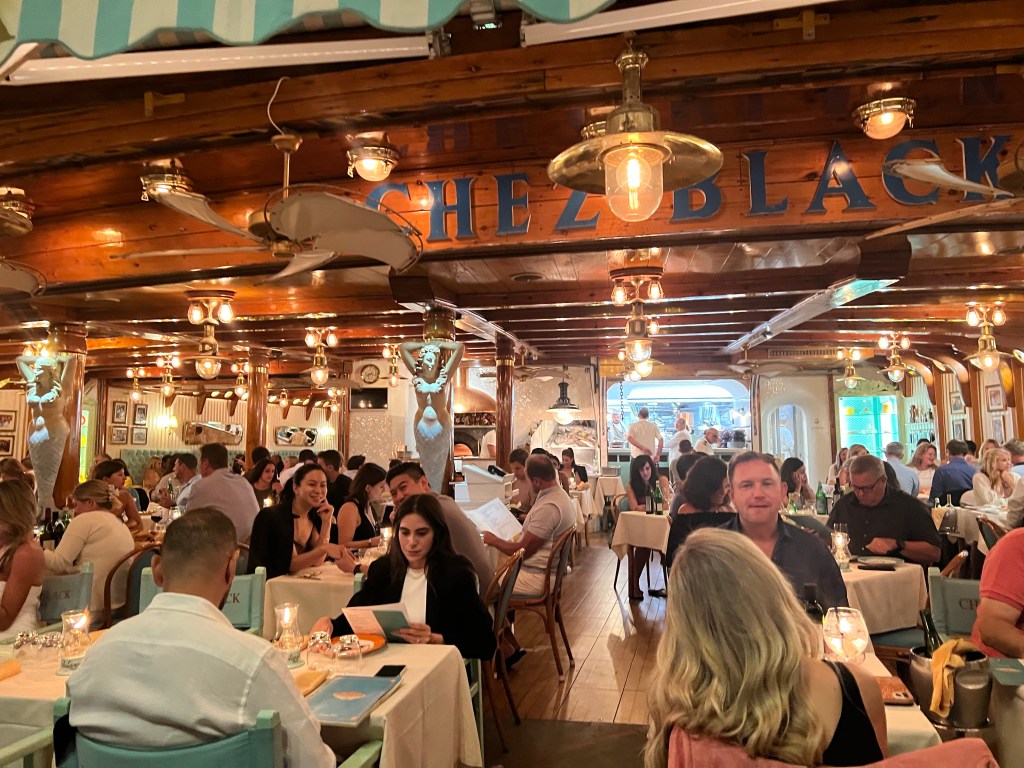



Photos by Eliot Hess

Madonna and Ahlamalik Williams, age gap 36 years

Pierce Brosnan and Keely Shaye Smith
Age gap: 11 years
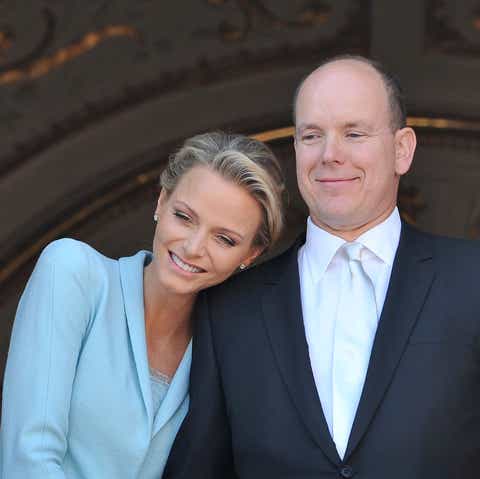
Princess Charlene and Prince Albert
Age gap: 20 years
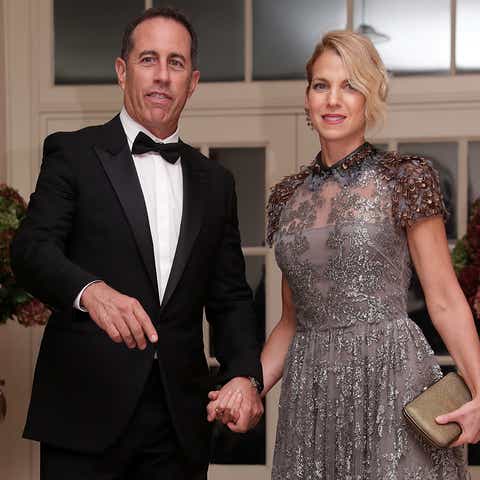
Jerry and Jessica Seinfeld
Age gap: 17 years
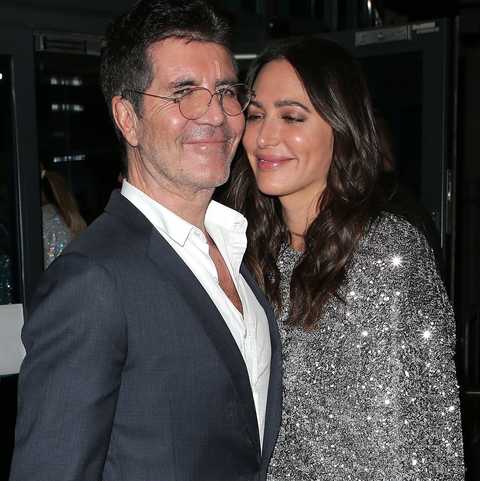
Simon Cowell and Lauren Silverman
Age gap: 18 years
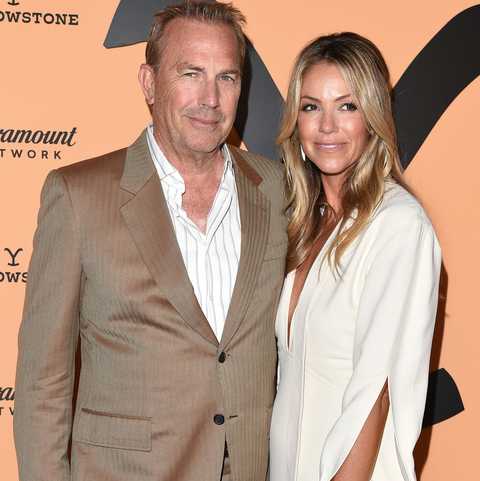
Kevin Costner and Christine Baumgartner
Age gap: 20 years

David Tennant and Georgia Moffett
Age gap: 14 years
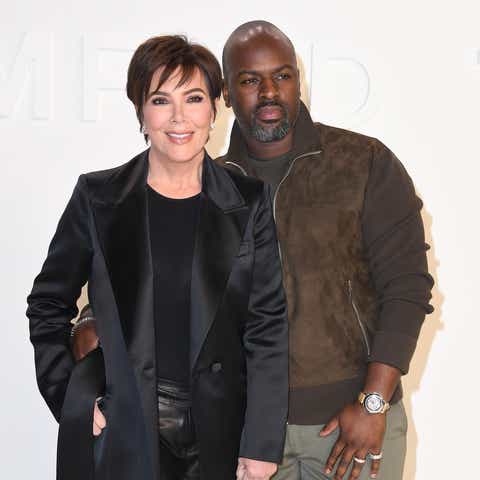
Kris Jenner and Corey Gamble
Age gap: 25 years
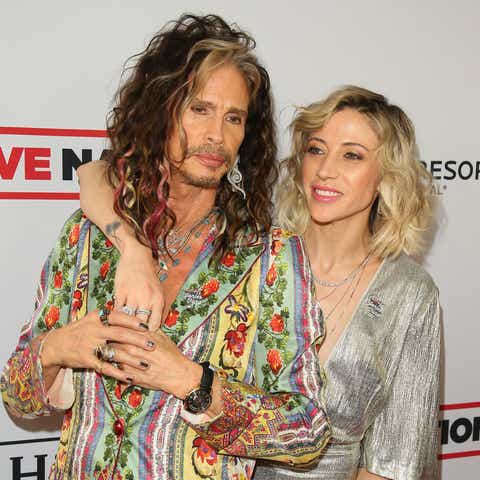
Steven Tyler and Aimee Preston
Age gap: 39 years
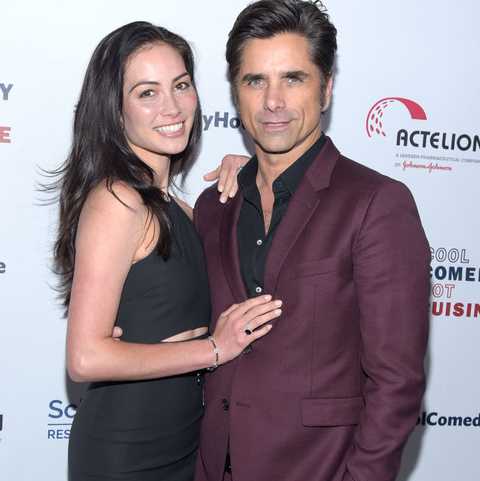
John Stamos and Caitlin McHugh
Age gap: 22 years
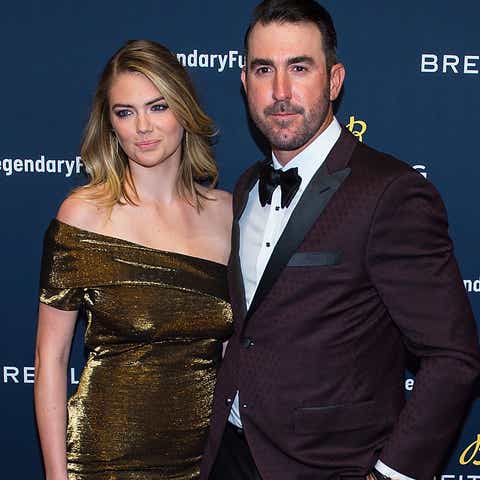
Kate Upton and Justin Verlander
Age gap: 10 years
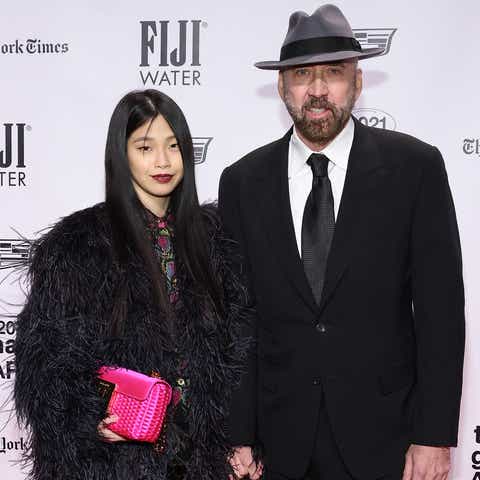
Nicolas Cage and Riko Shibata
Age gap: 31 years
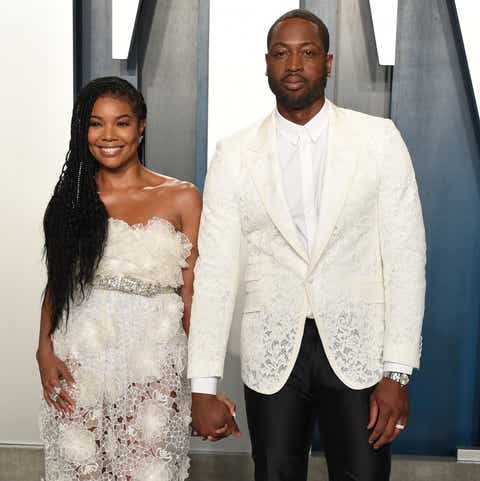
Dwyane Wade and Gabrielle Union
Age gap: 10 years

Guy Ritchie and Jacqui Ainsley
Age gap: 14 years
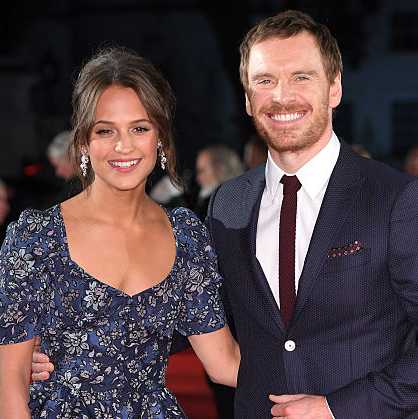
Alicia Vikander and Michael Fassbender
Age gap: 11 years
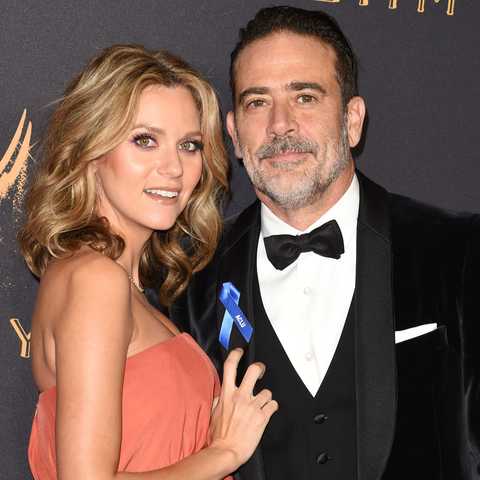
Hilarie Burton and Jeffrey Dean Morgan
Age gap: 16 years
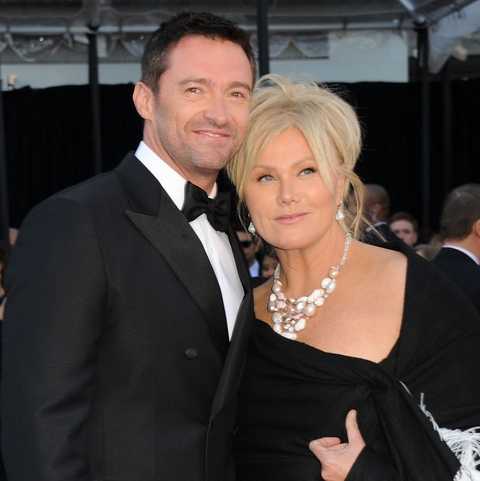
Hugh Jackman and Deborra-Lee Furness
Age gap: 13 years
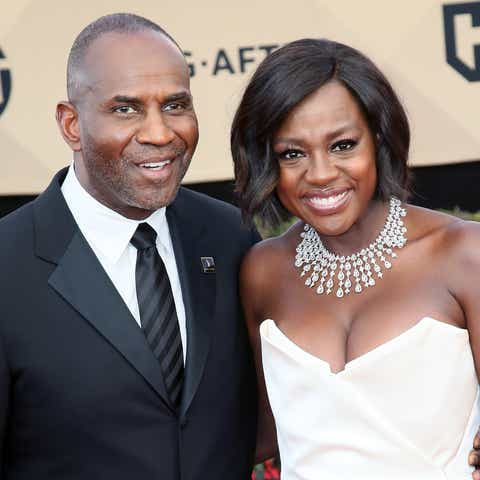
Julius Tennon and Viola Davis
Age gap: 13 years
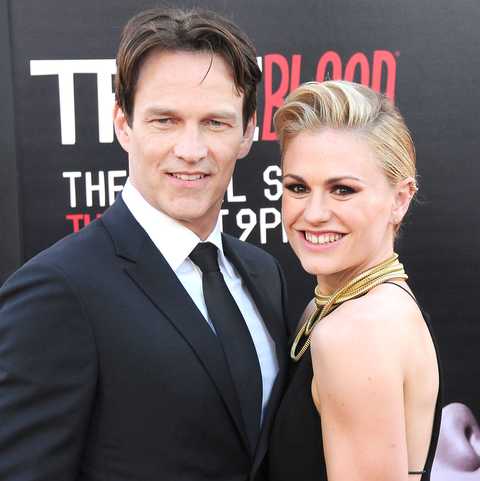
Stephen Moyer and Anna Paquin
Age gap: 13 years
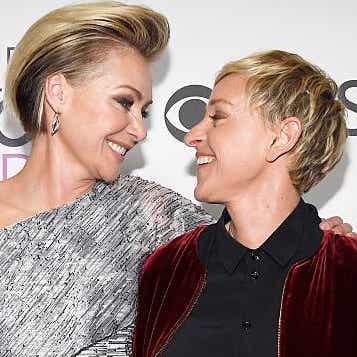
Portia de Rossi and Ellen DeGeneres
Age gap: 15 years
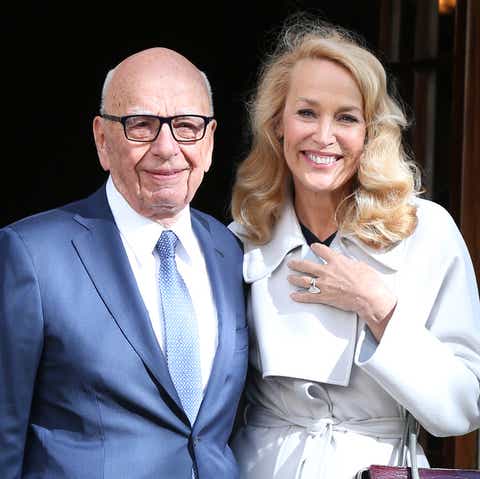
Rupert Murdoch and Jerry Hall
Age gap: 25 years

Jason Statham and Rosie Huntington-Whiteley
Age gap: 20 years

Christian Slater and Brittany Lopez
Age gap: 18 years
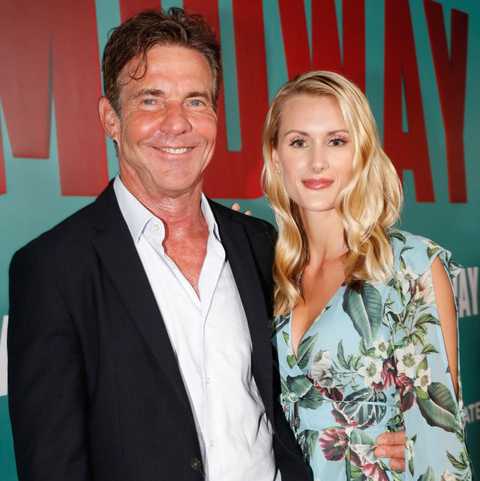
Dennis Quaid and Laura Savoie
Age gap: 39 years
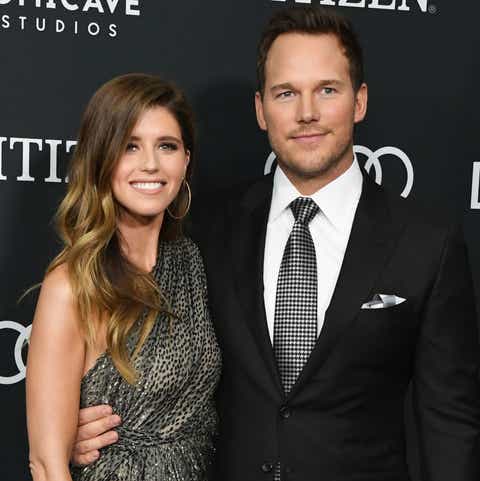
Chris Pratt and Katherine Schwarzenegger
Age gap: 10 years
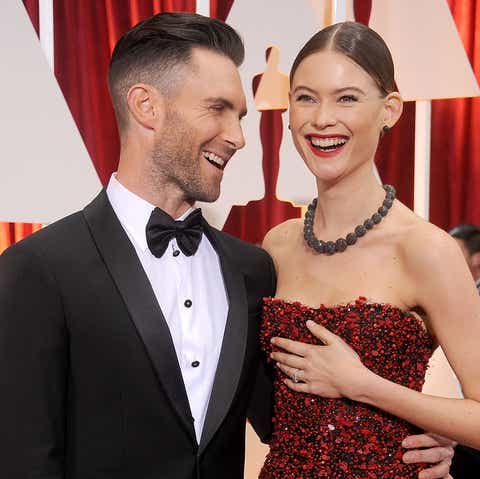
Adam Levine and Behati Prinsloo
Age gap: 10 years
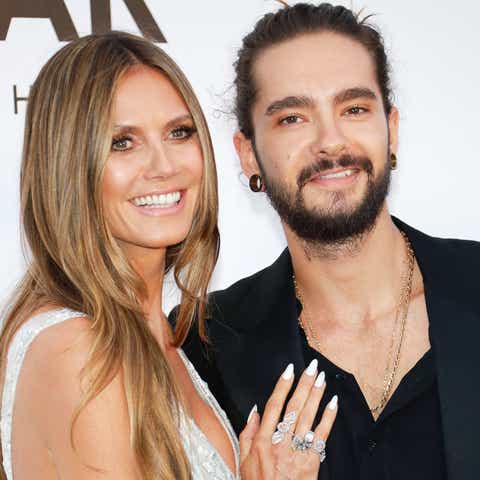
Heidi Klum and Tom Kaulitz
Age gap: 17 years
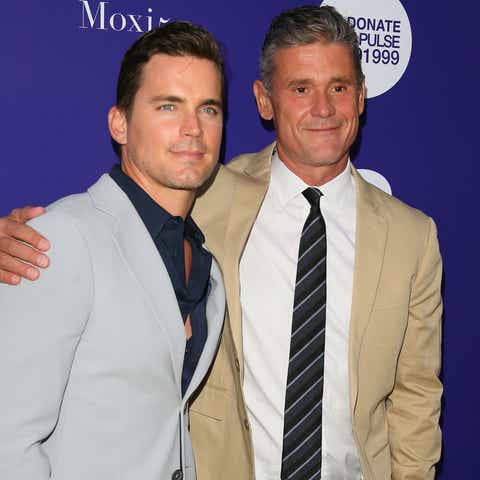
Matt Bomer and Simon Halls
Age gap: 13 years
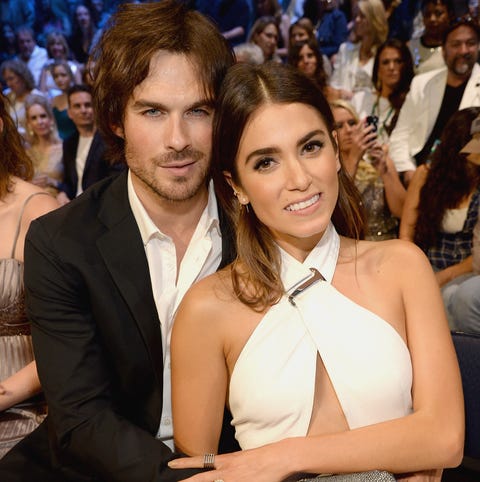
Ian Somerhalder and Nikki Reed
Age gap: 10 years
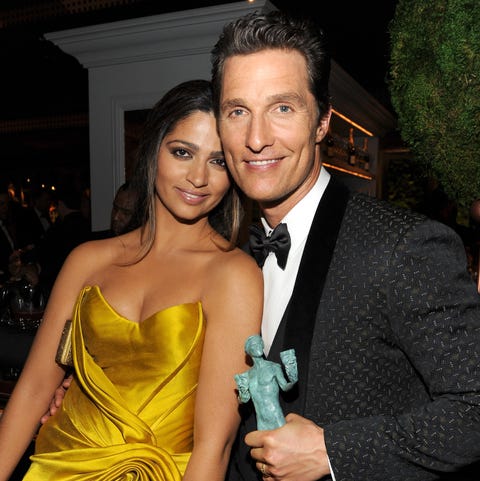
Matthew McConaughey and Camila Alves
Age gap: 13 years
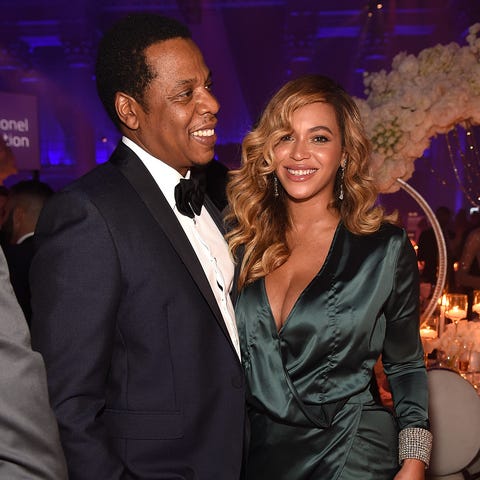
Jay-Z and Beyoncé
Age gap: 12 years
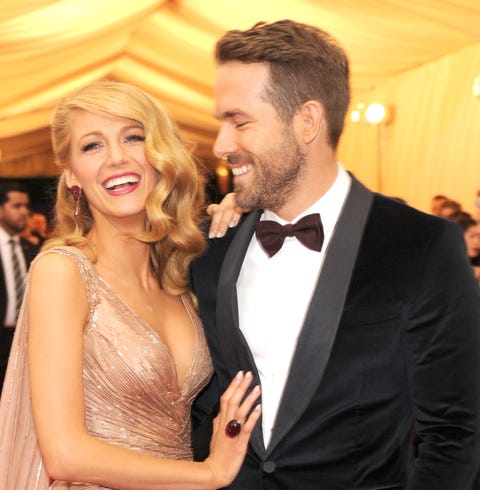
Blake Lively and Ryan Reynolds
Age gap: 11 years
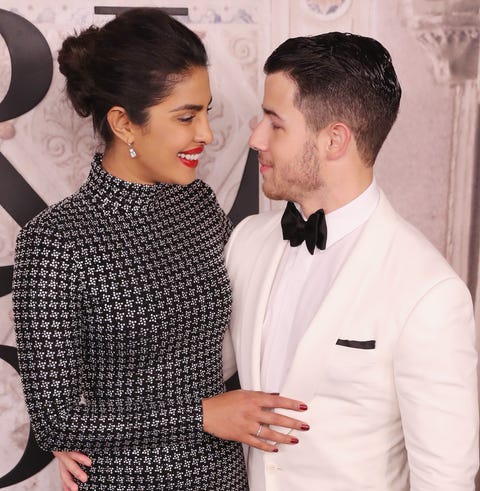
Priyanka Chopra and Nick Jonas
Age gap: 10 years

Lisa Bonet and Jason Momoa
Age gap: 12 years

Alec and Hilaria Baldwin
Age gap: 26 Years

David Foster and Katharine McPhee
Age gap: 34 years

Harrison Ford and Calista Flockhart
Age gap: 22 years

Sarah Paulson and Holland Taylor
Age gap: 32 years
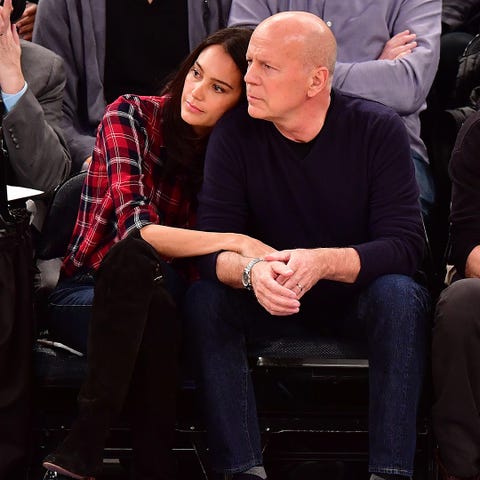
Bruce Willis and Emma Heming
Age gap: 23 years

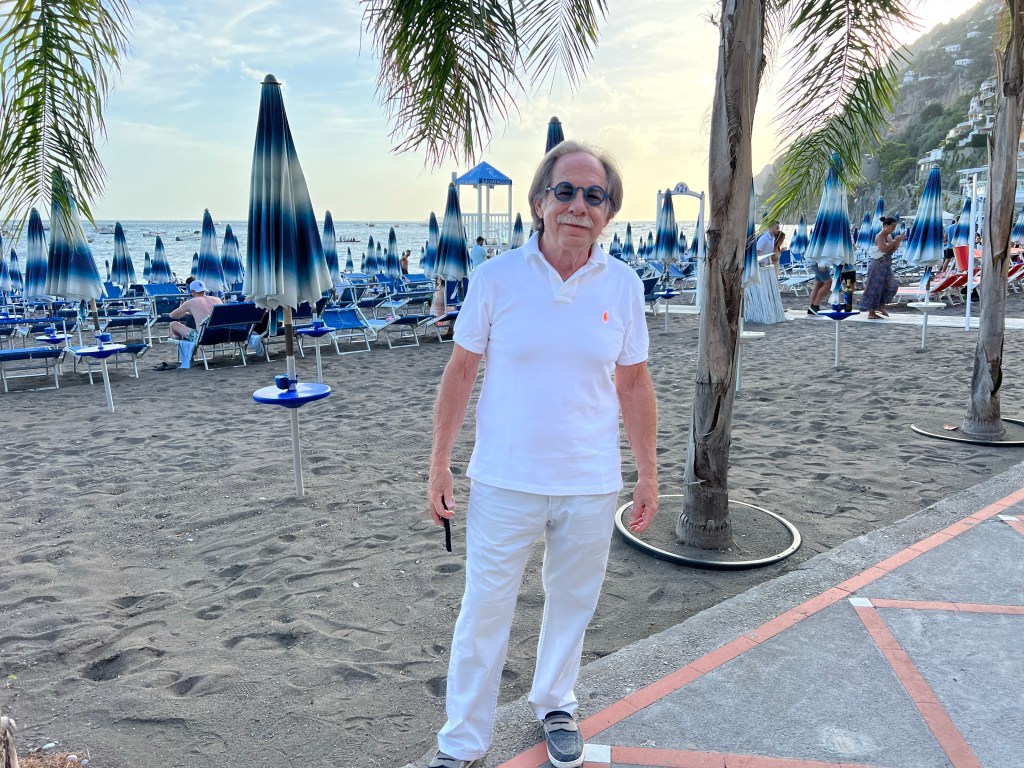

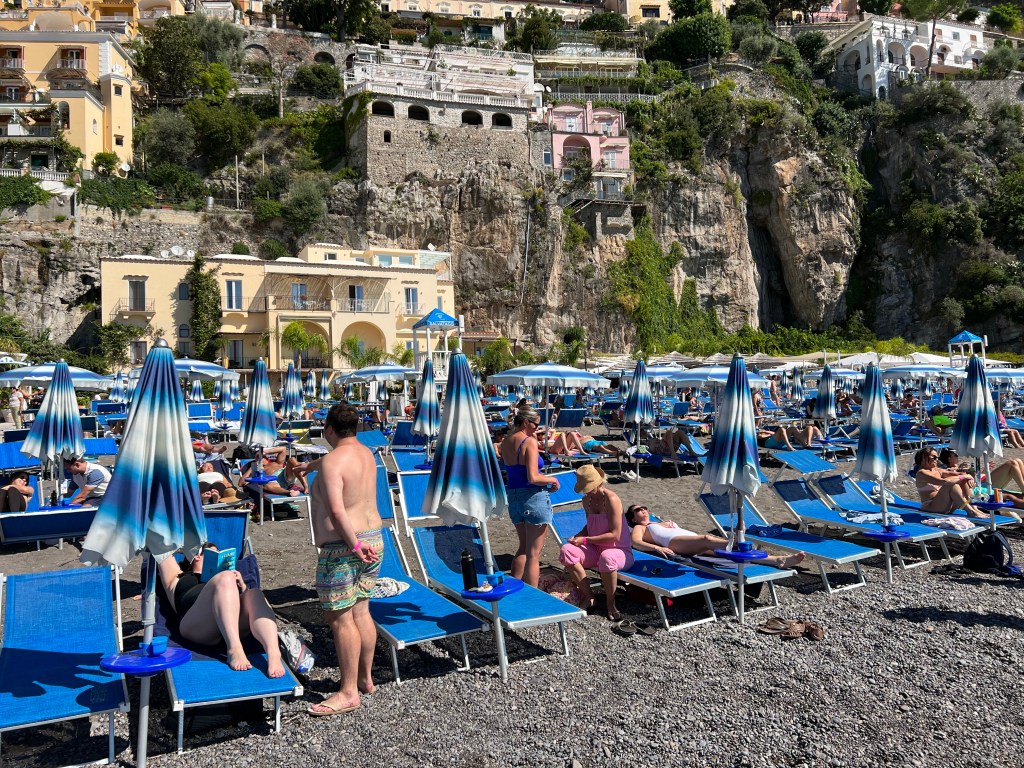

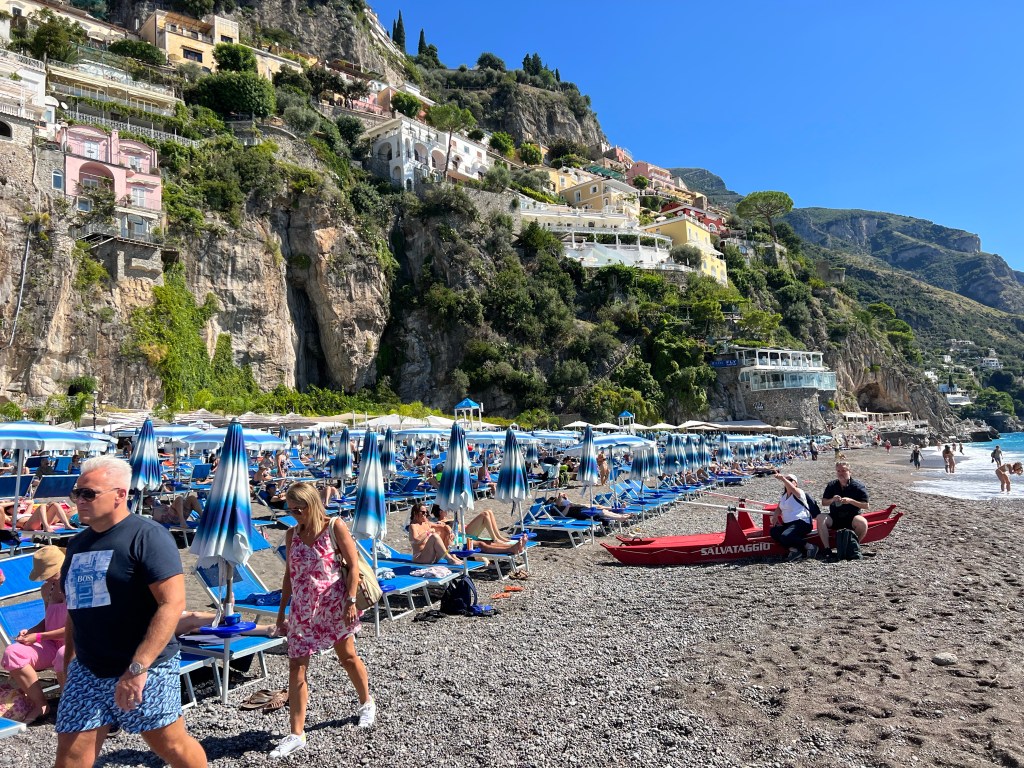
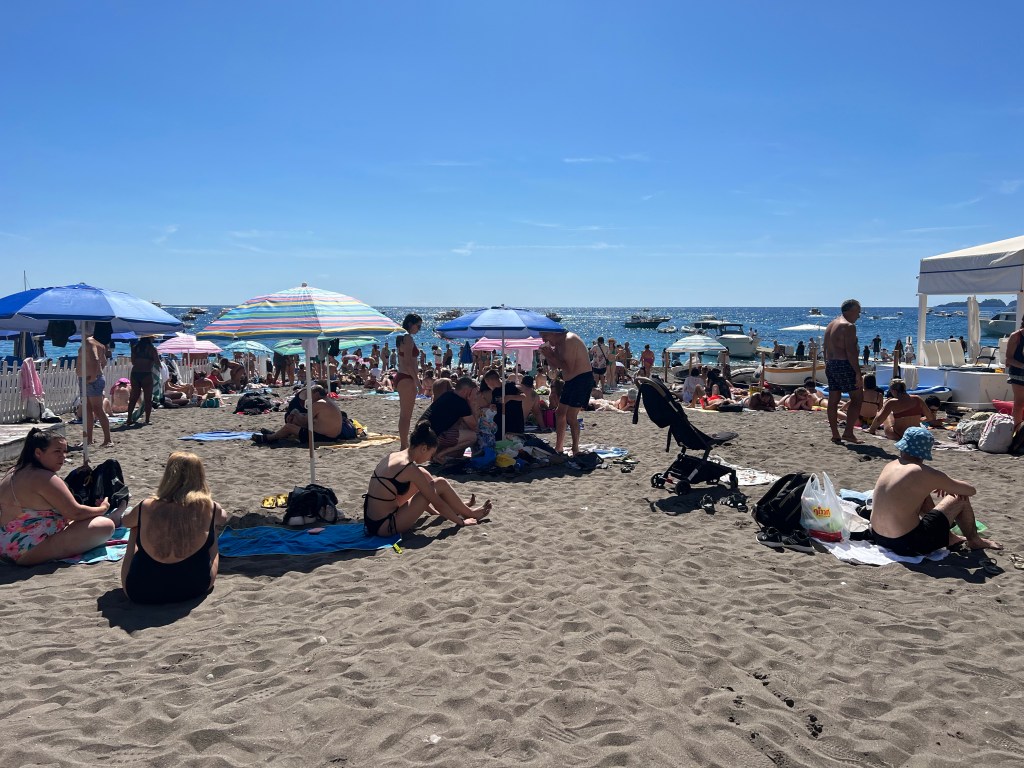
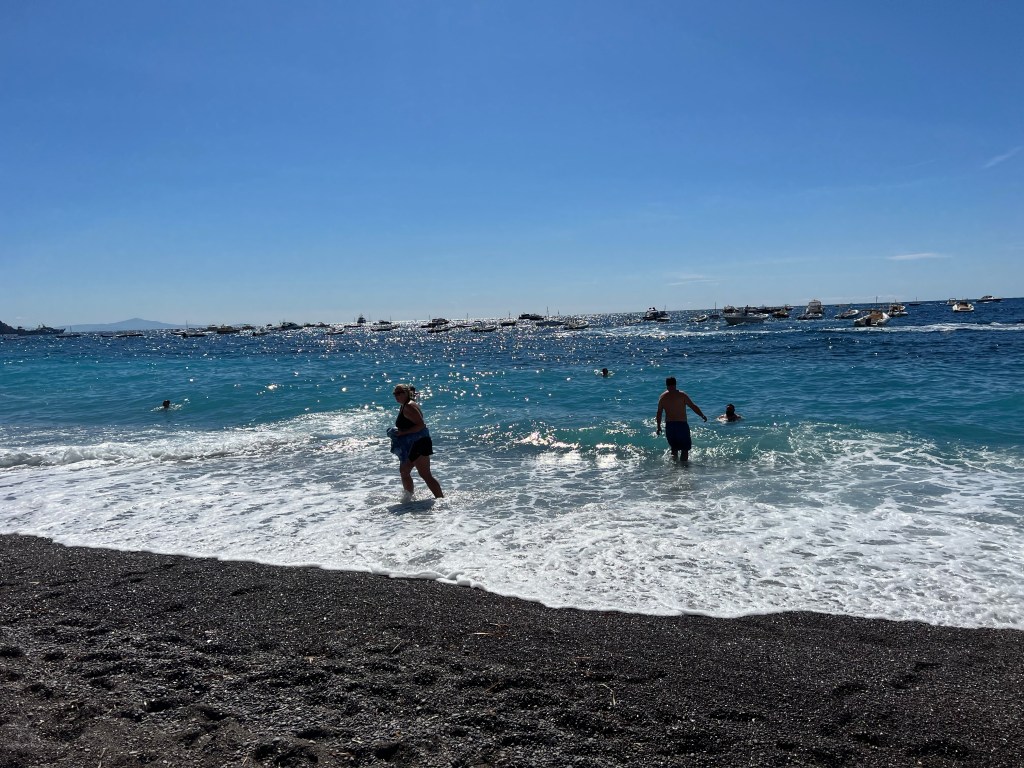


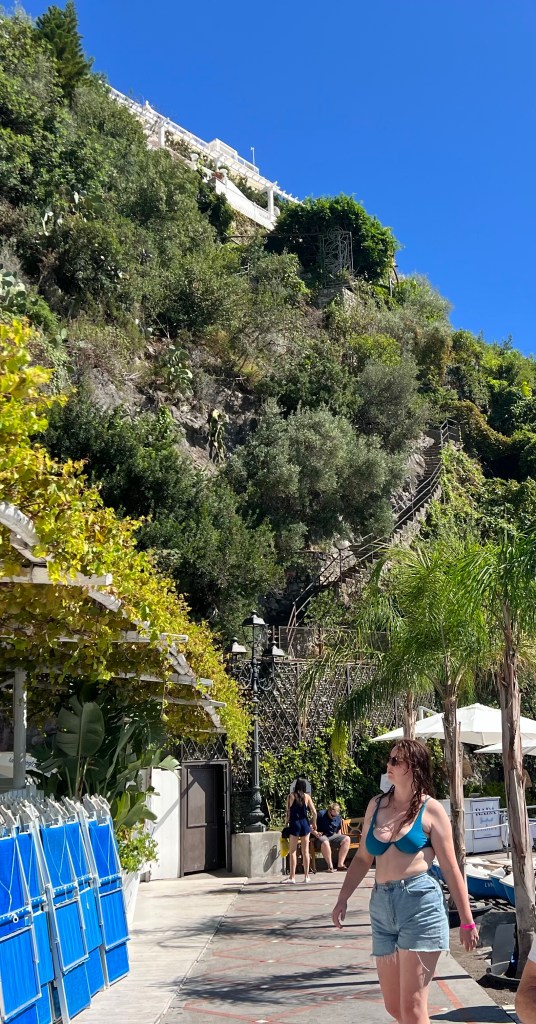

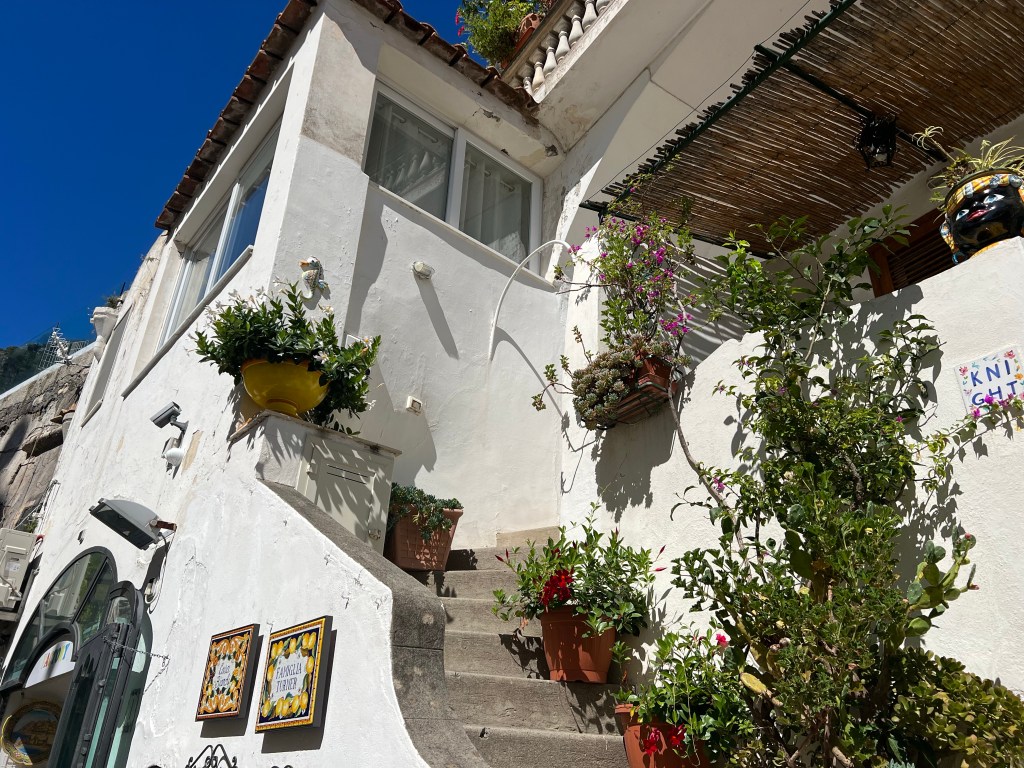


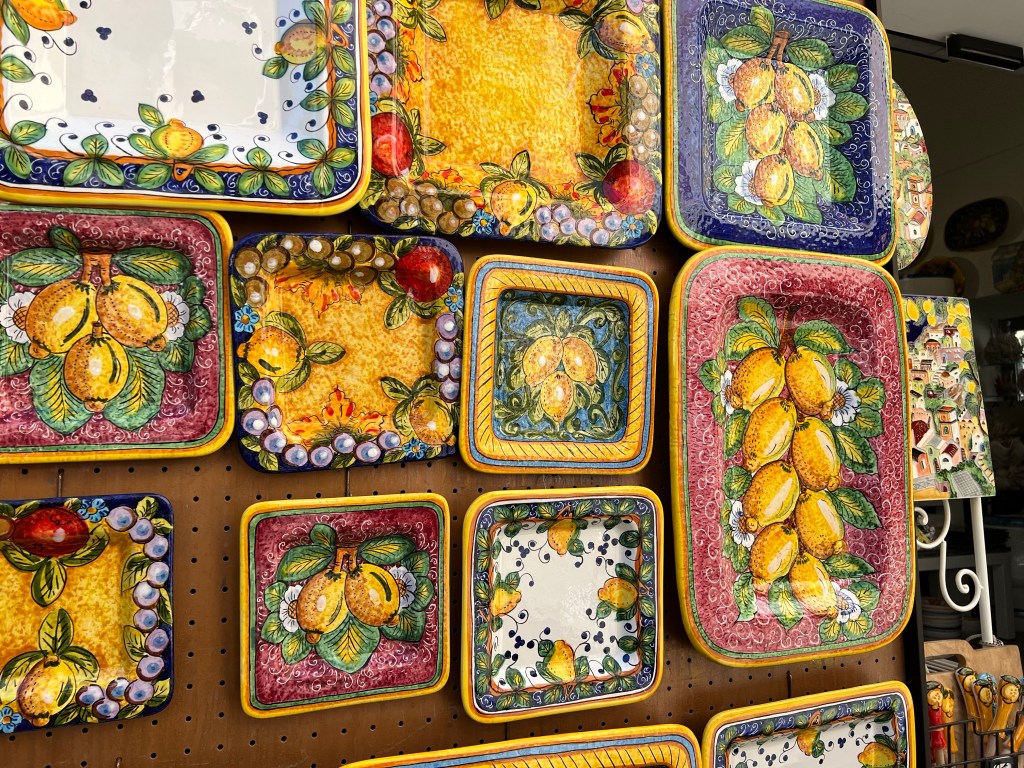


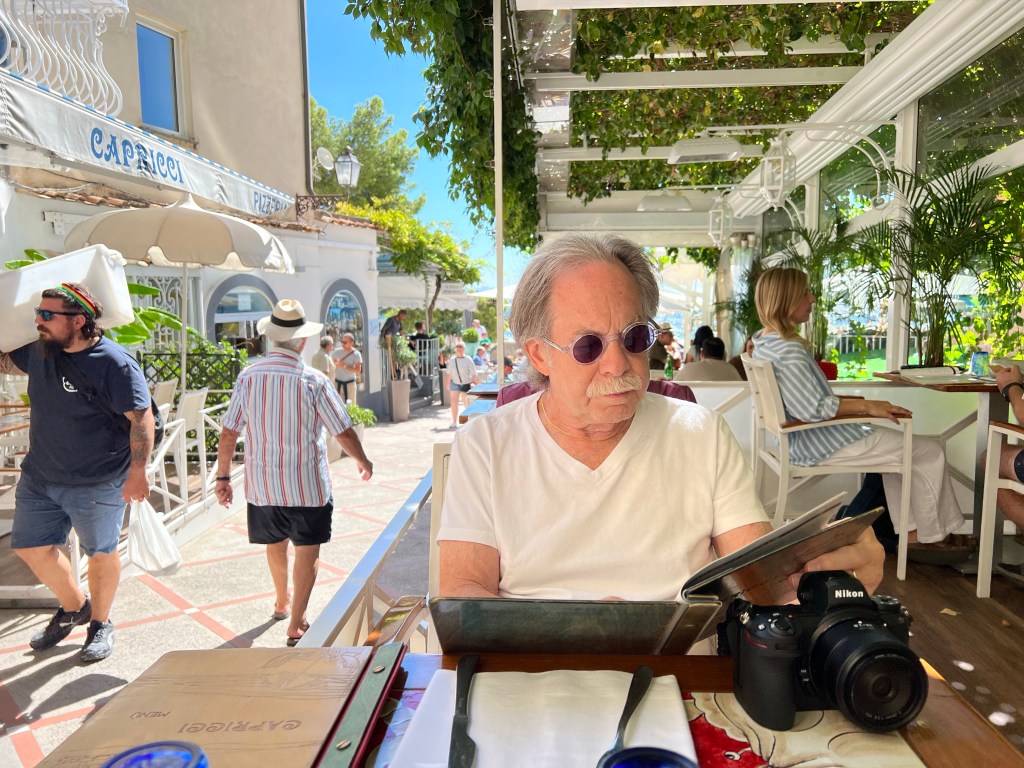


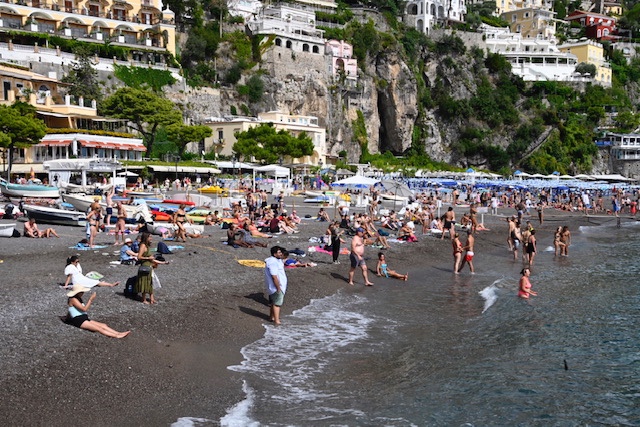
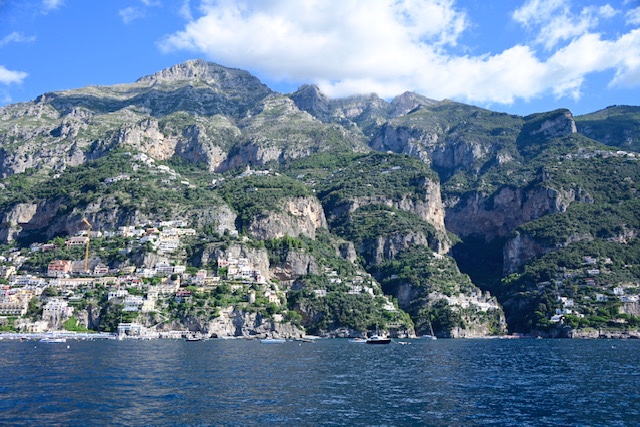
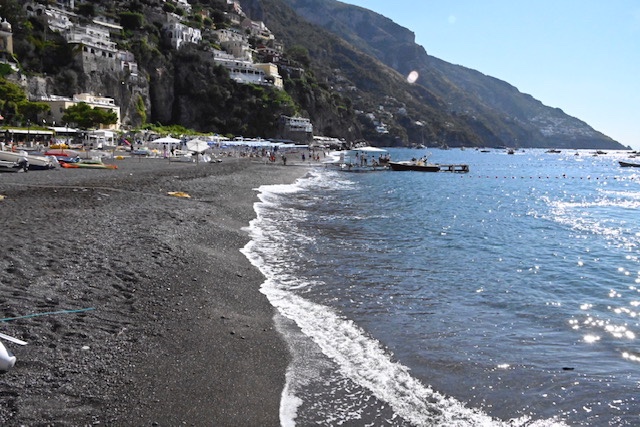
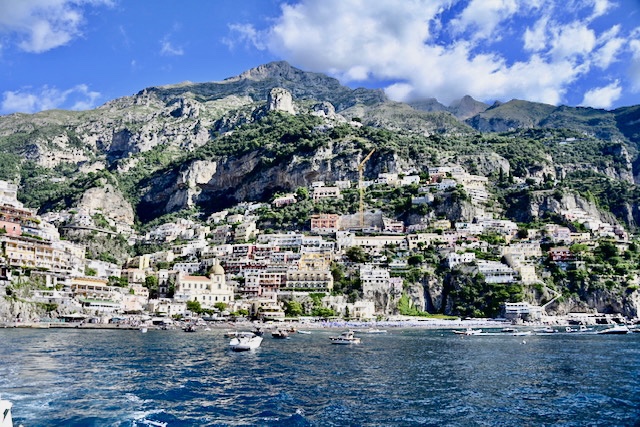
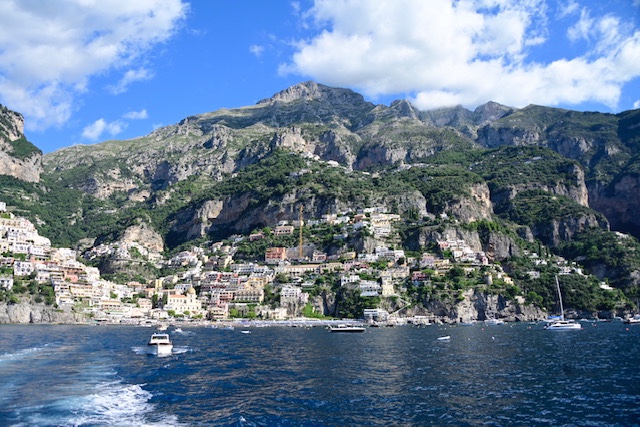
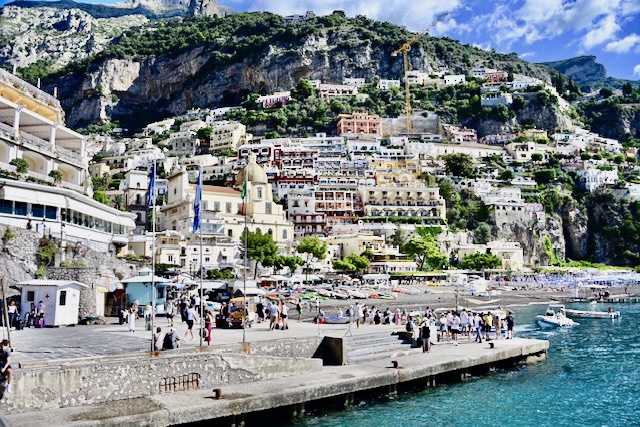
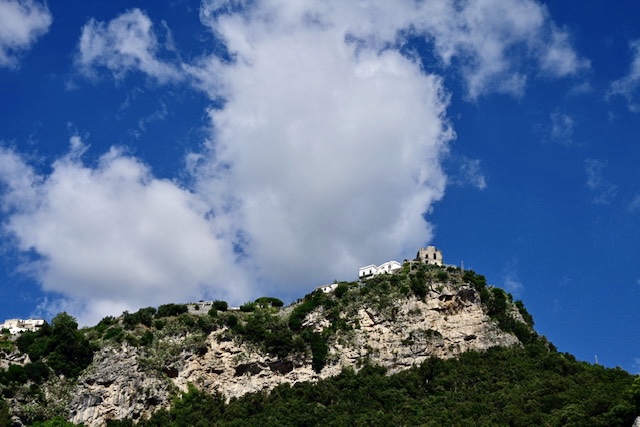
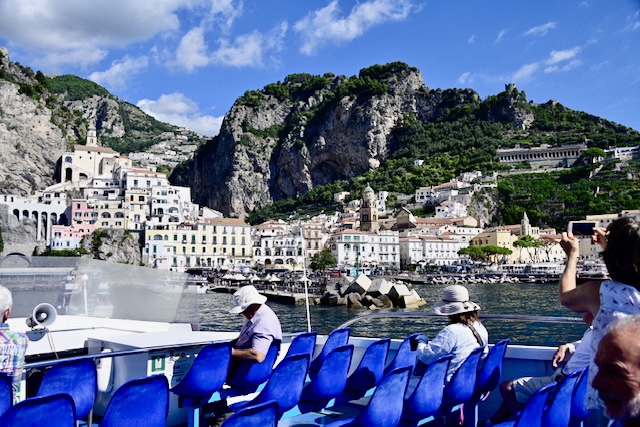
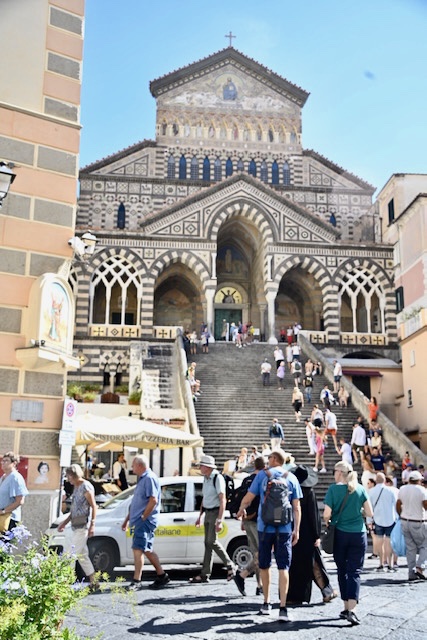
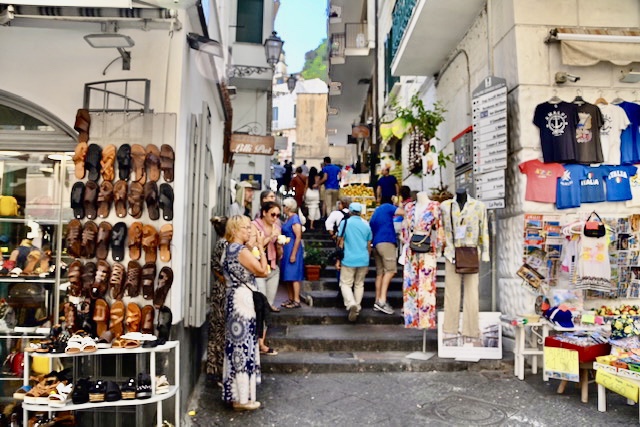
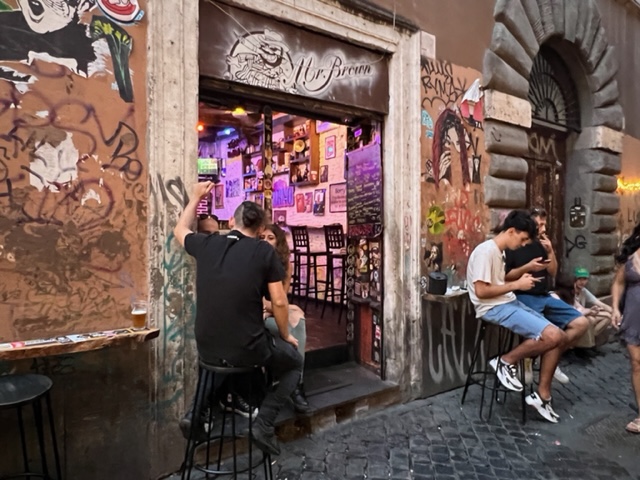
We went to the young people’s area of Rome tonight for dinner. The area is called Trastevere. We ate at Taverna Trilussa. The food just keeps getting better and better. Four nights in Rome and now on to Positano tomorrow. We stayed at the Sofitel Roma Villa Borghese and ate at Girarrosto Fiorentino, Vladimiro ristorante, Settimio all’ Arancio and Taverna Trilussa.


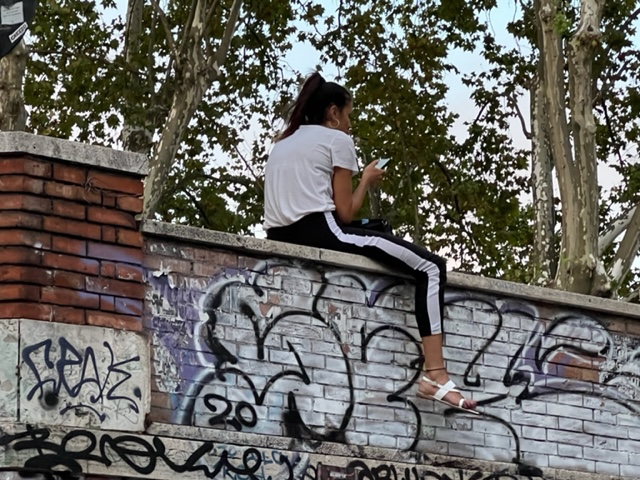


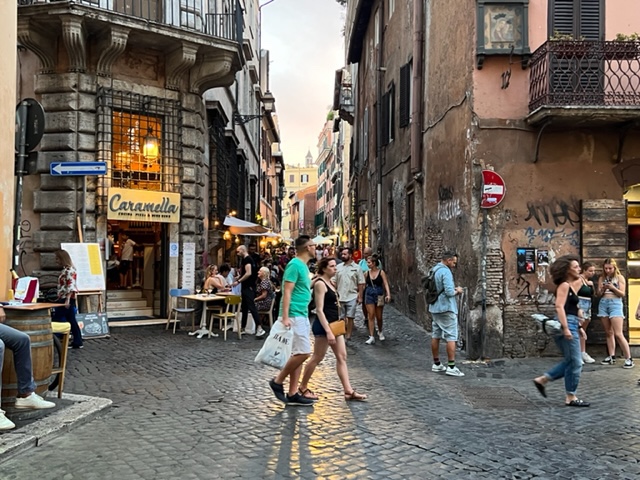
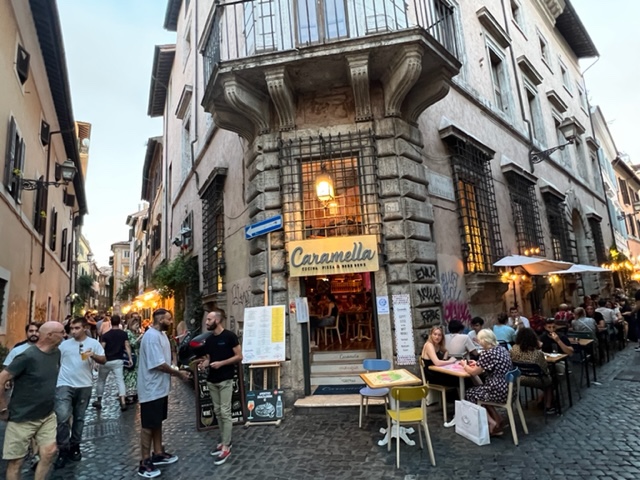
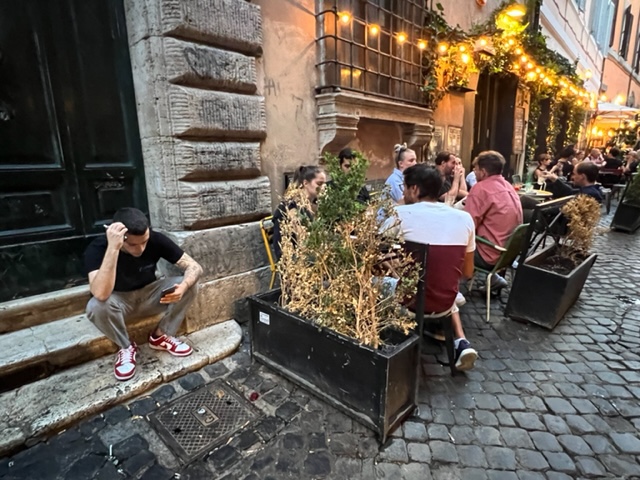
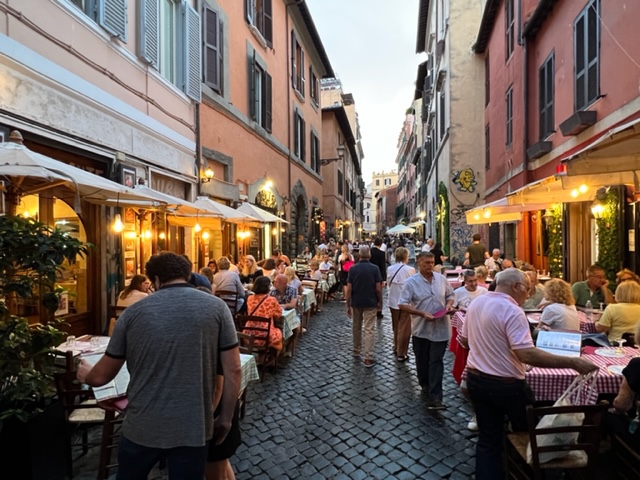
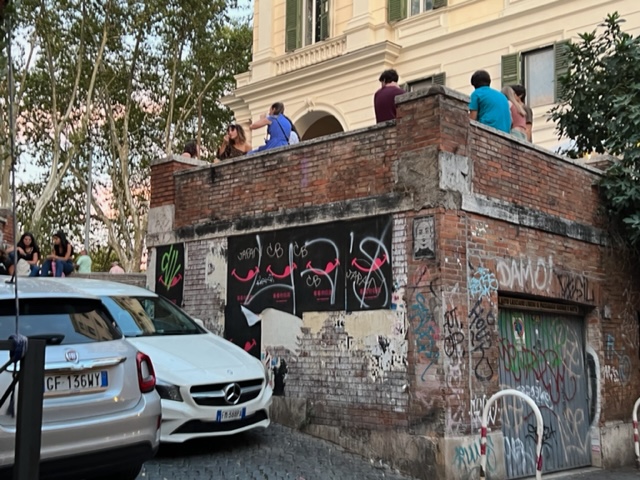
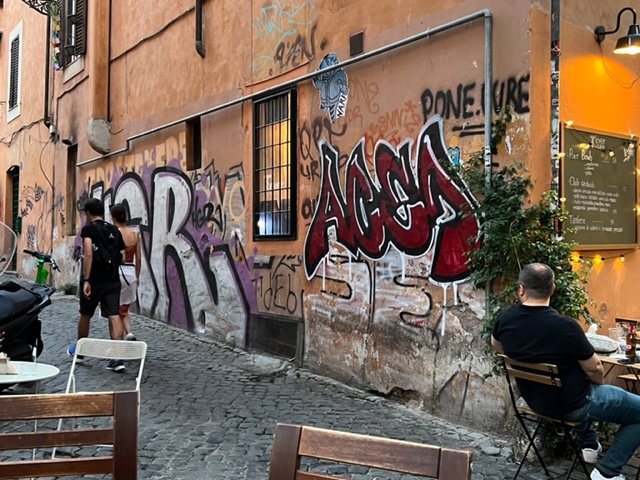
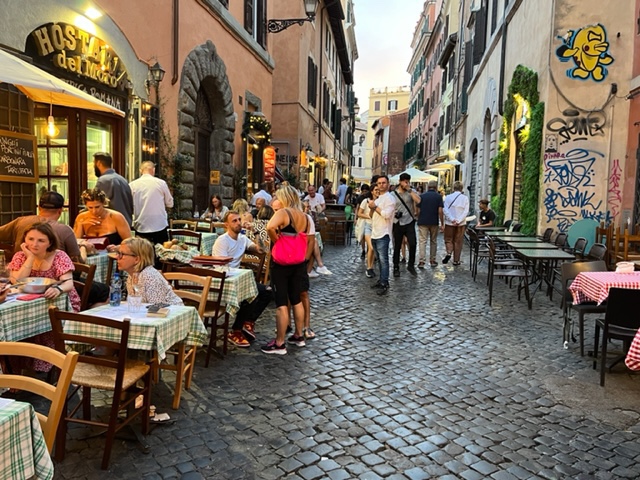




We are with Ronnie and Andrea Hein of Montecito. We have been good friends for years. They have visited us in Miami Beach and we have visited them. We all traveled together before from Panama to Costa Rica and we hope there will be many more opportunities. For now: Rome, Positano, Capri, Ischia and Naples.


My friend Robin Raskin is an American writer, author, publisher, TV personality and conference and events creator best known for her ability to simplify technology for non-technologists. She makes it easy for you to understand what all the fuss is about.


Listen to Scott Galloway. He says the United States is producing the most dangerous group in society.


When I was growing up, most of the fathers in the neighborhood had blue collar, or lower middle management jobs. Never in my life did I think I would know the owners of museums. Living in Miami you meet many. Meta and Don Rubell are exceptional. Read about their latest venture.—LWH

Mera Rubell doesn’t want to sit in the new glass entry of the under-construction Rubell Museum DC, so she folds one of the metal chairs that was set up for an interview in the sunny atrium and heads into the historic building. Followed by husband Don Rubell and a small entourage of staff, she passes through the former Randall School auditorium and into one of the original classrooms, a brick and white-walled space that will soon hold pieces from the couple’s famed collection.
“Yesterday we spent all day sitting in each room … figuring out the spirit of each room and thinking about the art,” said Mera, 78, trying to explain how she and Don are choosing the pieces that will be on view when the Rubell Museum DC opens Oct. 29.
“It was five hours,” Don, 81, corrected.
“We spent all this time sitting in these different rooms to figure out what’s going to hang in them,” Mera said, without acknowledging the interruption. “An artwork in this room is going to feel different than in another room.”
“We made permanent decisions yesterday which will be changed somewhere between Friday and Monday,” Don added with a grin.

Don and Mera Rubell will become Washington’s newest museum owners when their second museum — they have run a museum in Miami since 1993 — opens at 65 I St. SW with 24 galleries showcasing some of the 7,400 pieces of contemporary art the Miami-based couple have collected since 1965.
The $20 million renovation of a building that opened in 1906 as Cardozo Elementary School and became Randall Junior High School in 1927 features 32,000 square feet of galleries, a bookstore and cafe. It will join the Phillips Collection, the Hirshhorn, the National Gallery of Art and the Smithsonian American Art Museum in Washington’s crowded field of art museums.
A museum in the nation’s capital — not far from Arena Stage and Nationals Park — has been a dream for more than a dozen years, explain the couple, who have been married for 58 years. As owners of the Capitol Skyline Hotel one block east on I Street, the Rubells promoted their love of art with art fairs and other events.
“Contemporary art is a catalyst for serious conversation,” Don said, noting that artists grapple with the most pressing issues of the day, including race, immigration, violence and identity. Where better to have these conversations than in the shadow of the Capitol, he added.
“There are ideas that are percolating in Washington that may not have gotten to the rest of the country. We’re going to try to bring art related to those ideas,” he continued. “It’s not worth doing unless we really affect people.”
“Contemporary art is profoundly relevant to people’s lives,” Mera added. “It’s not like we’re going to teach people about art, okay? We are blown away by the art. We’ve been committed to buying it, we’re committed to caring for it. But I would say the greatest learning we get is from the public that comes to see it.”

On a recent, steamy summer morning, the Rubells spoke — often over each other, in the way long-married couples do — about their passion for contemporary art, their belief in its power to change hearts and minds, and their instinctive, if unusual, approach to collecting and curating.
“It’s not so much theory and scholarship as an emotional connection with the work that we’ve collected,” Mera said, elaborating on their curatorial process. “Because we have the privilege of having the work in our own [Miami] warehouse, we’ll put three pieces in here … and say ‘Ahh, it doesn’t look good. I think we need to put it over there, or you know what, I don’t think we’re going to put it in at all.’
“It’s the physicality of the work. but it’s also the relationships. We create relationships based on some experimentation. We’ll bring work here and see how it feels.”
They are not sweating the decision because it can always — and will always — change. “The pleasure comes in constantly changing it,” Don said.

Consulting with their son, Jason, Rubell Museum Director Juan Valadez and Caitlin Berry, newly appointed as Rubell Museum DC’s director, the Rubells are selecting pieces from their collection that explore social and political issues, and many will be on public view for the first time. Kehinde Wiley’s monumental painting “Sleep” will be included in the opening exhibition. The 11-by-25-foot work, based on an 18th-century painting by Jean-Bernard Restout, is one of Wiley’s series that explores Black identity by situating contemporary subjects in old settings. Wiley painted Barack Obama’s presidential portrait for the National Portrait Gallery.
On view will be “Untitled (Against All Odds),” a series of dystopian paintings by Keith Haring, a family friend they supported at a critical moment in his career. The series is in memory of Steve Rubell, Don’s brother and co-owner of the famous New York City disco Studio 54, who was 45 when he died of AIDS in 1989. Paintings from the “Shell” series, by D.C.-based artist Sylvia Snowden, who studied at Howard University under David Driskell, were acquiredfor the new museum. The series focuses on Snowden’s daughter and is the companion to “Malik, Farewell ’til We Meet Again,” pieces inspired by the 1993 shooting death of her son that were exhibited at the Corcoran Gallery of Art in 2000.
The galleries will also feature Mickalene Thomas’s “Mama Bush II, Keep the Home Fires Burnin’” and works by Hank Willis Thomas, Cecily Brown, February James and Vaughn Spann.
The Rubells’ curating, like their collection, is grounded in instinct, feelings and curiosity. “You have got to stay curious, open and curious,” Mera says of their approach. Adds Don: “Our curiosity is really about the new.”

The search for “the new” has driven their choices since the beginning. The couple have always focused on early-career artists and on buying multiple works. They often used payment plans of $5 or $10 a week when they were starting out as collectors, the couple said. Artists such as Jean-Michel Basquiat, Cindy Sherman, Haring and Thomas benefited from their early support. Don retired as a doctor years ago, and the couple now fund their purchases from their investments.
“We’re not oil barons, we’re not railroad barons, we’re a working family. We have been very fortunate, but we’re still working people,” Mera said.
The new venture isn’t going to play second fiddle to the Miami museum, which they opened in Wynwood in 1993 and moved in 2019 to Allapattah, a neighborhood that is closer to downtown and public transportation. On view in the 100,000-square-foot space are works by Yayoi Kusama, Cajsa von Zeipel and Reginald O’Neal. Another exhibition, “30 Americans,” has been on tour for more than a decade; it continues at the New Britain Museum of American Art through October.
The Rubells bought the Capitol Skyline Hotel in 2002 and worked to make it into an arts hub. A few years later, the now-defunct Corcoran Gallery of Art purchased the former school with the idea of expanding its educational footprint, a plan the Rubells heartily endorsed. When the 2008 economic crash ended that plan, the Rubells partnered with local developer Telesis in 2010 to bid on a development deal that included renovating the school for their art collection and building apartments on the surrounding land. They added a partner, the national developer Lowe Enterprises, to complete the project, which includes Gallery 64, an adjacent 492-unit apartment building, where one-fifth of the units are affordable housing.
The Randall School’s classrooms and auditorium have been transformed into galleries featuring pristine white walls, exposed brick, arched doorways and honey-colored wood floors and ceilings.
“The shapes are extraordinary,” Mera says, gesturing to the arches, windows and massive beams in the exposed ceiling. “We wanted to expose these. They come from 200-year-old trees,” she said.
The school setting is a significant theme, Mera noted. She was a Head Start teacher in New York City and Don was in medical school when they started collecting art. She says a professor at Duke, where son Jason earned his degree in art history, played a role in their decision to share their collection with the public. Now 53, Jason had amassed his own art collection — starting at age 12 with money from his teenage job stringing tennis rackets — which he merged with his parents’ larger holdings to create the Rubell Family Collection. Daughter Jennifer, 51, is an artist based in New York who shares her eye and expertise, too.

Berry, the former director of the Cody Gallery at Marymount University in Arlington, Va., will apply her deep knowledge of D.C.’s arts scene to tailor the museum to local audiences. She will collaborate with Valadez, the Miami museum director who has worked for the couple for 22 years, to shape the museum’s public programming.
“I bring a deeper knowledge of D.C. All of the curatorial work will be done with D.C. audiences in mind,” Berry said. “My role is to make this museum a part of the community and to help that community feel welcome.”
The Rubells have not determined whether they will replicate Miami’s artist-in-residence program, which began in 2019 and provided critical visibility to artists including Lucy Dodd, Sterling Ruby and Oscar Murillo. They are still discussing the number and type of public and educational programs, they said.
“Contemporary art can really change lives, especially teenagers’, because art has this extraordinary way of giving you a vision of possibilities,” Mera said. “Art changed our lives. If we’re successful, art might change other people’s lives.”
 By Peggy McGlonePeggy McGlone is a reporter for The Washington Post, covering arts in the Washington region. Before coming to The Post, she worked for the Star-Ledger in New Jersey as a features writer and beat reporter covering arts and education.
Lois Whitman-Hess
Miami Life Editor
The Three Tomatoes, http://www.thethreetomatoes.com
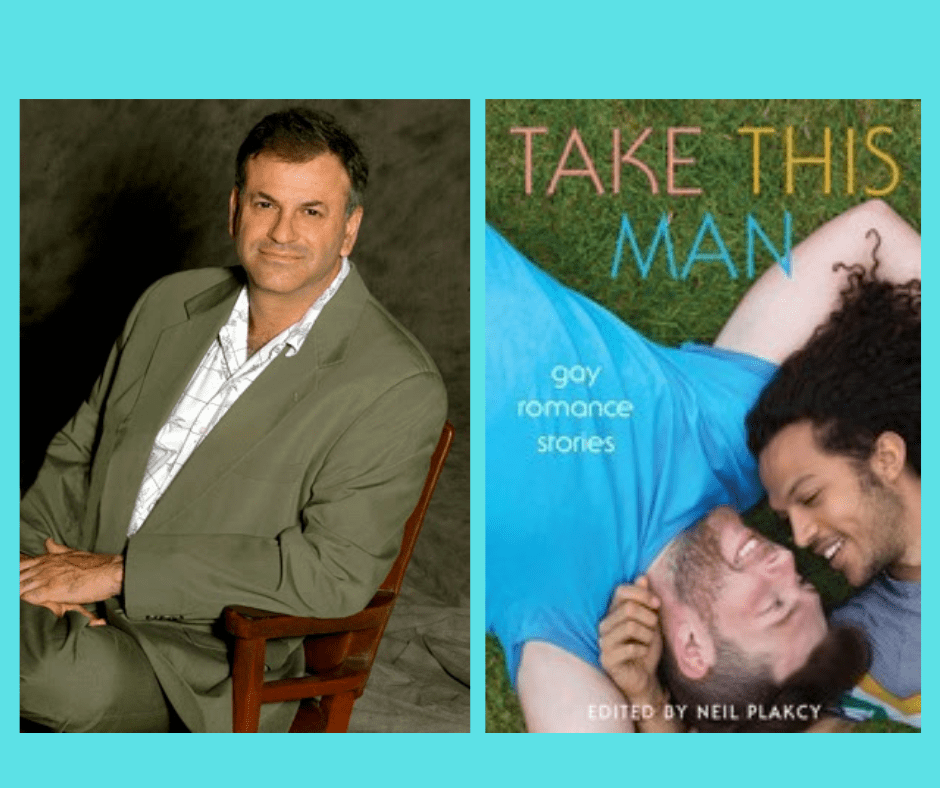
When my Miami friend Neil Plakcy, author of over 50 gay novels, told me that the majority of his sales were to mature straight women, I was floored. I consider myself savvy about women my age, but it never occurred to me that they would be interested in gay love making.
Neil, who lives in Hollywood, Florida, about 20 miles north of Miami, said that mature women love to read about men having sex with men because they can fantasize about their bodies moving together. “If one man is sexy, two are even sexier. Just like straight men watch lesbian porn for titillation, straight women like to read about gay sex.”
Neil has been writing gay novels for over a decade. His thoughts and observations have been formed through thousands of interviews, conversations, and research. Neil also said women are prime targets for gay romance books because they are tired of the same old romance stories, which can be very predictable. “After decades of reading love stories, women want more, they want heavy emotion, tons of lust, and lots of titillation. They’re also seeking new twists on the traditional romance story, and gay protagonists provide different story lines, like coming out, workplace relationships, and family acceptance.”
The prolific author said gay romance stories can be sexy, but also emotionally satisfying. Women love to read happy endings, and many who have gay friends and family members like to see gay characters end up happily.
“Gay novels have all the excitement women are looking for. Gay men tend to be more aggressive in bed. They want to take control of the other person. Many women get excited by the rough, tough play. They want to be enraptured by their husbands. The more they are dominated, the more their bodies respond.”
Novels like Neil writes open a whole new adventure for women over 50. They are learning about alternative lifestyles and brand-new scenarios.


 By
By  DigiDame