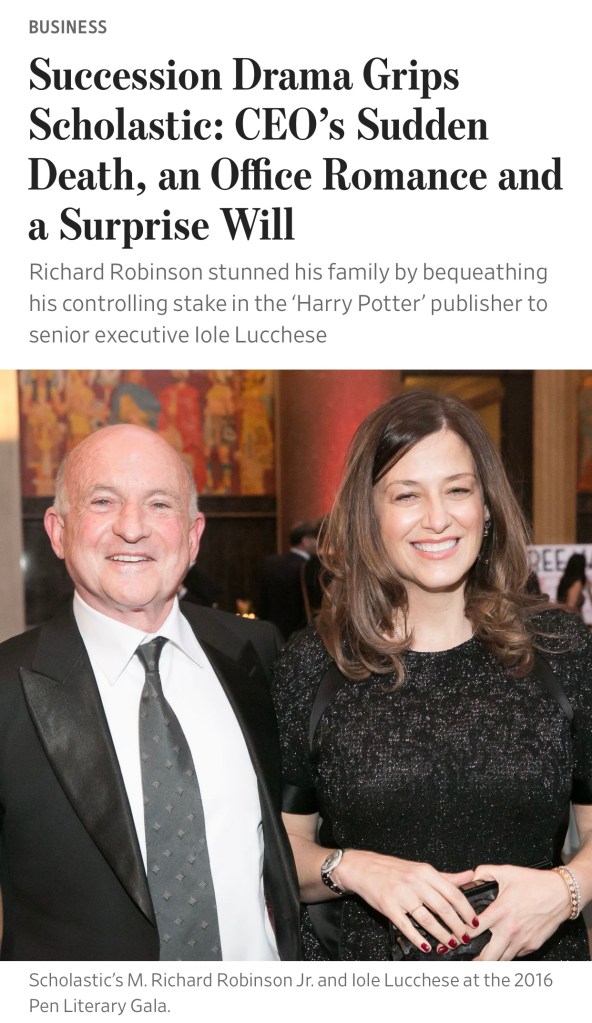
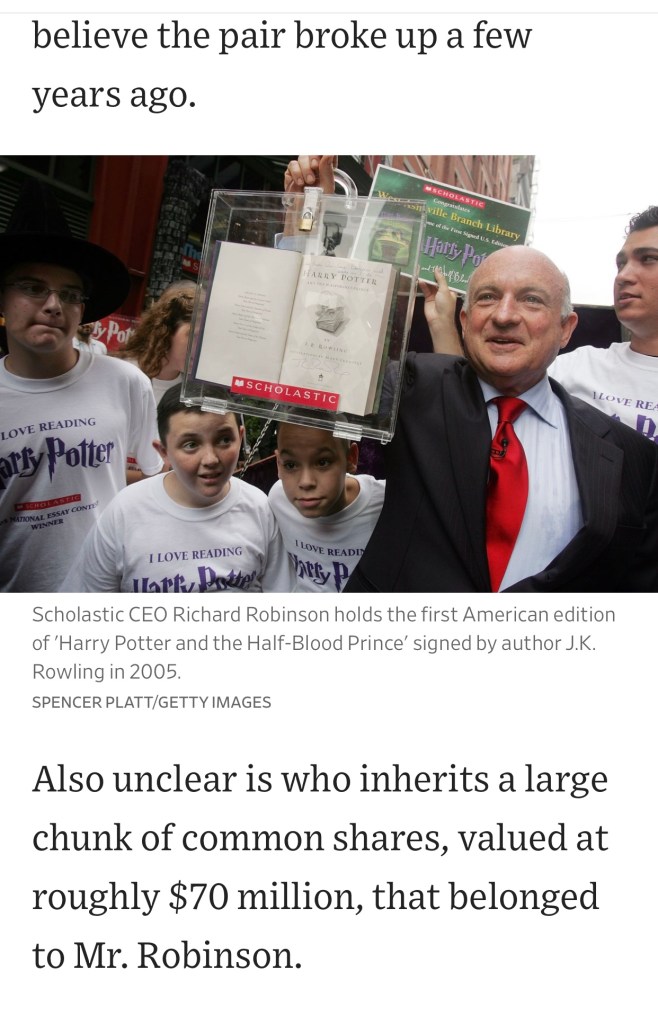
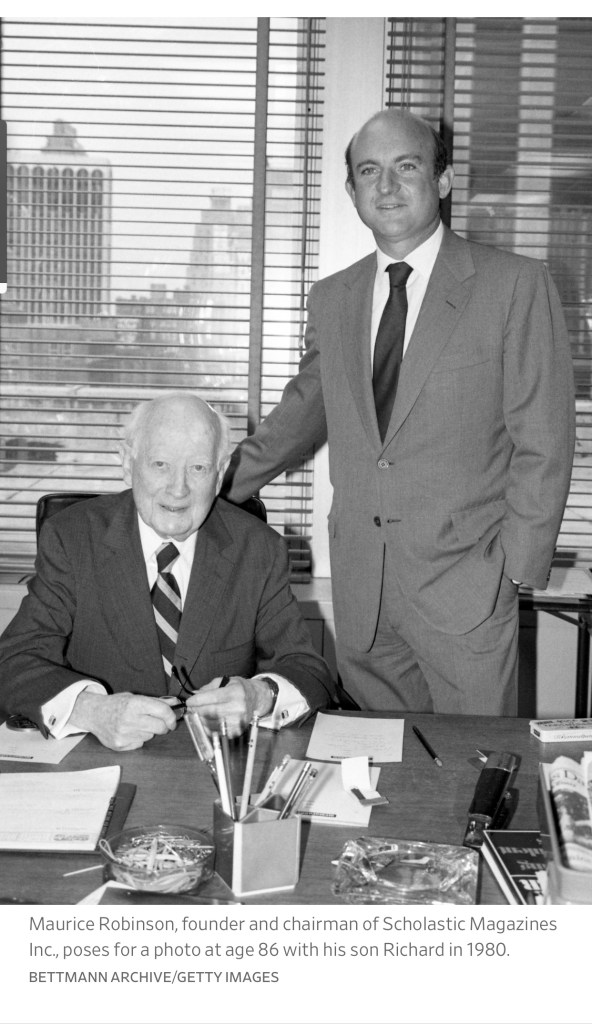
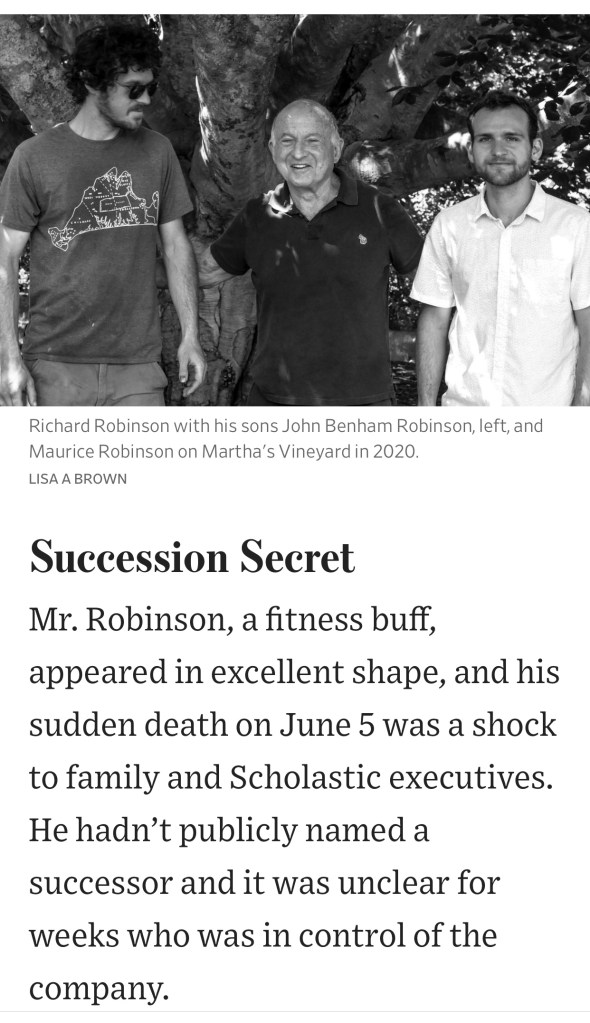
If there is one thing we learned during Covid, it’s that we can’t predict the future. Everything seems to be changing so fast. Everyone who thought Scholastic would be around forever got a big surprise last June when the CEO died. His choice for his successor is really going to change the dynamics of the company. Read all about it in the WSJ.
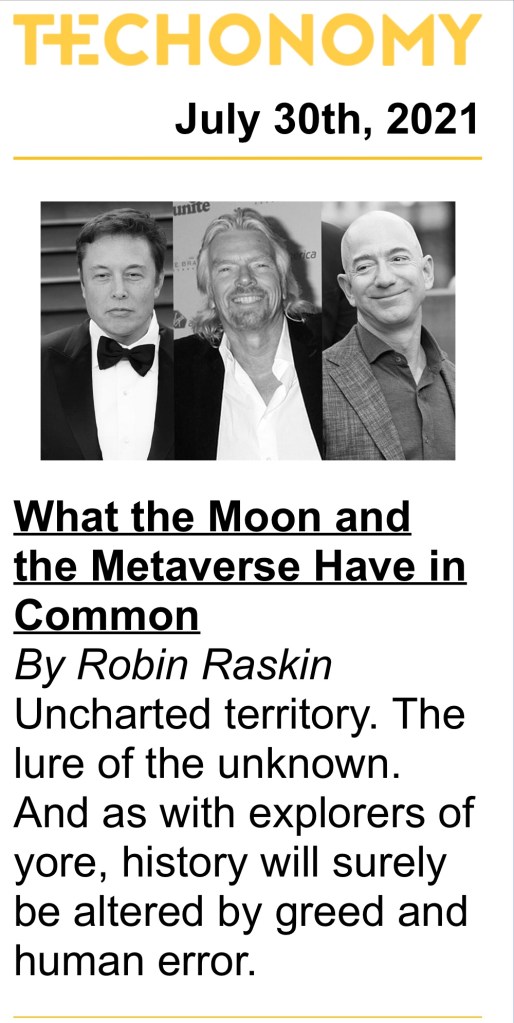
My Friend Robin Raskin outlines what Richard Branson, Jeff Bezos, and Elon Musk are doing in the worlds of outer space and digital space. Pay close attention. You will probably be visiting both.
Lewis and Clark, Ernest Shackelton, Roald Amundsen — they just couldn’t sit still and not dream of uninhabited places. George Mallory, a climber who lost his life on Everest, has earlier been asked why he climbed it. He answered, “because it is there”. (That’s often wrongly attributed to Sir Edmund Hilary.)
Today we can see the distant edges of two new territories ripe for new kinds of exploration–one physical, one virtual. One is in outer space, the other in digital space. Both are fueled by big egos, big dreams, and the same pioneering passion for the unexplored.
Three brash (and that’s the kind word) entrepreneurs: Richard Branson, Jeff Bezos, and Elon Musk have set their sights set on space travel, each with a different variation on the theme. According to CNN, the trio has a combined net worth of $400 billion, roughly the size of the GDP of the nation of Ireland. And they’re spending much of it on space travel.
Musk is operating a commercial service under contract for NASA to ferry people to and from space. Musk is also interested in sending people to Mars. With his contracts, and despite the fact that he personally has thus far remained grounded, Musk may be farthest along.
Bezos is currently dreaming of space colonization. He imagines living and working in space, in the likely event that Earth reaches a point where it’s a less desirable habitat. He is so eager to make progress that he seems to be trying to bribe NASA to let him help build the next lunar lander after his Blue Origin space company lost out to Musk’s SpaceX on the recently-awarded initial contract.
Branson’s focus is also on space tourism, giving new heights to the name Virgin Galactic. Their stories of conquering new lands will be read by children of the next generation

Back on Earth, the pioneers are heading to the metaverse–also to colonize, set up communities and invite tourists to visit. Whether it’s the gamer community, the NFT/crypto folks, or AR and VR developers, it’s a virtual land grab for engagement. The big idea is to create completely immersive worlds that exist only digitally. Like in space, you might work there, play there, be entertained or set up shop. Like space, the metaverse has been talked about as a place where new rules can be written, and new values and norms explored.
Just this month Mark Zuckerberg’s company, Facebook, announced it would be heading to the metaverse in a big way. According to Zuckerberg, the future of Facebook’s community is in the metaverse. For the moment, the only glimpse we have into that vision is through Oculus Rift VR glasses, owned by Facebook, and the variety of experiences offered through them.
While Zuckerberg hopes to be Master of the Metaverse, he is far from alone and far from the most experienced. Companies like Virbela are digital-first from their roots, whether it’s to learn, play or meet. Even their own employees trudge to work each day in a digital twin of the physical world. MootUp, a 3D immersive environment, just partnered with Verizon’s Blue Jeans (software kind of like Zoom) to offer enterprises the opportunity to mingle in the metaverse. Niantic, the maker of Pokemon Go, has embarked on the boldest vision of the metaverse to date. It is building an AR replica of the entire planet, offering visitors a chance to experience the real world, but augmented with digital information.
An important part of the metaverse is that its shingle reads “open for business.” Whether it’s a concert, fashion show, disco evening, learning symposium, or something else, metaverse companies are encouraging brands and creators to offer unique experiences in their digital worlds. Companies with services like Fortnite, Minecraft, and Animal Crossing, though their roots are in gaming, have already attracted big investment dollars and big sponsorship dollars from brands.
One of the premiere metaverse destinations began life as a children’s game. Early on, Roblox adopted a few tenets that turn out to be somewhat foundational to a metaverse. It makes its users part of its revenue-sharing model. As users create new games on the platform, they open the platform to other brands that want to build worlds in Roblox. There’s also a MIM-currency to spend (for Magic Internet Money) and Roblox also has given its audience agency to dress, groom and raise their own avatars, which proved wildly popular. Companies including Nike, Disney, Warner Bros., and Gucci are actively setting up experiences there.
The cost of exploring the metaverse is magnitudes lower than space exploration, of course, but what they have in common is the lure of uncharted areas. The unknowns are vast. Of course, just like with the explorers of yore, the course of history will inevitably be altered by greed, motive, and human error. But make no mistake, the Moon and the Metaverse are open for business.
——————————————-
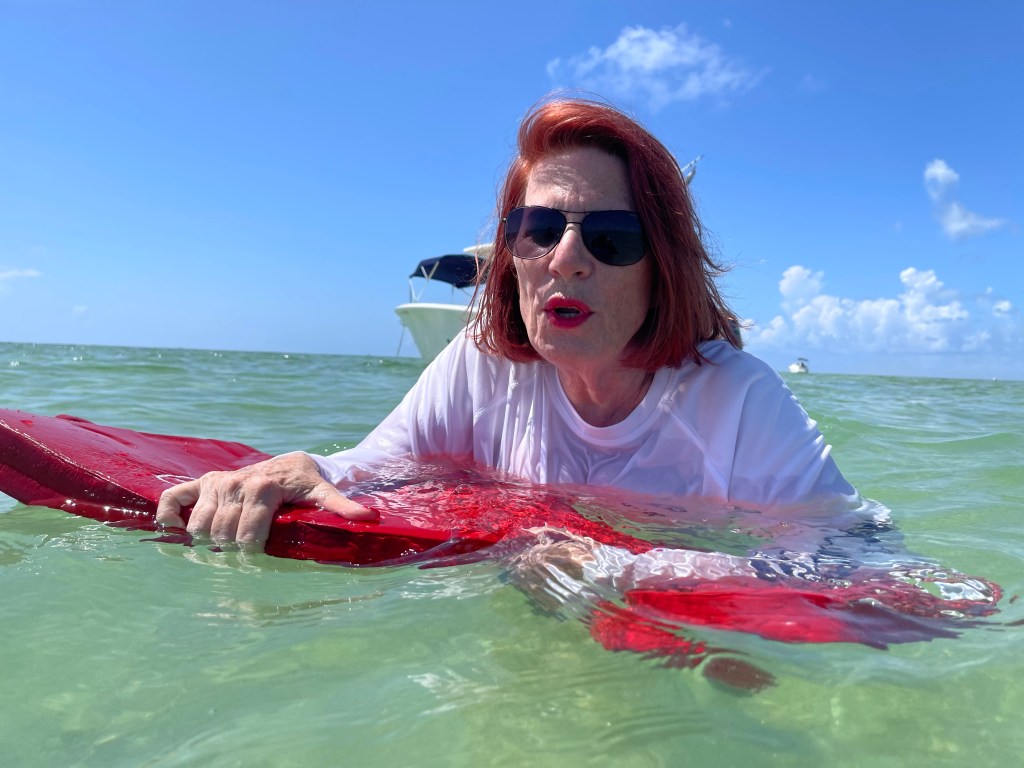
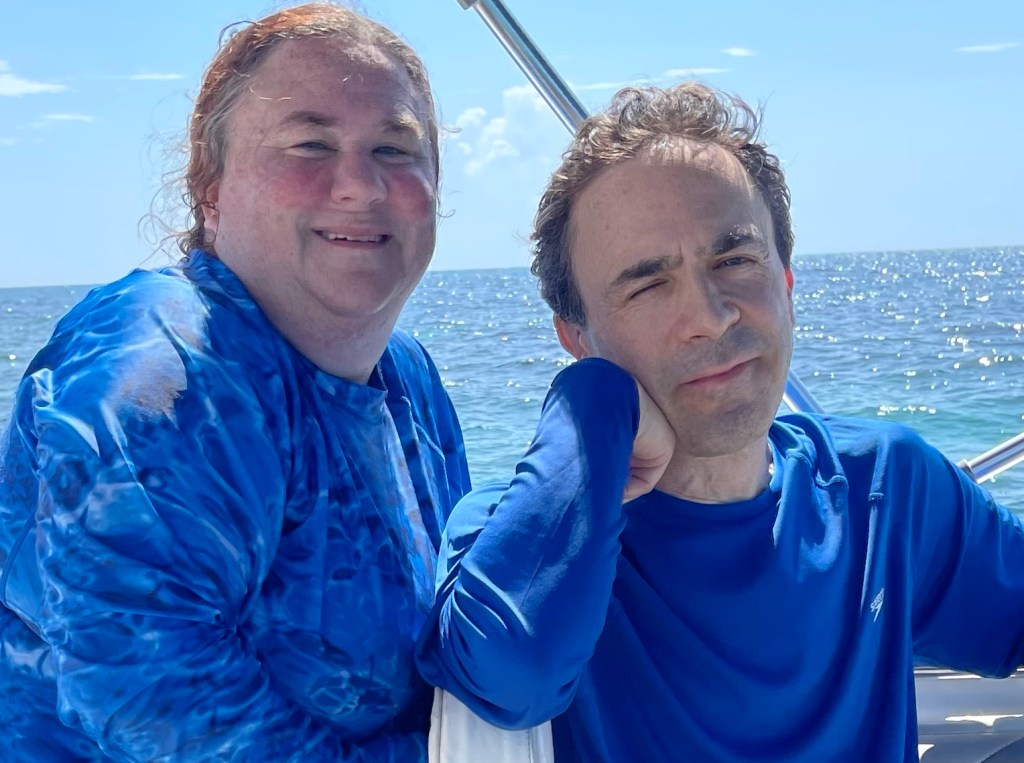
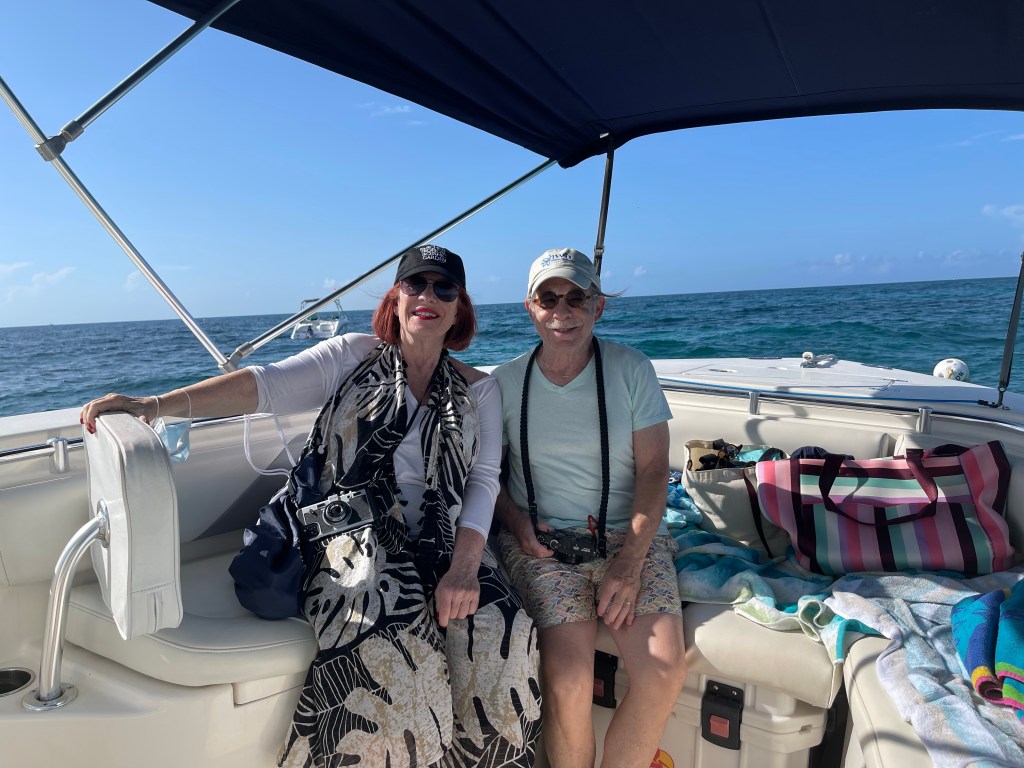
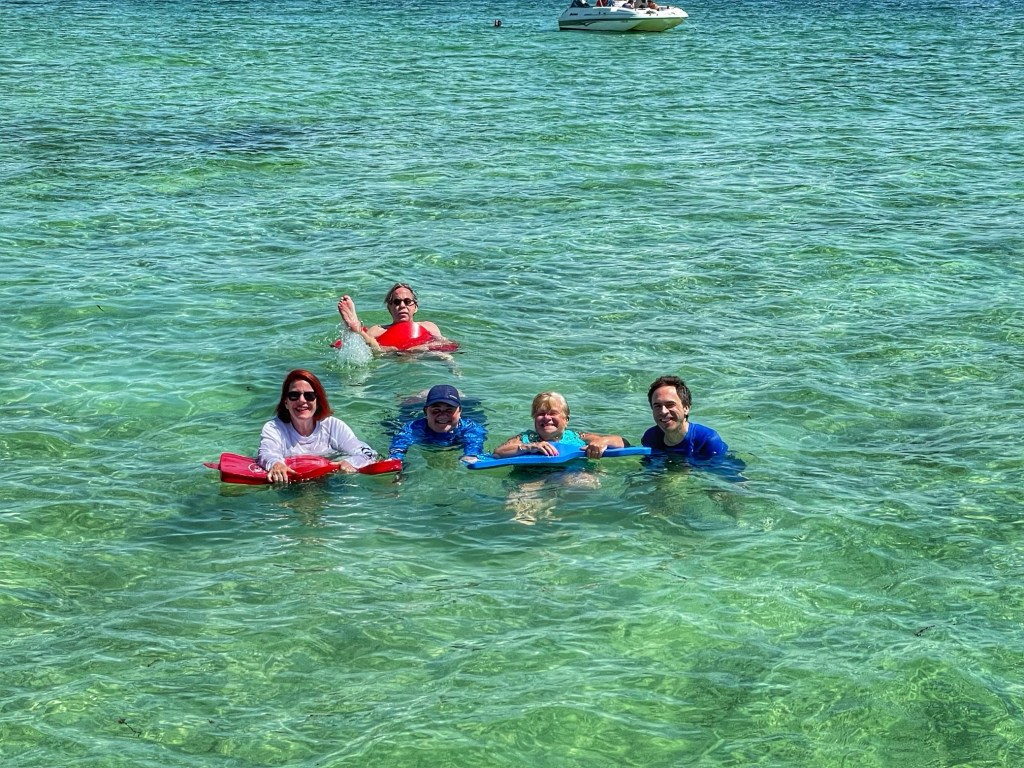
The Hess family (Dorothy, Adam, Valerie, and Alfredo) arranged for a wonderful day of boating, swimming, and snorkeling in Key Largo. We can’t wait to do it again. Photos by Valerie Hess.
I’m hoping the Israeli’s will save us. We need our wits till the end.
Neuroscientists in Israel are trying to turn back the biological clock with one simple ingredient: oxygen
A (pricey) breath of fresh air for anti-aging research.
Patients take part in hyperbaric oxygen therapy in Israel. Many showed increased cognitive response after a six-month trial.
No matter how much retinol cream and hair dye we slather on our faces and roots, we’ll all succumb to age eventually. There’s no cure for it, and it’s much more than skin-deep—aging takes a severe toll on our neurological well-being. Although biologists recently discovered how to reprogram the molecular processes of aging in yeast cells, we haven’t yet cracked the mysteries behind aging in the human brain.
Nearly 16 million people in the US struggle with cognitive impairment, a debilitating condition that eventually robs individuals of their independence by chipping away at their memory, motor functions, and ability to concentrate or learn.
But neuroscientists in Israel are trying to turn back the biological clock with one simple ingredient: oxygen. Shai Efrati, a physician and director of the Sagol Center for Hyperbaric Medicine and Research at the Yitzhak Shamir Medical Center in Israel, has developed a new type of hyperbaric oxygen therapy that increases blood flow in the brain to prevent declining cognitive function in the brains of healthy, older adults. His team’s results were published in the journal Aging this month.
Hyperbaric oxygen therapy involves breathing in pure, highly concentrated, oxygen in a pressurized chamber for a long duration, allowing a person’s lungs to collect three times the normal amount of oxygen from air. With elevated blood-oxygen levels, body tissues supposedly heal at increased rates by stimulating the formation of new vesselsat sites of injury. Historically, doctors have used the therapy to treat carbon monoxide poisoning, skin burns, traumatic brain injuries caused by strokes, and gas embolism, a condition that impacts deep-sea divers when nitrogen bubbles form in the circulatory system. More recently, hyperbaric oxygen therapy has been advertised as an all-encompassing treatment for many diseases—though the FDA emphasizes that the therapy hasn’t been clinically proven to treat cancer, diabetes, and autism.null
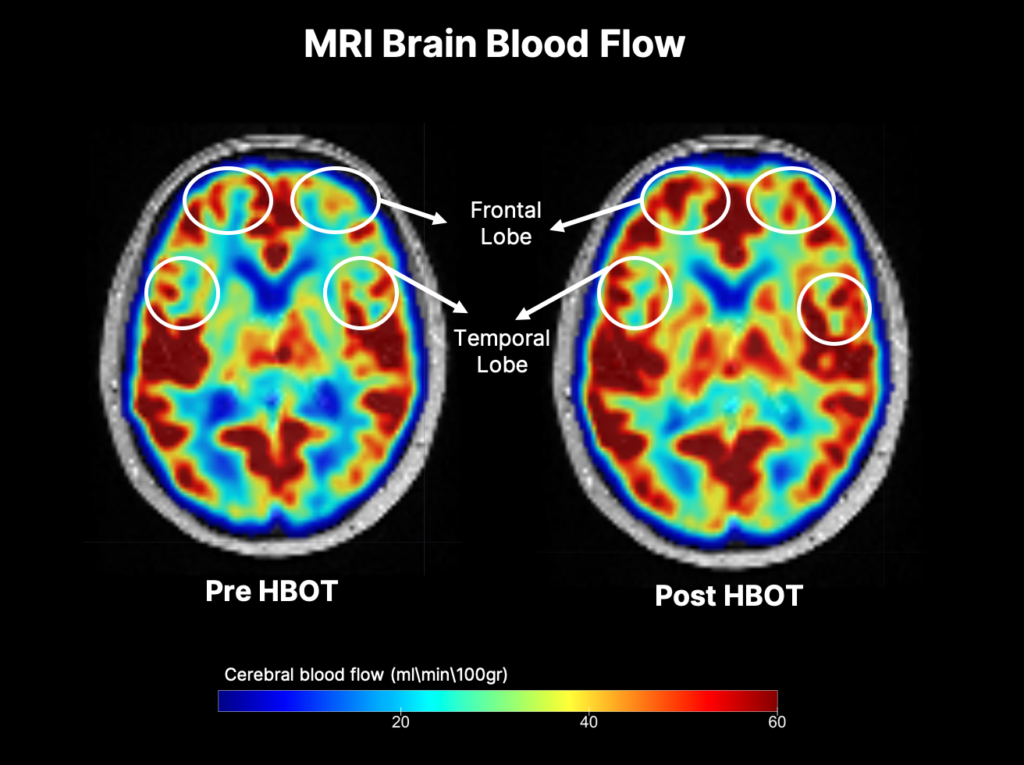
In this recent study, Efrati tested the therapy on normally aging adults without preexisting conditions to improve their cognitive function. For three months, 63 adults aged 65 and older spent five days a week, two hours a day in a pressurized chamber, breathing in concentrated oxygen at twice the amount of pressure as that of the Earth’s atmosphere. By the end of the study, Efrati discovered that blood flow in the brain increased. Frequent cognitive assessments also revealed that patients scored much higher on attention and information-processing speed tests than prior to the experiment.The study results showed an uptick in blood flow and oxygen levels in certain regions after the hyperbaric oxygen therapy. The Sagol Center for Hyperbaric Medicine and Research
Here’s how the researchers say it works. By dramatically raising blood-oxygen levels in aging patients, Efrati harnessed oxidative stress to prompt some brain cells to go into survivalist mode. Oxygen atoms are free radicals—at concentrated amounts, they scour the body, damaging DNA, cells, and proteins in a phenomenon called oxidative stress. “These short periods of high oxygen actually impose a mild beneficial stress on cells in the brain,” says Mark Mattson, a professor of neuroscience at Johns Hopkins University. This pressure might promote neurogenesis, a process in which stem cells form new neurons and brain cells, essentially making the central processing unit look and run “younger.” Exercise and intermittent fasting invoke similar reactions in the brain, Mattson says, without extreme adverse impacts.
It’s not just about raising oxygen levels, however: Fluctuation is also key. During the study, Efrati instructed patients to keep oxygen masks on for 20 minutes, then remove them for five-minute breaks. “You put the mask on and breathe 100 percent oxygen,” says Alexander Alvarez, a physician at Aviv Clinics, who administers hyperbaric oxygen therapy. “Then, when you take off the mask, the body thinks it’s in trouble.” Patients must spend at least two hours, five days a week in the oxygenation chamber at Aviv Clinics.
Efrati thinks that stress caused by fluctuating oxygen levels in the blood might stimulate stem cell growth. But this chain of events hasn’t been scientifically proven yet, says Uri Ashery, a professor of neuroscience at the Sagol School of Neuroscience in Israel. “The mechanisms behind hyperbaric oxygen therapy are unknown,” he notes. When asked if increased blood flow means more brain activity, as indicated in the study, Ashery also hesitated. “Not necessarily,” he says. “It can allow the brain to be more active since it brings in new oxygen. But it doesn’t always mean the brain is more active.”
But what about the patients’ high scores on cognitive assessments after the treatment? While there’s no direct evidence of stem cell proliferation, the study participants exhibited better short term memory, longer attention spans, and the ability to process information at faster speeds than before. Cognitive performance peaked after 20 treatments, Alvarez says, and remained elevated six months after therapy. It did drop off eventually—and scientists still aren’t sure how long the effects last. The treatment doesn’t last forever, Ashery explains, and its longevity depends on each individual’s genetics and lifestyle.
Despite those caveats, the waiting list for the hyperbaric oxygen therapy at the Florida-based company Aviv Clinics is already starting to grow, says CEO Dave Globig. Despite the onset of the COVID-19 pandemic, adults 55 years of age and older have been scrambling to get appointments since the treatment was first rolled out in mid-June. While most clients come from the Villages, a sprawling retirement community that hems the clinic, Globig anticipates taking on patients coming from all over the world. Each treatment package costs $60,000 and spans sixty days, requiring individuals to commute to the clinic five times a week for two-hour sessions.
After their 60 days are up, patients will continue to be monitored with a wearable medical device. If their cardiovascular or cognitive health declines, they’ll be invited back for a physical test and perhaps another round of hyperbaric oxygen therapy, Alvarez says.
Ashery hopes that one day the treatment might be popularized enough that it becomes accessible for more populations. “This is something that the government could invest in,” he says. “The scientific and medical communities show that it is quite helpful and prevents a lot of care later on, so this could easily become part of our regular treatment for older adults.”
Efrati, meanwhile, dreams of an aging community that’s completely independent and well-functioning. Longevity isn’t enough—a high quality of life is what these neuroscientists strive for. “We will all die someday,” Efrati says. “But we want to die when we are functioning. We want to go down with our heads up, not when we are debilitated.”
Throughout the United States, covid-19 is spreading rapidly, mostly owing to the highly contagious Delta variant. This fourth wave of infections is strongest in the heartland and southern states: cases per 100,000 people are highest in Arkansas, Florida and Louisiana; Missouri has the highest hospitalisations.
Identifying the causes of vaccine hesitancy can help policymakers decide where to target their efforts. According to surveys and modelling by The Economist, the single greatest predictor of whether an American has been vaccinated is whether they voted for Joe Biden or Donald Trump last November.
In many middle-income countries around the world, from Brazil to Belarus, the pandemic is stirring unrest. People are angry about economic hardships, and they see how the rich and well-connected go to the front of the queue for vaccinations, medical treatment and government help. They are angry that their leaders have not done a better job of containing the coronavirus. At the same time, people’s suffering has created a sense of solidarity which is fanning grievances that smouldered long before anyone had heard of covid-19.
In England, it looks like Boris Johnson’s gamble to unlock society will pay off. When Mr Johnson lifted restrictions on July 19th, many observers predicted disaster. More than a week of liberty later, without masks and with clubbing, cases are still falling. Indeed, daily case counts have fallen by roughly half since the rules were relaxed.
Meanwhile our Bagehot columnist observes that, with the return of summer parties, a sense of normality is returning to Westminster. A strange era in British politics could be coming to a close.
Among the many emergency measures introduced by state governments in America during the pandemic, one stood out for the jollity it heralded: a change in the law to allow bars and restaurants to sell cocktails-to-go. The change in states’ alcohol laws looks set to stay.
——————————————-
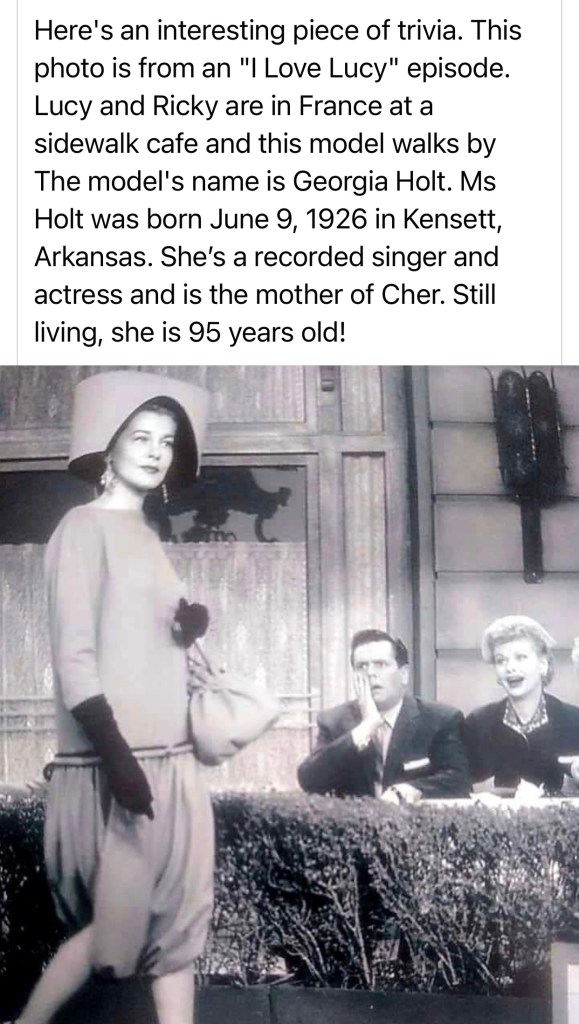
Interesting Piece Of Trivia
———————————————
Gloria Vanderbilt’s Beekman Place Apartment Is for Sale
The answer to the headline above is Calvin Klein himself. He caught Eliot and I poking around his property in the summer of 1983, a year after Whitney was born. We had just built a house in Montauk and we used to drive around the Hamptons looking for celebrities. We often went to Calvin’s private driveway to see if we could get a glimpse of his home.
For some reason, this time Eliot drove up the private road of Calvin’s East Hampton’s estate. Before we knew it, there was a car right behind us. It was Calvin himself. It was a single lane road so we didn’t know what to do. We just stopped. Calvin looked at us so we quickly made a very tight U turn and did our best to get past his car.
He just stared at us. He never said a word as we made our escape. He could have had us arrested. He must have seen Whitney in the back seat and figured we were just celebrity stalkers. We were, we are, we will continue to be.
The Dirt
Calvin Klein Sells East Hampton Estate in $85 Million Off-Market Deal
Google/ASSOCIATED PRESS
Calvin Klein has left the building. Or, rather, he’s sold off the last of his properties in the Hamptons.
It was widely reported when Calvin Klein and second wife Kelly split up — unofficially in 1996 but not officially divorced until 2006 — that Kelly was keeping the beautiful oceanfront estate in East Hampton she and Calvin bought in 1987 for $3.6 million from the son of Juan Trippe, the founder of Pan American World Airways. And she did remain in residence.
However, deeds filed in Suffolk County show the nearly 8.5-acre spread has been sold, not by Kelly but by Calvin Klein in two contiguous off-market transactions that totaled $85 million. The bulk of the estate went for $75 million, while an undeveloped adjacent strip of land traded at $10 million. (The second transaction also shows Klein’s daughter, “Saturday Night Live” producer Marci Klein, as a signatory.) The buyers are shielded behind a couple of typically mysterious LLCs.
This is actually the second time in about a year that Calvin Klein has sold a Hamptons estate in an off-market deal valued at more than $80 million. In 2003, long after he and Kelly went their separate ways but still some years before their divorce was finalized, Calvin paid $30 million for an oceanfront mansion on Southampton’s Meadow Lane.
He demolished it, spent a fortune building a modern glass box in its place, and sold it to hedge funder Ken Griffin last year for a cool $84 million. And, perhaps not coincidentally, Kelly, a photographer and author who also has a home in Palm Beach, has just spent $15.9 million on a tiny waterfront cottage in nearby Sag Harbor, as first reported in the New York Post.
Photo : Out of copyright
The gorgeous house has an interesting history. In 1891, well-to-do single woman Laura Brevoort Sedgwick (1859-1907) hired noted Hamptons architect Joseph Greenleaf Thorp to build herself a house. Thorp is noted for having designed Grey Gardens, which, by the way, is quite close to this house, as well as another East Hampton mansion later owned by Chevy Chase.
Sedgwick soon met Henry A. James (1854-1929), and they married in the living room of this house. The couple hired Thorp to add on to the house, adding the windmill tower in the middle of the house in 1899. (Windmill houses are kind of a thing in the Hamptons. Many eccentric late 19th century houses in the area had fake windmills added to them; among them a cottage now owned by Robert Downey Jr.)
The property consists of the main house, a pool that was added by the Kleins, and, because the property spans both sides of the street, a boathouse on Georgica Pond. Shortly after the Kleins acquired the estate, architect Thierry Despont was brought in to update and refresh the house, which was pictured in Vogue Decoration in 1992.
Even having sold these two huge estates in the Hamptons, Calvin is hardly homeless. Since the early 2000s he’s owned a 10,000-square-foot triplex penthouse in a Richard Meier-desgined building in New York’s West Village — the developers famously took Klein up in a helicopter so he could see exactly what the view would be like from the glass-walled aerie — and in 2015 he shelled out $25 million for a 9,300-square-foot contemporary mansion just above L.A.’s Sunset Strip.
This may be years away from being a real cure but it’s nice to know we are going in this direction. Hurry up please.
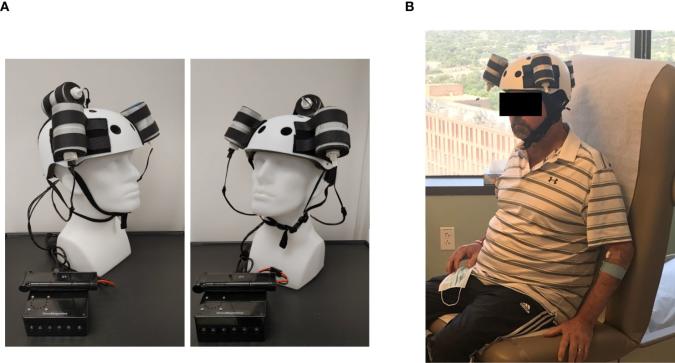
A magnetic helmet shrunk a deadly tumor in world-first test
The user-friendly medical device can be operated at home.
Houston Methodist Neurological Institute
We’ve seen helmets and AI that can spot brain tumors, but a new hard hat can actually treat them, too. As part of the latest neurological breakthrough, researchers used a helmet that generates a magnetic field to shrink a deadly tumor by a third. The 53-year-old patient who underwent the treatment ultimately passed away due to an unrelated injury. But, an autopsy of his brain showed that the procedure had removed 31 percent of the tumor mass in a short time. The test marked the first noninvasive therapy for a deadly form of brain cancer known as glioblastoma.
The helmet features three rotating magnets connected to a microprocessor-based electronic controller operated by a rechargeable battery. As part of the therapy, the patient wore the device for five weeks at a clinic and then at home with the help of his wife. The resulting magnetic field therapy created by the helmet was administered for two hours initially and then ramped up to a maximum of six hours per day. During the period, the patient’s tumor mass and volume shrunk by nearly a third, with shrinkage appearing to correlate with the treatment dose.null
The inventors of the device — which received FDA approval for compassionate use treatment — claim it could one day help treat brain cancer without radiation or chemotherapy. “Our results…open a new world of non-invasive and nontoxic therapy…with many exciting possibilities for the future,” said David S. Baskin, corresponding author and director of the Kenneth R. Peak Center for Brain and Pituitary Tumor Treatment in the Department of Neurosurgery at Houston Methodist Neurological Institute. Details of the procedure have been published in the peer-reviewed journal Frontiers in Oncology.
Botox users getting younger after a year of Zoom meetings, doctors say
As cities around the world start to reopen after COVID-19 lockdowns, the effects of the pandemic are starting to show on people’s faces.
Experts in cosmetic medicine say they have begun to notice an uptick in Botox treatments among younger generations. They say people, particularly women, in their early 20s — aged from the pandemic and wearing less makeup than before — spent so much time looking at themselves during Zoom meetings that they started to notice their “imperfections,” and for the first time, turned to Botox and fillers.
“I would say that my average age of patients shifted down considerably this year, and it’s now early 20s,” Skinly Aesthetics founder Dr. Dmitriy Schwarzburg said. “And they’re coming not just for Botox, but for all kinds of procedures that they would otherwise consider at a much later point in their lives.”
Amy Shecter, the CEO of Ever/Body said, “The Zoom effect is real, and it has definitely been a catalyst for increased interest in cosmetic dermatology treatments.”
According to Stacy Garrity, a nurse practitioner at Ever/Body, many of their clients over the past year have admitted that they only started to notice their fine lines because of Zoom, and now that things are opening up, they’re anxious to get out of their quarantine funk and look and feel better.
The number of patients in their early to mid 20s “is a phenomenon that was not seen five years ago,” Garrity said.
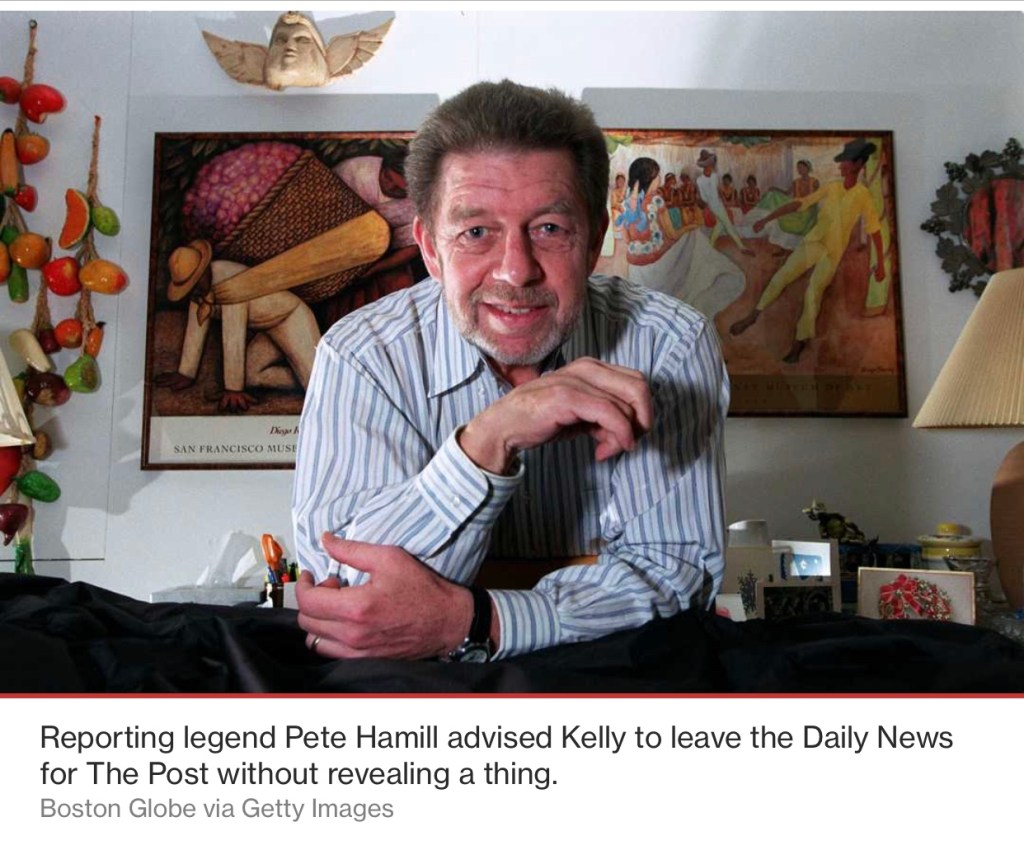
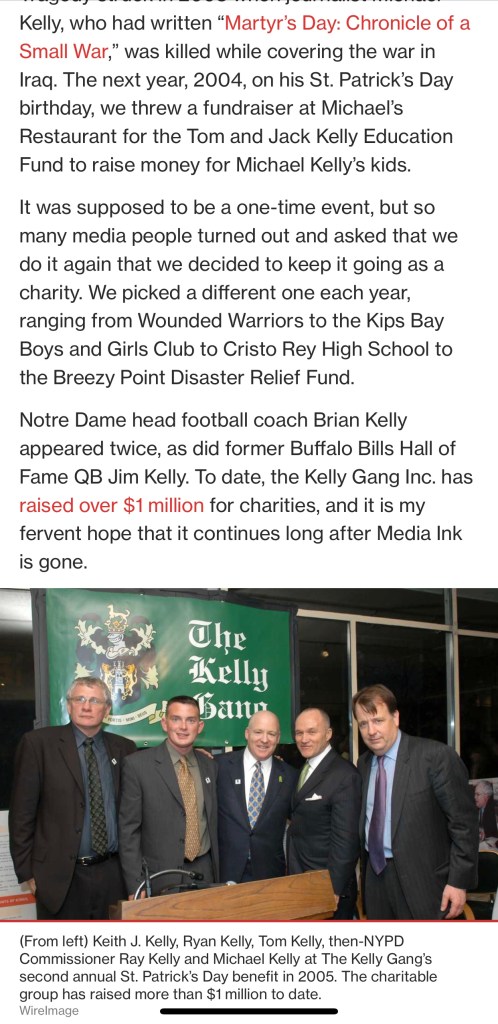
I have been reading Keith Kelly for decades. He kept me informed about everything I needed to know about the world of media. I guess now it doesn’t matter. Everyone I cared about is retired or dead. What a revolting development this is















































 DigiDame