
🌺🌺🌺🌺🌺🌺🌺🌺🌺🌺🌺🌺🌺🌺
🌺🌺🌺🌺🌺🌺🌺🌺🌺🌺🌺🌺🌺🌺
🌺🌺🌺🌺🌺🌺🌺🌺🌺🌺🌺🌺🌺🌺
🌺🌺🌺🌺🌺🌺🌺🌺🌺🌺🌺🌺🌺🌺

🌺🌺🌺🌺🌺🌺🌺🌺🌺🌺🌺🌺🌺🌺


🌺🌺🌺🌺🌺🌺🌺🌺🌺🌺🌺🌺🌺🌺


🌺🌺🌺🌺🌺🌺🌺🌺🌺🌺🌺🌺🌺🌺
🌺🌺🌺🌺🌺🌺🌺🌺🌺🌺🌺🌺🌺🌺


🌺🌺🌺🌺🌺🌺🌺🌺🌺🌺🌺🌺🌺🌺
🌺🌺🌺🌺🌺🌺🌺🌺🌺🌺🌺🌺🌺🌺
🌺🌺🌺🌺🌺🌺🌺🌺🌺🌺🌺🌺🌺🌺
🌺🌺🌺🌺🌺🌺🌺🌺🌺🌺🌺🌺🌺🌺
🌺🌺🌺🌺🌺🌺🌺🌺🌺🌺🌺🌺🌺🌺
🌺🌺🌺🌺🌺🌺🌺🌺🌺🌺🌺🌺🌺🌺
🌺🌺🌺🌺🌺🌺🌺🌺🌺🌺🌺🌺🌺🌺
🌺🌺🌺🌺🌺🌺🌺🌺🌺🌺🌺🌺🌺🌺

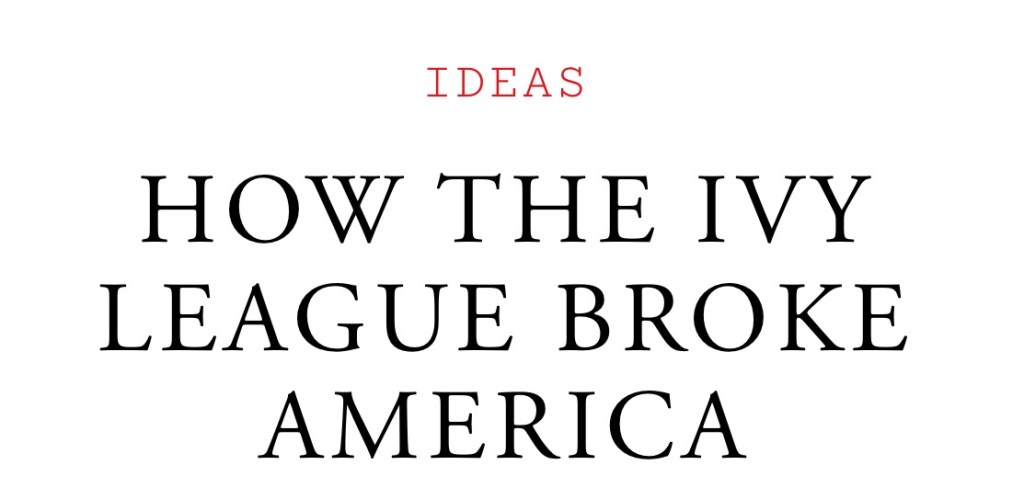

This comes as no surprise to me. Thank you Gail Williams for sharing The Atlantic story to confirm what I believe to be true, most of the time.
Success in school is not the same thing as success in life. University administrators assumed that people who could earn high grades would continue to excel later in their career.
But school is not like the rest of life. Success in school is about jumping through the hoops that adults put in front of you; success in life can involve charting your own course. In school, a lot of success is individual: How do I stand out? In life, most success is team-based: How can we work together? Grades reveal who is persistent, self-disciplined, and compliant—but they don’t reveal much about emotional intelligence, relationship skills, passion, leadership ability, creativity, or courage.
Click to read the story
https://apple.news/AQzw6PxTcRde5Zq1iPpGBWg
🌺🌺🌺🌺🌺🌺🌺🌺🌺🌺🌺🌺🌺🌺

🌺🌺🌺🌺🌺🌺🌺🌺🌺🌺🌺🌺🌺🌺

🌺🌺🌺🌺🌺🌺🌺🌺🌺🌺🌺🌺🌺🌺











Brian Donnelly’s jaw-dropping collection is the subject of the Drawing Center’s latest exhibition, which has put just a fraction of the artist’s expansive trove on view.
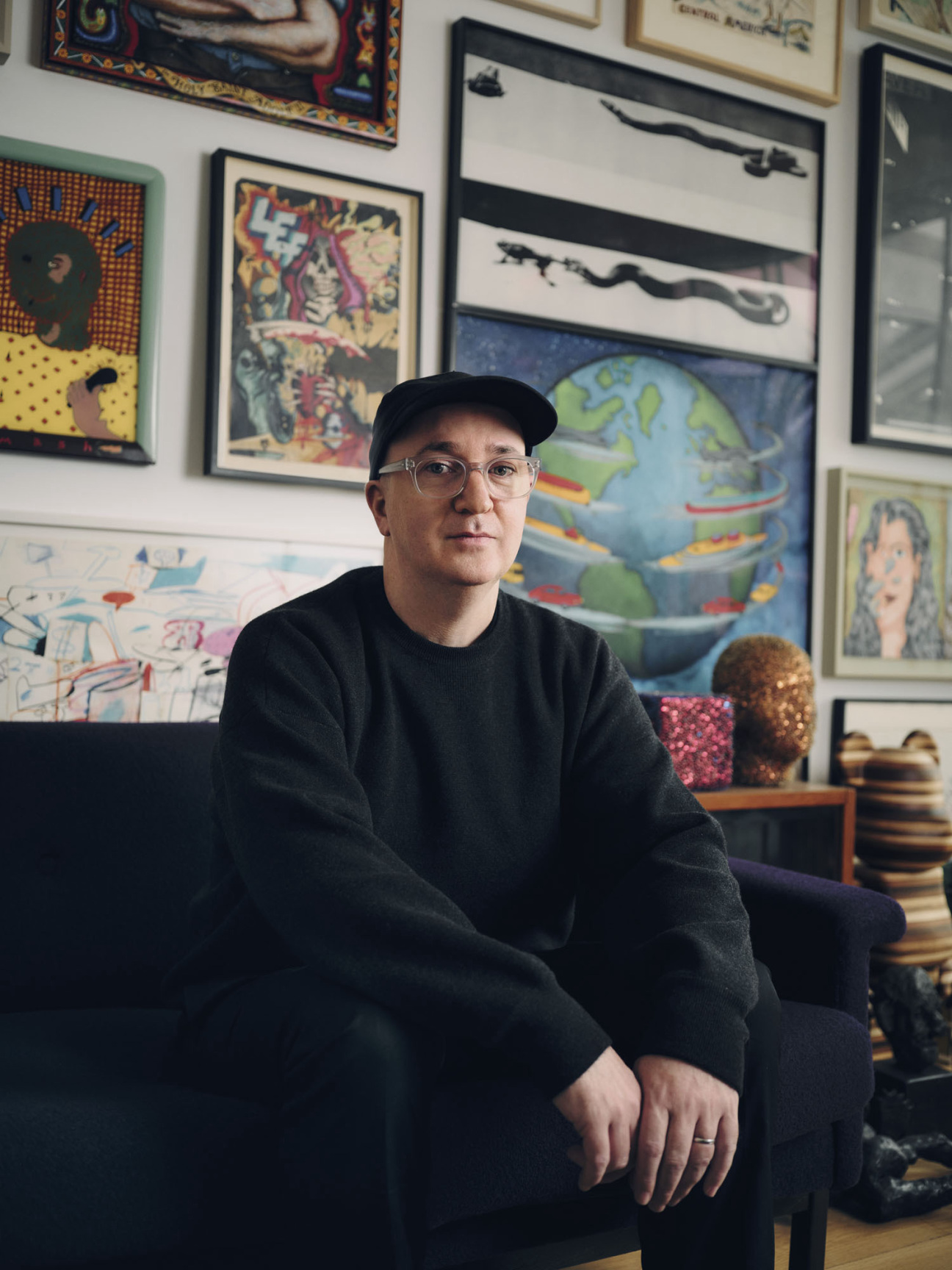
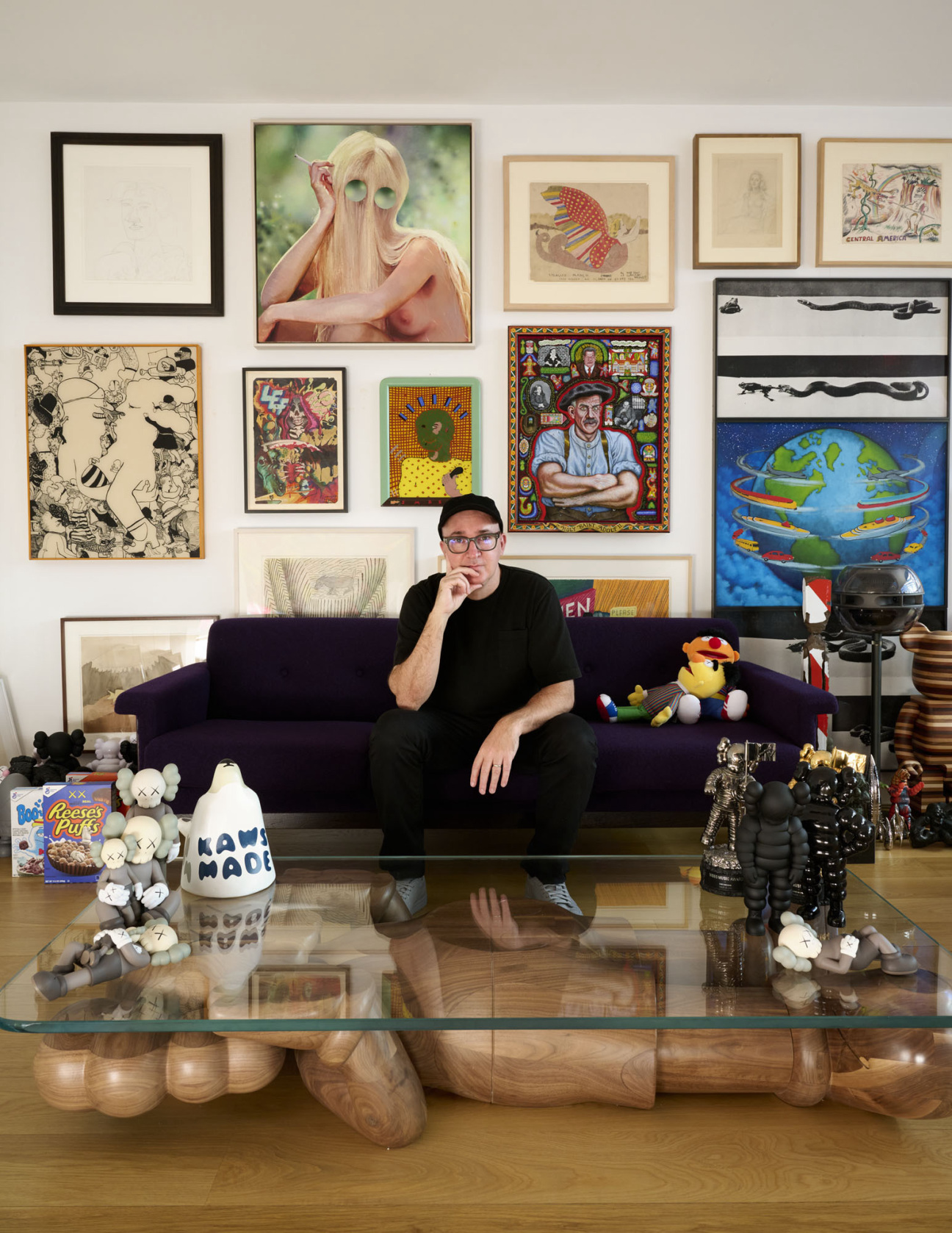
Brian Donnelly in Brooklyn studio. All images courtesy of Donnelly.
“I don’t think my practice has much of an effect on the works I acquire, I simply collect works I am naturally drawn to,” explains Brian Donnelly—better known under his artistic pseudonym KAWS, whose personal auction record is sitting at $14.8 million. “But there could be some subconscious elements at play …”
Donnelly’s artistic output may not tidily mirror his vast and far-ranging collecting habit, but the two are intimately tied nonetheless. The Drawing Center, which is currently hosting a show of over 300 works on paper pulled from the the artist’s personal holdings, likens the trove to a personal reference library for his creative investigations. “Looking at works in my collection is a good way for me to get out of my head and take a break from my own practice,” Donnelly admits. “It’s refreshing to step away and look at work that’s totally different from mine and see things from another perspective.”
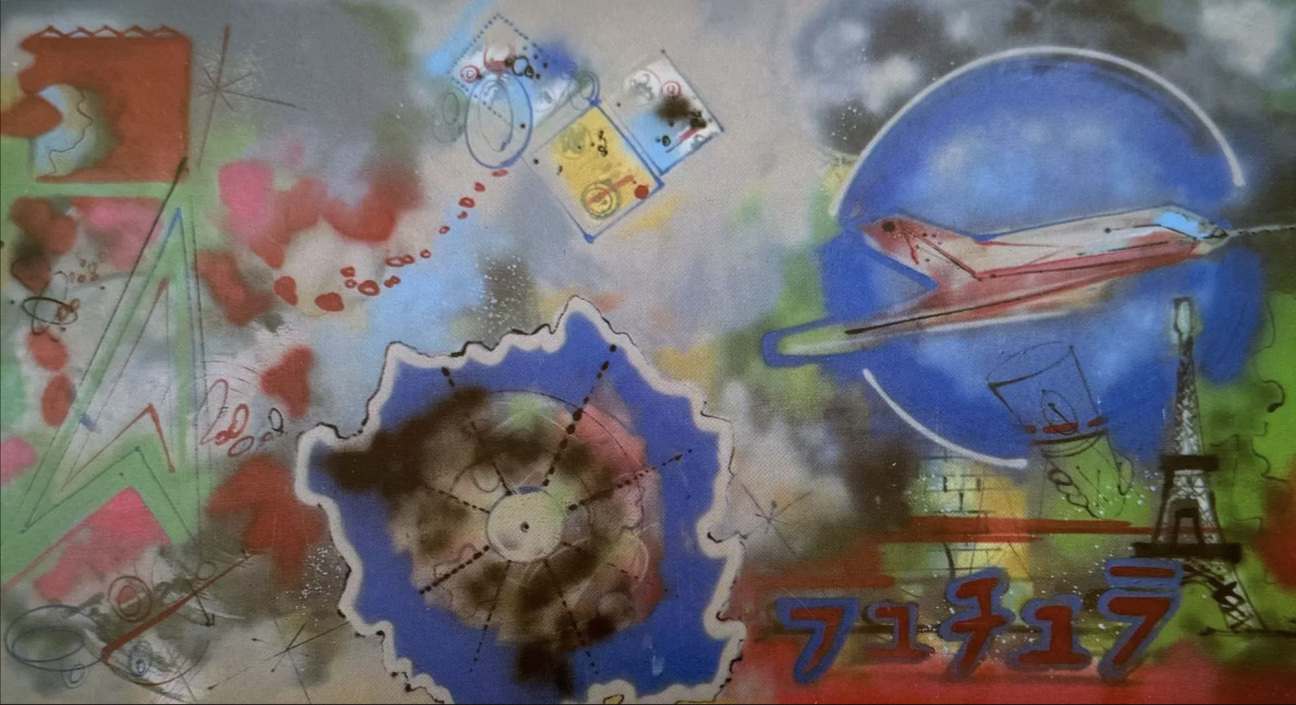
In addition to resurfacing drawings the artist has kept in storage, “The Way I See It: Selections from the KAWS Collection” also lifted some of the works on view straight from Donnelly’s walls—going so far as to reconstruct the layout the artist devised for them in his Brooklyn home. In the midst of their temporary move to Manhattan, Donnelly took a moment to let CULTURED peek inside his prolific collecting practice. Futura 2000, World Tour Action, 1984.
Where does the story of your personal collection begin?
I always collected things like stamps or trading cards growing up, so I always had that kind of mindset within me. When I was younger and doing graffiti, we would all trade black book drawings and small paintings with other artists and writers that you would meet. That was the first art I owned by other people.
What is the first piece you ever bought? How about the most recent?
The first piece I bought from a gallery was a Raymond Pettibon drawing from David Zwirner in 2000. It was a drawing of a fly with the word “SWAK!” (like the sound of a fly swatter) written on it. “SWAK” being “KAWS” backward, I took it as a sign and bought it as a birthday present for myself. This morning I purchased a painting by Futura 2000 titled World Tour Action, 1984. It’s a painting I’ve wanted for a while and was the invitation image for his show at Tony Shafrazi.
Which work in your home provokes the most conversation from visitors?
I don’t have many visitors.
How do you discover new artists or work?
When I find an artist I’m interested in, I tend to go down a rabbit hole researching where they were from, who their peers were, what was going on around them at the time, etc. This leads me to discover new artists all the time and learn about different movements and groups as a whole. In regard to new artists coming up now, I discover them in all kinds of ways––whether through word of mouth or often on Instagram, honestly. That also allows me to connect with them directly from time to time.
Which artist are you currently most excited about and why?
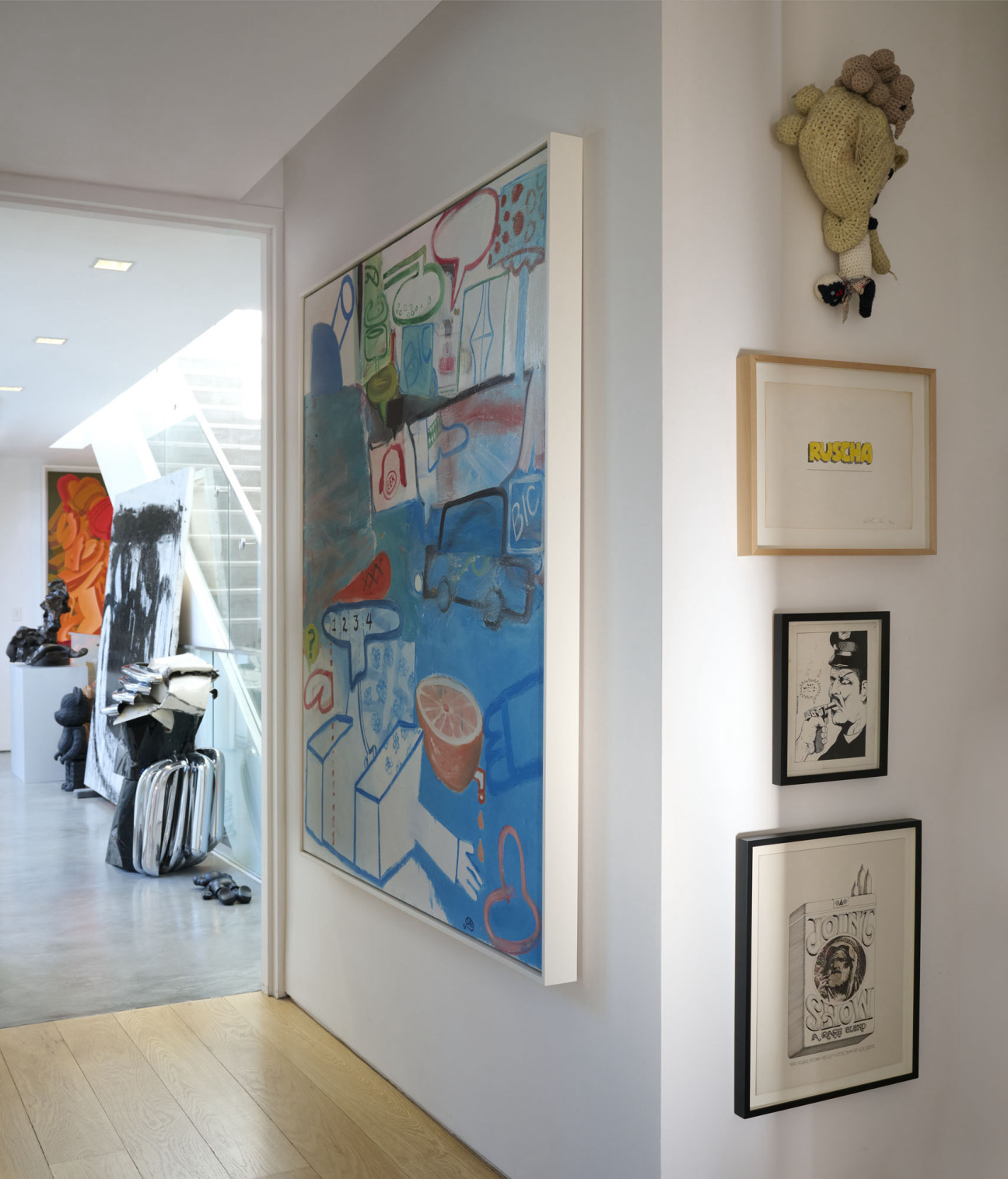
I just finished hanging the show at the Drawing Center, so I would say there are about 60 artists I’m currently very excited about.On left wall: Peter Saul, Untitled (Blue Interior), 1960.
What factors do you consider when expanding your collection?
I see my collection as a research library that I can use to investigate artists and works that I am interested in. Sometimes I acquire a work by an artist so that I can study it in relation to other works by that artist––that allows me to see how their processes change over time.
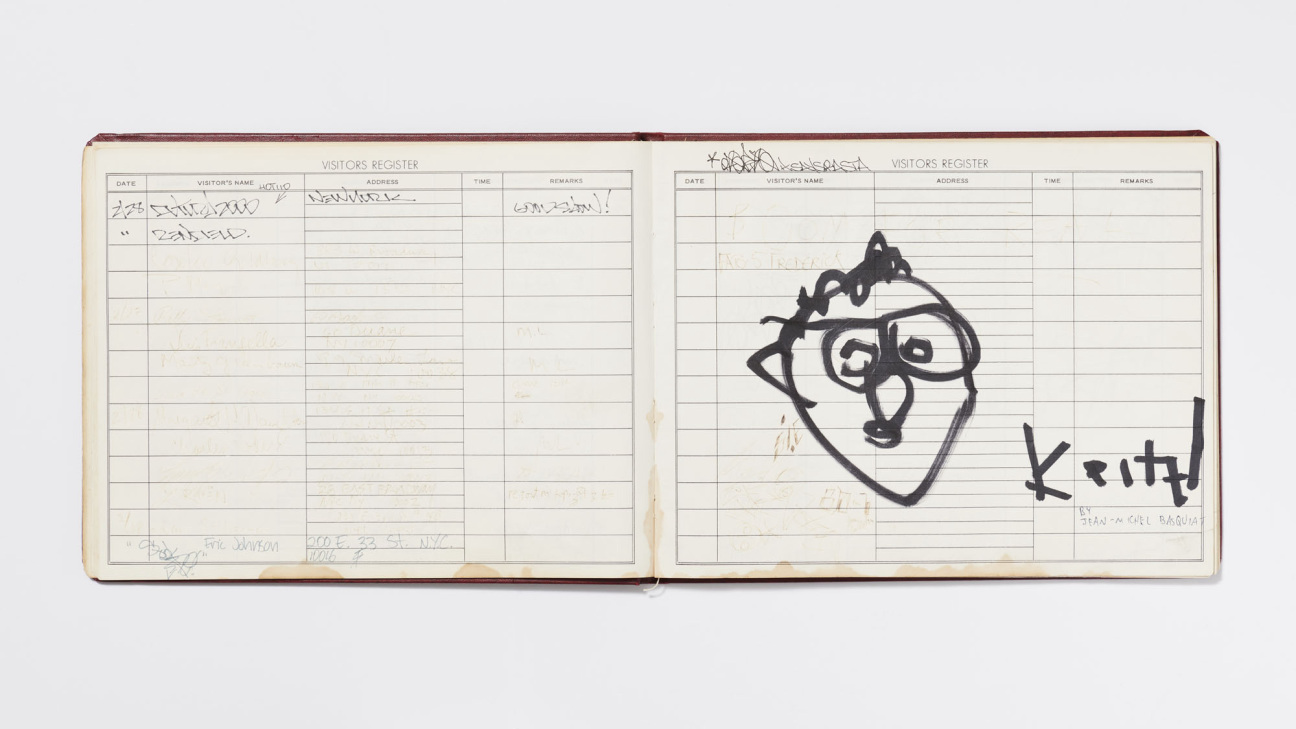
For example, Peter Saul is an artist I collect whose work has changed a lot over the years. It’s interesting to look at his works from different eras side by side and see that progression. Owning a work and living with it on your wall is a totally different experience than visiting a museum. You can really see how your relationship with a work changes over time and sometimes things wind up taking on more or less meaning after a while.Mudd Club Register Book, showing a drawing by Jean-Michel Basquiat, 1981. Photography by Brad Bridgers.
You have a Mudd Club sign-in book in your collection. Are there any other surprising mementos of the art world you’ve been able to pick up along the way? How do these fit into your collecting habits?
I enjoy collecting all kinds of ephemera and source material that relates to artists and their work. It helps inform the work and gives you more insight into what the artist was thinking or their process. Sketchbooks or original works for things like posters or album art deepen the story and allow you to make connections you might not have seen before. A similar group of works I own are the sign-in books for 51X Gallery. It’s so interesting seeing who turned up to these shows and left notes.
What are your must-see shows this October?
“The Way I See It” at the Drawing Center! (I can be shameless when it’s someone else’s work!). Futura 2000 at the Bronx Museum. OSGEMEOS at the Hirshhorn. Thomas Schütte at MoMA.
 DigiDame