Once hailed as Britain’s answer to Bill Gates, Mike Lynch is facing 20 years in prison if found guilty of conspiracy and fraud linked to his company’s sale
Every moment of every day, Mike Lynch is being watched. It’s easy to imagine the British tech tycoon’s days, shuffling around the kitchen, watching American political pundits scream at each other on cable news, all under the watchful eye of the video cameras strategically placed throughout the rooms of the San Francisco house he has called home since he was extradited to the US in May 2023.
In addition to 24-hour video surveillance, a GPS monitor fitted to his ankle ensures that he complies with rules that prohibit him from leaving the house except for medical or religious reasons. The judge overseeing his impending criminal fraud trial slightly relaxed those terms recently, allowing him outside between the hours of 9am and 9pm — but not without the escort of two private security guards, paid for by Lynch.
Even then, he cannot go beyond the city limits. He has surrendered his passport, and put up $100 million in a bond that he would lose if he tried to flee. This seems unlikely. Lynch, said his security company, has been a “model supervisee”.
Such is the life of the 58-year-old once fêted as Britain’s answer to Bill Gates: under house arrest, facing 17 counts of conspiracy, wire fraud and securities fraud. If found guilty, Lynch could spend the next 20 years in a federal prison. The decision as to whether he does spend his golden years behind bars falls to 12 jurors, who will hear the opening arguments in a San Francisco courtroom from March 18.
It all started 13 years ago with Lynch’s crowning achievement: the $11.7 billion sale of his data analytics company, Autonomy, to Hewlett Packard (HP), the American tech giant. The deal was celebrated. It turned Autonomy into a rare British tech success story and Lynch into one of the richest men in Britain.
Then it all went wrong. Just a year after the takeover closed, HP wrote down the value of Autonomy by 75 percent — or $8.8 billion. The company uncovered what it claimed was a sprawling fraud designed to make it seem as though Autonomy was far bigger, and more profitable, than it actually was. Lynch was fired, and the lawsuits began to fly. What ensued has been an improbably protracted legal dispute that is finally approaching its denouement.
The US government will make its case that Lynch was a mafioso-style fraudster who cooked his company’s books and duped one of America’s most prominent companies into overpaying. Lynch has strenuously and repeatedly denied the allegations. He has also launched an explosive lawsuit against the Serious Fraud Office in the UK over its handling of data related to the case.
The odds are stacked against the computer scientist from Chelmsford, Essex, who a friend from the British tech scene called “one of the great brains of his generation”.
Lynch was extradited after a High Court session in London, presiding over a separate but related case, found in 2022 that HP — now called Hewlett Packard Enterprise (HPE) — had “substantially proven” that he had defrauded the Americans and broke US law in doing so. The company operated dual headquarters in San Francisco and London, and derived nearly 70 percent of its sales from the American operation. HPE last week asked the High Court to force Lynch and the former Autonomy finance chief Sushovan Hussain to pay it $4 billion in damages.Risky business: the former Autonomy finance chief, Sushovan Hussain.
Several former lieutenants have struck plea deals to testify against Lynch. Hussain, Lynch’s one-time right-hand man, has only just walked out of a federal prison after being found guilty in 2019 of 16 counts of fraud related to the HP deal. Hussain, who began his sentence at the low-security Allenwood prison in Pennsylvania, was released on January 30, and has returned to his home in the UK. Lawyers for Hussain, 59, who was born in Bangladesh and came to Britain when he was seven, declined to comment.
Lynch’s trial will be the third that covers broadly the same facts. In both previous cases — the Hussain trial and the civil case against Lynch in the High Court in London — HPE won.
Behind the Story
In a grainy black-and-white video, Lynch is sat at his desk, sharpening a long, broad knife while his underlings, each of them wearing a fedora, explained why their part of “the business” was struggling. One bemoaned his inability to fit a rival’s “wife in the trunk of the car” because “the broad’s legs was too long”. Fed up with excuses about workers’ inability to “collect”, another lieutenant became so angry he smashed a telephone with a baseball bat. Lynch, knife in hand, opined coolly: “Well chaps, I think that went rather well, didn’t you?”
This scene was not, of course, the portrayal of an actual mafia boss discussing actual mafia business. It was far worse. It was a corporate video. Autonomy made it nearly 20 years ago, for a 2005 internal sales conference as a jokey attempt to motivate the troops.
Now it is being used as evidence. Federal prosecutors have argued in court documents that it provides a glimpse into Lynch’s fearsome management style — (Hussain was the fedora-wearing lieutenant with the baseball bat). The government plans to call witnesses to testify that Lynch regularly compared Autonomy to the Mob and projected the image of a man “to whom the rules do not apply”. He allegedly told one employee: “You can never leave, we are like the mafia, we are like family.” In another instance, it is alleged that he told his head of investor relations that he could have a research analyst “killed” for criticizing the company.
Lynch, the documents say, exercised an “unusual” level of control, “so much so that Dr Lynch’s approval was required for any purchase over $30,000”, the documents allege. The argument was clear. If there was a fraud as the government alleges, Lynch not only knew about it, he directed it.
Amid the blizzard of motions and counter-motions ahead of the trial, Lynch’s attorneys have argued that evidence, including the 2005 video and Lynch’s apparent affinity for Bond villains — he named conference rooms “Dr No” and “Goldfinger” — should be excluded as flimsy attempts to assassinate his character. “The government seeks to turn innocuous banter into sinister behaviour on Dr Lynch’s part,” his lawyers wrote. “This claim is absurd.”
The core of the government’s case centers on the period between 2009 and 2011, when HPE bought the company. It claims that Lynch and Stephen Chamberlain, Autonomy’s former vice-president of finance who is also a defendant, engaged in an elaborate scheme to artificially inflate Autonomy’s balance sheet, and thus its value.
They “backdated” deals so they could report higher sales to investors, court documents allege. They concealed the fact that some sales were achieved through murky “reciprocal” agreements, where Autonomy would sell software to a third party but then effectively repay them by buying goods and services it did not need.
In addition, a sizeable chunk of Autonomy’s business was due not to software but lossmaking sales of hardware, according to court documents. This was a problem not least because Autonomy sold itself as a “pure software” company, a designation that brings with it a much higher market value than companies that sell low-margin equipment.
The U.S. government will make its case that Lynch was a mafioso-style fraudster who cooked his company’s books and duped one of America’s most prominent companies.
Lynch’s lawyers, in motions seeking to expand the possible evidence that they can use to rebut the claims, argue that the charges are baseless. “HP was not defrauded and got exactly what it bargained for,” they wrote.
The Lynch team argues instead that it was HPE’s own dysfunction that hobbled the company that Lynch had spent 15 years building. At the time of the deal, HP was a struggling tech dinosaur known for its laptops and printers. Its chief executive, Léo Apotheker, had announced the takeover in August 2011, but he was replaced by the former eBay boss Meg Whitman before the deal closed in October. She was HP’s third chief executive in as many years.
The Autonomy deal was part of HP’s tortured attempt to build a fast-growing arm to handle data for large companies, a business that was very different from its core PC and printer operation. In 2015, the company split into a consumer-facing laptop and printer business and an IT infrastructure company,.
Lynch’s lawyers plan to show that not only did HPE bungle the integration of a complex business but also that it was fully aware of the lossmaking hardware business before the deal was done. What is more, they plan to show that Autonomy’s accounting “irregularities” were immaterial to the company’s overall value. Indeed, his lawyers have argued in pre-trial documents that in the summer of 2012, HPE valued the company internally at $13.7 billion — $2 billion more than the amount it paid.
This assessment was made nearly a full year after the company had closed the takeover, a period during which it had full access to Autonomy’s books. By then, the buyer had also received information from a “whistleblower” who raised concerns about Autonomy’s business. And yet, HPE remained convinced that Autonomy was worth more than the amount it had paid a year earlier.
Just two months later, however, HPE changed its tune. It announced the huge write-down, attributing $5 billion of the reduction to fraudulent accounting. Lynch’s lawyers claim that they have internal HP emails and documents that “demonstrate that virtually none of the write-down was attributable to alleged accounting misconduct”.
In the High Court proceedings, Lynch testified over 21 days. He is expected to take the stand in the San Francisco trial as well. The judge, Charles Breyer, knows the conflict well. It was in his court five years ago that Hussain was found guilty.
Breyer told Lynch’s lawyers in court, however, that they should not be concerned that he has pre-judged the case. “I don’t remember any of it. You know? I mean, maybe. It was — what? — five years ago? I don’t know how long ago it was. Maybe that’s the shelf life of what occupies my brain.” He added: “I don’t know what, if any, [Lynch’s] involvement was. So in that regard, it’s a clean slate … and we’ll just see how it goes.”
Danny Fortson is the West Coast correspondent at The Sunday Times of London. William Turvill is the chief business correspondent at The Sunday Times. And Jill Treanor is the city editor at The Sunday Times
A couple working on renovations in their home in the Belgian city of Ghent were amazed when they came across what they took to be a self-portrait by none other than the Dutch artist Vincent van Gogh. The painting emerged from behind the insulation of a wall that they were tearing down.
The painting is remarkably similar to one that resides in the National Gallery of Art in Washington, D.C. The artist’s works sell for as much as $117 million, the price fetched by Verger avec cyprès (1888) at Christie’s New York in November 2022.
Backing up the couple’s belief that their residence housed a Van Gogh was archival research. According to a note he penned his brother, Van Gogh spent a few days in Ghent in June 1885, making a stopover in the town during a trip from Paris to the Netherlands. The artist also stayed in Brussels and Antwerp around the same time.
But researchers using spectroscopy found evidence that unseated the painting, demoting it to a fakery.
“The paint is too modern. Van Gogh cannot have used it. The results are clear,” University of Ghent professor Peter Vandenabeele told VRT. “There are pigments in the paint that date from after 1920. Van Gogh died in 1890. He simply could not have painted it.”
Assistant researcher Eva Vermeersch added that while parts of the canvas could have been painted over with newer pigment, the very modern cyan blue could be found “everywhere.” “I think it’s a shame,” she added, “but the story cannot be true.”
While disappointed, the couple, identified Hannes Vercamer and Lore Bertrem, said it’s not a total loss. They plan to keep the painting, leaving it hanging in their home.
“This is a great story that we will tell for a long time,” they told the Brussels Times. And the mystery is still not solved: it may not be a real Van Gogh, but we are still very curious about how the work ended up here.”
They also admitted to some relief now that they can resume renovating their home, without the burden of having a potentially multimillion-dollar work installed on their property.
“If it was a real Van Gogh, we would have had to change our lives,” they said. “We would have to sell our house or turn it into a museum.”
Kevin Morris, Hunter Biden’s $6.5 Million Patron, Draws Fire From All Sides
The Hollywood lawyer’s support of the president’s son is under scrutiny from House Republicans while his aggressive tactics are rankling the White House.
Kenneth P. Vogel and Luke Broadwater reported from Washington, and Michael S. Schmidt from New York.
Feb. 16, 2024
He found a house for Hunter Biden’s new family, paid divorce costs to Mr. Biden’s ex-wife and helped resolve a paternity lawsuit from a third woman. He footed the bill for Mr. Biden’s security, back taxes and car payments, facilitated the publication of a memoir and the launch of an art career, and provided emotional support as Mr. Biden dealt with scrutiny from prosecutors and political adversaries.
In recent years, no one has been more influential in helping Hunter Biden rebuild his life after a devastating battle with addiction than the Hollywood lawyer Kevin Morris.
But Mr. Morris’s role has now become a flashpoint of its own.
His influence in shaping an aggressive legal and public relations defense for the president’s son against criminal indictments and Republican attacks has rankled President Biden’s advisers inside and outside the White House.
While they see the relationship as helping the president’s son avoid relapse, they also grumble that Mr. Morris’s generous financial backing, confrontational counsel and conspiracy theorizing has only drawn attention to Hunter and the impeachment push against his father by allies of former President Donald J. Trump.
Although Mr. Morris says he has never had more than a few brief interactions with President Biden, his involvement has stoked investigations by House Republicans. They have been asking whether Mr. Morris is using the relationship with Hunter to further his own interests or provide backdoor financial help to the Biden 2024 re-election campaign.
The story of Mr. Morris’s support for the president’s son, as laid out in new detail in interviews, documents and congressional testimony, is a tangle of good intentions, deep pockets, family tragedy and legal and ethical issues. It comes amid scrutiny of payments that Hunter Biden received from previous wealthy patrons who could have benefited from access to his father or just the perception of it.
Mr. Morris has undoubtedly helped stabilize Hunter Biden’s life. But the defiant legal and public relations defense he shaped has so far failed to resolve Mr. Biden’s problems, and in some ways has called more attention to them.
As his father battles for re-election, Hunter Biden faces federal tax and gun charges to which he has pleadednot guilty, a congressional deposition later this month, mounting debt and the prospect of continuing to be a punching bag until at least Election Day.
Mr. Morris, who earned a fortune representing screenwriters and actors, has been visited by federal agents, received a grand jury subpoena, been referenced in the indictment of Mr. Biden and testified for hours before congressional committees. He has also been the subject of a bar complaint, death threats, cyberstalking and paparazzi photos of him smoking a bong on his balcony.
He has in some ways courted the spectacle. A documentary film crew from a production company he owns with five partners has trailed him and Mr. Biden in public, including recent surprise appearances at the Capitol, lending a reality television aura to the scenes.
Mr. Morris has spent more than $6.5 million to help Hunter Biden, money that both men now consider loans, including $1.2 million that was added to the tab just weeks ago, according to a letter from Mr. Morris’s lawyer. He has paid for the documentary filming and has agreed to pay nearly $900,000 for Mr. Biden’s art in an arrangement that appears to flout ethics policies endorsed
by the White House.
Mr. Morris has not been accused of wrongdoing by the authorities, or of seeking favor from the Biden family. Nor has President Biden been accused of taking any action to benefit Mr. Morris.
Still, the question of what’s in it for Mr. Morris has only loomed larger as the attention on him has intensified.
But there also appears to be a genuine human element to the relationship, with the two men professing a deep fraternal affection.
Mr. Morris filled some small part of a vacuum created by the death of Mr. Biden’s beloved brother, Beau, in 2015; his divorce; and the fraying of personal relationships during his drug-fueled descent. And he has been a loyal confidant in a period in which Hunter’s foreign business entanglements and behavior during his addiction have been examined by prosecutors and exploited by Republicans.
‘Hunter, Kevin’
It started with a fleeting encounter at a fund-raiser in Los Angeles for Joe Biden’s presidential campaign in the fall of 2019.
Mr. Morris — who had made his only donation on record to the Biden campaign around the time of the fund-raiser — was heading for the exit when he bumped into Hunter Biden.
The host, a film and music video producer named Lanette Phillips, made the briefest of introductions — “Hunter, Kevin” — Mr. Morris recalled in congressional testimony. Ms. Phillips followed up days later, arranging a meeting for Mr. Morris at Hunter Biden’s rental home overlooking the San Fernando Valley, ostensibly to view his art and to discuss some entertainment-related issues.
“We hit it off right away,” Mr. Morris, now 60, testified of Mr. Biden, 54.
While Mr. Morris’s family once relied on food stamps while he was growing up, he saw parallels between his life and that of the privileged son of a powerful politician.
Mr. Morris and Hunter Biden were both lawyers, art lovers and recovering addicts who grew up in large Irish Catholic families in the Philadelphia suburbs. They cheered for the Phillies and harbored nostalgia for hometown delicacies like Tastykake Butterscotch Krimpets and cheesesteaks.
Their meeting stretched to four or five hours as Mr. Biden described the toll of years of drug and alcohol abuse. Newly sober, he was trying to pull his life together to provide for his new wife and the baby they were expecting.
But he was facing serious financial, political and potentially criminal repercussions from his years of reckless living, lavish spending and big paydays from foreign interests accused of corruption.
As Mr. Biden detailed his problems, Mr. Morris filled a yellow legal pad with plans for how to fix them.
“That was a very profound meeting, and it was, you know, one of the most important meetings of my life,” Mr. Morris later testified. “I basically found him like a guy getting the crap beat out of him by a gang of people. And, you know, where we come from, you don’t let that happen. You get in and you start swinging.”
‘A client that needed 24/7’
He quickly signed a retainer to serve as a lawyer for Mr. Biden and his wife, Melissa Cohen.
Mr. Morris had represented celebrities with complex legal, financial and public relations needs, including the actors Matthew McConaughey and Minnie Driver, and the “South Park” creators Matt Stone and Trey Parker. And he had experience helping people struggling with personal problems, including addiction.
He began talking to Mr. Biden almost daily.
“It was, you know, a client that needed 24/7,” Mr. Morris testified.
“People were coming up to his door with cameras, saying, ‘We just want to talk to him.’ People were yelling from outside of the bushes, ‘Hunter Biden, come out. Hunter Biden, come out,’” he added.
Mr. Morris, who during his congressional testimony suggested that he had assets of more than $100 million, helped Mr. Biden and Ms. Cohen move into a house on a canal in the Venice neighborhood of Los Angeles, closer to Mr. Morris’s home in Pacific Palisades with expansive views of the ocean.
Mr. Morris paid the $17,500 monthly rent for nearly a year, and began footing the bill for security. He paid off $11,000 in past-due payments on a Porsche that Mr. Biden wanted to return. He flew Mr. Biden on his private jet to attend to various obligations around the country.
He helped renegotiate Mr. Biden’s contract to push back the release of his memoir, and he bought two pieces of Mr. Biden’s art for $40,000.
He acquired Mr. Biden’s stake in a Chinese private equity fund that had proved politically toxic but difficult to unload, assuming the $157,000 in debt that Mr. Biden had incurred to purchase it.
Within weeks of meeting Hunter Biden, Mr. Morris convened a crisis meeting in what he called “a war room” in his home.
About 10 people who had varying roles in Mr. Biden’s nascent resurrection gathered with Mr. Biden and Ms. Cohen around a long table in an open living room with views of a lush backyard and swimming pool.
Mr. Morris delivered a pep talk and began offering the broad contours of plans to restore Mr. Biden’s finances and counter his critics.
‘I want the money back’
Days later, a court filing indicated that Mr. Biden had agreed to pay child support to an Arkansas woman with whom he had a daughter. Mr. Morris fronted the cash.
Shortly after that, Mr. Morris emailed a tax accountant and others who were at the crisis meeting about finishing Mr. Biden’s overdue tax returns.
“We are under considerable risk personally and politically to get the returns in,” Mr. Morris wrote. He was concerned Republicans might seize on the tax issues if they succeeded in calling Hunter Biden to testify in Mr. Trump’s first impeachment, which was unfolding at the time, Mr. Morris later explained during his congressional testimony.
Mr. Morris paid millions of dollars to settle Mr. Biden’s tax bill.
It wasn’t until October 2021 — nearly two years after Mr. Morris started footing bills for Mr. Biden — that they formalized an agreement under which the money would be treated as a loan. While unsecured, the loan agreement includes a 5 percent interest rate and calls for Mr. Biden to start making payments in October 2025.
It was the first of five similar loan agreements between Mr. Morris and Mr. Biden.
“Hunter wouldn’t accept it as a gift, and I want the money back,” Mr. Morris told the congressional committees, though he conceded he could forgive the debt or find ways to reduce it, including by deducting the cost of purchases of Mr. Biden’s art.
Helping Mr. Biden began consuming more of Mr. Morris’s time and money. He left the law firm he had started, partly to focus on Mr. Biden and partly to build a documentary production company he had co-founded. The endeavors would quickly intertwine. For Mr. Morris, who had separated from his wife in 2018, life came to revolve around Mr. Biden.
In an interview, Mr. Morris said that others “were afraid to help Hunter not just because of what he was accused of, but because of fear of political violence, the threat of physical retaliation against them and their families.”
That, he said, “only intensified my commitment to him,” adding “that fear cannot be accepted in any way if America is going to stay America.”
Mr. Morris’s patronage seemed in one instance to defy ethics guidelines created partly by Mr. Biden’s initial criminal defense lawyer, Christopher J. Clark, with input from the White House. The guidelines were intended to shield the identities of buyers of Mr. Biden’s art to avoid the perception that their purchases could curry favor with the Biden administration.
Mr. Morris ignored the guidelines, agreeing to buy 11 additional pieces of Mr. Biden’s art for a total of $875,000 through a New York gallerist who was showing the collection, Georges Bergès. Hunter Biden was aware of the purchase.
The White House declined to comment on the relationship or the art purchases.
Mr. Morris, who had previously purchased two other pieces, became the largest buyer of Mr. Biden’s art, Mr. Bergès testified to the House committees.
Mr. Morris told the committees that he bought the pieces because “the art is, in my view as an art collector, very good. I probably have over 200 pieces of art over the years. I take art collecting seriously.”
Valuable footage
Mr. Morris has published three books of literary fiction that received some positive reviews. He produced a critically acclaimed documentary in the late 1990s about contestants vying to win a pickup truck by keeping one hand on it longer than their rivals. His company is working on others, including one about Adam Kinzinger, the former Republican House member from Illinois who became a leading anti-Trump voice.
For about four years, a crew from Mr. Morris’s documentary company has been following Mr. Biden almost everywhere. They filmed as he painted and showed his art, conducted an off-the-record interview and held strategy sessions with Mr. Morris and lawyers. They even flew to Serbia to capture behind-the-scenes footage of the production of a movie that presents a fictionalized depiction of a debauched and corrupt Hunter Biden.
Mr. Morris told congressional investigators that he was considering producing a commercial documentary after Mr. Biden’s legal problems are resolved.
A person familiar with the project said Mr. Morris was exploring options for self-distribution using a combination of online pay-per-view streaming and a limited theatrical release for which Mr. Biden might do publicity. The documentary team envisions a series of episodes building on the redemption story in Mr. Biden’s memoir, and depicting him as the victim of an unprecedented invasion of privacy and a barrage of political attacks.
Mr. Biden would have neither editorial control over the documentary, nor any financial interest in it, the person said. If it does not become a commercial project, the person said, filming expenses could be included among Mr. Biden’s legal costs, and added to the growing tab of debts to Mr. Morris in an effort to keep the footage privileged and protect it from subpoena.
Expanding influence
After the 2020 presidential race, the Justice Department investigation into Hunter Biden heated up, with subpoenas issued to associates including Mr. Morris, who was compelled to produce documents to a grand jury.
Mr. Morris also became heavily involved in the pushback against embarrassing disclosures about Mr. Biden drawn from data linked to a laptop Mr. Biden was said to have abandoned in a Delaware computer repair shop.
Mr. Morris retained forensic analysts to study the data. He also quietly pushed a complex theory under which the repair shop was a front and the information had been made public through a cast of characters including a psychiatrist who had treated Mr. Biden’s addiction using ketamine therapy and the Trump-allied operative Roger J. Stone Jr.
Mr. Morris promoted this theory to reporters and others, initially using a rough hand-drawn timeline, and later professional-looking graphics.
Prosecutors subsequently poured cold water on the theory, stating in a court filing that Mr. Biden left the laptop at a computer store, and that its contents “were largely duplicative” of data they had subpoenaed directly from his Apple iCloud account.
Mr. Morris’s unconventional tactics were discouraged by two lawyers recommended to Hunter Biden by his father’s personal attorney, Bob Bauer: Mr. Clark, the criminal lawyer, and Joshua A. Levy, who had been retained to respond to congressional investigations. They consulted with Mr. Bauer about Hunter Biden’s issues.
President Biden’s brother James Biden also questioned Mr. Morris’s political acumen and his motivations for helping Hunter, concluding that it may have been because of “ego,” according to notes of an interview of James Bidenby federal agents and prosecutors. The president’s brother reportedly told the agent that Mr. Morris bristled when he felt his advice was being ignored by Hunter Biden’s lawyers.
Mr. Morris urged dispensing with the traditional Washington scandal playbook and embracing tactics like those used in celebrity public relations.
“We’re not going for a tie; we have to win this,” he told others.
Mr. Morris started to gain more control when Mr. Levy parted ways with the team after clashing with him.
After the collapse last summer of a plea deal that would have resolved tax and gun investigations without Hunter Biden serving any prison time, Mr. Clark, who was the last impediment to Mr. Morris’s no-holds-barred approach, resigned from the legal team.
Embracing the spectacle
On the December day that Hunter Biden had been subpoenaed to testify to Republican-led House committees, he instead appeared at a surprise news conference outside the Capitol.
Accompanied by Mr. Morris and Mr. Lowell, who helped plan the appearance, Mr. Biden was defiant. He accused Republicans of pursuing “illegitimate investigations of my family” to “dehumanize me, all to embarrass and damage my father, who has devoted his entire life to service.”
Channeling her perception of the sentiment inside the administration, President Biden’s former press secretary, Jen Psaki, said in a television appearance a few days after the news conference: “Please, Hunter Biden, we know your dad loves you. Please stop talking in public.”
Yet, when Republicans convened hearings last month to vote on contempt of Congress charges against Mr. Biden, he and Mr. Morris crashed the session, surprising, among others, President Biden’s advisers.
With the documentary crew in tow, Mr. Biden, Mr. Morris and Mr. Lowell filed into the Oversight Committee’s hearing room and sat in the front row. On one side was Mr. Lowell. On the other was Mr. Morris, whose look — a purple plaid sports jacket by the Italian designer Kiton, over a black shirt sans tie and his long hair slicked back — stood out in a sea of dark-suited Washington conformity.
Welcome to Art lovers Forum. Today we are going to talk about the popularity of erotic art. My girlfriend, Gladys Garrote has been working in this area for art for quite a while. She is a curator, and art historian, originally from Havana, Cuba, currently based in Miami. From 2014 to 2022, she worked as a professor at Havana University, where she taught courses on Art Appreciation, Contemporary Art Market, and Art History. Holding a master’s degree in art history with a focus on the Contemporary art market.
Garrote delves into topics such as feminism, cultural memory, the rewriting of history, eroticism, and sexuality, exploring their interconnections with technology, culture, history, and politics.
During 2020-2022, Gladys led the NFT Art Movement in Havana, Cuba, helping to onboard more than 100 artists, contributing to creating a new economic model for the arts in the country.
She is the co-founder of ClitSplash, an all-female curatorial collective aimed at balancing gender representation in the cryptoart realm while bringing sound curatorship and intellectual thinking to it. With a focus on inclusive representation, Garrote has integrated her expertise in erotic art into ClitSplash’s endeavors. She is the co-curator and co-founder of The Erotika Biennale, a decentralized erotic experience that integrates visual arts and cultural practices. The first edition will take place throughout Miami during the month of February in partnership with The Museum of Sex and the World Erotic Art Museum.
Oceanwide Plaza was covered in graffiti by dozens of artists. (photo by and courtesy Leonardo Manzano)
LOS ANGELES — Dozens of graffiti artists painted over at least 27 floors of an abandoned luxury real estate project in downtown LA last week. Spanning an entire square city block, Oceanwide Plaza was supposed to be a massive mixed-use development featuring more than 500 luxury condos and a five-star hotel occupying three towers reaching up to 55 stories.
Begun in 2015, the $1 billion project was put on hold in 2019 when the Chinese-backed developer Oceanwide Holdings ran out of funding, and has sat vacant ever since.
It’s not clear why exactly the artists chose this moment to use the long-deserted construction site as their canvas. Merch, one of the artists who tagged the towers, cited a graffiti blitz on another abandoned building, a 20-story healthcare facility already slated for destruction that was tagged during Art Basel Miami Beach last December, as inspiration.
The bright, bold lettering can be seen for blocks. (photos by Cairo103; left courtesy DR1, right courtesy Aker)
“Once people realized it was able to be painted, they’re going to do an LA version,” Merch told Hyperallergic. “Miami set the tone.” He also mentioned that another artist, Aqua, hit the LAsite at the end of last year, but his tag was high up and hard to see, so it garnered little attention until images of it started circulating on social media.
Whatever the reason, once artists began contributing pieces to the half-finished towers on the last weekend of January, they didn’t stop for several days, covering the buildings in bright, bold lettering that could be seen for blocks. “Once I saw more writers were hitting it, I knew it was now or never,” Aker, another artist involved, told Hyperallergic.
“Shit is a skyscraper playground,” said Hopes, who took the center spot on the top of tower 1. “Let’s all get together and paint it up. Make LA graffiti history.”The Oceanwide Plaza mixed-use development was put on hold in 2019. (photo Matt Stromberg/Hyperallergic)
Artists contacted by Hyperallergic said they were easily able to evade the few guards patrolling, not surprising given that a security firm hired to protect the site sued the developer recently for not paying them. (Oceanwide has not yet responded to a request for comment.) After entering through holes in the chain link fence, the artists huffed up several flights of stairs, carrying buckets of paint, rollers, spray paint cans, and ladders. DR1 was one of the first to hit the building on Saturday, covering three low floors of tower 1 with his crew NCT and returning on Monday to head up to the 48th floor where he added his own tag over three of the upper windows. Several artists said that police helicopters circled the building while they painted, but saw little police presence otherwise. On social media, users posted majestic drone footage, or stunning nighttime scenes of artists perched on ledges, rapt in deep concentration or enjoying the view, as the city lights twinkle far below them.Social media users shared majestic drone footage and stunning nighttime scenes. (image courtesy Phoull)
After the first few days, police presence increased. Two people were arrested on Tuesday night, cited and released. A rather sensationalist NBC video came out on Wednesday, followed on Thursday by a statement from the Central City Association, an advocacy group for downtown businesses, that cited the “vandalism” as a “representation of the very real neglect that DTLA has gone through over the past decade.”
On Friday night, rifle-wielding police officers swarmed the site after reports of shots fired, only to find two shell casings on the second floor. No injuries were reported. Earlier that day, Los Angeles City Councilman Kevin de León introduced a motion to remove the graffiti off the buildings and secure the area, saying that the developers were given until February 17 to clean up the property.
The artists and their supporters, meanwhile, view the unfinished buildings, not their contributions to their facades, as the real examples of urban blight.
“With all due respect, shit’s abandoned, doing nothing. Let’s put some color on this bitch and do what we do if they ain’t gon finish the job,” said Hopes.
“This building has needed love for years,” said Aker. “If the owners aren’t doing anything about it, the streets of LA are happy to make something out of it.”
Grace Powell was 12 or 13 when she discovered she could be a boy.
Growing up in a relatively conservative community in Grand Rapids, Mich., Powell, like many teenagers, didn’t feel comfortable in her own skin. She was unpopular and frequently bullied. Puberty made everything worse. She suffered from depression and was in and out of therapy.
“I felt so detached from my body, and the way it was developing felt hostile to me,” Powell told me. It was classic gender dysphoria, a feeling of discomfort with your sex.
Reading about transgender people online, Powell believed that the reason she didn’t feel comfortable in her body was that she was in the wrong body. Transitioning seemed like the obvious solution. The narrative she had heard and absorbed was that if you don’t transition, you’ll kill yourself.
At 17, desperate to begin hormone therapy, Powell broke the news to her parents. They sent her to a gender specialist to make sure she was serious. In the fall of her senior year of high school, she started cross-sex hormones. She had a double mastectomy the summer before college, then went off as a transgender man named Grayson to Sarah Lawrence College, where she was paired with a male roommate on a men’s floor. At 5-foot-3, she felt she came across as a very effeminate gay man.
At no point during her medical or surgical transition, Powell says, did anyone ask her about the reasons behind her gender dysphoria or her depression. At no point was she asked about her sexual orientation. And at no point was she asked about any previous trauma, and so neither the therapists nor the doctors ever learned that she’d been sexually abused as a child.
“I wish there had been more open conversations,” Powell, now 23 and detransitioned, told me. “But I was told there is one cure and one thing to do if this is your problem, and this will help you.”
Progressives often portray the heated debate over childhood transgender care as a clash between those who are trying to help growing numbers of children express what they believe their genders to be and conservative politicians who won’t let kids be themselves.
But right-wing demagogues are not the only ones who have inflamed this debate. Transgender activists have pushed their own ideological extremism, especially by pressing for a treatment orthodoxy that has faced increasedscrutiny in recent years. Under that model of care, clinicians are expected to affirm a young person’s assertion of gender identity and even provide medical treatment before, or even without, exploring other possible sources of distress.
Many who think there needs to be a more cautious approach — including well-meaning liberal parents, doctors and people who have undergone gender transition and subsequently regretted their procedures — have been attacked as anti-trans and intimidated into silencing their concerns.
And while Donald Trump denounces “left-wing gender insanity” and many trans activists describe any opposition as transphobic, parents in America’s vast ideological middle can find little dispassionate discussion of the genuine risks or trade-offs involved in what proponents call gender-affirming care.
Powell’s story shows how easy it is for young people to get caught up by the pull of ideology in this atmosphere.
“What should be a medical and psychological issue has been morphed into a political one,” Powell lamented during our conversation. “It’s a mess.”
A New and Growing Group of Patients
Many transgender adults are happy with their transitions and, whether they began to transition as adults or adolescents, feel it was life changing, even lifesaving. The small but rapidly growing number of children who express gender dysphoria and who transition at an early age, according to clinicians, is a recent and more controversial phenomenon.
Laura Edwards-Leeper, the founding psychologist of the first pediatric gender clinic in the United States, said that when she started her practice in 2007, most of her patients had longstanding and deep-seated gender dysphoria. Transitioning clearly made sense for almost all of them, and any mental health issues they had were generally resolved through gender transition.
“But that is just not the case anymore,” she told me recently. While she doesn’t regret transitioning the earlier cohort of patients and opposes government bans on transgender medical care, she said, “As far as I can tell, there are no professional organizations who are stepping in to regulate what’s going on.”
Most of her patients now, she said, have no history of childhood gender dysphoria. Others refer to this phenomenon, with some controversy, as rapid onset gender dysphoria, in which adolescents, particularly tween and teenage girls, express gender dysphoria despite never having done so when they were younger. Frequently, they have mental health issues unrelated to gender. While professional associations say there is a lack of quality research on rapid onset gender dysphoria, severalresearchershave documented the phenomenon, and many health care providers have seen evidence of it in their practices.
“The population has changed drastically,” said Edwards-Leeper, a former head of the Child and Adolescent Committee for the World Professional Association for Transgender Health, the organization responsible for setting gender transition guidelines for medical professionals.
For these young people, she told me, “you have to take time to really assess what’s going on and hear the timeline and get the parents’ perspective in order to create an individualized treatment plan. Many providers are completely missing that step.”
Yet those health care professionals and scientists who do not think clinicians should automatically agree to a young person’s self-diagnosis are often afraid to speak out. A report commissioned by the National Health Service about Britain’s Tavistock gender clinic, which, until it was ordered to be shut down, was the country’s only health center dedicated to gender identity, noted that “primary and secondary care staff have told us that they feel under pressure to adopt an unquestioning affirmative approach and that this is at odds with the standard process of clinical assessment and diagnosis that they have been trained to undertake in all other clinical encounters.”
Of the dozens of students she’s trained as psychologists, Edwards-Leeper said, few still seem to be providing gender-related care. While her students have left the field for various reasons, “some have told me that they didn’t feel they could continue because of the pushback, the accusations of being transphobic, from being pro-assessment and wanting a more thorough process,” she said.
They have good reasons to be wary. Stephanie Winn, a licensed marriage and family therapist in Oregon, was trained in gender-affirming care and treated multiple transgender patients. But in 2020, after coming across detransition videos online, she began to doubt the gender-affirming model. In 2021 she spoke out in favor of approaching gender dysphoria in a more considered way, urging others in the field to pay attention to detransitioners, people who no longer consider themselves transgender after undergoing medical or surgical interventions. She has since been attacked by transgender activists. Some threatened to send complaints to her licensing board saying that she was trying to make trans kids change their minds through conversion therapy.
In April 2022, the Oregon Board of Licensed Professional Counselors and Therapists told Winn that she was under investigation. Her case was ultimately dismissed, but Winn no longer treats minors and practices only online, where many of her patients are worried parents of trans-identifying children.
“I don’t feel safe having a location where people can find me,” she said.
Detransitioners say that only conservative media outlets seem interested in telling their stories, which has left them open to attacks as hapless tools of the right, something that frustrated and dismayed every detransitioner I interviewed. These are people who were once the trans-identified kids that so many organizations say they’re trying to protect — but when they change their minds, they say, they feel abandoned.
Most parents and clinicians are simply trying to do what they think is best for the children involved. But parents with qualms about the current model of care are frustrated by what they see as a lack of options.
Parents told me it was a struggle to balance the desire to compassionately support a child with gender dysphoria while seeking the best psychological and medical care. Many believed their kids were gay or dealing with an array of complicated issues. But all said they felt compelled by gender clinicians, doctors, schools and social pressure to accede to their child’s declared gender identity even if they had serious doubts. They feared it would tear apart their family if they didn’t unquestioningly support social transition and medical treatment. All asked to speak anonymously, so desperate were they to maintain or repair any relationship with their children, some of whom were currently estranged.
Several of those who questioned their child’s self-diagnosis told me it had ruined their relationship. A few parents said simply, “I feel like I’ve lost my daughter.”
One mother described a meeting with 12 other parents in a support group for relatives of trans-identified youth where all of the participants described their children as autistic or otherwise neurodivergent. To all questions, the woman running the meeting replied, “Just let them transition.” The mother left in shock. How would hormones help a child with obsessive-compulsive disorder or depression? she wondered.
Some parents have found refuge in anonymous online support groups. There, people share tips on finding caregivers who will explore the causes of their children’s distress or tend to their overall emotional and developmental health and well-being without automatically acceding to their children’s self-diagnosis.
Many parents of kids who consider themselves trans say their children were introduced to transgender influencers on YouTube or TikTok, a phenomenon intensified for some by the isolation and online cocoon of Covid. Others say their kids learned these ideas in the classroom, as early as elementary school, often in child-friendly ways through curriculums supplied by trans rights organizations, with concepts like the gender unicorn or the Genderbread person.
‘Do You Want a Dead Son or a Live Daughter?’
After Kathleen’s 15-year-old son, whom she described as an obsessive child, abruptly told his parents he was trans, the doctor who was going to assess whether he had A.D.H.D. referred him instead to someone who specialized in both A.D.H.D. and gender. Kathleen, who asked to be identified only by her first name to protect her son’s privacy, assumed that the specialist would do some kind of evaluation or assessment. That was not the case.
The meeting was brief and began on a shocking note. “In front of my son, the therapist said, ‘Do you want a dead son or a live daughter?’” Kathleen recounted.
Parents are routinely warned that to pursue any path outside of agreeing with a child’s self-declared gender identity is to put a gender dysphoric youth at risk for suicide, which feels to many people like emotional blackmail. Proponents of the gender-affirming model have citedstudies showing an association between that standard of care and a lower risk of suicide. But those studies were found to have methodological flaws or have been deemed not entirely conclusive. A survey of studieson the psychological effects of cross-sex hormones, published three years ago in The Journal of the Endocrine Society, the professional organization for hormone specialists, found it “could not draw any conclusions about death by suicide.” In a letter to The Wall Street Journal last year, 21 experts from nine countries said that survey was one reason they believed there was “no reliable evidence to suggest that hormonal transition is an effective suicide prevention measure.”
Moreover, the incidence of suicidal thoughts and attempts among gender dysphoric youth is complicated by the high incidence of accompanying conditions, such as autism spectrum disorder. As one systematic overview put it, “Children with gender dysphoria often experience a range of psychiatric comorbidities, with a high prevalence of mood and anxiety disorders, trauma, eating disorders and autism spectrum conditions, suicidality and self-harm.”
But rather than being treated as patients who deserve unbiased professional help, children with gender dysphoria often become political pawns.
Conservative lawmakers are working to ban access to gender care for minors and occasionally for adults as well. On the other side, however, many medical and mental health practitioners feel their hands have been tied by activist pressure and organizational capture. They say that it has become difficult to practice responsible mental health care or medicine for these young people.
In 2021, Aaron Kimberly, a 50-year-old trans man and registered nurse, left the clinic in British Columbia where his job focused on the intake and assessment of gender-dysphoric youth. Kimberly received a comprehensive screening when he embarked on his own successful transition at age 33, which resolved the gender dysphoria he experienced from an early age.
But when the gender-affirming model was introduced at his clinic, he was instructed to support the initiation of hormone treatment for incoming patients regardless of whether they had complex mental problems, experiences with trauma or were otherwise “severely unwell,” Kimberly said. When he referred patients for further mental health care rather than immediate hormone treatment, he said he was accused of what they called gatekeeping and had to change jobs.
Gay men and women often told me they fear that same-sex-attracted kids, especially effeminate boys and tomboy girls who are gender nonconforming, will be transitioned during a normal phase of childhood and before sexual maturation — and that gender ideology can mask and even abet homophobia.
As one detransitioned man, now in a gay relationship, put it, “I was a gay man pumped up to look like a woman and dated a lesbian who was pumped up to look like a man. If that’s not conversion therapy, I don’t know what is.”
“I transitioned because I didn’t want to be gay,” Kasey Emerick, a 23-year-old woman and detransitioner from Pennsylvania, told me. Raised in a conservative Christian church, she said, “I believed homosexuality was a sin.”
When she was 15, Emerick confessed her homosexuality to her mother. Her mother attributed her sexual orientation to trauma — Emerick’s father was convicted of raping and assaulting her repeatedly when she was between the ages of 4 and 7 — but after catching Emerick texting with another girl at age 16, she took away her phone. When Emerick melted down, her mother admitted her to a psychiatric hospital. While there, Emerick told herself, “If I was a boy, none of this would have happened.”
In May 2017, Emerick began searching “gender” online and encountered trans advocacy websites. After realizing she could “pick the other side,” she told her mother, “I’m sick of being called a dyke and not a real girl.” If she were a man, she’d be free to pursue relationships with women.
That September, she and her mother met with a licensed professional counselor for the first of two 90-minute consultations. She told the counselor that she had wished to be a Boy Scout rather than a Girl Scout. She said she didn’t like being gay or a butch lesbian. She also told the counselor that she had suffered from anxiety, depression and suicidal ideation. The clinic recommended testosterone, which was prescribed by a nearby L.G.B.T.Q. health clinic. Shortly thereafter, she was also diagnosed with A.D.H.D. She developed panic attacks. At age 17, she was cleared for a double mastectomy.
“I’m thinking, ‘Oh my God, I’m having my breasts removed. I’m 17. I’m too young for this,’” she recalled. But she went ahead with the operation.
“Transition felt like a way to control something when I couldn’t control anything in my life,” Emerick explained. But after living as a trans man for five years, Emerick realized her mental health symptoms were only getting worse. In the fall of 2022, she came out as a detransitioner on Twitter and was immediately attacked. Transgender influencers told her she was bald and ugly. She received multiple threats.
“I thought my life was over,” she said. “I realized that I had lived a lie for over five years.”
Today Emerick’s voice, permanently altered by testosterone, is that of a man. When she tells people she’s a detransitioner, they ask when she plans to stop taking T and live as a woman. “I’ve been off it for a year,” she replies.
Once, after she recounted her story to a therapist, the therapist tried to reassure her. If it’s any consolation, the therapist remarked, “I would never have guessed that you were once a trans woman.” Emerick replied, “Wait, what sex do you think I am?”
To the trans activist dictum that children know their gender best, it is important to add something all parents know from experience: Children change their minds all the time. One mother told me that after her teenage son desisted — pulled back from a trans identity before any irreversible medical procedures — he explained, “I was just rebelling. I look at it like a subculture, like being goth.”
“The job of children and adolescents is to experiment and explore where they fit into the world, and a big part of that exploration, especially during adolescence, is around their sense of identity,” Sasha Ayad, a licensed professional counselor based in Phoenix, told me. “Children at that age often present with a great deal of certainty and urgency about who they believe they are at the time and things they would like to do in order to enact that sense of identity.”
Ayad, a co-author of “When Kids Say They’re Trans: A Guide for Thoughtful Parents,” advises parents to be wary of the gender affirmation model. “We’ve always known that adolescents are particularly malleable in relationship to their peers and their social context and that exploration is often an attempt to navigate difficulties of that stage, such as puberty, coming to terms with the responsibilities and complications of young adulthood, romance and solidifying their sexual orientation,” she told me. For providing this kind of exploratory approach in her own practice with gender dysphoric youth, Ayad has had her license challenged twice, both times by adults who were not her patients. Both times, the charges were dismissed.
Proponents of early social transition and medical interventions for gender dysphoric youth cite a 2022 study showing that 98 percent of children who took both puberty blockers and cross-sex hormones continued treatment for short periods, and another study that tracked 317 children who socially transitioned between the ages of 3 and 12, which found that 94 percent of them still identified as transgender five years later. But such early interventions may cement children’s self-conceptions without giving them time to think or sexually mature.
‘The Process of Transition Didn’t Make Me Feel Better’
At the end of her freshman year of college, Grace Powell, horrifically depressed, began dissociating, feeling detached from her body and from reality, which had never happened to her before. Ultimately, she said, “the process of transition didn’t make me feel better. It magnified what I found was wrong with myself.”
“I expected it to change everything, but I was just me, with a slightly deeper voice,” she added. “It took me two years to start detransitioning and living as Grace again.”
She tried in vain to find a therapist who would treat her underlying issues, but they kept asking her: How do you want to be seen? Do you want to be nonbinary? Powell wanted to talk about her trauma, not her identity or her gender presentation. She ended up getting online therapy from a former employee of the Tavistock clinic in Britain. This therapist, a woman who has broken from the gender-affirming model, talked Grace through what she sees as her failure to launch and her efforts to reset. The therapist asked questions like: Who is Grace? What do you want from your life? For the first time, Powell felt someone was seeing and helping her as a person, not simply looking to slot her into an identity category.
“It is extraordinarily frustrating to feel that something I am is inherently political,” Powell told me. “I’ve been accused multiple times that I’m some right-winger who’s making a fake narrative to discredit transgender people, which is just crazy.”
While she believes there are people who benefit from transitioning, “I wish more people would understand that there’s not a one-size-fits-all solution,” she said. “I wish we could have that conversation.”
In a recent study in The Archives of Sexual Behavior, about 40 young detransitioners out of 78 surveyed said they had suffered from rapid onset gender dysphoria. Trans activists have fought hard to suppress any discussion of rapid onset gender dysphoria, despite evidence that the condition is real. In its guide for journalists, the activist organization GLAAD warns the media against using the term, as it is not “a formal condition or diagnosis.” Human Rights Campaign, another activist group, calls it “a right-wing theory.” A group of professional organizations put out a statement urging clinicians to eliminate the term from use.
Nobody knows how many young people desist after social, medical or surgical transitions. Trans activists often cite low regret rates for gender transition, along with low figures for detransition. But those studies, which often rely on self-reported cases to gender clinics, likely understate the actual numbers. None of the seven detransitioners I interviewed, for instance, even considered reporting back to the gender clinics that prescribed them medication they now consider to have been a mistake. Nor did they know any other detransitioners who had done so.
As Americans furiously debate the basis of transgender care, a numberof advances in understanding have taken place in Europe, where the early Dutchstudies that became the underpinning of gender-affirming care have been broadly questioned and criticized. Unlike some of the current population of gender dysphoric youth, the Dutch study participants had no serious psychological conditions. Those studies were riddled with methodological flaws and weaknesses. There was no evidence that any intervention was lifesaving. There was no long-term follow-up with any of the study’s 55 participants or the 15 who dropped out. A British effort to replicate the studysaid that it “identified no changes in psychological function” and that more studies were needed.
In countries like Sweden, Norway, France, the Netherlands and Britain — long considered exemplars of gender progress — medical professionals have recognizedthat early research on medical interventions for childhood gender dysphoria was either faulty or incomplete. Last month, the World Health Organization, in explainingwhy it is developing “a guideline on the health of trans and gender diverse people,” said it will cover only adults because “the evidence base for children and adolescents is limited and variable regarding the longer-term outcomes of gender-affirming care for children and adolescents.”
But in America, and Canada, the results of those widely criticized Dutch studies are falsely presented to the public as settled science.
Other countries have recently halted or limited the medical and surgical treatment of gender dysphoric youth, pending further study. Britain’s Tavistock clinic was ordered to be shut down next month, after a National Health Service-commissioned investigation found deficiencies in service and “a lack of consensus and open discussion about the nature of gender dysphoria and therefore about the appropriate clinical response.”
Meanwhile, the American medical establishment has hunkered down, stuck in an outdated model of gender affirmation. The American Academy of Pediatrics only recently agreed to conduct more research in response to yearslong efforts by dissenting experts, including Dr. Julia Mason, a self-described “bleeding-heart liberal.”
The larger threat to transgender people comes from Republicans who wish to deny them rights and protections. But the doctrinal rigidity of the progressive wing of the Democratic Partyis disappointing, frustrating and counterproductive.
“I was always a liberal Democrat,” one woman whose son desisted after social transition and hormone therapy told me. “Now I feel politically homeless.”
She noted that the Biden administration has “unequivocally” supportedgender-affirming care for minors, in cases in which it deems it “medically appropriate and necessary.” Rachel Levine, the assistant secretary for health at the U.S. Department of Health and Human Services, told NPR in 2022 that “there is no argument among medical professionals — pediatricians, pediatric endocrinologists, adolescent medicine physicians, adolescent psychiatrists, psychologists, et cetera — about the value and the importance of gender-affirming care.”
Of course, politics should not influence medical practice, whether the issue is birth control, abortion or gender medicine. But unfortunately, politics has gotten in the way of progress. Last year The Economist published a thorough investigation into America’s approach to gender medicine. Zanny Minton Beddoes, the editor, put the issue into political context. “If you look internationally at countries in Europe, the U.K. included, their medical establishments are much more concerned,” Beddoes told Vanity Fair. “But here — in part because this has become wrapped up in the culture wars where you have, you know, crazy extremes from the Republican right — if you want to be an upstanding liberal, you feel like you can’t say anything.”
Some people are trying to open up that dialogue, or at least provide outlets for kids and families to seek a more therapeutic approach to gender dysphoria.
Paul Garcia-Ryan is a psychotherapist in New York who cares for kids and families seeking holistic, exploratory care for gender dysphoria. He is also a detransitioner who from ages 15 to 30 fully believed he was a woman.
Garcia-Ryan is gay, but as a boy, he said, “it was much less threatening to my psyche to think that I was a straight girl born into the wrong body — that I had a medical condition that could be tended to.” When he visited a clinic at 15, the clinician immediately affirmed he was female, and rather than explore the reasons for his mental distress, simply confirmed Garcia-Ryan’s belief that he was not meant to be a man.
Once in college, he began medically transitioning and eventually had surgery on his genitals. Severe medical complications from both the surgery and hormone medication led him to reconsider what he had done, and to detransition. He also reconsidered the basis of gender affirmation, which, as a licensed clinical social worker at a gender clinic, he had been trained in and provided to clients.
“You’re made to believe these slogans,” he said. “Evidence-based, lifesaving care, safe and effective, medically necessary, the science is settled — and none of that is evidence based.”
Garcia-Ryan, 32, is now the board president of Therapy First, an organization that supports therapists who do not agree with the gender affirmation model. He thinks transition can help some people manage the symptoms of gender dysphoria but no longer believes anyone under 25 should socially, medically or surgically transition without exploratory psychotherapy first.
“When a professional affirms a gender identity for a younger person, what they are doing is implementing a psychological intervention that narrows a person’s sense of self and closes off their options for considering what’s possible for them,” Garcia-Ryan told me.
Instead of promoting unproven treatments for children, which surveys showmany Americans are uncomfortable with, transgender activists would be more effective if they focused on a shared agenda. Most Americans across the political spectrum can agree on the need for legal protections for transgender adults. They would also probably support additional research on the needs of young people reporting gender dysphoria so that kids could get the best treatment possible.
A shift in this direction would model tolerance and acceptance. It would prioritize compassion over demonization. It would require rising above culture-war politics and returning to reason. It would be the most humane path forward. And it would be the right thing to do.
Enter the world of art by meeting artists, collectors, and gallerists who will tell you how and why they love their creative life with the Art Lovers Forum podcast, hosted by Lois Whitman-Hess
Episode 4 – Jane Wesman
If you want to start collecting art, or you want to know what collectors have learned over the years, put aside one hour to listen to the advice of Jane Wesman. You will not find a better master class anywhere that will give you the ins and outs of collecting. I was very fortunate to secure this interview.
Jane has been successfully collecting art since the 1980s when New York’s East Village art world was in full swing. Artists like Jeff Koons, Jean-Michel Basquiat, Cindy Sherman, and many others were making waves and launching their careers. And Jane was part of the scene.
Today, Jane and her husband, Donald Savelson, continue to be deeply engaged in the world of contemporary art.
They are supporters of many non-profit art organizations and avid collectors of work by new and emerging artists. They believe there is much more to art than its monetary value. Art is an immersive experience. As Jane says, “Art is about everything. It opens up new ways of thinking about the human condition and what is meaningful in life.”
In addition to underwriting a program at Simmons University for students seeking careers in arts management as well as helping to fund various museum exhibitions and the Miami-based artists residency Fountainhead Arts, Jane is passionate about introducing people to the world of collecting new and emerging artists.
Aside from her enthusiasm for art, Jane is an expert in public relations and marketing. She is the president of the New York-based PR agency that bears her name, Jane Wesman Public Relations, Inc. a leader in book promotion. She is a determined, career-focused woman who has served as president of the New York City chapter of the National Association of Women Business Owners and as program director of ArtTable. She is currently an active Board member of the Women’s Media Group, overseeing the organization’s programming. She and her husband divide their time between New York and Miami.
Some content on this page was disabled on March 7, 2024 as a result of a DMCA takedown notice from Dow Jones & Company, Inc. You can learn more about the DMCA here:
“Stories like this leave me flabbergasted. Thank you Miami Herald for bringing this to our attention.”—LWH
BY CLARA-SOPHIA DALY AND ANA CLAUDIA CHACIN
In the span of just over a decade, Key Biscayne police received a series of complaints about a gymnastic coach’s allegedly abusive behavior with young girls, police reports and interviews with the Herald reveal.
The coach’s name: Oscar Nicolas Olea. He is 38. He has not been charged with any crimes and continues to teach gymnastics to girls, teenage and younger. He and his lawyer deny he has done anything wrong and several parents reached out to Herald reporters to offer their praise for the coach.
But a Miami Herald investigation has uncovered at least five alleged victims, all of whose stories were brought to the attention of the Key Biscayne Police Department.
Three of the five are now adults. Two of those adults were students: one who alleges she was sexually assaulted on at least 10 occasions when she was 13 during private lessons and the other whose mother went to police to say her daughter had been violently raped when she was 17. Another alleged victim worked with Olea at the Key Biscayne Community Center, known as “The Rec”, and says she was underage when she had a sexual relationship with Olea, who supplied her with liquor.
“We knew we had a bad seed,” said Charles Press, the police chief then, who learned about the 17-year-old’s alleged rape from the girl’s mother. But, he added, “there was no victim, no crime, no proof,” because of the refusal of the accusers to make their complaints official.
All of this would be ancient history — forgotten, except by the alleged victims and their families — if not for a disturbing post on the social media app Nextdoor.
AL DIAZ • ADIAZ@MIAMIHERALD.COM
This is Flipout Workout at 971 Crandon Blvd., Key Biscayne, Oscar Olea’s gymnastics studio.
Social media post stirs ghosts
One day last September, a mother had a complaint about her 7-year-old’s gymnastics coach. Expressing herself on Nextdoor, she said the coach had touched her child inappropriately and made sexual comments during practice.
Olea whispered to the 7-year-old in Spanish: “look at that big ass, I’m hungry,” the family complained, according to a police report.
“We have already filed a report with the police and they suggested that we raise our voices and invite any mother or father who has gone through this situation here in Key Biscayme[sic] and REPORT,” the Nextdoor post read.
The post was soon taken down but not before other Key Biscayne parents began questioning their kids about how Olea treated them.
INSTAGRAM
A screenshot of an Instagram post shows Oscar Olea’s students in a beach workout.
The Key Biscayne Police Department, with the help of the Miami-Dade State Attorney’s Office, began an investigation.
A second current student — a 4-year-old — showed her mother, using a doll, where he had touched her. The mother contacted police, telling a Key Biscayne investigator that Olea, while playing “Oscar Games,” lifted her daughter off the ground by her ankles and licked her buttocks, according to a police report. She also said Olea told them in Spanish, “Run or I will bite your ass,” the report says.
When messages started circulating in WhatsApp chats about Olea’s language, Olea sent a message to at least one group including parents of students:
“I would never speak to a student or anyone in this manner,” he wrote. “The only thing I have ever said is squeeze your butt or I will bite it and what I do is tickle them on the stomach or rib cage,” Olea wrote.
Screenshot of Olea’s message on WhatsApp to a group of gymnastics parents.
This month the investigation was closed with no charges. The state attorney’s office cited four reasons: Olea denied the allegation, inconsistent statements made by the victims, contradicting and or no corroborating witnesses, and insufficient evidence.
Beatriz Llorente, Olea’s lawyer, said in a statement that her client “vehemently denies any sexual remarks to any student or touching them in any inappropriate way in connection with the recent anonymous social media post or otherwise. He further denies each and every allegation of sexual misconduct contained in your list.”
She added: “My client’s innocence is confirmed by the conclusion of this investigation without charges.”
Adriana Alcalde, a former prosecutor for the Broward County State Attorney’s Office who had no involvement in the case, said Olea wouldn’t have had “unfettered access to children,” resulting in the recent complaints, if police had acted correctly years earlier.
COURTESY OF INSTAGRAM. •
Oscar Olea with three of his gymnastics students.
A 13-year-old’s private lessons
One of the women who spoke to the Herald says now that back in 2011 she saw Olea, who is 12 years older, as an older brother. That ended when Olea began molesting her, she told the Herald.
She’d started taking gymnastics classes at around age 12 at American Gymsters, which had a gym in Key Biscayne and also held classes at The Rec. The village contracts American Gymsters to run the gymnastics program at The Rec.
She told the Herald after a year of taking classes with Olea, she started taking private lessons with Olea and the two became close. She said Olea knew her daily routine and would pick her up from school before her lessons and take her to his mother’s apartment, where he lived. Sometimes, the former student told the Herald, they watched movies and cuddled on his bed, often while Olea’s mother was home in their small, one-bedroom apartment.
One time, the former student told reporters, while she was taking a shower at his house after school, Olea walked in. He opened the shower curtain and looked at her bare body. She froze, but after a few moments told him to get out. She said he would often change his clothes in front of her, showing his naked body.
One evening, when one of the private lessons was ending at the American Gymsters gym, Olea started putting some of the gymnastics equipment up against the glass windows, so people couldn’t see in, she said.
AL DIAZ • ADIAZ@MIAMIHERALD.COM
Former site of American Gymsters at 328 Crandon Blvd #204 on Key Biscayne, FL 33149, on Wednesday, Jan. 3, 2024.
Olea turned off the lights and forced himself on her, she told the Herald. He kissed her neck and lips and pushed her leotard to the side and inserted his fingers inside her.
“I was in shock. I just froze until I reacted and asked him to stop, but I was scared,” she said.
He told her that there was nothing wrong with what they did, but that she couldn’t tell anybody. He told her he loved her and when she was older they would be together and get married, the former student told reporters.
She said roughly the same thing happened at least 10 times within a span of three months.
One day, the young teen’s mother found three love letters in her backpack— two from Olea and one written by her daughter. She took her daughter and the letters to the Key Biscayne Police Department to report it, according to a Key Biscayne incident report obtained by the Herald from late March 2012. Neither the mom nor her daughter were named in the report.
From the police report narrative describing the letters: “In the notes from Olea he mentions kissing her lips. In the 2 paged letter from her daughter to Olea she states how she is so in love with him, and how she wants to please him the way he pleases her. She goes on to say that they will be together forever even though she is still a little girl.”
The police asked the girl whether Olea had a sexual relationship with her, had kissed her, or had touched her in her “private areas.” She replied no in each instance, according to the report. She told police he was “just friendly.”
Eleven years after the visit to police, the former student told the Herald she lied to protect Olea — and because she was scared.
“I don’t remember exactly what he said, but he made it seem as though if I said something, he was going to do something to me,” the woman said.
When asked by the Herald about the letters referenced in the report, the department said it did not have them. .
“The fact that he’s continuing to teach little girls and do this, I think, is really concerning,” the former student told the Herald.
The mother decided to not move forward with making a formal report, but told police then that she wanted to “shed light on the situation and prevent this from happening to other girls,” according to the report.
There’s no indication that police ever questioned Olea about the love letters or anything else.
Following a father’s footsteps
Oscar Olea may have inherited his affinity for coaching from his father, also named Oscar, a man who was barely in his life. The elder Oscar was a well-known tennis coach who was found dead in his Honda Civic in Key Biscayne. He’d been shot in the head through the window of his car. His son was 3. The murder remains unsolved 35 years later.
Over the years, the son has coached gymnastics at six different venues on the iconic island of Key Biscayne, including at two church schools, and, most recently, at his own studio, Flipout Workout.
Complaints followed him. Geysa Guarconi, a former manager of American Gymsters, one of Olea’s early employers, told the Herald Olea was suspected of giving alcohol to young girls and that parents felt he was “too affectionate” with students.
AL DIAZ • ADIAZ@MIAMIHERALD.COM
The Village Green Park at 450 Crandon Blvd., Key Biscayne, where Oscar Olea sometimes coached.
Multiple moms told the Herald — and one told police — of feeling uncomfortable that he allowed little girls to sit on his lap after class.
In November, the father of the 7-year-old who went to police also made a complaint to the U.S. Center for SafeSport, a nonprofit organization created in the wake of the investigation of Olympic gymnastics doctor Larry Nassar, who was convicted of criminal sexual misconduct.
In that report to Safesport, the father noted that Olea followed his underage students on social media. Safesport told that father that his case would be assigned to an investigator.
His oddly close relationships with students was not a new feature. While in his mid-twenties, Olea would tool around the Key — or take a jaunt to Coconut Grove — with a carload of teenage girls. On Facebook is a video of three teenage girls doing a “Chinese fire drill” where passengers pile out of a car and run around it before getting back in, all while the car is stopped at a red light. Music blasts in the background. Olea was in the driver’s seat, said a woman involved in the stunt.
She said no
Olea also allegedly had a close relationship with one 17-year-old student, who had been taking lessons with him for a few years.
The mother of the now 30-year-old spoke to the Herald and said her daughter was brutally raped by Olea in 2011. He was eight years older than her daughter.
When her daughter was old enough to get a cell phone, the mother spotted messages from Olea and thought they were “really inappropriate,” the mom told the Herald.
“He was likely doing some grooming there,” she added.
One day, she found a suicide note in her daughter’s possession.
The daughter started therapy. Her mother told the Herald she was invited to one session in which her daughter shared that she and Olea had been growing closer and that one day she had gone over to Olea’s mother’s house under the presumption that they would have sex. But when the moment came, she said “no,” the girl’s mom told the Herald.
The way her daughter described it, Olea wasn’t deterred — raping her, including forcing her to have anal sex, the mother told the Herald. When she screamed, he covered her mouth.
The therapist advised the two not to go to the police, according to the mom, warning that it would retraumatize her daughter since it would be a lengthy process in which she would have to relive her pain. In recent years, police and prosecutors have tried to make it less traumatic for victims of sex crimes to navigate the criminal justice system. But victims say it remains dehumanizing.
Nonetheless, Florida’s mandated reporting law would’ve required the therapist to report, without revealing the patient’s identity.
MARSHA HALPER • MHALPER@MIAMIHERALD.COM
Charles Press, center remembers a woman and her friend coming to see him when he was Key Biscayne police chief. They were very distraught.
Accompanied by a friend who urged her to take action, she met with then-Chief Press in his office. She and the friend described the alleged incident but told the chief she didn’t want to file a report.
Key Biscayne police have no record of the meeting. But the chief remembers it. He recalled how “anxious and scared” the two visitors were “because of [Olea’s] stature in the community as a gymnastics coach.” He said he believed them.
But he did not bring in Olea for questioning even though Olea worked right across the street at the Village Green Park. He didn’t search police files for any other complaints.
He did, however, talk to Parks and Rec Director Todd Hofferberth, whose department had responsibility for goings-on in the park.
“It was hearsay,” Hofferberth says now. “There was no charge.”
Hofferberth was so unmoved that when the village began requiring permits to conduct business at the park, his department issued one to Olea.
The Herald spoke to Press on three separate occasions. The first two times, Press said there was nothing he could do because the mother did not want to file a report. The third time, he told a different reporter a different story. Upon reflection, he said, he may have sent undercover detectives to watch Olea’s practices at the park, but could not say for sure since it all happened over 10 years ago. “It would’ve made sense,” he said.
Current Chief Francis Sousa, who’s been on the job two years, said he wouldn’t comment on how things were handled in the past.
The Herald asked the police department for e-mails or “watch orders” — any evidence that would confirm that surveillance was requested or occurred. Nothing was provided.
‘I didn’t want to be shamed’
On June 24, 2011, at 2:56 a.m., Key Biscayne police were dispatched to Galen Drive in response to a call about an intoxicated teen stumbling down the sidewalk. The caller: Oscar Olea.
Upon arrival, police found an 18-year-old slurring her words, wearing her pants inside out. She ran away from the responding officers, waving her arms wildly, and threw herself on the ground, according to reports. Olea, who was with her, told police he was walking her home from the Grand Bay Beach Club when he became concerned about her well-being. Apparently traumatized, she spoke of being raped in the past, according to first responders.
Officers subdued her, handcuffed her and called fire rescue.
According to police reports and the woman herself, who talked to the Herald, she had been drinking with friends in the Jacuzzi in the Grand Bay when she Snapchatted Olea, inviting him to join them. He showed up with a bottle of liquor, she told the Herald.
Olea told police she’d drunk a Four Loko alcoholic beverage before he arrived. He said she asked him to have sex with her. She told the Herald that’s not true. She said he leaned over and fingered her while she was in the hot tub, which disturbed her. A friend who was sitting across from them in the hot tub told the Herald she saw that happen and remembers her friend being distraught.
COURTESY OF THE KEY BISCAYNE POLICE DEPARTMENT
Photo of Oscar Olea taken by Key Biscayne police in June of 2011 at the time he called in a report over a companion walking drunkenly down Crandon Boulevard. He was not arrested.
The woman who got so publicly drunk that night with Olea is now 30. She told the Herald she and Olea had been having sex on and off since she was 16. She related one particularly traumatic incident in which Olea put a glass bottle up her vagina and “it hurt.”
They had met when she was around 15 and working at The Rec at the same time as he worked there. He was fired from that job when someone complained that he was walking around carrying a young student whose legs were wrapped around his waist.
Today she says she feels “grossed out, resentful and angry that he took advantage of my young mind and took advantage of my vulnerability.”
There is nothing in the police report to indicate that anyone asked the adult Olea about the booze that sent a drunk, wobbly and disheveled 18-year-old wandering down a dark road in the wee hours.
“Honestly, it’s just baffling to me. If you see an underage girl and you see that she’s intoxicated…the first question you should ask is where did you get the alcohol from?” the woman told the Herald.
“He knew how old I was,” the woman said. “And obviously he would be like, ‘you can’t tell anybody about this.’ He made it seem like he cared about me. And I never told anybody because I thought that I was going to get in trouble… I didn’t want to be shamed.”
Epilogue
When the latest complaints about Olea emerged, he stopped coaching at Flipout Workout, leaving those duties to others, but continued to coach a small group of competitive female gymnasts at a facility in Kendall. In a brief encounter with a Miami Herald reporter, he said he would like to talk but his attorney advised him not to do so.
CLARA-SOPHIA DALY •
Oscar Olea coaching his competitive gymnasts at Leyva Gymnastics in Kendall on Friday Jan. 12, 2024.
By Wednesday afternoon of this past week, some of the signage on the Flipout Workout gym windows had been removed.
“He’s been the best coach that my daughter’s had in any sport,” said Sofia Jacobs, a mother of a current competitive gymnastics student.
Chief Sousa said if there are women or girls who have abuse to report — even involving older allegations — he stands ready to listen and will take what they say seriously.
The woman who says she was repeatedly molested when she was 13 said she’d be willing to help if the police reach out to her.
Anyone wishing to speak to a reporter about this matter can email csdaly@MiamiHerald.com or achacin@MiamiHerald.com
Miami Herald investigative reporter Julie K. Brown contributed to this report.


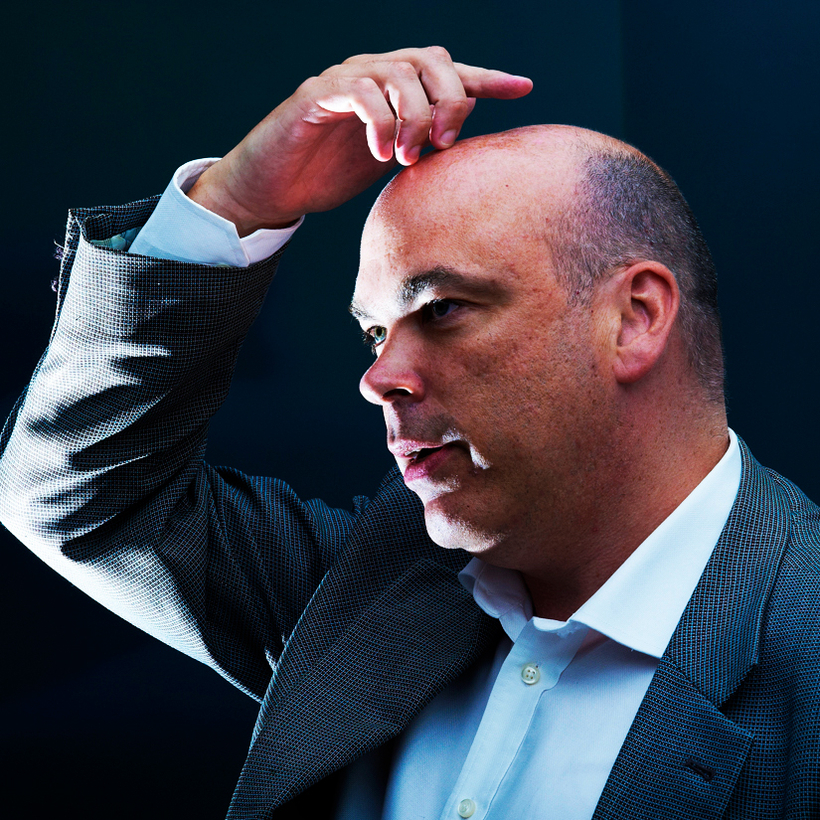

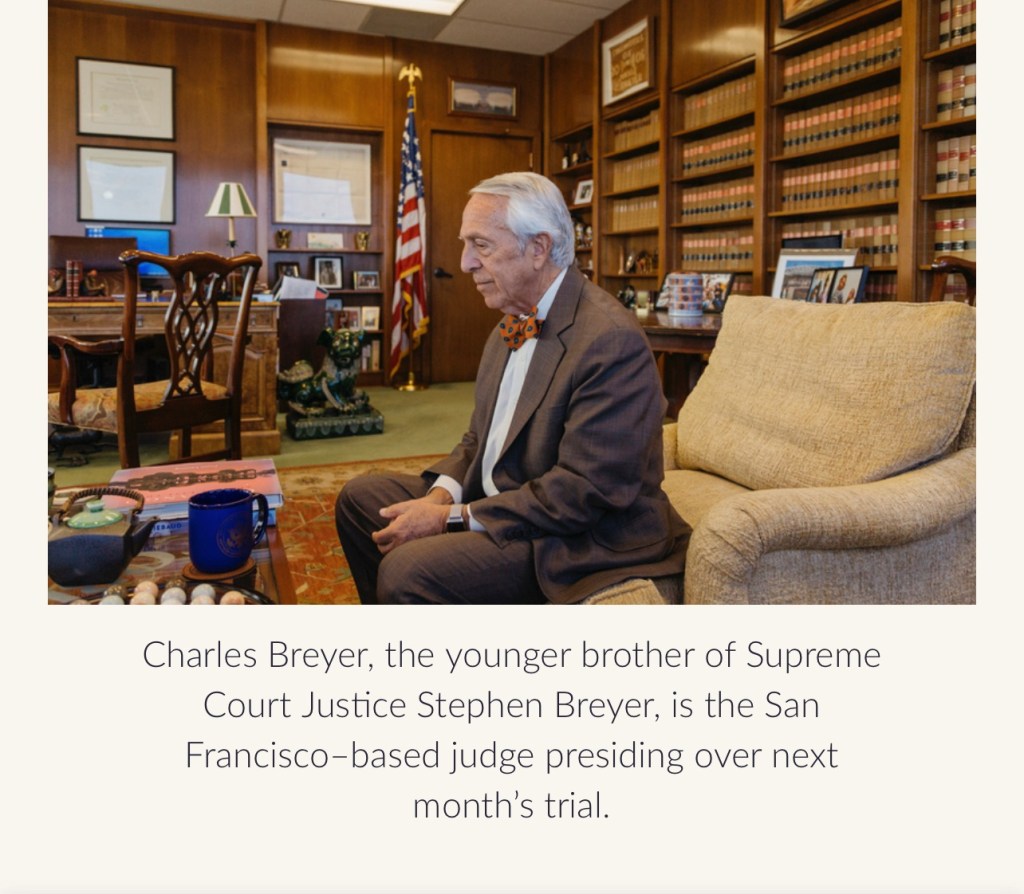



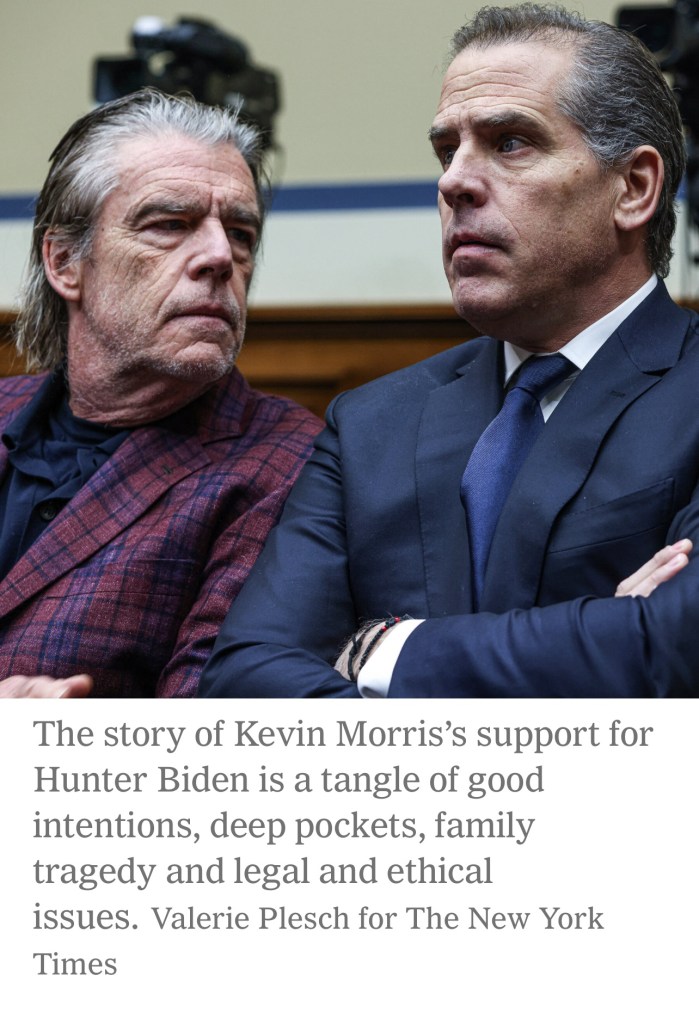
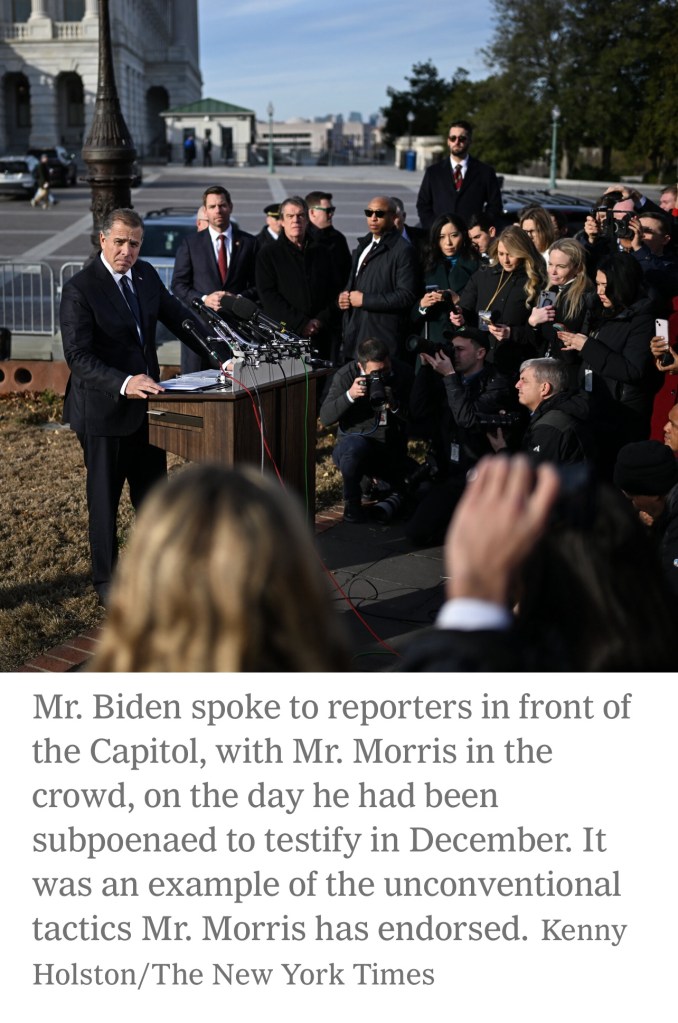















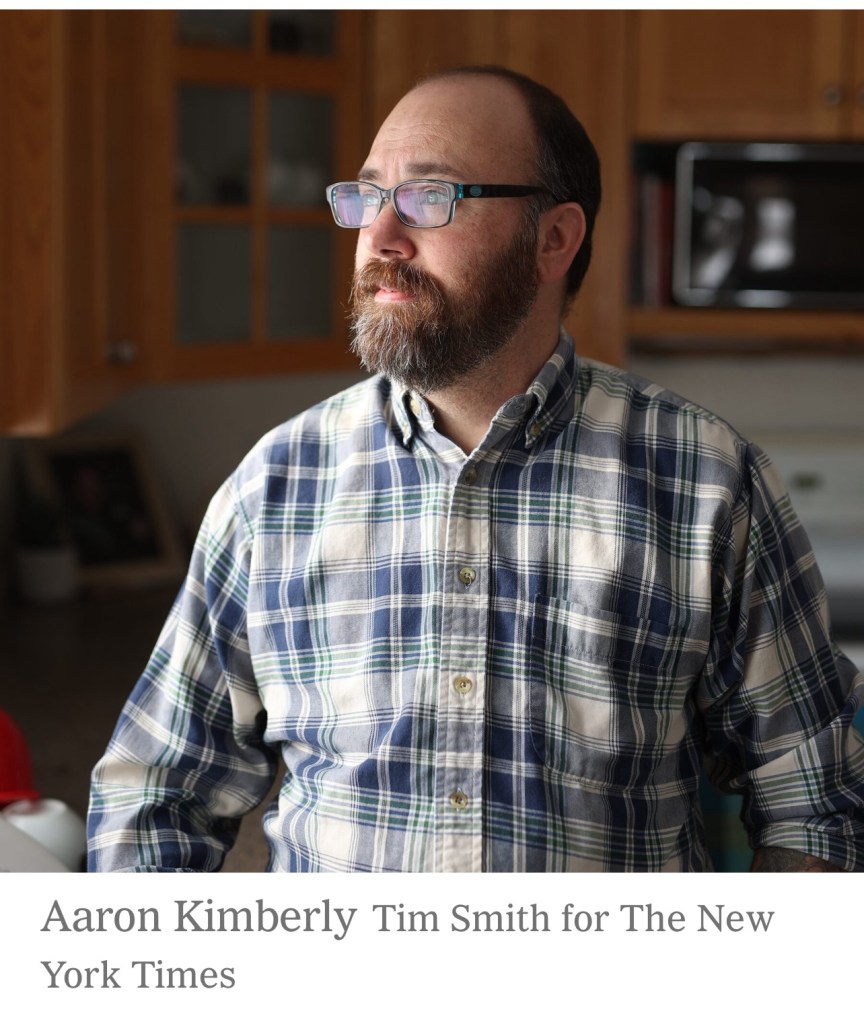


%20(1)_fitted.jpeg)
_fitted.jpeg)


