The Baywatch star revealed, “We just wanted to have babies and be together forever.”
While their relationship was unquestionably tempestuous, Pamela Anderson is the first to admit that her ex-husband Tommy Lee may have been the great love of her life.
At the end of the month, the Baywatch star will release both a new memoir, titled Love, Pamela, as well as a Netflix documentary, Pamela, a love story, in which she speaks frankly about the many phases of her life and the men who were part of them. In an excerpt of the book, obtained exclusively by People, Anderson writes, “My relationship with Tommy may have been the only time I was ever truly in love.” The pair wed in 1995 on a beach in Cancun wearing a bikini and board shorts, respectively. While the good times could get a little too wild at momemnts, she added, “We had fun and our rule was no rules.” The animal rights activist confessed, “We just wanted to have babies and be together forever.” The couple would go on to welcome two sons together, 26-year-old Brandon and 25-year-old Dylan.
However, when their personal home videos were stolen from a safe in their garage and repackaged into a “sex tape” that was sold and distributed, their relationship was put under a new pressure and level of public scrutiny. “It ruined lives, starting with our relationship—and it’s unforgivable that people, still to this day, think they can profit from such a terrible experience, let alone a crime,” she writes, noting that she has never watched the stolen tape. From then on, the stress became too great for their marriage to withstand and she revealed that one night in 1998 Lee twisted her arm as she was holding her then seven month old son Dylan. “Tommy ripped Brandon off me and threw me and Dylan into a wall,” she said, prompting her to call 911 in a panic. Tommy was arrested and served six months in jai and so, she said, “Our hell began.”
.
Anderson filed for separation shortly after and she explains, “The divorce from Tommy was the hardest, lowest, most difficult point of my life. I was crushed. I still couldn’t believe that the person I loved the most was capable of what had happened that night. We were both devastated, but I had to protect my babies.” But now, over two decades later, the Playboy star says, “Tommy is the father of my kids and I’m forever grateful,” adding that even though their two kids are now adults, they still “check in, every once in a while.”
The actor went on to get married four more times, once to Kid Rock, twice to Rick Salomon (although one of their marriages was annulled), and most recently to Dan Hayhurst, although their marriage ended in 2021 after less than a year together. Theses days, she’s totally single and living with her five dogs in her grandparents’s former farmhouse on Vancouver Island, but she writes, “I live a more romantic life now that I’m alone than I did in relationships. l light my candles, have my music playing. I have my piano, I’m sure it would be lovely if someone else was in my life and wanted the same thing, but I’ve just never met them. It’s usually about catering to them, and there has to be a balance.” Anderson concluded, “I don’t need someone to bring me roses. I’ve just planted a hundred rose bushes. I can get them any time I want—and they’re my favorite roses.”
💋💋💋💋💋💋💋💋💋💋💋💋💋💋💋💋💋💋
Fountainhead Arts took us on a guided tour yesterday of Didier William’s work at the Museum of Contemporary Arts in North Miami. This is largest solo exhibition of his career. Didier is a mixed-media painter originally from Port-au-Prince, Haiti but he grew up in Miami. His work incorporates traditions in oil painting, acrylic, collage and printmaking to comment on intersections of identity and culture.
If you are a jazz lover, then you are going to be thrilled with what Miami has to offer. The Faena Jazz Series is back. If you’re looking for unusual gift items, checkout the Frost Science Museum gift store, which is not just science. Every third Thursday of the month, Miami Beach comes alive with culture. Did you know that Miami-Dade is the largest rum consumer market in the USA? No wonder we’ve been chosen as the site of the Rum Convention.
Faena Jazz Series Is Back
The Faena Jazz Series is just as good, if not better than the Jazz at NYC’s Lincoln Center (Dizzy Club). That’s a big statement but I have full confidence in Alan Faena, the founder and owner of the Faena Hotel. Everything is first class under his watchful eye. Designed by Alan Faena, the 150-seat venue is in one of Miami Beach’s most beautiful hotels.
Frost Science Museum Gift Store — The Most Unusual Items Ever
Every time we have to purchase a gift for someone, I am always scratching my head as to what to buy. Then one day I walked into the gift shop at the Miami Phillip & Patricia Frost Museum of Science and felt like I finally found a plethora of items that were perfect for presents, both young and old.
Every third Thursday of the month, Miami Beach comes alive with culture as various institutions and buildings open their doors to give you just a taste of what they have to offer. Most of the programming is accessible by foot, and by bike, but dedicated free trolleys drop you off, and pick you up, at dedicated Culture Crawl stops.
I love rum. I used to drink rum and coke all the time as a teenager in growing up in New York City. I never thought that I would be living in an area, Miami-Dade, that would be the largest rum consumer market in the USA. It represents over 2.4M cases of rums sold per year. I guess that’s why Miami is one of the cities around the country that was picked by TheRumLab.com to celebrate the 4th Miami Rum Congress.
When the artificial intelligence platform ChatGPT was released in late November, I was one of many educators who jumped on it, introducing it in the seminar I teach at Yale on the media and democracy. With its ability to communicate in plain-English prose, it was undeniably fun for the students to play with, composing everything from silly poems to job application letters.
But it was also deeply troubling. When I prompted it to spread misinformation, it generated a news article falsely asserting the “U.S. Electoral Commission” had found “rampant voter fraud” in the 2020 election. It was also alarmingly quick to complete the term paper assignment that my students had been working on for weeks. It instantly spit out six excellent topic ideas (written as country-western lyrics, as requested)—and then generated a paper on gender in the newsroom that, while not up to college standards, was credible enough to show how ChatGPT could soon morph into the ultimate cheating machine.
So it’s understandable why New York City’s Department of Education announced last week that it will ban access to ChatGPT on school devices. That decision, by the nation’s largest school district, was quickly followed by similar moves in Los Angeles and Baltimore, with others likely to join them.
Yet blocking access to ChatGPT is a mistake. There is a better way forward.
Students need now, more than ever, to understand how to navigate a world in which artificial intelligence is increasingly woven into everyday life. It’s a world that they, ultimately, will shape.
We hail from two professional fields that have an outsize interest in this debate.
Joanne is a veteran journalist and editor deeply concerned about the potential for plagiarism and misinformation. Rebecca is a public health expert focused on artificial intelligence, who champions equitable adoption of new technologies.
We are also mother and daughter. Our dinner-table conversations have become a microcosm of the argument around ChatGPT, weighing its very real dangers against its equally real promise. Yet we both firmly believe that a blanket ban is a missed opportunity.
The New York City department’s justification for blocking ChatGPT illustrates why a ban is shortsighted. “While the tool may be able to provide quick and easy answers to questions, it does not build critical-thinking and problem-solving skills, which are essential for academic and lifelong success,” a department spokesperson explained (emphasis added).
Yet attempting to teach “critical thinking and problem-solving” skills – while ignoring the real world in which students will deploy those skills—is a fool’s errand. These students are growing up in an era when technology increasingly is driving human behavior and decision making. Their generation needs to understand how best to utilize it, what are its perils and shortcomings, how to interrogate it and how to use it in an ethical way.
What’s more, on a practical basis, a ban simply won’t work. Students will still have access to ChatGPT outside of school. Microsoft is reportedly in talks to invest in OpenAI, the company that created it, which would expand access further. And previous prohibitions have failed. Early researchers warned against using Google in schools because it would “harm students’ information literacy skills.” Wikipedia was banned early on in both colleges and school districts. Not surprisingly, students have always found creative ways to circumvent such bans.
Nor have fears that those technologies would trigger an educational Armageddon been realized. Today Google is an essential research tool. Wikipedia is ubiquitous, though it isn’t considered a reliable source for research purposes. ChatGPT is a far more powerful and disruptive tool, which only underscores how important it is for students to learn how to safely engage with it.
For example, educators can deploy the platform to teach those crucial critical thinking and problem-solving skills. They might ask students to analyze a ChatGPT-generated report on a historical event, to track down its sources, and to assess its validity—or lack thereof. They could teach rhetoric by having students challenge ChatGPT’s reasoning in its answers. Computer science students could analyze ChatGPT-generated code for flaws. The technology itself provides a framework to discuss the ethical considerations about benefits and harms of artificial intelligence.
This isn’t to minimize the risks surrounding ChatGPT. Some educators are setting up guardrails to prevent cheating, requiring essays to be written by hand or during class. Students themselves are getting involved, like the college senior who created an app to detect whether text is written by ChatGPT. OpenAI has said it is looking at ways to “mitigate” the dangers, including by potentially watermarking answers.
These are important steps. But they don’t let us off the hook when it comes to teaching all students how to understand and responsibly use not just ChatGPT, but also other new technologies to come.
This isn’t simply an academic exercise. In her work at the Patrick J. McGovern Foundation, Rebecca sees firsthand how AI is being implemented in healthcare around the world, even as challenges with bias and inequity remain. From arts to the environment, emerging technology is only becoming more intertwined with every aspect of our lives. Today’s students will soon be tomorrow’s leaders, tasked with ensuring that technology is designed and implemented in responsible and ethical ways.
Their education needs to start now. We’re reminded of when Google was founded in 1998, when Rebecca was in grade school in the New York City public school system. At first, she wasn’t allowed to use a computer for research. When it was finally allowed, she mistakenly used it to find articles to share with her class—not, as expected, to write a report. She was mortified.
But rather than discipline her, Rebecca’s teacher explained how the computer was intended to be a resource for learning, not a substitute. Her lesson was clear: technology should be a tool to expand students’ own thinking—not a crutch to limit it.
That lesson is even more important today. To ensure future generations are responsible stewards of technology, we need to create opportunities for them to participate in its design and use—beginning in the classroom.
There are several duplicate posts. Sorry. They are stuck.
The Powerful Women Behind The Rich & Famous
Is there a richter scale for happiness? I wonder how much money has to do with it? —-LWH
Astrid Menks
Latvia born Astrid Menks, the second wife to the well-known investor and philanthropist Warren Buffet has quite a story with the wealthy businessman. The two met while Menks worked as a waitress at a nearby cafe. Buffet frequented the cafe with his former wife Susie, who would often perform there as a singer.
Menks and Buffet then began a 40-year relationship to the full knowledge of Buffett’s wife Susie, who would even be seen out with Menks herself on various occasions. Menks and Buffet tied the knot in 2006, two years after Susie’s passing.
Malia Andelin
As Viacom jets flight attendant, it’s believed Malia Andelin caught the eye of Sumner Redstone while on the job. Other than private jets (that’s plural, mind you), Redstone is a prolific businessman who happens to own the National Amusements group. It is the parent company to most major television networks, including Viacom, MTV Networks, BET, CBS Corporation, and Paramount Pictures.
Andelin was in her twenties when the two met, while her husband, Sumner, was 89. Their relationship came to an unfortunate end in August 2020 when Redstone passed away at 97 years old. She now manages his philanthropic fortune.
Erica Baxter PackerErica Baxter Packer is the second wife of one of the wealthiest men in Australia — businessman and investor James Packer. This fellow Aussie is a model and singer, releasing her first single (“Dreams”) in 2001.
Getty Images Photo by Gaye Gerard
2001 was also the year when year she started dating the billionaire. The two married in 2007 and have three children together. Unfortunately, Erica and James went their separate ways after being married for just six years. She has since started dating Cuban artist Enrique Martinez Celaya, and the two are now happily engaged.
Laurene Powell Jobs
Laurene Powell Jobs was once married to the late Apple co-founder, Steve Jobs. They met in 1989 when he came to speak at Stanford Business School and didn’t leave each other’s side until his unfortunate death in 2011. He was unarguably one of the greatest technological minds from the last century, but certainly not the only successful person in the marriage.
Getty Images Photo by Alexandra Wyman
Laurene founded Emerson Collective, a company that clamors for immigration, education, and environmental reforms. She is also involved with foundations that assist students without access to the funds or financial aid to attend college.
Dasha Alexandrovna Zhukova
Russian socialite and fashion mogul Dasha Alexandrovna Zhukova was once married to the Russian billionaire tycoon, Roman Abramovich — founder of the IRIS Foundation, a group that significantly promotes contemporary culture. The two were married for nine years, during which they had two children.
Getty Images Photo by Alexander Fyodorov/Epsilon
Dasha and Abramovich called it quits in 2018, but don’t you be sad for them. Zhukova has a career of her own in arts and philanthropy, and she has since married another billionaire — Stavros Niarchos II.
Jerry Hall
Billionaire tycoon, Rupert Murdoch, made his wealth working in media after founding News Corp leaving him with a net worth of $18 billion. His wealth placed him on the top of the charts of the richest people in the world by the time he was 77.
Getty Images Photo by Jon Kopaloff/WireImage
Now well into his 80s, Murdoch got married to Mick Jagger’s ex, Jerry Hall, at the beginning of 2016. Hall is a well-established model and actress, although she hasn’t been performing much lately. The two are still married today!
Claire Elise Boucher
Claire Elise Boucher is also known professionally as Grimes. She is a Canadian singer and musician, but if you’re less into avant-garde music and more into tech, you might know her as the better half of technology entrepreneur Elon Musk.
Shutterstock
The two have been in a relationship since 2018. On January 8, 2020, Boucher announced that she was pregnant with her and Musk’s first child together. Claire Boucher gave birth to their son in May 2020 and gave him the controversial name X Æ A-Xii.
Kristy Hinze
Kristy Hinze is married to Silicon Graphics and Netscape founder Jim Clark, but there is more to her than this marriage. She is an actress, model, and television host. She has appeared on the front pages of Victoria’s Secret and Sports Illustrated magazines.
Getty Images Photo by Mike Flokis
Their relationship has sparked controversy due to the 36 year age difference between them, but they have been married since 2009, shutting everyone down. They are now happy parents of two daughters — Dylan Vivienne and Harper.
Priscilla Chan
Priscilla Chan is the kind of woman anyone would love to introduce to their parents. The only one who got to put a ring on her, however, is Facebook’s co-founder and CEO, Mark Zuckerberg. Chan is not only a pediatrician but also a philanthropist.
Getty Images Photo by Kimberly White
Alongside her billionaire husband, she founded a political action and philanthropic organization called the Chan-Zuckerberg initiative, which focuses on health and education. The two have two daughters — Maxima and August.
Kirsty Roper Bertarelli
Kristy Roper Bertarelli is the former Miss United Kingdom, winning back in 1998, but she has lots of other talents. She’s also a successful singer, model, and songwriter. Bertarelli co-wrote “Black coffee,” a popular song released in 1988 by the group All Saints.
Getty Images Photo by Chris Jackson
Her husband, Ernesto Bertarelli, is a businessman born in Switzerland who inherited a large biotech firm, Serono. They currently reside in Switzerland with their three kids.
Lucy Southworth
Google’s co-founder, Larry Page, is one of the wealthiest individuals in the world today. In 2007, he tied the knot with Lucy Southworth, who has quite the brains herself. They have two children together.
Getty Images Photo by Steve Jennings
Rather than a career as a model, actress, or TV host, her life trajectory is more academic. She holds degrees from the University of Pennsylvania, Stanford University, and Oxford University. Lucy also holds a Ph.D. in biomedical informatics.
Salma Hayek
Salma Hayek got her start as a Mexican model and actress. She burst onto the scene in Hollywood with roles in “Desperado,” “Wild West,” and “Dogma and Wild.” Hayek also earned an Emmy Award nomination for her performance in “Ugly Betty.”
Shutterstock
In 2009, after a two-year engagement period and having a child together, she tied the knot with the billionaire businessman, François-Henri Pinault in Paris. He works with luxury retail empires that have created brands like Puma, Gucci, and Yves Saint Laurent.
Flavia Sampaio
Flavia Sampaio is the founder of Institute Consciousness, an NGO that was started to assist children. Additionally, she is a tax and environmental lawyer who is a member of the Sampaio, Morrison, and the Boquimpani Advogados Associados. What a powerhouse!
Getty Images Photo by Luciana Whitaker/LatinContent
Her partner, Eike Batista, is quite a powerhouse as well. He is the wealthiest man in Brazil, and as the chairman of the EBX Group, he made and then later lost his money in the mining, oil, and gas industries. The two never officially married, but they do have a son together.
Miranda Kerr
Australian model Miranda Kerr made history as the first Victoria’s Secret Angel from down under. She owns KORA organics, a brand of skincare products.
Shutterstock
Snagging the best men in the world, Kerr was married to Hollywood actor Orlando Bloom for three years. Now, however, she is married to Evar Spiegel, Snapchat’s CEO and co-founder. The two tied the knot in 2017 and have two sons.
Nita Ambani
Wife to the richest man in India, Nita Ambani is the co-owner of a cricket team in India, the Mumbai Indians. Additionally, she is the chairperson of Dhirubhai Ambani International School, one of the best schools in India.
Alamy Stock Photo
Her husband, Mukesh Ambani is a multi-billionaire who made his wealth in the petroleum industry. The two met when she was a mere schoolteacher and have been married since 1985. They have three children who will be lucky enough to inherit the family fortune.
Anne Wojcicki
A doctorate holder, Anne Wojcicki was previously married to Google’s co-founder, Sergey Brin. Sadly, however, things did not work out, and they divorced in 2015 after eight years of marriage and having two children.
Getty Images Photo by Steve Jennings
Regardless of her former connection to the Google empire, it seems that Wojcicki is quite successful in her own right. She is a biologist by profession, and a biotech analyst, earning her degrees from Sanford University and Yale University. Anne is the CEO and co-founder of the firm 23andMe.
Kate Greer
Kate Greer is a designer by profession and a co-Founder of Cheerie Lane, a homegrown popcorn company. For the past 4 years, Kate has been dating Jack Dorsey, the founder and CEO of the social media company Twitter.
Getty Images Photo by Kevork Djansezian
Jack is also the founder of the tech company Square. They have been walking the red carpet of every tech event possible since 2013.
Irina Viner
Irina Viner is famous for being one of the best gymnastics coaches in the world. In 2015, Irina was awarded the Olympic Order for the part she played in global sports. In Russia, she leads the training department of the country’s rhythmic gymnastics team.
Alamy Stock Photo
Viner is married to Alisher Usmanov, the richest man in Russia. The two met as young athletes in Tashkent when she did gymnastics, and he practiced fencing. They grew apart and found their way back to each other years later in Moscow. How romantic!
Queen Noor of Jordan
Queen Noor of Jordan, born Lisa Najeeb Halaby, married the late King of Jordan, King Hussein. They were married for 21 years before he died in 1999. However, she was quite the noblewoman before the two even met. Born in the United States to a Navy pilot and an airline executive, her family is well-established financially.
Alamy Stock Photo
Years after her husband’s passing, she is still going strong. Not only is she an ambassador to the UN and the Queen of Jordan, but she is also an author. She has published two books explaining the history of her family’s wealth.
Stephanie Seymour
Stephanie Seymour is a former actress and supermodel who appeared on the covers of Sports Illustrated and Vogue magazines. She’s had a tumultuous life peppered with names of rich and famous men such as John Casablancas (head of Elite Models) and musician Axl Rose. She has even performed in two of Guns N’ Roses music videos — “November Rain” and “Don’t Cry.”
Getty Images Photo by Pier Marco Tacca
The man who ultimately won her hand is the billionaire, art collector, and real estate magnate, Peter Brant. In 2009, after being married for almost 14 years, Seymour filed for divorce from Brant, but love eventually won — the two patched things up the following year, and now they are better than ever.
Melania Trump
Married to, Donald Trump, Melania Trump is a prosperous businesswoman as well as a former model. She owns a skincare line as well as a jewelry and watch collection that was often featured on QVC.
Getty Images Photo by CHANCE YEH/Patrick McMullan
However, when her husband became president, her own business career took a step back. According to a White House Spokesperson, her companies are now inactive because she doesn’t want to use her position for profit.
Eloise Broady
Eloise is an actress and model from the United States, Eloise Broady is married to John Paul DeJoria. DeJoria is the co-founder of the Patrón Spirits Company as well as the Paul Mitchell line of hair products.
Alamy Stock Photo
This former Playboy’s Playmate has been married to the billionaire and philanthropist since 1993. Now the two invest in numerous charitable causes like Help Clifford Help Kids, The Austin Recovery Center, Helping Hands, The Austin Children’s Shelter, and more.
Andrea Hissom
Andrea Hissom is married to Steve Wynn — an art collector, casino mogul, and the CEO of Wynn Resorts with a net worth of over $3.1 billion. Not too shabby! Wynn divorced his first wife to get married to Hissom at a star-studded event where Clint Eastwood was his best man.
Getty Images Photo by Ethan Miller
Other celebs in attendance included Donald Trump and Celine Dion, who stayed at the luxurious Wynn Casino. That must have been quite the party!
Nikita Kahn
Nikita Kahn is an actress from Ukraine. You might know her thanks to her role in the movie “Catch 44,” where she acted alongside Nikki Reed and Bruce Willis. She is currently dating Larry Ellison, the co-founder of Oracle Corporation and one of the world’s wealthiest men.
Getty Images Photo by Alberto E. Rodriguez
Ellison has been married four times. The longest one lasted 7 years, and the shortest lasted no more than a year. With four failed marriages under his belt, it’s unlikely the two will ever walk down the aisle.
Jade Foret
Belgian model, Jade Foret, is married to French billionaire Arnaud Lagardère who made his money as the General and Managing Partner of Lagardère SCA of the Lagardère Group. Prior to being married, Foret had a relationship with soccer player Émile Mpenza, which ended abruptly in 2009.
Getty Images Photo by VALERY HACHE/AFP
She moved to New York to continue her work as a model when she met Lagardère. After three years of dating, the two finally got hitched. They got married in Paris in May of 2013, and she has been towering over him ever since.
Fabiana Flosi
Despite their 46-years age gap, Fabiana Flosi has a successful marriage to Bernie Ecclestone, multi-billionaire and CEO of the Formula One Group. Flosi was born and raised in Brazil and known for her high taste in fashion.
Getty Images Photo by Mark Thompson
The two had their first son, Alexander Charles Ecclestone, in 2020. It is Flosi’s first and Ecclestone’s fourth. In fact, his previous children have already produced their own lineage, making him a great-grandfather of five.
Claudia Barilla
Supermodel and mother of two, Claudia Barilla is arguably the most humble wife on the list. She is married to Canadian poker player and billionaire businessman Guy Laliberte, but his most famous endeavor is probably co-founding Cirque du Soleil.
Getty Images Photo by Ethan Miller
Barilla is famously known for living quite modestly for a woman of her stature. She has been seen wearing brands like Converse despite all the wealth ascribed to her name. She directs a foundation that helps youths at risk called the One Drop Foundation.
Nicole Schuetz
Businesswoman Nicole Schuetz is the CEO and founder of Sutro Energy Group, an organization that helps advance investment in clean energy technologies and projects.
Getty Images Photo by Taylor Hill/FilmMagic
She is married to Instagram co-founder and billionaire philanthropist Kevin Systrom. The two met at Stanford University and hit it off quite nicely. After a two-year engagement period, the pair got married in 2016.
Princess Ameerah
Princess Ameerah is a Silatech board of trustees member. She is now a philanthropist and Vice-chairperson of the Al-Waleed bin Talal Foundation. She is mostly known as the former wife of the Saudi Prince, Al-Waleed bin Talal.
Getty Images Photo by Chris Jackson
Unfortunately, the marriage lasted just five years and the two divorced in 2013. However, this kind of woman does not stay on the market for long. In 2018, she married Khalifa bin Butti al Muhairi, an Emirati billionaire who took her as his second wife.
Susan Dell
Susan Dell is married to the founder and CEO of Dell computers, Michael Dell. Dell Corporation is one of the largest manufacturers of computers on Earth. These lovebirds got married in 1989 and produced four children, all of whom live in Austin, Texas.
Getty Images Photo by Robert Daemmrich Photography Inc/Corbis
This group supports underprivileged children around the world by granting access to healthcare and standard education. Together they own the Michael & Susan Dell Foundation, of which she is the vice-president.
Alison Gelb
Alison Gleb Pincus is the wife of the co-founder of Zynga Inc. and Farmville developer Mark Pincus. Apparently, she is a businesswoman in her own rights. She is the co-founder of One Kings Lane, a home décor website and firm that offers luxurious furnishings to its 10 million+ clients.
Getty Images Photo by C Flanigan
The two have been married for seven years and have three kids together. However, it is possible that the two won’t last since she filed for divorce in 2017, citing “irreconcilable differences.”
Oleksandra Nikolayenko
Former Miss. Ukraine Universe Oleksandra Nikolayenko Ruffin is a Ukrainian model married to billionaire investor Phil Ruffin. Ruffin is known to be media-shy but has amassed wealth largely from the oil and gas industries, casinos, real estate, and greyhound racing tracks.
Getty Images Photo by Ethan Miller
Despite the enormous age-gap between them (they were introduced to each other by Donald Trump when she was 27 years old and he was 72), the two are still married and have two children together.
Mackenzie Bezos
Mackenzie Bezos is a best-selling author and writer of “The Testing of Luther Albright,” which earned her a National Book Award. She was married to the founder of Amazon and Blue Origin from 1993 to 2019, Jeff Bezos, also known as the richest man in the world.
Getty Images Photo by Larry Busacca
Her divorce settlement made her the third wealthiest woman in the world and also placed her amongst the wealthiest individuals in April 2019. It was revealed by Forbes in June 2020 that her divorce settlement of $38 billion!
Lauren Sanchez
News anchor Lauren Sanchez is Jeff Bezos’ new girlfriend, and rumor has it their relationship is far from pleasant — filled with texting and affair scandals. Some sources claim these issues have only brought them closer to each other, but only time will tell.
Getty Images Photo by Kevin Mazur
Bezos’ split from ex-wife Mackenzie Bezos was the most expensive divorce in world history, and it cost Jeff a significant fraction of his net worth, but he still remains the richest man in the world.
Tamiko Bolton
George Soros was declared a legend in the hedge fund world when he placed a bet against the British pound and was nicknamed “The Man Who Broke The Bank Of England.” It is alleged that Soros met Tamika Bolton at a dinner party around 2008, but they only got married in 2013.
Alamy Stock Photo
With Bolton’s MBA and her dietary supplement company, she could get any man she wants, but she chose a man nearly 40 years her senior. This age gap and a legal issue among Soros and a former partner of his have sent lots of criticism their way. However, the love between the two seems to be growing stronger than ever.
Julie Chen
Julie Chen and Leslie Moonves had a romantic relationship back in 2003 while he was still married to someone else. As CEO and chairman of CBS, Moonves met young Chen there while she was working as a reporter on “The Daily Show.”
Shutterstock
He married Chen 13 days after he was granted an early divorce settlement. Lately, allegations levied against him may have reduced his net worth, but his marriage to Chen is still intact, and they even have a son together.
Diane von Furstenberg
Diane is listed as one of the top 100 most powerful women in the world by both Forbes and Time Magazine, and for a good reason. Not only is she a longtime fashion icon and the creator of the wrap dress, but Diane von Furstenberg was once a princess of Germany.
Getty Images Photo by Axelle/Bauer-Griffin/FilmMagic
Her husband, Barry Diller, is the founder of the popular Fox Broadcasting Company. He is also the chairman and a senior executive of both IAC Inc and Expedia Inc. Von Furstenberg’s husband is worth over $4.3 billion, but she is also a billionaire in her own right, with a net worth of $1.2 dollars.
Princess Charlene of Monaco
Married to Prince Albert II, the Prince of Monaco, Princess Charlene Wittstock is a former Olympic swimmer. She met her husband years back in 2001, but their relationship was kept away from the media until 2006. The couple tied the knot in 2011, although it was rumored that the soon to be Princess of Monaco had cold feet before the wedding.
Alamy Stock Photo
However, these claims were heavily denied by the royal family. The Prince of Monaco is estimated to be worth over a billion dollars, making him one of the richest royals in the world.
Kirsty Bertarelli
When we think of the richest women in Britain, we probably think of J.K. Rowling. However, the richest woman in the UK is actually Kirsty Bertarelli, Miss UK 1988 winner, as well as Miss World runner-up.
Alamy Stock Photo
While she has made plenty of money on her own, most of her wealth is actually from her husband, Ernesto Bertarelli, who is worth around $7.9 billion. The couple got married twenty years ago in 2000 and live in Switzerland with their three children.
Melinda Gates
The Gates family is without a doubt one of the most famous families on Earth. Melinda Gates is married to Bill Gates, the second richest man in the world. Shortly after graduating from college, she started working at Microsoft, a company owned by her soon to be husband. She started dating her boss just a few months later.
Getty Images Photo by Frederic Stevens
Years later, in 1994, the pair got married in Hawaii and they have been together ever since, having three children over the years. The couple is also known to be heavily engaged in philanthropic work through their Bill and Melinda Foundation which has donated billions of dollars to researches and charitable projects all around the world.
Ricky Anne Loew-Beer
Ricky Anne Loew-Beer, also known as Ricky Lauren, met her husband, Ralph Lauren when she worked as a receptionist in a doctor’s office. It took them just six months to solidify their relationship, getting married in 1964. Together, they have spent more than five decades building a family, having three well-brought-up children.
Getty Images Photo by James Devaney/GC Images
Two of their children have become entrepreneurs in their respective fields. Although fashion mogul Ralph, stepped down as the CEO of Ralph Lauren Corporation in 2015, he is still rated to be worth nearly $6 billion.
Kate Capshaw
Kate Capshaw, also known as Kathleen Sue Spielberg, married Hollywood director Steven Spielberg in 1991. They met during the filming of “Indiana Jones and the Temple of Doom” back in 1984, a film in which Capshaw played Willie Scott, an American nightclub singer.
Alamy Stock Photo
The pair instantly connected. They dated for six years, and in 1990, Spielberg and Capshaw got married. Capshaw’s work in the movie industry and her marriage has made her one of the biggest names in Hollywood.
Yekaterina Domankova
Belarussian supermodel Yekaterina Domankova is famous for her modeling work for Victoria’s Secret. She is married to Anton Zingarevich — a Russian businessman who married her year after they first met.
Getty Images Photo by Andrew Matthews/PA Images
Anton is currently the owner of the Reading Football Club, which plays soccer in the English Championship. Yekaterina and Anton have one child together.
Penny Knight
Penny Knight met her husband Phil Knight years ago when he was still a lecturer at Portland State University. In 1968, Penny married the love of her life, Phil. Now popularly known as “Shoe Dog,” Phil is the billionaire founder of the famous sports brand, Nike.
Getty Images Photo by Jemal Countess/WireImage
With an estimated net worth of over $30 billion, he is one of the most successful businessmen in the world. The couple has had three children, but sadly, one of their sons passed away in 2004 in a scuba diving accident.
Hope Dworaczyk
Hope Dworaczyk rose to fame by appearing in Playboy and earning the title of “Playmate of the Month” in April 2009. She later became Playmate of the Year in 2010 and has also tried her hand in acting and reality TV.
Getty Images Photo by Noam Galai/WireImage
Dworaczyk married Robert F. Smith in 2015, a successful investor and businessman. He is currently said to be worth over $7 billion. He and Dworaczyk have two children who need to share his wealth with his kids from previous relationships.
Julia Koch
Julia Flesher married David Koch who was fortunate enough to inherit his wealth from his parents. With his brother, Koch has since grown his share of the wealth to more than $50 billion, making them both the richest people in their family.
Alamy Stock Photo
The couple got married in 1996 and had three vibrant children together. Sadly, David Koch passed away from prostate cancer in 2019 at the age of 79.
Flora Pérez
After his divorce from his ex-wife in 1986, Amancio Ortega got married to his current wife Flora Pérez. Ortega co-founded Inditex with his ex-wife. This retail brand is the parent company to fashion giant Zara. Since his second marriage in 2001, the couple has been known to be living a very private life.
Alamy Stock Photo
This has led to there being very few pictures of the two, either together or individually. Ortega, who has a net worth of over $70 billion, is one of the wealthiest men in the world. That being said, they live modestly, and he usually sticks to generic (non-Zara) dark blazers and no ties.
Dr. Precious Moloi-Motsepe
Dr. Precious Moloi-Motsepe is married to Patrice Motsepe, a famous shareholder in the South African mining industry. The pair met when he was practicing law and she was practicing medicine. They got married in 1989 and have been together ever since. They have three children together.
Getty Images Photo by Kevin Mazur
Moloi-Motsepe is the head of many charitable organizations and her firm is known to have organized the Mercedez-Benz Fashion Week in South African cities like Soweto and Cape Town. With a combined net worth of over $2.1 billion, their family is one of the most famous and wealthiest in South Africa.
Helene Mercier-Arnault
Helene Mercier-Arnault is a French-Canadian classical pianist that has been nominated for and won several musical awards. Her husband is French billionaire, Bernard Arnault, the owner of LVMH company which is home to luxury brands such as Christian Dior, Louis Vuitton, Sephora, and many more.
Getty Images Photo by Andrew Harrer/Bloomberg
With an estimated net worth of over $110 billion, Arnault is one of the richest men in the world. The two married in 1991 after Arnault broke off his previous marriage, from which he had two children. In addition to building a considerable amount of their net worth together, the couple also has a fruitful marriage with three children.
Aleksandra Melnichenko
Andrey Melnichenko is a Russian billionaire, business owner, philanthropist, and social investor. His $14.7 billion personal net worth makes him one of the richest men in Russia. His wife, Aleksandra Melnichenko, is a former singer and model from Serbia.
Getty Images Photo by Dave M. Benett
The pair met in the South of France back in 2003 and got married two years later. It’s alleged that Christina Aguilera and Whitney Houston performed at their wedding, which was on the Cote D’Azur. Aleksandra and Andrey Melnichenko have two children together.
Padma Lakshmi
Many people know Padmathanks to her appearance on the show “Top Chef” as a host, but she has many other talents: she’s also the author of many bestselling cookery books, an actress, and a model. She has an established net-worth of $40 million, but marrying a billionaire probably couldn’t hurt.
Getty Images Photo by PATRICK MCMULLAN
She married billionaire Theodore J. Forstmann in 2009, and they had two years together before he passed away from brain cancer in 2011.
Elle Macpherson
Elle Macpherson is a popular TV host, actress, and model from Australia. She was once married to billionaire Jeffrey Soffer, heir to Donald Soffer who is credited for turning Florida swamplands into the beautiful and exciting location now known as Aventura.
Getty Images Photo by Dimitrios Kambouris
Macpherson started dating Soffer in 2009, but the two soon fell apart and broke up in March of 2012. However, they got back together in November of 2012 and then tied the knot in the middle of 2013. Unfortunately, marrying each other didn’t fix their issues, and they have since gotten divorced.
Paola Rossi
There is very little known about Paola Rossi apart from her marriage to Giovanni Ferrero, an Italian businessman. After the unfortunate passing of his elder brother Pietro Ferrero in 2011, he took over the family confectionery company — Ferrero.
Getty Images Photo by Mauro Ujetto/NurPhoto
The company specializes in chocolate and confectionery products and is the second biggest chocolate manufacturer and confectionery company in the world. They produce popular chocolate brands like Nutella, Raffaello, Kinder Surprise, and many others. Rossi and her husband have two sons together.
Connie Snyder
Connie Snyder is married to billionaire Steve Ballmer, LA Clippers owner and former CEO of Microsoft. Snyder is an American philanthropist. She is the co-founder of the Balmer group, an organization whose sole aim is to support the poverty-stricken families in the United States.
Getty Images Photo by Brendan Smialowski
While her husband is estimated to be worth over $70 billion, Snyder herself is worth around $2 million. Connie has been an employee of Microsoft and other popular technology companies, where she made a name for herself in their marketing and public relations departments.
Lily Safra
Lily Safra is a billionaire, philanthropist, and socialite of Brazilian-Monegasque descent. She has been married to four different men but we’re here for the latest one — Edmond Safra, an affluent Lebanese Jewish banker. Edmond is famously known for starting the Republic National Bank of New York.
Alamy Stock Photo
In 1976, despite the fact that his family opposed their relationship, Edmond married Lily. They were married until 1999 when he tragically died in a fire. Lily is currently well into her 80s and holds a net worth of $1.3 billion.
Melanie Craft
Melanie studied anthropology at Oberlin College and archaeology in Egypt but ended up not pursuing a career in the field. Since 1998, Melanie has written and published three books and now she is working on her fourth.
Getty Images Photo by DEAN TREML/AFP
Melanie is married to Larry Ellison and both serve on the board of the Ellison Medical Foundation, which aids Alzheimer’s research. Interestingly, their wedding photographer was none other than Steve Jobs! Sadly, however, the couple divorced in 2010.
Anne Dias Griffin
Anne is a Harvard MBA who also founded Aragon Global Management. She is also a supporter of the arts, serving as a trustee of New York’s Whitney Museum and the Chicago Symphony Orchestra.
Getty Images Photo by Amanda Gordon/Bloomberg
In 2003, Anne married hedge fund billionaire Kenneth Griffin, and the pair had three children. In 2006, she and her husband donated $19 million to the Art Institute of Chicago. In 2015, the two got divorced and haven’t remarried since.
Kathy Hilton
Kathy Hilton is an American socialite and actress who expanded her career ventures to fashion design (with her party dress line sold in stores such as Nordstrom, Saks Fifth Avenue, and Neiman Marcus) and Philanthropy. At the age of 15, she met Richard Hilton.
Alamy Stock Photo
Hilton is an American businessman and founder of the successful firm Hilton & Hyland, specializing in upscale homes in Beverly Hills, Malibu, Hollywood Hills, and more. The couple has four children, including well-known Paris Hilton, who made her claim to fame in the popular early 2000s reality show “The Simple Life” with Nicole Richie.
Janet Hill
Janet Hill is the fourth wife of the co-founder of Apple, Steve Wozniak. Hill and Wozniak met while Hill worked at Apple in Strategic Education Solutions and as Sr. Manager in Education Marketing.
Getty Images Photo by Kelly Sullivan
The two were long-time friends before tying the knot in August of 2008. The couple is still happily married and lives together in Los Gatos, California. Wozniak is reported to have a net worth of $100 million as of 2017.
Wendi Deng
Wendy Deng met well known Australian media tycoon Rupert Murdoch not long after graduating with an MBA from Yale University. The Chinese-born entrepreneur was working in Hong Kong as vice president to Star TV, a company which Murdoch had purchased when the two began their relationship.
Alamy Stock Photo
The couple married in 1999, making Deng Murdoch’s third wife. Throughout her career, Deng has worked in a wide variety of fields such as TV, a MySpace advisor, a Chinese internet investor, and film production. Unfortunately, the couple filed for divorce in 2013.
Usha Mittal
Usha Mittal holds her own against her husband Lakshmi Mittal, Chairman and CEO of ArcelorMittal, the world’s largest steel company. The two have been going strong since the young age of 21, and Usha has even been given the responsibility of running ArcelorMittal in the managing board’s absence, having had 15 years of experience running a steel plant in Indonesia.
Alamy Stock Photo
Though impressive as that may be, her biggest contribution is becoming the namesake of the Usha Mittal Institute of Technology. The well-renowned institution is a large promotor of education for women throughout India.
Tina Munim
Tina Munim, a former Bollywood actress, made her claim to fame in the movie “Des Pardes” (At Home and Abroad), which was released in 1978. She is married to businessman Anil Ambani, once ranked the sixth richest man in the world.
Getty Images Photo by SUJIT JAISWAL/AFP
Though Munim has left the Bollywood scene after acting in over 30 films, she still has her hand in the arts as an acting member of the Harmony and Art Foundation. She also sits on the board of the Mumbai based Koklilaben Dhirubhai Ambani Hospital as a chairperson. Munim and Ambani have two sons.
Jane Skinner
Daughter of former White House Chief of Staff Sam Skinner, under the George H.W. Bush administration, Jane began her career, unsurprisingly, as a political correspondent. The Northwestern University graduate continued her career in Newscasting, ultimately settling as the anchor for the 2 pm ET edition of Fox News Live.
Alamy Stock Photo
In 2010, Skinner announced her retirement from the anchor position to devote more time to family. Skinner is married to NFL commissioner Rodger Goodell, raising their twin daughters in Westchester, New York.
Diana Taylor
Diana Taylor is the domestic partner of businessman and former mayor of New York City, Michael Bloomberg. The Greenwich, Connecticut native graduated from Dartmouth with a degree in economics and subsequently with an MBA from Columbia University.
Alamy Stock Photo
Taylor and Bloomberg met in 2000 after being seated next to each other at an event for the Citizens Budget Commission. Taylor is a strong women’s advocate, serving on the board of both the International Women’s Health Coalition, The New York Women’s Foundation, and the YMCA of Greater New York, to name a few.
Jenny Gillespie
Jenny Gillespie is married to Andrew Mason, CEO, and founder of the popular website Groupon. Mason is estimated to have a net worth of approximately $200 million (as of March 2013). A singer and jack of all trades, Gillespie has recorded a number of studio albums, all of which she had a hand in producing.
Alamy Stock Photo
Gillespie also started the record label Narooma records, which focuses on overlooked female artists around the globe. The singer splits her time between the world of the arts and taking care of her two young boys.
Rubina Bajwa
Rubina Bajwa is married to successful internet entrepreneur Gurbaksh Chahal, who became a millionaire at the young age of 18 after founding a successful internet advertising company two years prior.
Instagram/@rubina.bajwa
Bajwa was born and raised in a Punjab family in Vancouver, British Columbia, and has built a successful career as an actress in Punjab films. The actress was awarded Best Debut Female Actress at the Punjab Film Awards in 2018.
Jill Biden
Jill Biden, formerly Jill Jacobs, met Joe Biden on a blind date arranged by Joe’s brother Frank. Jill, having been married once and already separated, was impressed by Joe’s gentlemanly demeanor.
Alamy Stock Photo
The two were married in 1977, where Jill took on mother’s role to Joe’s two sons, who were survivors of a car crash killing his former wife and infant daughter. After a full term as the Second Lady of the United States, Jill Biden became the First Lady in January 2021.
Michelle Obama
A truly impressive woman in her own right, Michelle Obama met former President Barack Obama while working in marketing and intellectual property law at the Chicago-based law firm Sidley & Austin. The two spent their first date at Spike Lee’s movie, “Do The Right Thing,” and the rest is history. The Obamas were married in October of 1992.
Getty Images Photo by Frederick M. Brown
The former First Lady studied at Princeton University for undergrad and is also a Harvard Law School graduate. Amongst the myriad of Michelle Obama’s accomplishments, she is a successful author, podcast host, and founder of The Girls Opportunity Alliance, a foundation committed to the empowerment of adolescent girls around the world through education.
Joan Templeman
Joan Templeman is the second wife to the well-known businessman, entrepreneur, and philanthropist Richard Branson, who is estimated to have a net worth of 5.6 billion dollars. Templeman met fellow Brit Branson in 1976, Branson has already become the well-established founder of Virgin and all its various branches.
Getty Images Photo by Axelle/Bauer-Griffin/FilmMagic
The two were married in 1989 and had two kids together. They reside on the family’s private island, Necker Island.
Linda Fuller
Linda Fuller is a co-founder with husband Millard Fuller of the well-known organization Habitat for Humanity, an NGO which builds houses internationally for those in need. A devout Christian, the fullers were married in 1959 and subsequently moved to an interracial farming community.
Alamy Stock Photo
With faith driving her, Linda Fuller picked up her family and moved with her husband and the children to Zaire (now the Democratic Republic of the Congo) for 5 years before returning to the US. It was there in Zaire that the Habitat for Humanity business model was tested and proven a great success.
Alice Barry
Alice Barry is the third wife of SNL creator Lorne Michaels. The couple met in 1991 while Barry worked as Michaels’ assistant on the late-night show and was married that same year.
Getty Images Photo by The LIFE Picture Collection
Barry still works in the entertainment industry and has three children with Lorn, Sophie, Edward, and Henry Michaels. The family resides in New York.
Sanni McCandless
Sanni McCandless is the wife of the successful pro rock climber and Academy Award winner for the documentary “Free Solo,” Alex Hannold. An extremely outdoorsy person herself, McCandles began her career in the tech-world working at a Seattle-based company called EnergySavvy focusing on energy efficiency.
Alamy Stock Photo
McCandless is a graduate of IPEC’s Life Coach Certification program and works as a coach for outdoor-focused individuals. Though much of her life with Hannold is mobile, the two often live in their van while rock climbing throughout the country, her husband’s acclaim, and fame have slowed their road-life a bit, settling them just outside Las Vegas, Nevada.
Julia Carling
Wife of Rob Stringer, CEO of Universal Music Group, Julia Carling is a British journalist and TV presenter. Carling married Stringer, her third husband in 2006 after previously being married to Jeff Beck, a guitarist and musician, and Will Caring, an English rugby captain.
Alamy Stock Photo
Carling has a degree from Birbeck, the University of London in Egyptology. In 2004 she became a published author with her book “Beauty Scoop: The Indispensable Guide to the Best Beauty Products on the Market.”
Yael Cohen
Yael Cohen, a South African born and Canadian raised mining heiress and businesswoman, is the daughter of David Cohen, an oil and mining entrepreneur, and is wife to well-known Hollywood agent Scooter Braun.
Alamy Stock Photo
After her mother was diagnosed with cancer, Cohen became an active breast cancer advocate, working closely with millennials primarily through social media to facilitate discussions about early prevention. In 2018, Cohen became a senior advisor for the successful dating app Bumble. Cohen and Braun have three children and reside in LA, California.
Meghan Markle
From somewhat known actress to part of the Royal Family, Meghan Markle has been talked about quite a bit in recent years, boosting her to the spotlight. Markle married Prince Harry, Duke of Sussex, in November of 2017, “crowning” her the titles Her Royal Highness the Duchess of Sussex and Countess of Dumbarton and Baroness of Kilkeel.
Getty Images Photo by Ian Vogler – Pool
The former actress was previously known for playing the role of Rachel Zane in the show “Suits” from seasons 1-7. The royal couple has one son, Archie Mountbatten-Windsor, and have settled in Montecito, California.
Anjali Pichai
Anjali Pichai is the wife of Sundar Pichai, CEO of Alphabet Inc and its subsidiary Google. Pichai is herself a chemical engineer, having graduated from ITT, the Indian Institute of Technology, where she met her husband. Pichai grew up in India in a brahman family before moving to the US.
Alamy Stock Photo
She began her career as a business analyst at Accenture and later started working as Business Operations Manager at Intuit. The couple has two children.
Melanie Craft
Melanie Craft is an accomplished author and novelist, having published popular books such as “Man Trouble” and “Trust Me.” The writer is the former first wife to businessman and founder and CEO of Oracle company, Larry Ellison, estimated at a net worth of $86.9 as of January 2021.
Alamy Stock Photo
Although Craft is 25 years Ellison’s junior, the two were married in 2003; however, the couple filed for divorce in 2010.
Helen Morris
Helen Morris was born into an aristocratic family with heavy value put upon art, history, literature, and culture. Though the fifth wife of the well known and highly regarded director Martin Scorsese, Morris herself has had an impressive and successful career.
Alamy Stock Photo
Morris was a well-renowned book editor for Random House, as well as successfully producing the TV show “Daisy Daisy” and a number of documentaries. A devout philanthrope, she is also known to work with a number of various charities.
Pamela Kerr
Pamela Kerr is the wife of French-born, Armenian-American businessman Pierre Omidyar, founder of eBay. Kerr originally hails from Hawaii but met husband Omidyar after moving to the continental US.
Getty Images Photo by Ramin Talaie/Bloomberg
With a net worth of $8.3 billion, Kerr and Omidyar use their wealth to help those in need, having donated millions of dollars to various charities and non-profit organizations. The couple has three kids and has made a home base in Henderson, Nevada
I love this book publishing and New York City story —LWH
By Matthew Schneier
The 91-year-old book editor waits for his 87-year-old star writer, Robert Caro, to turn in his latest book.
The life of the editor Bob Gottlieb, at a spry 91 years old, is nowadays largely limited to a single room on the second floor of his East 48th Street townhouse — by choice, not necessity. He can bound up Second Avenue just fine to the diner that he considers an extension of his home, where the waitress knows he takes his chocolate milkshakes extra thick. But everything he needs, his library and his pencils, is right here, so why go farther? To receive guests like this one, he didn’t even have to put on shoes or tame the gull’s-wing sweep of his silver hair. Burbling away in a leather club chair in his book-lined office (they are arranged according to a system, he says with a point to his head, that’s “up here”), with piles of more books on the floor and in the corners, beneath giant MGM publicity posters of Marion Davies, Clark Gable, and Norma Shearer from the early 1930s, he is a man in his element. “I don’t want to go anywhere because there’s nowhere I want to go,” he says in his fluty register. “My life is very calm, just the way I like.”
It is here that he waits for one of his most famous writers — and he has edited many of the past century’s most famous ones, including Cheever, Rushdie, Lessing, and Naipaul — to turn in a long-awaited manuscript. Assuming, that is, the pair beat what Gottlieb notes dryly are the “actuarial odds.” Robert Caro, 87, whom Gottlieb has edited since his first book, The Power Broker, published in 1974, is at work on the fifth and final volume of his Lyndon B. Johnson biography. Their long relationship is the subject of a documentary, Turn Every Page, directed by Gottlieb’s daughter, Lizzie, which arrives (well before the Johnson book) on December 30.
Gottlieb is perhaps the longest-serving man in publishing, a living link to those days when a successful book editor and his stage-actress wife could buy themselves an entire Manhattan townhouse like this one and stuff it full of books. Their house, and his office, looks out onto the private, semi-communal Turtle Bay Gardens, shared with their neighbors on the block. “Bob never goes into the garden, you have to understand,” says Gottlieb’s wife, Maria Tucci, who has come home with lunch. “He says real Jews don’t like nature.”
Among their fellow Turtle Bay Gardeners over the years were Janet Malcolm and Gardner Botsford, the late New Yorker writer-editor couple, whose teenage daughter, Anne, became their babysitter. Katharine Hepburn lived along there, too (next door to Stephen Sondheim), and when Gottlieb was editing her book, he’d nip across to her house for meetings, entering through her back door.
Gottlieb joined Simon & Schuster in 1955 and eventually became editor-in-chief, then ran Alfred A. Knopf. In 1987, S. I. Newhouse hired him to take over The New Yorker from William Shawn and then fired him a few years later in favor of Tina Brown (Newhouse must’ve felt guilty because he promised him his New Yorker salary for life). Then it was back to Knopf.
Even at 91, he continues to work on occasional projects as an editor-at-large. (His next, Flora Macdonald: “Pretty Young Rebel,” out in January, is by Flora Fraser, whose mother and grandmother he has also edited.) What Gottlieb does, what he has always done, is read — widely and voraciously, if not, he says, as quickly as he once did.
At the moment, he is making his way through a recent biography of George III, the essays of V. S. Pritchett, and the work of the Soviet novelist and journalist Vasily Grossman, though I also spot copies of Janet Evanovich and Colleen Hoover, the currently best-selling romance writer. An editor, he notes modestly, is really just a reader — although he also likened the editing process to psychoanalysis, including the occasional transference.
Editors, as any editor can tell you, live in the shadow of their writers, reacting quietly behind the scenes, unheralded and little known. This is, evidently, how Gottlieb prefers it. “This glorification of editors, of which I have been an extreme example, is not a wholesome thing,” he once told The Paris Review. “The editor’s relationship to a book should be an invisible one,” he said then and believes today. “The last thing anyone reading Jane Eyre would want to know, for example, is that I had convinced Charlotte Brontë that the first Mrs. Rochester should go up in flames.”
He insists editing is neither an art nor a craft. It’s just “what I do,” he says. “I’m not an abstract thinker. I don’t think, really — I just react, which is what editors are supposed to do.” When I tried to press him further, he waved me away. “Don’t you feel like an idiot having to ask questions like that?”
Turn Every Page attempts to answer some of them. The film is a tender portrait of the two men that is saved from schmaltz by their occasional testiness, Caro’s in particular. According to Gottlieb, it has always been thus. “He was very wary about revealing himself,” he says of Caro. “I used to joke when we first met each other — I felt that if I said to him, ‘How are you?’ that was too invasive a question.”
Fifty years later, and thanks in part to the film, he adds, “he’s finally acknowledged that we are friends.” Until making it, Lizzie Gottlieb had barely met Caro, and it took some persistence to wear down his resolve. Her father was easier to crack. “Anything she wants is hers by definition,” he says.
Caro was a broke former Newsday reporter when he started work on The Power Broker, his megalithic study of Robert Moses. He delivered to Gottlieb a manuscript that, at over a million words, would be impossible to fit in a single volume and suggested publishing it in two. “We may be able to get people interested in Robert Moses once,” Gottlieb tells me — he’s said this before — “but we certainly can’t do it twice.” They set about trimming it by a third, but the finished book is still 1,200 pages. It won the Pulitzer Prize and is in its 66th printing.
Caro was not going to be limited by single volumes after that. From the start, the Johnson biography was planned to be three, though since then it’s grown to four published and one more on the way. “I don’t see anything while he’s writing,” Gottlieb says. If he has any idea when the book will issue from Caro’s Smith Corona, he isn’t saying. (Gottlieb himself uses a Mac.)
Turn Every Page plays up the drama of the editing process, emphasizing the (offscreen) sparring between the two men on subjects great and small. (There were, apparently, many blowups about punctuation, most especially the semi-colon: Caro for, Gottlieb against.) According to Gottlieb, these contretemps barely count. “I would say if there were any real disagreements between us,” he says genteelly, though I doubt he would tell me or anyone. The men did allow Lizzie to film them working together side by side — but only with the sound off.
This hands-on, cheek-by-jowl editing, once rare, is now basically extinct. “Publishing has grown more and more corporate,” he says. “I think it’s all changing. Luckily, I don’t have to deal with any of that.” Yet he remains chipper and uncynical, certain that Americans are still avid readers like him. (Avid Reader is the title of his memoir.) He seems less like a lion in winter than a springy Candide, though he thinks of himself more as a Norman Vincent Peale — mid-century author of The Power of Positive Thinking and, probably not irrelevantly, a best-seller.
I ask him if he was able to resist the impulse to try to edit his daughter. “We had one disagreement about the film,” he says. “I suggested she put an exclamation point at the end of the title. Because, to me, Turn Every Page is an exhortation. But she resisted.” He relented. “It’s here to take advantage of,” he says about his editorial guidance. “If it’s not an advantage to you, forget it.” Just to be safe, this article includes not one semicolon
Ira Wechterman knows that Jewish tradition says Jewish bodies should be interred. It’s what he was taught, and what his own daughter, a rabbi and executive director of the Reconstructionist movement, encourages.
But Wechterman, 82, and his wife, Helene, 80, have decided they’re going to be cremated after they die. He sees cemeteries as a waste of land, and said he doesn’t tend his own parents’ cemetery plots but is pretty sure they don’t care about the weeds growing around their graves.
“I would rather have my children go to a place that was meaningful to us — they can go to any body of water and think of mother and dad sailing,” said the retired Long Island dentist who now lives in Deerfield Beach, Florida. “If my wife and I are cremated, we can have our ashes put into the Gulf Stream and eventually they will float up to Port Jefferson where we used to live.
The Wechtermans’ choice is one more and more Americans are making. According to the Cremation Association of North America, more than half — 58% — of Americans who died in 2020 were cremated. The National Funeral Directors Association expects about 80% to be cremated by 2040.
Cremation figures for Jews are lower because a traditional Jewish funeral involves a burial. Even the more liberal streams of Judaism, including the Reform and Reconstructionist movements, call for it.
There are nuances among Jewish viewpoints. Orthodox Jews are more likely to describe cremation as unacceptable and a desecration. Jewish law “is unequivocal that the dead must be buried in the earth,” states a Chabad website. According to a Reform movement document, cremation should be discouraged, but in Biblical text “nowhere do we find an express prohibition of the burning of the corpse.”
What is clear across movements is that an increasing number of Jews are opting for cremation. There are no hard numbers on this. But rabbis, Jewish funeral directors and others who work closely with bereaved families are estimating numbers not far behind those for Americans in general. Some are trying to push back against the trend. A leader in this countermovement, Rabbi Elchonon Zohn, has called on rabbis to dedicate this coming Shabbat to combatting “the cremation crisis.”
Zohn, who is Orthodox and the founder and director of the National Association of Chevra Kadisha, or Jewish burial societies, said that based on reports from members, about half of American Jews who die are cremated. It is growing “by leaps and bounds,” he said.
Among those who seek out Jewish burial societies, which tend to attract Jewish families seeking more traditional funerals, the numbers may be lower. But they are climbing, said Charles Hirschberg, of the Dallas Chevra Kadisha. About 20% of the families his group serves request cremation, up 50% in the last three years, he said.
These figures are far higher than the single and low-double digits that the Forward found 10 years ago when it asked clergy and others to estimate the number of Jews being cremated.
But Hirshberg, Zohn and others who want to dissuade Jews to stop choosing cremation are working against increasingly strong convictions within the larger Jewish community that people should be free to decide how they want to dispose of their bodies and that their families and clergy should support them.
Zohn has organized a national campaign to “help all Jews choose burial.” Its website lists more than 650 synagogues in the U.S., Canada, Great Britain and Australia that are taking part.A flyer for a campaign to dissuade Jews from cremation.
“Burial is not merely a Jewish ‘tradition,’” the website states, explaining that the mitzvah, or commandment, of burying the dead comprises two of the 613 compiled by Maimonides: “a positive commandment of burying a body, and a negative commandment of not leaving a body unburied.”
Zohn, who is hosting two webinars on the topic on Saturday night and Sunday, said he picked this Shabbat to dedicate to the cause because the Torah reading this week, Vayechi, deals with Jacob’s death and his directive to his children that he be buried in Israel and not in Egypt, where he was then living.
He also wants rabbis to talk to their congregants this weekend about other end-of-life issues, “purchasing a grave and about having a living will and life insurance.”
But Zohn and others who are trying to convince more Jews to choose burial also know they are up against compelling financial realities. In general, burial costs more than cremation.
“Ninety percent of the problem is that the cost of a funeral in Dallas is about $10,000 and the cost of cremation is $2,700,” said Hirschberg of the Dallas Chevra Kadisha. In response, his group is offering loans to families to shoulder the burden.
A 2021 study from the National Funeral Directors Association shows the median cost of burial to be closer to that of cremation, with a viewing and burial of a body at $7,848, compared to $6,970 for a viewing and cremation.
Jews who are trying to get other Jews to reject cremation also invoke the Holocaust, in which 6 million Jews died, many in crematoria.
“From time immemorial Jews have avoided cremation,” Hirschberg said. “One of the reasons the Nazis used cremation is because they knew what a shanda” — a disgrace — “it was for Jews.”
A survey of the four major Jewish movements — Orthodox, Conservative, Reform and Reconstructionist — shows that all discourage cremation, some more strongly than others. All also indicate that there are rabbis within them who will take part in a memorial service for someone who was cremated.
Rabbi Avi Shafran, a spokesperson for Agudath Israel of America, a group that represents Orthodox Jews, said that while he believes some Orthodox rabbis might decline to speak at a memorial service for a person who was cremated “as a matter of principle,” others would agree no matter the plans for the body. He also noted that Judaism does not call for a rabbi to be present at a Jewish burial.
The Reform movement has changed its position on cremation over the years, and not in the direction some might expect. In past years the movement had considered cremation permissible, but a recent statement from the Central Conference of American Rabbis calls for its members to “discourage” the practice. The position is based upon two threads of argument: that burial is the traditional Jewish practice and that, since the Holocaust, cremation has become associated with “one of the darkest periods in Jewish and human history.”
And “every rabbi can respond to requests for cremation based on their own understanding of tradition, Jewish history, the needs of the family, and their own conscience,” said Tamar Amitai, a spokesperson for the conference.
The Conservative movement holds that cremation “should be discouraged, but it is not formally forbidden,” according to Rabbi Jeremy Kalmanofsky, spiritual leader of Congregation Ansche Chesed on the Upper West Side of New York City. His writings on the subject were adopted by the movement’s Committee on Jewish Law and Standards.
Rabbi David Steinhardt, spiritual leader of Congregation B’nai Torah in Boca Raton, one of the largest Conservative congregations in Florida, takes a stance on cremation that many rabbis favor — keeping a distance from the process but embracing the family that chooses it. He said he will preside at a service for a person whose body was cremated, but only after shloshim, the 30 days following a funeral.
Rabbi Elyse Wechterman of the Reconstructionist movement said she will officiate at the funeral for a person who is to be cremated, reasoning that “just because there wasn’t a traditional burial, does not mean the mourners can’t have traditional mourning.”
She said she has seen tahara, the traditional washing of the body, performed in advance of a cremation. And she notes a case in which someone donated his body to science and research. “What came back six to eight months later were cremated remains and the family then had a funeral to make sure those remains were buried.”
Wechterman refers to her parents, Ira and Helene Wechterman, when she explains her willingness to serve families who have chosen cremation. It is a choice she would not make, she emphasized, but one she will honor.“So I approach it with an eye towards Jewish tradition and a pastoral response,” she said. “The key is flexibility with an eye on kavod hamet, honoring the deceased and comforting the mourners.”
Eliot, Whitney and I sat next to these legendary ladies at Sarabeth’s, Central Park South, the first night of Roshashona, in the early 21st Century. It was such a “shanda” that we were eating out on a Jewish holiday but that’s what we decided to do that year. The restaurant was empty except for us. Then three old friends showed up and sat down right next to us. I got so “ferklempt” when I saw who they were : Barbara Walters, Joan Rivers, and Cindy Adams.
The three of us couldn’t believe our eyes. It seemed impossible that these women didn’t have other plans. We found out that they wanted to be with each other. Joan acted as the caregiver. She took care of the coats, pulled out the chairs, poured the drinks, secured extra napkins, and placed the food orders. I was proud that we didn’t bother them. A few other parties of two, or three, showed up an hour or two later. No one recognized the women. This is a typical New York City story. The women just wanted to be left alone to talk women stuff. Zei Gezunt!
💋💋💋💋💋💋💋💋💋💋💋💋💋💋💋💋💋💋
Happy New Year from the fireworks at 3601 on Miami Beach. Still drinking what Ruth Steinik Greenberg served at Christmas. Thx Ruth. We’ve been bubbly ever since.
I’m going to miss Nancy Pelosi. She was one-of-a-kind. I felt safe with her as House Speaker. I wish I personally knew her. She stood up to Trump in a way most Republican men didn’t have the nerve to do. Do you remember how she tore up his speech for all America to see? I wish Hillary would have humiliated him during their presidential debate when he was hovering over her on stage as an intimation ploy. He should have been characterized as the “poison” that America was going to have to suffer through right then and there. We would have been so much better off if Hillary was our leader.I can’t wait to watch the Pelosi documentary. I will be cheering and throwing kisses at the TV screen with Eliot at my side—LWH
Advice From a Political Daughter: ‘Every Woman Needs a Paul Pelosi’
Speaker Nancy Pelosi’s husband, a multimillionaire venture capitalist recovering from a brutal attack, has long taken care of the couple’s “business of living,” including shopping for the speaker’s clothes.
WASHINGTON — House Speaker Nancy Pelosi was glued to CNN the night after the 2020 election, while her husband, Paul Pelosi, sat nearby unwrapping a package.
“What is that?” she asked him in a scene from the new HBO documentary, “Pelosi in the House,” directed by their daughter Alexandra Pelosi.
“Dish towels,” Mr. Pelosi responded with a hint of irony as he popped the bubble packing. Ms. Pelosi smiled and then turned her attention back to the election coverage.
It was just one instance of a dynamic on display throughout the film: Mr. Pelosi, who was brutally attacked at the couple’s San Francisco home by an assailant who was said to have been targeting the speaker, takes care of what their family refers to as the “business of living.” That leaves his wife, who will step down as speakerwhen Republicans assume the House majority on Jan. 3, free to focus on her work.
It is the kind of relationship that women in politics rarely talk about, but can sometimes help make the difference between success and failure: a partner willing to take on the mundane tasks and supportive role that traditionally fell to political wives. And although the Pelosis are wealthy and can get all the household help they need, the documentary captures that being a political spouse can mean simply showing up, and then standing off to the side.
Throughout the film, as Ms. Pelosi does business on the phone with Vice President Mike Pence, Senator Chuck Schumer or Joseph R. Biden Jr., who was then a presidential candidate, Mr. Pelosi, 82, a multimillionaire businessman who founded a venture capital investment firm, is often in the same room dealing with the day-to-day necessities of their lives.
In one scene, Ms. Pelosi was in her pajamas strategizing on a call with Representative Jerrold Nadler, Democrat of New York, about the first impeachment of President Donald J. Trump while Mr. Pelosi, sitting across from her, was on his cellphone dealing with a contractor trying to access their San Francisco home to fix a broken shower.
“I don’t know what happened to that key,” Mr. Pelosi said, using an expletive.
Paul and Nancy Pelosi met as college students while taking a summer class at Georgetown University in 1961. They married two years later and had five children in six years. Ms. Pelosi spent her early years in the marriage as a stay-at-home San Francisco mother and did not run for Congress until she was in her 40s. What followed was nothing that Mr. Pelosi ever pictured for his wife, or his family, according to his daughter.
“I don’t think this is what he signed up for in 1987,” Alexandra Pelosi said in an interview, referring to the year Ms. Pelosi was first elected to Congress. “He just had to get over it.”
Mr. Pelosi, according to his daughter, never caught the political bug. He forbids political talk at the dinner table. But over the years he has been at his wife’s side at her big political moments, and has taken on many of the duties of the homemaker. He does the dishes, deals with contractors, pays the bills and shops for Ms. Pelosi’s clothes.
“She’s never ordered dish towels in her life,” Alexandra Pelosi said. “That’s what he’s been doing forever. He does the shopping for her, from the dish towels to the Armani dress.”
“He’s got Armani on speed dial,” she added, referring to the Italian designer Giorgio Armani, one of the speaker’s favorites. “He’s the full-service husband.”
Ms. Pelosi had more to say: “The dress she wore to the state dinner; he ordered it for her, and he sent my sister to go try it on.” (Ms. Pelosi was referring to a gold sequin gown by another Italian designer, Giambattista Valli, that her mother wore to a White House state dinner early this month for President Emmanuel Macron of France.)
The documentary, focused on Ms. Pelosi’s rise and professional accomplishments, offers glimpses into how a marriage to a supportive spouse helps create the space for a woman’s work — in her case, operating years as the most powerful political force in the Democratic Party in recent years.
Other than Hillary Clinton, few women in politics have risen to Ms. Pelosi’s stature, and there are not many male spouses like her husband. Former President Bill Clinton played the role of supportive spouse during Mrs. Clinton’s two presidential campaigns, but after he had already had his turn.
Doug Emhoff has assumed a supporting role to Vice President Kamala Harris, but that has also meant becoming a public figure in his own right. Mr. Pelosi never wanted anything close to that.
“He’s a private person with a private life with a very interesting collection of friends, including Republicans,” Alexandra Pelosi said. “He didn’t sign up for this life.”
But, she said, he has made it work. “Every woman needs a Paul Pelosi.”
In one scene in the documentary, Mr. Pelosi was scraping breakfast dishes in a robe while his wife spoke on the phone to Mr. Pence. At one point, she put herself on mute and blew kisses at her husband.
In a scene shot during the 2020 presidential campaign, Ms. Pelosi was on the phone with Mr. Biden advising him “don’t go too far to the left.” Mr. Pelosi was sitting next to her, reading his iPad, only half paying attention to his wife’s conversation.
Mr. Pelosi appeared at ease in his supporting character role.
“Are you in line to get a picture with the speaker?” his daughter shouted at him from behind the camera at a gathering at the U.S. Capitol ahead of one of Mr. Trump’s State of the Union addresses, while Ms. Pelosi was working a photo line.
“Oh I am,” he joked.
The following year, there he was again, sitting and snacking while Ms. Pelosi worked the room.
“I heard Paul Pelosi was here,” his daughter joked.
“I just came for the pistachios,” he said.
As Ms. Pelosi prepared to enter the House chamber — where she would eventually tear up Mr. Trump’s speech and dismiss it as a “manifesto of mistruths” — her husband was with her in her office offering moral support.
“You look great, hon,” Mr. Pelosi told her.
Despite his appearances in the documentary, Mr. Pelosi is not always at the speaker’s side, including in May, when he was in a car accident in Napa County, Calif., and afterward pleaded guilty to a single count of driving under the influence of alcohol. Ms. Pelosi was across the country, preparing to deliver a commencement address at Brown University.
“He’s there for the days that matter,” Alexandra Pelosi said. “It’s really just because she says you have to come. These kinds of people need a family to be there for support on days that matter.”
In October, Mr. Pelosi was beaten with a hammer at the couple’s San Francisco home by an assailant who was said to have been targeting the speaker. He suffered major head injuries, but has appeared in recent days by Ms. Pelosi’s side, including her portrait unveiling at the Capitol and at the Kennedy Center Honors celebration.
Still, his daughter said he was on a long road to recovery. “He has good days and bad days,” she said, noting that he has post-traumatic stress and tires quickly.
The attack on the man who has been a quiet pillar of the Pelosi family life has taken a toll on all of them. The speaker told CNN’s Anderson Cooper in a recent interview that “for me this is really the hard part because Paul was not the target, and he’s the one who is paying the price.”
“He was not looking for Paul, he was looking for me,” she added.
His daughter said one of the most uncomfortable parts of the ordeal has been the glare of the public spotlight on a person who has tried to avoid it.
“He’s remained out of the limelight as much as he could,” she said. “He almost got to the end without anyone knowing who he was.
I’m really surprised that none of my friends who are my age told me about this article. I saw it when it was first published a few days ago but I really thought I wasn’t going to post it. I was concerned it would embarrass too many people. Then I thought, if it was in The New York Times, then why wouldn’t I post it in DigiDame? Most readers don’t usually remark about stories I run here anyway. They are too preoccupied with their own lives. Let’s see if anyone has the guts to mention this one to me. I would also like to hear from my single straight and gay friends too who are in my age bracket. I’m sure they have plenty to say. They keep their part time partners,with benefits, very quiet. Smart—-LWH
Credit…Marilyn Minter for The New York Times
Sex can drop off in our final decades. But for those who keep going, it can be the best of their lives.
By Maggie Jones
Before David and Anne married, they hadn’t ventured beyond touching.
It was 1961. She was 21, he was 22 and they were raised in conservative Catholic homes. “Thursday and Friday, sex is a sin, then you get married on Saturday,” David said. “What’s a clitoris? I didn’t know about that.”
From the outset of their marriage, the two explored sex together. David was more lustful and eager; Anne was more hesitant, at times leaning toward accommodation rather than enthusiasm. A few years after their wedding, they had their first child, and David began traveling half the month for his job. Over the next five years, they had two more children, and Anne sometimes felt exhausted, managing homework, schedules, driving, emergencies, meltdowns. She loved David and liked sex with him, but it often fell lower on the list of what she needed: a good night’s sleep, an arm around her shoulder, no expectations. Anne also never fully escaped the feeling that sex was taboo: “We weren’t allowed to even think about it,” she said about her parents’ approach to sex. In the early part of her marriage, she felt horrified about oral sex and struggled to have orgasms. “I don’t think I was what David had hoped for,” she told me.
David and Anne are in their 80s now, and they recently told me that at this stage of life, sex is the best it has ever been. But getting there took effort. David, a curious, gregarious bear of a man, always believed sex was important to happiness, and he regularly sought out tips for improving it. In the late 1970s, he read a magazine article about a “girl’s best friend,” a vibrator called a Prelude. He bought one for Anne. (She asked me to use her middle name to protect her privacy; David asked to be identified by his first name.) It didn’t go so well at first: For Anne, it was a reminder of what she saw as her own deficiency. She imagined that other women orgasmed more quickly, while she needed mechanical intervention. But David encouraged her to try the vibrator on her own, and they began occasionally using it during sex.
Sex was great at times, like when Anne took a human-sexuality class one summer, by which time the kids were teenagers and more independent. In the evenings after class, she and David sat on their front stoop overlooking a park, and she shared what she was learning about desire and the physiology of sex. It became their foreplay. But soon, David began working longer hours, and Anne started a job in the evenings. Their busy schedules pulled them back to the routine of discordant desires. At the lowest point, sex dropped to a couple of times a month — far too infrequent for David. “We were going through the motions,” he said.
By the time David was in his 50s, he had had two affairs — in large part because the women made him feel desired. Anne also had a brief affair, in response to his cheating. Then, in his 60s, David retired from a career that had defined him, where he was surrounded by co-workers who loved him. Anne, meanwhile, was increasingly out of the house, volunteering in their community. Eager for more attention and affection than Anne was able to give him, David had a third affair, this time a more emotionally involved one, with a woman who was as enthusiastic about sex as he was. He never had to hint that he wanted it. He never had to ask. She was game for pretty much anything.
Anne was furious when she found out, but still, she didn’t want to lose him. She pushed him to end the relationship; the other woman told David he had to choose. At the precipice of separation, Anne and David went to therapy, and slowly they became more honest with each other. Anne talked about her anger over the affairs and her withholding of sex because of them. David expressed his hopes that he could bring the kind of sexual excitement he found outside the marriage into their relationship. If she wanted to hold on to him, Anne decided, she needed to try opening up. David worked to be less expectant. And slowly, in their 70s, they moved toward more intimate and compelling sex.
“The affair was the best and worst thing that happened to us,” David told me one afternoon last fall.
“I’m not so sure about that,” Anne said. We were speaking over Skype on their 60th wedding anniversary. The couple sat side by side at the kitchen counter in a house they designed together 30 years ago, overlooking a lake. As they talked, Anne occasionally put her head on David’s shoulder. Behind them was a bank of windows and, in one corner, a vase of dried sunflowers. Anne, who has bright blue eyes and a sweep of silver hair that falls onto one side of her face, has a measured way of talking. She is a private person, but honest and searching. “We needed a jump-start somehow,” she said, before pointedly adding, “but that wasn’t the only way to do it.”
Aging has diminished them physically: Anne had colon cancer; David has spinal stenosis and uses a walker. But in these later years of life, they’ve consciously held on to their intimacy by creating a different kind of sexuality than when their bodies were strong and lithe.
Most Sunday mornings, after coffee and fruit, David goes to their bedroom. He pops a Viagra, straightens out the bed cover, showers and, when he’s ready, calls for Anne. Their phones remain in the kitchen, the dog outside the bedroom door. They cuddle and touch each other. Sometimes they mutually masturbate, which they just started doing in the last decade. (Anne still has her Prelude, which David has rewired over the years, along with a few other vibrators that they use regularly.)
Even with Viagra, David can’t always have a full erection, but they usually have intercourse regardless; sometimes he has a dry orgasm, where he doesn’t produce enough semen to ejaculate. The missionary position no longer works for them — David has put on weight and would be too heavy. Instead, he often lies behind Anne and puts one leg between hers, the other to the side. They explore and try new things. Last summer they began doing what’s known as edging. During oral sex, David stops just when Anne is on the verge of climaxing. He repeats it a couple of times to build up the intensity before she finally has an orgasm.
Sex is more relaxed than it was in their 20s and 30s, when they had so much responsibility and little time. And it’s deeper because they feel more connected. “We nearly lost each other,” Anne said. She emphasizes that their relationship is far from perfect; they argue plenty. But she has overcome some of the sexual barriers from the past and feels more present during sex. Much of it is related to their awareness that time is running out, which makes intimacy feel more sacred. Now, at the end of sex, one of them says a version of: “Thank you, God, for one more time.”
Then they make brunch and talk about the kids, the grandkids, their plans to move into a smaller home. They know that sex might not stay the same as they continue to age. There will come a time, David wrote me in an email, “when one of us will say, ‘I’m sorry, but would you be hurt if we just cuddle?’ The spirit is willing, but the flesh is getting weaker.”
It’s not surprising that sex can diminish with age: Estrogen typically drops in women, which may lead to vaginal dryness and, in turn, pain. Testosterone declines for women and men, and erection problems become more commonplace.
In a 2007 New England Journal of Medicine study of a representative sample of the U.S. population, Dr. Stacy Tessler Lindau, a professor of obstetrics-gynecology and geriatrics at the University of Chicago, and colleagues surveyed more than 3,000 older adults, single and partnered, about sex (defined as “any mutually voluntary activity with another person that involves sexual contact, whether or not intercourse or orgasm occurs”). They found that 53 percent of participants ages 65 to 74 had sex at least once in the previous year. In the 75-to-85 age group, only 26 percent did. (Lindau notes that a major determinant of sexual activity is whether one has a partner or not — and many older people are widowed, separated or divorced.) In contrast, among people ages 57 to 64, 73 percent had sex at least once in the previous year.
There’s a poignant paradox about older people and sex. As our worlds get smaller — work slows down or ends, physical abilities recede, traveling gets more challenging, friendship circles narrow as people die — we tend to have more time and inclination to savor the parts of our lives that are emotionally meaningful, which can include sex. But because bodies change, good sex in old age often needs reimagining, expanding, for example, to include more touching, kissing, erotic massage, oral sex, sex toys.
Older people get little guidance about any of this. Realistic portrayals in the media are rare, especially in the United States. Some couples therapists don’t talk about sex with their clients. Many primary-care doctors don’t raise the topic either. The American Medical Student Association says 85 percent of medical students report receiving fewer than five hours of sexual-health education. (The University of Minnesota is an outlier, requiring 20 hours.) If a man complains of erectile problems, doctors often offer drugs like Viagra and Cialis. But these can have side effects and are contraindicated with some medications. Plus, prescribing them presumes intercourse should be the goal. For women, the medication Addyi does very little to increase sexual desire and is only for premenopausal women. And while doctors may offer women cream or vaginal rings with estrogen, few provide tips about sexual alternatives to penetration when it hurts.
“Most physicians don’t ask questions and don’t know what to do if there’s a problem,” says Dr. June La Valleur, a recently retired obstetrician-gynecologist and associate professor who taught at the University of Minnesota’s medical school. “They think their patients are going to be embarrassed. In my opinion, you cannot call yourself a holistic practitioner unless you ask those questions.”
Few senior-living communities offer much — if any — sex information for residents or training for staff. A sex educator told me about one older woman looking for information on sex and aging at a senior center. She couldn’t access it on the computer because the word “sex” was blocked, most likely to prevent people from getting on porn sites.
But as baby boomers, who grew up during the sexual revolution of the 1960s and 1970s, age — the oldest are about 75 — many sex experts expect they will demand more open conversations and policies related to their sex lives.
A subset of older people who are having lots of sex well into their 80s could help shape those conversations and policies. In the New England Journal of Medicine study, though just over a quarter of participants ages 75 to 85 said they had sex in the last year, more than half that group had sex at least two to three times a month. And almost one-quarter of those having sex were doing it once a week — or more. Along with pleasure, they may be getting benefits that are linked to sex: a stronger immune system, improved cognitive function, cardiovascular health in women and lower odds of prostate cancer. And research — and common sense — suggests, too, that sex improves sleep, reduces stress and cultivates emotional intimacy.
Over the last three years, I spoke with more than 40 people in their late 60s, 70s, 80s and early 90s who have found ways to shift and improve their sex lives. Some sought out sex therapists, who, among other things, help people broaden their definition of sexuality and take the focus off goal-oriented sex — erections, intercourse, performance. Others deepened their sex lives on their own.
In 2005, Peggy J. Kleinplatz, a professor of medicine at the University of Ottawa and a sex researcher, began interviewing people who have built rich and intimate sex lives. For decades, much of sex research focused on dysfunction. In contrast, Kleinplatz, who directs the Optimal Sexual Experiences Research Team at the university, explores the aspects of deeply fulfilling sex that hold true regardless of other factors: age, health, socioeconomic status and so on. (Her work also includes L.G.B.T.Q. couples, polyamorous couples and people who are into kink and B.D.S.M.) Her 2020 book, “Magnificent Sex: Lessons From Extraordinary Lovers,” with the co-author A. Dana Ménard, is based on research involving people whose sex lives grew better and better over time. Forty percent of the participants were in their 60s, 70s or 80s. “Who better to interview about fulfilling sex than people who have practiced it the longest?” Kleinplatz said. Some of these “extraordinary lovers” said when they reached their 40s and 50s, they realized that their expectations for sex were too low. If they wanted significantly better sex, they knew it would require a commitment of energy and effort. “It takes an investment to be more vulnerable and trusting when you’ve been together for decades,” Kleinplatz told me. “It takes so much willingness and courage to show yourself naked, literally and metaphorically.”
In the interviews, people noted that they had a better sense of what they wanted as they aged and matured and were more willing to articulate it to their partner. They expanded their views of sex and addressed anxieties that had been fostered by mainstream media and porn that made sex seem fast and easy. And while one might assume that certain health problems limit sexuality, Kleinplatz’s interviewees had a wide variety of them: heart disease, strokes, multiple sclerosis, spinal stenosis, hearing loss, incontinence. In some cases, it was a disability that allowed them to set aside assumptions and preconceptions about sex. People who are not disabled, as one person told Kleinplatz, sometimes “hold themselves to standards that get in the way of open-mindedness and experimentation.” One man who suffers from a degenerative disease told Kleinplatz that his illness allowed him to accept that his previous definitions of sex weren’t working. Instead, he became more open to experimenting, communicating and responding to what his partner wanted. And even though he wasn’t having erections or orgasms himself, he said “sex was much more intense than it ever was before.”
People of all ages said they tried to be in sync with their partners and “embodied” during sex, which they described as slowing down and being fully engaged. “You are not a person in a situation,” as one man said, describing what embodiment during sex feels like. “You are it. You arethe situation.” Couples also talked about the importance of creating a setting for sex: turning on music, putting away laptops, taking showers, cleaning the room. It’s not about aiming to have the ultimate experience all the time. Even extraordinary lovers have merely satisfying sex at times. What matters overall is having “sex worth wanting,” Kleinplatz says.
Another researcher, Jane Fleishman, the author of “The Stonewall Generation: L.G.B.T.Q. Elders on Sex, Activism and Aging,” told me she sees signs of greater interest in older sexuality from academics, therapists and others who work with older people. She offers sex-education trainings — including about sexually transmitted infections, which have been on the rise among older people — at senior-living communities and to professionals. When I first met her, in 2019, she was invited to only a smattering of places. Now she speaks more frequently at geriatric conferences and at clinical grand rounds in hospitals.
There are small inroads in the media, too. Several years ago, the TV show “Grace and Frankie” devoted a season to Jane Fonda’s and Lily Tomlin’s characters creating and marketing ergonomically correct vibrators for older women. And last year, Ogilvy UK created a pro bono ad campaign, “Let’s Talk the Joy of Later Life Sex,” for one of England’s largest providers of relationship support. The campaign features 11 people ages 65 to 85. Five of them are couples — straight, gay — and one is a widowed woman. They sit on a couch in plush white robes. “As we get older, we get more experimental,” one woman says, sitting next to her husband. A man talks about his feet touching his husband’s feet in bed. “It’s moments like that that are important to you, as much as, you know, banging each other’s brains out.”
On a Thursday evening, inside a sleek concrete house in the San Fernando Valley in California, I stood next to Joan Price, who is 78, isn’t quite 5 feet tall and wore pink sneakers, a black lace top and a silver ring in the shape of a clitoris. This was more than two years ago, before the pandemic, and Price, a sex educator, was watching the filming of “jessica drake’s Guide to Wicked Sex: Senior Sex.” Several feet in front of her, a 68-year-old man named Galen, dressed in a black T-shirt and boxers, kissed the face and neck of a woman, also in her 60s, as she lay across a king-size bed. While the cameras rolled, Galen moved his right hand down her body and pulled aside her one-piece lingerie to touch her vulva. A minute into the touching, Price’s typically perky face dropped. “He’s not using lube,” Price whispered to drake, the film’s director, who nodded. “That would be uncomfortable for 80 percent of us.”
Price, the film’s co-creator, was talking about women in their 60s and 70s and older, who, along with men of that age, were the audience for the educational film. Her collaborator, drake (who uses lowercase letters in her name), is 47 and a well-known porn actress and director; she also makes instructional sex films and is a certified sex educator. Both women wanted the film to convey that people can have great sex throughout their lives and to offer tips to make it happen. The camera wouldn’t avoid sags, cellulite, stomach rolls, flaccid penises. And the accouterments that help with older-age sex — lube, as well as vibrators and other sex toys — would be integrated into the scenes as though they were no big deal: just everyday sex aids.
“For now, cover her back up,” drake told Galen warmly. “We aren’t ready to see it. We’ll get there, I promise. We are going to do some body pans and following of the hands.”
The day before, Price sat in a white leather armchair, wearing a Pucci top and low-heeled sparkly silver shoes, for the narration of the film. She offered tips and advice. She explained that many older people (like those of any age) experience responsive desire, in which arousal springs up in response to pleasure and stimulation, such as touching or being touched, rather than spontaneously. And she encouraged people to push their doctors — or find a new one — for help with any physiological impediments to sex.
Several years ago, Price approached the founders of Hot Octopuss, a sex-toy company, after finding that their products worked well for aging bodies but noticing that the photos on their home page were of the “young and tattooed,” as she put it. “It was a real sit-up-and-think moment for us,” Julia Margo, a Hot Octopuss co-founder, told me. In 2020, the company, with Price’s help, added a section called “Senior Sex Hub.” It includes resources like videos with Price talking about sex and aging, along with photos of people in their 60s and 70s and Hot Octopuss’s products for people with “older vulvas” and “older penises,” including a penis vibrator that can be used without an erection.
Price got into the sex-education field after years as a high school teacher and a second career as both an aerobics and line-dance instructor and a writer on health and fitness. She was in her late 50s and long divorced when Robert Rice walked into her dance class. He was lean, comfortable in his body, a trained dancer in his mid-60s with a head of white hair. When Price saw him, she felt as if she couldn’t breathe.
They started getting together for dancing, walking and talking — foreplay, Price would later say — and nine months later, they had sex. When Price worried aloud to Rice that he might get bored with how long it took her to climax, he said: “It can take three weeks as long as I can take a break sometimes to change positions and get something to eat.” They tantalized each other on the phone, talking about what they’d like to do together. He also wanted her to have orgasms with him during intercourse, but Price knew her body: It wasn’t going to happen without a vibrator. Rice was initially reluctant; it seemed mechanical, not natural. “He had this idea that the vibrator would take over,” Price told me. She convinced him otherwise, and “from then on, we were a threesome.” They also discovered sex worked best if they did it before a meal, not after, so blood flow went to their genitals instead of toward digesting food. “Joan, I’m starting the rice cooker,” he would announce. And then Price would slowly peel off her clothes.
They married about five years after becoming a couple, and Price used her knowledge and excitement to write her first senior sex book, part memoir, part celebration of older sex, “Better Than I Ever Expected: Straight Talk About Sex After Sixty.” Soon, people were emailing her, stopping her at the grocery store, at the gym. They’d say something along the lines of: It’s great that you’re having spectacular sex, but that isn’t going on in my life. They told her stories of so-so sex and bemoaned the things that didn’t work. They had lots of questions about how to make it better. She tried to address them in her next book, “Naked at Our Age: Talking Out Loud About Senior Sex,” which delved into research on sex and aging, enlisting doctors, sex therapists and other experts for advice.
Before she even started writing the second book, though, Rice was diagnosed with cancer. He died seven years to the day after their first kiss. It would be years before Price could work through her grief enough to date again. When she ventured back out, she was in her late 60s and signed up for OkCupid. She created rules for herself. She would not lie about her age. A date was an audition only for a second date, not for a lifetime partner. If she wanted to have sex with someone, she first made sure they both could talk openly about what they liked and didn’t like and agree to have safe sex.
Five years ago, she met Mac Marshall, a retired anthropologist, who is 78. Like Price, he talks freely about sex and is open to new experiences and ways to work around their ailments and creaky joints. She introduced him to different kinds of vibrators, including ones for his penis, and a variety of lubricants, which are now a regular part of their sex lives. They plan for sex, sometimes a day or more in advance, fantasizing about it beforehand. And when the time arrives, it’s a ritual of frank talk, pleasure and awareness of their old bodies.
On a winter afternoon in Quincy, Mass., I met with Stephen Duclos, a family, couples and sex therapist, in his office, before his evening patients arrived. Art hung on the walls, the windows stretched almost from the floor to the ceiling and carefully arranged books lined his shelves. Duclos, an intent listener with close-cropped gray hair and green eyes, has been a therapist for more than 48 years and a certified sex therapist for more than 20. He also teaches sex therapy to therapists and psychologists-in-training. And as he has aged (he’s now 72), younger colleagues have sent many of their older couples his way. Among the thousands of clients he has seen, several hundred have been in their 60s, 70s and 80s.
Often, when couples arrive at Duclos’s office, it’s because sex has dropped off over several decades. The relationship may be warm and high functioning, but sex is dormant. Or the couple is gridlocked, living separate lives without much connection, emotionally or sexually. Sometimes they come to see him because medications or cancer treatments have affected sex. Or the couple is contemplating a change in their relationship. A man has had an affair or is considering one. A woman wants to open the marriage or engage in sexual fantasies that she’s never been able to express. Some of this, Duclos notes, is driven by our fear of “not being sexually relevant anymore and losing that part of our identity.”
When couples have been together 40 or 50 years, it can be harder to address sexual issues than for those earlier in their relationship. “We make all sorts of concessions to each other in marriages over the decades, including with sex,” Duclos told me. “Let’s say there’s a 1-to-10 sexuality scale. One is really bad, and 10 is a spiritual tantric thing. Most of us don’t have much of 1 or 10, but we settle on 5 to 6, if we are lucky. We know what to do. And that’s what we do. There may be some minimal discussion about doing something different, but it almost never amounts to much.”
For some people, that feels like enough. Or they don’t care about sex anymore; they are worn down by disease or just done with that part of their lives. If people in a relationship have discussed it and agree they no longer want sex, there’s no issue. But one of the most frequent complaints among couples is a discrepancy in desire. A small discrepancy is fine. However, when one person is initiating sex 95 percent of the time, she may feel unwanted, while the person who says no — and therefore has the ultimate control over whether consensual sex happens — often feels guilty. (The pandemic has only exacerbated sex issues because many couples have so little differentiation and little time away from each other, Duclos notes. Enmeshment mutes desire.)
And a mediocre sex life that was tolerable when life was consumed by children may feel the opposite as you have more time in your final years. The concessions people make around sex, as Duclos puts it, “can feel like a 1,000 paper cuts. You don’t notice any of them until you are really bleeding.” In therapy, Duclos calls it “accumulated sadness.” Clients weep upon hearing the term. It feels so true, so familiar, so entrenched.
Many of the older people I interviewed told me they wish they had invested in sex earlier in their lives, including through better communication, more intimacy and overcoming sexual anxieties. “I think we were both lonely,” said Marie (who asked me to use her middle name to protect her privacy), referring to decades of often lukewarm sex with her husband. “At one point, I didn’t care if I never had sex again,” she said. “We were like brothers and sisters, with an occasional romp.” Then about six years ago, Marie, who is 70, and her husband, 74, drastically changed their diets and lost about 50 pounds each. And something about that triggered their ability to see each other afresh and to begin a process of reimagining sex. Now foreplay often starts in the morning with texts about what they want to do with each other. During sex, they talk and act more openly than in the past. And afterward, they tend to sit with coffee and talk by the fireplace.
For a man named Patrick, too, intimacy and sexuality have deepened over the years, in his case both with his partner and, when it comes to sex, outside his relationship. A retired therapist in his mid-70s, Patrick, who is gay, has been with his partner more than 30 years, and over time they developed a ritual in which they trade off every Sunday: One person gives a massage one week, the other the next, followed by kissing, touching and oral sex. Though Patrick wanted to have anal sex, his partner was no longer interested.
So years ago, he posted on a gay dating website for older people, writing that he was seeking men for anal sex. (His partner gave his blessing and took the profile photos.) And now, every so often, his partner leaves the house, and one of a few men arrive for sex. As a gay man, Patrick said, “one of my intentions in life is that coming out is not an event, it’s a process. Every day I try to find a way to come out more.” Having the variety of sex he desires is “my sense of carpe diem. It’s integrating pieces of myself I’ve pushed aside.”
One therapist I spoke to, Sabitha Pillai-Friedman, said that some of her older clients also wanted to expand sex by doing something “more edgy.” So Pillai-Friedman, who is a relationship and sex therapist, as well as an associate professor at the Center for Human Sexuality Studies at Widener University, began suggesting that they consider role playing and using mild restraints and blindfolds. Those who tried it told her it unleashed a playfulness between them. “When bodies are not cooperating,” as Pillai-Friedman told me, “why not eroticize their minds?”
Kleinplatz made playfulness a part of a sex-therapy program she created several years ago. More than 150 couples, including some older people and some who hadn’t had sex in at least a decade, have gone through the eight-week group therapy. Along with doing exercises in empathic communication, the couples learn to be vulnerable and trusting, even during conflict. And an instructor of massage therapy teaches them how to stay “absorbed and engaged,” Kleinplatz says, while the partners touch each other.
According to a study by Kleinplatz’s team published in The Journal of Sexual Medicine in 2020, couples — heterosexual and same-sex, young and old — continued to experience significantly improved sex for at least six months after finishing the program. Those positive outcomes were due, in part, to the sexual wisdom of older couples. Kleinplatz’s team based the group-therapy program on lessons they learned from her in-depth interviews with “extraordinary lovers” — almost half of whom were over 60.
A few years ago, Ann greeted me at the door of her home in a pink turtleneck sweater, pants and knee-high boots. She was in her late 80s and returning from a morning exercise class. Several years earlier, Ann (who asked me to use her nickname) moved into a retirement community, expecting that, among other things, her sex life had come to an end. Her first marriage was sexless long before her husband died. When she remarried several years later, for a while the sex was great. But as she reached her 70s, her vaginal walls became dryer and sex hurt more. Her husband, who hadn’t let her use lube before, did not want her to start now. He felt insulted and hurt that she needed lubrication, Ann said, as if his own sexuality wasn’t enough to turn her on: “He thought I didn’t love him.” Eventually they divorced for other reasons, and she spent several years in a warm, sexually satisfying affair with a married man.
When Ann finally moved into the retirement community in her 80s, most of the residents were women, and the men she met were either married or unappealing to her. But one afternoon, someone introduced her to Lee. He was round-faced and warm, with the look and manner of a kindly school principal, curious and eager to chat. They flirted, they went to the symphony together, they shared a love of politics and the arts. One night, Ann fretted that she had been too bossy with him. She called to tearfully apologize, fearful that she may have pushed him away. Lee showed up at her door, hugged her and gave her a kiss on her cheek. “I’d like to hold you for hours,” he said.
As much as Ann wanted to be with him, the thought of exposing her body to someone new felt terrifying. The first time they were together in bed, Ann and Lee lay down with their clothes on and hugged for a long time. The next time they did the same, only naked, with the covers over them, lights out. “You want to die,” Ann told me, remembering that night and her self-consciousness about her wrinkled skin and belly rolls. “Who is going to want me looking like this?” It helped that Lee was in his 80s, too. It helped that she really liked him. At some point that night, she thought to herself: Screw it. This is who I am. And she realized there was something about being in her 80s, feeling lucky to be alive, lucky to find a new partner who made her feel so good. It smoothed the edges off her vanity; she couldn’t have done at 75 what she was able to do now.
The biggest hurdle was that Lee was married to a woman who had end-stage Alzheimer’s — she was largely unaware of her surroundings — and lived in a memory-care facility. Lee, who visited her often, struggled to tell Ann he loved her out of loyalty to his wife, and Ann initially felt uneasy that he was married. Though some residents gossiped and seemed to judge Ann for being with a married man, her friends and family, along with Lee’s, were supportive. They could see how happy the couple was and wanted them to be together. As Ann thought to herself: Who, after all, were they really hurting?
Since then, Lee’s wife has died, and he and Ann have moved in together. “It’s very important to us that we never go to sleep without intimacy,” Ann told me a couple of months ago. Sometimes it’s oral sex or intercourse. Often, it’s hugging, kissing and holding hands. And that, Ann and Lee said, is more important to them than ever before.
Years ago, at Hebrew Home, a nonprofit nursing home overlooking the Hudson River on the northern tip of New York City, a nurse walked in on two residents having sex. She immediately went to Daniel Reingold, then Hebrew Home’s executive vice president. What should I do? she asked. Reingold, who has told this story often, replied, “You tiptoe out and quietly pull the door closed.”
Reingold used the incident as an impetus to establish what’s recognized as the nation’s first sexual-expression policy — and still one of the few — for residents of senior-living facilities. The policy promotes consensual sexual intimacy as a human right, regardless of sexual orientation, and requires staff to “uphold and facilitate” residents’ sexual expression. Reingold put the policy on Hebrew Home’s home page because the facility may not be the right culture “if you have a problem if your widowed mother becomes intimate with another man,” he said.
We need to “act like adults when it comes to intimacy,” said Reingold, who has worked at Hebrew Home for more than 30 years and is now the president and chief executive of RiverSpring Living, which operates the nursing home. “The boomer population is about to come into this new world. We need to blow it up.” Reingold’s staff comes from almost three dozen countries and practices many different religions, but they are prohibited from bringing their personal, religious or moral values related to sex to their job. (Long-term care facilities can be unwelcoming of L.G.B.T.Q. people, who sometimes have to “come out” again — or choose not to — when they move in.)
At Hebrew Home, staff members make an effort to seat romantic couples together at dinner. They are also expected to pick up prescriptions for Viagra, just as they would any medication, or a tube of lubricant — and to do so “without smirking,” Reingold noted — and, if needed, help a resident access porn on an iPad if the Wi-Fi isn’t working. I asked if the policy would include, say, giving a resident her vibrator if she was unable to reach it. It not only would, Reingold said, but the staff should ensure that the batteries work. “It’s no different than making sure the batteries work for a resident’s hearing aid.” And if a woman is having a consensual affair with another resident, it’s not the staff’s responsibility to intervene.
Reingold is aware that society’s paternalism around aging can create roadblocks to intimacy and sex. “We in the field have an obligation to do everything we can to preserve whatever pleasures we can for older people who have lost so much,” Reingold says. “If they want more salt when they are 95, give them salt. Same with sex.”
But dementia complicates sex — and the prevalence of dementia in nursing homes complicates administrators’ treatment of it. People with dementia are more vulnerable to sexual assault and sometimes behave sexually inappropriately. And if they are nonverbal, gauging consent is challenging. Many nursing homes take a conservative approach: avoid the problem by creating barriers to sex. In contrast, Reingold expects his staff to enable intimacy for all residents, including those with dementia, while also protecting people from unwanted touch. Staff members typically know the residents very well, he said, and can assess what nonverbal residents do and do not want.
Gayle Appel Doll, the author of “Sexuality and Long-Term Care” and a former director of the Center on Aging at Kansas State University, where she is an associate professor emeritus, says there are several ways to assess nonverbal consent. Does a resident express pleasure around her partner? Does she avoid the partner or look uneasy? “What happens if you can’t say no? Then you can’t say yes either,” Doll says. “Your life is decided by other people.” Sometimes, as she notes, the need for sex lasts longer than some cognitive functions. And the need for touch never leaves us.
The organization End of Life Washington has created a 23-page dementia advance directive. Among other things, the document allows people who have very early dementia or believe they might develop it one day to delineate their preferences for intimate relationships when their cognitive and verbal skills decline. Do you want to continue having sex with your partner, even if you can’t verbally affirm it? Do you give your partner consent to have sex with another person if you have advanced dementia? Or would that violate your “in sickness and in health” vow to each other? And what about your sex life in a facility? Do you want to be able to have a relationship with another resident even if you are married?
Justice Sandra Day O’Connor lived with this issue as her husband, John, was diagnosed with Alzheimer’s and became progressively worse. In 2006, she retired from the Supreme Court to take care of him. But he began wandering from home so frequently that she feared for his safety and reluctantly moved him into an Alzheimer’s facility in Phoenix. Though he seemed sad at first, he soon met another woman with Alzheimer’s. They became a romantic couple; in a TV interview, one of the O’Connors’ sons likened his father to “a teenager in love.” O’Connor was relieved that her husband found someone who so clearly made him happy. When she visited John, she often found him with his new girlfriend, holding hands. O’Connor would join on the other side of her husband and take his free hand, the three of them sitting together.
For her 80th birthday, Roslyn received a gift from her daughters: a box with a big red bow and a vibrator inside. Roslyn was amused but put it in a closet and didn’t think much about it again. Her sexual life, she thought, was long over. As with many older women, Roslyn’s husband had died. And though there were men afterward, none were long-term relationships, and none, she said, involved much sex.
She didn’t think much about the vibrator again until several years later, when she saw a segment on a TV morning show about women and vibrators. Roslyn, a retired schoolteacher, was in her mid-80s by then and had given up so much of her physical life. When family members worried that she would fall off her bike and break her bones, she stopped riding. She quit tennis after straining muscles.
She was anxious about using a vibrator: “I didn’t want to hurt myself. This is a very delicate part of your body.” And she wasn’t thrilled with the one she’d received for her birthday. But by then, her daughters, one of whom runs female-sexuality retreats, had given her a few others. She tested them out until she found the right one. “I didn’t think I had it in me anymore,” Roslyn said. “I was amazed at what it did to me.” She could feel the sensations from her toes to her scalp.
Vibrators and masturbation can be important for older women, given that they are far less likely than men to be partnered. While 78 percent of men between 75 to 85 in the New England Journal of Medicine study had a partner, only 40 percent of women did. Older women in the United States are single at higher rates than men and less likely to remarry; they also live, on average, five years longer. “The most consistent sex will be the love affair you have with yourself,” Betty Dodson, a feminist sex educator who taught masturbation workshops until she was 90, wrote in “Sex for One: The Joy of Selfloving,” a how-to book that was translated into 25 languages. “Masturbation will get you through childhood, puberty, romance, marriage and divorce, and it will see you through old age.”
Roslyn is 95 now, and though she notes that, for her, nothing replaces an intimate relationship with a man, she said her vibrator makes her “feel alive.” While parts of her body have weakened — she has some hearing and vision problems — her sexual response turns out to work well.
Given her own experience, Roslyn, who at age 92 attended one of her daughter’s sexuality retreats, wondered why so few people talked about vibrators and masturbation. Her doctors certainly didn’t. People she knew didn’t. Then one night several years ago, she was in a restaurant with two friends after they attended a Broadway show. As the women talked about their sleep problems, Roslyn brought up her vibrator. She told them when she wakes up in the middle of the night, it helps her fall back to sleep.
They looked embarrassed, even shocked, as Roslyn talked. “Roz, that’s too intimate,” one of them said.
She wasn’t hurt by their dismissal of vibrators. Instead, Roslyn felt sorry for them; she wished they understood what she knew. In their waning days and with aching bodies, they were missing out on a chance for easy, deep pleasure.
What to Know About Your Sexual Health
Sexual health can be an important part of personal well-being. The information below can help you demystify this often misunderstood topic.




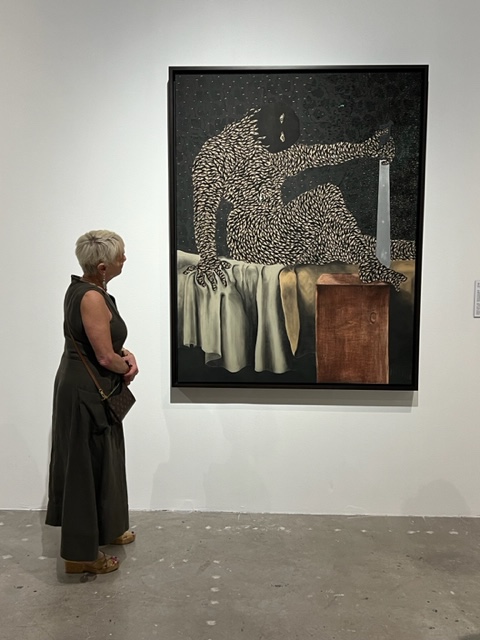















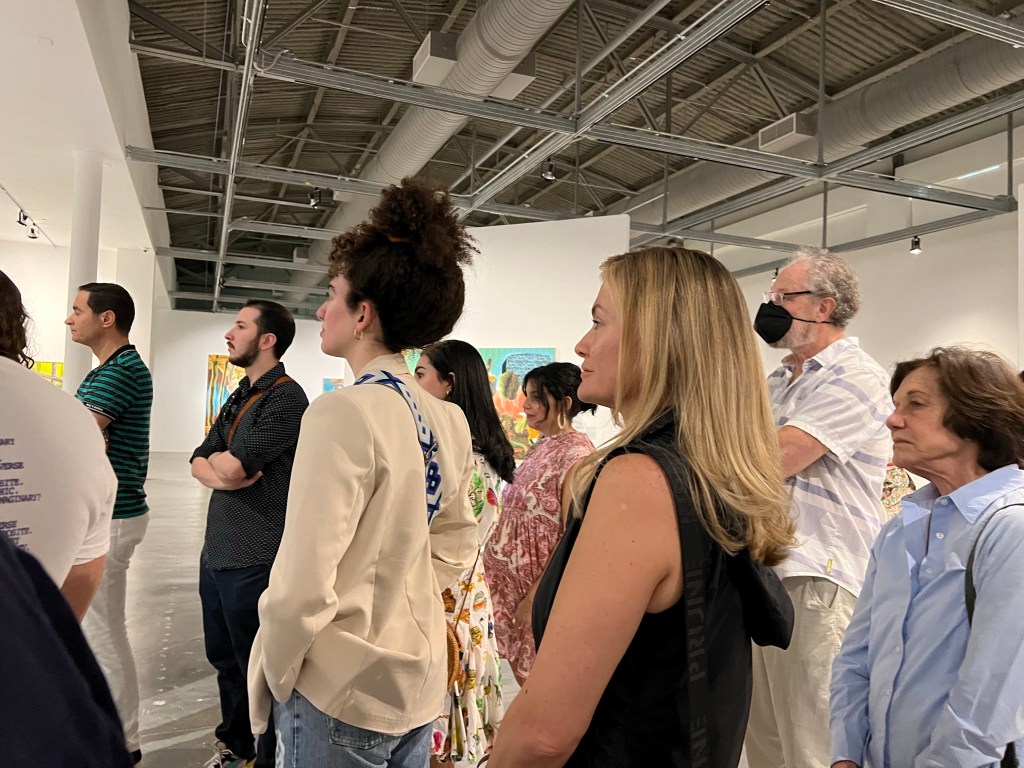

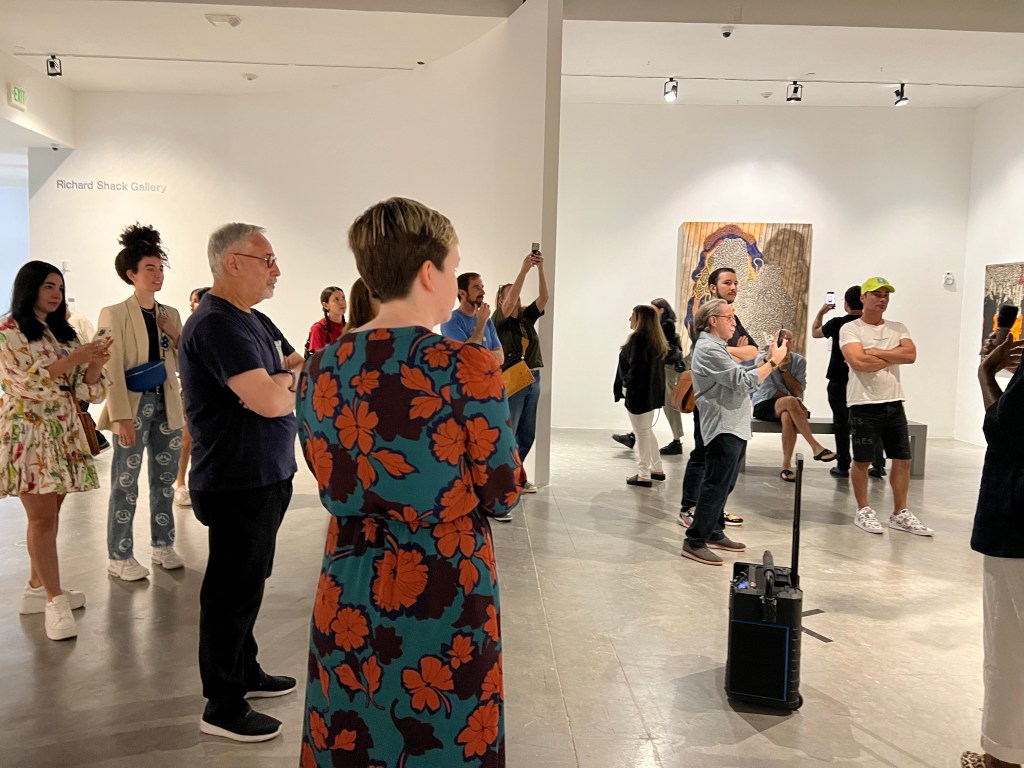









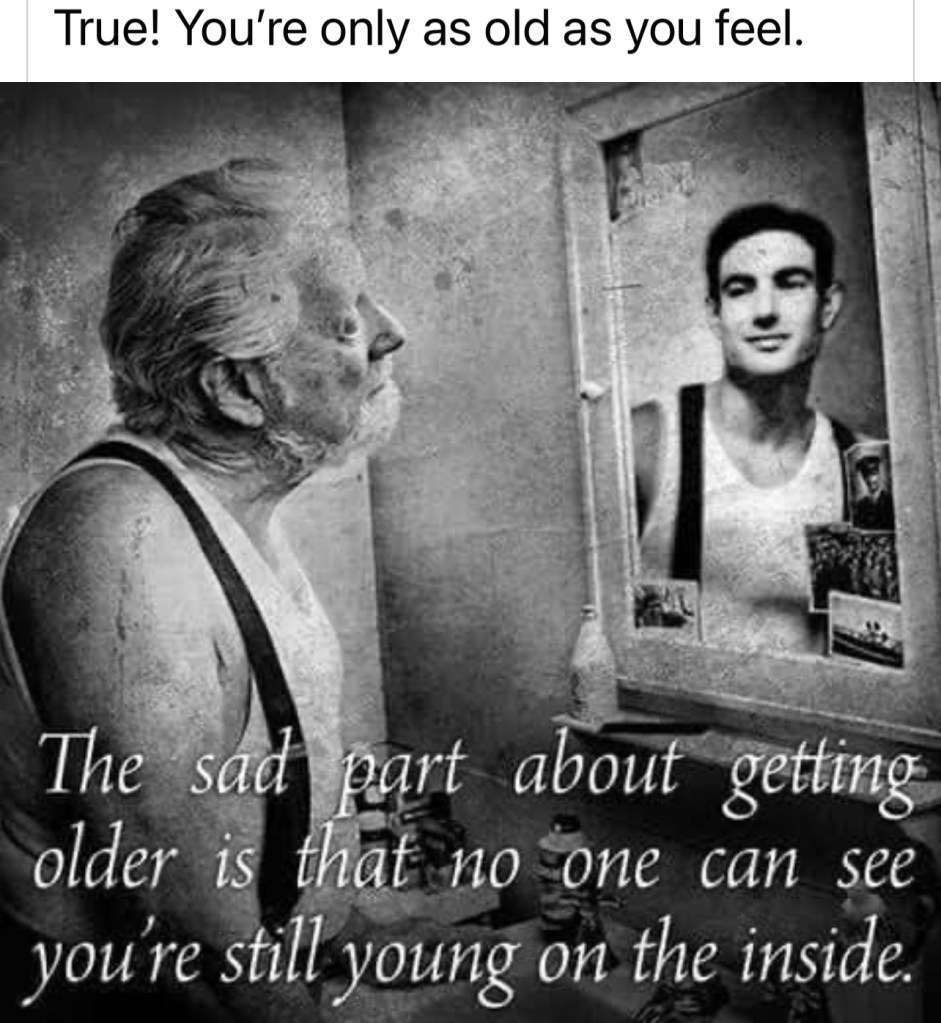





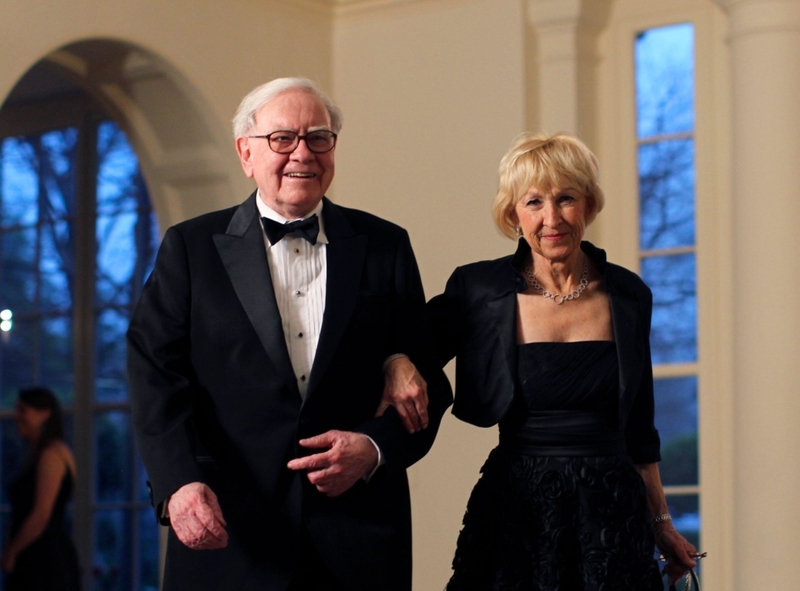




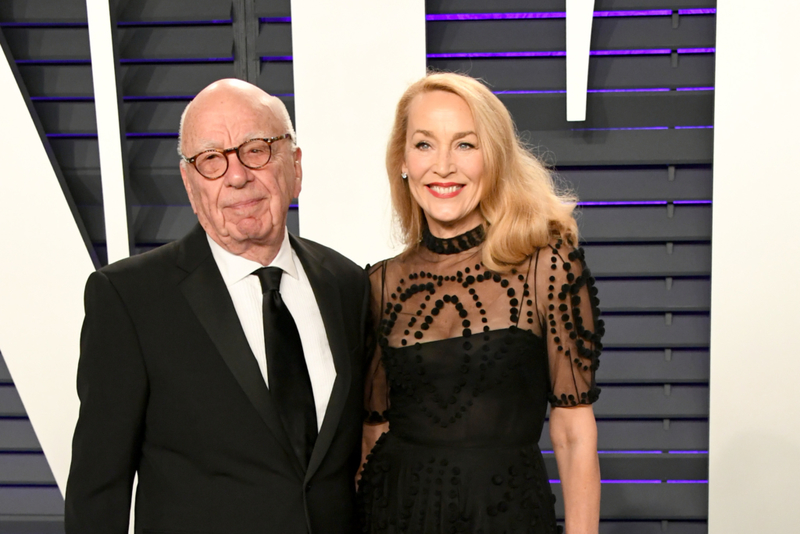




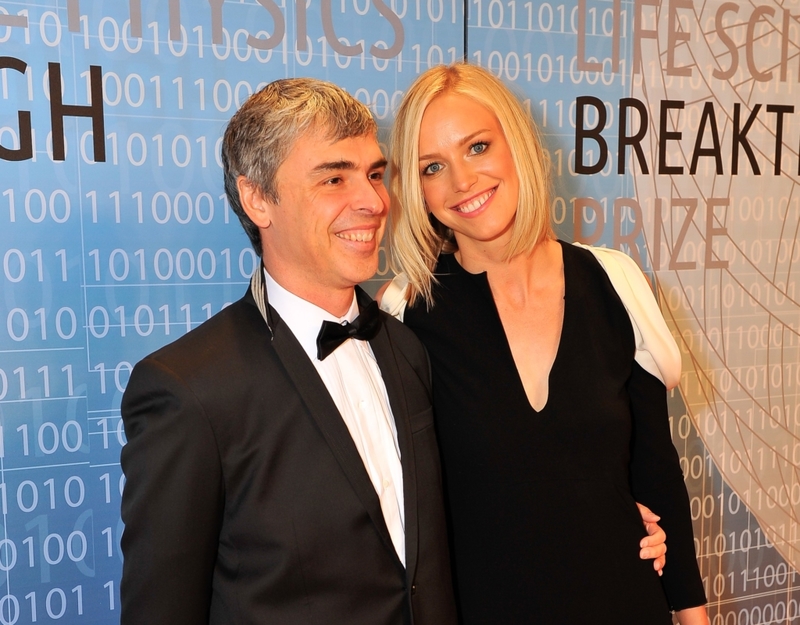






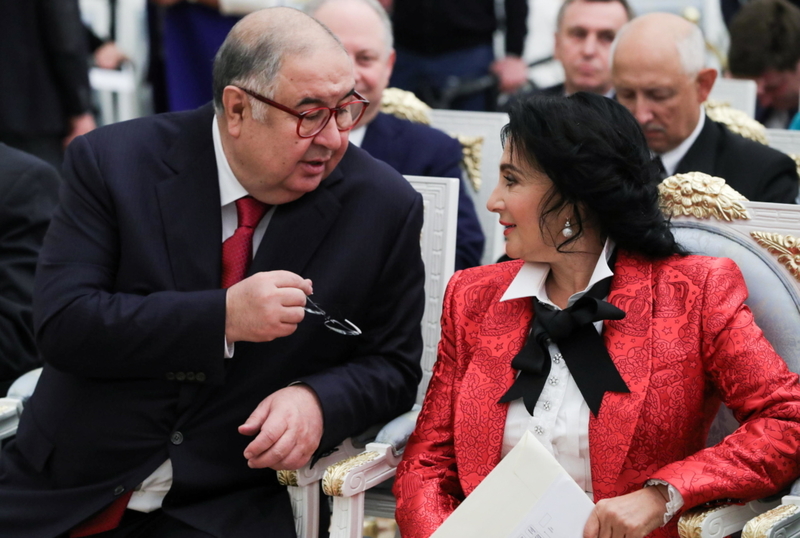
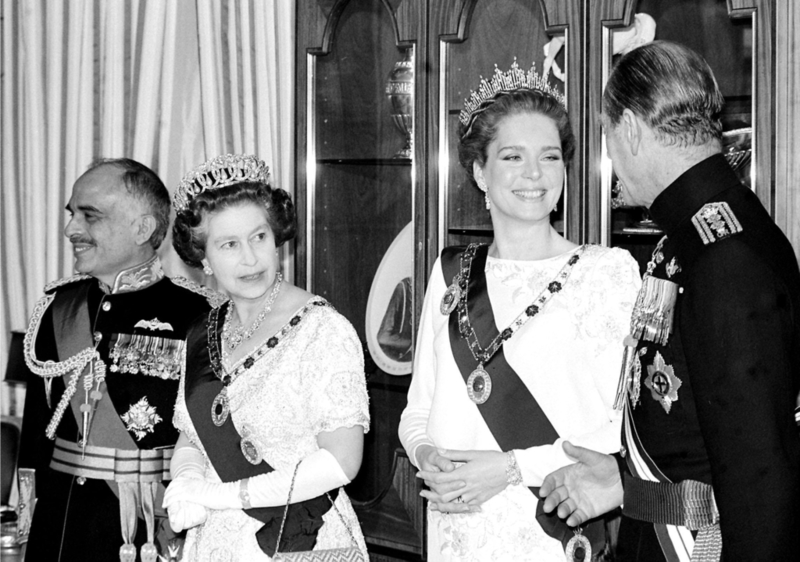



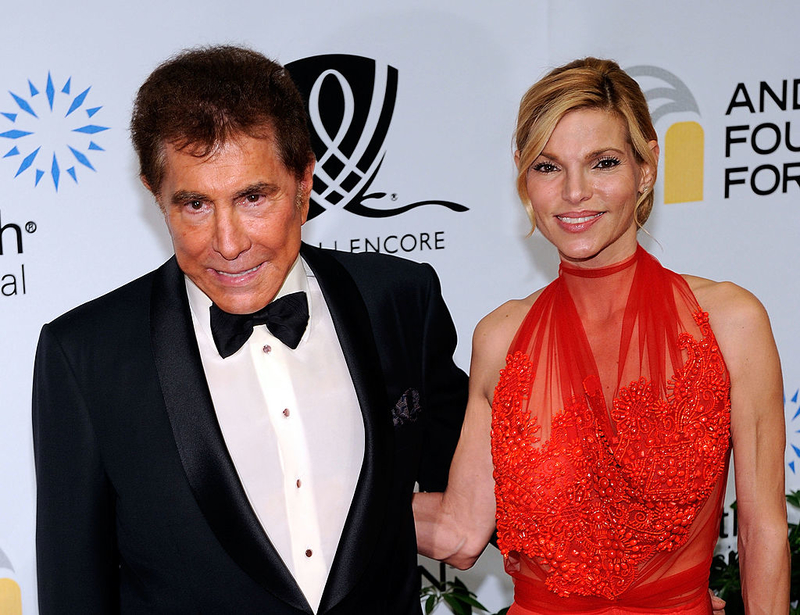

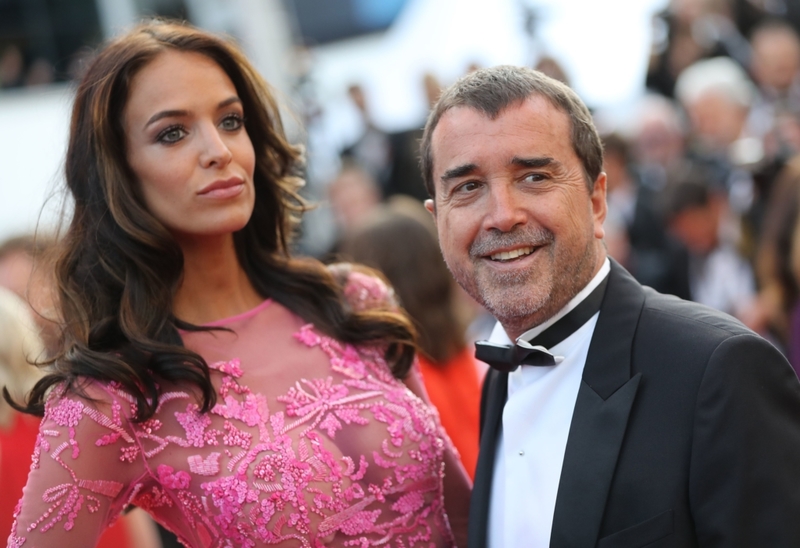

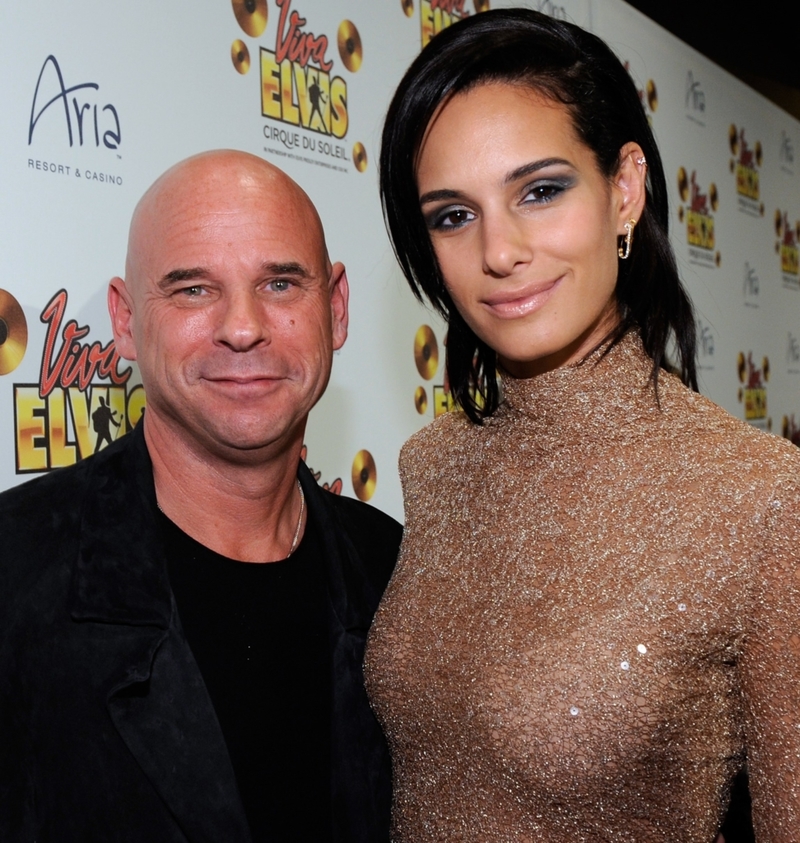
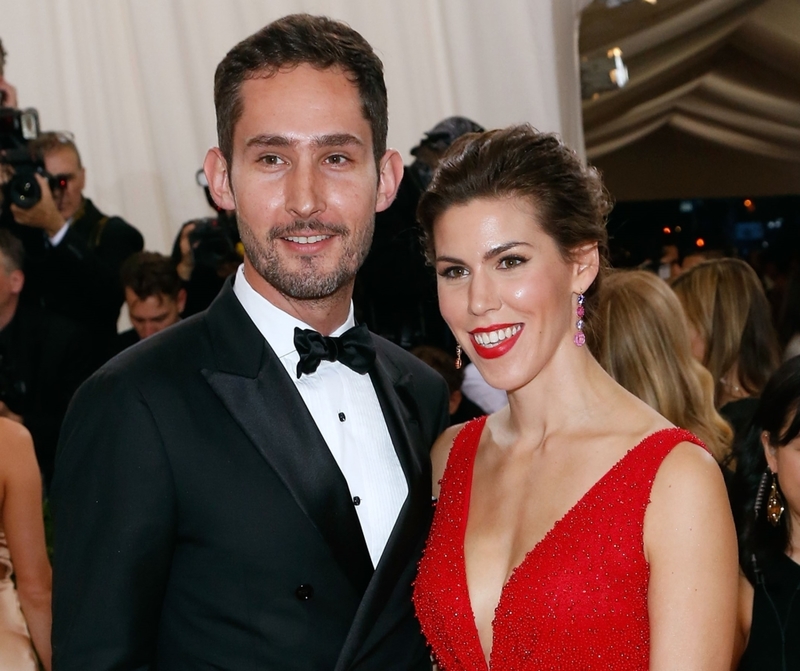

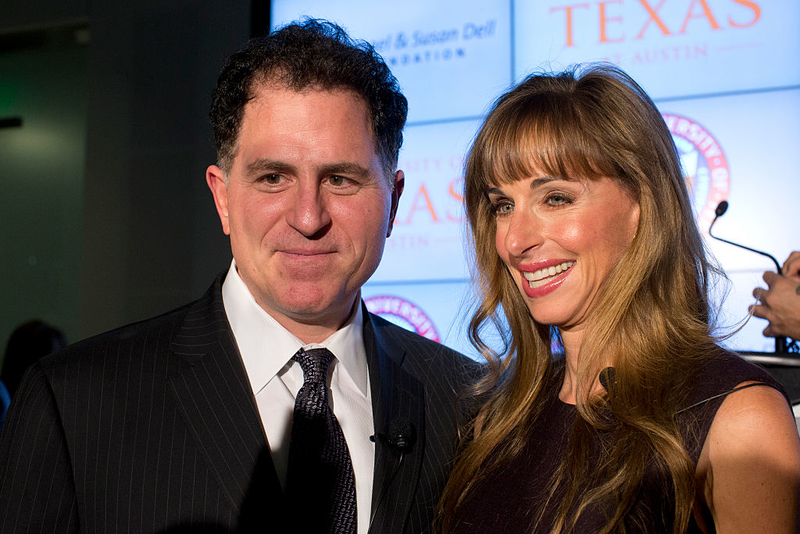


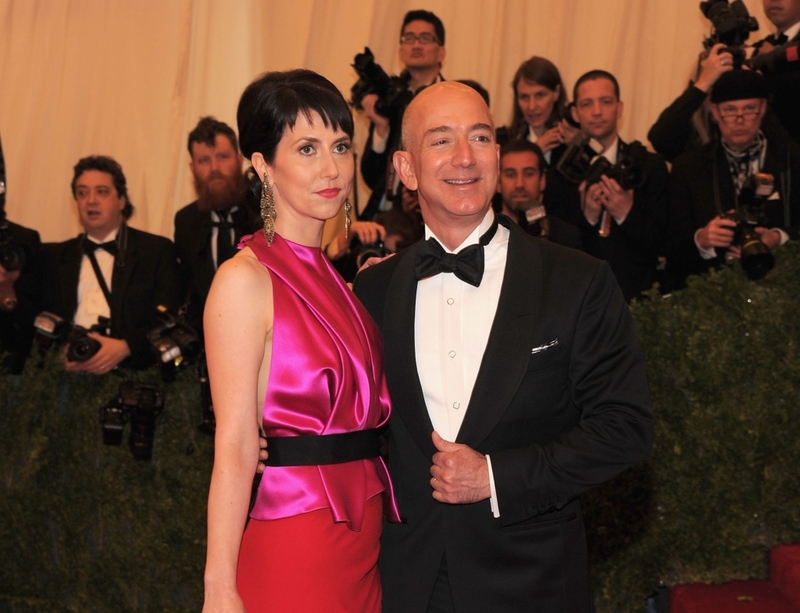
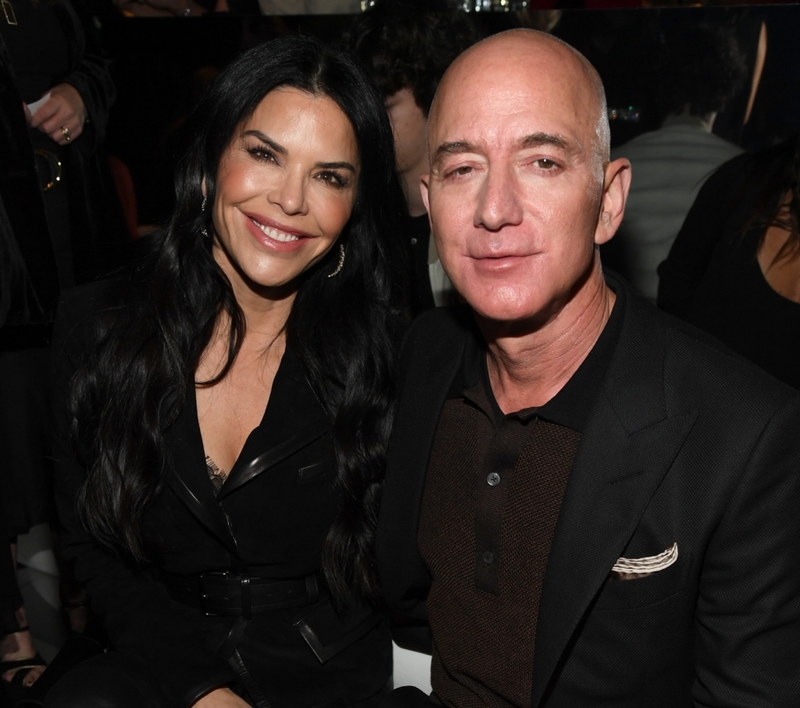


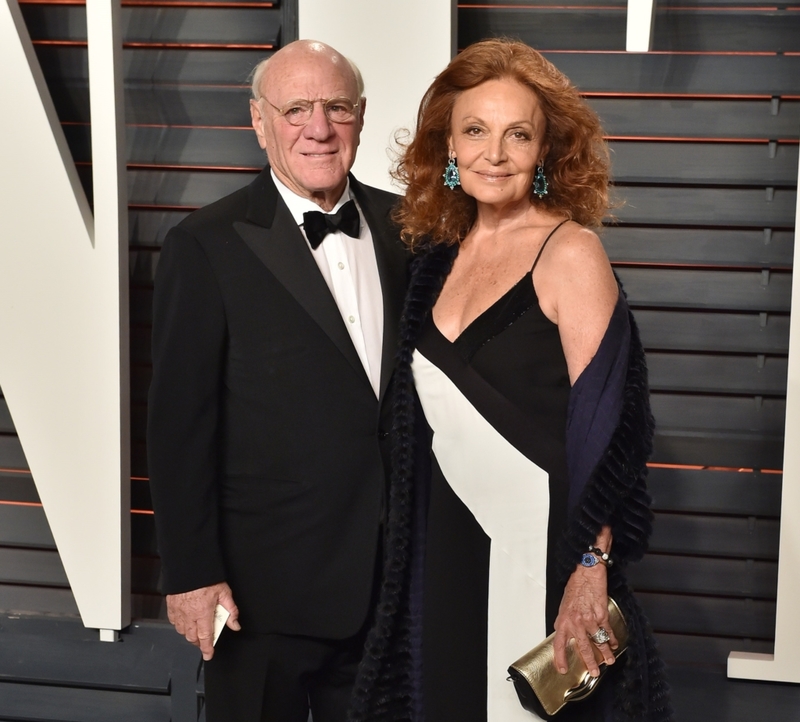


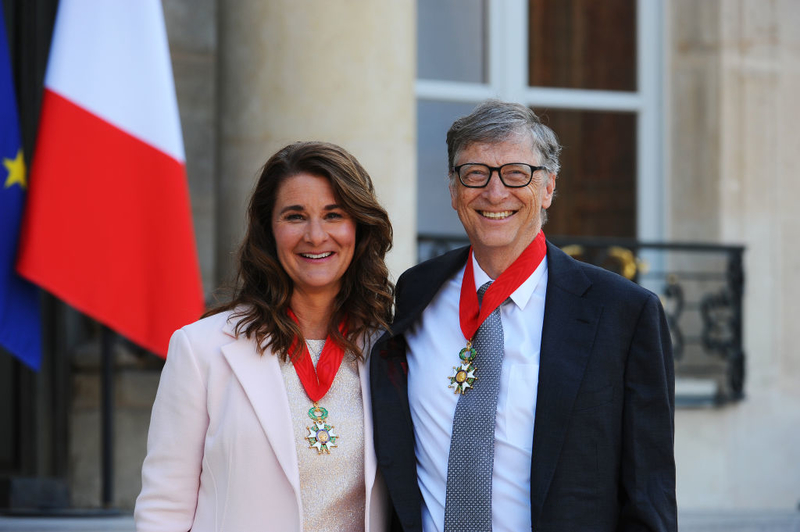

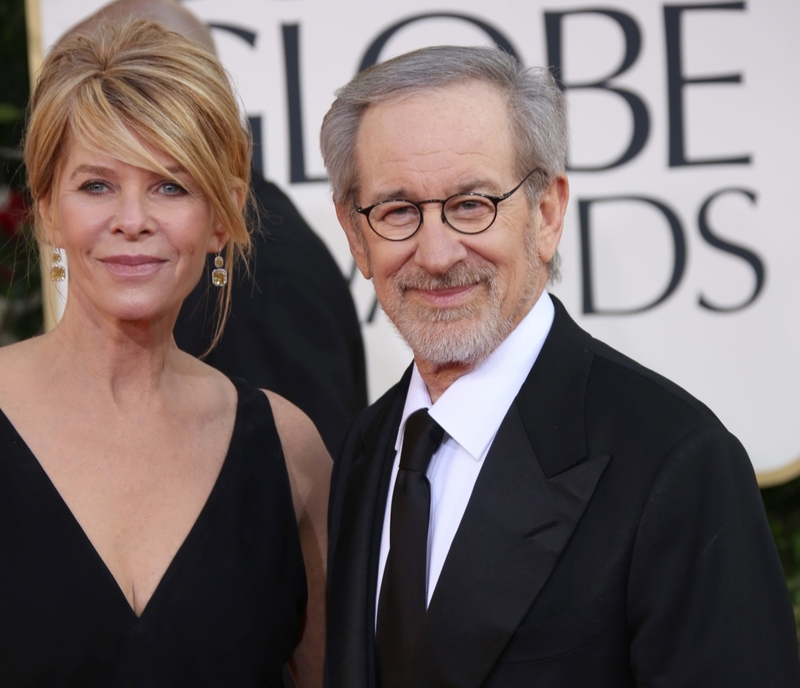


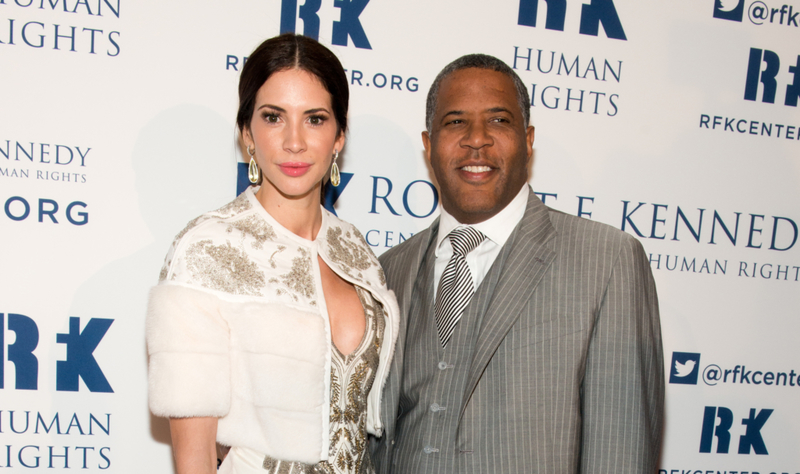


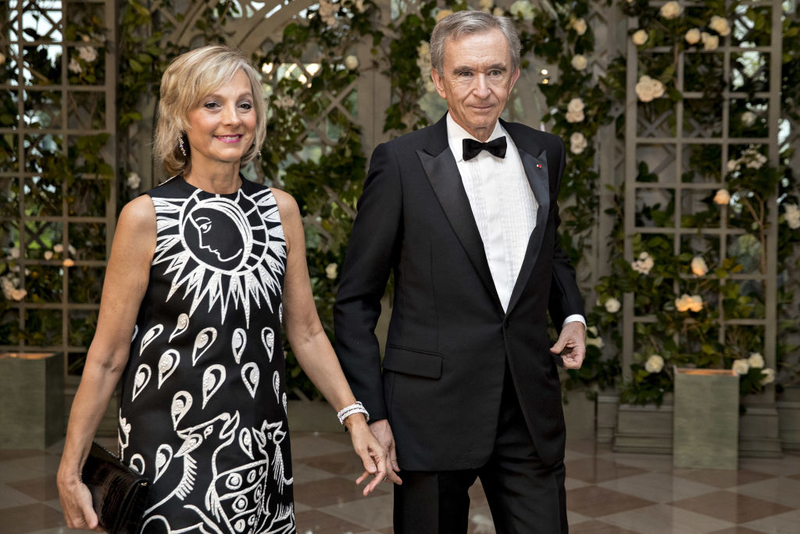

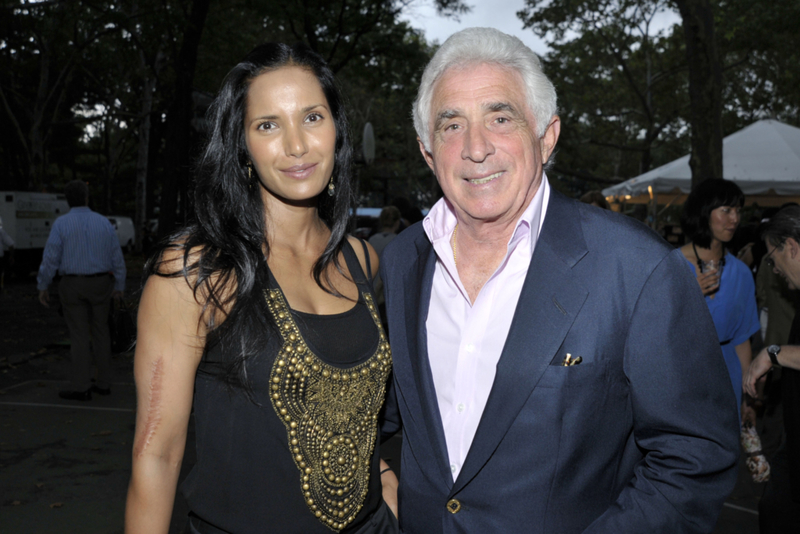
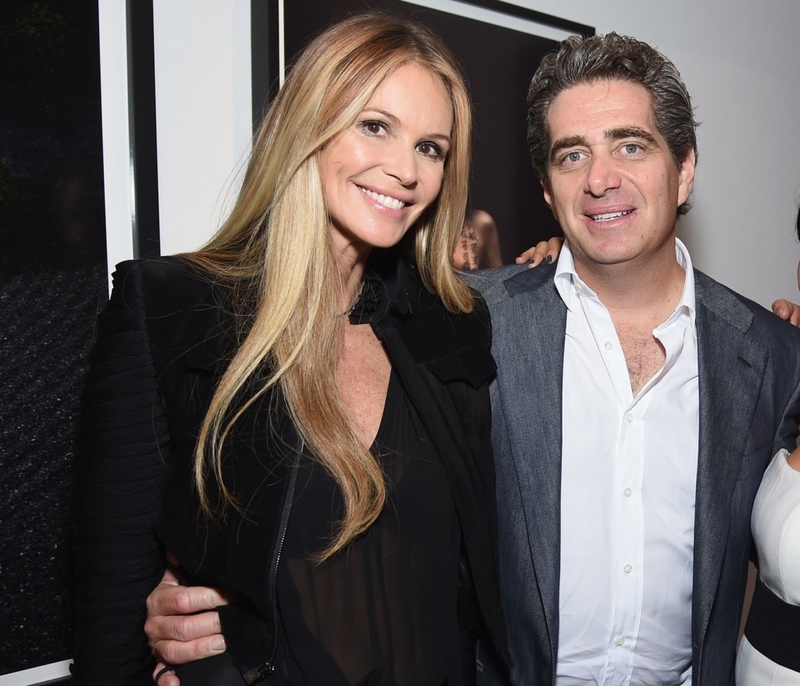

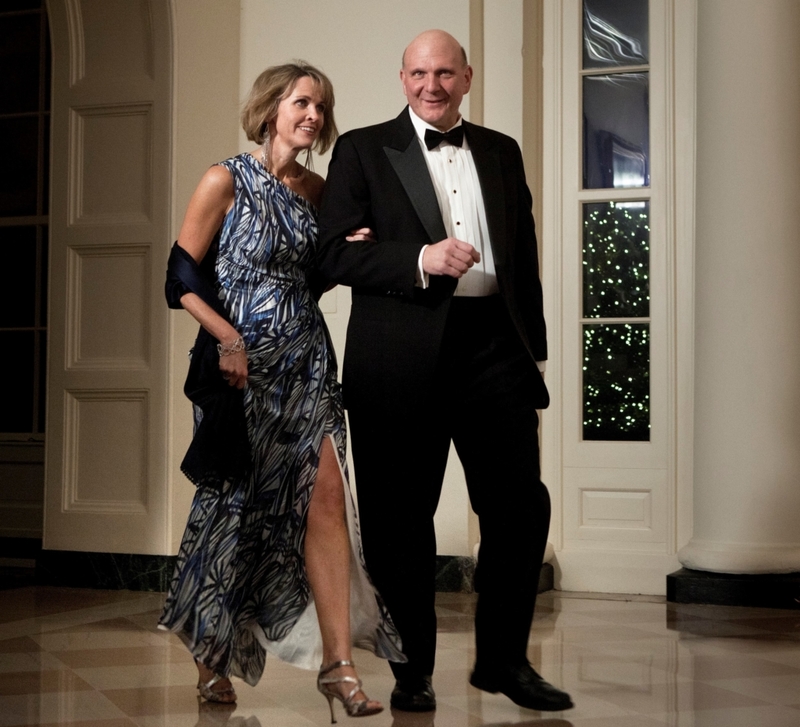
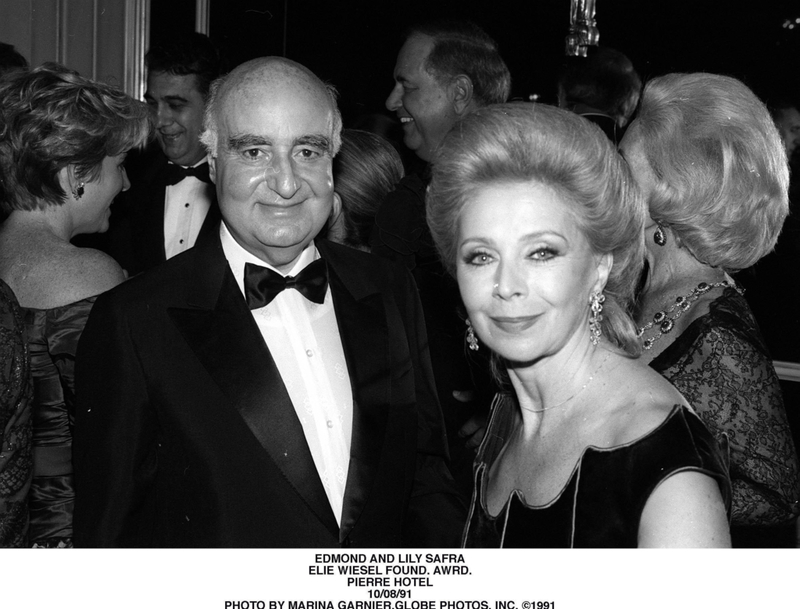


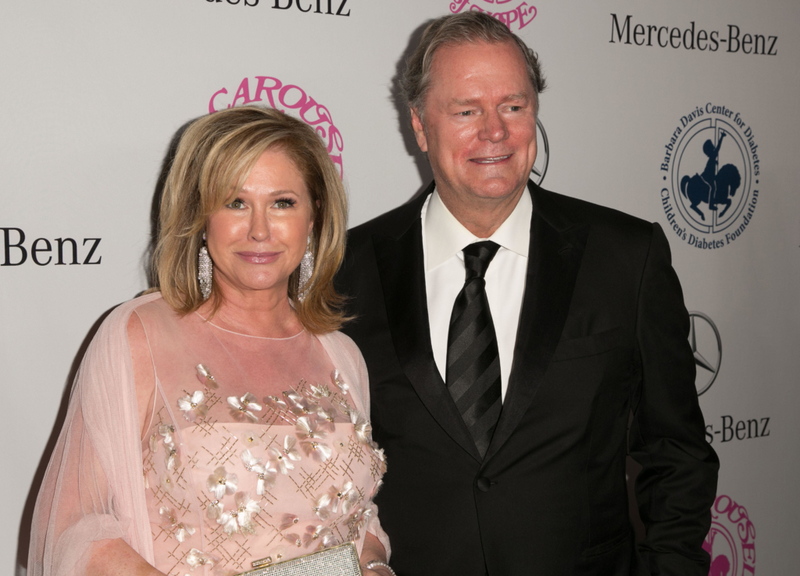

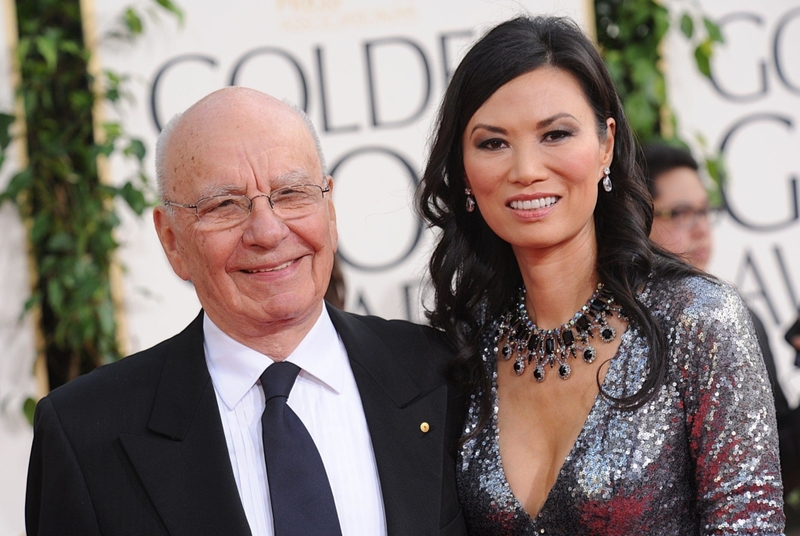
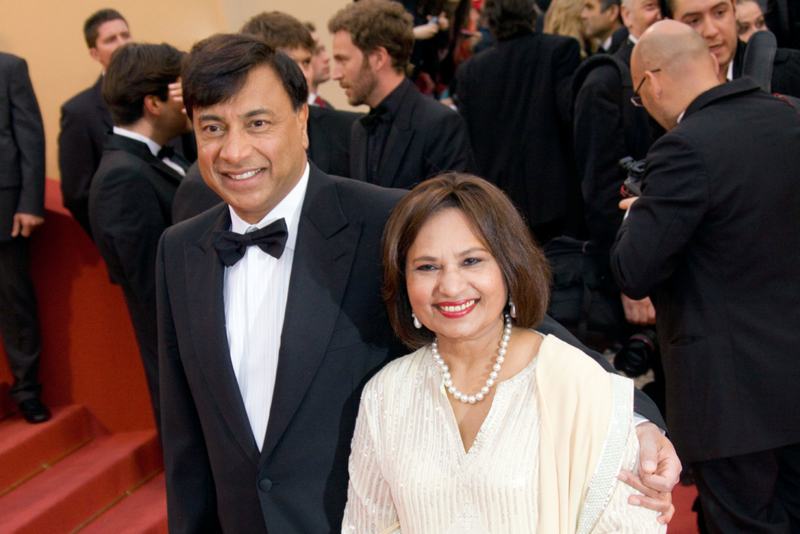

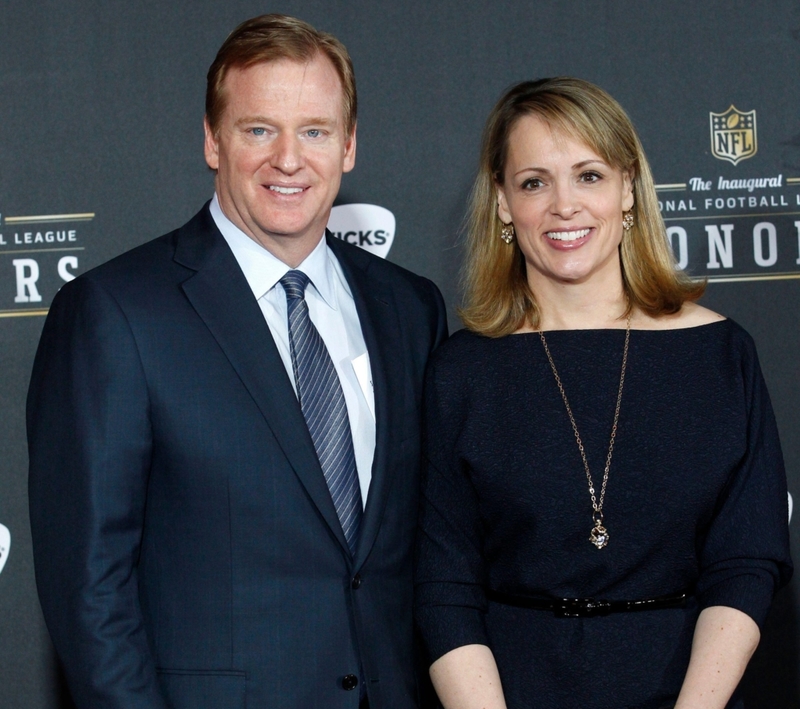




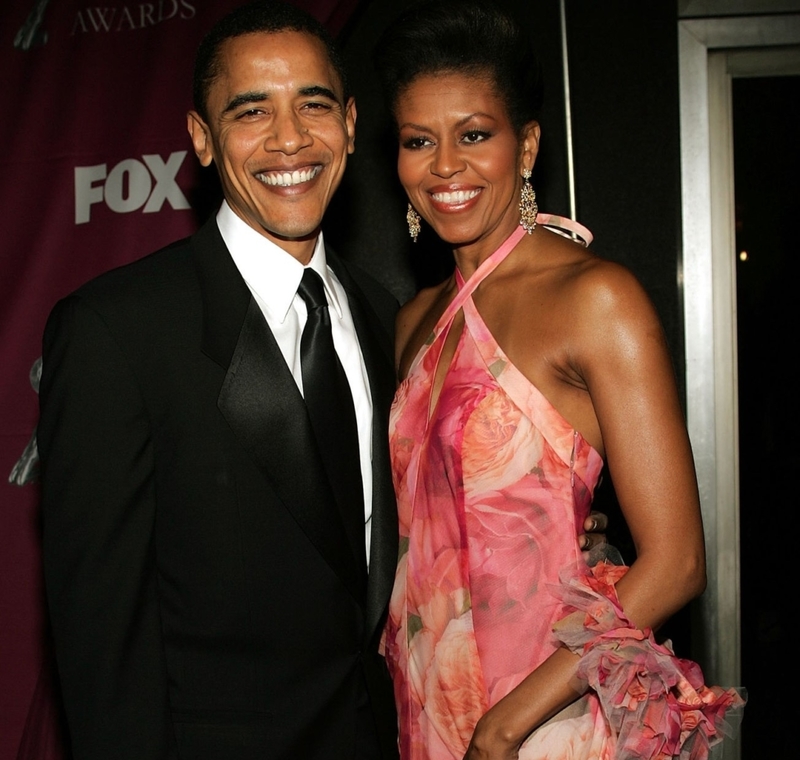
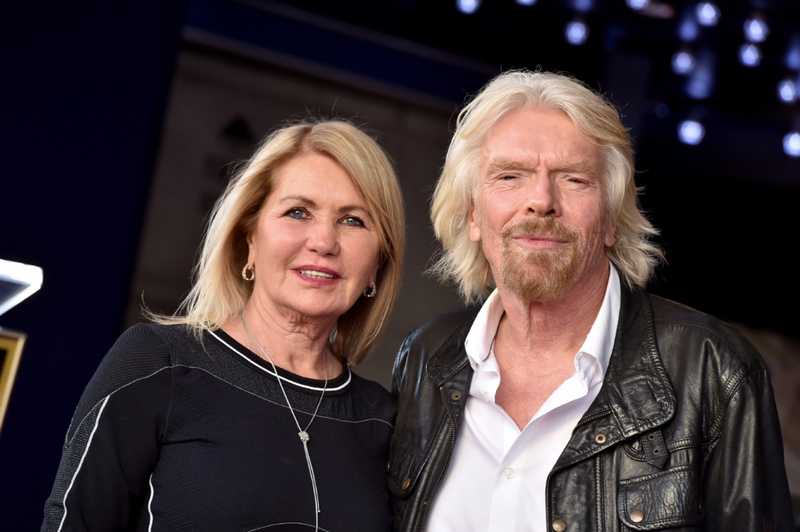

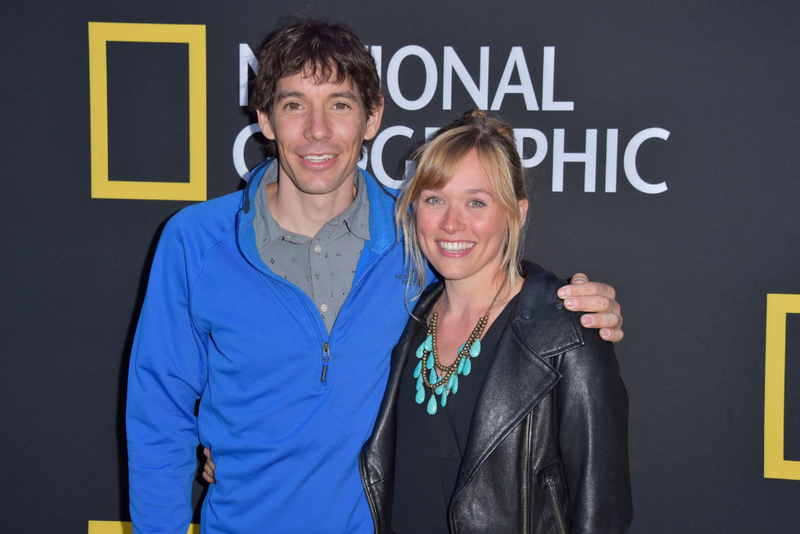



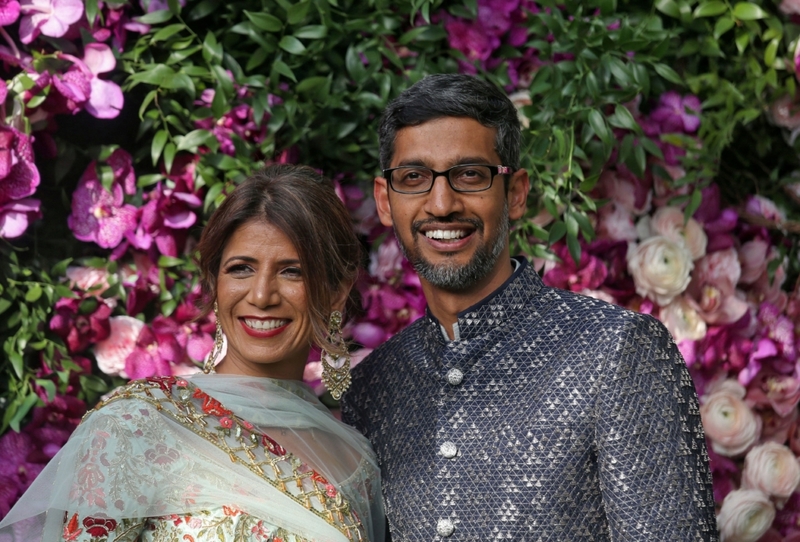


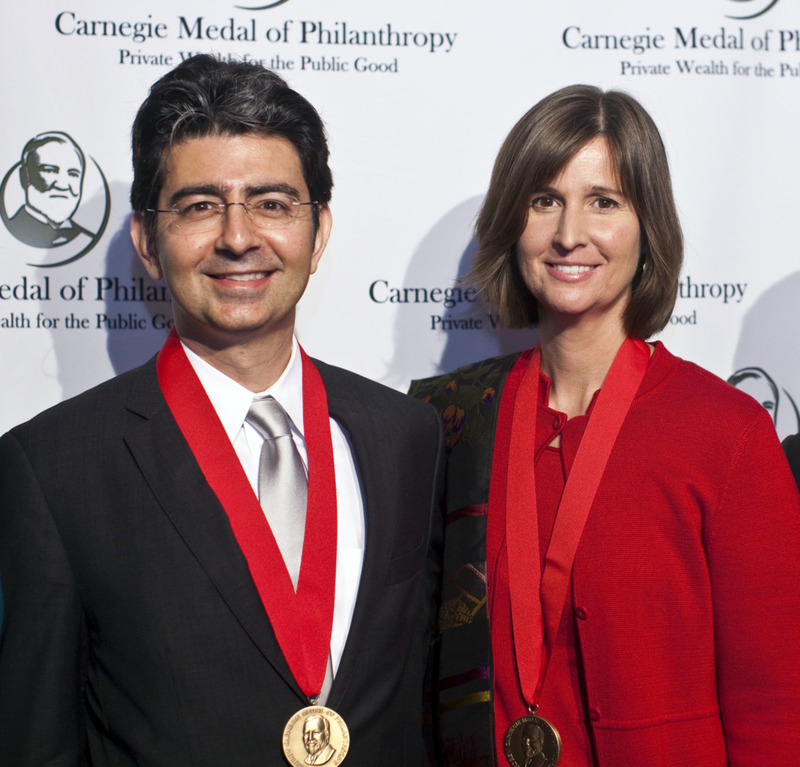






































 DigiDame