So acceptable then. So unacceptable today. Thank you Michael Sommer for reminding us that we have progressed, even though most days it doesn’t feel like it.


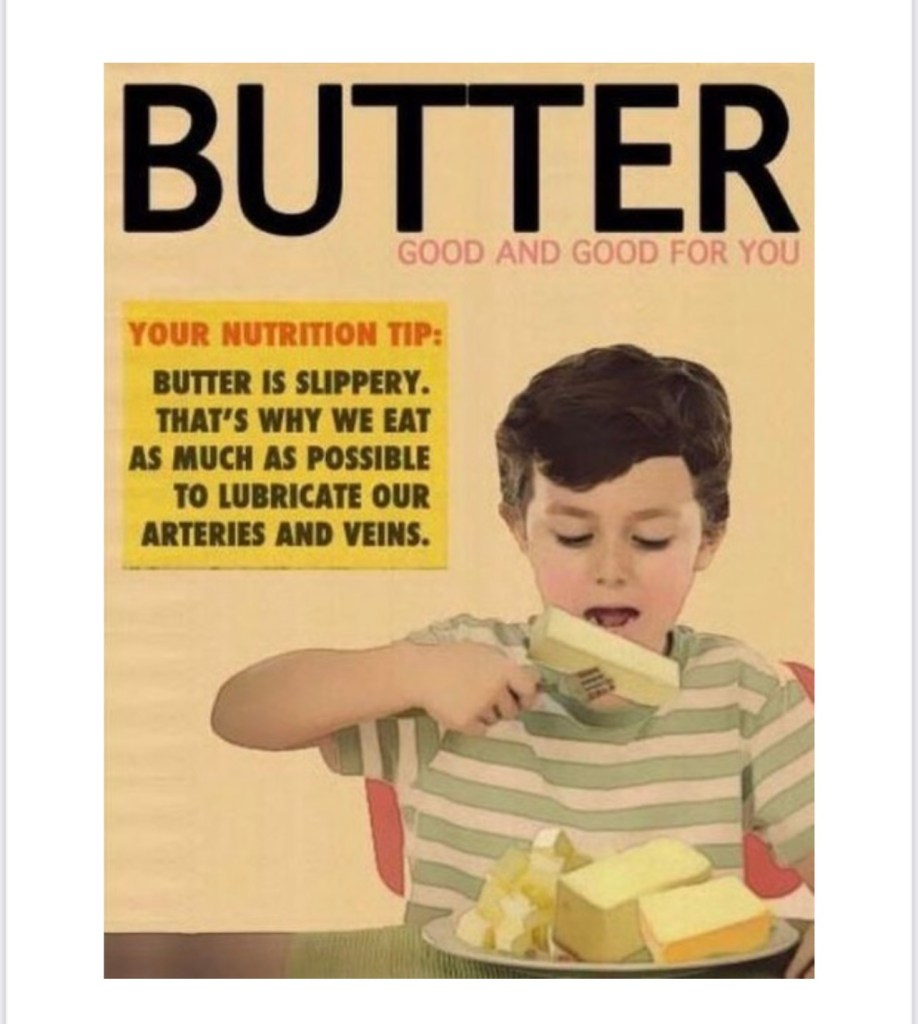
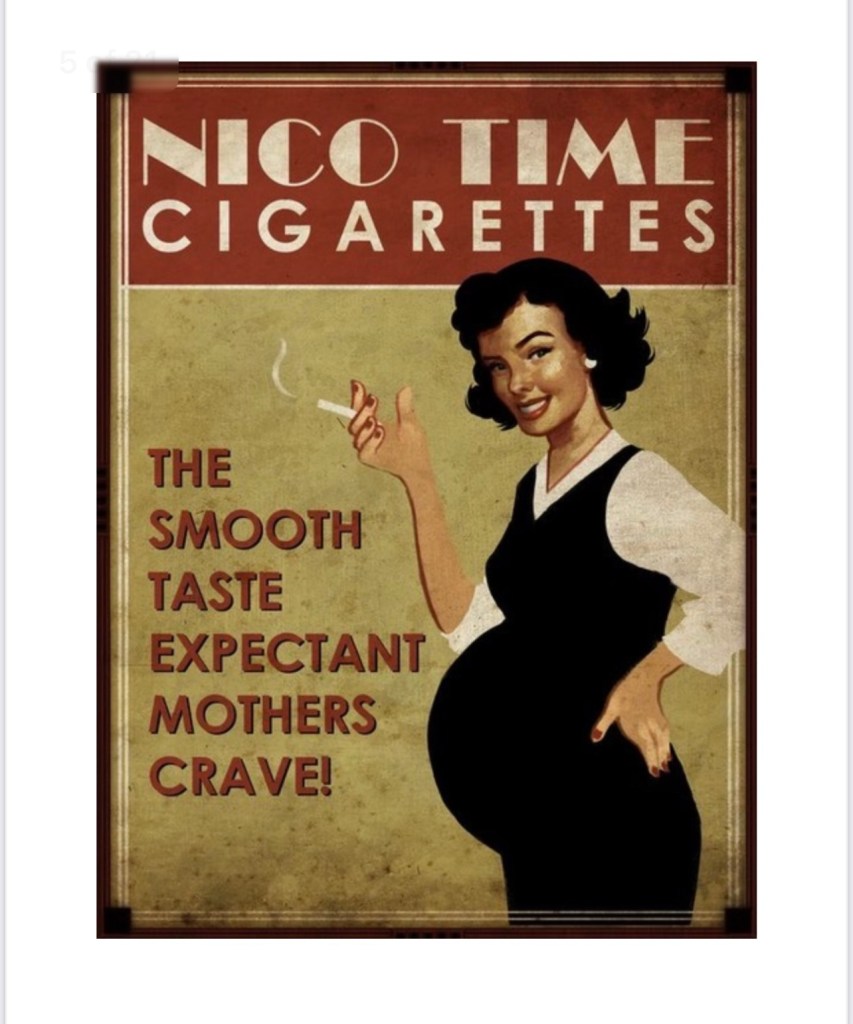
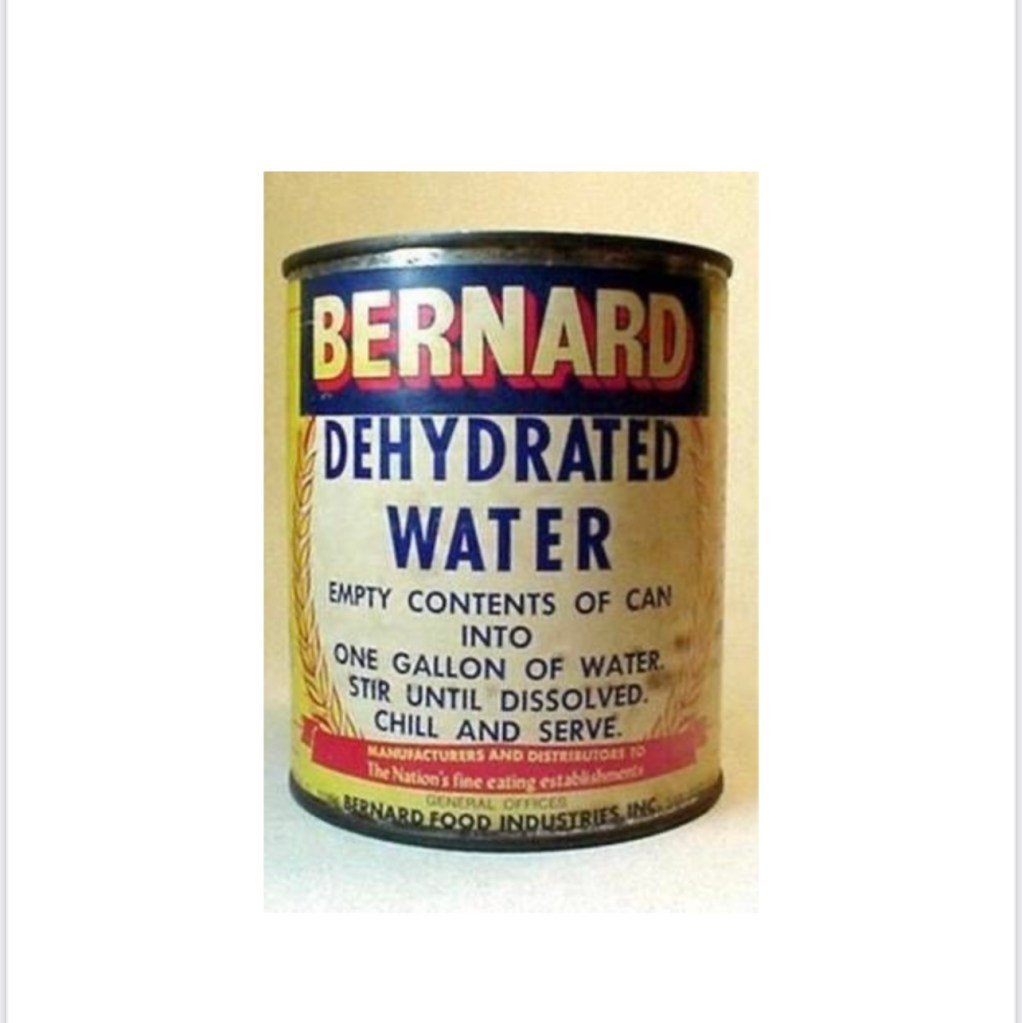

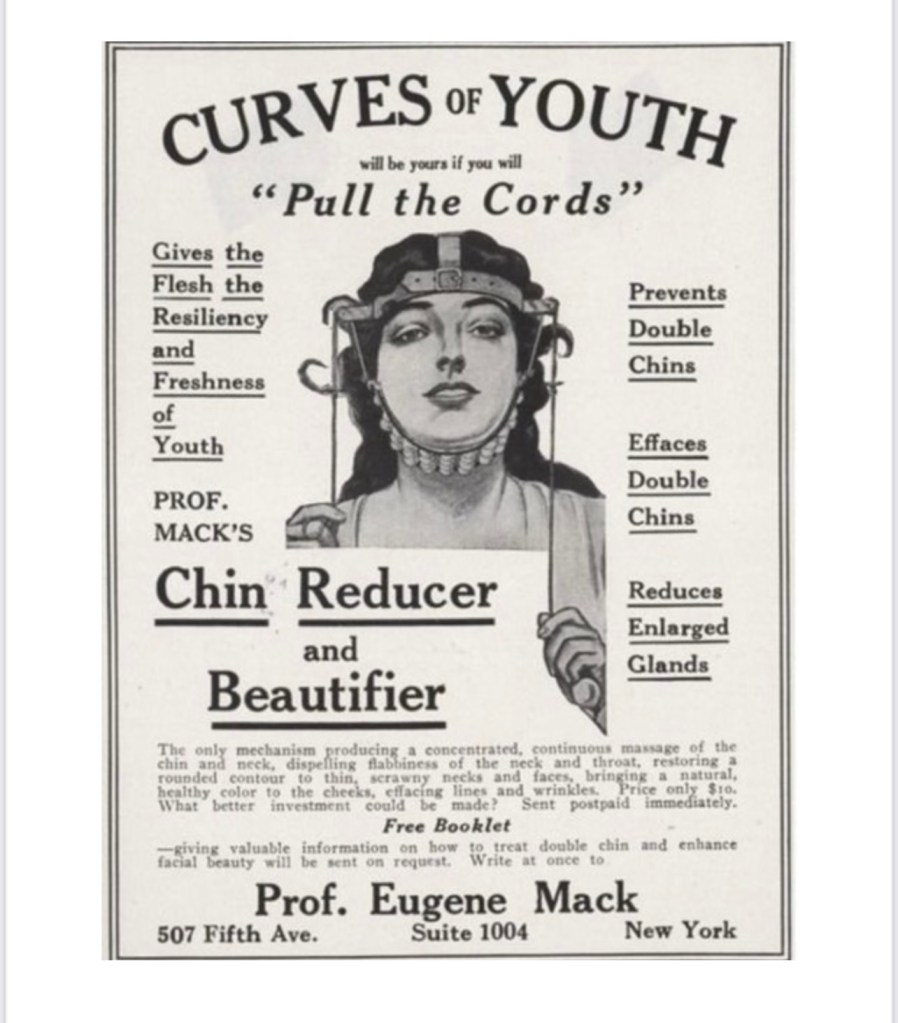

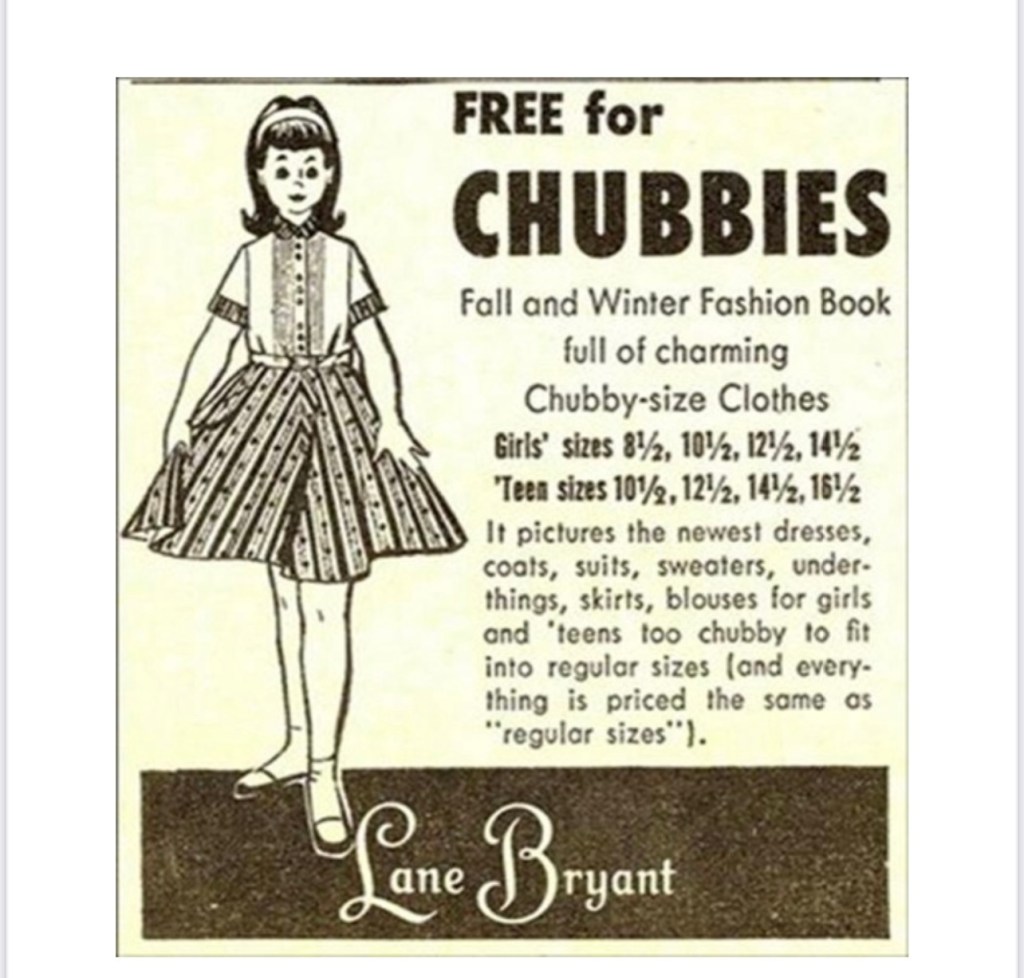
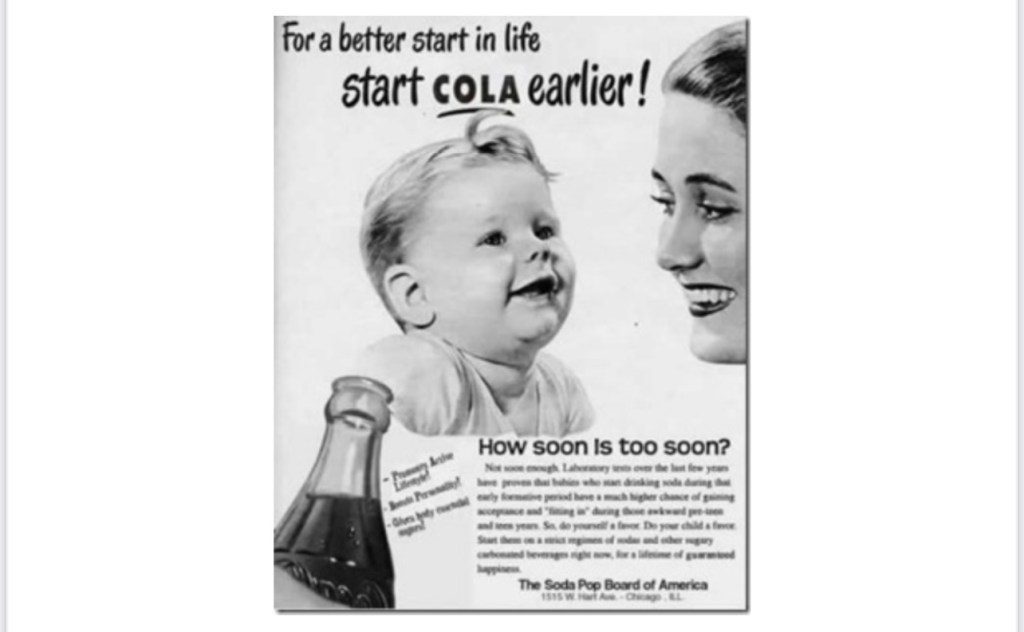
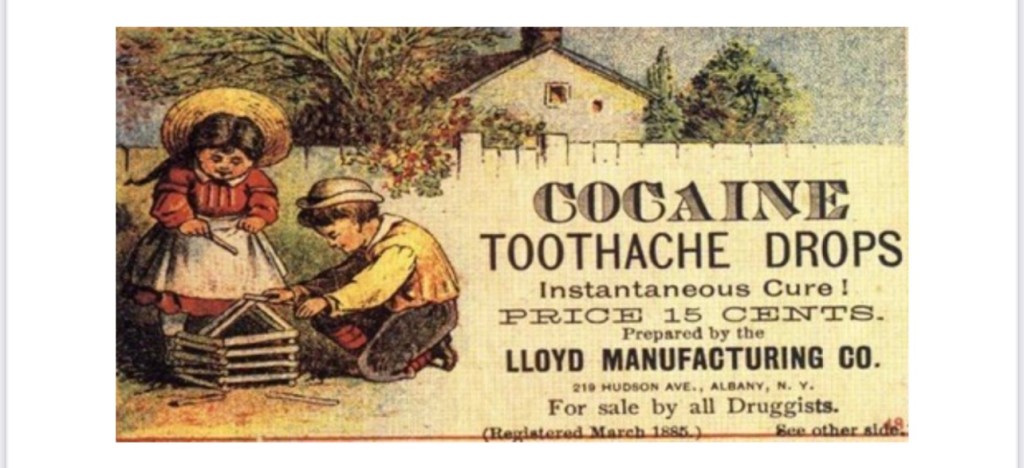

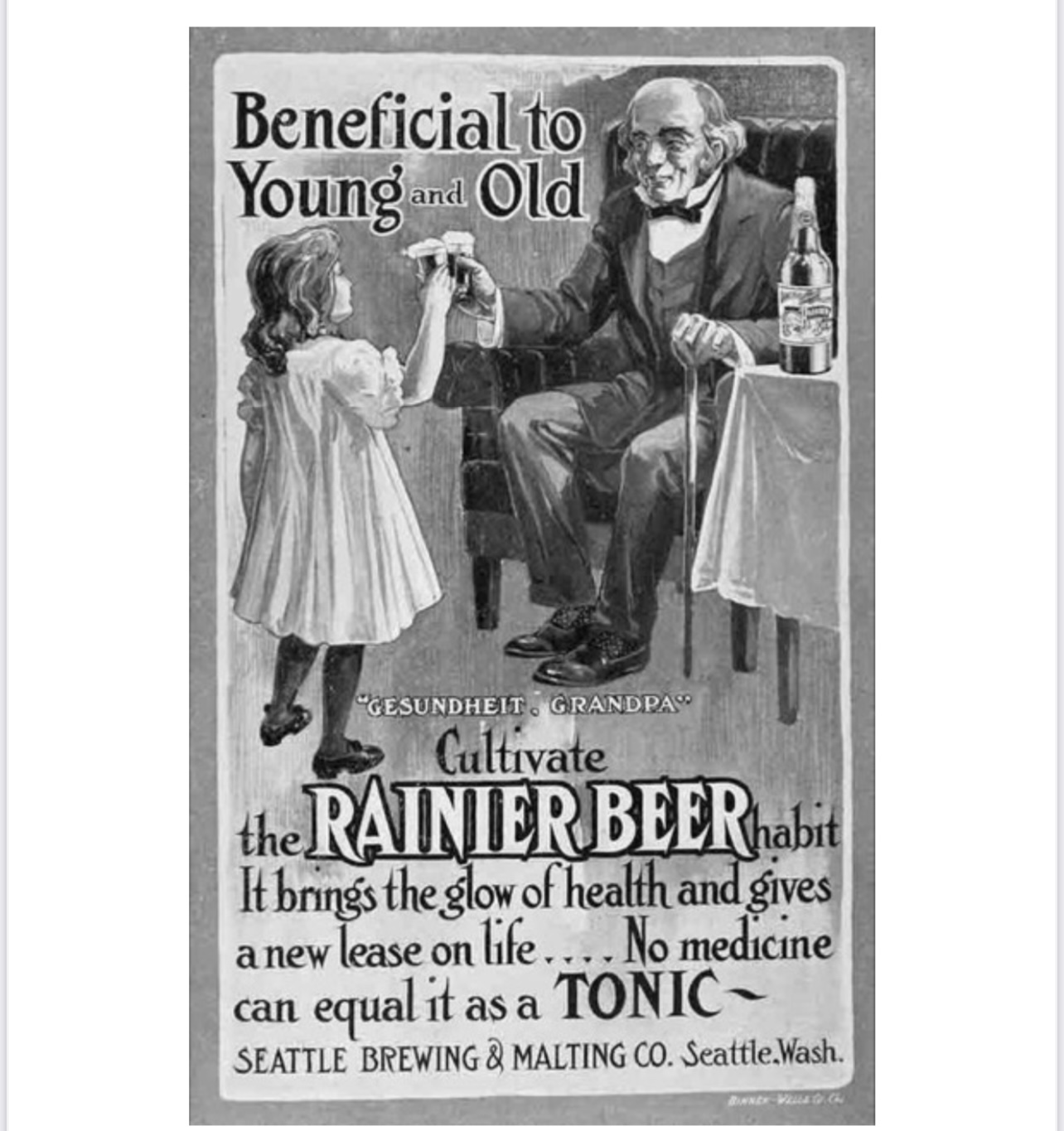

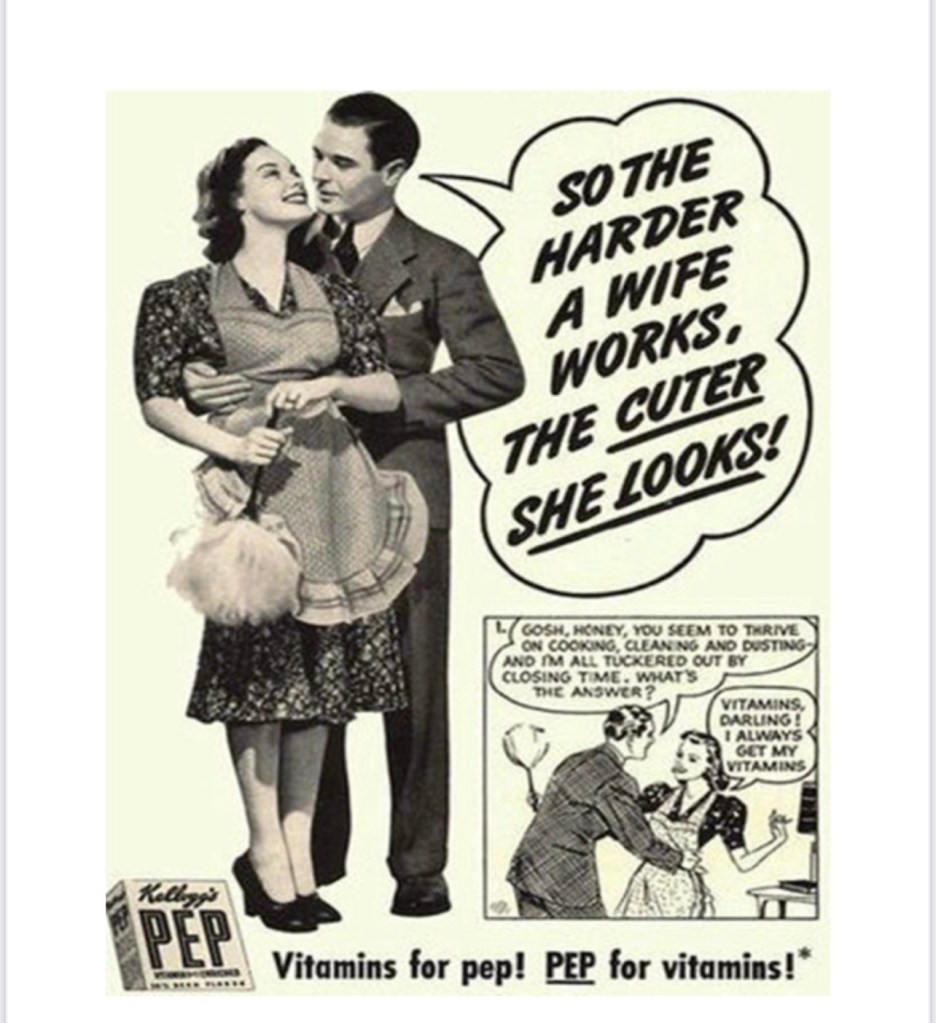

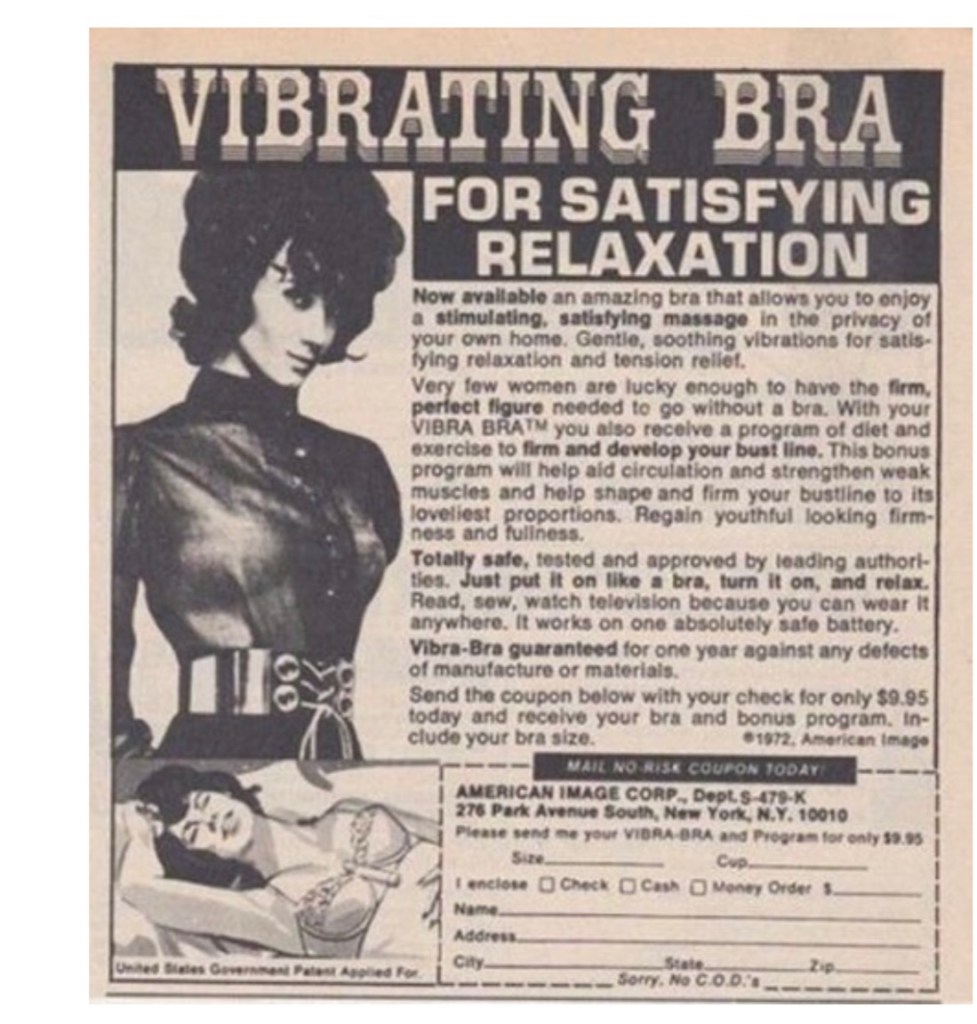
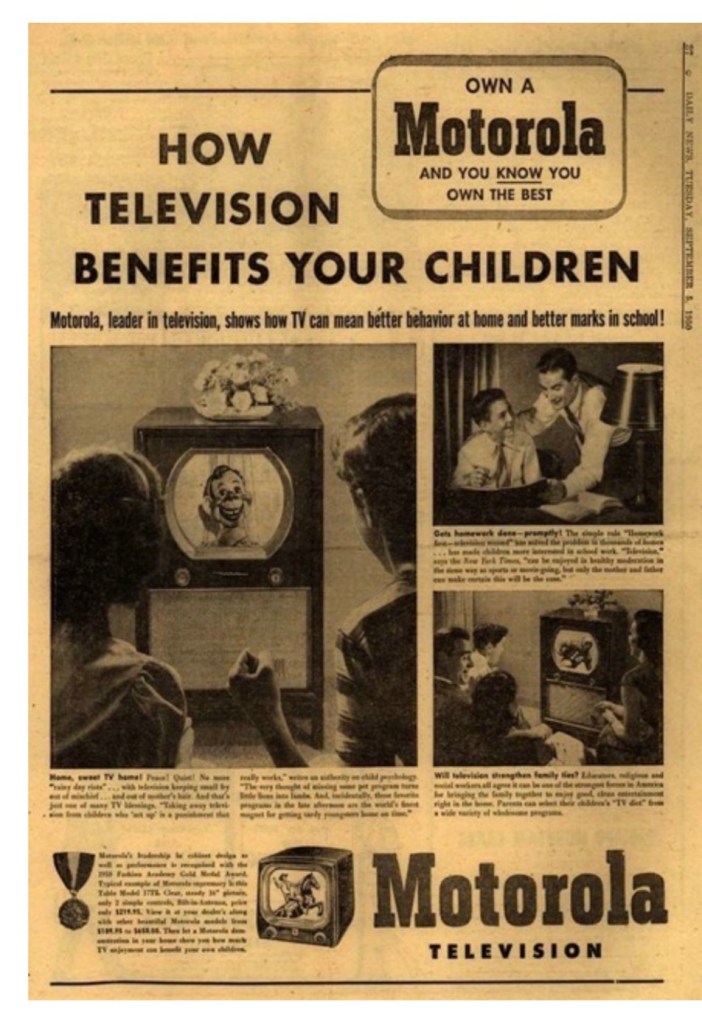


So acceptable then. So unacceptable today. Thank you Michael Sommer for reminding us that we have progressed, even though most days it doesn’t feel like it.
.
————————————————————————-
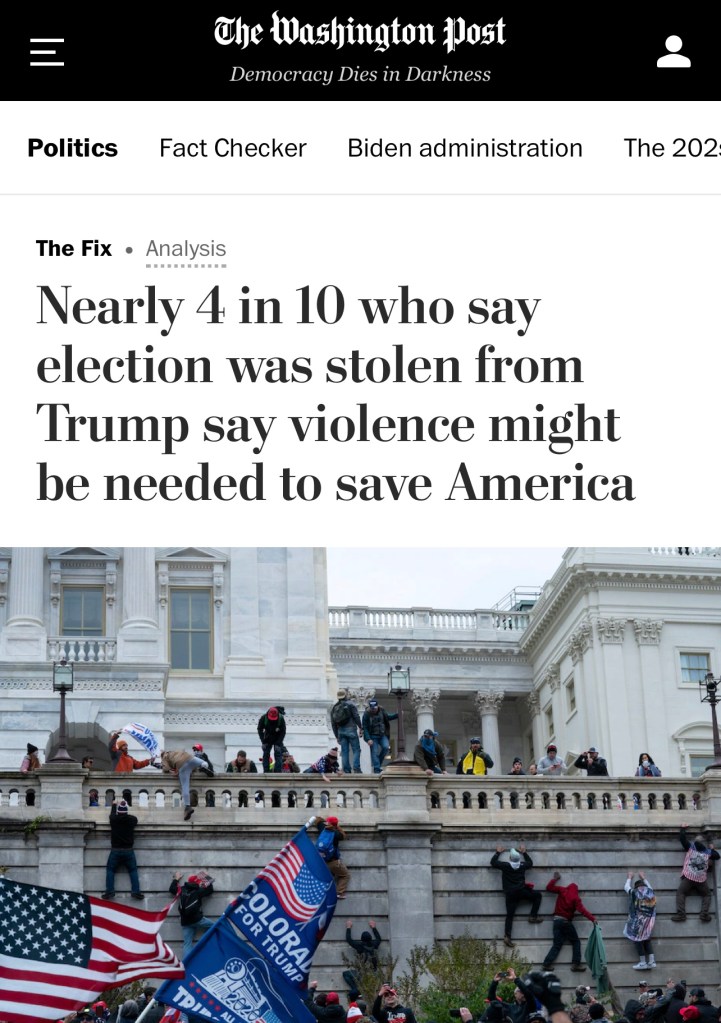
————————————————————————-
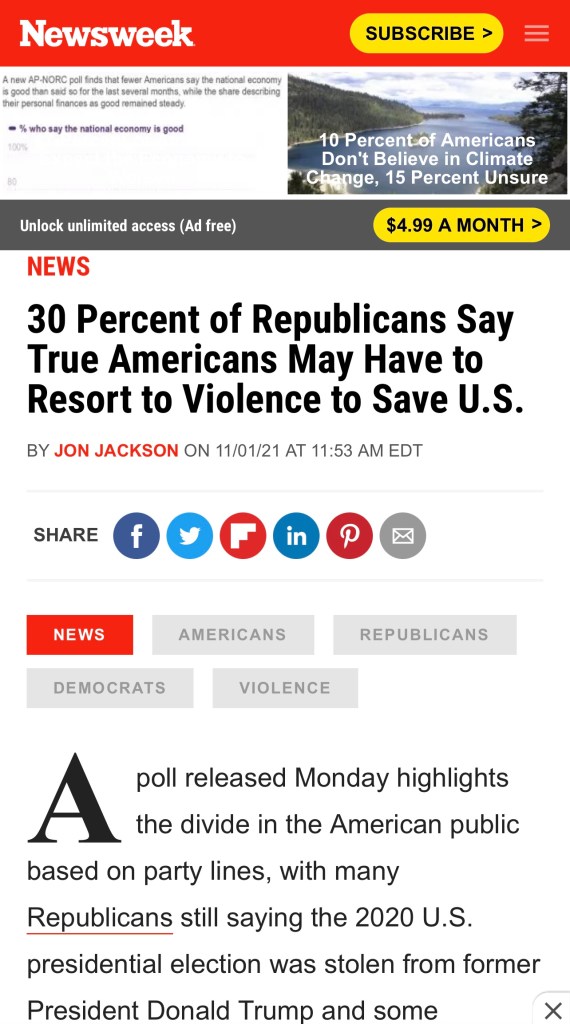
————————————————————————

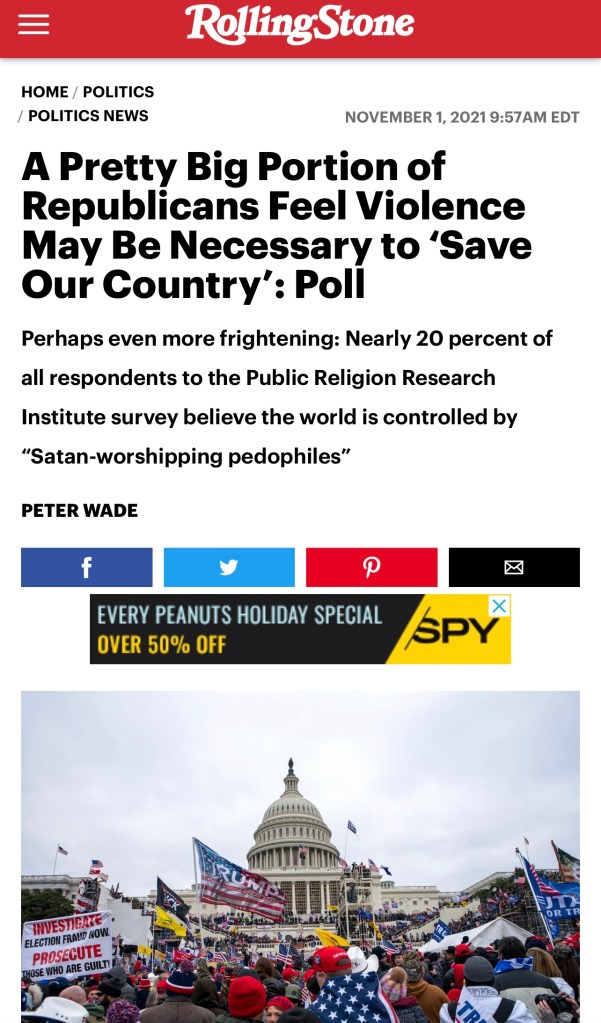
https://amp.theguardian.com/us-news/2021/nov/01/republicans-violence-save-us-poll
Eliot and I visited the museum last May with 20 other Fountainhead Arts members. At first family and friends asked me what the heck I was doing in Bentonville, Arkansas. This article explains it all.




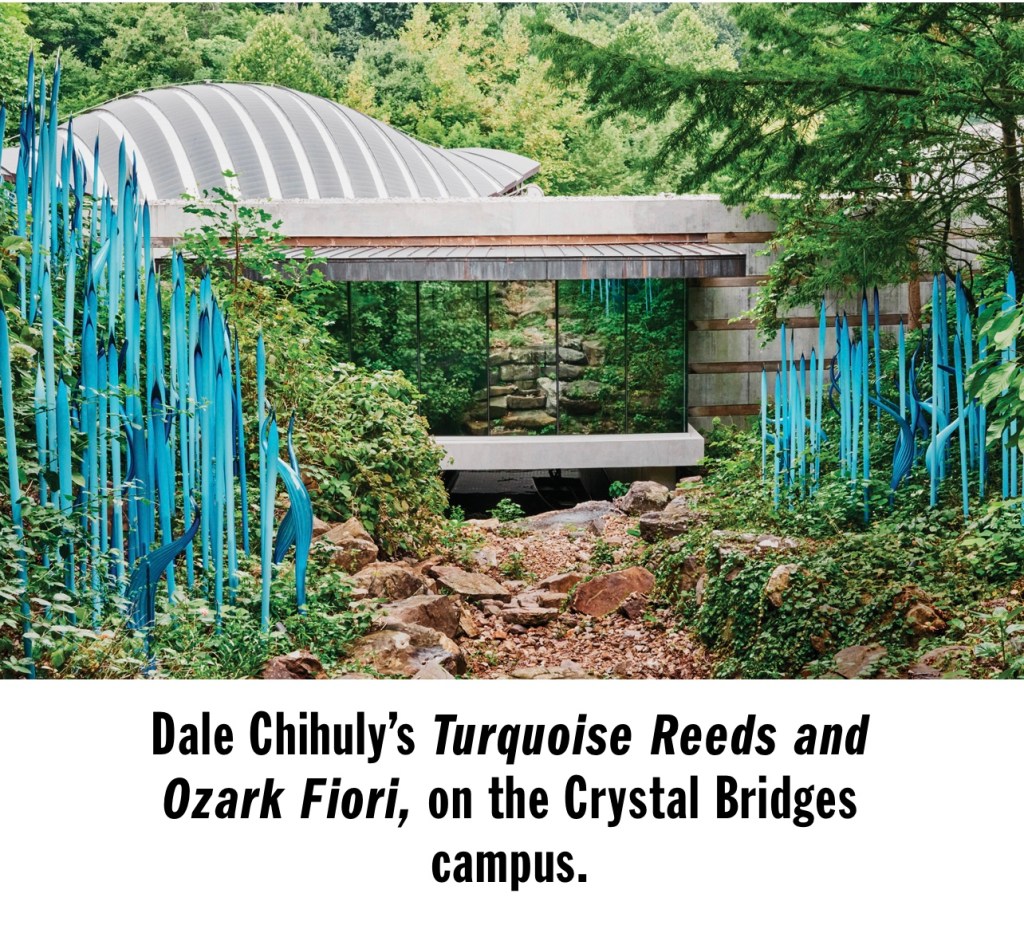


What’s in the Big Box?
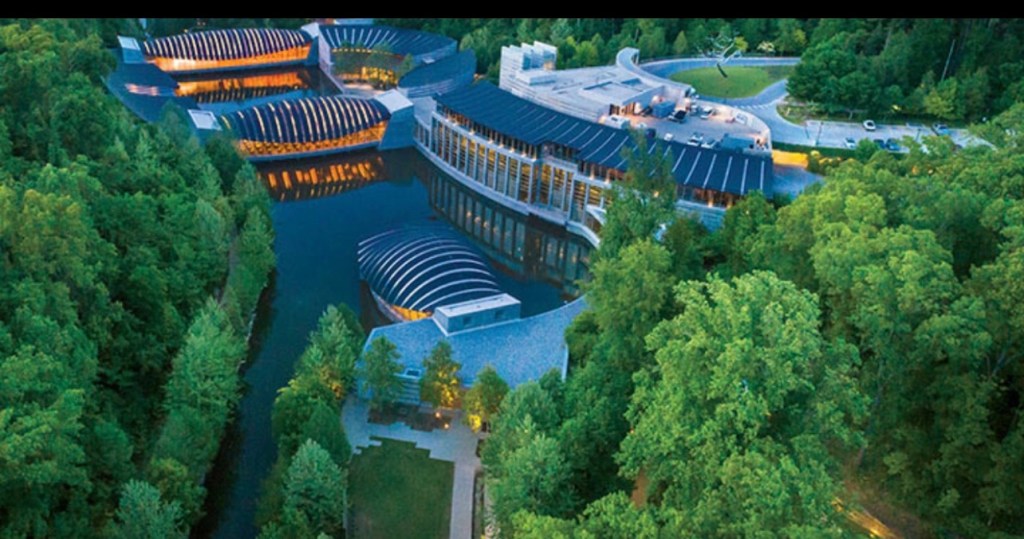
Louise Bourgeois’s Maman spider presides over the courtyard that leads to the south entrance to the Crystal Bridges Museum of American Art. It’s a fitting welcome to the 200,000-square-foot museum, in Bentonville, Arkansas, that is Alice Walton’s baby. Nestled on 120 acres of Ozarks forest, where young Walton and her brothers, heirs to the Walmart fortune, would ride horses and hike, the institution will celebrate its 10th anniversary this month and embark upon a vast expansion, both of the museum and of Walton’s philanthropic vision. Within the next year, Walton will oversee the addition of 100,000 square feet of galleries, educational facilities, and event spaces, as well as the construction of a headquarters for her Art Bridges foundation, which seeks to expand access to American art across the nation, and for her Whole Health Institute, an endeavor focused on holistic health and well-being.
.
Bourgeois’s arachnid matriarch is fitting in another way, as Walton’s love of art and philanthropy began with her own mother, Helen. Over nearly 50 years of marriage, Helen saw her husband Sam Walton, a farmer’s son, graduate from running a single Ben Franklin five-and-dime franchise to pioneering the concept of discount one-stop shopping. He opened his first Walmart in 1962, and the company grew into the largest retailer on earth, making Sam, for a time, the world’s richest man. Alice and her mother spent family camping trips painting watercolors of mountains and creeks. “Strictly amateur,” says Alice, 71, sitting in a conference room in the Crystal Bridges library on an August afternoon, “but it was that connection that really started it all.”
“And then I thought, What could I do that would really make a difference in this part of the world?” she says. “My mama always said, ‘Give the thing you love the most.’ And other than family, I decided that had to be art—I didn’t think they wanted my horses,” the retired champion cutting rider says with a chuckle.
Today Walton’s look seems to mimic the institution of which she is so proud. Her cropped silver hair curves under her chin like the armadillo shells of the bridges, designed by architect Moshe Safdie, that straddle two spring-fed ponds at Crystal Bridges. The museum is in a forest, and Walton’s ensemble matches the palette of sycamores, oaks, and dogwoods that surround it. “To me, nature and art are one and the same in many ways. I didn’t want it out on the interstate, I wanted it to be really a part of the community,” she says, explaining why the museum entrance is a 10-minute walk from downtown Bentonville along shaded trails, the approach inspired by Walton’s morning walks in Central Park with her dog Good Friday.
The only deviation from Walton’s forest color scheme is her shoes—ballet-pink sneaker slip-ons covered in rhinestones (“I like shiny shoes!”) and Frank Lloyd Wright geometric print knee socks from the Crystal Bridges giftshop. Her jewelry is a tour of the world’s second-richest woman’s lack of pretension. A strand of gray-green river mussel pearls is a gift from a former neighbor in Fort Worth, Texas; an “all scratched up” peridot hovers over her middle finger, bought “many moons ago somewhere in New York,” and matches the green stones in her costume earrings. Asked who made her crisp, pine-colored blazer, she shrugs and invites the Art Bridges publicist to check the label.
“It’s Armani,” he says. “It’s a-what?” Walton crows in her Arkansas alto. She buys what she likes; she does not know brands, nor does she care. This is and isn’t true of her art; she buys what she likes, but she also knows exactly what she’s getting.
The first piece of art Walton ever purchased was a print of Picasso’s Blue Nude from her father’s store when she was about 10 years old. It cost 25 cents, five weeks’ allowance. Her first museum-quality purchase was a pair of Winslow Homer watercolors in the late 1980s. “When I realized what the prices were, I said, ‘Well, I think I’m going to learn what I’m doing here.’ Because I never had any art courses of any kind. I was a finance major” (she pronounces it fih-nance, with an enthusiastic emphasis on the second syllable). Walton studied at Trinity University in San Antonio and, after a brief spell as a children’s wear buyer for Walmart, became an equity analyst. She set about teaching herself art history.
She says she never considered collecting anything but American art. “When I started reading art books, you get this view of history that covers all the critical issues of each period. And you don’t get that in a history book. I call it history in 3D.” She says she collected only in areas in which she felt she had built some expertise. “We have one of the best collections of women artists,” Walton says proudly, “for the simple reason that they were ridiculously under valued. And I always like value. And the great thing is, now the prices have gone way up for women artists [and] artists of color. I’m so happy about all of that.”
Walton moved back to Bentonville full-time at the beginning of 2020, having sold her Texas horse ranch after being advised by her doctor that she had to choose between riding and walking. (“I said that’s a pretty easy choice!”) She walks around 7,000 steps a day, clocked on her steel Oura ring, and does an hour of hot yoga in the morning. She walks to the museum most days, and when it’s too hot she drives a street-legal golf cart.
She lives in a valley outside town, near her brother Jim and his wife Lynne, as well as their son Tom and his family, and she has been known to drop off produce for her relatives. “She’s very proud of her vegetable garden,” says Olivia, Tom’s wife.
“When I met Tom, I was amazed at how Alice considers her nieces and nephews her children, and I’ve been lucky to benefit from that,” says Olivia, who is on the board of Crystal Bridges and is chair of the Momentary, a 63,000-square-foot satellite space for contemporary art and performance in downtown Bentonville. (Alice was married twice, briefly, in her twenties but has no children.)
Alice and Olivia often go “arting” together, as Alice puts it, though Olivia describes attending art fairs with Alice as “like walking around the stadium with LeBron.” The same could be said about strolling with her through downtown Bentonville. “It’s fun to walk around with her,” Olivia says. “People do recognize her, and I think there’s an appreciation for what she’s given to the town.”
.
Crystal Bridges as we know it wasn’t inevitable. The land on which the museum sits had been purchased piecemeal by the Waltons (some parcels had been owned by the family doctor), and Alice’s siblings carefully weighed what she was proposing. “There were a lot of raised eyebrows: ‘You want to do what?’ We really went through it for a couple of years,” Alice says.
But a decade later, Alice says, “art has become a part of everybody’s life.” So, do her family members take her advice when it comes to collecting? “Oh, they wouldn’t listen to me,” Alice says. “You know how brothers are!” Her eldest brother, Rob, is also based in Arkansas, and grandchildren are dispersed throughout the country, but “everybody comes back a lot,” Alice says, for events like the annual family camping weekend and a county persimmon seed–spitting contest.
In his 1992 autobiography, Made in America, Sam Walton wrote of his only daughter, “She’s the most like me—a maverick—but even more volatile than I am.” Asked about this, Alice is quiet for a moment. “I was amazed when he said that. I guess I’m a bit of a dreamer, and he was too. When I think about things, I think about what you could do to make them better, and I suspect that’s what he meant.” She fingers her necklace. “But I think mainly it’s about dreaming, how you can change systems. My intention certainly wasn’t to do that in the art world, but I do think we’ve had a positive impact. I think people are much more cognizant of the fact that everybody deserves art.”
It is this priority that she returns to when asked about the criticism that she had denuded East Coast institutions of prized works of art to fill what has been described as a vanity project in the middle of nowhere. In 2005, when Walton (who is not involved with Walmart and has never been a board member) purchased Asher B. Durand’s iconic Hudson River School painting Kindred Spirits from the New York Public Library for $35 million, the New York Times critic Michael Kimmelman called it a “sad day…when New Yorkers lost one of the city’s cultural treasures,” and Rebecca Solnit wrote in the Nation, “Art patronage has always been a kind of money-laundering, a pretty public face for fortunes made in uglier ways.” She continued, “Durand’s painting is a touchstone for a set of American ideals that Walmart has been savaging.”
Regarding the origin of the museum’s endowment, the artist Hank Willis Thomas (who is also a Crystal Bridges board member) asks, “Is there a museum where that’s not the case? I can’t think of a scenario where that would not apply, and those complexities are at the core of our nation. None of us chooses our family, and the complexity of that legacy is something I do not envy.”
In the decade since Crystal Bridges opened, it has had 5.6 million visitors, largely thanks to a Walmart Foundation gift that ensures free admission in perpetuity. “I knew we needed it,” Walton says as she strolls through the North Bridge Gallery of the museum. “I didn’t know how bad it would be wanted. We were hoping for 150,000 people a year, and instead it’s been 700,000.”
T
For a tour of Crystal Bridges, Walton slips on a glimmering silver snake print mask, a gift from her cousin Sybil. “Isn’t it great?” she says. “You’ve got to have a little fun!” In the portrait gallery a seven-foot-tall John Trumbull painting of Alexander Hamilton dominates one wall. “This is actually my boyfriend,” Walton says with a wink. “He has always been since I was a finance major.” (“I loved the musical,” she says, but “I’ve read all the books, so I will tell you they took license.”) She spent 10 years trying to acquire the painting from Credit Suisse, but “there was a lady on the Met board raising hell.” Walton suggested the two institutions share the painting, so Credit Suisse donated it to both museums, and now it shuttles to and from the East Coast. “It’s a great answer for one of the great American paintings of one of our great heroes.”
Willis Thomas, whose own survey show traveled from the Portland Museum to Crystal Bridges in 2020, says, “It’s exciting to see how Alice has made an attempt to do a course correction, by telling American history through the objects and works and thinking about contextualization and the different ways we can tell the American story that doesn’t try to whitewash things.”
Walton pauses in front of an intricately beaded Ojibwe bandolier bag. “Isn’t that wonderful?” she says. “The reason for the expansion is so we can handle crafts and Native American stories appropriately. It’s not the American story without it.”
One thing the expansion will not increase is storage space. “When we were planning the building, I cut the storage in half,” Walton says of the original Crystal Bridges plans. “I said if it’s not on our walls it better be on somebody’s.” This is the impetus behind Art Bridges, which, in addition to sharing the collection, provides financial, curatorial, and logistical support to smaller institutions. In May 2021 the foundation loaned Eldzier Cortor’s Southern Souvenir No. II to the Delaware Art Museum and also funded a virtual dance residency inspired by the painting.
“Crystal Bridges is of a place—it is of northwest Arkansas,” says Art Bridges CEO Paul Provost. “Art Bridges is a national mission. In the same way [Alice has] provided access to great works in northwest Arkansas, Art Bridges will do that very thing around the nation.” He notes that the organization currently has projects underway in almost every state.
Walton says Art Bridges grew out of Crystal Bridges’ mission and her lack of access to art when she was a child. “Art Bridges is exactly what Crystal Bridges was all about, and that is giving access to art that people in rural, smaller parts of the country don’t have,” she says, adding that it will also partner with major urban museums, like LACMA, to help them reach underserved urban areas.
“Art shouldn’t be in a basement,” Walton says, the glimmer in her hazel eyes matching the snake scales of her mask. “I thought about it long and hard before I ever decided to try to define art—and I define it as the space between, because paint on a canvas is not art if there’s not a viewer. It’s the interaction that creates art.”
)
My mother’s first cousin Arthur Forrest, Director on ‘Whose Line Is It Anyway?’ and ‘The Dick Cavett Show,’ Dies at 95. His sister Dorothy was very close to my mother, they were almost like sisters. Arthur was very generous giving family members tickets to his TV shows but he was very busy with his Hollywood life. That’s Showbiz.
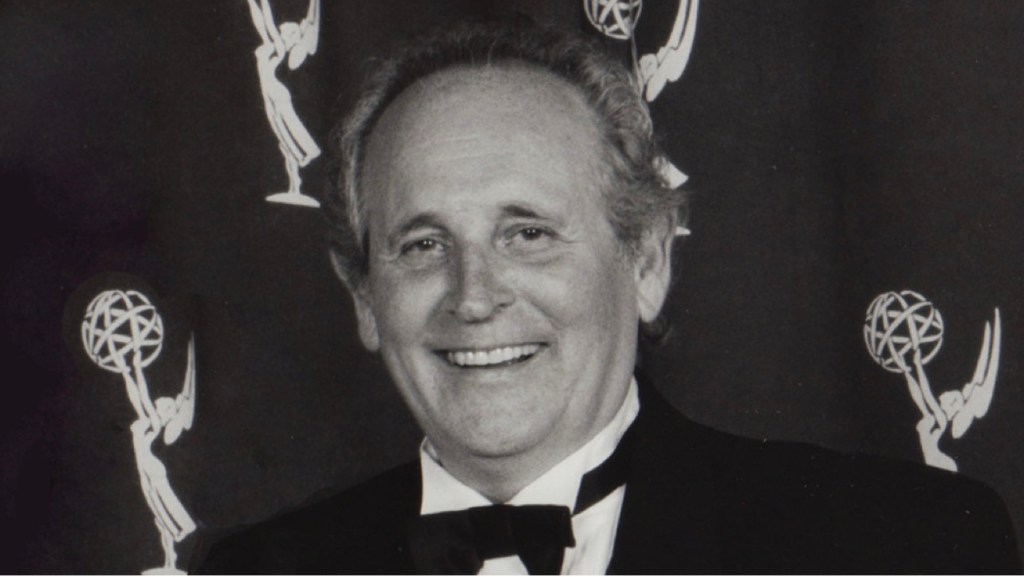

Marcy Forrest, Arthur’s wife, confirmed the death to Variety.
Arthur Forrest, a television legend with a 75-year career that covered long-running hits such as “Whose Line Is It Anyway?” and “That’s Incredible!,” died on Oct. 25. He was 95.
Born in 1926 in Brooklyn and raised in the Bronx as a first-generation American, Forrest completed his education at NYU and landed a job at DuMont Network’s studio as a janitor. After learning the business, Forrest went from janitor to page, from page to studio assistant, all the way up to the cameraman on “The Honeymooners” and “Captain Video.”
After leaving DuMont and working for New York’s Channel 5, Forrest directed the popular children’s show, “Wonderama,” and stayed at the station until 1973, when he left to direct the late night “Dick Cavett Show.”
Moving to Los Angeles in 1975, Forrest established himself in the world of live television, finding success with ABC’s reality show “That’s Incredible!” and “Whose Line Is It Anyway?,” along with game shows like “The Money Maze” and “Matchmaker.” Forrest also won Emmy awards for his direction on the daytime talk show “Leeza” and later, “The Rosie O’Donnell Show.”
Forrest also produced and directed Jerry Lewis’ nationally-syndicated “Labor Day Telethon” for the Muscular Dystrophy Association for more than forty years. The long-running variety show featured events such as the live reunion of Dean Martin and Lewis, which Frank Sinatra and Forrest had secretly arranged. Forrest’s wife, Marcy, was the talent coordinator who was the creative force around many memorable segments.
Forrest also worked on the annual “Tournament of the Roses Parade” on NBC, which he directed from 1977 to 2017. Forrest was awarded his third Emmy Award for his work on the “Macy’s Thanksgiving Day Parade.” He retired from show business at the age of 90 in 2017, having accrued a DGA nomination, 17 Emmy nominations and three Emmy awards over his career.
Forrest is survived by his wife, Marcy; their children, Zak and Nicole; his son-in-law, Steve Byers; his grandchildren, Max and Dahlia; his son from a previous marriage, Richard Forrest and his step-son, Kyle Cascioli.
————————————————————————-
Marcia and Richie, Eliot and Lois
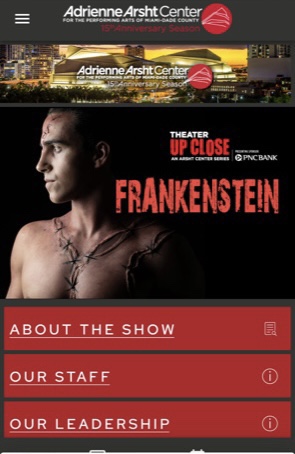
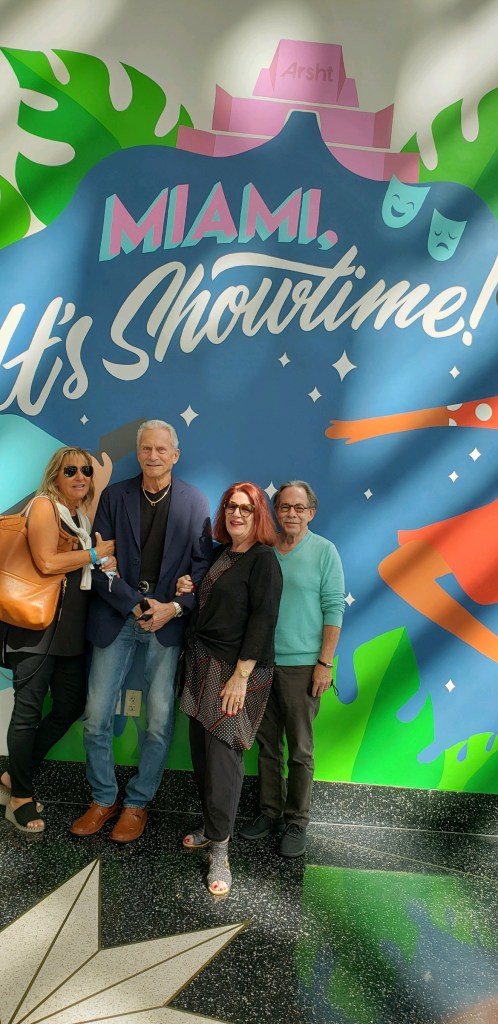
To celebrate 40 plus Halloweens of knowing each other, Marcia and Richie Grand came up with the idea of seeing “Frankenstein” at the Adrienne Arsht Center in Miami. For two hours, no intermission, we watched a superb acting performance that was very unusual. Standing ovation. The show was very intense and not for everyone. We all agreed it was a very interesting afternoon. We topped it off with a delicious dinner at Joe’s Stone Crab.
———————————————————————


I don’t want you to be in the dark when it comes to the next stage of the Internet. It’s the hot new trend in the digital business and everyone is going to be talking about it all the time. Watch the video where Robin Raskin, an early adopter of all innovative products and concepts, explains this new world to you. It only takes a few minutes. Be the first to tell others. You will be the new “wow” factor.
WHAT IS THE METAVERSE?
Reuters News service dumbed it down for all of us.
Metaverse is a broad term. It generally refers to shared virtual world environments which people can access via the internet
The term can refer to digital spaces which are made more lifelike by the use of virtual reality (VR) or augmented reality (AR).
Some people also use the word metaverse to describe gaming worlds, in which users have a character that can walk around and interact with other players
————————————————————————
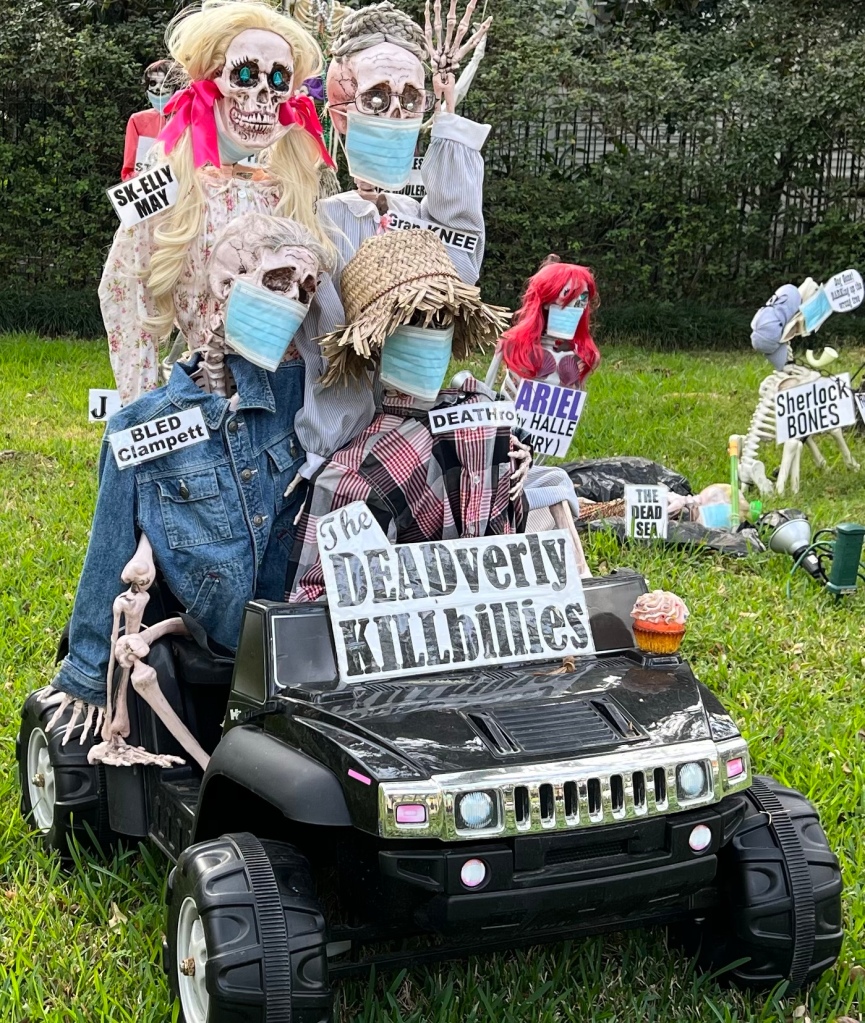
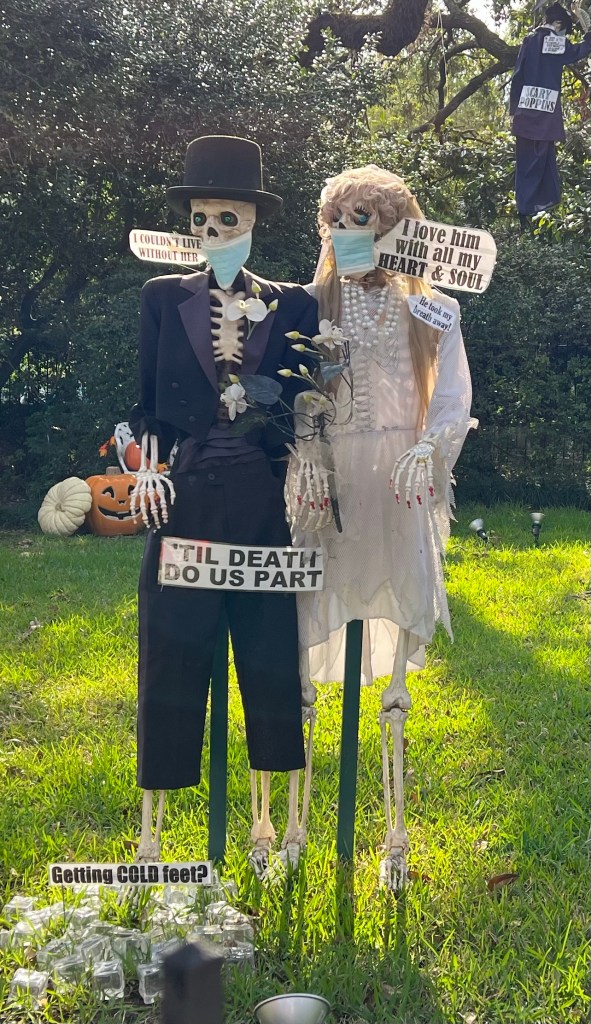
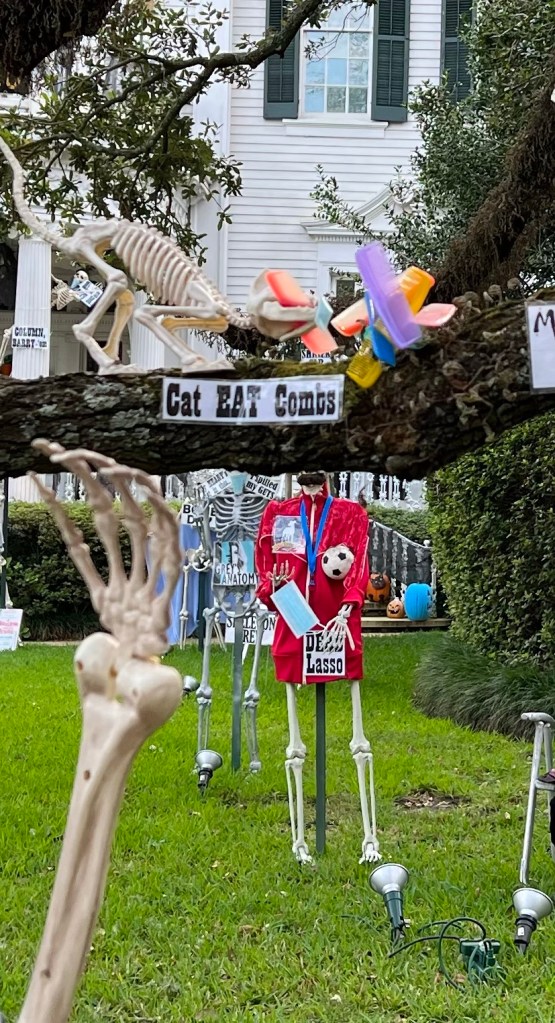
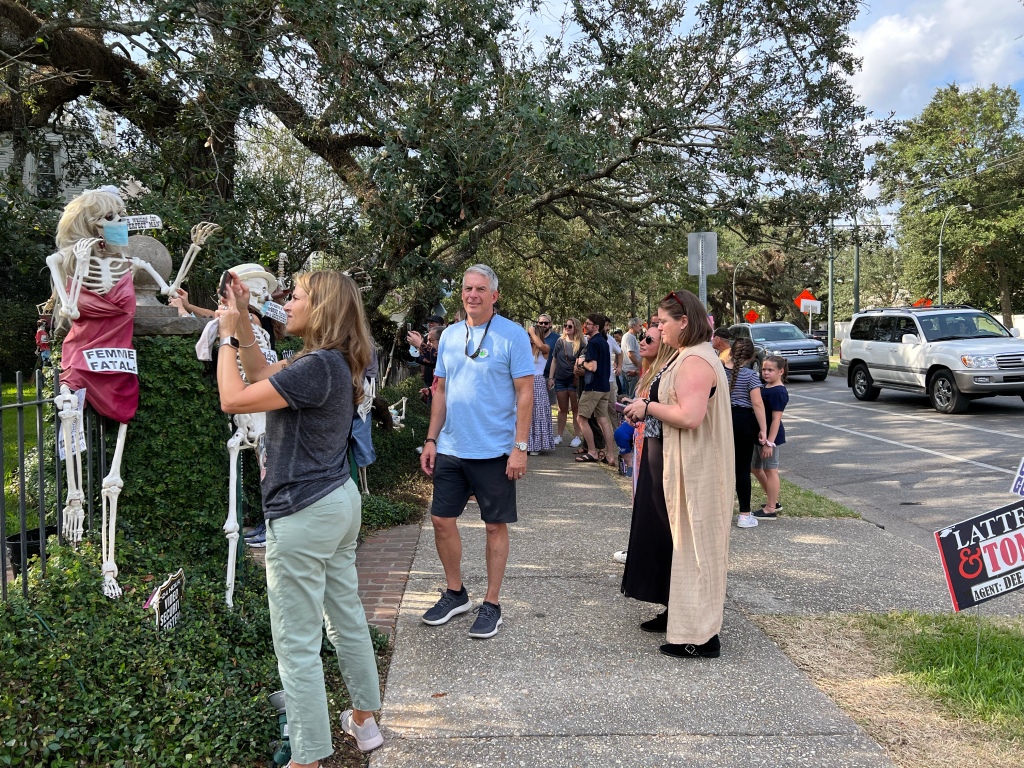
Happy Halloween




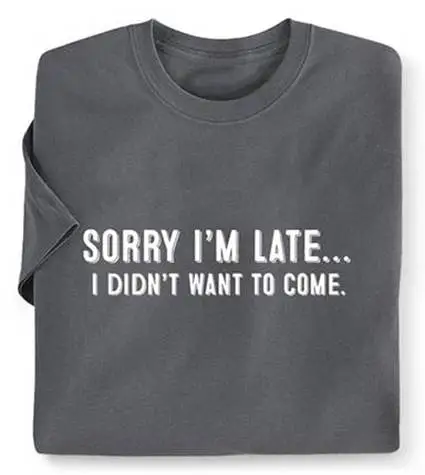


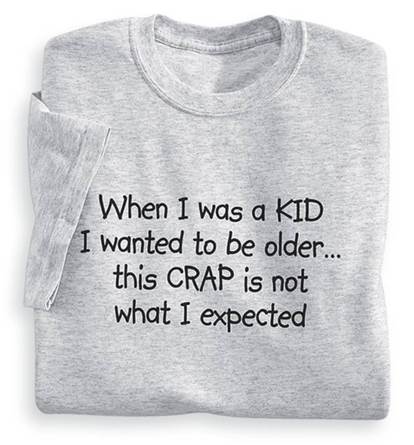


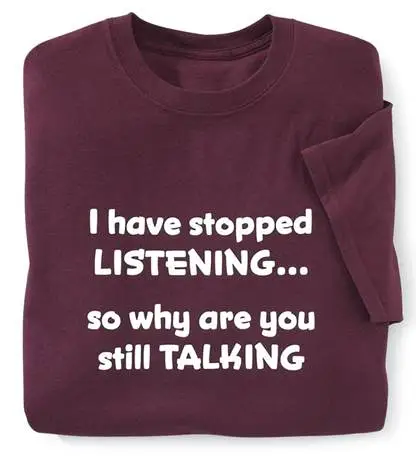


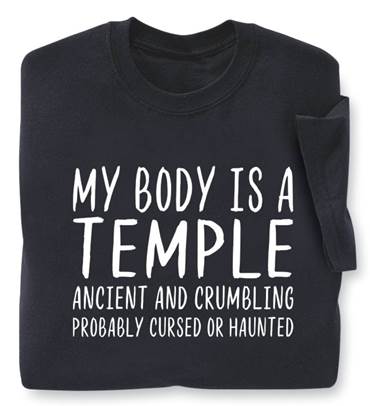
I’m on two diets. I wasn’t getting enough food on one.
Apparently RSVP’ing to a wedding invitation “Maybe next time,” isn’t the correct response.
Don’t irritate old people. The older we get, the less “Life in prison” is a deterrent.
Have you ever listened to someone for a minute and thought, “Their cornbread isn’t done in the middle.”
Aliens probably fly by earth and lock their doors
“You will hit every cone on the highway before I let you merge you saw that sign 2 miles ago like I did.
I asked my wife if I was the only one she had ever been with. She said yes, all the others were nines and tens. Give it a minute…
It turns out that being an adult now is mostly just Googling how to do stuff.
I miss the 90’s when bread was still good for you and no one knew what kale was.
Do you ever get up in the morning, look in the mirror and think “That can’t be accurate.”
I want to be 14 again and ruin my life differently. I have new ideas.
As I watch this new generation try to rewrite our history, one thing I’m sure of…. it will be misspelled and have no punctuation.
I told my wife I wanted to be cremated. She made me an appointment for Tuesday.
Confuse your doctor by putting on rubber gloves at the same time he does.
My wife asked me to take her to one of those restaurants where they make food right in front of you. I took her to Subway. That’s when the fight started.
————————————————————————-


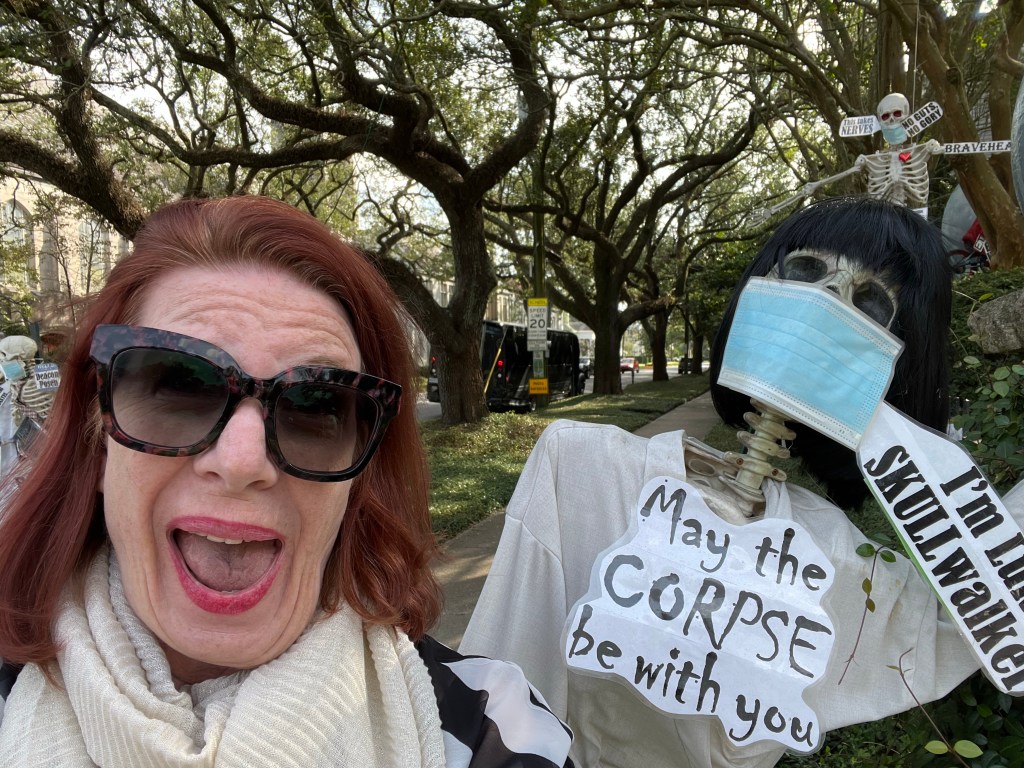

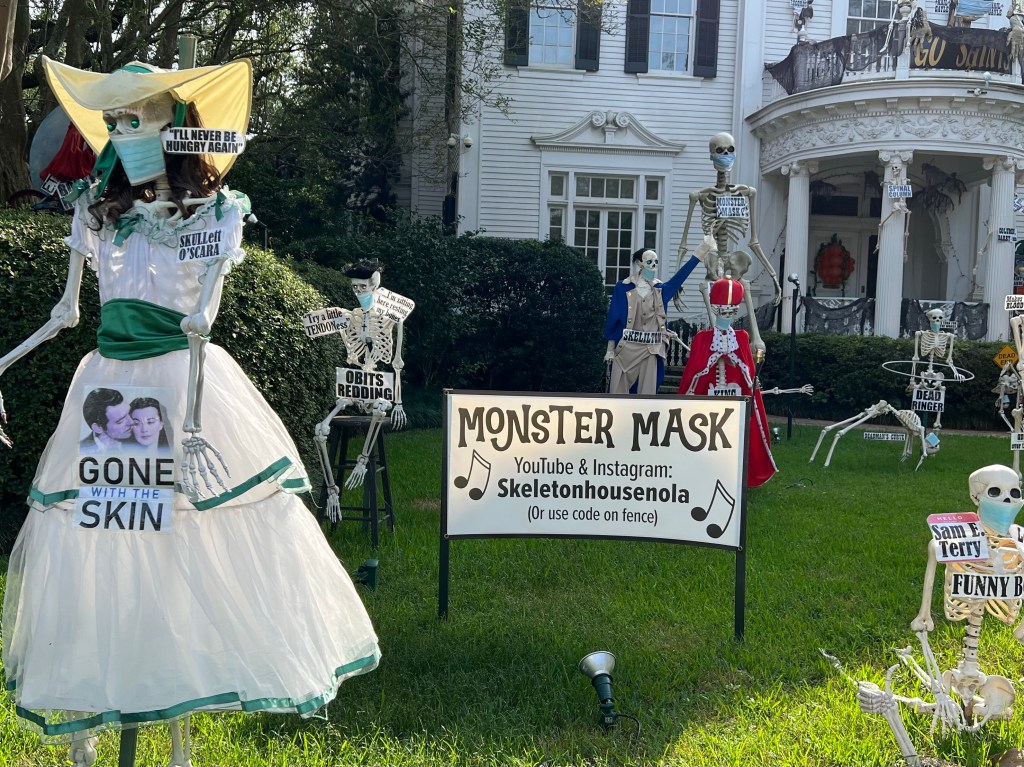

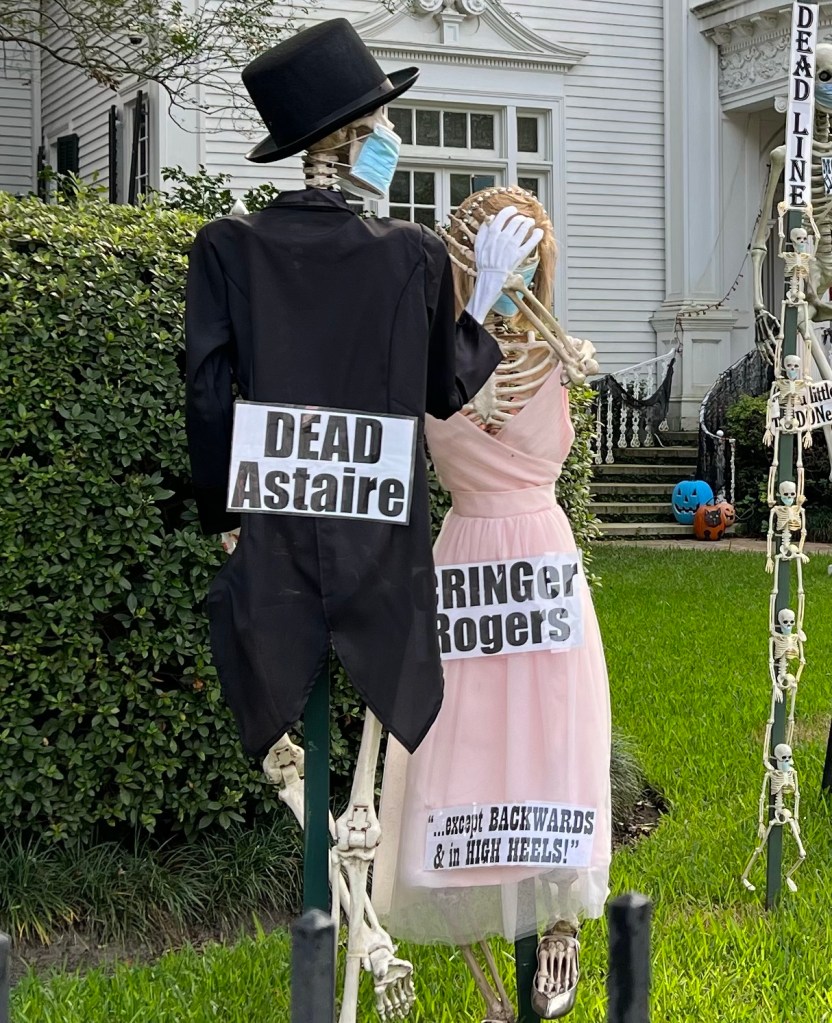

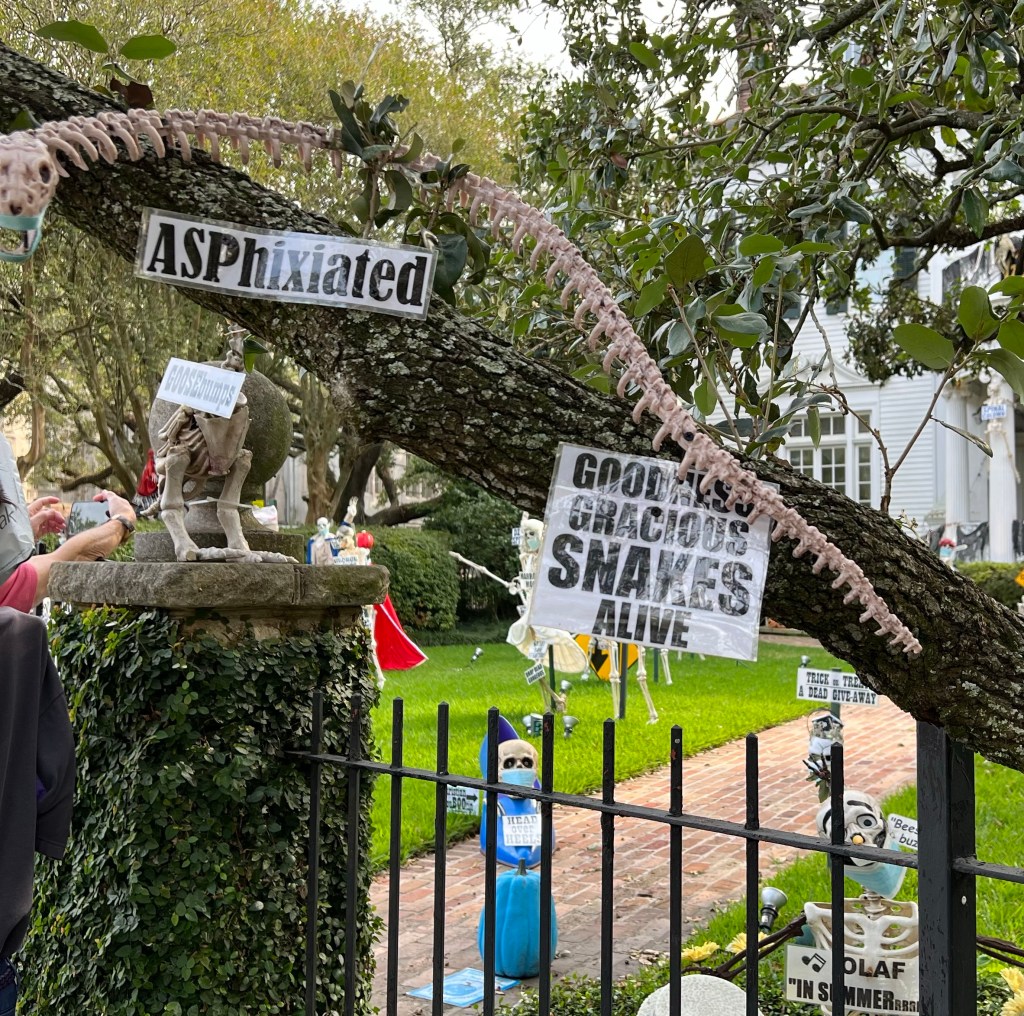





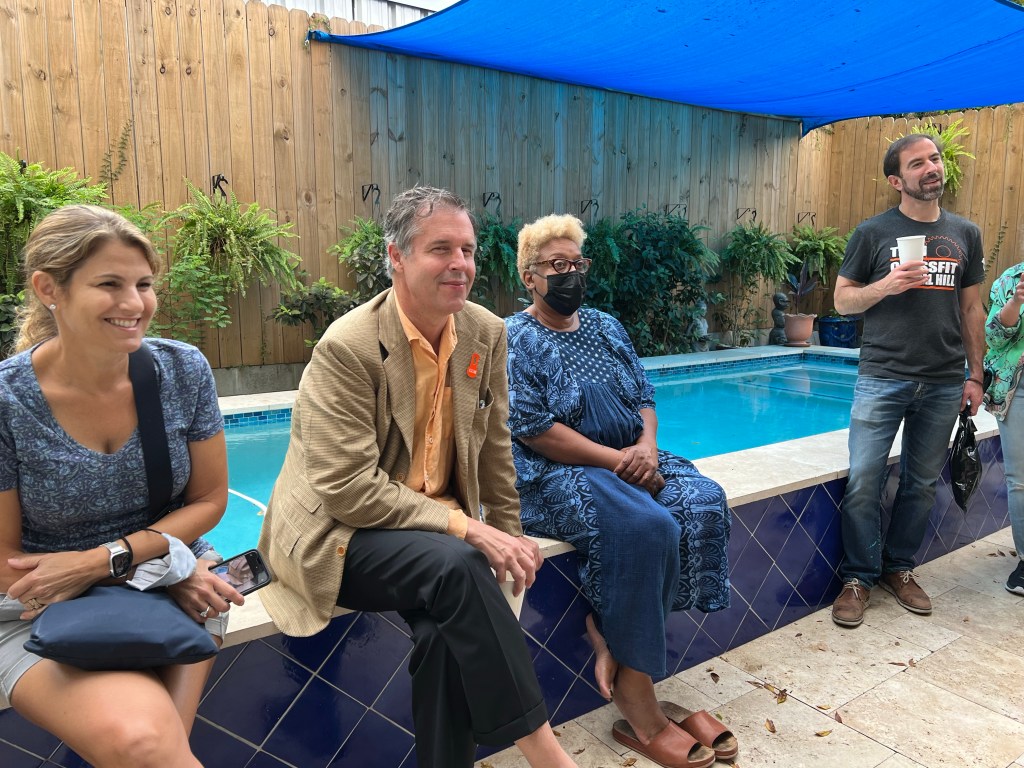
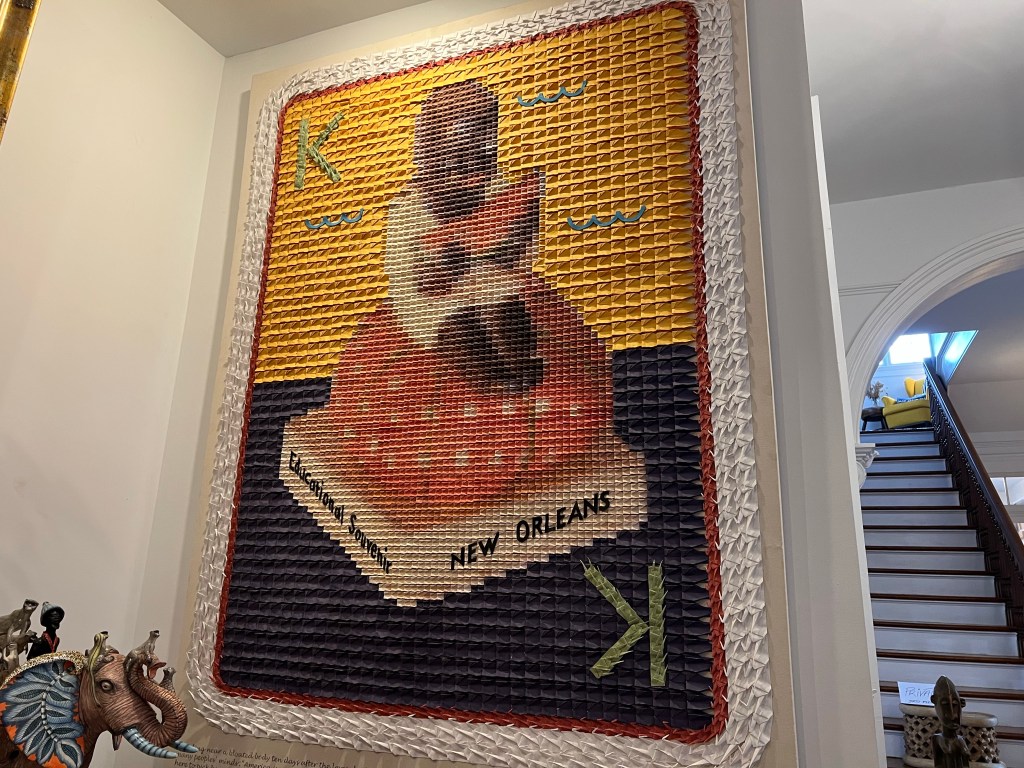
I admire powerful women who know what they love. and nothing stops them from getting what they want. I could stare at actress CCH Pounder forever. All I can think of is “how does she do it all? I met her this past Sunday morning in her home in New Orleans while we were visiting a city wide art fair called Prospect. 5. Eliot and I traveled to New Orleans with Fountainhead Arts, the foundation that empowers artists to build a better future. I am a board member.
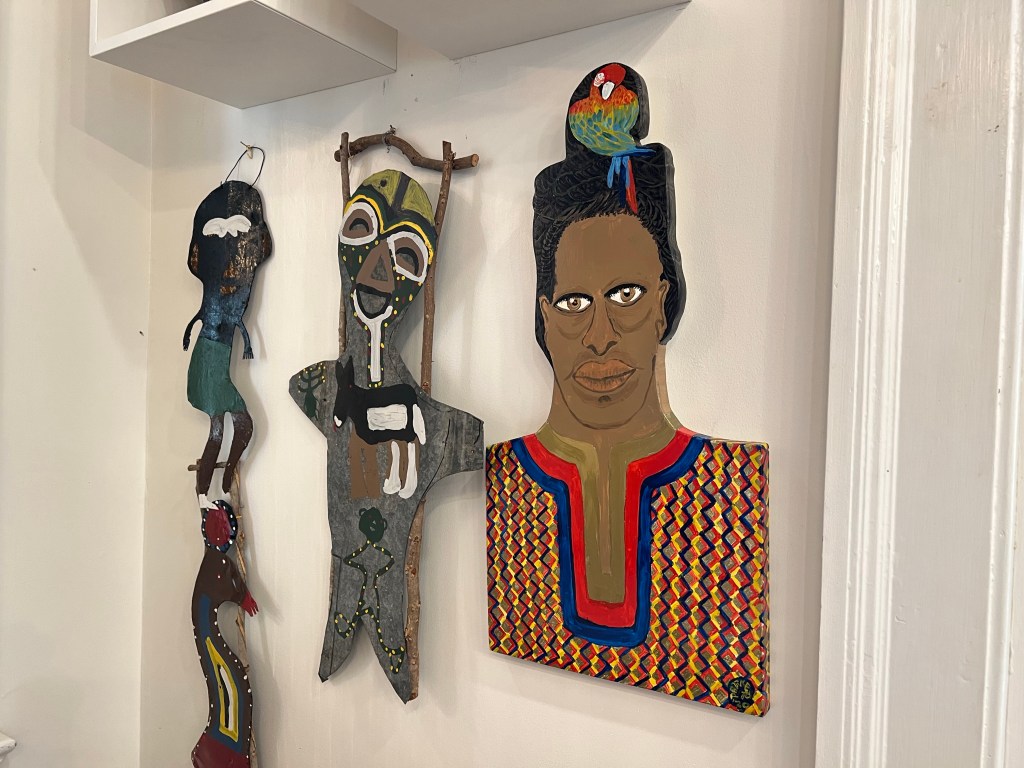
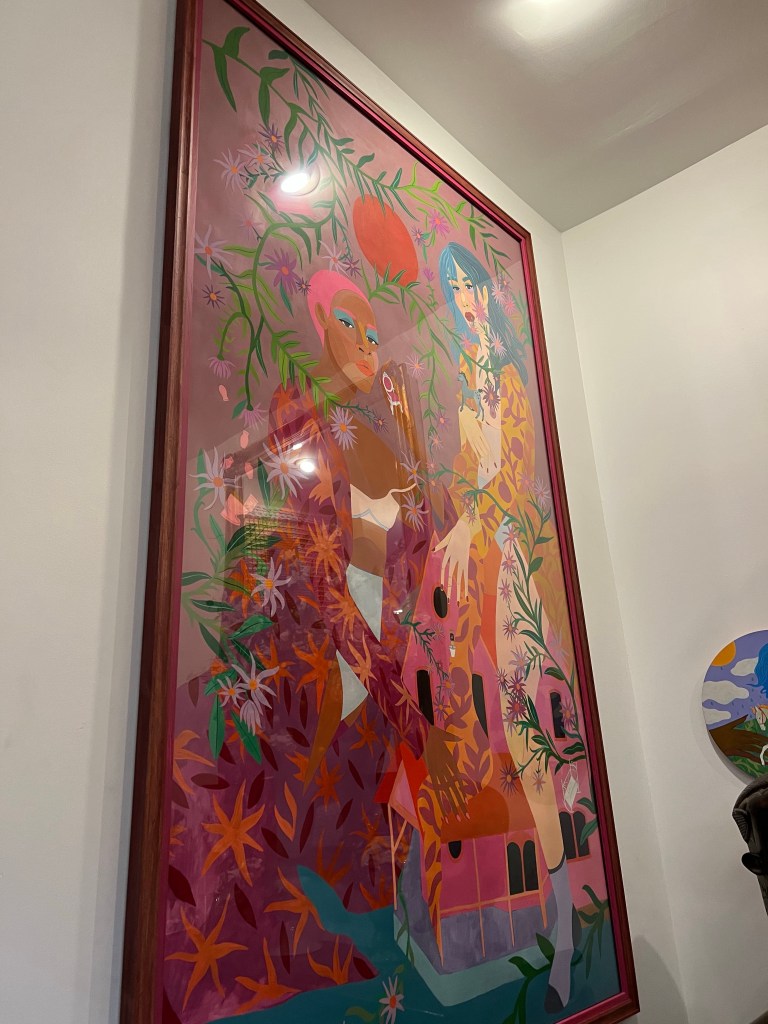
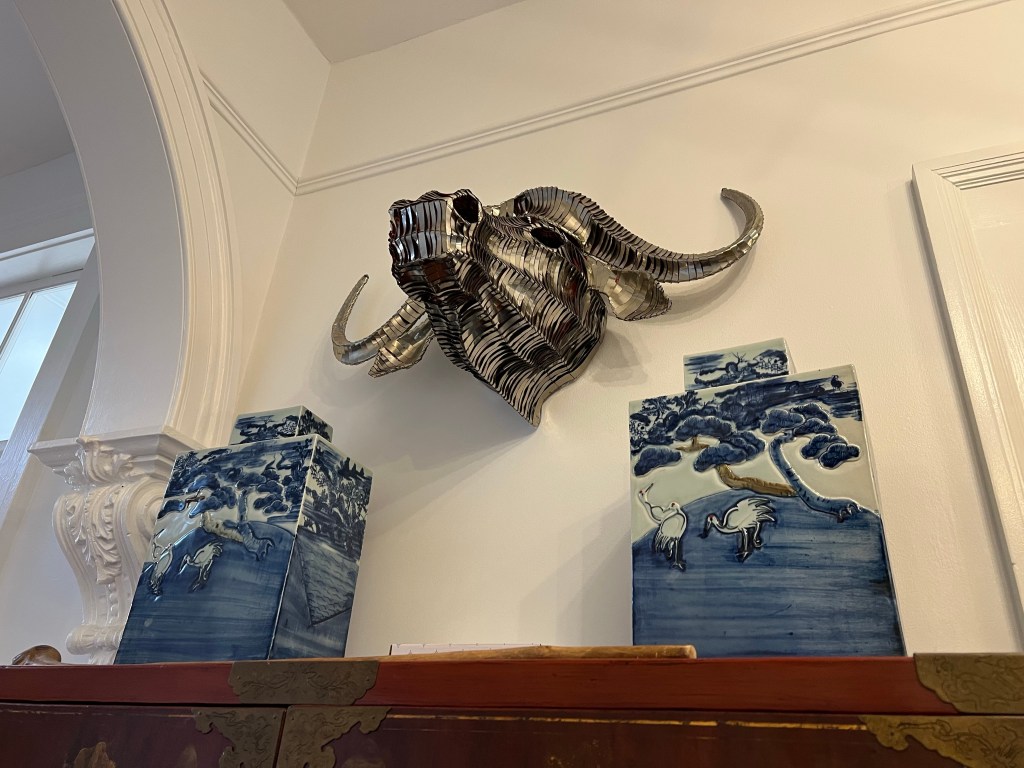
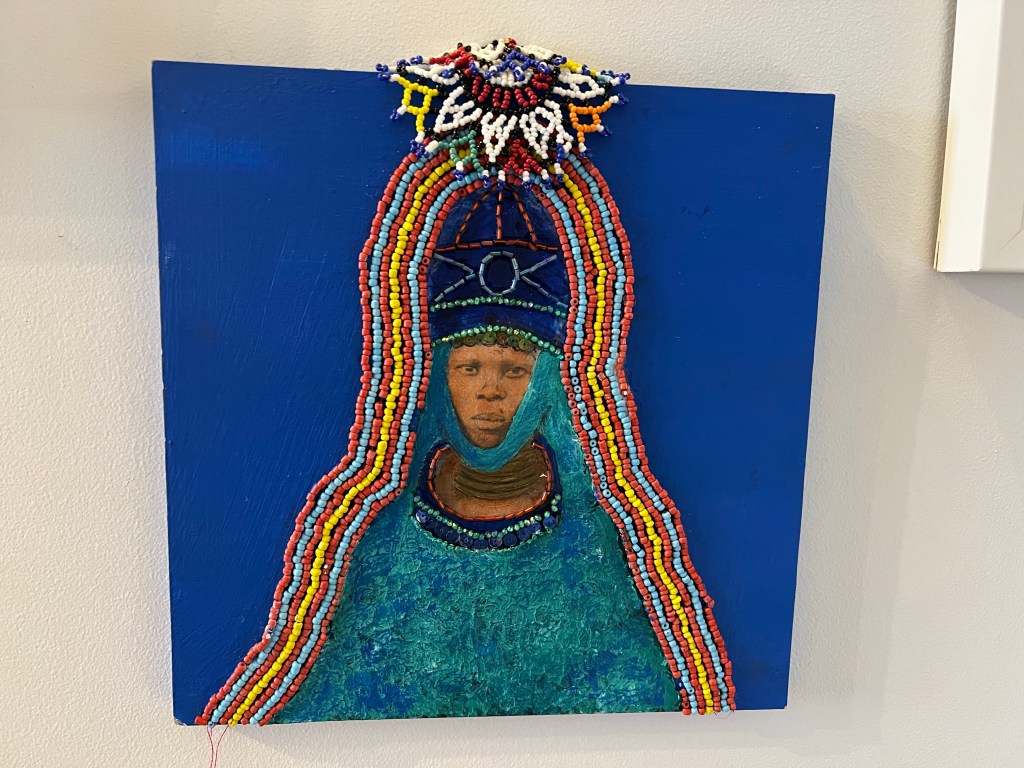
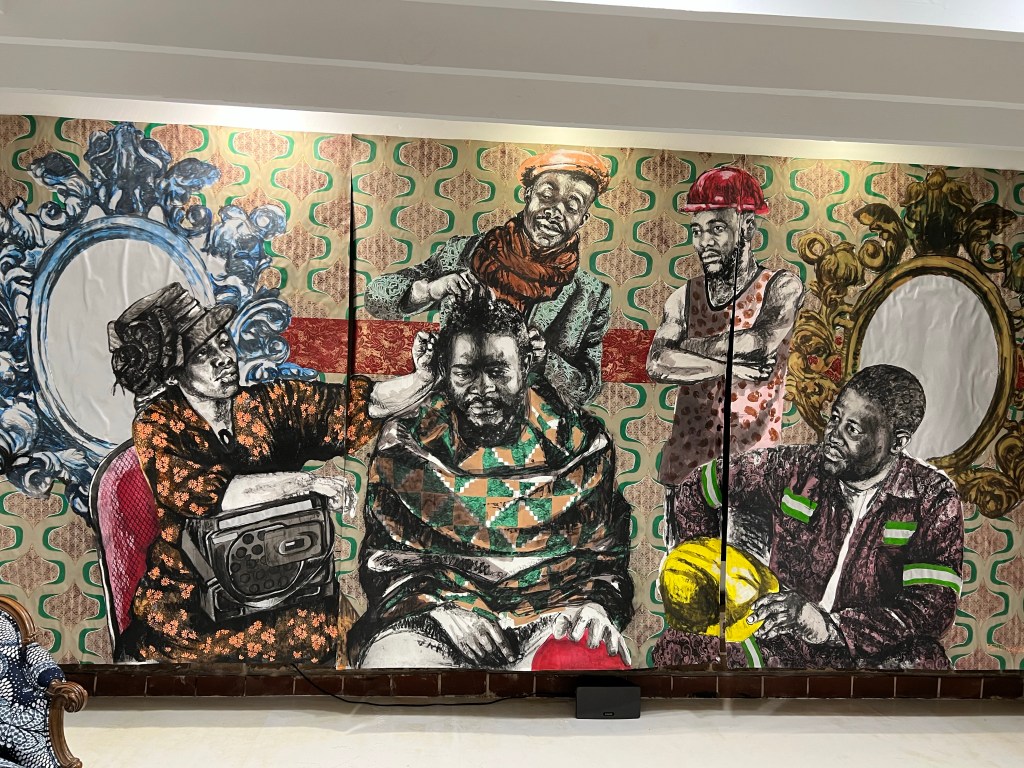
CCH is very active in Fountainhead and invited 25 of us, along with some of her local friends, to a wonderful Sunday breakfast with all the food New Orleans is noted for. Two long tables were set up in her garden, and after filling our tummies, CCH took us on a tour of her art collection. She and her late husband collected African art, plus plus. She continues to do so. The collection continues to grow so fast, she bought a second home on her block to show off more of the objects and paintings she loves.
Carol Christine Hilaria Pounder(born December 25, 1952) is a Guyanese-American actress. She has appeared in numerous plays, films, television shows, and miniseries.

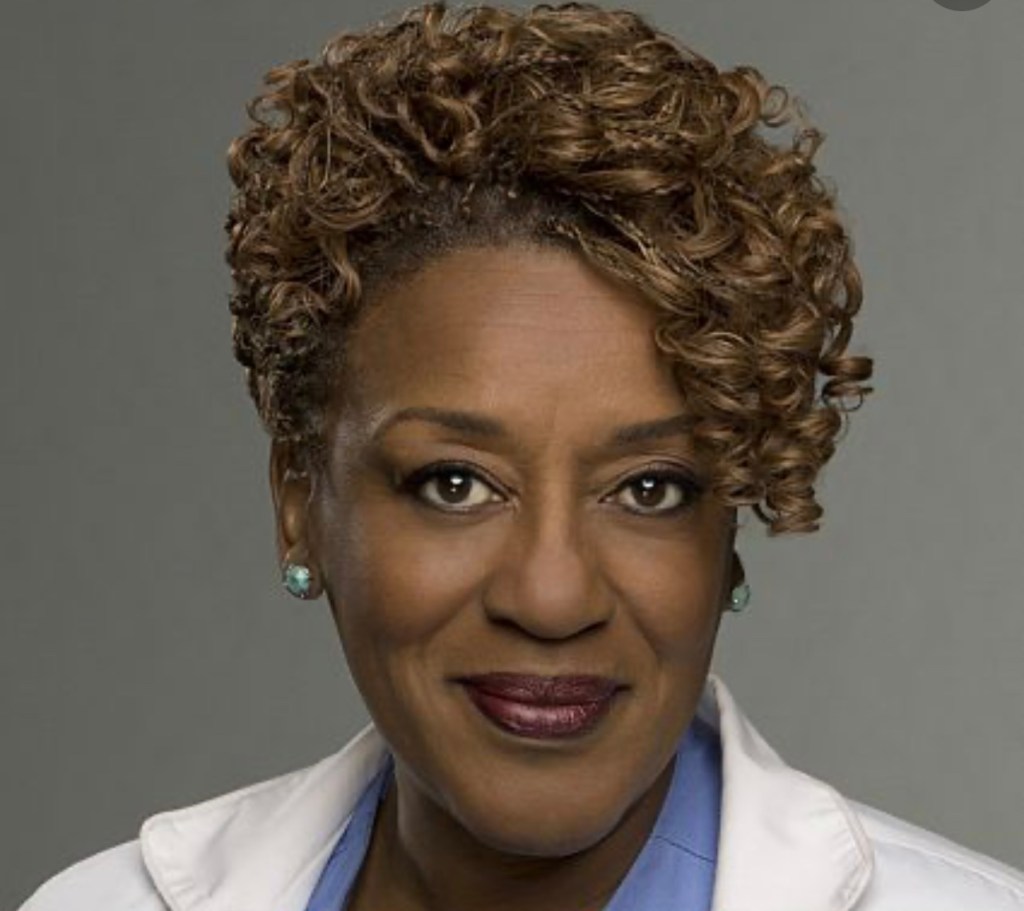
Pounder portrayed Dr. Angela Hicks in the medical drama series ER (1994–1997), Captain Claudette Wyms in the FX police drama series The Shield (2002–2008) and District Attorney Tyne Patterson in Sons of Anarchy(2013-2014). From 2014 to 2021, she has portrayed medical examiner Dr. Loretta Wade on the police drama series NCIS: New Orleans. Pounder is also the voice of Amanda Waller in the animated show Justice League Unlimited(2004–06).
In film, she appeared in All That Jazz (1979), Go Tell It on the Mountain (1984), Prizzi’s Honor(1985), Bagdad Cafe (1987), Postcards from the Edge (1990), Psycho IV: The Beginning (1990), Benny & Joon (1993), Demon Knight (1995), Face/Off (1997), End of Days (1999), Orphan(2009), Avatar (2009), The Mortal Instruments: City of Bones (2013), and Godzilla: King of the Monsters(2019).








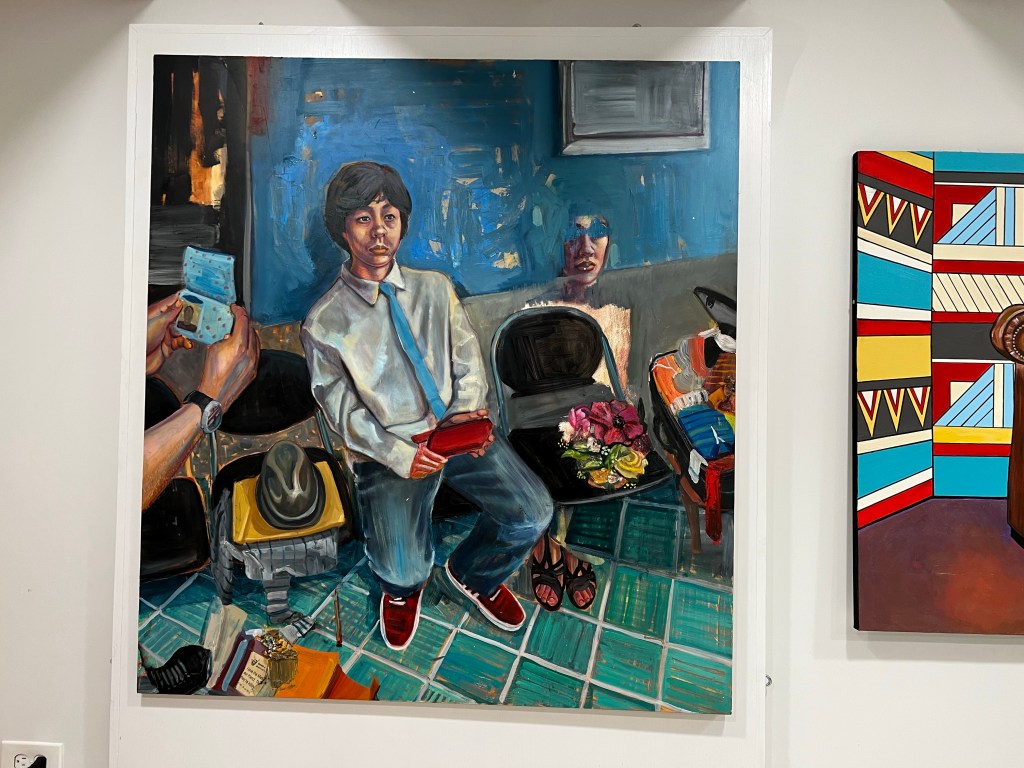


Do you remember this? Parliament Funkadelic – Bring The Funk
What a thrill. We are now part of his legacy. We now own one of his famous (affordable) works. Spring McManus, a Fountainhead Arts board member, is George’s agent. She hosted a special showing of his paintings for our group and he joined us for dinner after.
George Edward Clinton is an American musician, singer, songwriter, bandleader, and record producer. His Parliament-Funkadelic collective developed an influential and eclectic form of funk music during the 1970s that drew on science fiction, outlandish fashion, psychedelia, and surreal humor.


————————————————————————
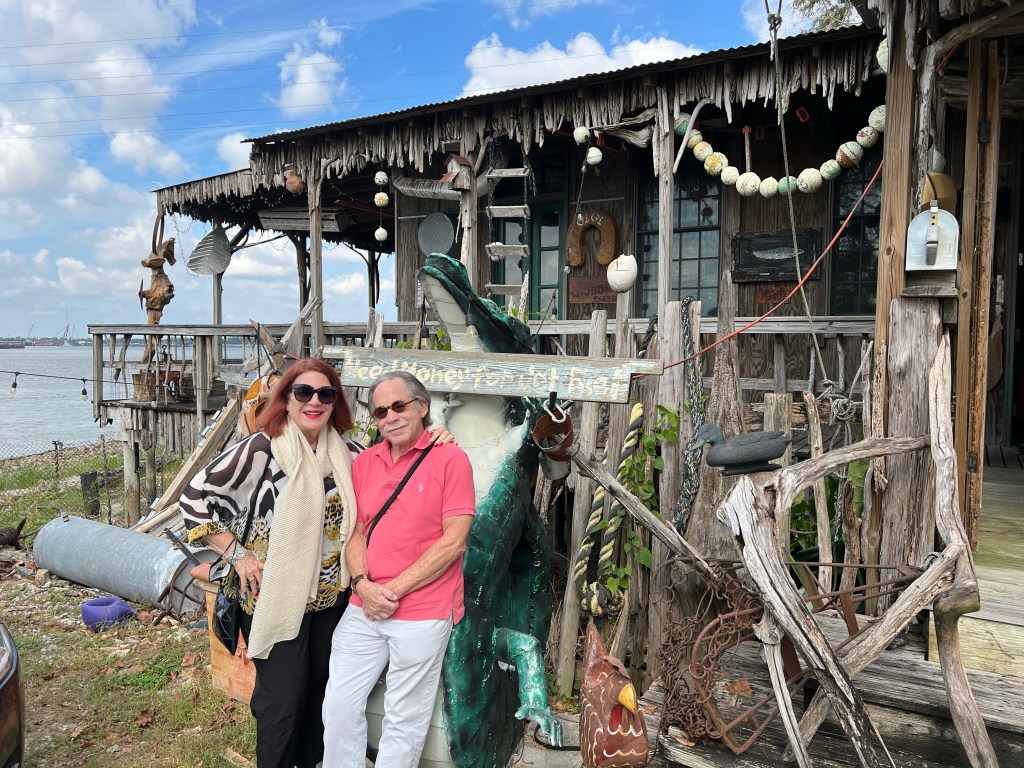
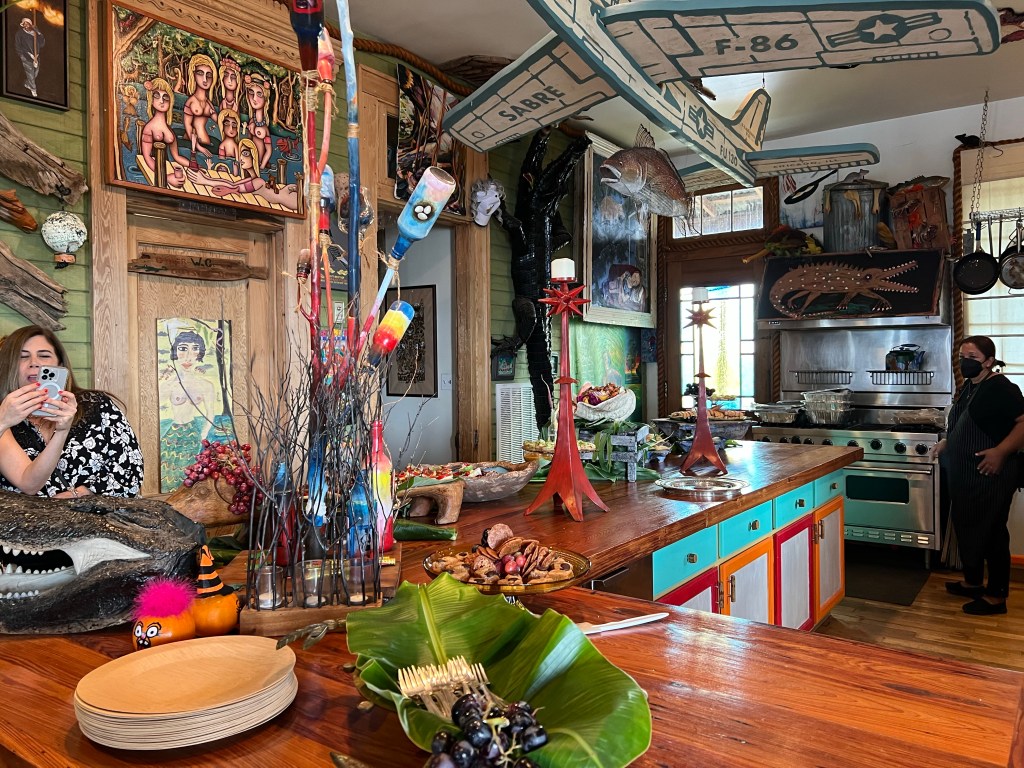
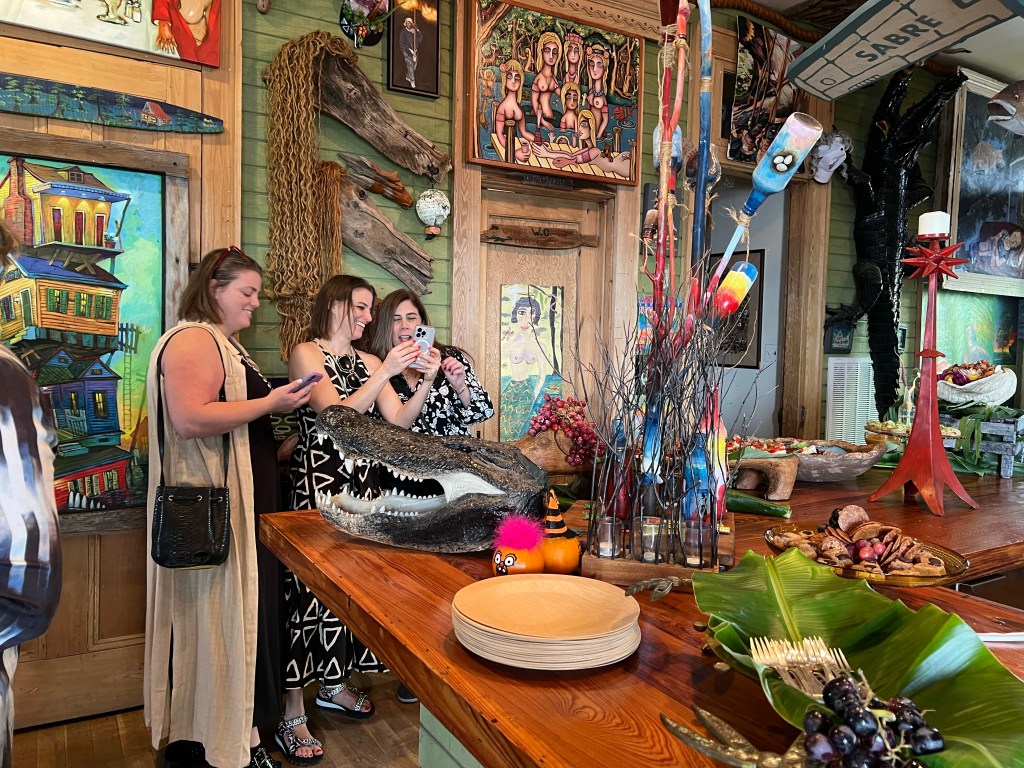
The River Shack
.




 DigiDame