I don’t want you to be in the dark when it comes to the next stage of the Internet. It’s the hot new trend in the digital business and everyone is going to be talking about it all the time. Watch the video where Robin Raskin, an early adopter of all innovative products and concepts, explains this new world to you. It only takes a few minutes. Be the first to tell others. You will be the new “wow” factor.
WHAT IS THE METAVERSE?
Reuters News service dumbed it down for all of us.
Metaverse is a broad term. It generally refers to shared virtual world environments which people can access via the internet
The term can refer to digital spaces which are made more lifelike by the use of virtual reality (VR) or augmented reality (AR).
Some people also use the word metaverse to describe gaming worlds, in which users have a character that can walk around and interact with other players
I’m on two diets. I wasn’t getting enough food on one.
Apparently RSVP’ing to a wedding invitation “Maybe next time,” isn’t the correct response.
Don’t irritate old people. The older we get, the less “Life in prison” is a deterrent.
Have you ever listened to someone for a minute and thought, “Their cornbread isn’t done in the middle.”
Aliens probably fly by earth and lock their doors
“You will hit every cone on the highway before I let you merge you saw that sign 2 miles ago like I did.
I asked my wife if I was the only one she had ever been with. She said yes, all the others were nines and tens. Give it a minute…
It turns out that being an adult now is mostly just Googling how to do stuff.
I miss the 90’s when bread was still good for you and no one knew what kale was.
Do you ever get up in the morning, look in the mirror and think “That can’t be accurate.”
I want to be 14 again and ruin my life differently. I have new ideas.
As I watch this new generation try to rewrite our history, one thing I’m sure of…. it will be misspelled and have no punctuation.
I told my wife I wanted to be cremated. She made me an appointment for Tuesday.
Confuse your doctor by putting on rubber gloves at the same time he does.
My wife asked me to take her to one of those restaurants where they make food right in front of you. I took her to Subway. That’s when the fight started.
I admire powerful women who know what they love. and nothing stops them from getting what they want. I could stare at actress CCH Pounder forever. All I can think of is “how does she do it all? I met her this past Sunday morning in her home in New Orleans while we were visiting a city wide art fair called Prospect. 5. Eliot and I traveled to New Orleans with Fountainhead Arts, the foundation that empowers artists to build a better future. I am a board member.
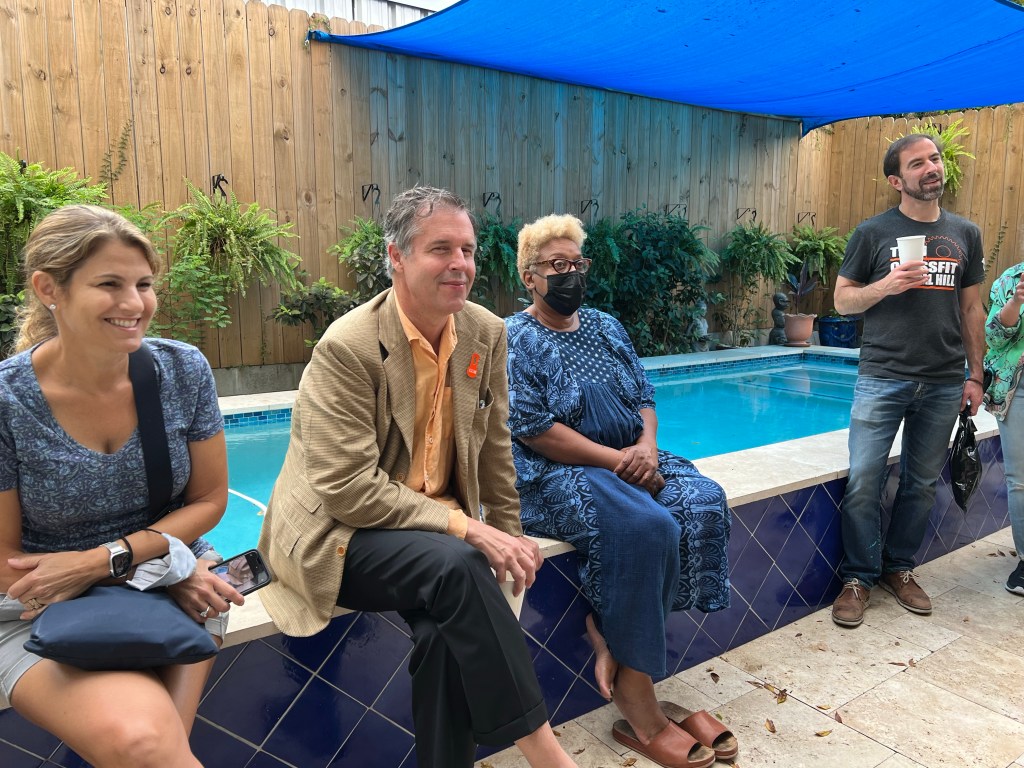
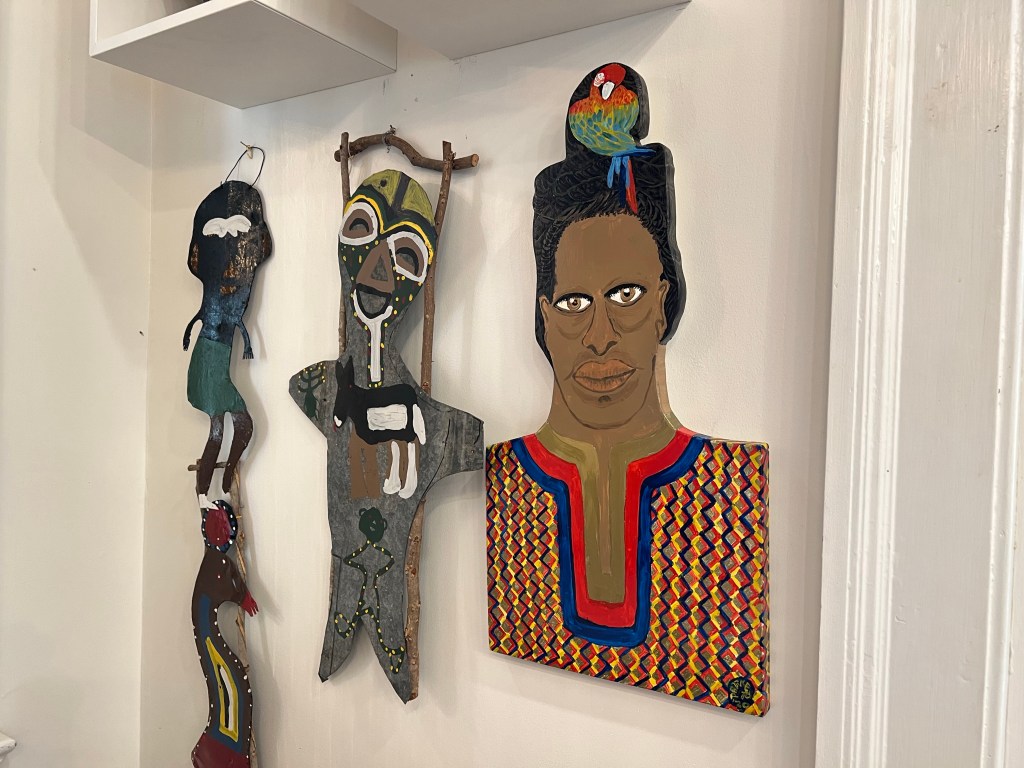
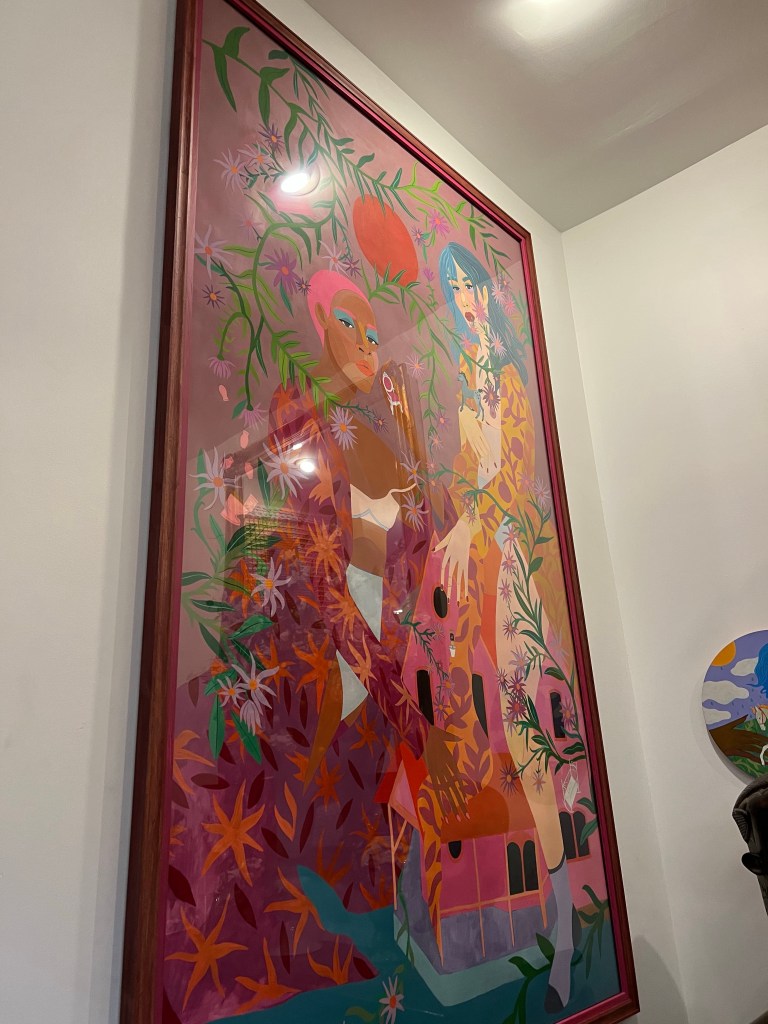
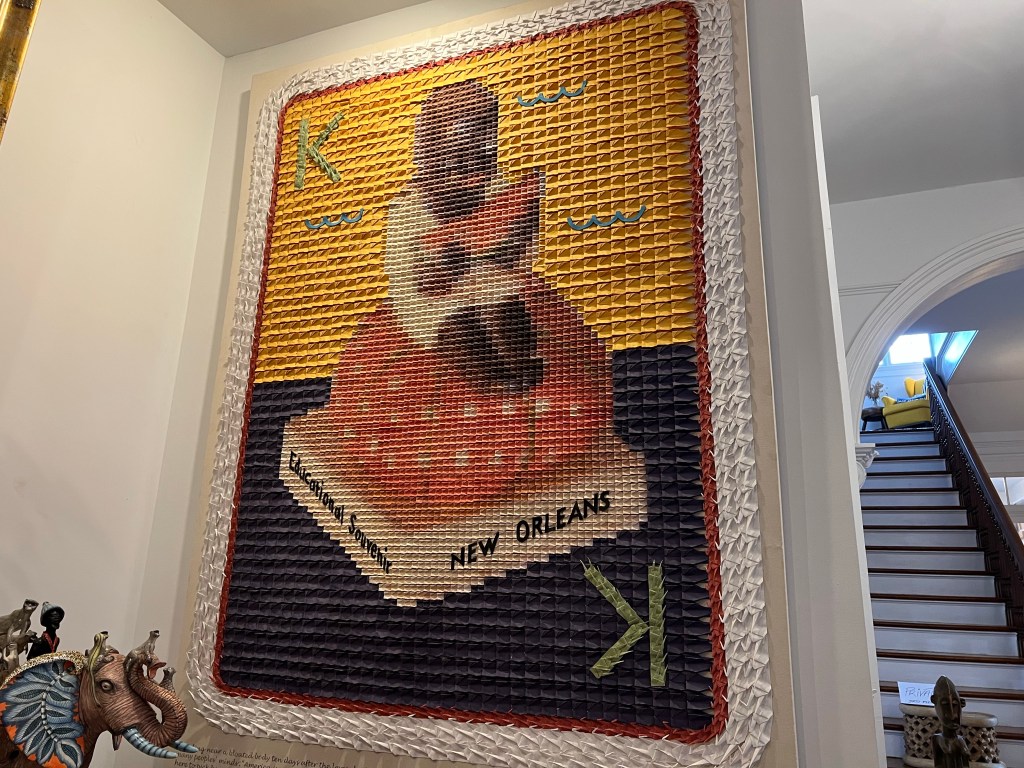
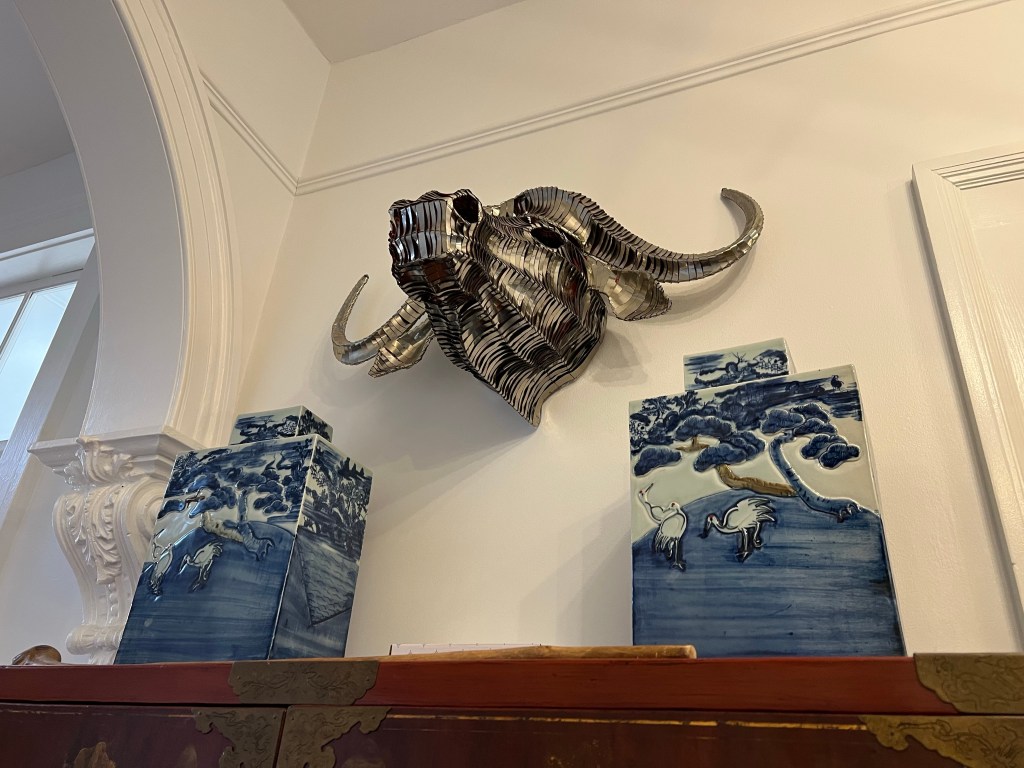
CCH is very active in Fountainhead and invited 25 of us, along with some of her local friends, to a wonderful Sunday breakfast with all the food New Orleans is noted for. Two long tables were set up in her garden, and after filling our tummies, CCH took us on a tour of her art collection. She and her late husband collected African art, plus plus. She continues to do so. The collection continues to grow so fast, she bought a second home on her block to show off more of the objects and paintings she loves.
Carol Christine Hilaria Pounder(born December 25, 1952) is a Guyanese-American actress. She has appeared in numerous plays, films, television shows, and miniseries.
Pounder portrayed Dr. Angela Hicks in the medical drama series ER (1994–1997), Captain Claudette Wyms in the FX police drama series The Shield (2002–2008) and District Attorney Tyne Patterson in Sons of Anarchy(2013-2014). From 2014 to 2021, she has portrayed medical examiner Dr. Loretta Wade on the police drama series NCIS: New Orleans. Pounder is also the voice of Amanda Waller in the animated show Justice League Unlimited(2004–06).
What a thrill. We are now part of his legacy. We now own one of his famous (affordable) works. Spring McManus, a Fountainhead Arts board member, is George’s agent. She hosted a special showing of his paintings for our group and he joined us for dinner after.
George Edward Clinton is an American musician, singer, songwriter, bandleader, and record producer. His Parliament-Funkadelic collective developed an influential and eclectic form of funk music during the 1970s that drew on science fiction, outlandish fashion, psychedelia, and surreal humor.
Sisters Danielle and Alex Nunez with George.Michael, husband of Teresa Enriquez, got all misty meeting one of his favorite musical artists.Spring, standing next to George, gave the group a briefing on George’s accomplishments. Ben Wolkov, to the right of George, is now a big George collector.
————————————————————————
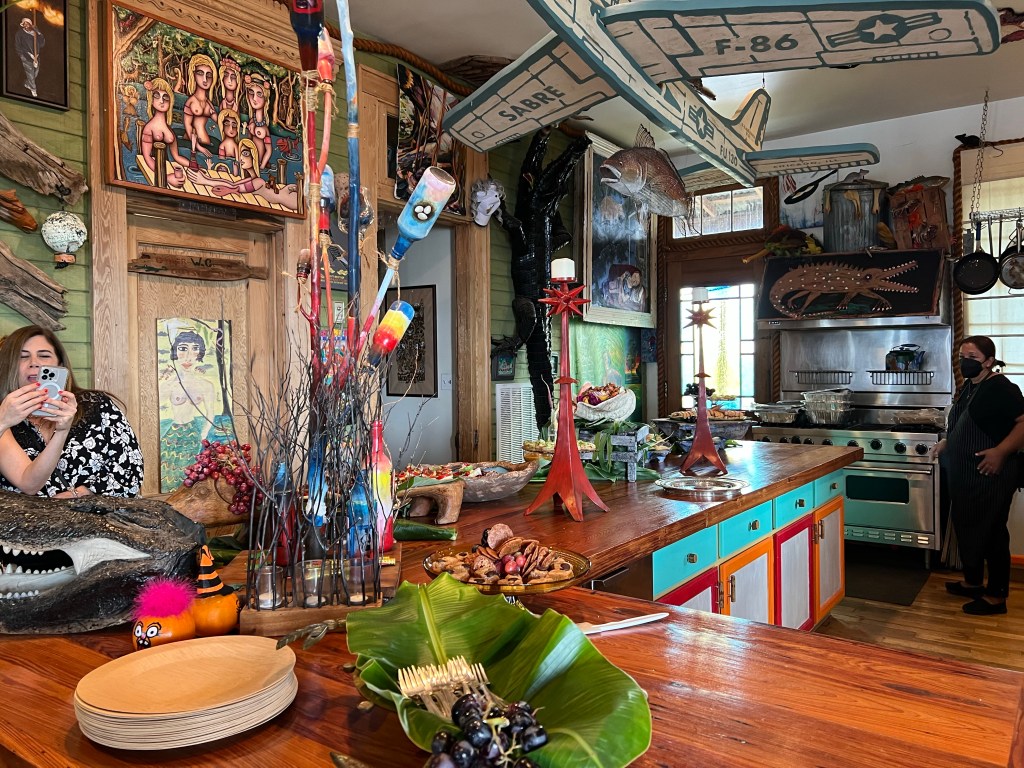
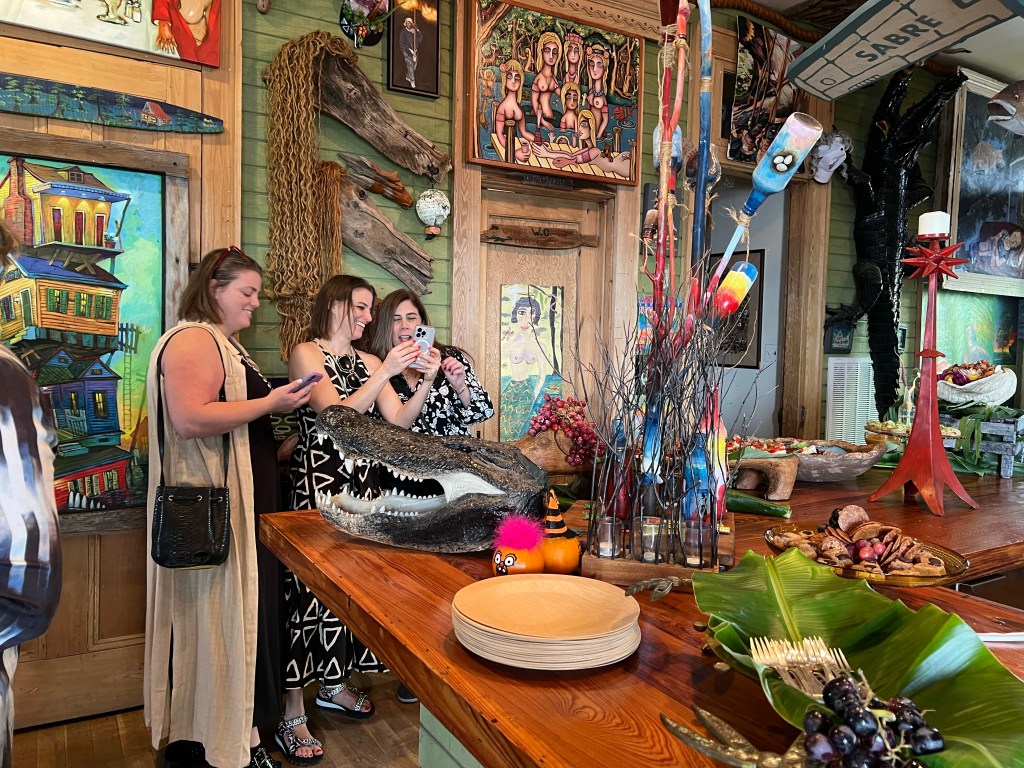
The River Shack
We went to a restaurant/art gallery that most folks in New Orleans know nothing about. The River Shack is on the Mississippi River.
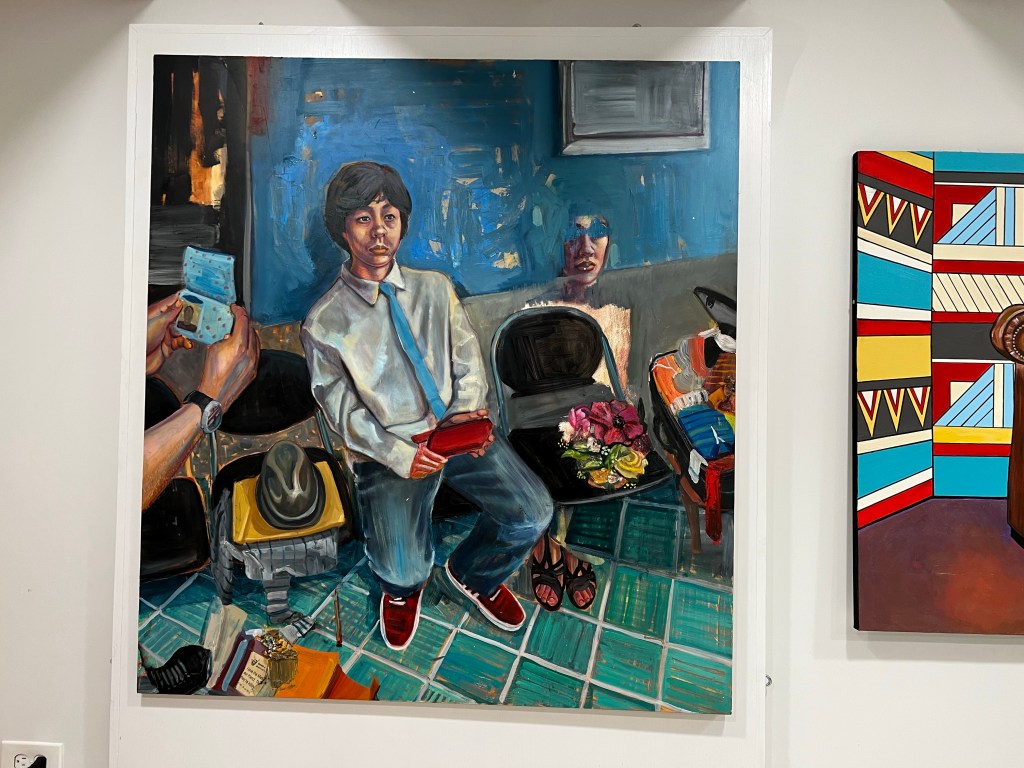
We flew to New Orleans for the weekend with 20 members of Fountainhead Arts to visit Prospect 5, a citywide contemporary art triennial.
.
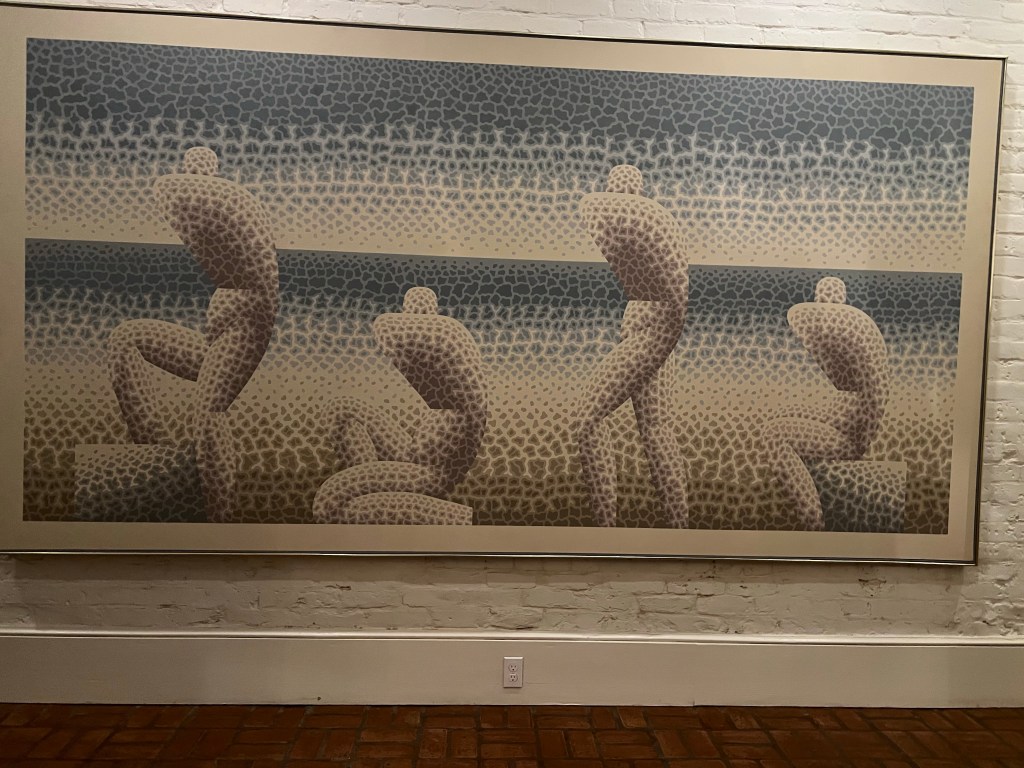
Visiting the work of Mario Moore, a Fountainhead alum, at the Arthur Roger Gallery in New OrleansVisiting the work of Mario Moore, a Fountainhead alum, at the Arthur Roger Gallery in New OrleansVisiting the home of gallerist Arthur Roger in New Orleans. Actors, writers, directors, and producers from all over the world stay here because it’s so spectacular.
Teens have their texting codes (LOL, OMG, TTYL, etc.). Not to be outdone by these kids, now senior members have their own short-hand codes. ATD – At the Doctor’s BFF – Best Friend’s Funeral BTW – Bring the Wheelchair BYOT – Bring your own teeth
CUATSC – See You at the Senior Center
DWI – Driving While Incontinent
FWIW – Forgot Where I Was FYI – Found Your Insulin
I couldn’t help myself, I had to call my girlfriend who lives in the condo apartment building featured in “Only Murders In The Building.” I wanted to get the scoop on the Hulu show. The Belnord, located on the upper west side, was used for exterior shots as the fictional Arconia Building.
Like everything else on TV, and in the movies, I learned that much of what we see on the screen was shot in a studio. A few of the outside shots were taped in two or three days in front of the building,
Yes, the production company paid handsomely for the use of the building but very few people know exactly how much. Typical of New Yorkers, most of the residents felt the deal was a nuisance and they could care less about the notoriety. Bottom line, the fame on Hulu hasn’t increased the value of the condo apartments so far.
New York Times —-warning !!!!! It’s a spoiler
Amy Ryan on the Surprise Finale of ‘Only Murders in the Building’
By Sarah BahrOct. 19, 2021Stay up to date with What to Watch. A few alerts a week.
This interview contains major spoilers from the Season 1 finale of “Only Murders in the Building.”
“Never trust a bassoonist,” Amy Ryan said with a laugh.
After numerous twists and red herrings — at one point, the musician Sting is suspected — Jan’s jig is up after the hard-luck Broadway producer Oliver Putnam (Martin Short) realizes that what he thought was a sex toy found in the murder victim Tim Kono’s apartment is actually … a bassoon cleaner. Kono’s older neighbor, it seems, was also his former lover.ADVERTISEMENThttps://edb3c2f7af136cb11d86e831dff55868.safeframe.googlesyndication.com/safeframe/1-0-38/html/container.html
But she’s not going down before she takes her new flame, the washed-up former TV star Charles-Haden Savage (Steve Martin), down with her — by way of a handkerchief laced with poison.
“I want you to know this is definitely one of my rougher breakups, Charles,” she coos as she slips a couch pillow under his head after watching him slump to the floor. “I really did fall in love with you.”
It is, of course, not the end for Charles, who is discovered by Oliver and their young partner in true-crime podcasting, Mabel (Selena Gomez). With Charles in a stroller, the three of them manage to reach the boiler room just in time to prevent Jan from gassing the whole building. Then they go to get Charles’s stomach pumped.
Ryan’s role as the cunning murderer down the hall is a big departure from what is perhaps her best-known character, the dorky human resources representative Holly Flax on “The Office.” But the actress has tackled her share of tough-gal roles before, including the Baltimore police officer Beadie Russell on “The Wire” and the hardened welfare mother in “Gone Baby Gone,” which earned her an Oscar nomination. She has also had a notable Broadway career, with Tony nominations for her roles in the 2000 revival of “Uncle Vanya” and the 2005 revival of “A Streetcar Named Desire.”
In a recent phone conversation from her home in Brooklyn, she discussed the inspirations for her character on “Only Murders,” mastering the bassoon (sort of) and working with Steve Martin and Martin Short. These are edited excerpts.ADVERTISEMENThttps://edb3c2f7af136cb11d86e831dff55868.safeframe.googlesyndication.com/safeframe/1-0-38/html/container.html
Did you know before you took the role that Jan was the murderer? Or one of them at least?
Yes. Before I joined, [the series co-creator] John Hoffman gave me the outline of the whole series — he didn’t have scripts fully written yet — and shared that I was the murderer.
Did you believe she was capable of murder?
There was an article in The New York Times about a woman — a New Yorker — who went off into a QAnon kind of world from writing comedy. And the dial just turned so slowly for her, for her reality to bend. And I thought, “That could be Jan, too.” Living alone on the Upper West Side, losing your friends one by one. Not that QAnon people are murderers, but just someone not dealing with reality — I thought that could be her way in.
Was Tim Kono her first victim?
No, she’s definitely done it before. In that last scene with Steve when he’s on the floor and she recognizes all the signs — oh, yeah, there goes the slurring, oh, yep, you’re right on target — I think Tim Kono is not her first. [Laughs.]
Is she a psychopath?
I know someone who committed murder — they’re not a close friend — but they snapped. I don’t know what pushes someone closer and closer and closer. And that was a one-time thing, so what is a person who repeats? I imagine they must be a sociopath. So I think that is Jan.
Does she really love Charles? Or is it all just an act?
She knows she’s lying when she’s telling him, “I’m first chair and I have a big performance tonight,” but when she said that, she believed it. I believe, in that moment, she does love Charles. She does.
The fact that she props his head up on a pillow after she poisons him is twistedly romantic.
Yeah. [Laughs.] Charles is probably the most special of the group. He was probably the first one to tell her he loved her back.ADVERTISEMENThttps://edb3c2f7af136cb11d86e831dff55868.safeframe.googlesyndication.com/safeframe/1-0-38/html/container.html
You have such an ability to manipulate your facial expressions, from the slightest narrowing of your eyes to the tensing of your cheekbones. Do you look in a mirror to practice?
[Laughs.] No. I just haven’t done anything to alter my face — I’ve never been injected with anything. When I was a kid, I used to look in the mirror and practice when I thought I wanted to be an actor, but not now, no.
Did you get a kick out of that all-black power ensemble you’re wearing in the final confrontation scene?
Oh my God, I love it. They gave me that outfit when I left. I don’t know if I can really wear it now — maybe around the house, it might spook people. I love the clothes that they put Jan in. We kept finding shoulders that were femininely cut — lots of puffy shoulders. When I filmed this series last January through April, I came out of sweatpants and got to wear all those clothes, which was such a delight.
How comfortable were you shooting a gun?
I shot a gun quite a bunch on [the 2016 action comedy] “Central Intelligence,” which was not fun. Even fake guns, shooting blanks — the recoil, the vibrations, and you’re doing it for six hours a day. I don’t like it; I don’t like guns. The violence of having to put a gun in Tim’s mouth — that was horrible to do. We’re playing make-believe, but it’s still such a violent gesture, and you want to just get it over quickly. I’m not in full character in that moment where I’m murderous and full of hate. I’m the actor who’s making sure I’m not pulling his necktie too tight to choke him, and that I’m not chipping his tooth when I put this gun in his mouth.
Did you learn to play the bassoon?
There wasn’t time, but I worked with this wonderful musician, Jackie Henderson. I had her record some of the pieces that Jan plays in the show, and then I would study the video of Jackie — when and where she took a breath, and her finger movements on the keys. I would hit the keys and play along with the video, and by the time we filmed it, I would do it at the rhythm like 3-2-1-2-2-3-3-2-2-1, over my fingers. So it was just kind of mimicry.
I’m sure the bassoonists who are watching the show feel seen.
I was watching “Fleabag,” and the nephew character — I was like, “The bassoon! He’s playing the bassoon, oh my God!” I was so excited.
Are you a true-crime person?
I’m not a true-crime fan — I don’t have the patience for it. I’m not a puzzle solver. I want to know right away.
Do you have any fun stories about working with Steve Martin and Martin Short?
I know all Steve Martin’s films; I listened to his albums when I was a kid. My sense of comedy was like, “Oh, I should just try to repeat his.” So there is a moment that I’m there on set, and I can’t shed my 12-year-old self. It’s weird — how do you just be present, and now this just happens to be the actor that you work with, and his name is Steve Martin, and no, that’s not the person who inspired you as a kid? You can’t just geek out on him, but it’s hard.
And the same with Martin Short. I also knew it’s best to keep quiet — just let them do their thing; don’t interject, don’t try to play along when we’re off set. Their banter is so brilliant, and they’re constantly writing and working. You’re just there, and these gems are thrown about the stage. It’s remarkable how fast their brains work.
Any chance you’ll return for Season 2?
Maybe Jan will be back, I’m not sure — someone will have to come bring her a cake in jail, I suppose. Jan can be in a cell with Selena or something, lose her mind.
Of course, she’ll find a way to get her bassoon back and drive all the other prisoners crazy.
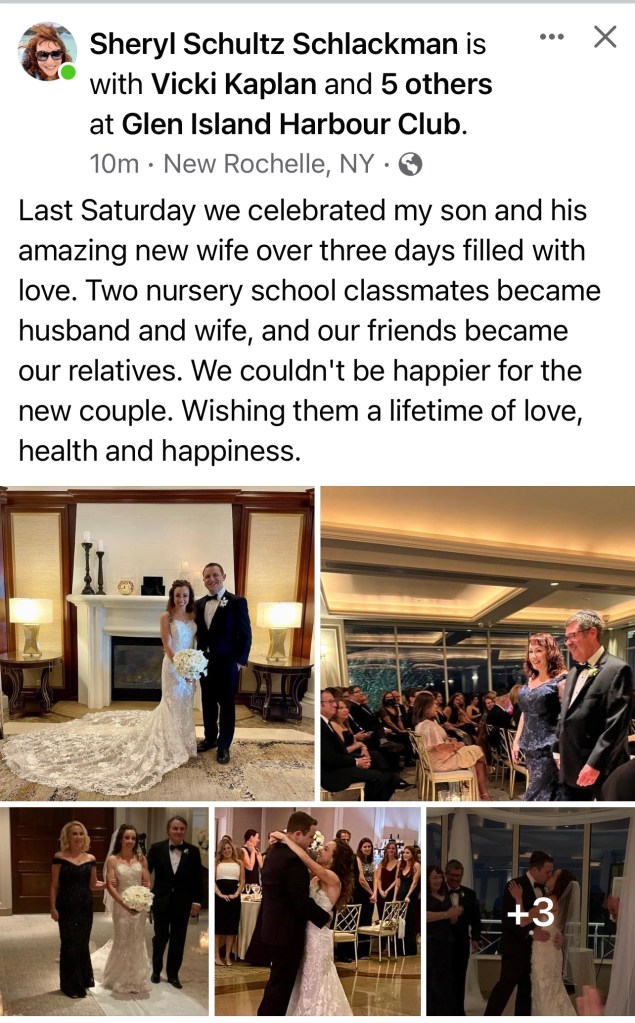
Sheryl (upper right hand corner) was our first employee at HWH PR 45 years ago,Closeup of Sheryl who is now one of the most successful investors in the tech business. Lunch with our cousin Justin Young who now lives in Miami. He grew up in Roslyn, NY and went to college in Ohio. We are 50 years older than him but the conversation and drinking are constant.Eliot took this photo of himself. His head is in the clouds. (Bottom)