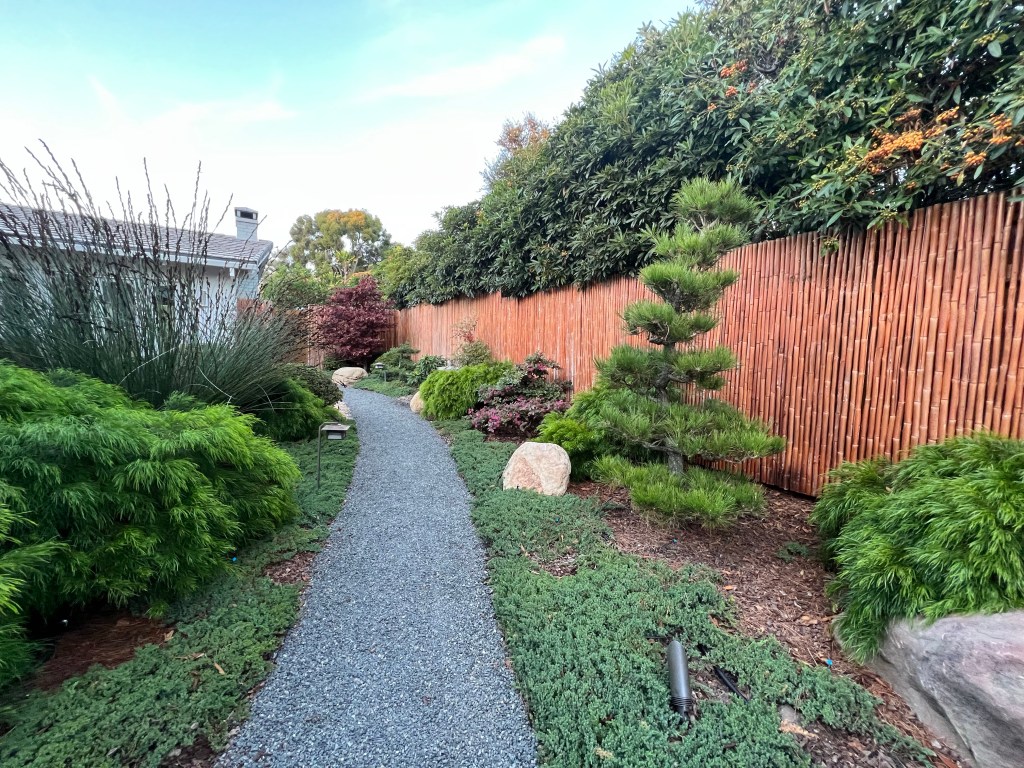
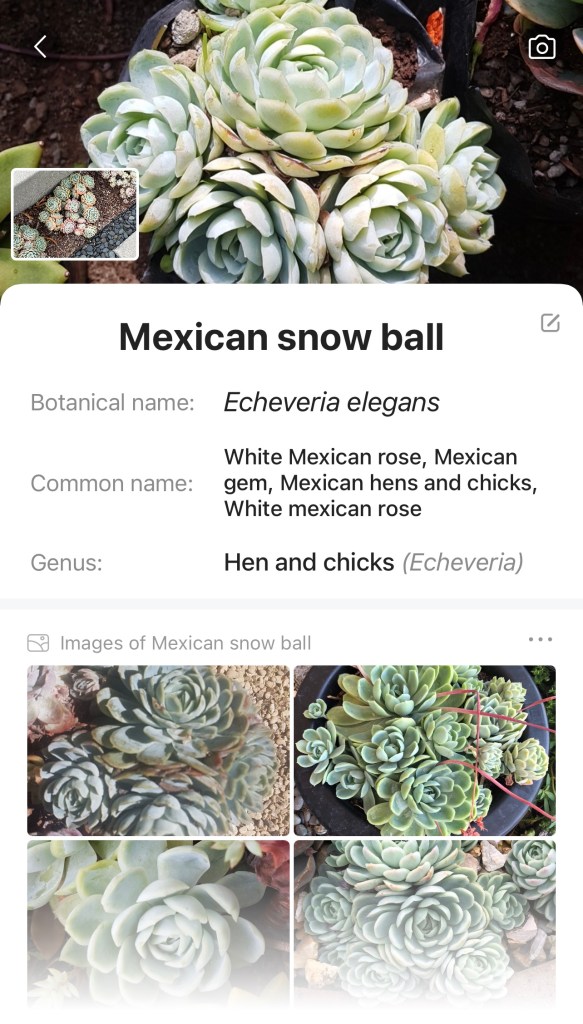
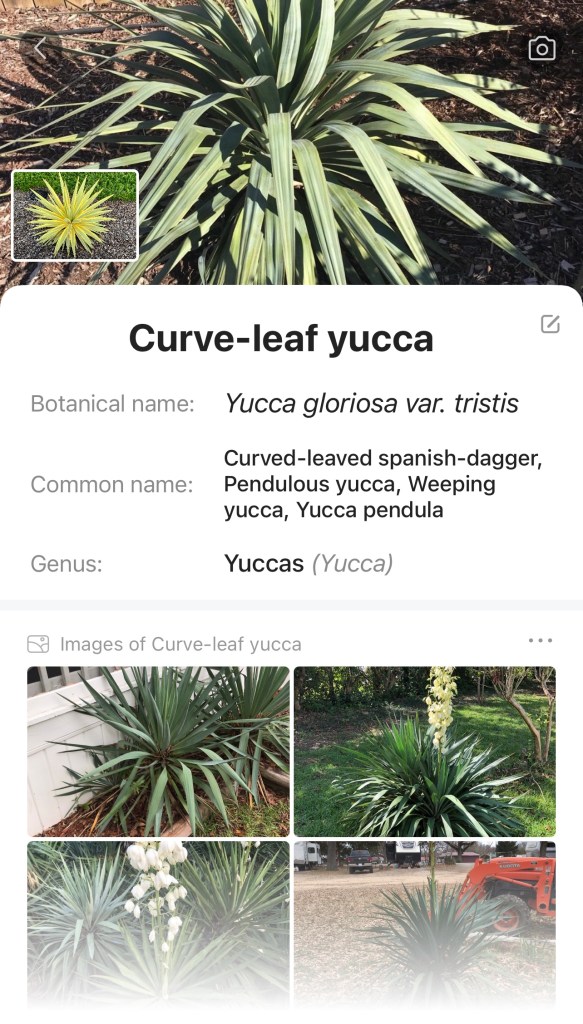
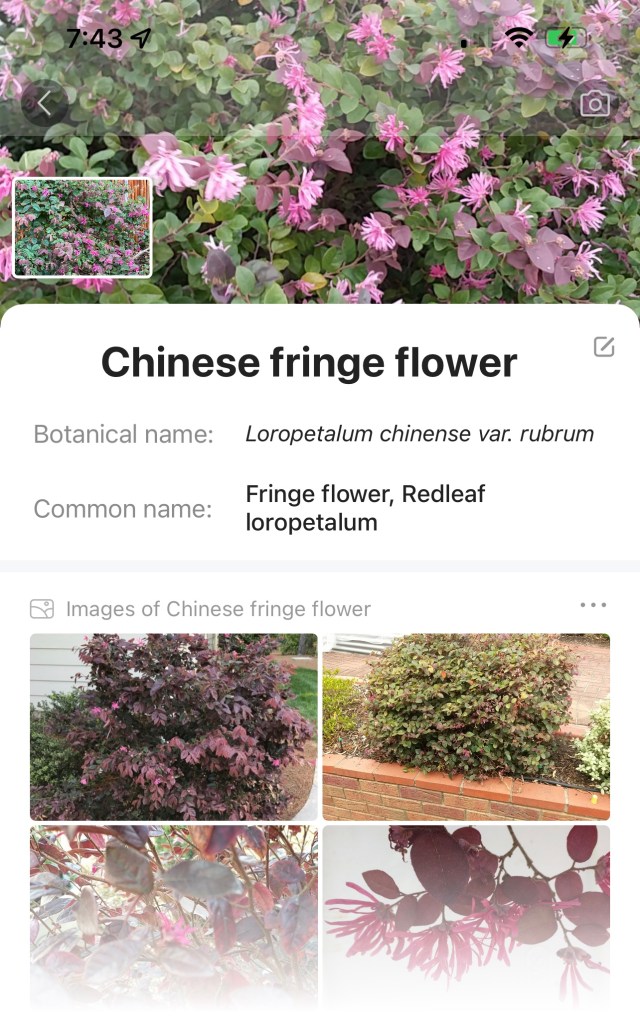
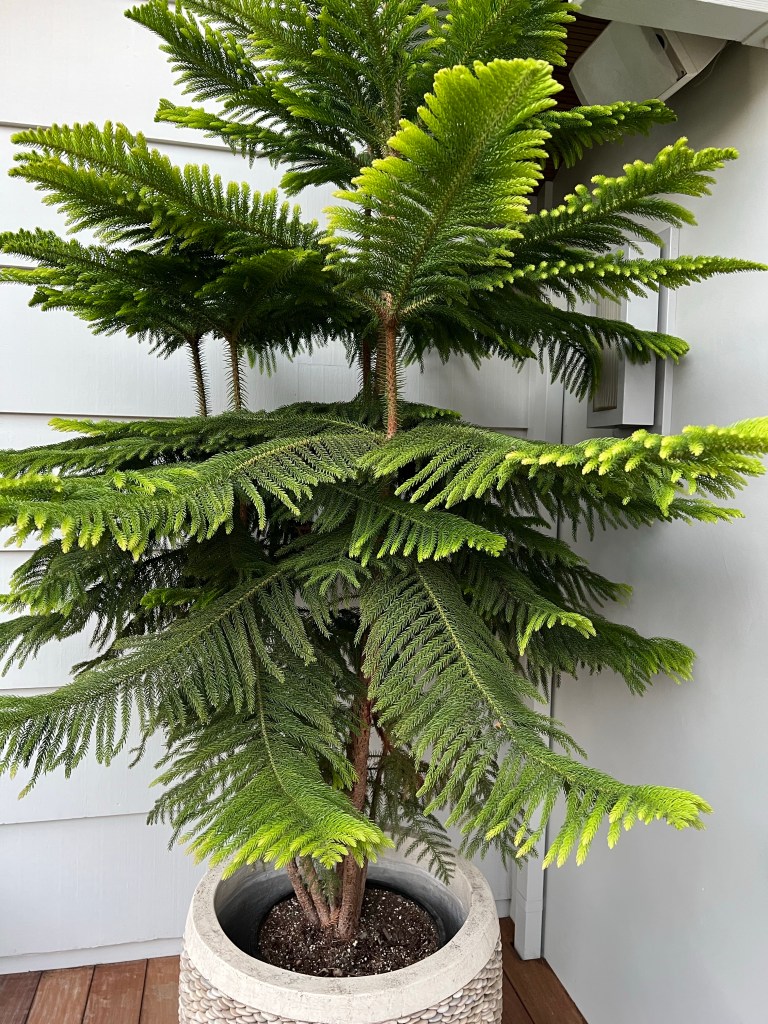
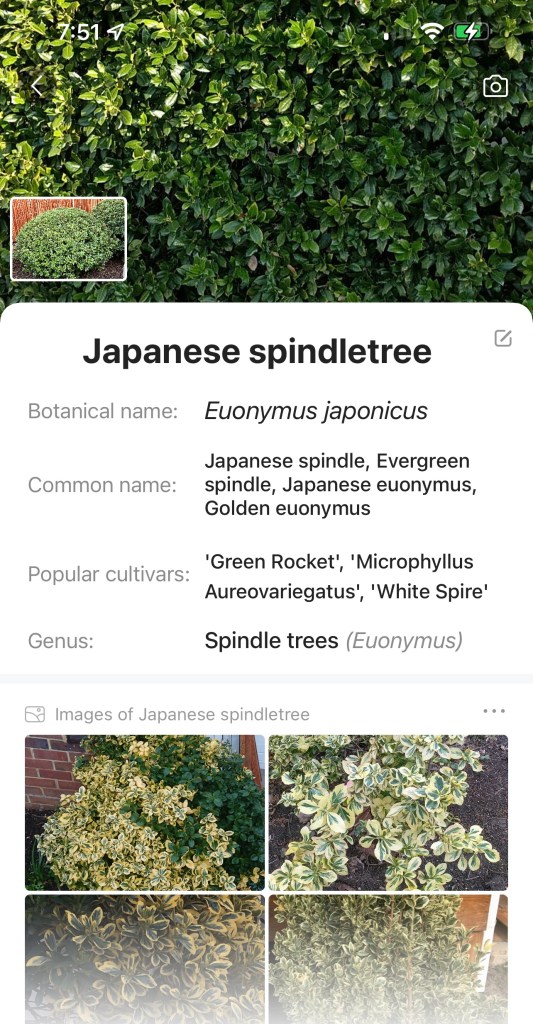
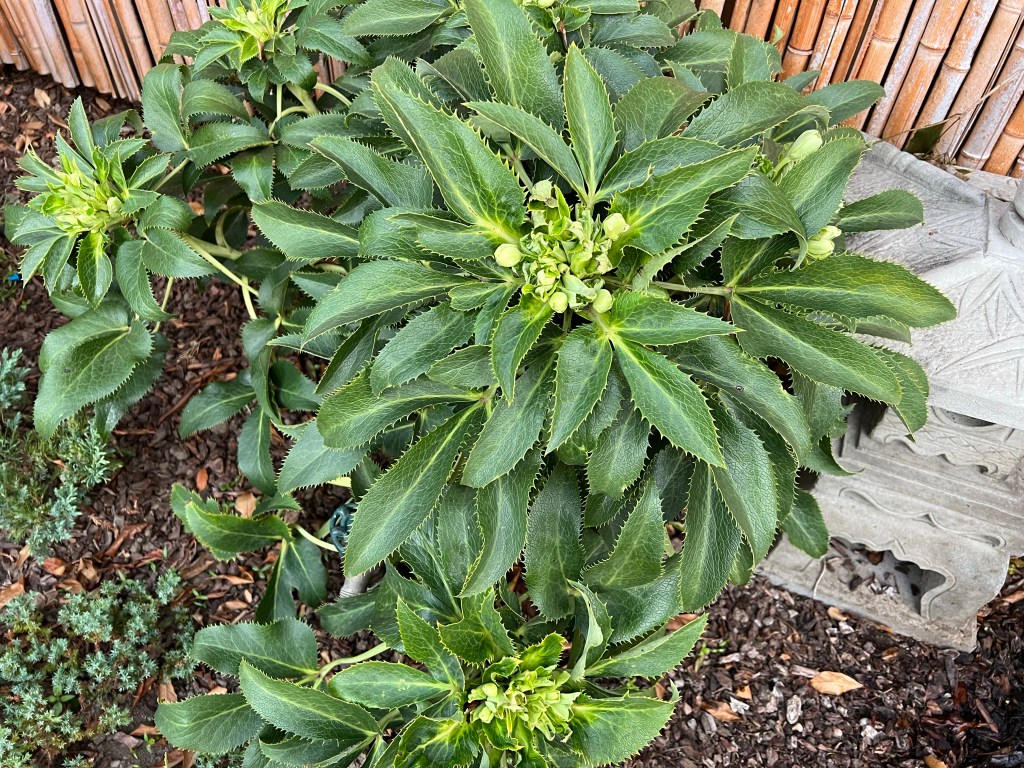
Over Thanksgiving Week, the Hess, Armada and Greenberg group went to visit our friends, Andrea and Ron Hein, in the celebrity enclave of Montecito, CA. Needless to say, their home was exquisite. So was their garden. I immediately took photos of some of their unique plantings so I could identify them with my “Picture This” app. I finally did it.
All you do is snap a photo of the plant, then the app identifies what you are looking at. It’s very interesting to learn all of the particulars, and sooner or later, you know more than the average person. This is a lot of fun for a city girl. Ron, did I get it right?
My PhotoThe AnswerMy PhotoThe AnswerMy PhotoThe AbswerMy PhotoThe AnswerMy PhotoThe AnswerMy photo The Answer My PhotoThe Answer
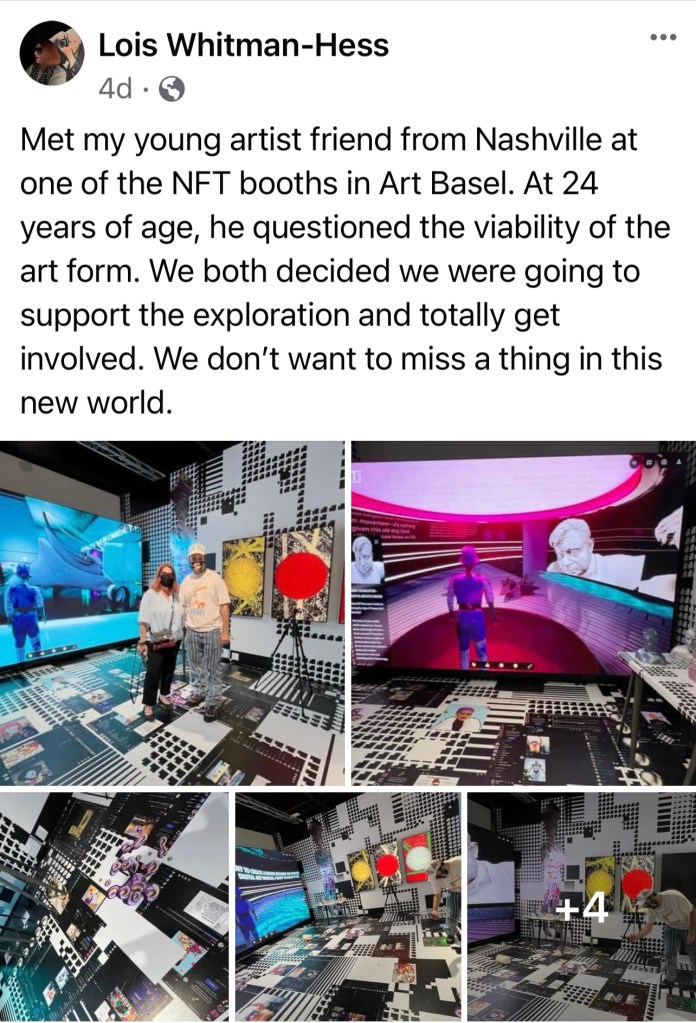
Wales typed the words “Hello, World!” after launching Wikipedia on January 15, 2001, and the moment has been immortalized in an NFT that is being sold by Christie’s, the auction house said in a statement.
An NFT is a piece of digital content linked to the blockchain, the digital database underpinning cryptocurrencies such as bitcoin and ethereum.
They transform digital works of art and other collectibles into one-of-a-kind, verifiable assets that are easy to trade on the blockchain, and have seen a huge spike of interest in the art world.
Collectors have a chance to buy the very first entry on what has gone on to become the largest repository of free information on the internet and one of the world’s top 10 most-visited websites, according to Christie’s, which estimates that the NFT will sell for $100,000-150,000.
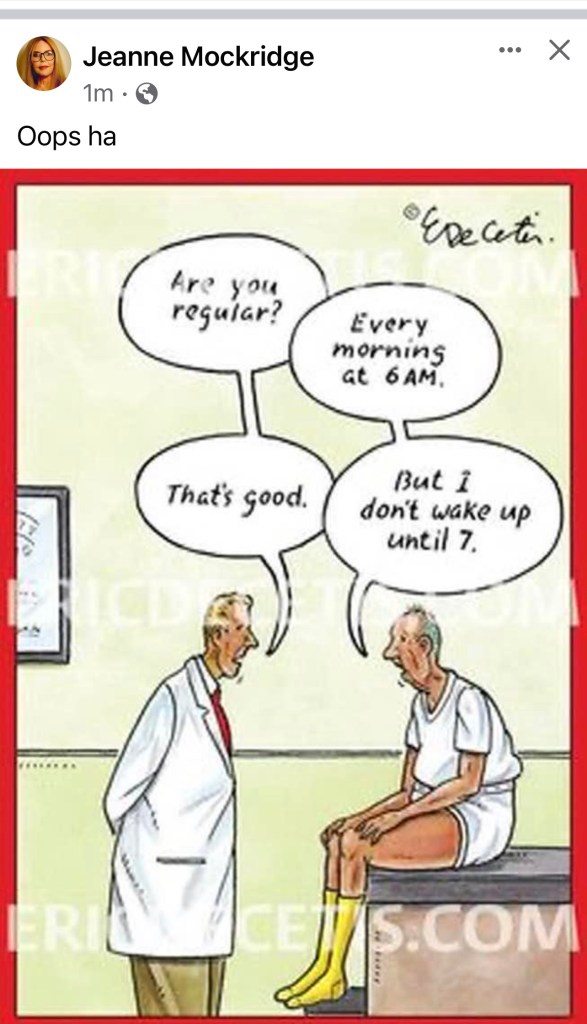
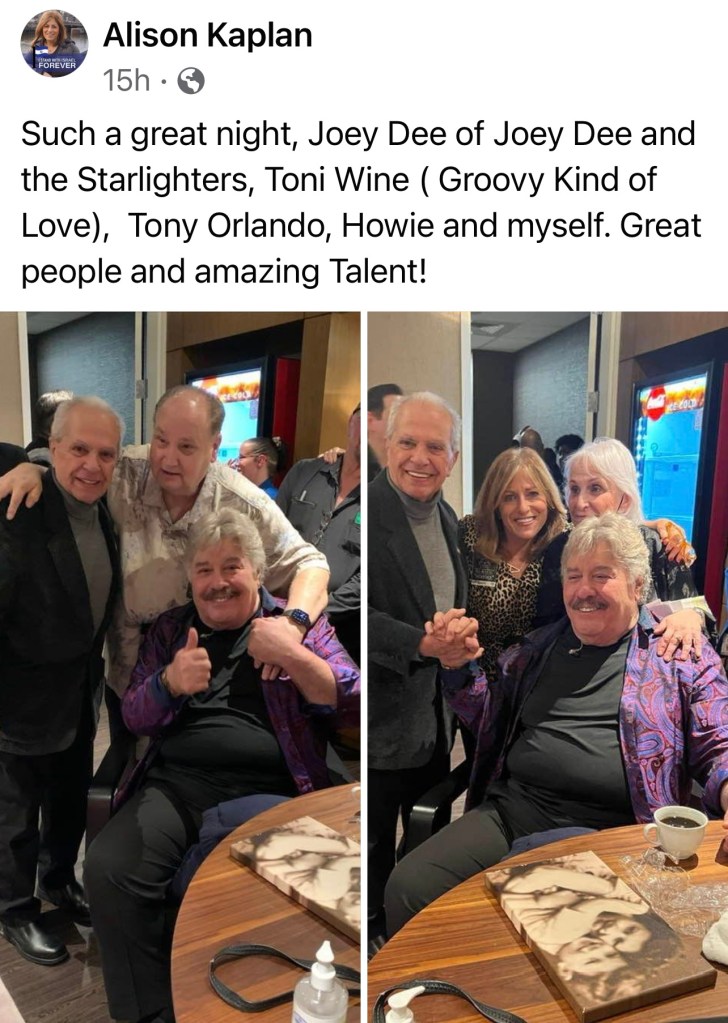
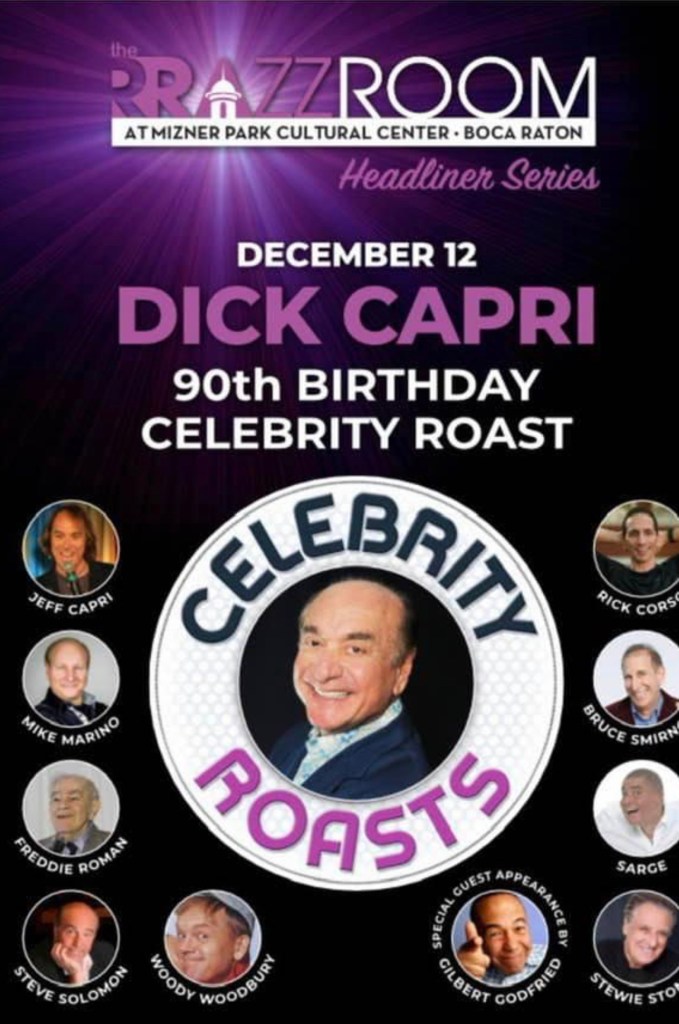
My friend Alison, who is a talent booker for South Florida, posted this on Facebook the other day. I had to share it. Here are the guys who gave us years of our favorite music. Eliot and I, along with Marcia and Richie Grand ( who met in the Catskills when they were teenagers) will be attending Dick Capri’s Roast next Sunday night. It should be awesome. This is an Alison Kaplan event.
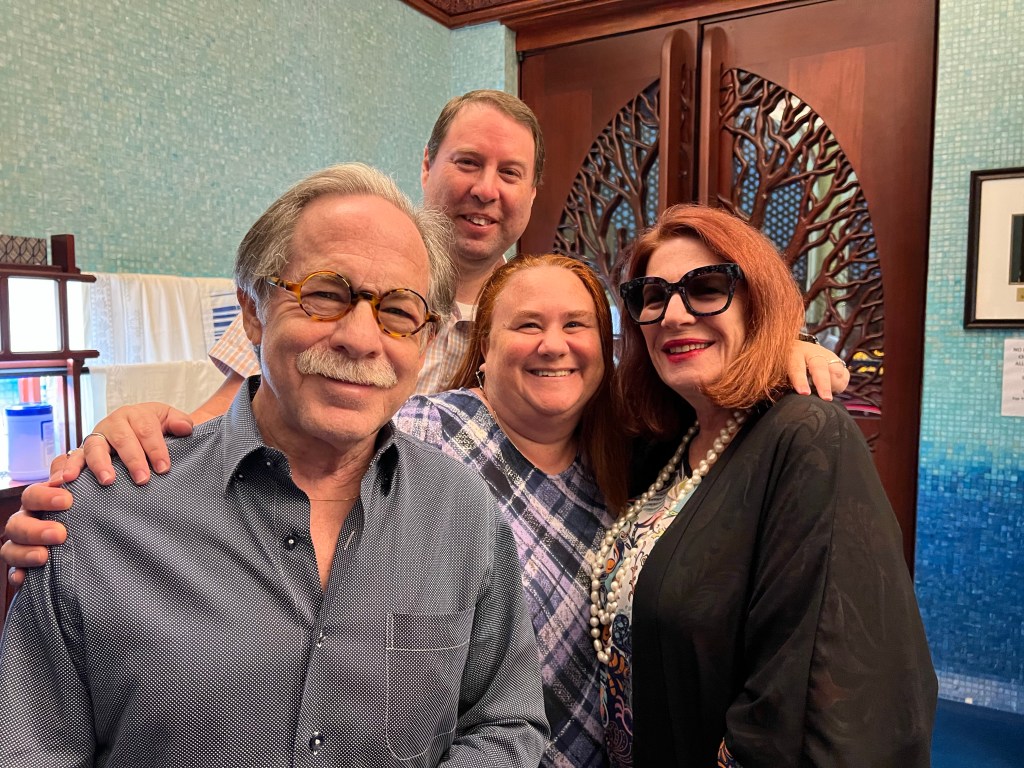
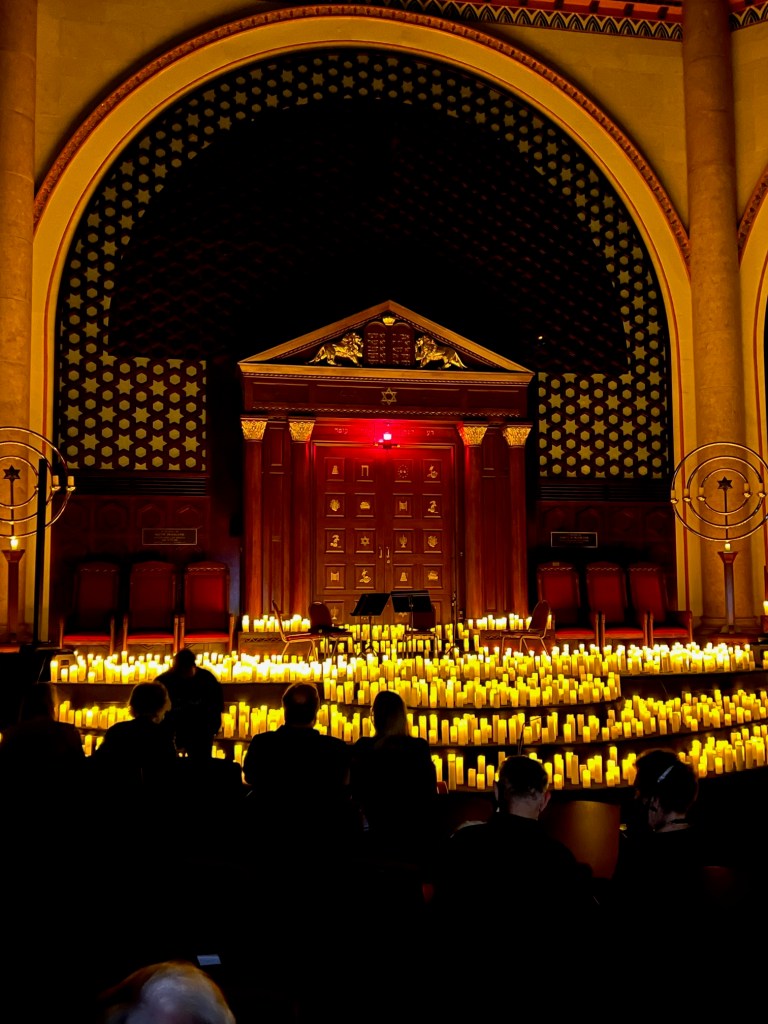
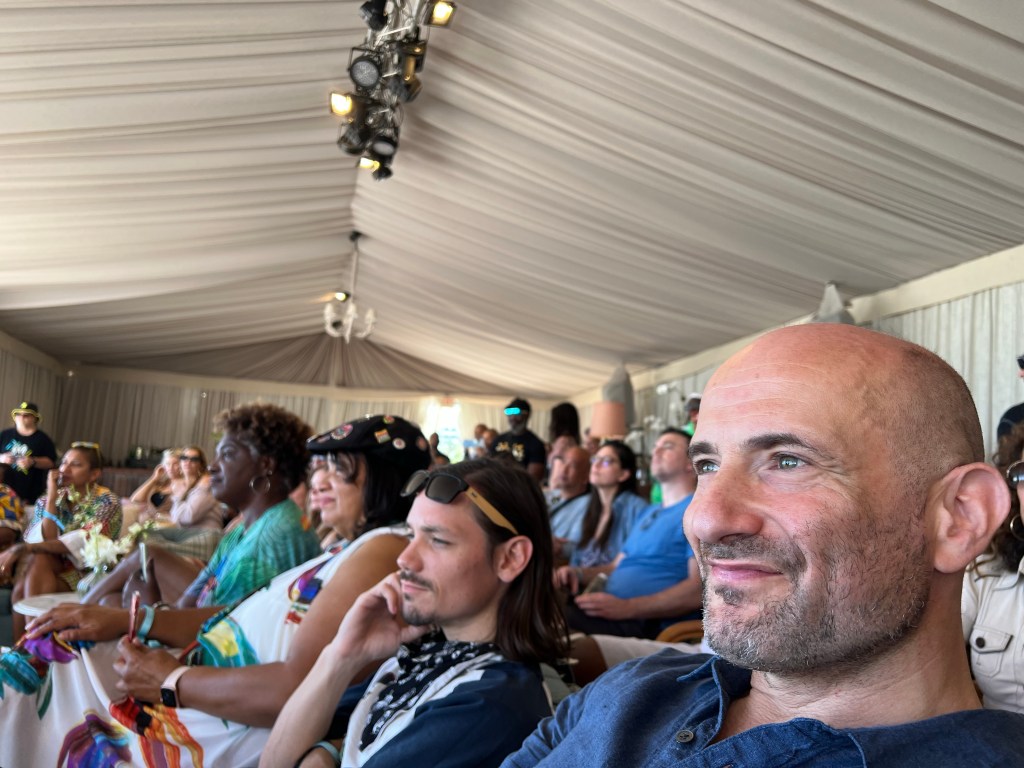
With Valerie Hess-Cevallos, Alfredo Cevallos and Eliot at a Hanukkah Candlelight Concert : Spotlight on Jewish Composers FT: Gershwin —at Temple Emanu-El Miami Beach
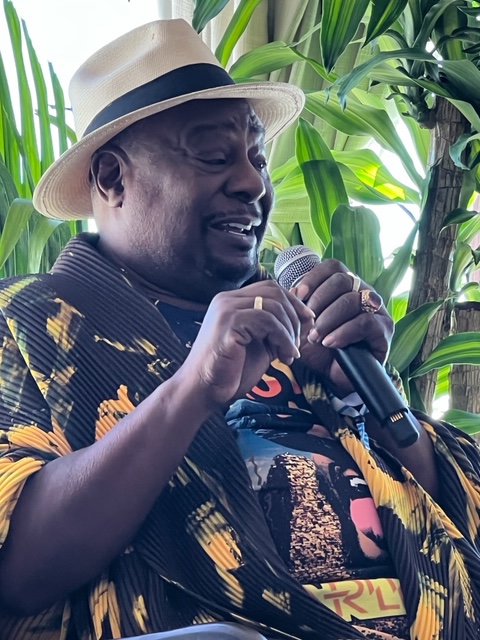
Thank you Spring McManus for inviting us to the talk with George Clinton, the musician, singer, songwriter, bandleader, and record producer at the SoHo House. It was wonderful hearing how his Parliament-Funkadelic movement influenced science fiction, outlandish fashion, psychedelia, and surreal humor. We love everyone and anyone who wants to make us one.
————————————————————————-
The brilliant attorney Neil Goldstein (left) introduced the four of us to become a very dear and fun loving circle of friends. Elaine (front) and Rob Witkoff (next to me) and celebrated artist Elizabeth Sutton. Oh what a beautiful night.
What were you doing at age 10? This young painter is showing his works at Art Miami
When most of us watch a film about a famous artist, we marvel in wonder.
Andres Valencia watched a film about Jean-Michel Basquiat and told his father: I can do that.
You can see for yourself how the work of the 10-year-old painter from San Diego turned out at the Chase Contemporary booth at Art Miami (hint: it’s pretty remarkable). The collection, on display at the show which runs through Sunday, already has an offer from a New York-based collector, according to Nick Korniloff, the fair’s director.
“We work with young artists all the time, but this one is special,” Korniloff said, adding that the exhibit is important to him for a personal reason: Part of the proceeds from sales will benefit the Perry J. Cohen Foundation, named for his son Perry, who was lost at sea at age 14 in 2015.
Andres, who is inspired by Cubism but still likes to play with his G.I. Joe, is self-taught, said his dad Guadalupe Valencia, an attorney (mom Elsa is a jewelry designer — perhaps she is the genetic wellspring of all this talent). Andres painted his first painting at age 4 and began to work on small canvases. Last year, when the pandemic rolled around and the lockdown loomed, his dad brought home large canvases with trepidation, unsure how Andres would react to the bigger scale.
Turns out he did just fine. His second large painting is part of the collection at Art Miami.
“He even painted an 84-by-48-inch canvas,” said Guadalupe Valencia. ‘He uses a ladder.”
Scale isn’t a problem for the diminutive young artist, who got to meet street artist Shepard Fairey at Art Miami (their booths are next to each other) and counts George Condo and Picasso as his favorite painters (he’s a Modigliani fan, too). The hardest thing, he says, “is combining everything together to make the style match.”
The best thing? “You can express your feelings and stuff on canvas,” he said.null
Andres will paint live at noon on Saturday at Art Miami, which is a good example of what the fair strives to provide, Korniloff said.
“It shows you what we do around the fair all the time,” he said. “We always have something for people to look at and say, ‘That’s interesting. That’s different.’ ”
Right-handed people dominate the world, and it’s been that way since the Stone Age. How do we know? Researchers figured it out by measuring the arm bones in ancient skeletons and by examining wear patterns in prehistoric tools. In Western countries, lefties make up only about 10% of the population. Folks who favor different hands for different tasks (mixed handed) or who use both hands with equal skill (ambidextrous) are uncommon.
Genetic Roots
2 / 12
Scientists have long known that handedness is partly shaped by genes. But it wasn’t until 2019 that they identified differences in parts of the DNA of left- and right-handers. The study, which also analyzed brain scans of 9,000 British subjects, found that in lefties, the parts of the right and left sides of the brain that process language work in better tandem. Whether that makes left-handers more fluent speakers is still to be investigated.
Handedness in the Womb
3 / 12
Fetuses start to move their arms around 9-10 weeks. By early in the second trimester, the babies show a clear preference for sucking one thumb over the other. So handedness is probably hardwired before birth. Still, most development experts say parents likely won’t get a good sense of their child’s dominant hand until age 2 or 3. Many kids continue to switch hands for different tasks during early childhood.
Mixed Dominant Hands
4 / 12
Studies show that non-right-handed students are much more likely to struggle in school and have ADHD symptoms. That may be particularly true for those who are mixed-handed or ambidextrous. One study found that children who switch hands back and forth are about twice as likely to have dyslexia. Researchers don’t know exactly why. But they suspect that having an inconsistent dominant hand may be a bigger problem than consistent left-handedness.
Superior Lefties?
5 / 12
Your brain’s right side controls muscles on the left side of your body and largely drives musical and spatial abilities. That may be why left-handers often hold more than their share of slots in creative professions. Mirror writing, where letters are reversed and written backward, is almost always done with the left hand. Some studies show that left-handed children score higher on verbal reasoning or are more likely to be in gifted programs. But other research differs.
Handedness and Age
6 / 12
In an interesting experiment with right-handed seniors, researchers found that the subjects relied less and less on their dominant hand the older they got. As their right hands grew slower and unsteady, the elderly people handled some of the tasks just as well with their left hands. But they still all saw themselves as strong righties.
Handedness and Athletics
7 / 12
Lefties appear to have an edge in sports like boxing or fencing, where they might surprise opponents used to facing off against mostly right-handers. In some years, nearly half of Major League Baseball’s All-Star roster has been southpaws or switch hitters. But that may be due less to athletic talent than to practical advantages like the fact that left-handed hitters stand closer to first base.
Brain Disorders
8 / 12
There’s a well-established link between left-handedness and mental conditions like schizophrenia, which can cause hallucinations and impaired thinking. A large recent study in the U.K. found a strong link between regions of the brain involved in handedness and how likely you are to have mood swings, restlessness, and neuroticism, a personality type marked by anxiety and fear that sometimes can veer into mental disorder.
Humans vs. Apes
9 / 12
We’re not the only animals with a handedness trait. Researchers watching wild chimps found they favor their left hands twice as often when fishing for termites. And the same was largely true for chimpanzees raised in captivity. But results were different for nut-cracking. For that task, which requires sheer force instead of the fine motor skills needed for extracting insects, wild chimps were much more likely to favor their right hands.
Forced Right-Handedness
10 / 12
Cultural biases against left-handers has existed throughout history. In the Middle Ages, the devil was believed to be a lefty. In Japan, China, and other Asian countries, the percentage of left-handers is much smaller than in the West. American teachers and doctors in the early 1900s believed that left-handers were more prone to mental disorders and pressured students to switch hands.
Famous Lefties
11 / 12
Four of the six most recent U.S. presidents were lefties: Ronald Reagan, George H.W. Bush, Bill Clinton, and Barack Obama. Celebrity southpaws include Oprah Winfrey, Bill Gates, Tom Cruise, Paul McCartney, Prince Charles, and his son, Prince William.
Tools for Lefties
12 / 12
If you’re a righty and ever used your left hand to cut with scissors, you know it’s awkward. Lefties can find a growing number of products for the kitchen, office, and elsewhere that are designed with them in mind. You can buy knives with the sharpened edge on the right side of the blade for cleaner slicing. Or a measuring cup with unit labels that face you when you hold it in your left hand.
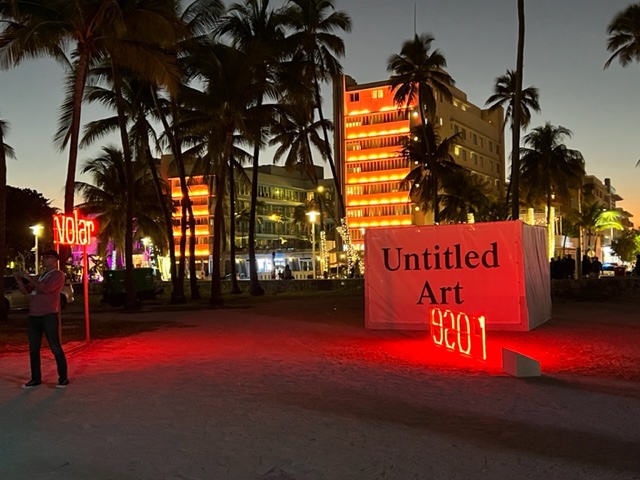
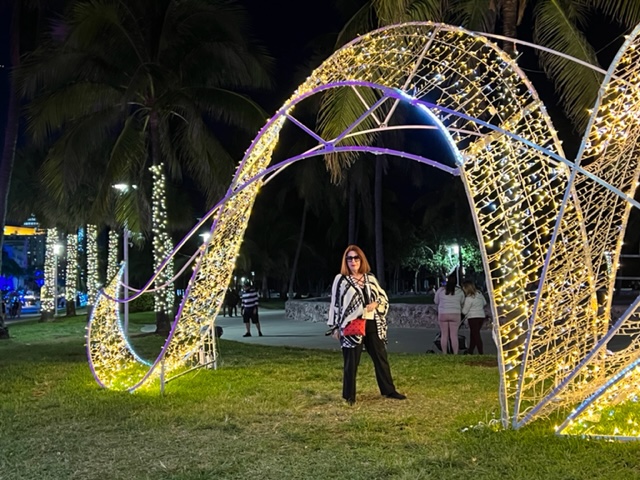
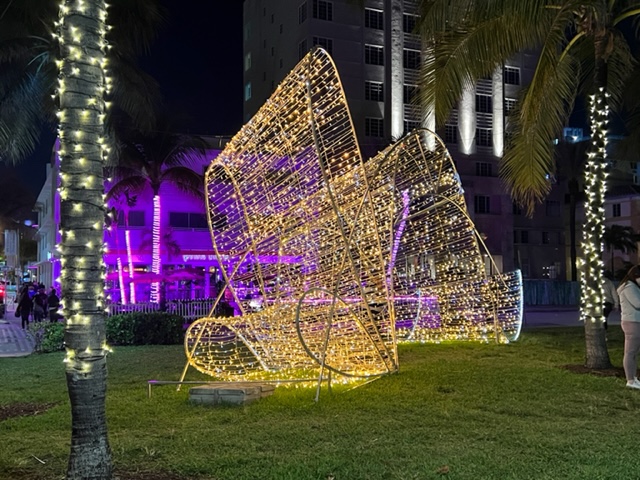
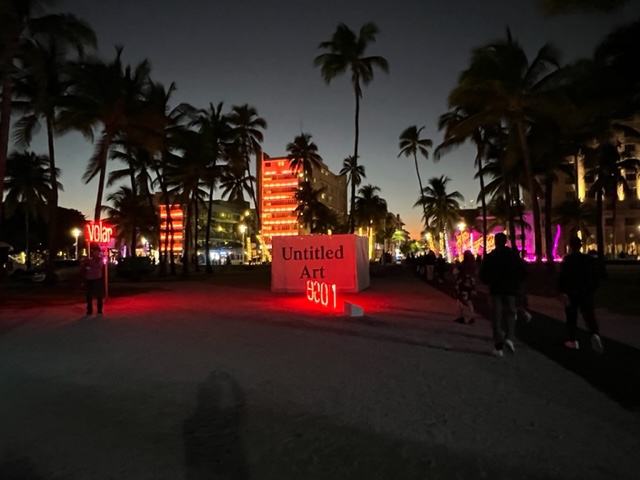
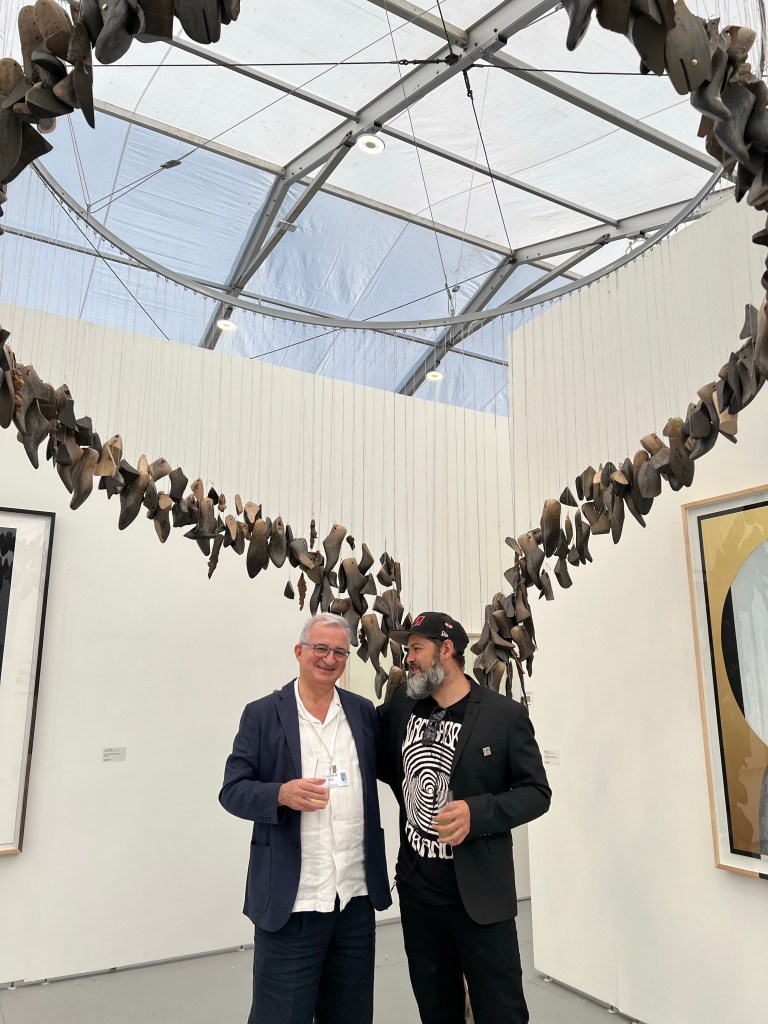
One of the best art shows. Fabric art is taking over the world. Ocean Drive was electric tonight.
———————————————————————-
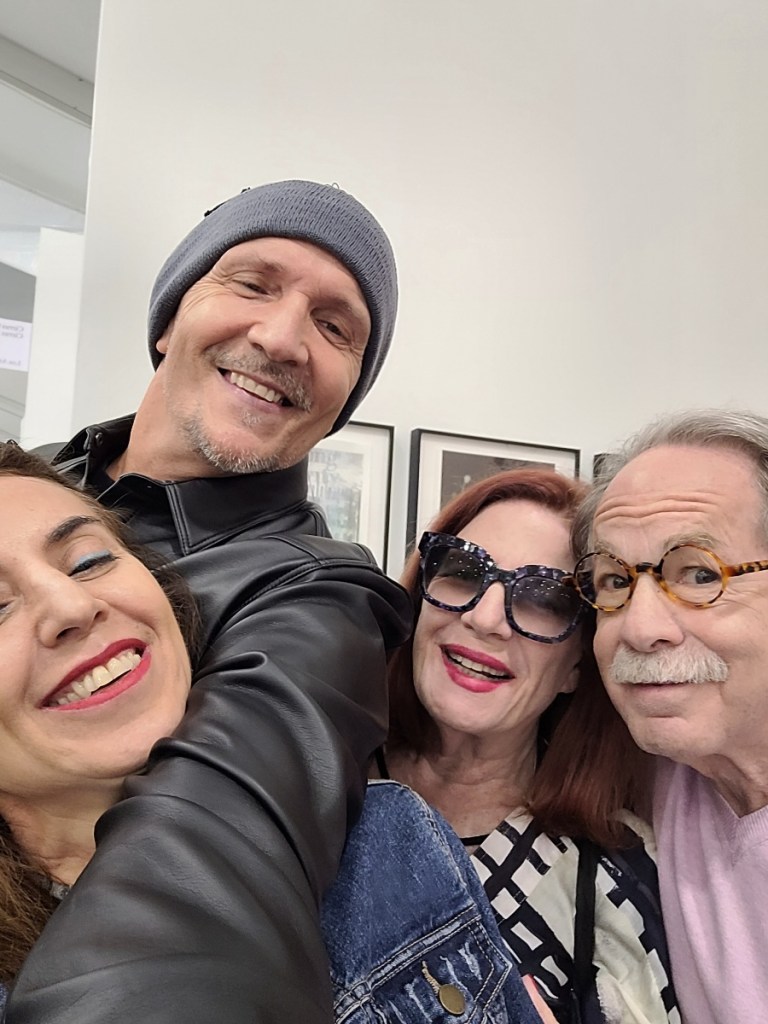
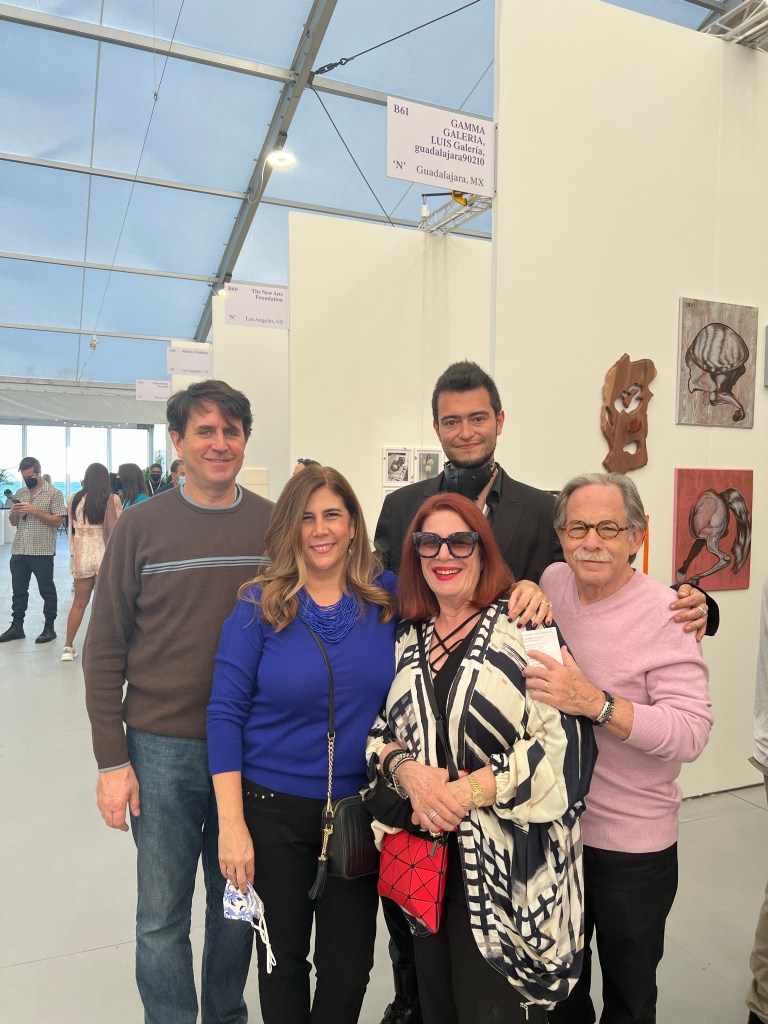
If you ever want a meaningful explanation of any piece of art, stick with these two. Brilliant minds connect these fun loving, wild, and crazy kids on the left. Viviana Dominguez Art Conservator and Visual Artist John DeFaro #Miamiartweek2021 #untitledart
————————————————————————-
I knew I was in good company when Teresa Enriquez and husband Michael made the same choices from gallerist Rigo Campuzano. Teresa has quite the eye. We all partied in Mexico City a few years ago. To be continued.
————————————————————————-
What a joy immediately bumping into the famous Guatemalan filmmaker Veronica Riedel at “Untitled.” She does it all, writes, produces, directs and coaches. Also has a stunning boyfriend from Argentina who couldn’t detect my thick NY accept. Hello to Ana Westermann and Tony Westermann. Miss you.
———————————————————————-
Nicole Martinez, communications director of Fountainhead Arts on right with artist friend, flanking Eliot. Nicole is hitting PR home runs.
———————————————————————
Finally got a piece of Omar Barquet. Not this massive wonderment that was the talk of “Untitled.” We got something that was a bit smaller from cheerful Gallerist Moiz Zilberman of Berlin.
———————————————————————-
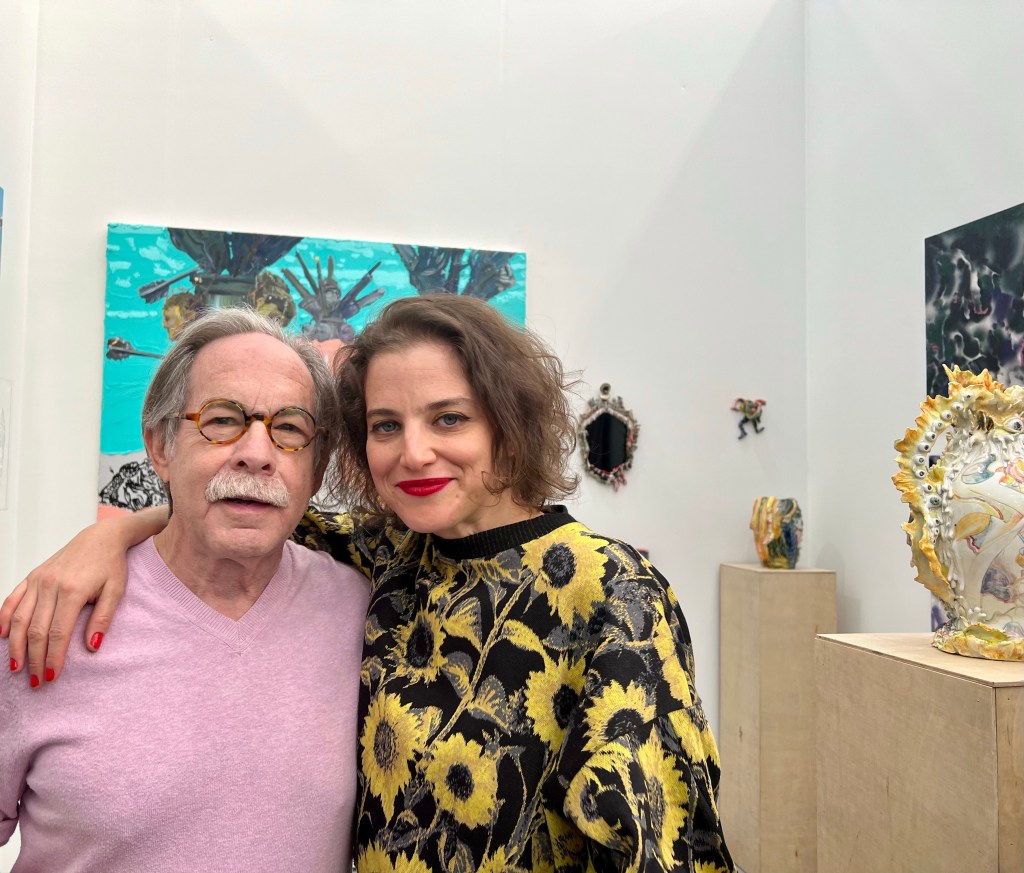
The super talented artist Alex Nunez hugging Eliot. Alex is a favorite. She is also a fabulous DJ, podcaster, and digital expert. We own a number of her works.
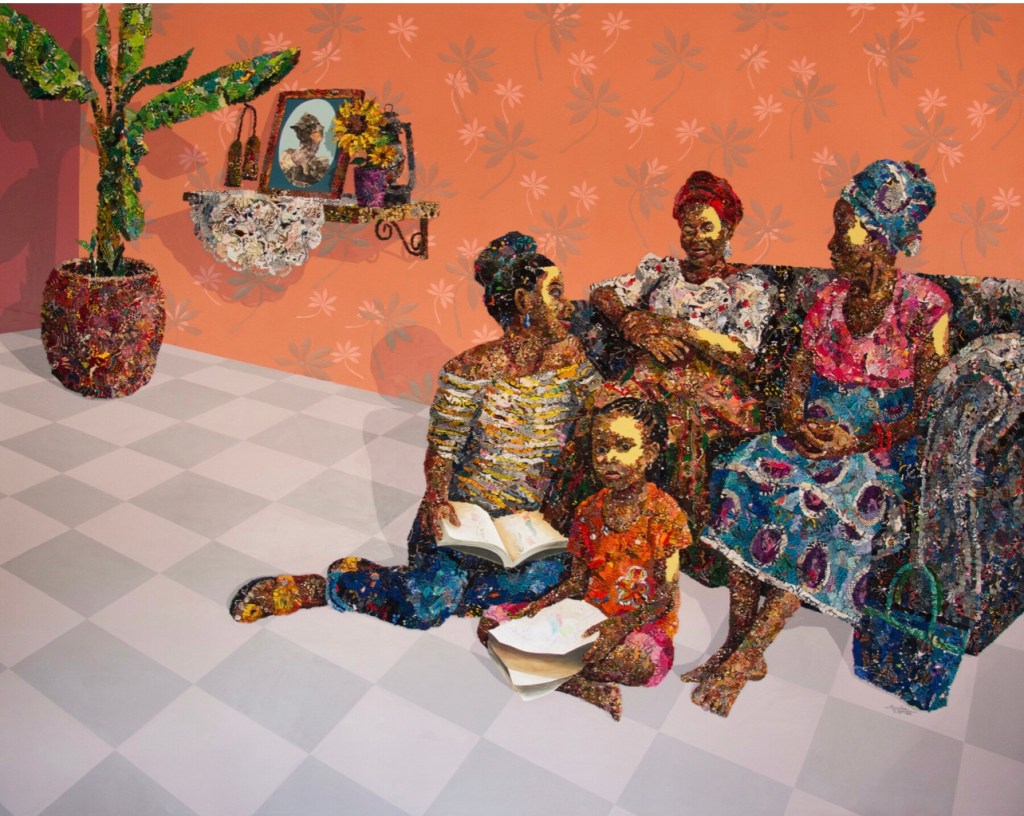
In Opposite Styles, 2 African Artists Capture the Same Spirit
Fountainhead Arts received amazing recognition today in the New York Times for nurturing many of the world’s most talented artists. Meet Marcellina Akpojotor of Nigeria. We partied with her at Alison Davis’ birthday party a few weeks ago. Marcellina is adorable. So is Alison. Thank you Kathryn Quinlivan Mikesell and Dan Mikesell for making our lives so exciting. Love, a proud board member—me.
Our First Miami Art Fair/Art Basel Stop
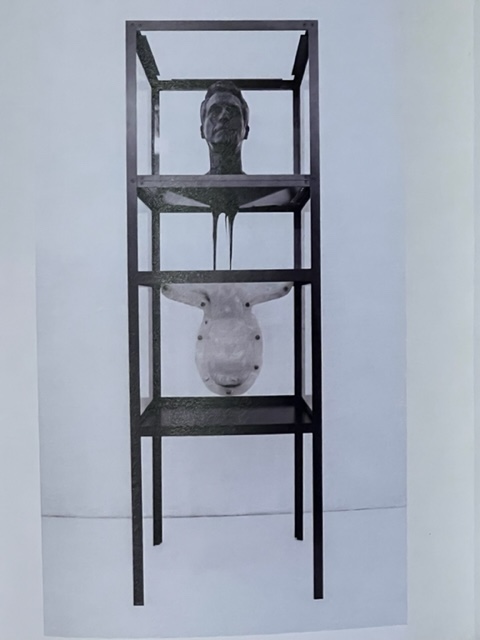
Everyone always asks me what was the most exciting and important exhibit at the Miami Art Fair. Go see what Tami Katz-Freiman (in yellow) curated at the LnS Gallery. It’s brilliant. Artist Tony Vazquez-Figueroa (in the middle) created the Amor Fati/ Eternal Recurrence. It’s a life-size head cast in bitumen, a portrait of the artist. It’s placed within a transparent plexiglass container resembling an aquarium. the bottom of the aquarium contains a hole through which the bitumen drains into another container, holding a negative mold of the same self portrait. The work is based on the Pitch Experiment, which is considered to be the longest active scientific lab experiment in history. It was initiated in 1927 in Australia by Professor Thomas Parnell in an attempt to measure the viscosity of a piece of tar over many years. The original experiment was performed with pitch, a general name for a number of viscous liquids that appear solid, the most common of which is bitumen. Tar of this type “flows” at room temperature at the rate of one drop every nine years. The experiment is still active. There appears to be enough tar in the funnel in order for it to continue for at least another century. Husband Mooli Freiman joins Tami in this celebration. Photos by Eliot Hess.