Social Media 60 Years Ago 

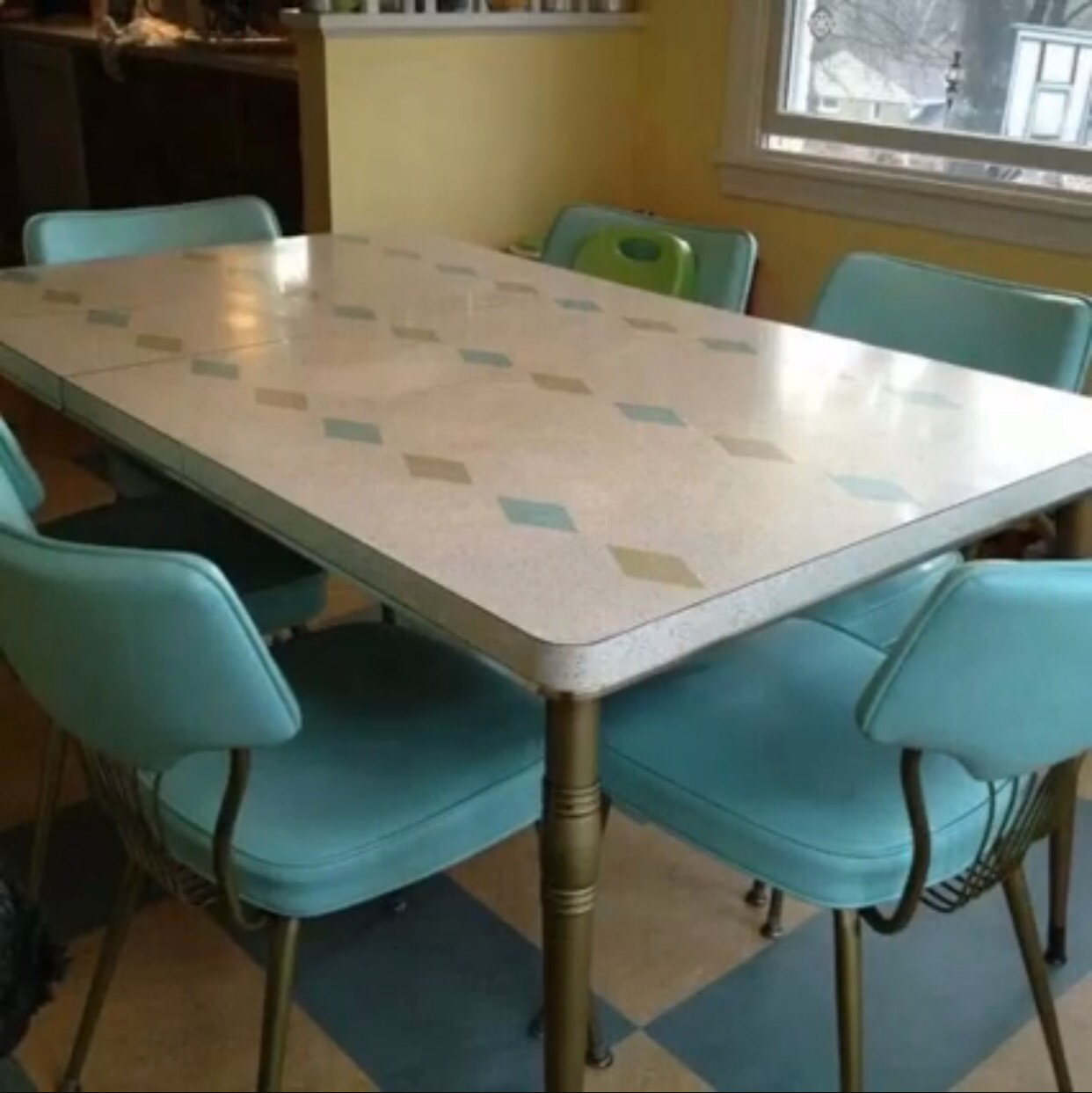
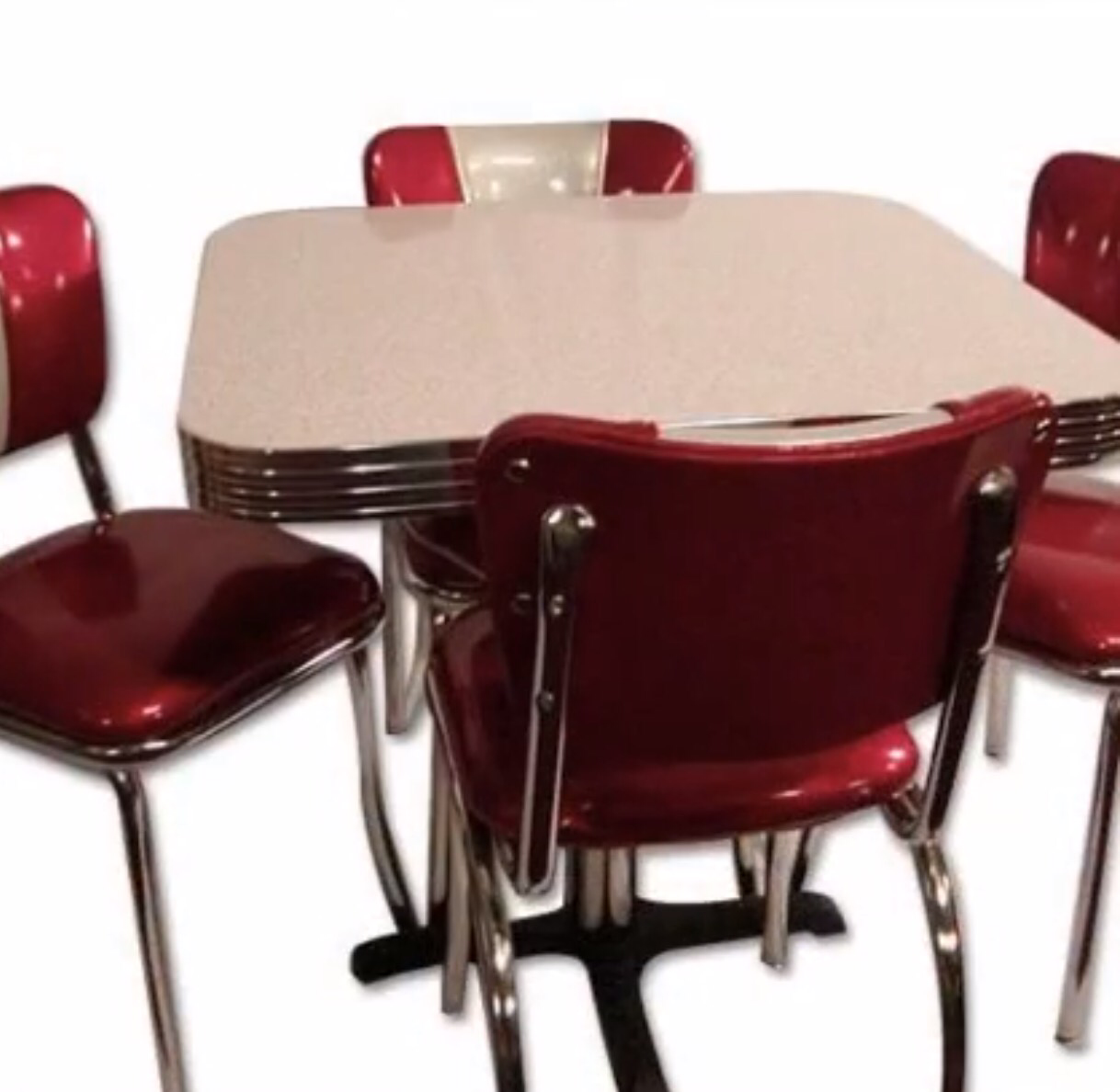
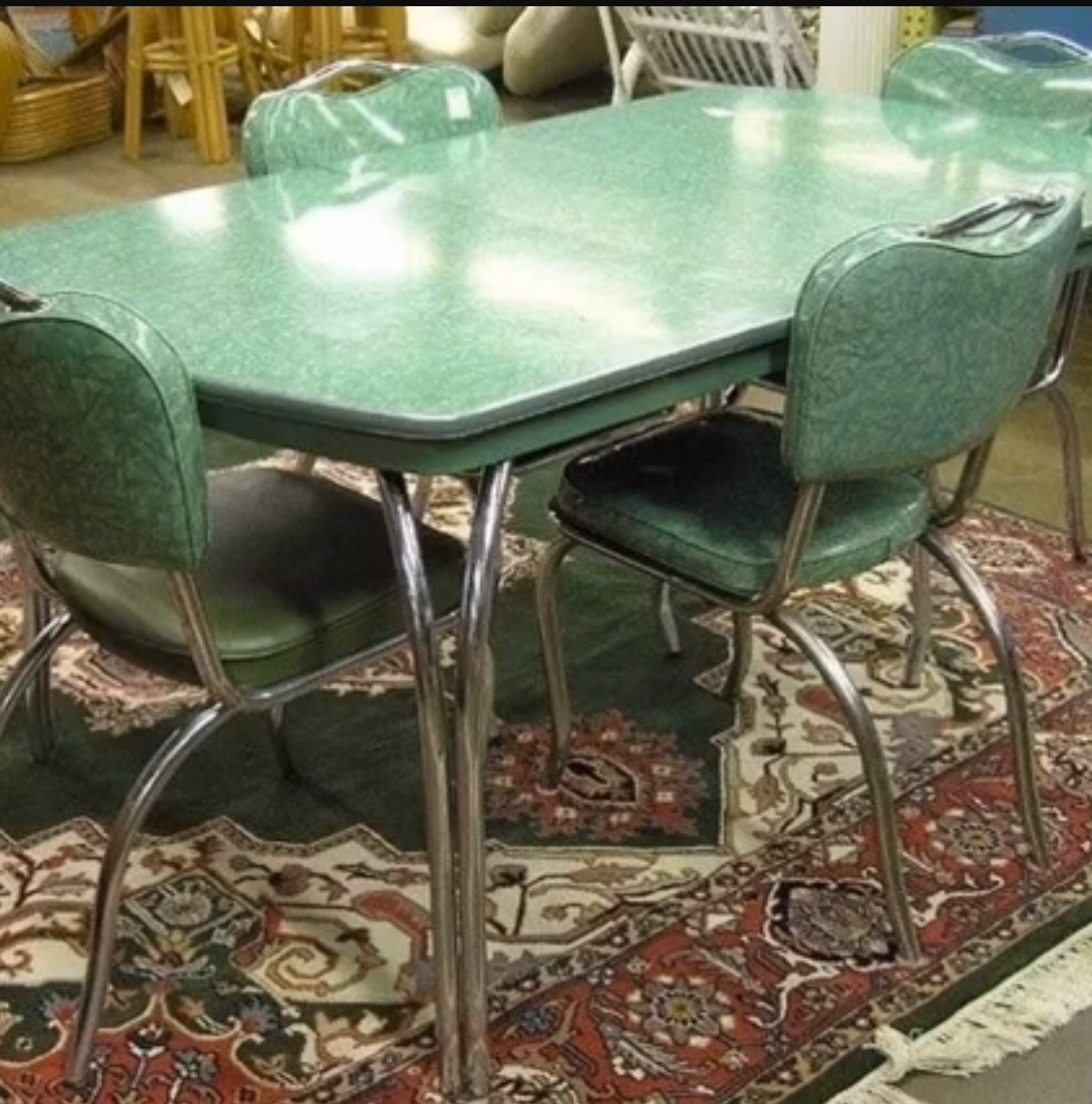
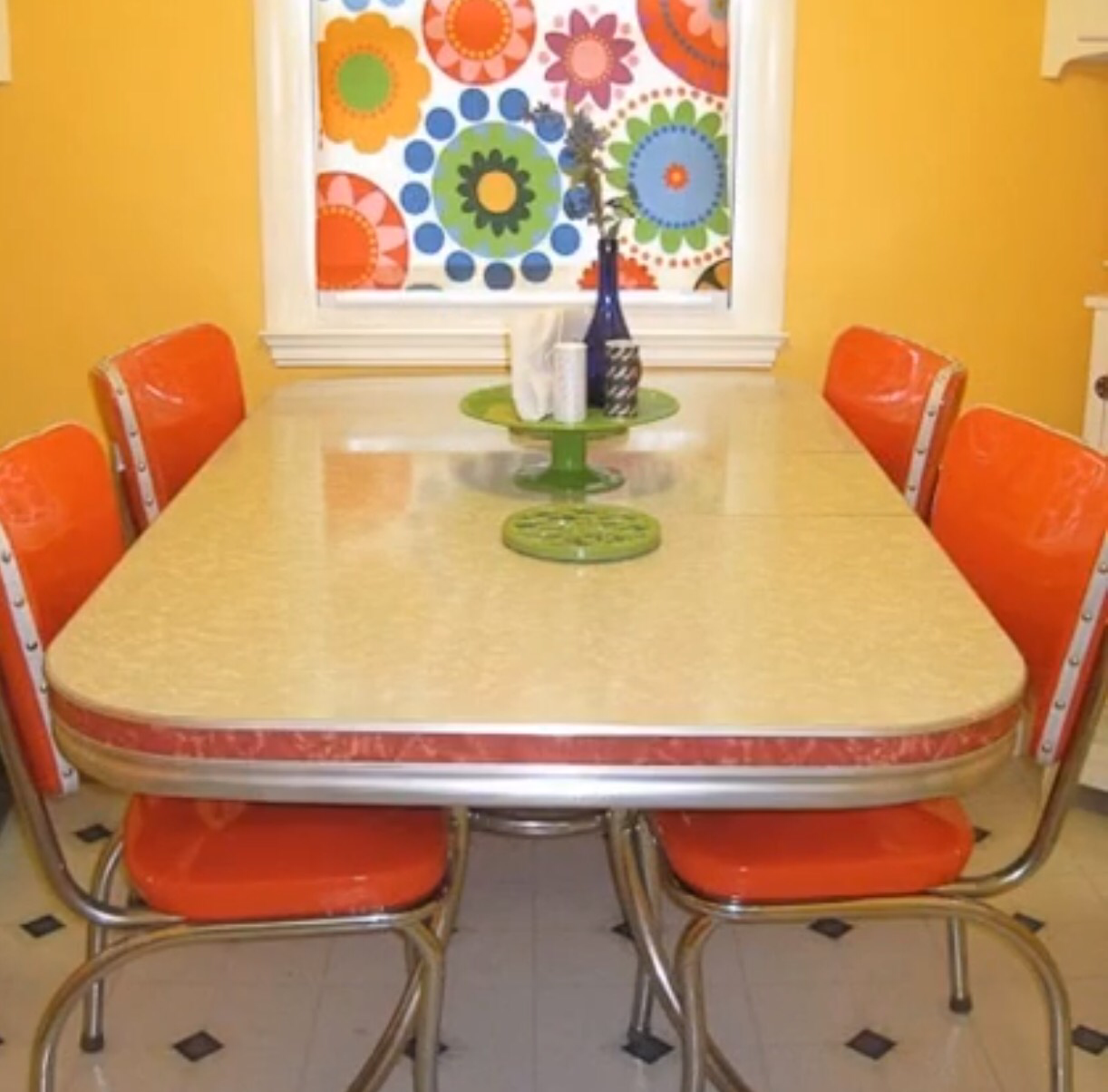
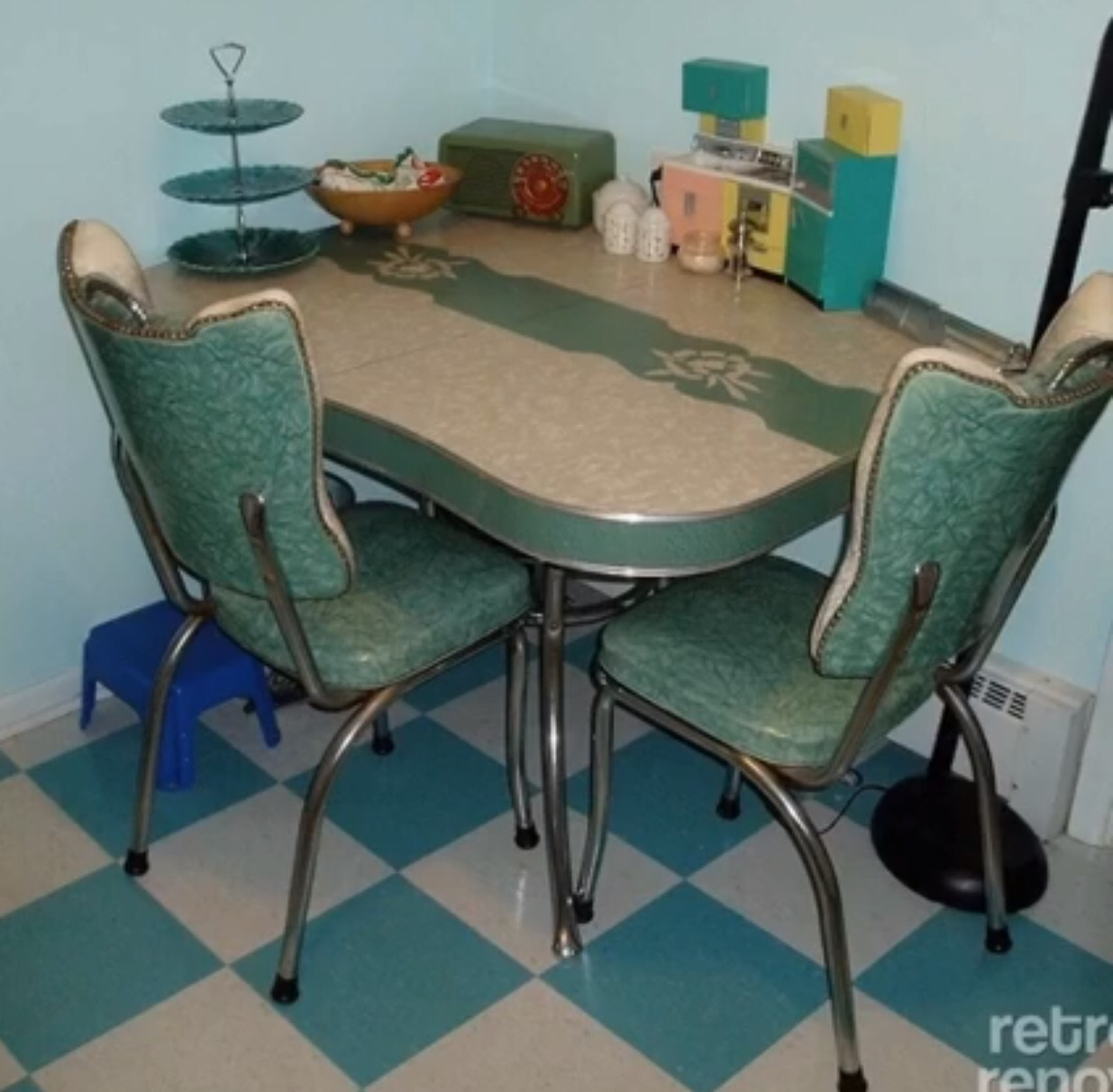
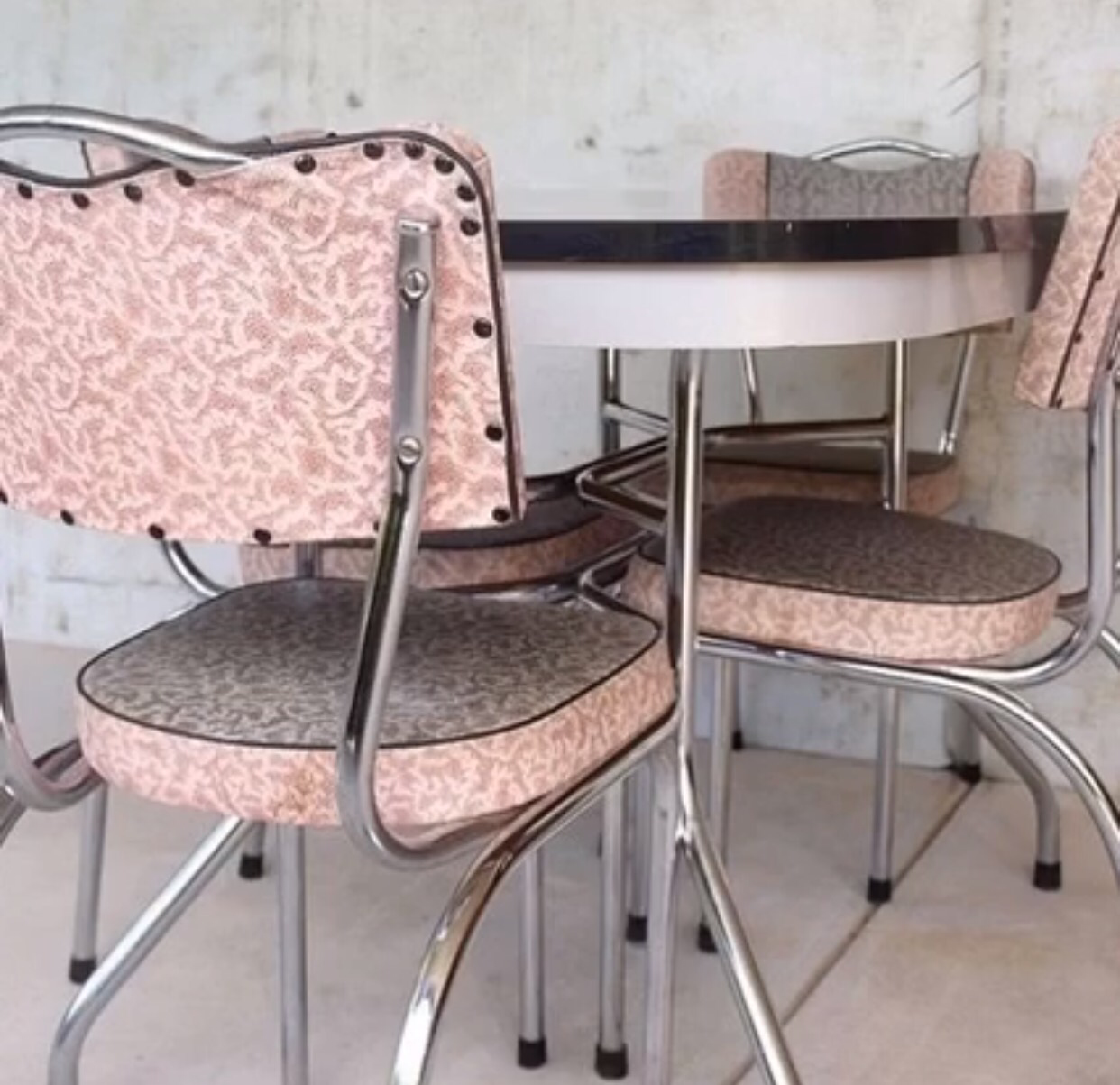
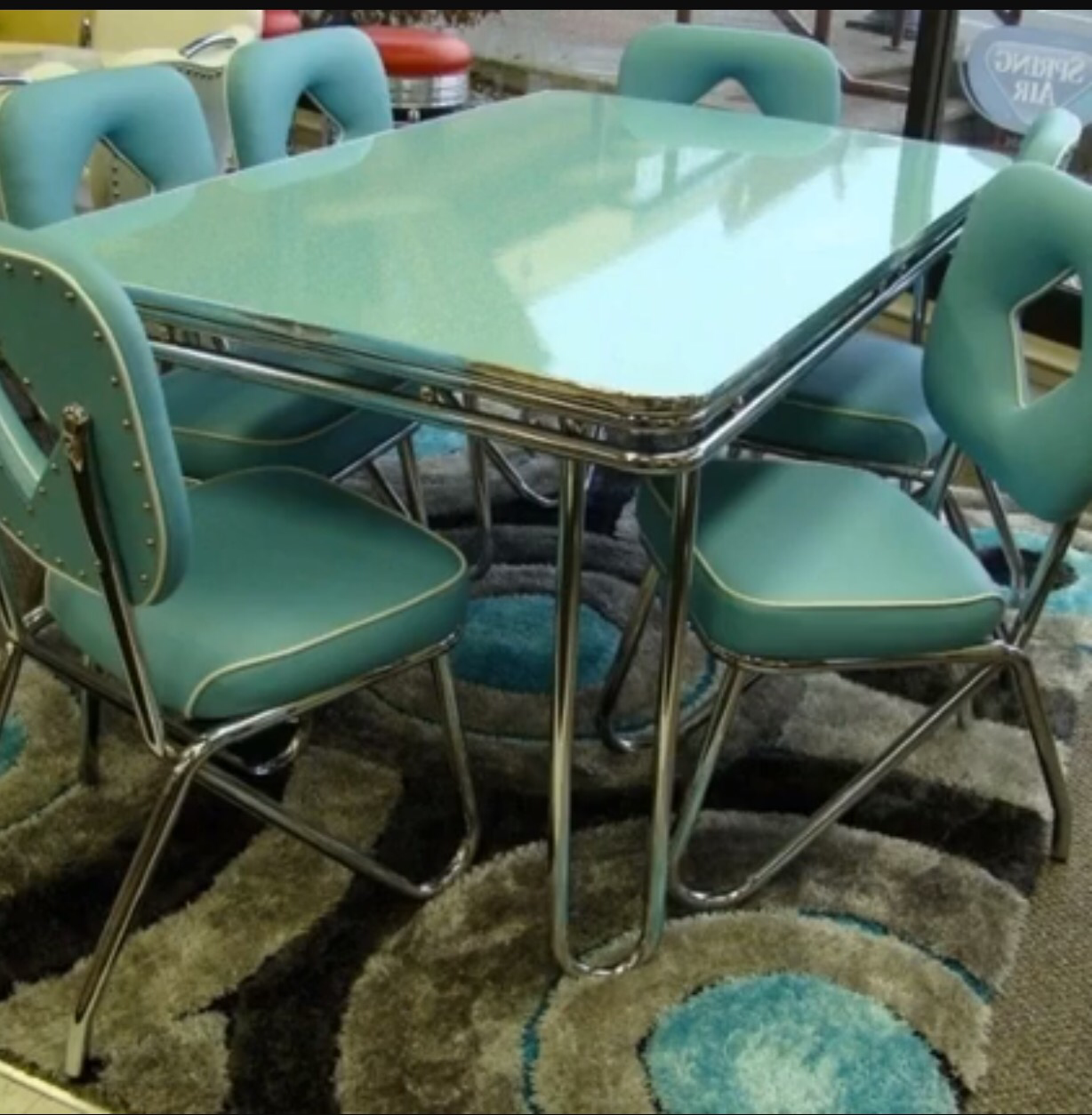
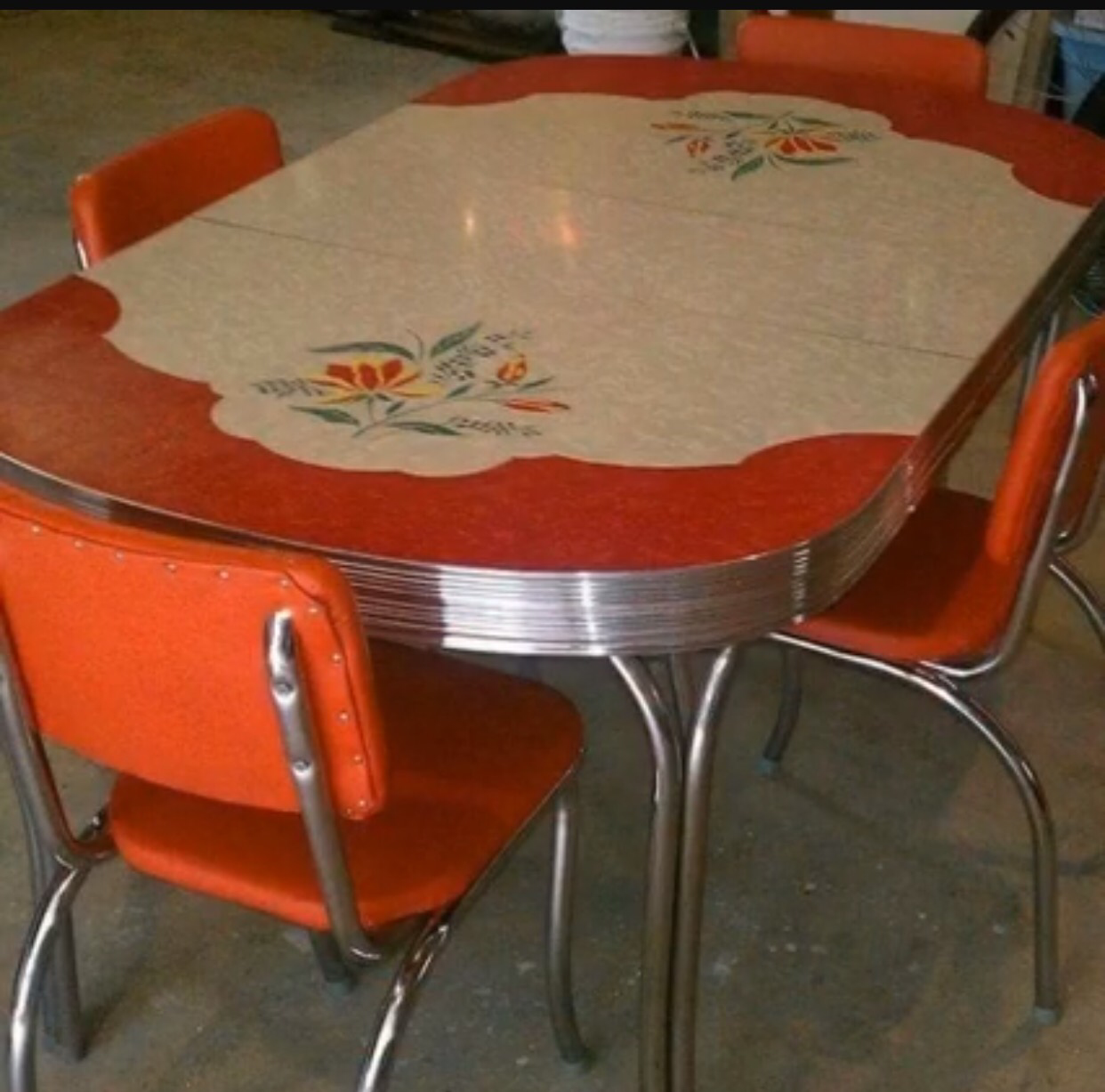
If these dining room sets could talk, we would all hear stories about our lives growing up. It all took place around these tables. In my family, the dining room set was the core meeting place. Everyone came together to share our daily experiences. It was our social platform. 

No Facebook, Twitter, or Instagram. Just a lot of out loud, chatter. The conversations covered the same topics as we post about today: family events, jobs, friends, holidays, health and politics. One person said something, the others commented. 

Nothing has really changed. We just used a different delivery system. Here’s to the good old days. 

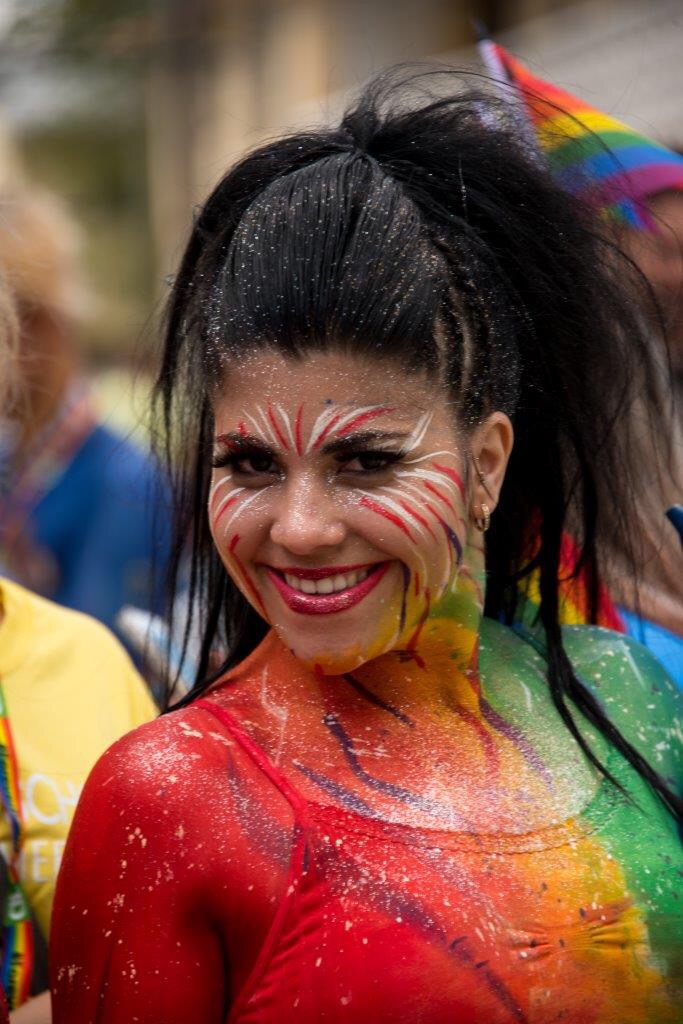
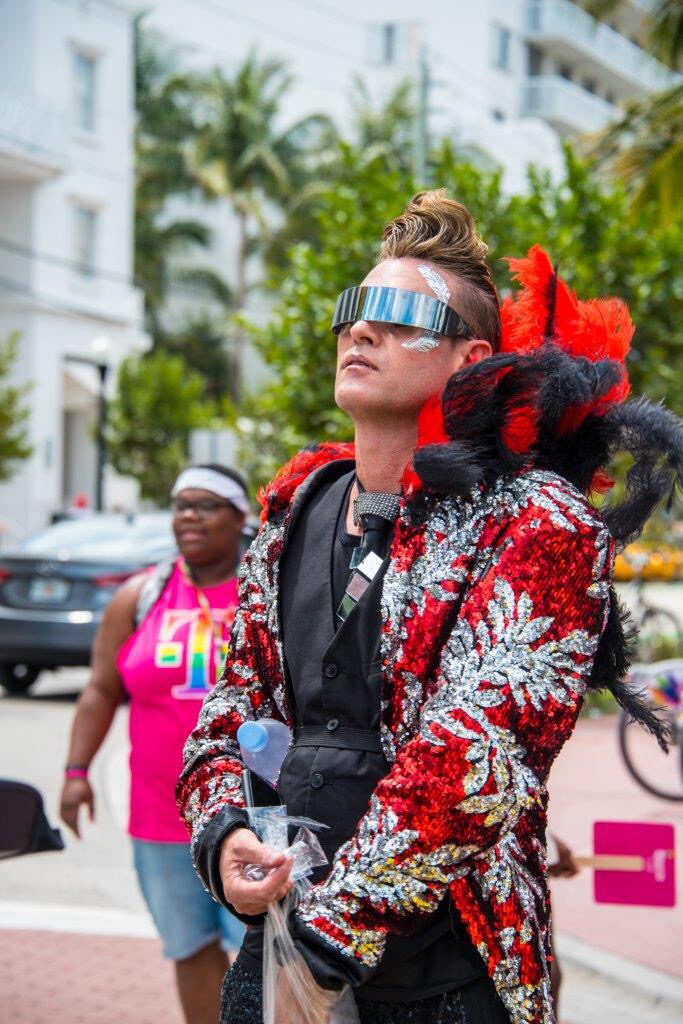
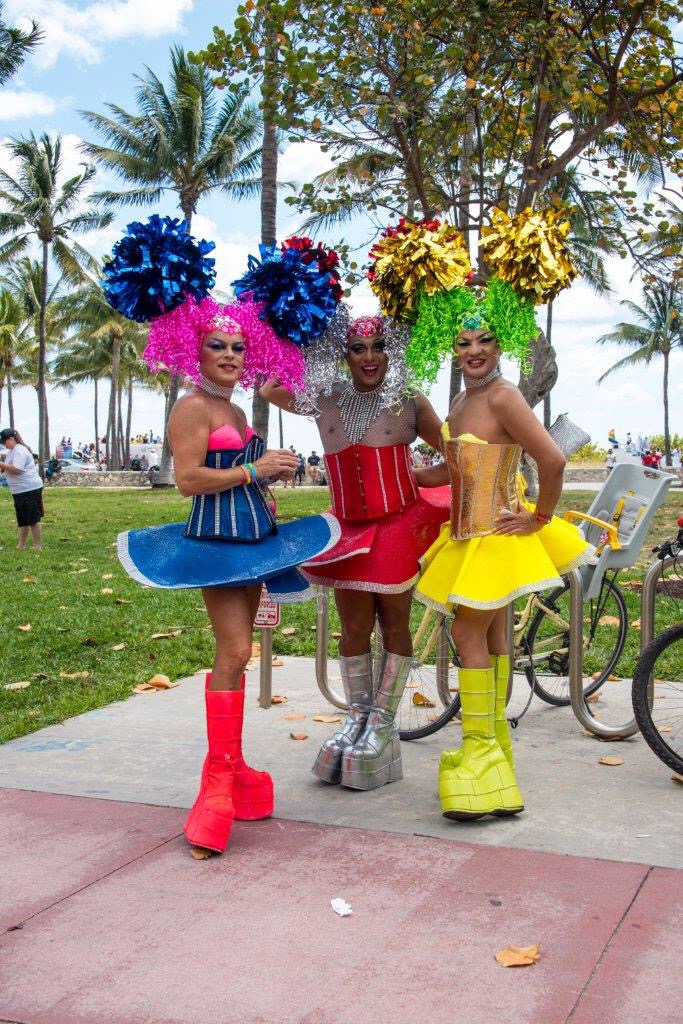
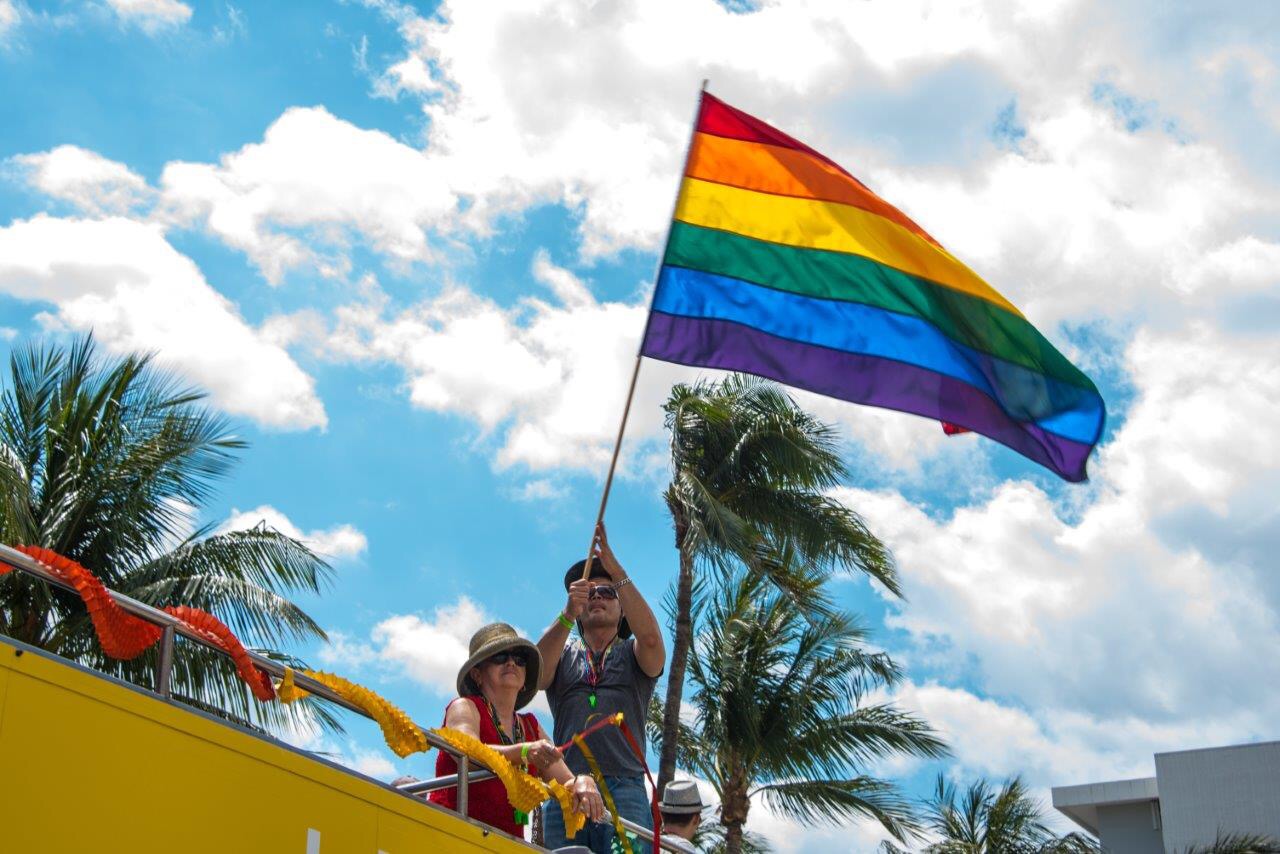
Miami Beach Gay Pride 

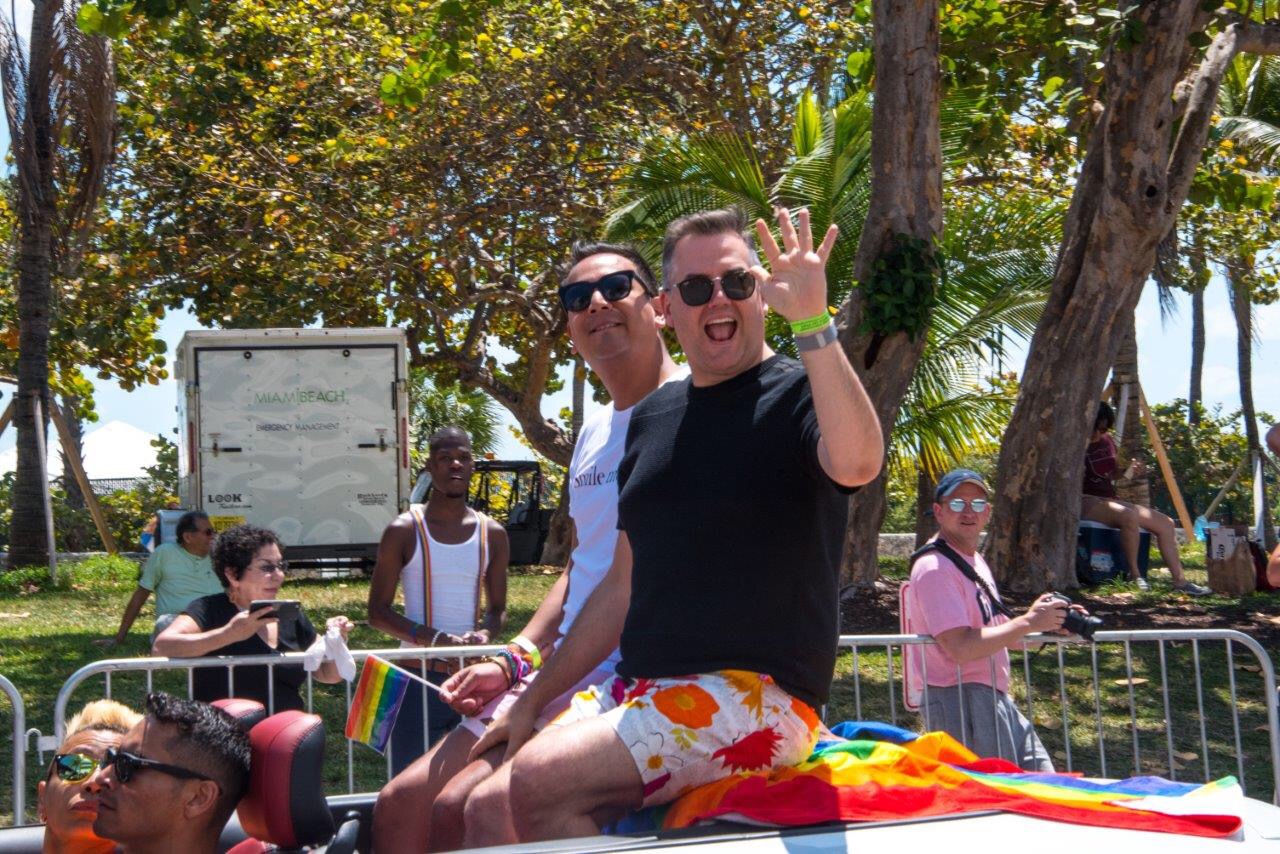
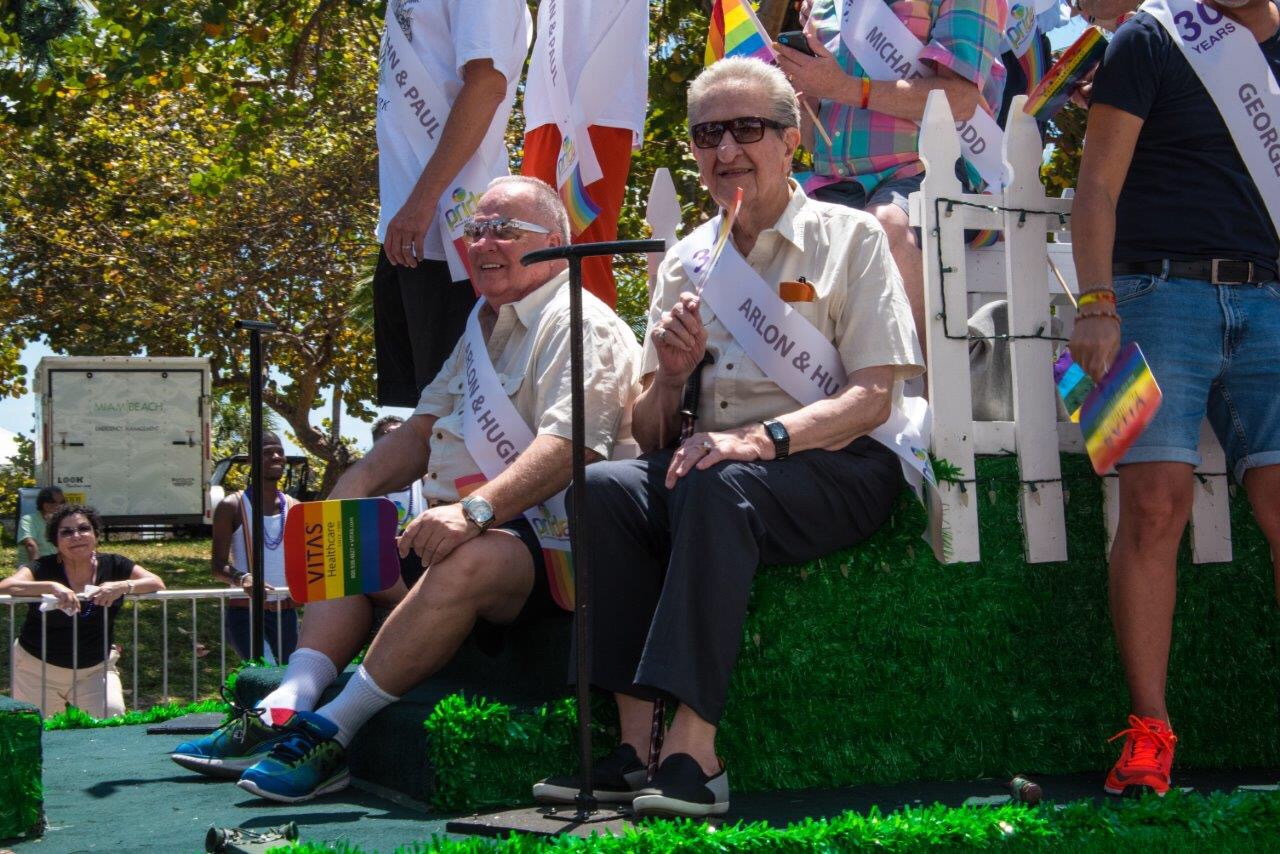
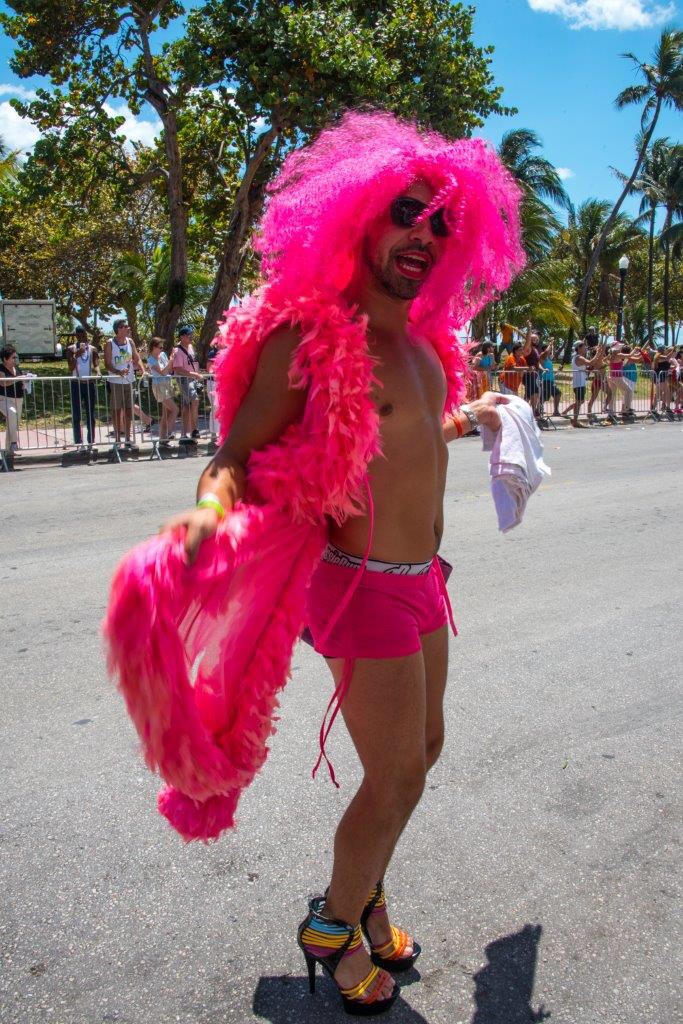
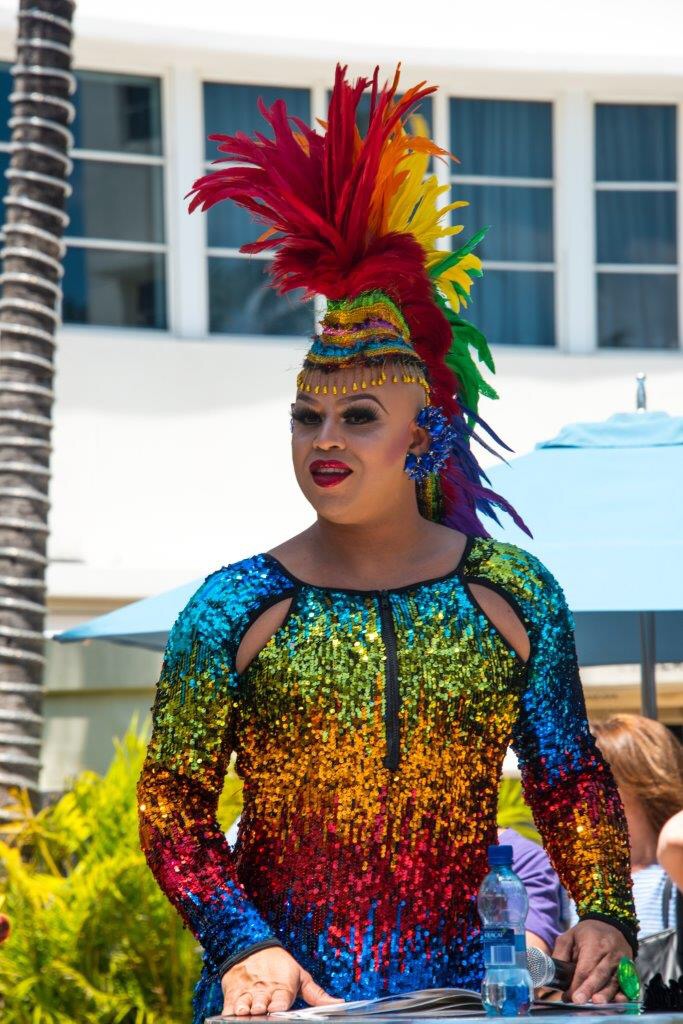
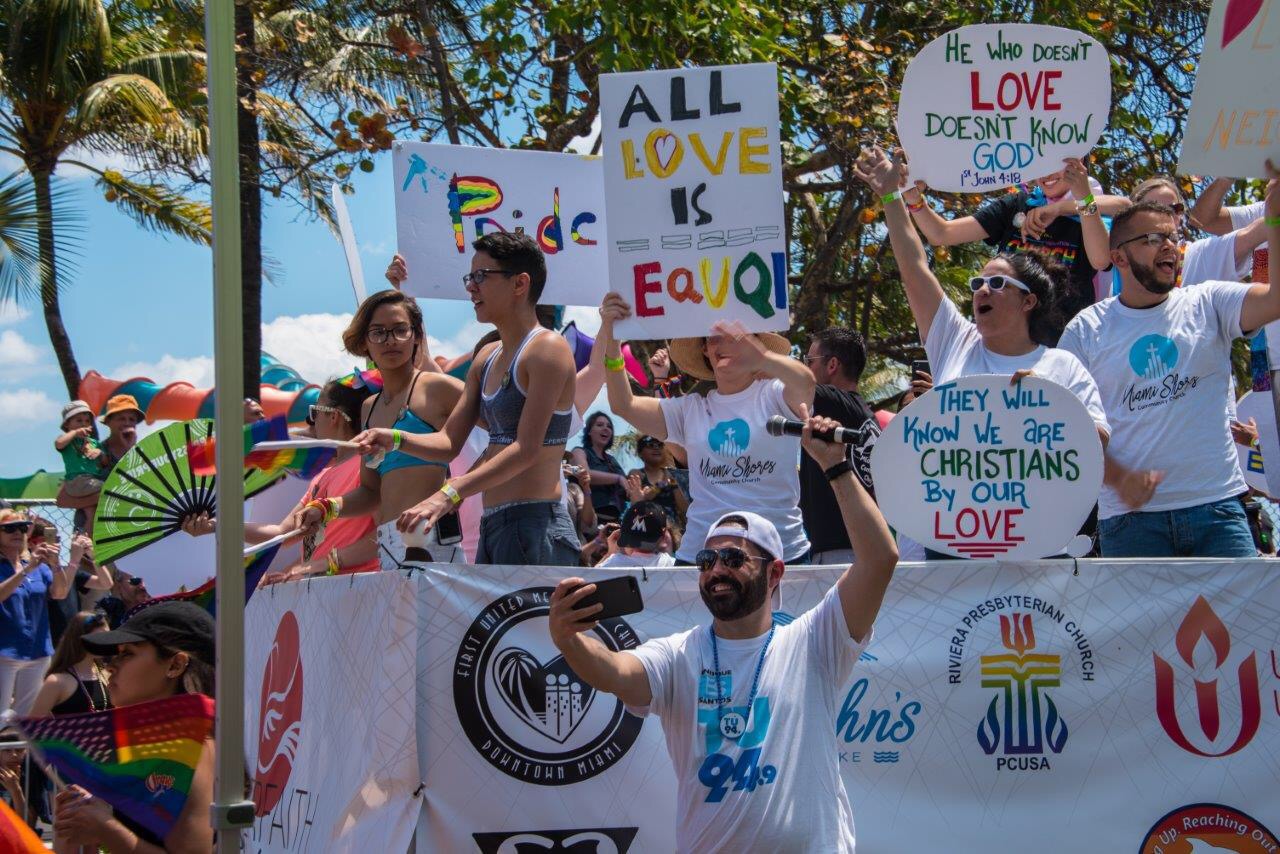
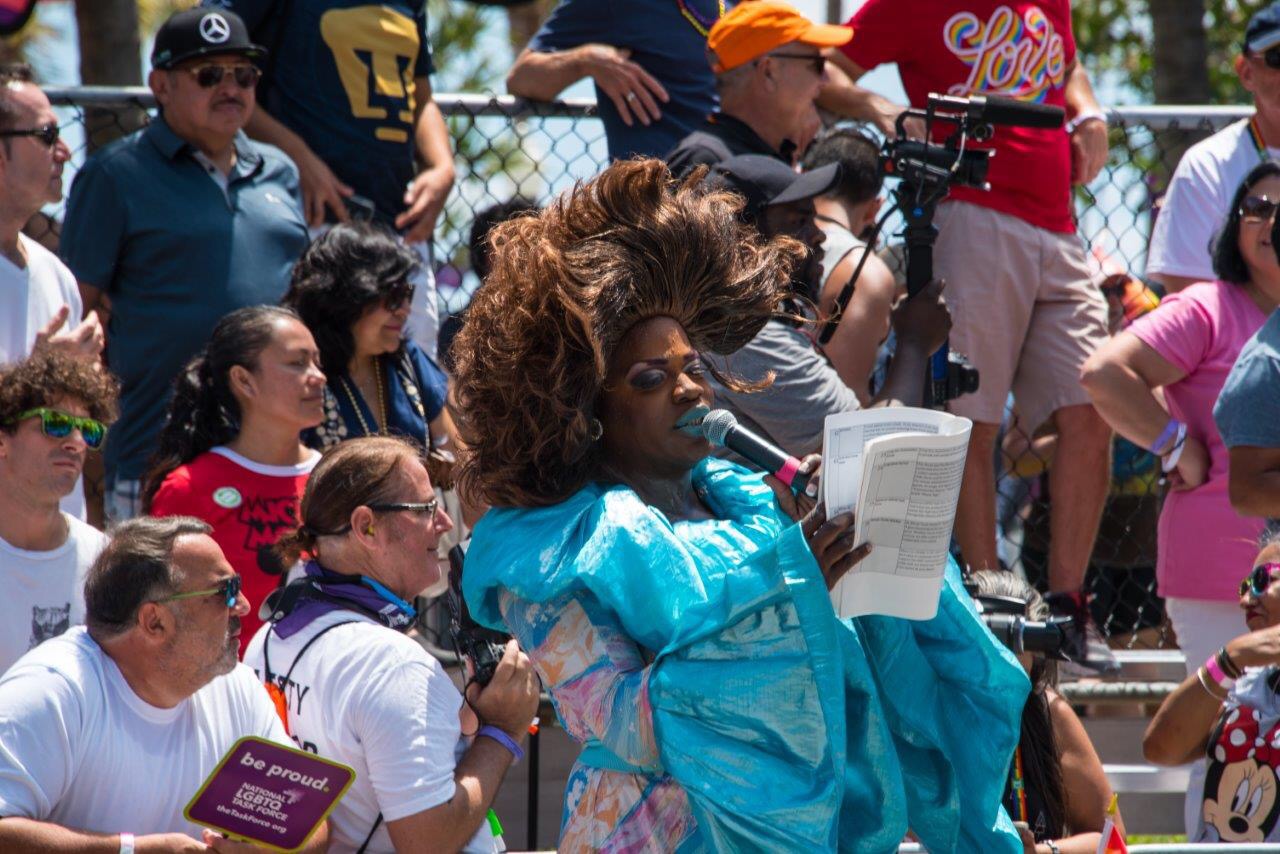
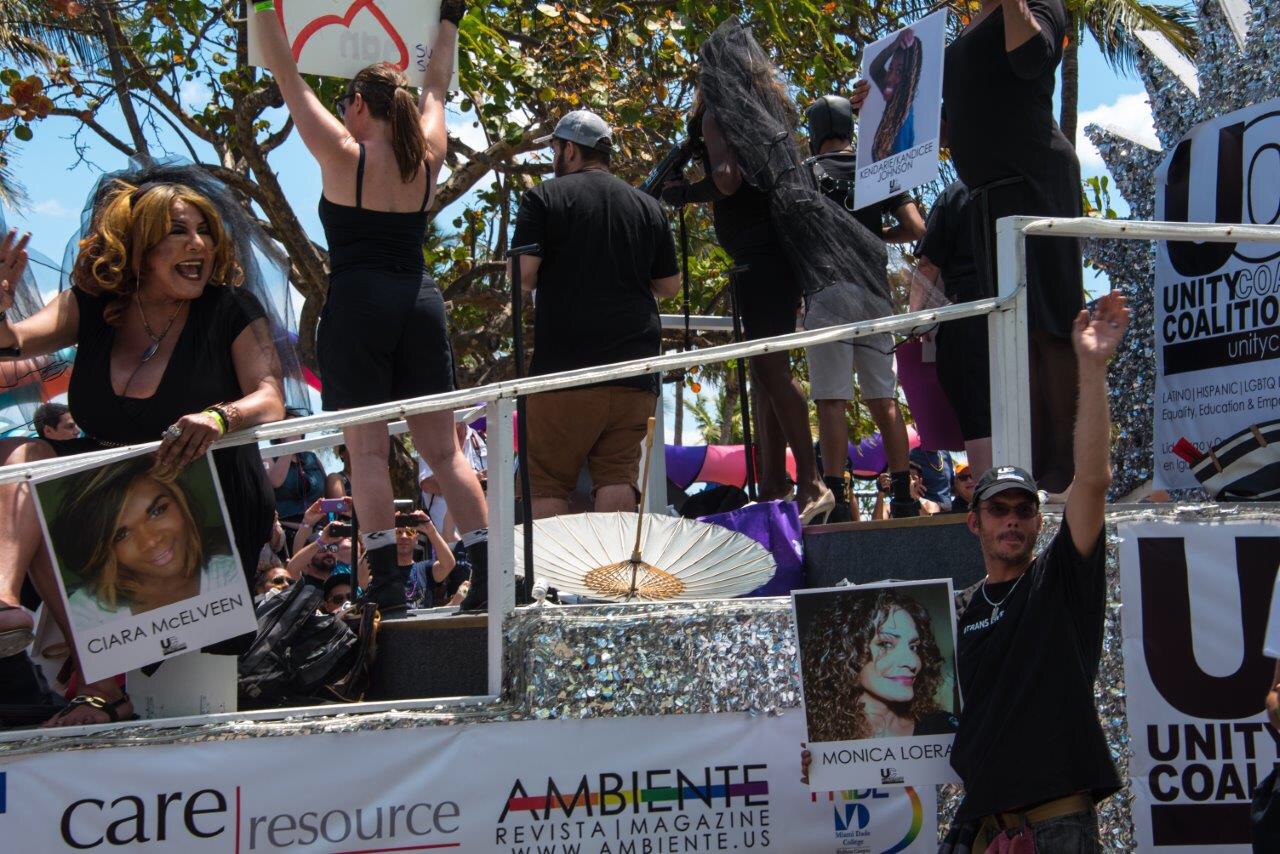
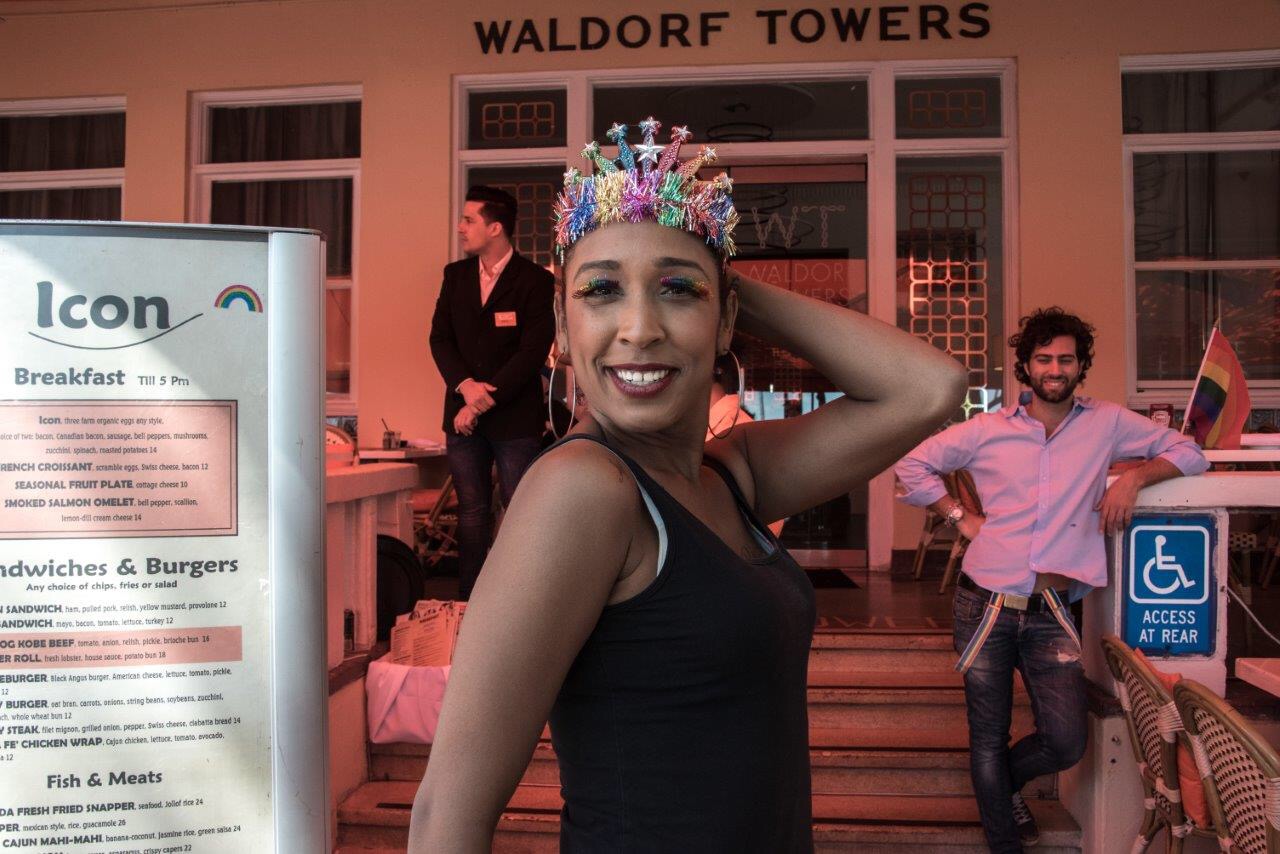
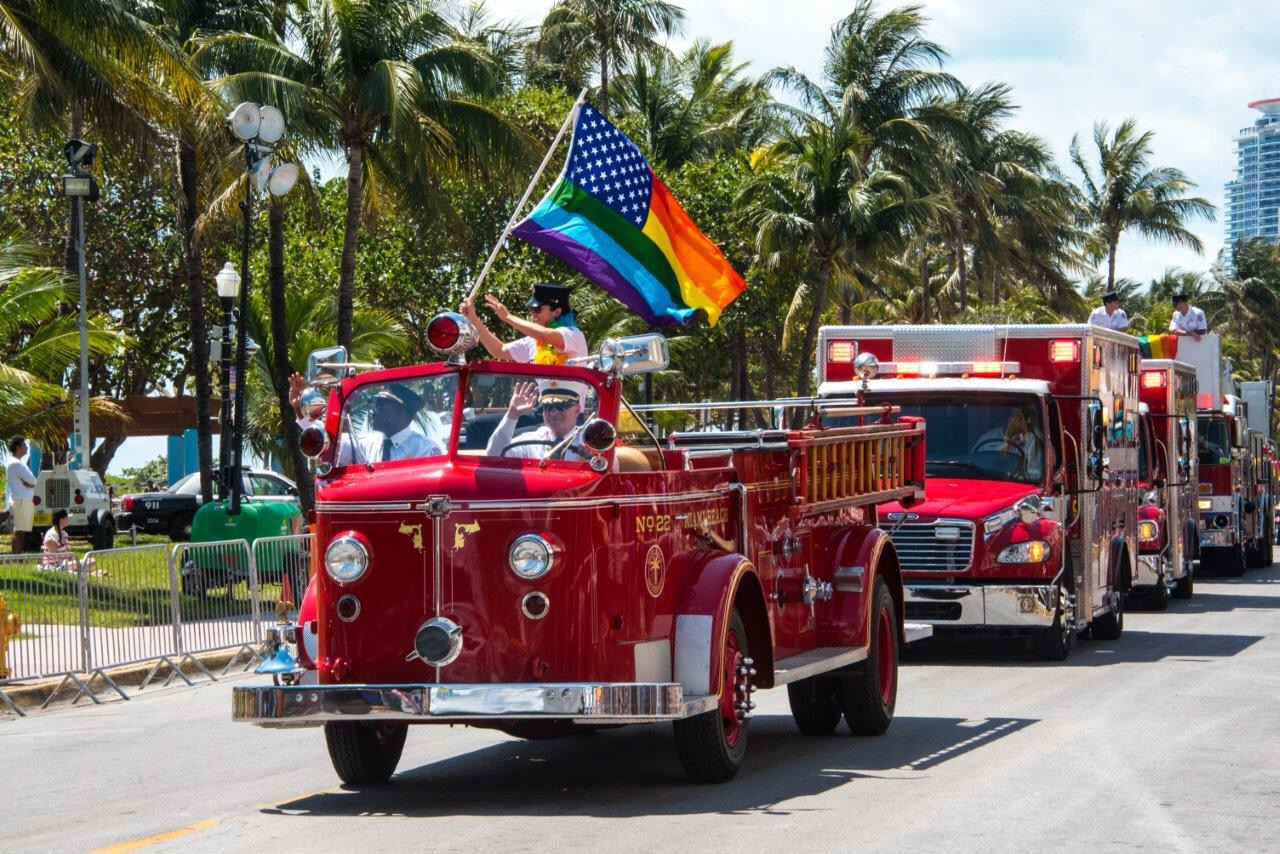
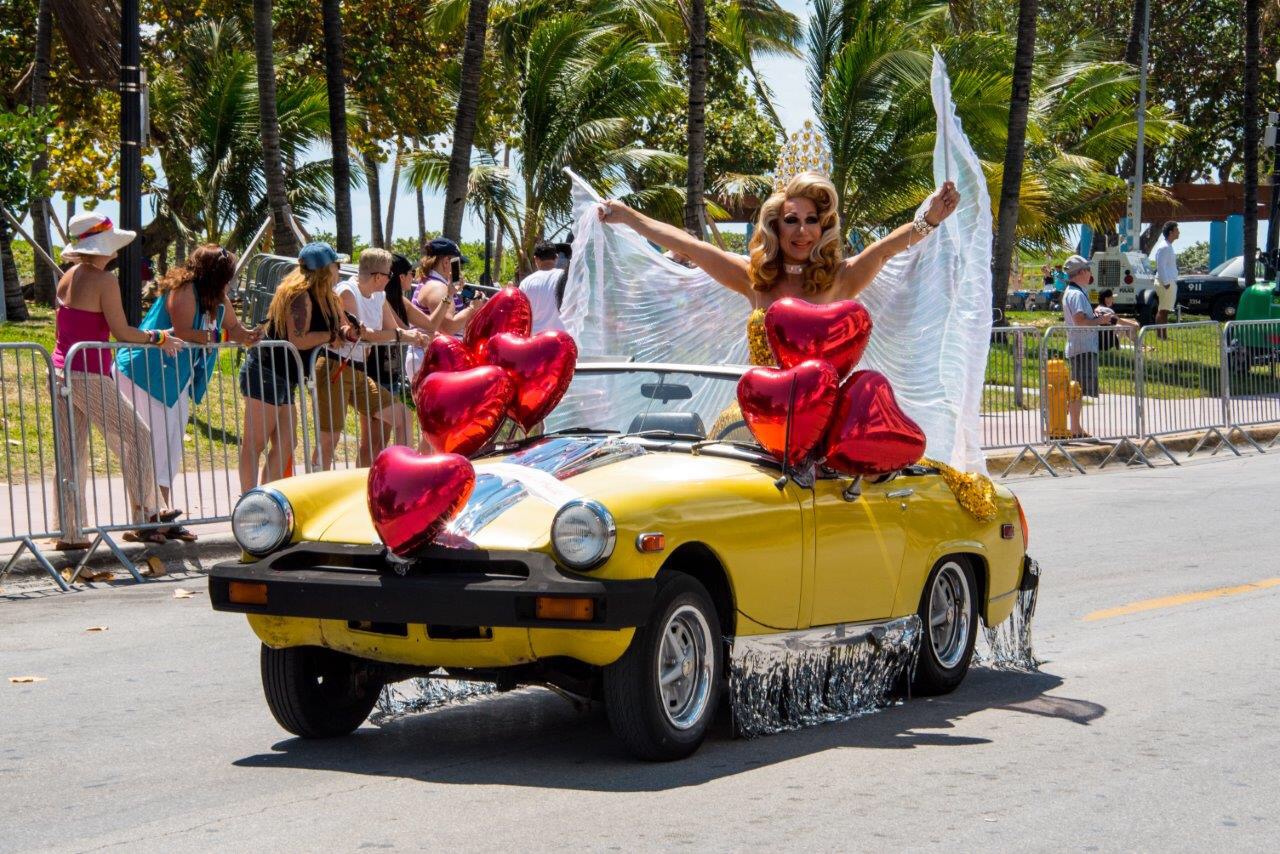
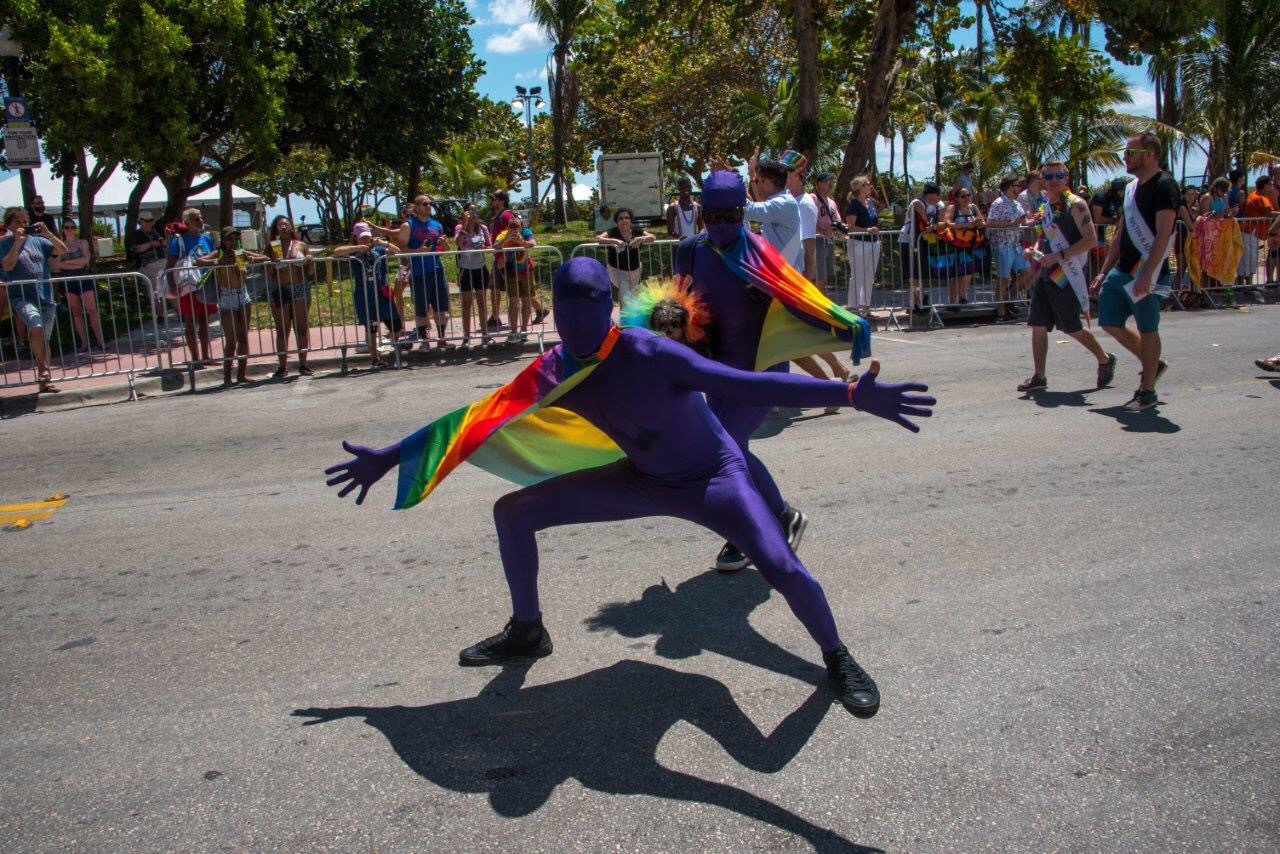
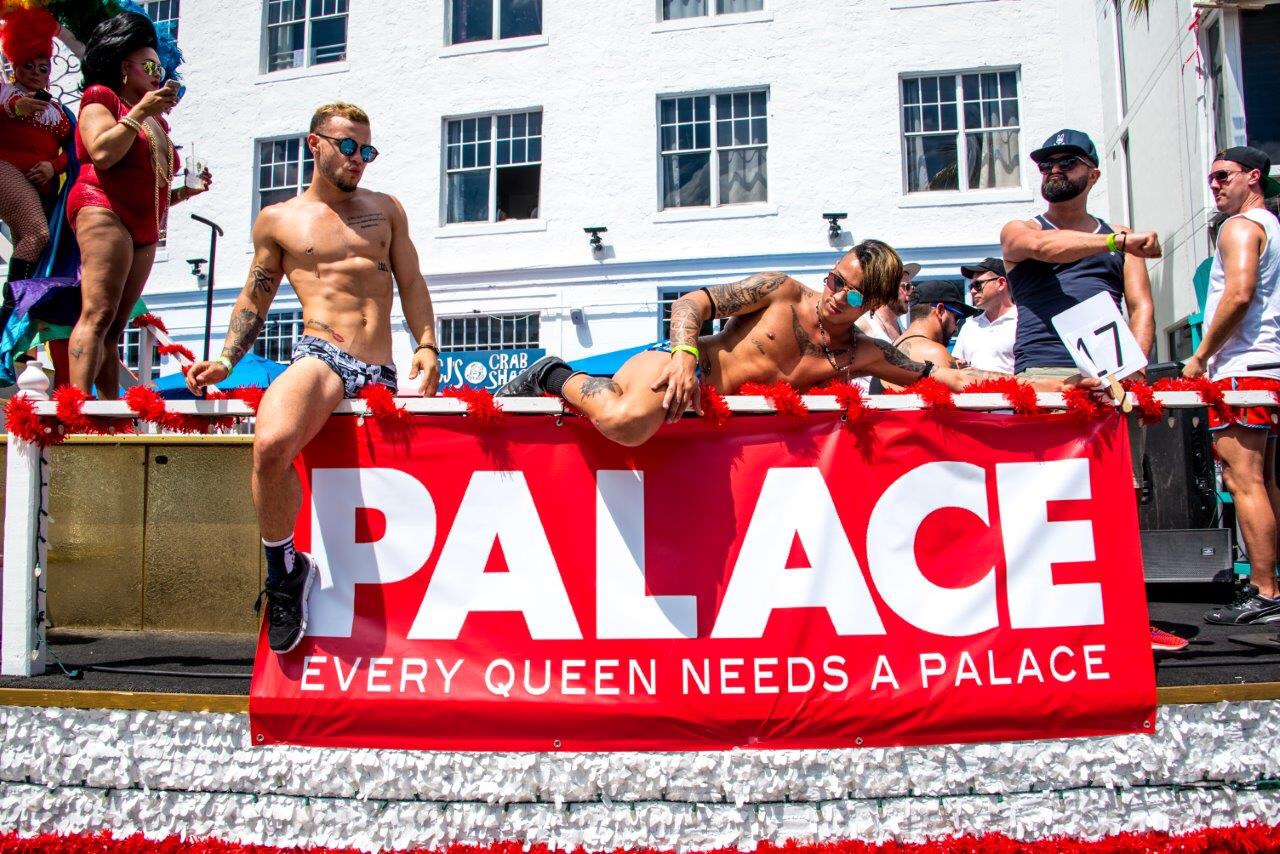
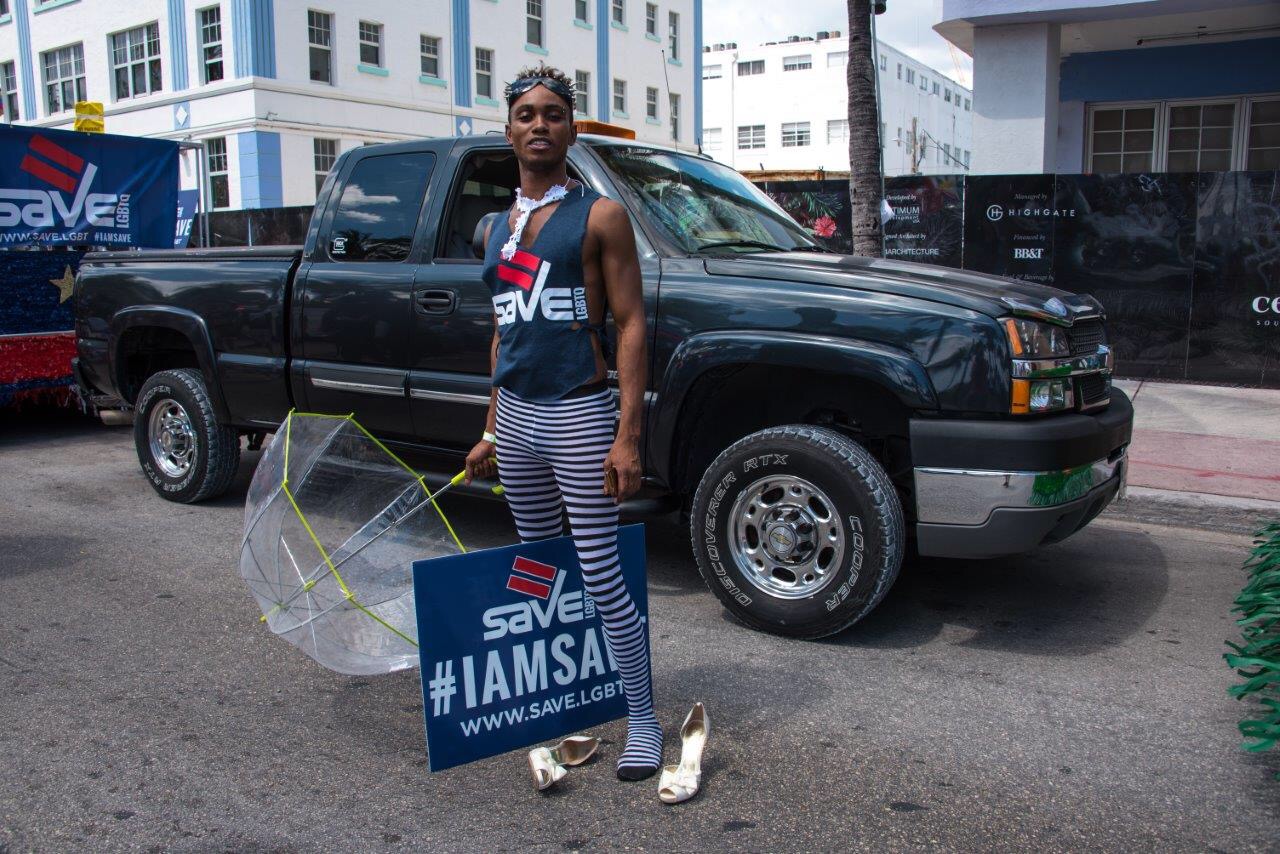
Miami Beach was in full celebration this weekend and Eliot captured it. 

Miami Beach Gay Pride was a three-day event that features a beach party, a festival and a parade area.

The mission of Miami Beach Gay Pride is to bring together members of the lesbian, gay, bisexual, and transgender community, their friends, allies, and supporters in celebration of the unique spirit and culture of the LGBTQ community. 

Photos by: Eliot Hess

Grand Marshall Ross Mathews is an American television personality widely known as an intern and a correspondent for The Tonight Show with Jay Leno, where he was known as “Ross the Intern.”

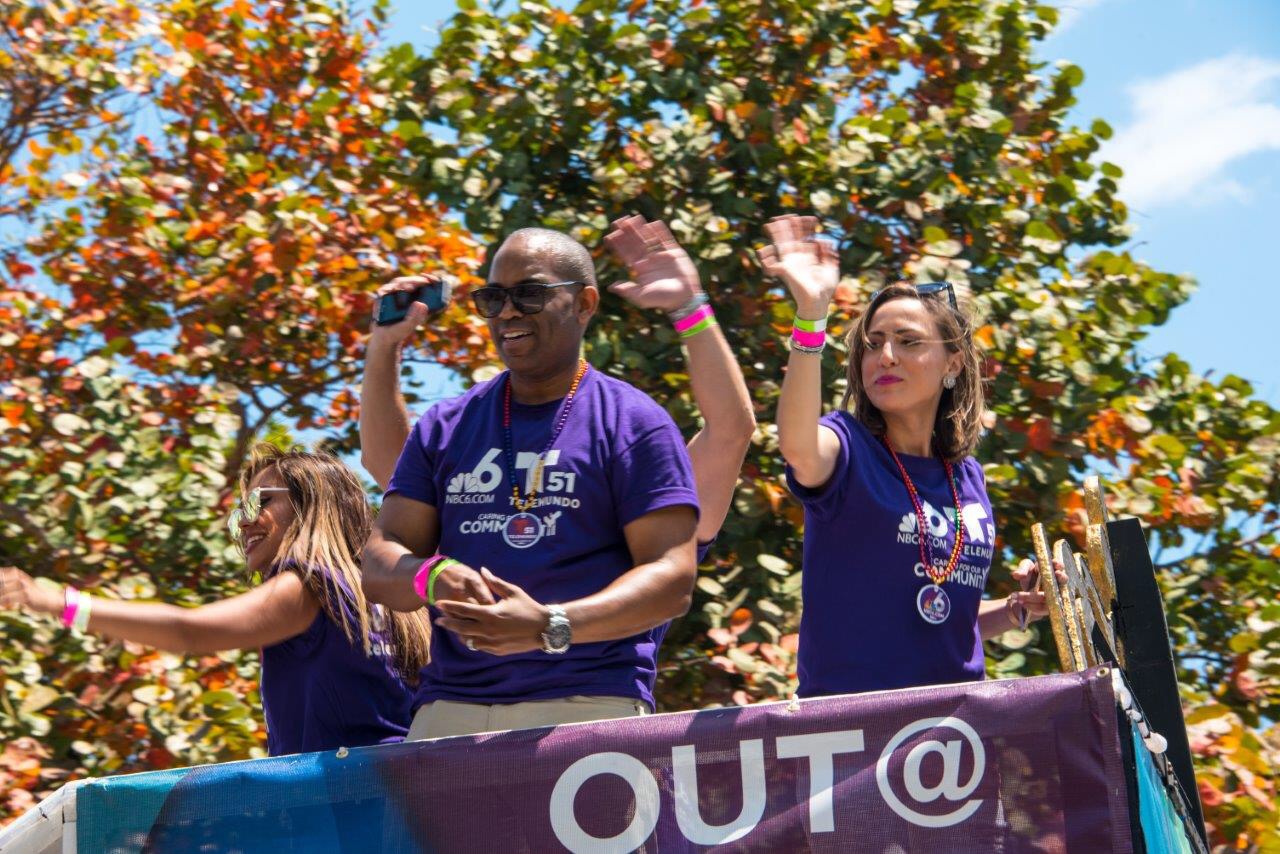
South Florida NBC Six in the Mix” host Roxanne Vargas

Jawan Strader and Sheli Muniz, co-anchors NBC 6 News

A Visit To Broward Community College  

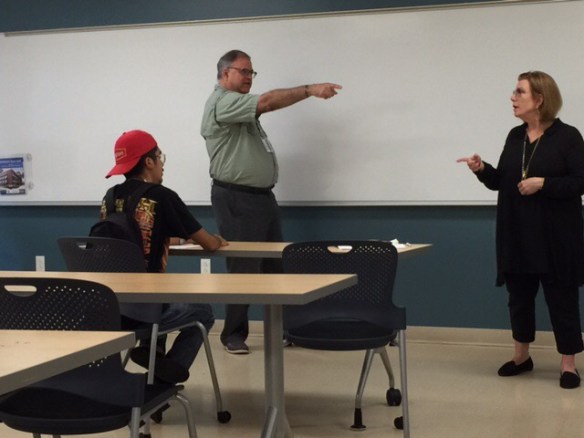
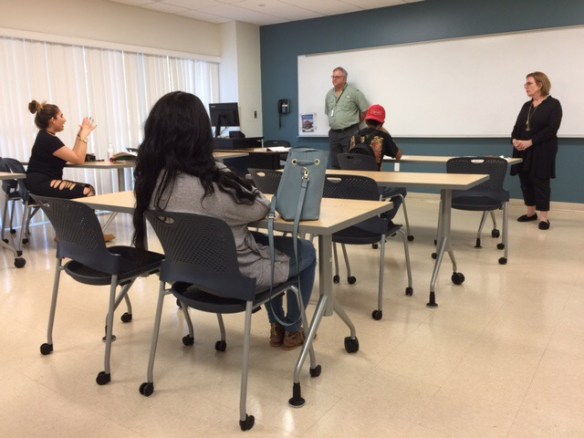
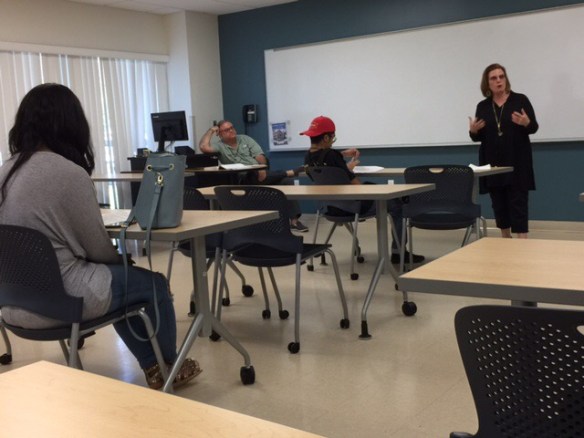
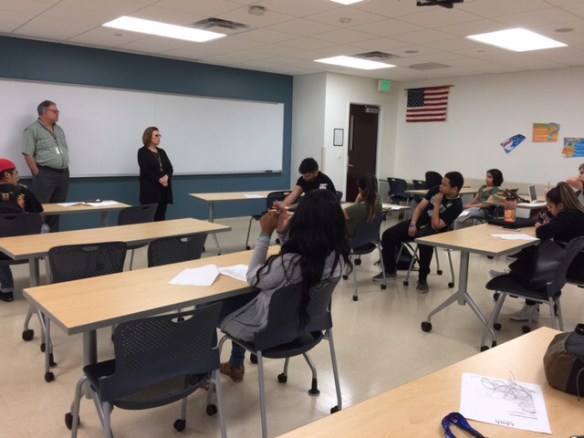
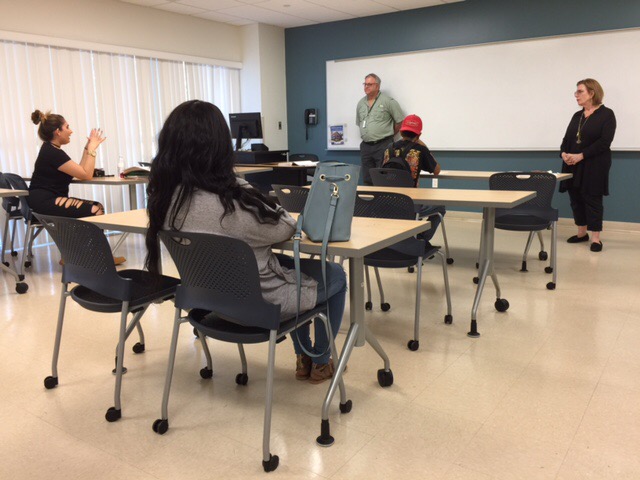
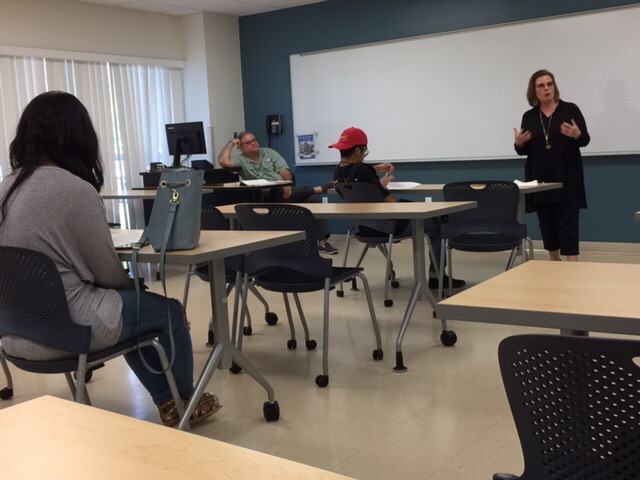
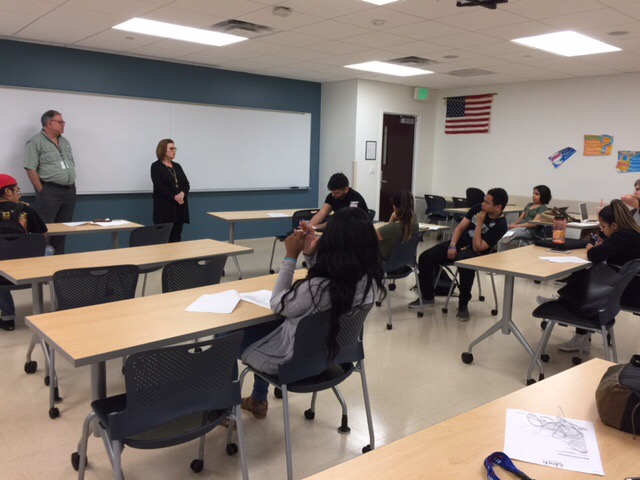
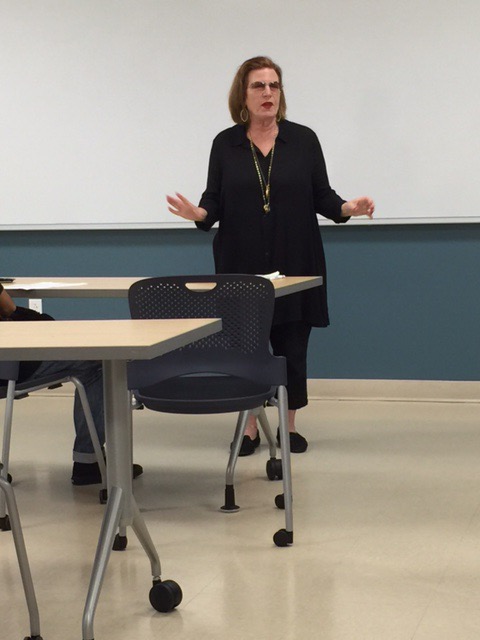
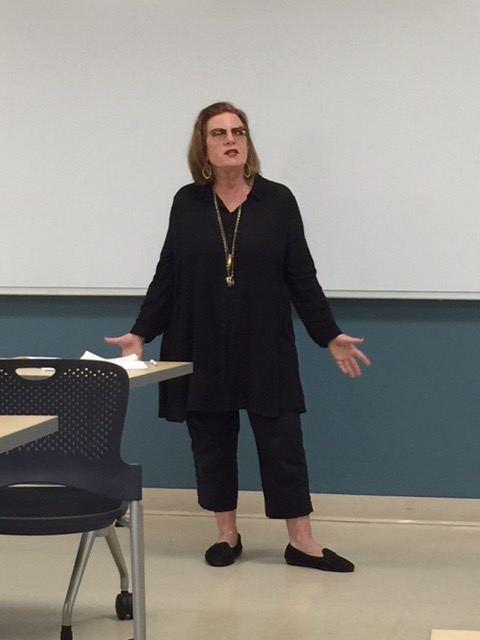
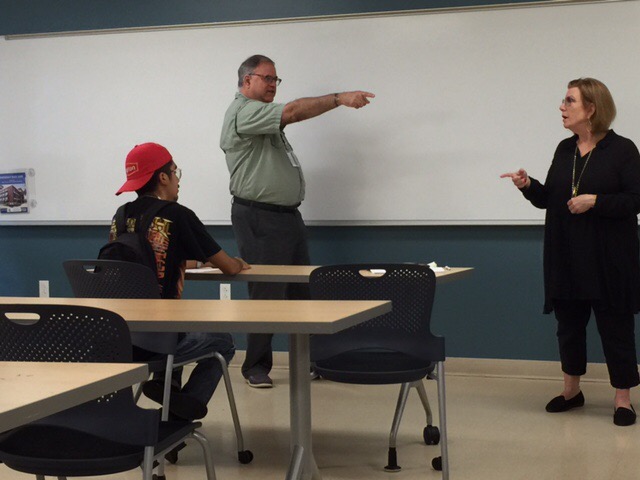
My author friend, Neil Plakcy, invited me to share my life in public relations with his communications class at Broward Community College. I probably learned more from the students than they did from me, because of their knowledge of social media. 

It’s a different world out there today and I’m not sure what some older folks can teach younger ones these days. The Internet has opened up new worlds to youngsters that we know nothing about. 

Below is what I offered them from my experiences off the net. 
 

12 Tips from 40 Years In PR

Tips for a PR Professional In-House (In A Company) Or At An Agency

 1. Read everything. You must be a big reader of everything from the front page of the New York Times to BuzzFeed to E! News.

 2. Have a big personality. Your voice (opinion) is very important. Be an authority on something.

 3. Learn how to explain things in simple, dumbed down terms. Give an overview of only a few sentences. No one listens to long explanations.

 4. Be ready to provide background or orientations in a swift fashion on PR campaigns – just the facts.

 5. An editorial pitch is just like a sales call. You have to pitch a story, not the way you want to say it, but the way the writer wants to receive it.

 6. Content is everything: the better the content, the better the results. Research, Surveys, Opinions Polls and Statistics always make the pitch more bonafide.

 7. Create FAQ’s, Frequently Asked Questions, and answer them. This document becomes the foundation for all interviews. The interviewer and interviewee are referencing the same facts.

 8. Media train spokespeople so they know what to say, how to say it, and when to say it. Their delivery makes or breaks a story.

 9. Wikipedia and Google are your best friends. Research all recent stories the writer or TV personality wrote or produced. Let the writer/broadcaster know you have taken an interest in them.

 10. Be a social media super star. Be active on Facebook, Twitter, Instagram, LinkedIn, and Snapchat. Engage people in dialog for networking purposes. Let the world know you are approachable.

 11. Resumes: Education is important and activities are super important. Everyone wants to know “what have you done for me lately.” Resumes must reflect work experience, creativity and accomplishments.

 12. PR Internships: Paid or Unpaid. This is the best way to learn the business without being held accountable. The reputation of interns has increased dramatically over the years. Many companies are relying on the enthusiasm of interns to get the job done.

Thank you Neil. It was a lot of fun.

 

I Don’t Like This At All 

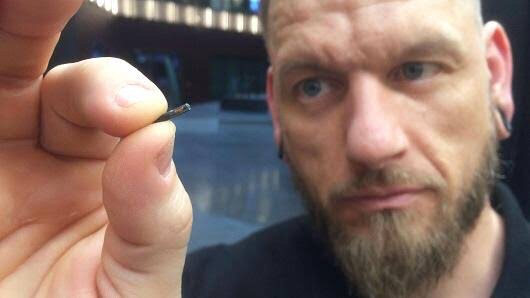
Courtesy of Associated Press

I would never agree to allowing anyone to implant a microchip in my hand. It’s not that I am worried about people monitoring my whereabouts, it’s just that I would never want a foreign object in me. I would be afraid that years from now the authorities would say that the chip was laced with poison. 
All kidding aside, I was horrified to learn that a Swedish company called Epicenter is planning to place chips in their employees. It’s difficult to believe that the chips (the size of a grain of rice) are to monitor bathroom breaks and how many hours they work.  What’s the real truth? 
It worries me that workers are agreeing to this kind of behavior. Or are they? Patrick Mesterton, co-founder and chief executive of Epicenter, a technology company, was quoted on CNBC as saying, “The microchips inserted into employees’ hands simplify their lives.”

He implied that workers can now automatically operate certain devices and communicate by just waving their hands. Many folks think this is a cool advantage. He also justifies his company’s actions by saying that people have been implanting devices under their skin for decades, including pacemakers. It’s not as uncommon as we think. 

That may be true but I’m concerned that people who desperately need jobs in the future will allow themselves be treated like farm animals. As far as I’m concerned, anyone who wears a chip is being programmed and watched in ways we can’t begin to imagine. 

Our future is getting mighty scary.

Someday …..

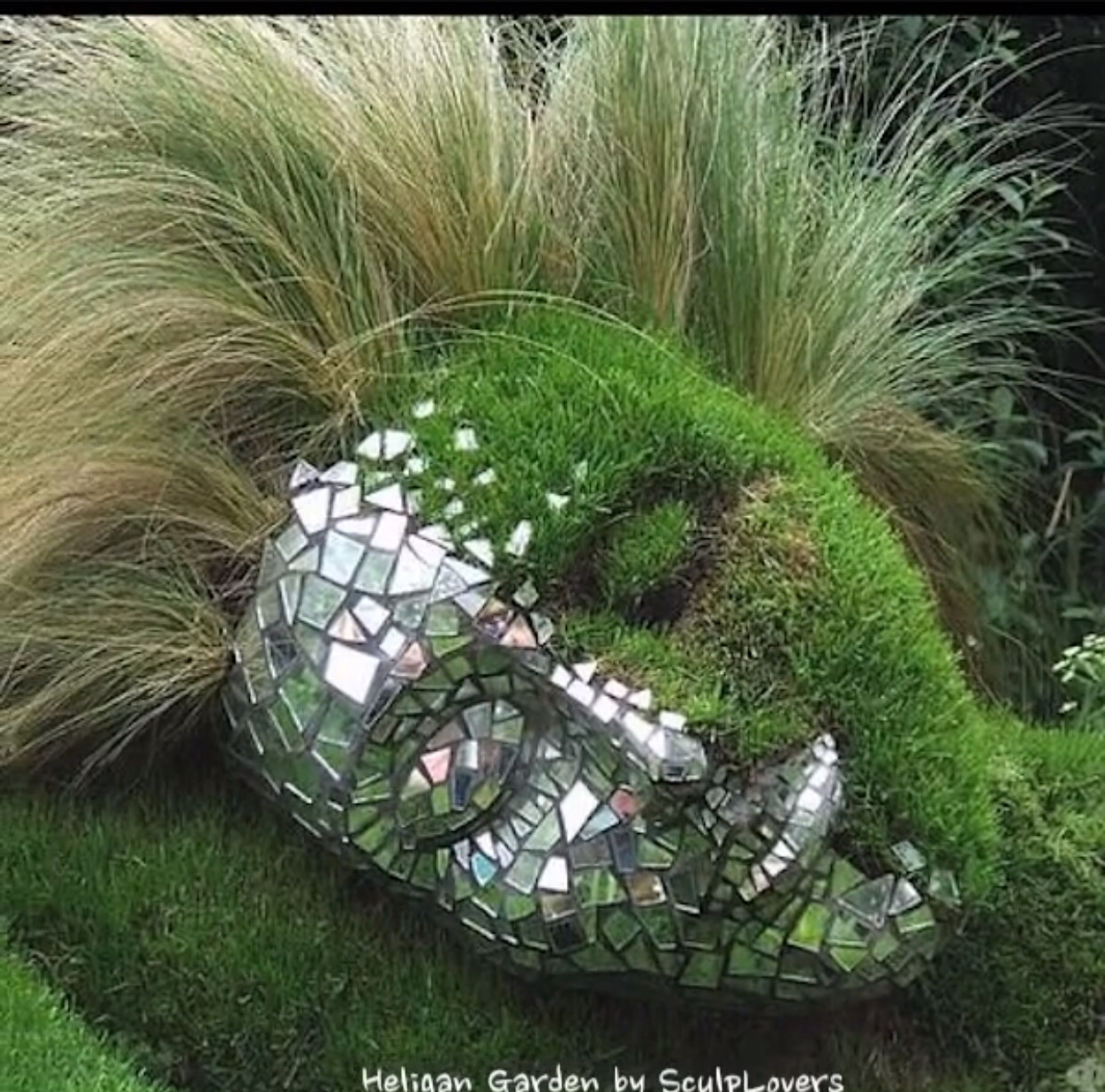
The wonderful thing about social media is that you can travel great distances without leaving  your computer. Everyone posts their travel  photos. The ones below really intrigued me, so I wanted to share them with you,

These are the Lost Gardens of Heligan, one of the most popular botanical gardens in the UK. The gardens are typical of the 19th century Gardenesque style with areas of different character and in different design styles.

Would You Sit Down?  

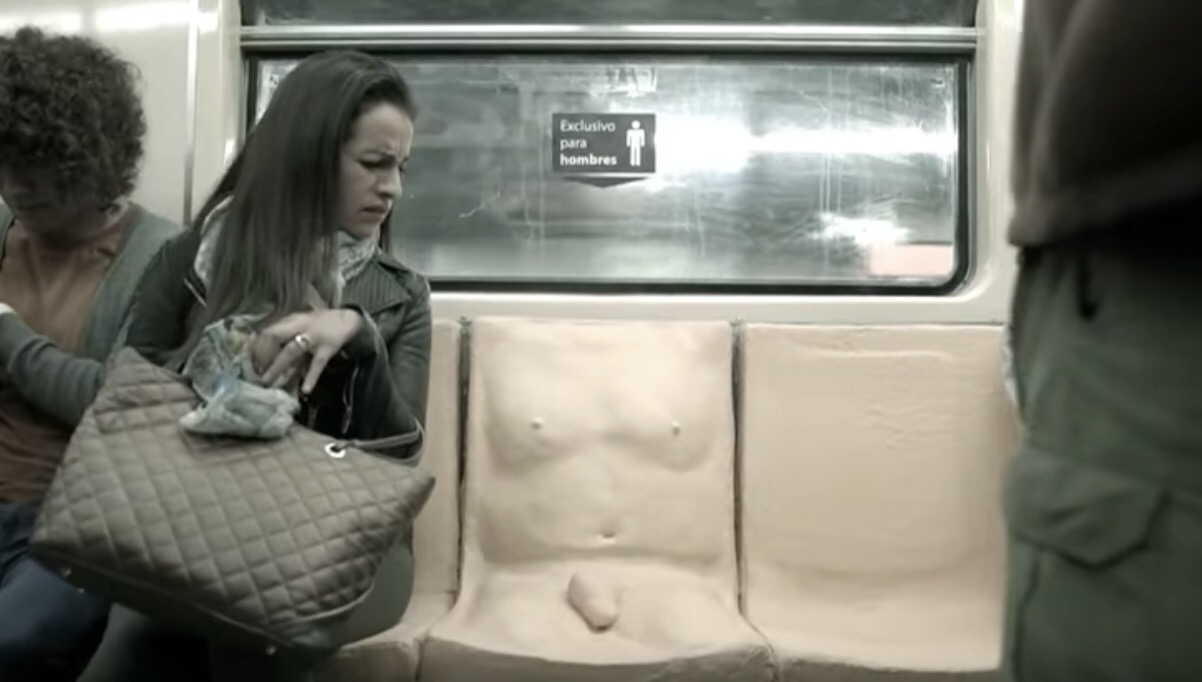
UN Women, a very powerful women’s group, came up with the idea of putting a molded penis on a seat on a train in Mexico City as a way to remind passengers of the sexual violence women suffer everyday in that city. Passenger reactions were taped. 

More than 800,000 people viewed the YouTube video since it was posted March 20th. You can watch it here. The United Nations General Assembly created UN Women, the entity for gender equality and the empowerment of women in July 2010.

Mexico City was targeted because it ranks as the second most dangerous city for women. I hated hearing that because Mexico City is on top of my travel bucket list.

The campaign asked passengers  “if they would sit on a seat with a mounded penis?” A posted message said, “It is uncomfortable to sit here, but that is nothing compared to the sexual violence that women suffer on their daily journeys.”

The campaign has had significant impact. For example, some trains now have separate carriages for women. The city government is also offering more protection for women. This is a start. 

I hope YouTube keeps us informed about major safety improvements for the women of Mexico City.  For further information, go to Mashable

Dealing With Breast Cancer.

Click here to watch LA40. 

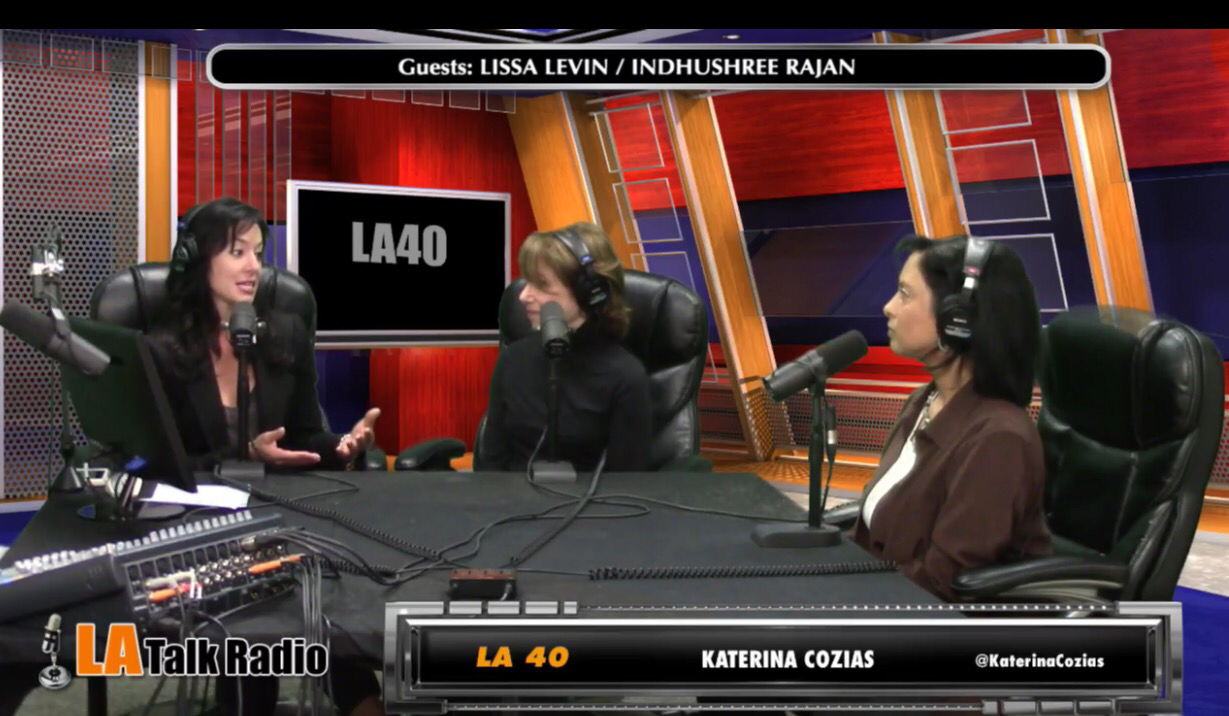
Talk show host, Katerina Cozias, really outdid herself this week. The topic, “Cancer at 40 – it sucks.”

This show covers a lot of scary cancer topics that most people don’t want to discuss, but really need to know more about.  My hope is that every   women watches the show, then passes it on to someone else. This show could save lives. 

Thank you 

Lois 
Katrina adds…….
“Cancer at 40? – It fricken sucks!” 

But, there is a lot of great life that can be lead post-diagnosis. Had some good conversations on this week’s episode of the talk-show LA40 with these amazing breast cancer survivors, TV writer/producer Lissa Levin and doctor of clinical psychology Indushree Rajan, Ph.D. And of course, with our favorite medical expert, dial-in guest James Simmons of @askthenp. 

Kniterate: The Digital Knitting Machine

Memo to everyone who knits. You may be losing your job. 

I just saw a new invention on Kickstarter that is a compact, consumer version of an industrial knitting machine. People who love to knit will be able to turn digital designs into knitted garments.

Called Kniterate, the invention can make scarves, beanies, ties, dresses, sweaters, etc. in just a few hours. 

Dress designed by Jinhee Park. Knitting time 5 hours on the Kniterate.

Step 1: Create your design from scratch or using a template  

Step 2: Let Kniterate knit it for you, ready to be worn or assembled 

Step 3: Wear your own unique knits, gift or sell them to others  

Step 4: Share them online with the Kniterate community

Kniterate will not he available till next year. If you want to donate to their Kickstarter campaign, click here.

.

April 1 Marks 40 Years For Lois And Eliot   

This Saturday, Eliot and I will be living together 40 years.  This November, we will be married 38 years. We always celebrate both anniversaries. Considering we are together 24/7, one could say we should be celebrating over 100 years. 

Whatever the number is, we decided to do something outrageous to mark the occasion. We both agreed to get “Warholed.”

Gallerist Gail Williams, of the Williams McCall Gallery, arranged for master printers, Debbie Carfagno and Michael Enns, to produce Warhol-like silkscreen portraits of us. The artists worked for Warhol in the late 1970’s until his death in 1987. 

The whole experience was wonderful. We were stylized and photographed. Then Debbie and Michael did their Warhol interpretation. We couldn’t be more pleased. The portraits represent the best of memories. 

Thank you Gail, Dawn, Debbie and Michael. 

Lois and Eliot