We Should Check This Out

A man with terminal cancer was told he only had a few months to live. He returned to his homeland of Ikaria, Greece — a Blue Zone — and lived for 3 more decades.

By Hilary Brueck,

Insider

https://img.particlenews.com/image.php?url=3mM8FO_0oEe0Nbt00
https://img.particlenews.com/image.php?url=2z6s7H_0oEe0Nbt00
https://img.particlenews.com/image.php?url=0OAO60_0oEe0Nbt00

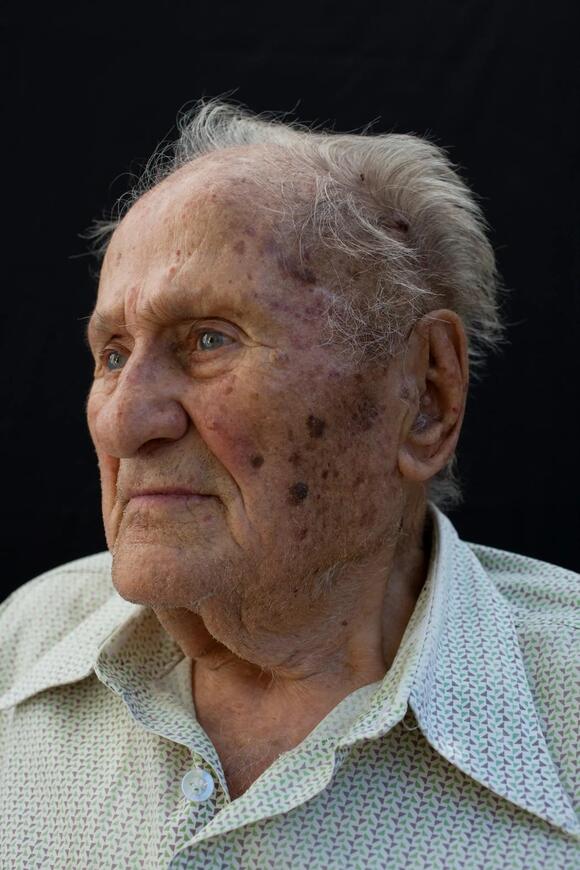
Stamatis Moraitis. 

  • Stamatis Moraitis was diagnosed with terminal lung cancer when he was in his 60s. 
  • He moved from the US back home to Ikaria, Greece to die. 
  • Instead, Moraitis spent an additional 32 years thriving in his ancestral home, which is a longevity hotspot. 

When Stamatis Moraitis was 66 years old, his doctors told him he had just six to nine months left to live. 

Moraitis, who’d spent most of his adult life living in suburban New York and Florida, was getting short of breath, unable to finish a day of work like he used to. It’s terminal lung cancer, his American doctors all said. 

So, the Greek father of three decided to move back to his homeland, on the isolated Mediterranean island of Ikaria , with his wife Elpiniki. He didn’t want his family to be burdened with the thousands of dollars he knew an American funeral would cost. Let me be buried beside my family, by the sea, and where it’ll only cost my relatives a few hundred dollars , he thought. 

But back on Ikaria, the Greek island parked halfway between Athens and Turkey, something remarkable happened. Moraitis didn’t know it at the time, but he was returning to a unique, isolated spot, an island where people routinely live past 100. He had entered a Blue Zone .

Slowly, he started to move. Breathing the fresh air, admiring the clear, blue water. Drinking wine, reconnecting with old friends . He decided to take up gardening, too.

Eventually, he started planting grapevines for a backyard vineyard. He recognized he would not be around to enjoy the wine by the time the plants were ready for harvesting, but at least his wife would have the vines as a tangible way to remember him. 

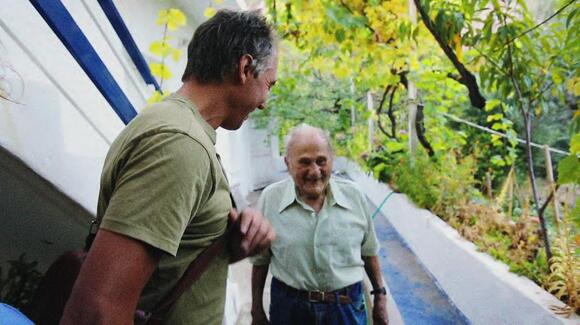
Three decades later, he was still above ground, and cultivating all sorts of fruits and vegetables — including grapes for wine and olives for oil — on his family’s homestead, when author and longevity expert Dan Buettner visited Ikaria to learn about the island’s longevity tricks. 

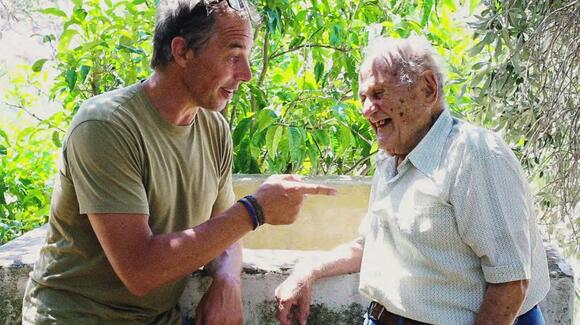
“I asked him: what’s your secret?” Buettner said, in the new Netflix docuseries “Live to 100: secrets of the Blue Zones.” “He just kind of shrugs his shoulders and goes ‘I don’t know! I guess I just forgot to die .'” 

Where you live can impact your longevity 

Dan Buettner and Stamatis Moraitis. 

Netflix 

We can’t know for sure exactly what happened to Moraitis, precisely why he lived an additional three decades after his terminal lung cancer diagnosis. It’s possible that Moraitis might have had some unique genetic qualities that so-called SuperAgers often exhibit , which can help protect them from diseases like cancer taking over. 

But, Buettner suspects there is also, likely, a major component of our longevity that is not about who we are inside, but rather, what we surround ourselves with — the people, the plants, the air, the lifestyle. One oft-cited study of Danish twins suggests genetics are only responsible for about 20 to 25% of our longevity. 

“He didn’t do anything consciously to try to get healthier,” Buettner said. “All he did was change his environment.” 

Buettner has even tried to re-engineer an Ikarian-like Blue Zones lifestyle in the US , with decent success. Starting in the small town of Albert Lea, Minnesota in 2009, his Blue Zones Projects work with cities to create more opportunities for people in the US to move and live like centenarians in the world’s five Blue Zones do. 

The projects include more opportunities for walking and exercising, improving sidewalks and building out bike lanes, as well as making healthier, plant-based meal options more accessible at grocery stores and restaurants, and providing opportunities for people to connect with their purpose, through volunteering, walking groups, gardening, or mural painting. 

“I’m a big believer – if you’re overweight and unhealthy in America, it’s probably not your fault,” Buettner, who has a new book out that is essentially a master class for adopting Blue Zones lifestyle hacks , said. “I think we’re mostly victims of our environment.” 

Moraitis lived with purpose until the end 

Dan Buettner met Stamatis Moraitis in his backyard garden. 

For Moraitis, his environment had him climbing up a ladder to pick olives and harvest grapes up until the very end of his life. 

“I’m still drinking wine and working,” Moraitis told the BBC in early 2013 , just a few weeks before his death, at 98 years old (or was it 102? Moraitis couldn’t ever remember, exactly). “I’m no doctor, but I think the wine helped. I’ve done nothing else, except eat pure food, pure wine, pure herbs.” 

His daily chores gave him purpose. If he wanted to cook with olive oil, or drizzle it on his salads, he had to go out and get the olives to press. 

“Easy or not, tough! I have to do it,” he said with a laugh. Read the original article on Insider

🌺🌺🌺🌺🌺🌺🌺🌺🌺🌺🌺🌺🌺🌺🌺🌺🌺🌺

I Found This Interesting

Picasso Painting Heads to a Theater Near You, Making a Star Appearance in ‘Oppenheimer’

BY ALEX GREENBERGER

Diptych of two men in black and white. One wears a striped shirt and stands before a painting of a highly abstracted face, the other wears a bowler hat and has a cigarette dangling out of his mouth.
Pablo Picasso and J. Robert Oppenheimer, as played by Cillian Murphy.GEORGE STROUD/GETTY IMAGES; COURTESY UNIVERSAL PICTURES

In Christopher Nolan’s three-hour biopic Oppenheimer, there are just as many atomic bomb tests as there are Picasso paintings: one each. But both figure prominently at different moments in this film, which is nested with allusions to elements from J. Robert Oppenheimer’s life that aren’t represented, including a surprising connection to Picasso’s work that dates back to the physicist’s childhood.

Early on in the film, Oppenheimer, as played by Cillian Murphy, rises as a physicist in training. He meets the legendary scientist Niels Bohr, who devised a legendary model for atoms that is still used today, and is turned on to the magic of the discipline. “Can you hear the music?” Bohr asks Oppenheimer at one point, referring to the imagined sounds of invisible particles going about their business.

Oppenheimer can, and we do, too. Against Ludwig Göransson’s swooning score, the camera journeys down from the clouds and into an unnamed museum, where Oppenheimer admires Woman Sitting with Crossed Arms (1937), a painting now held by the Musée Picasso in Paris. It’s one of many images Picasso painted of Marie-Thérèse Walter, the woman who Picasso began seeing romantically when he was 45 and she was 17 in 1927.

Picasso’s image of Walter is notably abstracted, with one eye having slid downward, one breast warping the shape of a hand underneath, and one shoulder missing entirely. Many have discussed portraits like this one as emblematic of Picasso’s violence toward women; others have acclaimed them as shining examples of formalist experimentation. 

Oppenheimer would seem at first blush to side with the latter interpretation, casting this painting amid quick cuts of sparks of light and swirls of blue. These shots, in addition to representing life moving into abstraction, are meant to connote how the titular physicist has begun to conceive the bomb he would later realize. He is made to seem like a genius, not unlike how Picasso has long appeared to many.

Yet Picasso’s bad behavior has recently been cast as Pablo-matic, and the same could be said of Oppenheimer, who in this film is revealed to be a philanderer, dating at least two women who occupy small slices of his narrative, only to be disposed of when they’re no longer relevant to him. That Oppenheimer finds transcendence in Woman Sitting with Crossed Arms may not be so simple after all.

The painting’s appearance also may have something to do a with a small biographical detail that isn’t included in Nolan’s film at all but does appear in the book upon which it is based, Kai Bird and Martin J. Sherwin’s 2005 biography American Prometheus: The Triumph and Tragedy of J. Robert Oppenheimer.

Bird and Sherwin point out that Oppenheimer’s parents maintained an art collection in his childhood home. Alongside works by Rembrandt van Rijn, Édouard Vuillard, Pierre-Auguste Renoir, and Vincent van Gogh, the biographers report, there was a Blue Period Picasso painting, Mother and Child (1901). (It would appear that Bird and Sherwin are referring to a work now owned by the Harvard Art Museums, but that institution’s provenance does not list the Oppenheimer family’s collection.) If the young Oppenheimer really did see Picasso paintings such as Mother and Child, he probably would’ve appreciated the artist’s work.

Then there are the connections between Picasso’s art and science. Some have divined similarities between developments in Picasso’s art and developments in physics. In 2002, Arthur I. Miller even wrote a book that paralleled the biographies of Picasso and Albert Einstein, himself an Oppenheimer character. As Miller points out, one quote from Gertrude Stein could apply just as equally to Picasso as it could to Einstein or even Oppenheimer: “The things that Picasso could see were the things which had their own reality, reality not of things seen but of things that exist.”

Richard Would Love This

Richard Ekstract, Magazine Publisher With Link to Warhol, Dies at 92

He was promoting a new trade journal, Tape Recording, when he lent a video recorder to Andy Warhol, who used it to make a classic work with Edie Sedgwick.

Penelope Green

By Penelope Green

Aug. 30, 2023

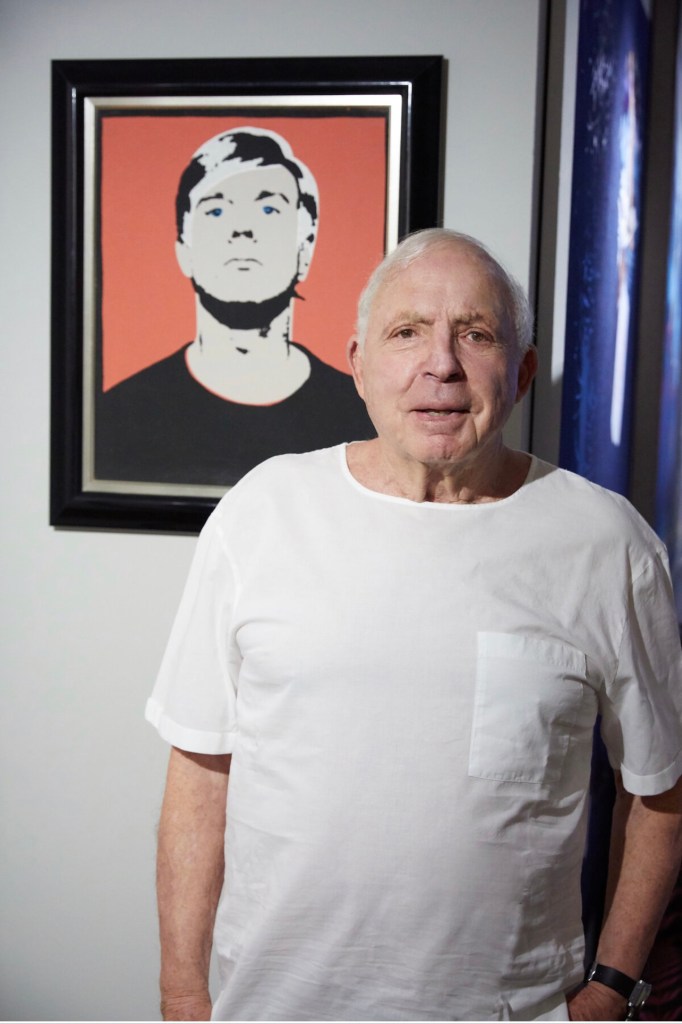
Richard Ekstract, a magazine publisher who found success with niche audiences — from trade journals like Tape Recording and Audio Times to a regional shelter franchise that started with Hamptons Cottages and Gardens — and played a curious role in Andy Warhol’s career, died on Aug. 7 in West Palm Beach, Fla. He was 92.

His death, in a hospital, was announced by his son Steven. The cause was cancer.

Mr. Ektract was a media mogul of sorts, having amassed a small fortune creating a cottage industry of some 20 trade and consumer publications, moving from electronics to video to decorating and real estate. But he may be best remembered for an early collaboration with Warhol.

In the summer of 1965, Mr. Ekstract, then a budding trade journal publisher in New York with one title under his belt, Audio Times, lent Warhol, who had been making 16-millimeter films, a prototype of a Norelco “slant-track” video camera. (It was a few months before Nam June Paik, the so-called father of video art, got his first Sony video recorder.)

Mr. Ekstract had met Warhol a few years earlier through an art director and, knowing Warhol’s frugality, would often lend him equipment.

The clunky white Norelco was a one-off, expensive and difficult to use, but Warhol played with it for a month, creating a landmark work, the affecting “Outer and Inner Space.” The film, in a split-screen format, starred the magnetic, doomed Edie Sedgwick delivering dueling monologues: Perched on a stool, she opines on this and that as a video of her opining on this and that, but less clearly, plays next to her.

J. Hoberman, writing in The New York Times, called the film “a masterpiece of video art made before the term even existed.”

In exchange for the use of the video camera, Warhol gave Mr. Ekstract a collection of acetates he had used the year before to make a series of red silk-screened self-portraits. With Warhol’s permission, Mr. Ekstract took them to a commercial printer, who made a second set of self-portraits, following Warhol’s directions given over the phone.

As part of the deal, one of the portraits would appear in Mr. Ekstract’s new magazine, Tape Recording. To celebrate the magazine’s debut, Mr. Ekstract, with characteristic flair, threw a party on abandoned rail tracks underneath the Waldorf Astoria hotel. The portraits were exhibited — and given away to a few of the magazine’s sponsors — and “Inner and Outer Space” was screened.

The red self-portraits had a complicated afterlife. One of them had been bought by a filmmaker named Joe Simon-Whelan in 1989 and became the subject of a long and bitter lawsuit. Despite ample documentation about its origins, when Mr. Simon-Whelan asked to have the work authenticated by the Warhol Foundation, his request was denied multiple times. He sued, and in 2010, after the foundation had spent $7 million in legal fees, Mr. Simon-Whelan gave up, having run out of money to continue.

Mr. Ekstract kept one of the red portraits for himself. Last year, he offered it to an auction house in Arizona, but the piece failed to sell.

Richard Evan Ekstract was born on Feb. 20, 1931, in Brooklyn to Max and Mildred (Last) Ekstract. His father was in the apparel business; his mother was a homemaker. Richard grew up in Philadelphia and studied journalism at Temple University. He joined the Army in 1952 as a lieutenant and served at Fort Benning, Ga., where he became the editor of Infantry magazine.

Mr. Ekstract’s first magazine of his own was Audio Times, a weekly trade journal. By the end of its first year it had no revenue to speak of, until Avery Fisher, the audio electronics pioneer and philanthropist, signed on as its first advertiser.

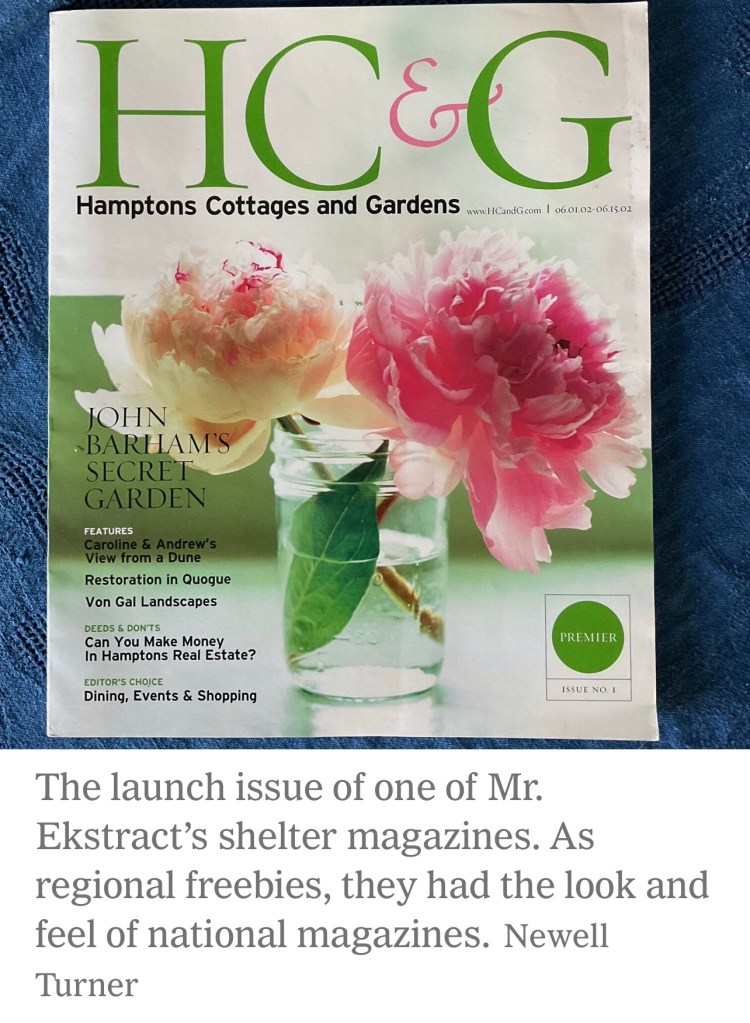
Mr. Ekstract’s last publishing venture was the Cottages and Gardens franchise. Hamptons Cottages and Gardens began as a free biweekly shelter magazine in the summer of 2002 and soon spawned spinoffs: Palm Beach Cottages and Gardens and Connecticut Cottages and Gardens.

The magazines were distinctive for using original photography instead of pickup pictures of interiors and for generally punching above their weight as regional freebies, giving them the look and feel of national magazines. Advertisers responded, and locals — from old money types to the newly flush — opened their showplaces to the editors.

“Richard was a maverick in magazine publishing at a level that surprised some people,” Newell Turner, the first editor of HC & G, as it was known for short, said in a phone interview. (Mr. Turner went on to be editor of House Beautiful magazine and then editorial director of the Hearst Design Group.) “He got into the shelter magazine world on a local basis when others didn’t see much value there. But he realized there was a huge interest in it, particularly in the Hamptons, and he was right.

“Because of the audience — the creative and business classes of New York City — the magazine had a huge power,” he continued. “He saw the importance of micro-audiences, and he was revolutionary in that he believed a free magazine could still be worth someone picking it up and reading it.”

Mr. Ekstract’s tastes were eclectic. He was opinionated, strong willed and colorful in his language. He was notorious for hiring and firing, running through 10 publishers in the first five years of HC & G.

In addition to magazines, “Richard collected art and architecture,” said Alexander Gorlin, who designed a Tuscan villa for Mr. Ekstract on the site of a former estate in East Hampton, one of a number of houses he built and flipped on the East End of Long Island. “But everything was for sale.”

He is survived by his wife, Eileen, whom he married in 1990; his daughter, Janet; his sons Steven and Michael; and four grandchildren. His marriage to Claudia Tucker ended in divorce.

In the spring of 2008, as the recession deepened, Mr. Ekstract put his Cottages and Gardens franchise on the market. A year and a half later, it was bought by Marianne Howatson, a veteran magazine publisher, for an undisclosed sum.

But Mr. Ekstract, with typical brio, told The New York Post that the downturn was not the reason for the sale.

“I’m 77,” he said. “It’s enough already. I have nothing left to prove.”

Ladies Who Lunch Conversation

Here is my interview conducted by the extraordinary, multi “media” talented, Leeann Lavin. She is the host of “Ladies Who Lunch Conversation.” I was so honored to be her guest. She was one of the most creative AE’s ever employed at HWH PR. It was at the beginning of her career. She outwit me everyday.

Leeann’s introduction.
“Today’s incredible guest, Lois Whitman-Hess is, without a doubt, a woman who is so engaging, so wise, and funny, and of course successful. How?
Listen and watch as Lois shares her honest anecdotes about her decades owning a major public relations firm with her husband, Eliot, building brands in the tech sector; her extraordinary networking genius, and moreover, her lust for learning, pursuing new adventures, passion projects, and community ~ that she’s accomplished in her self-described “senior years” ~ mainly through art and travel…
Here’s a lesson in aging with agency!

“Lois is incredibly inspiring.
And a Lady you just want to spend time with. So easy to talk to, as you’ll see.
Lois was my first real boss and I’m so honored to have been able to have her in my life. Now, I get to share that gift with you…
I still value her her wisdom and joie de vivre.

“Plus she’s so generous! Like a true dame!
Lois, I am gobsmacked at the nice things you said about me ~`and that you never shared previously. You make me blush. Yet, I’m so proud to know you and have this relationship. And I’m so grateful you agreed to be a Ladies Who Lunch Conversations guest. Thank you. You teach us by your extraordinary example.
I know viewers will so enjoy your frank talk and experiences.

“Smoooooch 💋And I love your style: the glasses 😎 and lips are so cool! Très chic!”

Maui Strong

Congratulations to my friend Neil Plakcy who just published an engaging short story in his Mahu Investigations series. All proceeds from the story, “Maui Strong,” will go to the Maui Strong Fund.

The new short story is a way for Neil to honor the Aloha state that he adores so much. He has written 13 best selling books about a gay homicide detective in Honolulu who solves crimes in the most masterful way. The new short story takes place in Maui.

You can pick up your copy here: https://books2read.com/u/3yQax6
or on Amazon https://amzn.to/3YQFMMo RW

🌺🌺🌺🌺🌺🌺🌺🌺🌺🌺🌺🌺🌺🌺🌺🌺🌺🌺

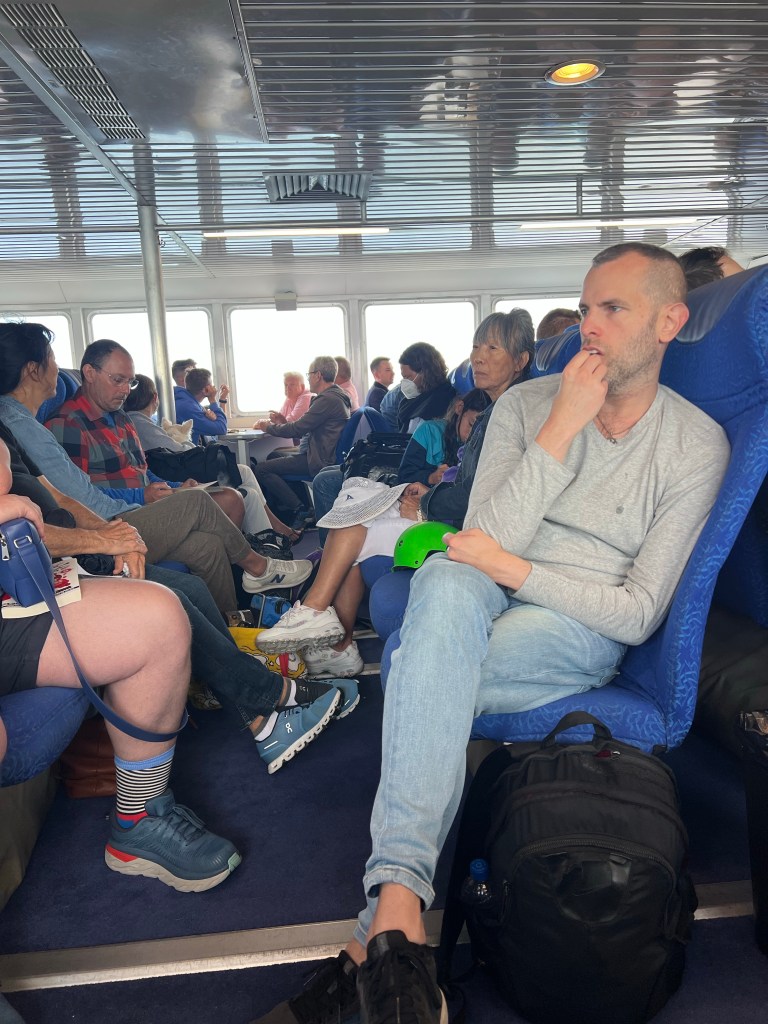
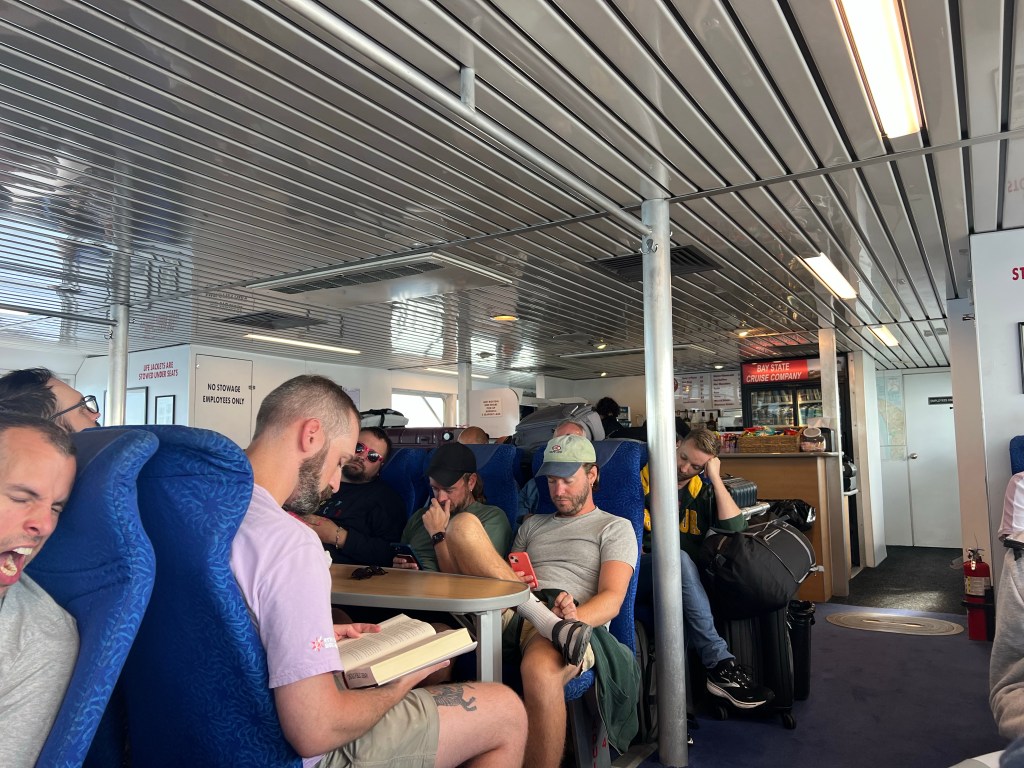
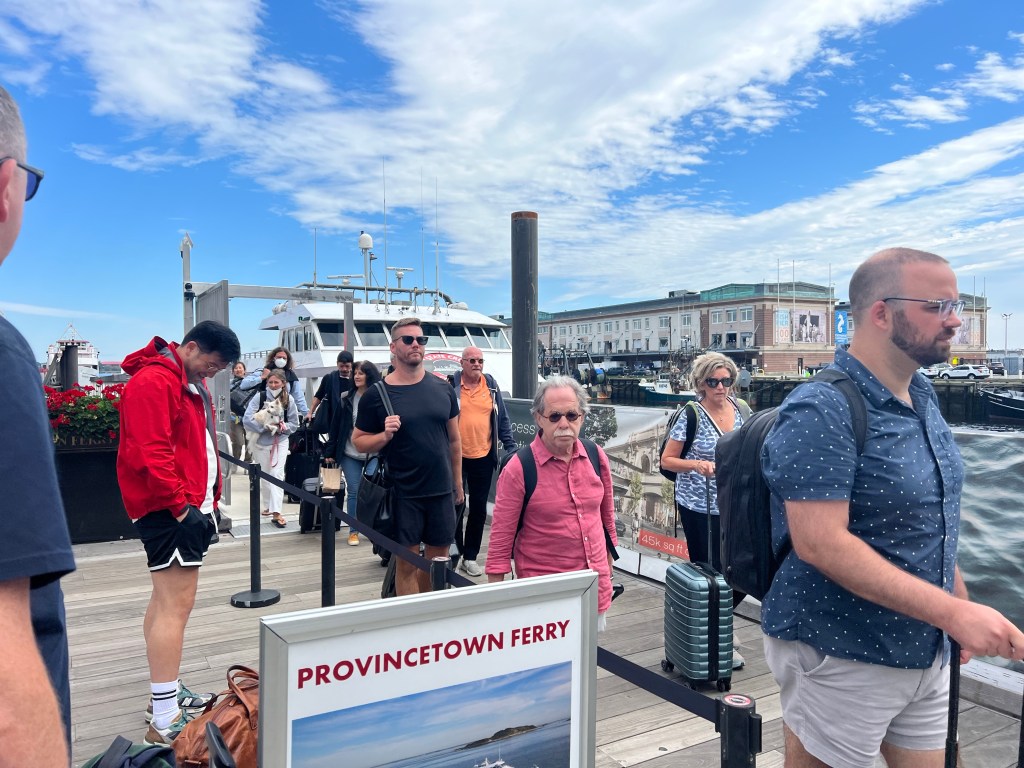
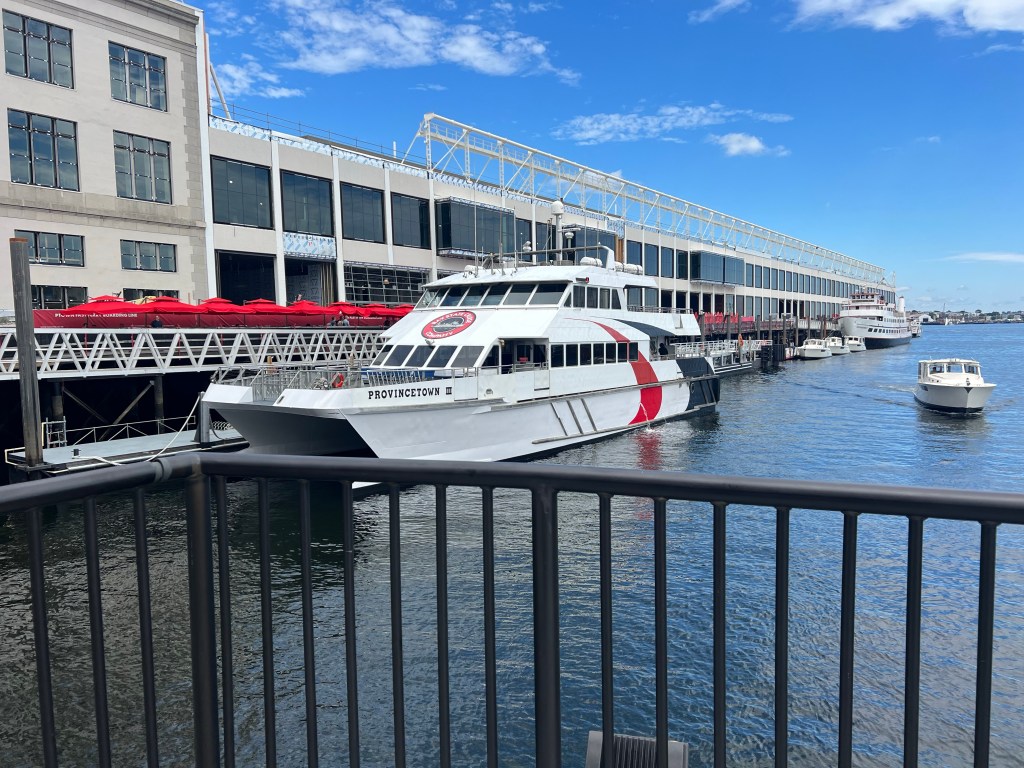
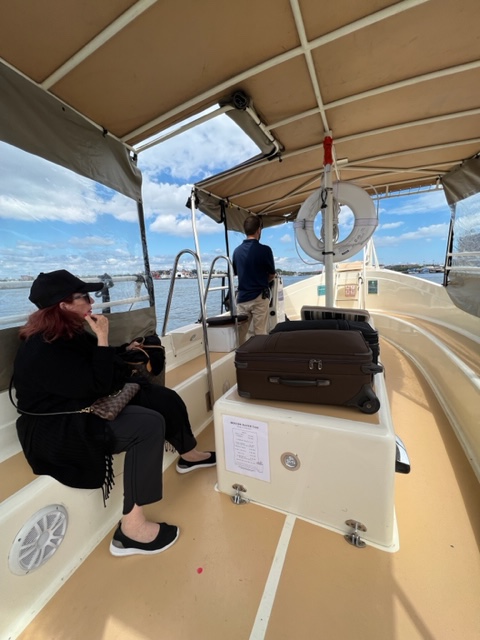
P-Town (sad) ferry ride to Boston. Then water taxi from Boston dock to Logan airport. Then AA to Miami.

Claude Picasso, Longtime Administrator of the Picasso Estate, Dies at 76

BY ALEX GREENBERGER

Claude Picasso, one of Pablo Picasso’s four children, has died at 76. The news was first reported on Thursday by Agence France-Presse, which did not provide a cause of death.

He died within months of his mother, the artist Françoise Gilot, who passed away in June at 101, and during the 50th anniversary commemorations of the death of his father, whose work is the subject of numerous museum exhibitions around the world right now. (Among their survivors are Gilot’s daughter, Paloma Picasso.)

In his capacity as the court-appointed administrator of the Picasso estate, a position he held from 1989 to earlier this year, Claude worked alongside his father’s many descendants to steward the artist’s legacy. The business was not always smooth sailing, as conflicts between members of the Picasso family periodically arose in public-facing ways.

Before Pablo Picasso had even died, in 1970, Claude, then aged 22, sued in France to be recognized as the legitimate son of his father, which would officially make Claude an heir. A court eventually ruled in his and his sister Paloma’s favor, making them legal heirs to Picasso four years later, after the artist had died in 1973.

It was the first in a number of internal battles among the Picasso family that would unfold across the next few decades. Many of those conflicts pitted Claude against other of Picasso’s heirs, including his second wife Jacqueline Roque; his half-sister Maya Widmaier-Picasso, whose mother was Marie-Thérèse Walter; and Picasso’s grandchildren Marina Picasso and Bernard Ruiz-Picasso, the children of the artist’s eldest son, Paul Picasso, via his first wife Olga Khokhlova.

The most explosive standoff took place in 1999, when Claude sold the Picasso name and signature to PSA Peugeot-Citroen, which released car titled after the artist. Marina sued Claude, claiming that he had disrespected “one of the greatest painters, a genius.” Queried about the situation, Claude’s lawyer told the Guardian: “Claude Ruiz Picasso is recognised by a majority of the five surviving heirs as being perfectly entitled to exploit the Picasso brand name.”

In interviews, Claude said he never thought he would play such a role. “I never expected or desired to have any kind of role like this, or have any influence over my father’s legacy,” he once told Picasso biographer John Richardson.

Speaking of his late brother, he added, “Paul also said, shortly before he died, ‘You know, if we’re in the shit we’re in, it’s all your fault.’”

Claude Picasso was born in 1947. He studied in England and France, and went on to live in New York between 1967 and 1974. He was briefly an assistant to the famed photographer Richard Avedon; he became a photojournalist himself.

In 1989, Claude became the court-appointed administrator of the Picasso estate, Succession Picasso. Through the role, he controlled the use of Picasso’s copyright. He held the position until July, when his sister Paloma took over.

He could be ornery about his father’s legacy. In 2018, he once said that a good amount of Picasso shows are “not necessary” and that Paris’s Musée Picasso was doing too much lending. He said that many works in the collection were not in a position to travel as frequently as they did it and that the “tsunami” of exhibitions taking place include many which are “nondescript and do nothing more than surf on the magic of a great name.”

Among the exhibitions this year to have feature loans from that museum is the negatively reviewed “It’s Pablo-matic: Picasso According to Hannah Gadsby” at the Brooklyn Museum in New York.

Yet Claude also seemed to take great pride in his work for the estate. “There’s still a lot to learn from Picasso,” he told Richardson.

Dealer Larry Gagosian said in a statement, “He was a dedicated guardian and interpreter of his father’s legacy, leading the Picasso Administration since its founding and enthusiastically supporting international scholarship and exhibitions. He was an extraordinary man and a great friend. Our hearts go out to all of Claude’s family. He will be profoundly missed.”

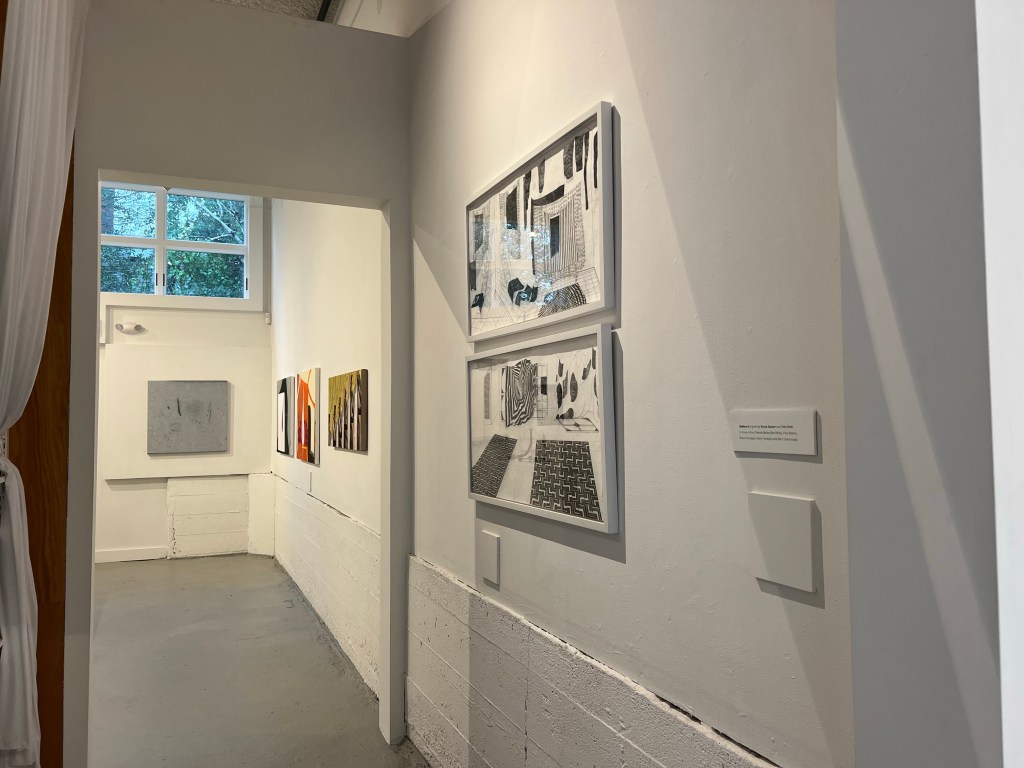
Fine Arts Work Center in Provincetown

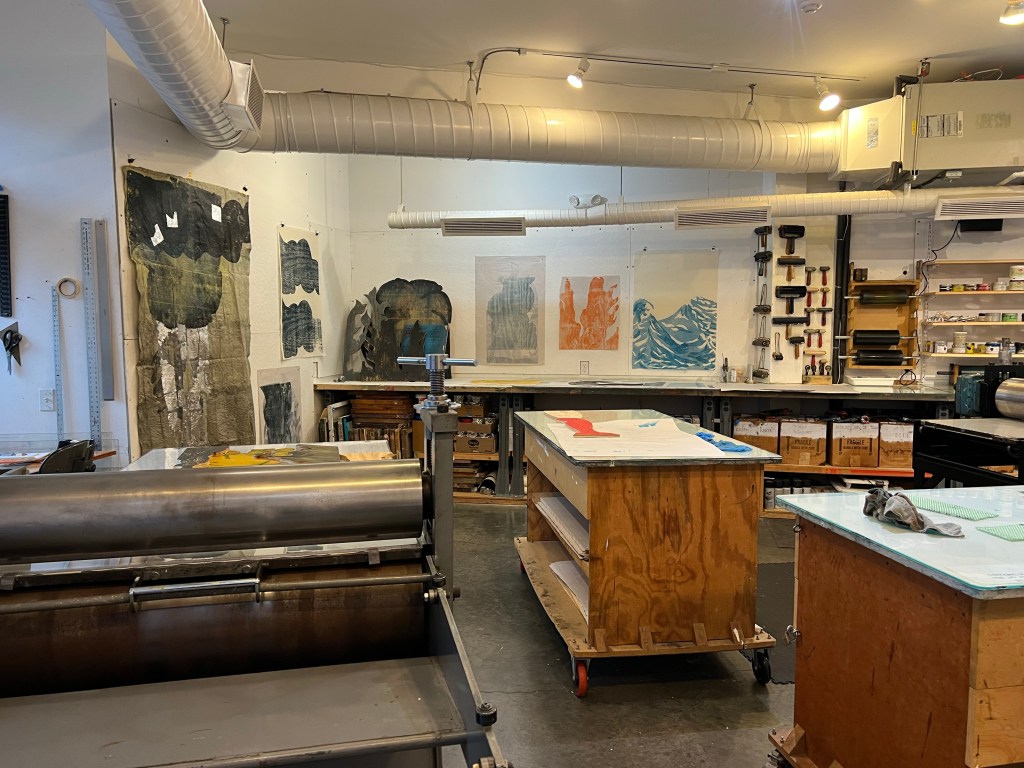
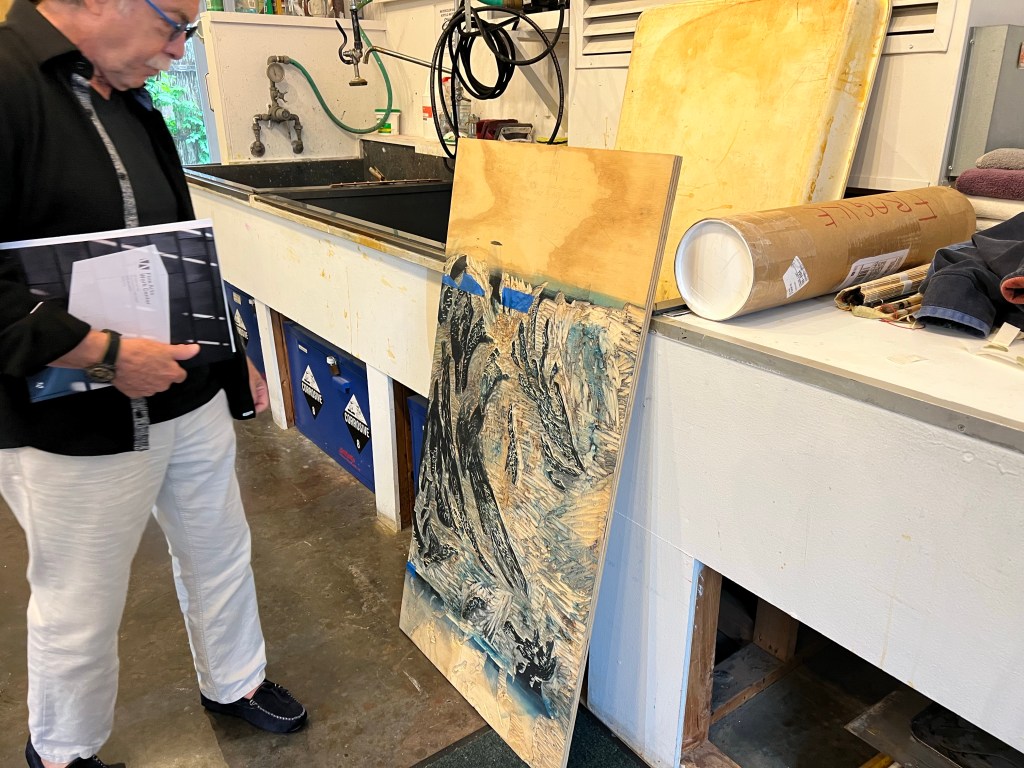
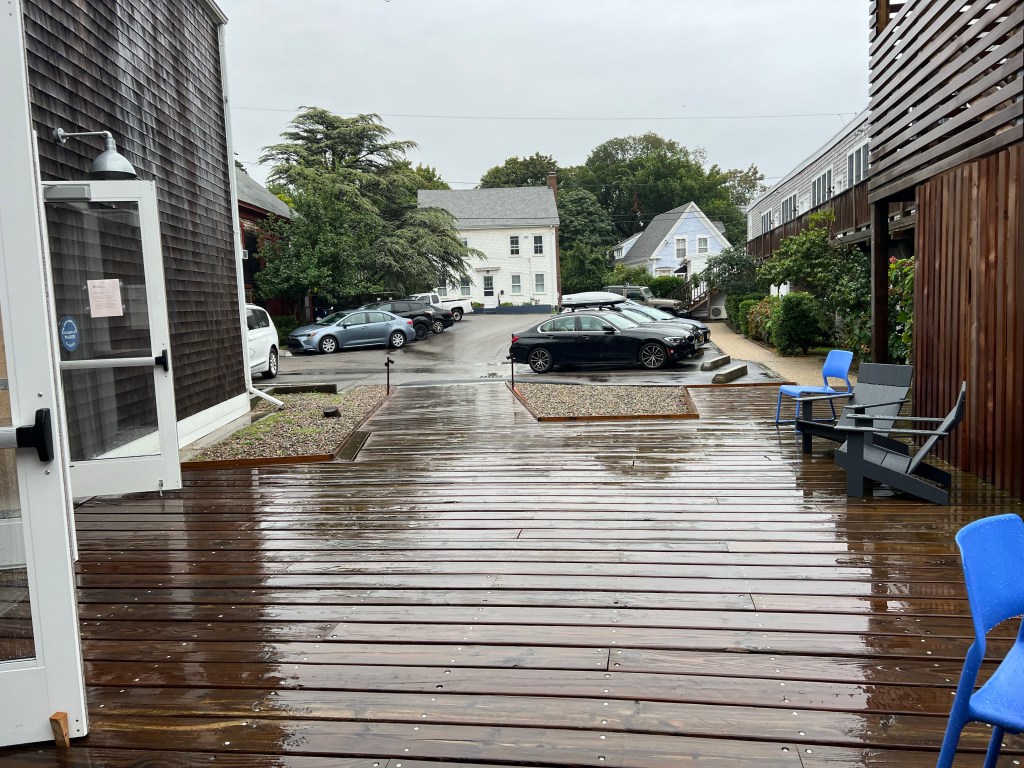
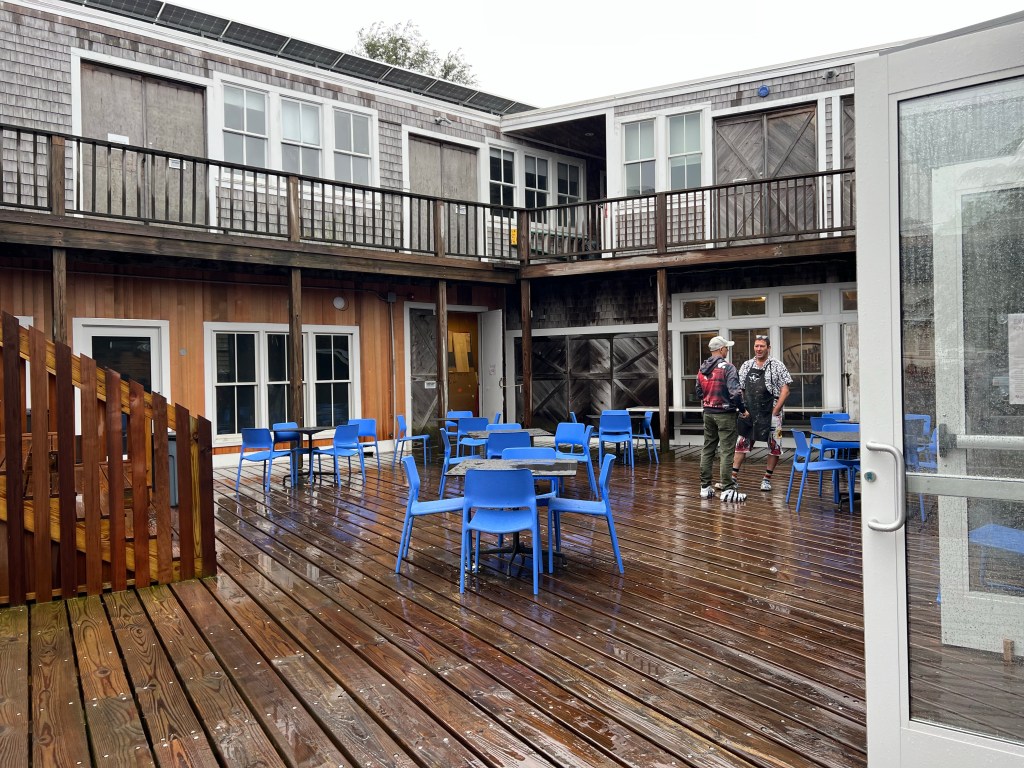
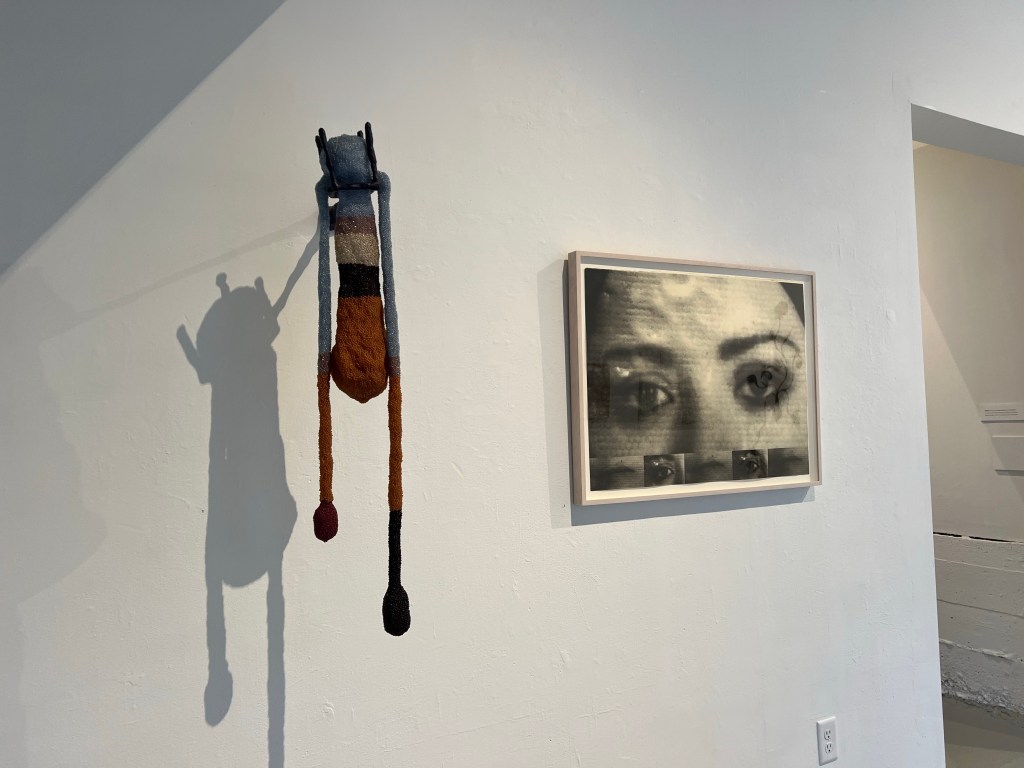
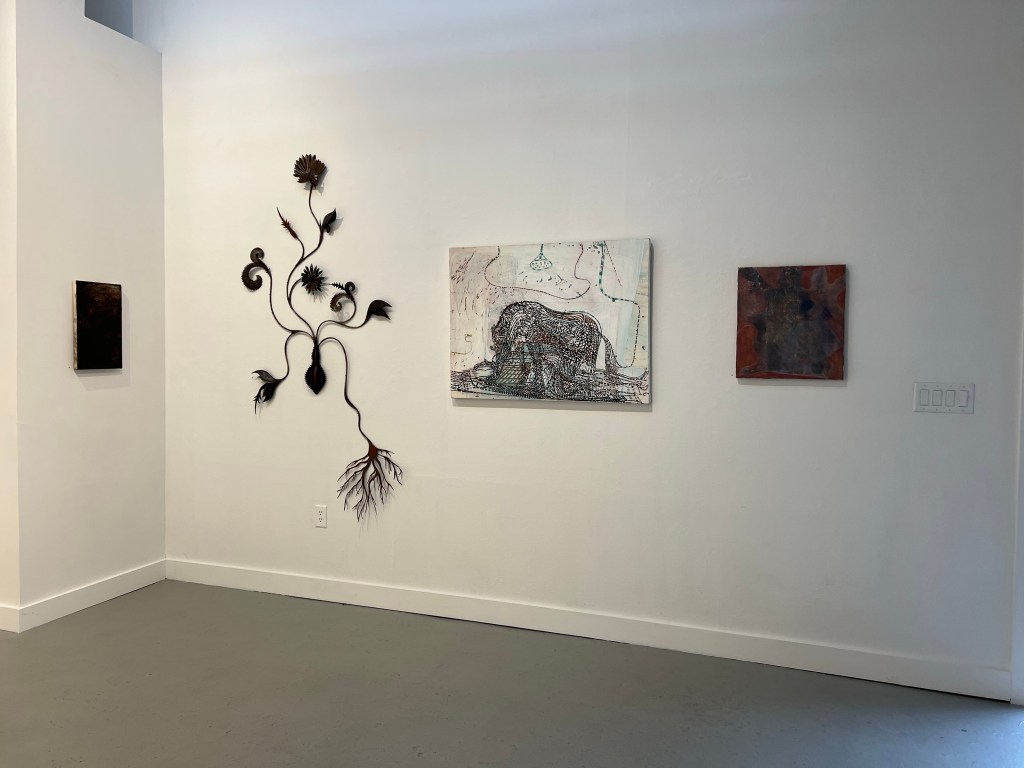
The Fine Arts Work Center is just a few blocks from the White Porch Inn Art Hotel, the bed and breakfast that we make our home every trip to P-Town. We attended an artist panel discussion yesterday that was a real eye opener into the lives of people who paint, sculpture, and write. The FAWC features artist studios; live-work residences; the Michael Mazur Print Shop; a reading library and bookstore; the Stanley Kunitz Common Room and Hudson D. Walker Galleries, where they host year round readings, artist talks, exhibitions, and live performance.

The FAWC selects 20 Fellows to live and work in Provincetown from October 1 – April 30. The Fellowship is designed for emerging artists and writers to focus solely on their creative practice. Fellows share their work as part of the winter public program, which also includes lectures and readings from visiting artists and writers.

During late spring and early fall, past Fellows

and friends of the Work Center return to Provincetown for short term stays during our Returning Residency program, which offers artists and writers dedicated time to advance creative projects and ideas.

Summer Workshops

Every summer, they welcome students and faculty for a full season of open enrollment, multidisciplinary course offerings in literature, visual art, playwriting, and more. This program includes over 50 public events that are free and open to the community.

24PearlStreet Online Writing Workshops

All year, they offer online learning opportunities of varying lengths and skill levels through online writing program 24PearlStreet, where writers can work with esteemed poets, prose writers, and graphic novelists in small group, virtual settings.

Eliot and I plan to attend as many events at the FAWC as possible next summer. Thank you P-Town friends for introducing us to FAWC.

The campus

The dorms
Sharon Polli
Executive Director
Eliot
Debbie, our friend who made sure we met Sharon.

P-Town Hidden Gems

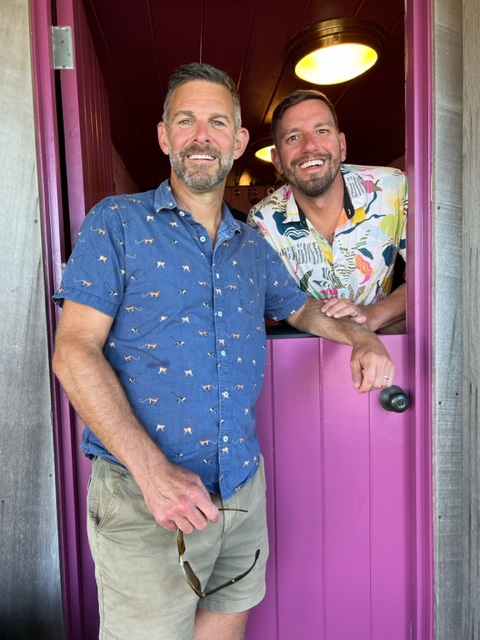
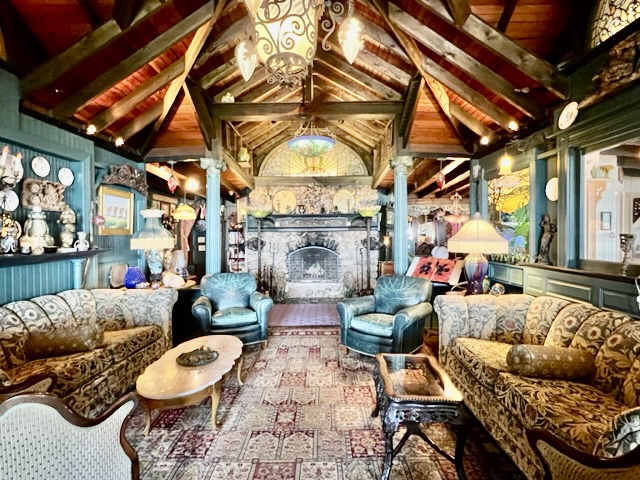
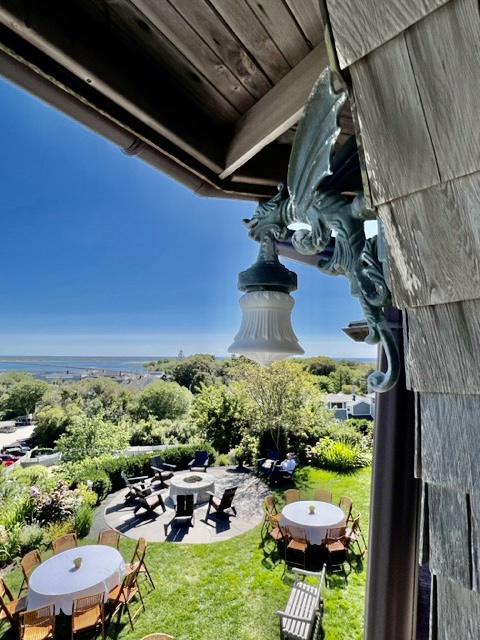
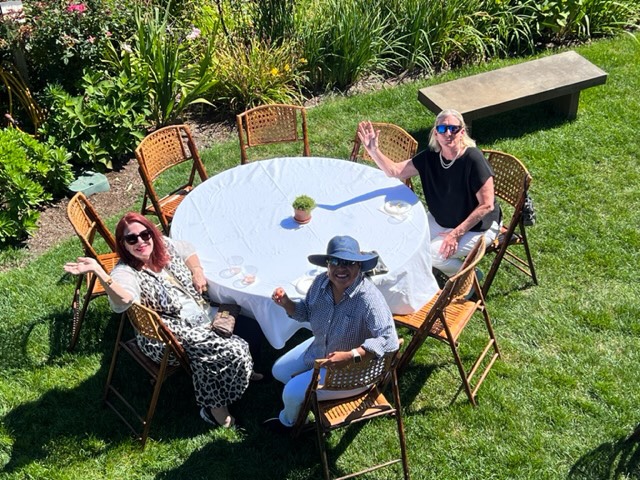
Gail Williams and Dawn McCall took us to the exclusive PAAM Circle garden party at the historic Land’s End Inn (22 Commercial Street) Provincetown. It was one of the most gorgeous places we have ever seen. We are going to spend a lot of time there next summer. We met owners Trevor Mikula and Ed Macri. Trevor is a local artist who shows his work at galleries around the country, including the William Scott Gallery in Provincetown. Ed DJs locally as Lazerella and previously had a career in technology, including 14 years as an executive at Wayfair. On Instagram, you can follow Trevor’s art @trevormikula and Ed’s DJ gigs @lazerellaptown. They have put a long-term ownership structure around the Inn that ensures it is enjoyed by the public and supports the local arts and LGBTQIA communities for generations to come. Hallelujah!

Ed Macri and Trevor Mikula

Tom Can Well A Ford This Mansion

Tom Ford Pays $52 Million for Jackie Kennedy’s Childhood Home in the Hamptons

After upgrading to a larger Florida mansion, the fashion mogul picked up a historic New York estate. 

By WENDY BOWMAN

Tom Ford House The Hamptons New York

Google Earth; Angela Weiss/AFP via Getty Images

Barely eight months ago, Tom Ford paid private equity guru Rob Heyvaert an eye-popping $51 million for a sleekly designed contemporary mansion in Palm Beach. But just weeks ago — as part of an off-market deal that’s expected to top $100 million, per The Real Deal — the fashion mogul traded that place to Brian Kosoy, CEO of the real estate private equity firm the Sterling Organization, in exchange for his even larger South Florida spread.

Now Ford has turned his attention toward New York, having forked over an equally impressive sum of cash for a historic East Hamptons estate that once served as a summer getaway for Jacqueline Kennedy Onassis, as first reported by The Wall Street Journal.

Records show Ford paid media producer David Zander $52 million for the home, which was originally listed for $55 million. The residence was previously owned by fashion designer and retail executive Reed Krakoff and his wife Delphine, who sold it to Zander for $24 million in 2018. And way before that, the property known as Lasata—a Native American word meaning “Place of Peace”—was owned in the 1920s by the former First Lady’s paternal grandfather John Vernou Bouvier Jr.

Nestled amid a 7-acre parcel of land, just blocks from the Atlantic Ocean, Ford’s newly acquired compound was designed by architect Arthur C. Jackson and completed in 1917. Recently restored by its current owner, the multi-building property is highlighted by an eight-bedroom main home sporting 8,500 square feet of Pierre Yovanovich-designed living space boasting tall casement windows and beamed ceilings throughout.

Ford, a Texas native who recently sold his eponymous fashion label to Estée Lauder Cos. in a deal valued at around $2.8 billion, also maintains a Holmby Hills estate he paid late socialite Betsy Bloomingdale nearly $40 million for in 2016, as well as homes in New York City, London and Santa Fe.

There’s also a two-bedroom guesthouse, caretaker’s cottage, pool house and three-car garage with a workshop, plus Louis Benech-crafted grounds laced with lush lawns, mature specimen trees and a flower meadow.

The Lasata listing was held by Eileen O’Neill of Corcoran Group and Ed Petrie of Compass; Frank E. Newbold of Sotheby’s International Realty repped Ford.