For artists, the road to success is paved by benefactors. Nearly every single artist we know today has benefited from the support of a collector(s). And while the tradition of patronage still exists, the relationship has changed. Platforms like Instagram have made creatives more accessible to collectors while crowdfunding websites such as Kickstarter have altered the business landscape altogether. One major difference is the way in which institutions have rallied around artists, forging symbiotic relationships between artists and their respective communities.
Miami arts organization Fountainhead has been developing intimate relationships with artists and art appreciators for the last four years now. Through its membership program established in 2018, the nonprofit has given folks behind-the-scenes access to studios and art fairs, created immersive experiences for “people who want to see the world differently” and helped artists engage with the public in new, meaningful ways. Memberships are split into two tiers,
Benefactor ($500/year for individuals or $850/year for couples) and Visionary ($1250/year for individuals or $2250/year for couples). The biggest difference between the two is that Visionaries get to preview and buy artworks made by artists in residence; receive access to travel tours (past trips have included Mexico City, Paris and Havana); score passes to fairs during Miami Art Week, and are recognized on Fountainhead’s website. In both cases, opting into the membership connects artists and their communities in ways few programs can.
Photograph: Courtesy Fountainhead
The 2022/23 membership program kicked off this month with a museum tour and lunch with Bonnie Clearwater, director and chief curator of Nova Southeastern University’s Museum of Art Fort Lauderdale.
Upcoming events include the Open Studios Farewell Party (Nov 12) and Miami Art Week VIP experience. Members also get early access to Fountainhead’s monthly open house events (Oct 21 and Nov 25).
If your idea of collecting art is shopping the aisles at Marshalls, perhaps dropping $500 on a cultural annuity seems superfluous. But for the artistically inclined or those curious about Miami’s growing art scene, this might be the gateway to a newfound appreciation. Not to mention that after years of isolation and our general tendency to hide behind social media, IRL connection feels invaluable or, at the very least, a worthwhile investment in ourselves and our communities.
To find out more about Fountainhead’s membership program, visit fountainheadarts.org.
Inside the Met’s Plans for a Major Karl Lagerfeld Show
The Chanel, Fendi and Chloé designer will be the subject of the next Costume Institute blockbuster, even though he famously hated museum retrospectives.
Karl Lagerfeld, the culturally omnivorous, furiously prolific designer of Chanel, Fendi and his own line, who died in 2019, was, throughout his career, resolutely focused on the future. Obsessed, even. He believed, he once told The New York Times, in the “old German dictum: ‘no credit on the past.’”
He had no truck with hagiographic exhibitions of designer careers. Indeed, during a press preview for the opening of the Chanel show at Costume Institute of the Metropolitan Museum of Art in 2005 (he refused to attend the show itself), he announced, straight up: “I dislike retrospectives.”
A few years later he declared to The Times, “I don’t want to see all those old dresses.”
But the powers that be of fashion apparently believe that, when it comes to Mr. Lagerfeld’s legacy, everyone else does.
In May, four years after his death, Mr. Lagerfeld is getting the biggest show of all: the next Metropolitan Museum of Art Costume Institute blockbuster. Just don’t call it a retrospective.
“I am calling it an essay,” said Andrew Bolton, the curator in charge of the Costume Institute, adding that Mr. Lagerfeld’s contributions to fashion were “unparalleled.” Not just because of his 65-year career, and the breadth and diversity of his work, but because the model he created for transforming a heritage house when he took over Chanel has become a template for the fashion industry.
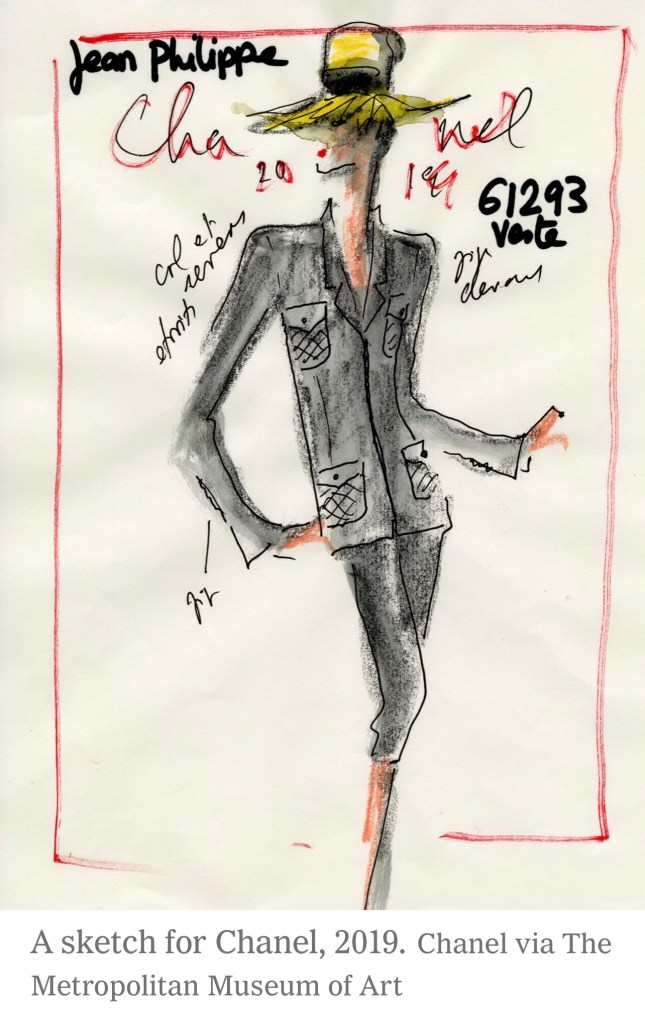
Entitled “Karl Lagerfeld: A Line of Beauty,” after Hogarth’s theory of aesthetics described in his 1753 book “The Analysis of Beauty,” the exhibition will focus on the relationship between Mr. Lagerfeld’s sketches and his finished products over the length of his career; the way his ideas morphed from two dimensions to three.
Mr. Bolton said the idea for the show came to him almost immediately after Mr. Lagerfeld’s death, and the museum quickly approved. Originally scheduled for 2022, it was postponed a year because of the pandemic.
“Every one of his designs began as a sketch,” Mr. Bolton said of Mr. Lagerfeld’s working method. “He said, ‘I draw just as I breathe.’ They can seem very charming and expressionistic to the untrained eye, but to his premieres they were almost mathematical in their precision, almost like a secret language between Karl and the ateliers.” The show is an attempt to decode it for posterity.
It will feature approximately 150 pieces from the five heritage houses Mr. Lagerfeld shaped — Balmain (which he joined after winning the Woolmark prize in 1954), Patou, Chloé, Fendi and Chanel — and his own brand. Selections will be winnowed from what Mr. Bolton said was “between 5,000 and 10,000” garments sourced from each brand’s archives, with a few from private collectors and the Met.
Each piece will be paired with the available sketches, and there will be video interviews with the heads of each atelier created by Loïc Prigent, the French filmmaker whose 2005 series “Signé Chanel” documented the making of a Chanel couture collection.
The exhibition will be organized along two guiding principles: the S, or serpentine, line, which Mr. Bolton sees as representing Mr. Lagerfeld’s historicist and romantic designs, and the straight line — Mr. Lagerfeld’s more modernist, classical work.
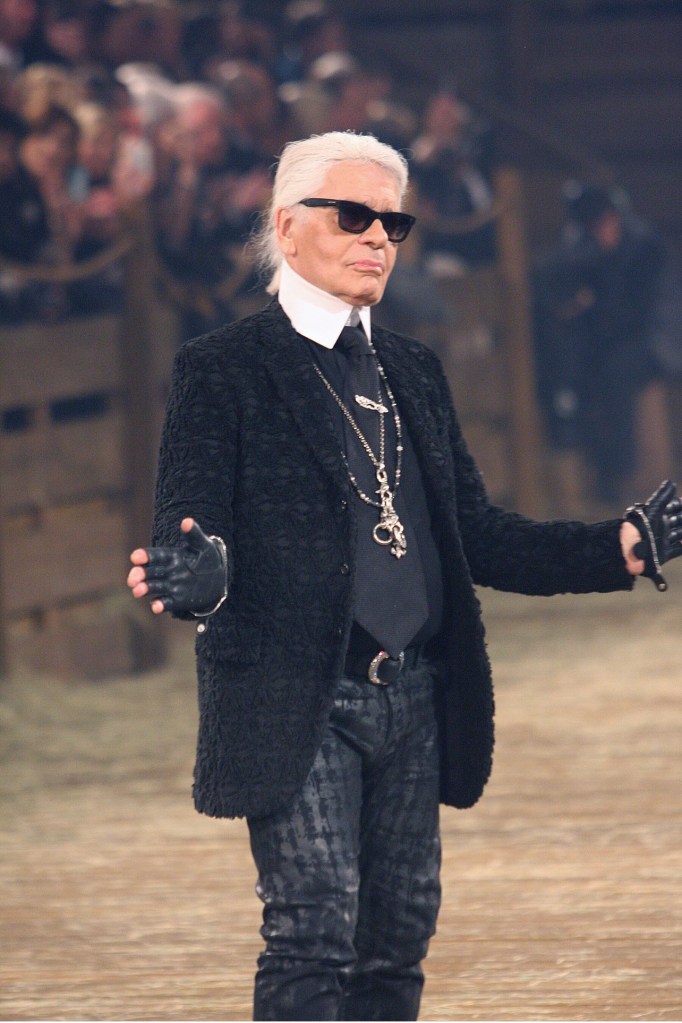
And it will culminate with a small grouping of what Mr. Bolton calls “the satirical line”: references, sprinkled by Mr. Lagerfeld like Easter eggs among all of his collections, to his own uniform of stiff-collared white shirt, black jeans, black cutaway, powdered white ponytail and fingerless gloves. Or given Mr. Lagerfeld’s taste, Fabergé eggs.
“He was a bit like Alfred Hitchcock that way,” Mr. Bolton said.
(The curator has included his own Easter eggs in the show, with each main section being divided into 10 subsections in honor of Mr. Lagerfeld’s birthday on Sept. 10, and each of those subsections containing seven pieces, because seven was Mr. Lagerfeld’s lucky number.)
Though Hogarth prized the serpentine line above the straight one, Mr. Bolton said that Mr. Lagerfeld “had no such aesthetic prejudices.”
Also, he said: “In Roman mythology the straight line entwined by an S line is the symbol of Mercury, the god of commerce and communication. And arguably the modern god of commerce and communication was Karl.”
The exhibition, designed by Tadao Ando, the Japanese architect who designed a home for Mr. Lagerfeld that was never built, will be staged in the Tisch Gallery. Amanda Harlech, who worked closely with Mr. Lagerfeld at Chanel for more than a quarter of a century, was a creative consultant. There may be a drone involved.
“I always thought if Karl came back in another form, he would come back as a drone,” Mr. Bolton said. “He was always observing the culture from above, and I would love to have a drone surveying the visitor’s reactions.”
Nevertheless, Mr. Bolton continued, if Mr. Lagerfeld did come back and got wind of the show, “I am sure he would hate it. He’d probably still refuse to come.”
This is only the third solo designer show curated by Mr. Bolton for the Met after Alexander McQueen in 2011 (another posthumous exhibition) and Rei Kawakubo in 2017. In a rare moment of unity among fashion rivals, it will be sponsored by Chanel, Fendi and the Lagerfeld brand, along with Condé Nast.
The celebrity hosts of the gala that opens the exhibition, and that has become the New York fashion event of the year, have not been announced. Given Mr. Lagerfeld’s multifarious career and his numerous muses, it’s not hard to imagine boldface names lining up for the honor, including Kirsten Stewart, Julianne Moore and Nicole Kidman, all of whom were faces of his Chanel.
As for the dress code, that seems a foregone conclusion. At least Anna Wintour, the honorary co-chair and gala maestro, can shop her closet: She has worn Chanel for almost every gala since 2005.
I just finished reading Mark Cuban’s analysis of his investments on Shark Tank. He is thinking about leaving the show because many of the deals he financed were a waste of time. I feel the same way about many of the companies I represented over the years. I got caught up in the enthusiasm from the innovators. They were great at inventing new products, services and shows, but they were clueless on how to execute a successful business.
I was so jealous when the breathalyzer came out on Shark Tank. I wanted to be the PR agency representing them. They were like rock stars at CES a few months later. They managed to fizz out before I had the chance to pitch them. Or what about the billions of dollars Magic Leap managed to screw out of Google and others? You wonder who is okaying these investments and who is responsible for checking them out. I knew something was phony in Plantation, FL.
Hasn’t Elizabeth Holmes taught us anything? Now there is a new scammer out there. Business Week says. “Trevor Milton looked like the next Elon Musk—and may end up the next Elizabeth Holmes. As the first of his several trials gets under way, the people who exposed him reveal how it all went down.Read in Bloomberg Businessweek: https://apple.news/A8sjmWmR_R2yqKaNWL3H3NQ
I apologize if I am inferring that many of the entrepreneurs I worked with were scammers. Scammers is a strong word for many of them but I can honestly say most of them had no conscience. They didn’t lose sleep over losing millions of dollars, or perhaps spending money on nonsense when they needed that dough to survive.
I always had the feeling that many of these start ups were designed to pick the pockets of the rich. Eliot and I are not rich rich but we have invested in a few projects that went south. Like Mark, we did it for the fun and it didn’t hurt us financially. However, we don’t get the same “rush” from being one of the investors anymore. Having said that, there are several projects that we were considering before this new attitude came about so I’m not sure which way we will go. Hahaha.
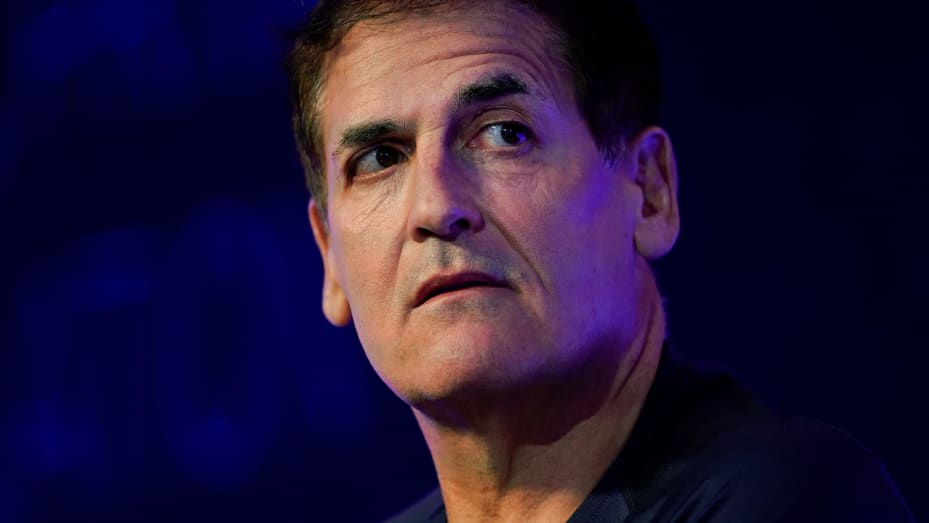
Mark Cuban says 25% of his ‘Shark Tank’ deals are flops: ‘What the hell was I thinking?’
After 13 seasons on ABC’s “Shark Tank,” Mark Cuban estimates that he’s had about as many hits as misses.
Some of his on-screen deals have worked out great, he says. Others, not so much. Such is the risk of investing. But even when it comes to the ones that eventually left him scratching his own head, Cuban tells CNBC Make It that he has “no regrets.”By Cuban’s own estimation, roughly one in four of his “Shark Tank” deals “have done really well or crushed it,” he told a local Denver ABC affiliate on Friday.
“Fifty percent … have been good and continue to go on, and 25% where I just think to myself: ‘What the hell was I thinking?’”One notable example: Cuban has highlighted the Breathometer, billed as “the world’s first smartphone breathalyzer,” as his worst “Shark Tank” investment to date. Cuban said he lost roughly $500,000 on the deal, after investing in the business in 2013.“That was my biggest beating.”
In total, the billionaire investor has struck more than 200 on-screen deals worth more than $61 million in his time on the show, according to a recent online estimate.On Monday, Cuban told Forbes that the real-life figure is closer to $29 million: Not all of the deals depicted on the show make it all the way to closing.Cuban says his “Shark Tank” deals aren’t always solely about bringing in big financial returns. “I’m good with that with my ‘Shark Tank’ companies,”
Cuban wrote on Twitter in July. “I don’t do the show to get the best investments. And I don’t always invest because I think I’ll make money. Sometimes my deals are purely to help someone or send a message. That’s why he doesn’t seem to mind not yet being in the black when it comes to his total investments on the show. In July, Cuban told the “Full Send” podcast that he’s taken a net loss on all of his “Shark Tank” investments so far. He later clarified that he meant “on a cash basis,” only accounting for the investments he’s already exited.
“I haven’t gotten out more than I have put in. But that doesn’t account for all the ongoing, operating businesses and their valuations,” Cuban told CNBC Make It at the time. Deals that flop are an inevitability of investing, according to fellow “Shark Tank” star Kevin O’Leary. “You make 10 investments, you get two to three huge hits. And it pays for the other seven [failed investments],” O’Leary told CNBC Make It last month.
Still, Cuban says he’s beginning to think about when he should step away from “Shark Tank” to focus on his own ventures, including the new online pharmacy Cost Plus Drugs.“Part of me wants to quit,” Cuban told Forbeson Monday.The investor didn’t offer any timeline for when he might depart the popular program, but said the show could likely weather his exit: “They’ll survive fine without me.”Disclosure: CNBC owns the exclusive off-network cable rights to “Shark Tank.”
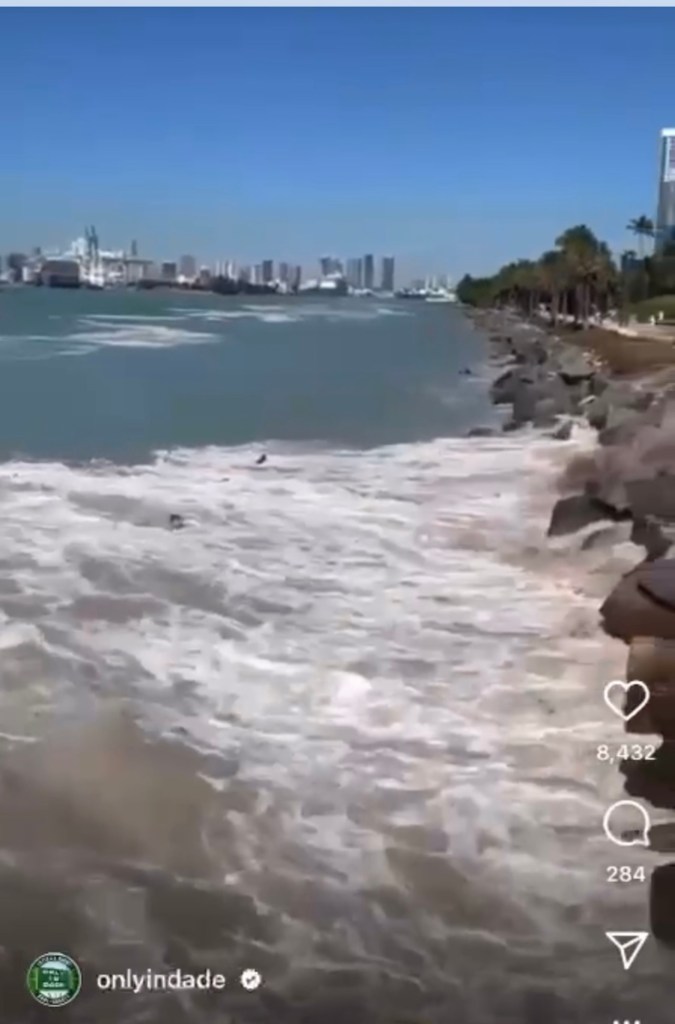
Six people in hospital this morning after gigantic King Tide swept them off of South Pointe boardwalk and into government cut. How scary is that? Click on video below.
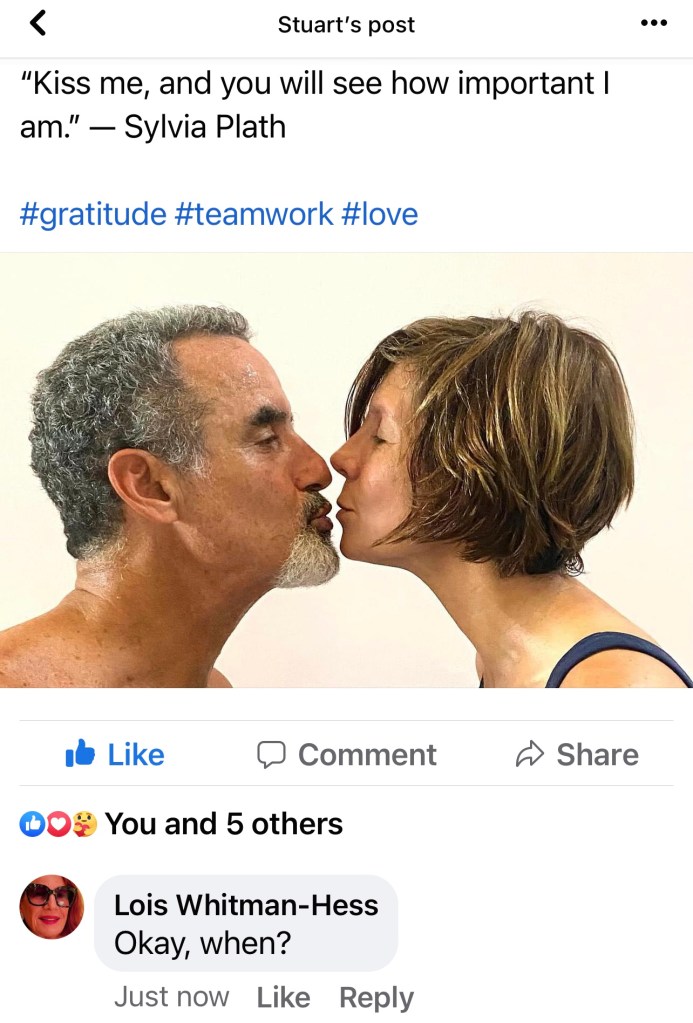
Did You Know How Linda Met Paul ?
The land of paradise wasn’t so idyllic the last few days. Florida got hit with a hurricane, called Ian that knocked out power to more than 1.8 million residents. That wasn’t even the most disturbing part. Just imagine living for hours with storm winds of 155 miles that spread 50 miles out. You are freaking out and you have no where to run.
That’s exactly what happened in Cayo Costa, Florida, a small island on the Gulf Coast near Cape Coral and Fort Myers. We hear the area has been completely ripped apart by the catastrophic winds and storm surges that reached 18 feet high. At this point, these popular and often admired sections of Florida are unlivable and will be for a long period of time. It’s difficult to comprehend.
I recently read that Ian “is now tied with seven other storms for fifth place in highest recorded sustained wind at landfall in the United States. Charley was another hurricane record breaker that hit the same section of Florida in 2004.
That’s the scariest part of living in Florida. While it doesn’t happen often, you go from living an active life outdoors year round with the most magnificent sunsets and gorgeous beaches, to monstrous storms that are totally life threatening. We hold our breath every summer to the end of October when hurricanes usually strike. Please, not this year.
Unfortunately, Ian was a doozy. Please help Florida recover. Many of our Three Tomatoes readers visit Florida at least once or twice a year. You know how magnificent it is. If you can, we would appreciate a token of your affection for the state. Send your love to https://www.redcross.org/donate/donation.html/.
Prince Charles painting with watercolors, 1994, in Klosters, Switzerland.PHOTO JULIAN PARKER/UK PRESS VIA GETTY IMAGES
Queen Elizabeth II may have been an avid horse breeder and corgi enthusiast, but her eldest son, the recently-crowned King Charles III, prefers to spend his time painting.
The King’s passion for visual art was cultivated from a young age. He learned to paint under the influence of Robert Waddell, a teacher at Scottish boarding school Gordonstoun, which was his father Prince Philip’s and his alma matter. He was later taught by British artists Edward Seago and John Napper. Additionally, he had access to artworks among the family’s Royal Collection Trust.
At 73 years of age, Charles has been painting—primarily landscapes—for nearly 50 years. Here are six paintings of some of his most memorable moments as Prince of Wales.
Photo : A watercolor of Castle Mey, the former home of Queen Elizabeth II, 1986. Photo Tim Graham Photo Library via Getty Images
Castle Mey in northern Scotland, the former home of Queen Elizabeth, was one of King Charles’ most common subjects in his early work.
Photo : Curator Lauren Porter adjusts the watercolor Lochnagar from the Gelder Cottage, 2012; in the exhibition “Royal Paintbox: Royal Artists Past and Present,” 2013–14, at Windsor Castle, Berkshire. Photo Andrew Matthews/PA Images via Getty Images
King Charles works exclusively with watercolor “to convey that almost ‘inner’ sense of texture,” as he wrote for an exhibition at London’s Garrison Chapel, where 79 of his works were shown.
King Charles is one of the UK’s bestselling living artists, having made an estimated £2 million ($2.14 million) from selling copies of his art between 1997 and 2016.
Photo : One of King Charles’s watercolor paintings of Klosters, 1992, on a ski pass for the 1997 season. Photo Tim Graham Photo Library via Getty Images
An avid skier, King Charles visited Klosters in 1988, where he narrowly escaped an avalanche. In 1997, the Swiss city used his painting of the area on its seasonal ski pass.
Photo : A llithograph of a 1989 painting by King Charles in the exhibition “Double Haven Bay,” Hong Kong. Photo K. Y. Cheng/South China Morning Post via Getty Images
In 1989, the king and his ex-wife Princess Diana visited Hong Kong to officiate the opening of the city’s Cultural Center.
This painting is now part of a marine park in northeast New Territories.
Photo : Watercolor of Balmoral, in the 1990s book “The Prince Of Wales Watercolours.” Photo Tim Graham Photo Library via Getty Images
Balmoral Castle in Aberdeenshire, Scotland was home to the late Queen Elizabeth II until her death on September 8, 2022.
Photo : Watercolor of the Spittal of Glen Muick near Balmoral, in the 1990s book “The Prince Of Wales Watercolours.” Photo Tim Graham Photo Library via Getty Images
The landscape surrounding Balmoral Castle is one of King Charles’s favorite subjects to paint
🥨🥨🥨🥨🥨🥨🥨🥨🥨🥨🥨🥨🥨🥨🥨🥨🥨
‘I Had Never Seen Anything Like It Before’: Steve Martin on the Spark That Led Him to Become One of the Top Collectors of Australian Indigenous Art
A selection of Western Desert painting from the actor’s personal collection is now on view at the National Arts Club.
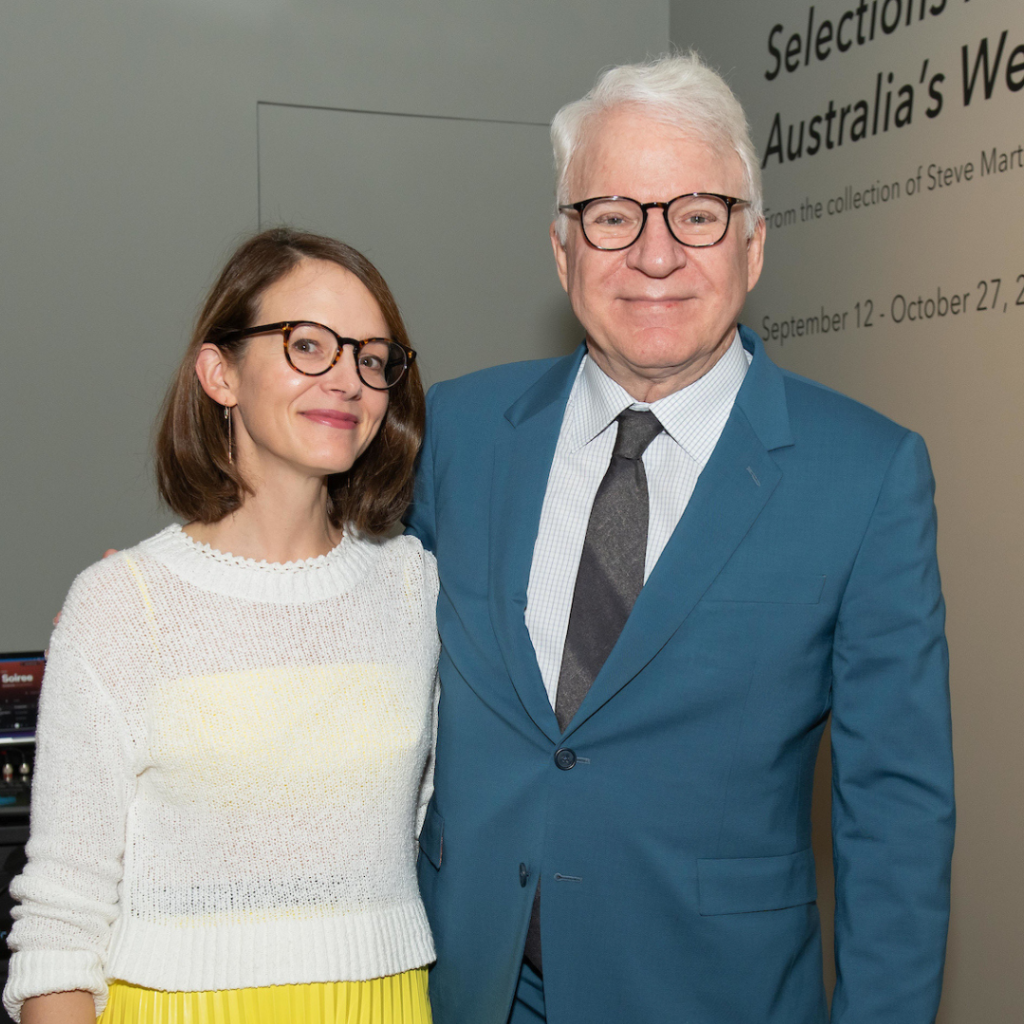
Sarah Cascone, September 26, 2022Steve Martin and Anne Stringfield at the National Arts Club in New York, which is currently hosting an exhibition of work from their collection of Indigenous Australian painting. Photo courtesy of the National Arts Club, New York.
Steve Martin has been back in the headlines of late, thanks to his leading role in the hit Hulu comedy Only Murders in the Building. But he also has a star turn this fall at the National Arts Clubin New York, which is presenting a small but striking exhibition of Indigenous Australian art from the actor’s personal collection.
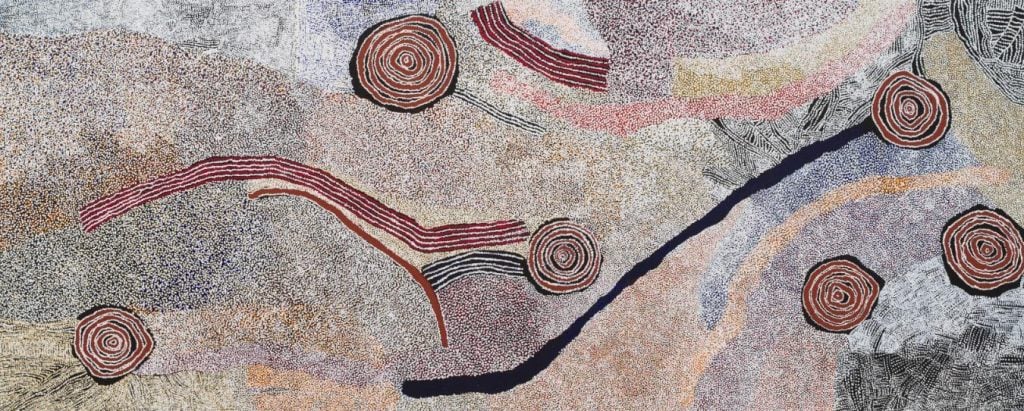
Titled “Selections from Australia’s Western Desert: From the Collection of Steve Martin and Anne Stringfield,” the show features six works from among the 50 or so contemporary paintings by Indigenous Australian artists that Martin has purchased with his wife since 2015.
The couple’s passion for this still rather obscure area of contemporary art got its start at Salon 94 on the Upper East Side, which at the time was presenting the first U.S. solo show for Warlimpirrnga Tjapaltjarri. Martin read about the show in the New York Times, and was immediately intrigued. “I got on my bicycle, and I went down, and I bought one,” he told Artnet News.
Bill Whiskey Tjapaltjarri, Rockholes and Country Near the Olgas (2008). Collection of Steve Martin and Anne Stringfield.
Martin, of course, had been collecting for years, starting out with a James Gale Tyler seascape he picked up at an antique store for $500 at age 21 and still owns; today, he estimated, it has dipped in value to $300. (Martin’s next acquisition, a print by Ed Ruscha of the Hollywood sign, has probably fared better over the years.)
The love affair with Indigenous Australian art, however, was something of a slow burn for Martin and Stringfield.
“We hung it, we loved it, but we didn’t really think about it for a few years. But there is a whole culture around these paintings, and slowly, through osmosis, I began to learn more and more,” he said. “The history of Indigenous painting only goes back to about 1970—before that it was sand painting, wall painting, carving, and this was the first time these images could be set down in a permanent way.”
Making lasting, portable works that could be sold was transformative for the Indigenous art community—and brought something brand new to the art world, a movement that became known as Desert Painting.
“I think it’s such a fascinating story,” Martin said. He also appreciated collecting in an area where there wasn’t a huge amount of established scholarship.
“It’s fun to have something to study, to try to understand, to apply your critical eye to without any outside pressure,” he added. “There’s not a lot of promotion about [these] artists. You just have to find it out yourself.”
Slowly but surely, Martin began buying more and more Indigenous art, even traveling with Stringfield to Australia. (Though they didn’t make it to the Outback, they visited a center where working artists create their paintings.)
Carlene West, Tjitjitji. Collection of Steve Martin and Anne Stringfield.
They also met Indigenous artist Yukultji Napangati when she visited New York a few years ago and had her over to dinner.
“She made my daughter a family member, which was quite an honor, and I played the banjo,” Martin said. “Yukultji is quite a historical figure. She was one of the Pintupi Nine, and came in from the Outback when she was 13—had never seen a white man, had never seen a car—and then became a notable painter.”
As Martin and Stringfield’s holdings in Indigenous art grew, so too did their desire to show them to the world. To start, Martin staged a small show at the Uovo storage facility in Queens for friends and family.
Word got out. Next came an outing at Gagosian—nothing for sale, of course—that showed in both New York and Los Angeles, and an exhibition at the Australian counsel residence in New York. (That showed paired Martin’s collection with works owned by John Wilkerson, whose collection focuses on smaller, earlier works on board, before Indigenous artists got access to canvases.)
These days, Martin and Stringfield are winding down their active collecting.
“Our indigenous art collection is pretty dense—there’s not much left to acquire. Right now, we are just having fun moving works around,” Martin said. “I love to rotate things. Every time you move a picture, it’s like getting a new picture. You see it anew.”
“It’s an unpredictable melange of pictures. There’s some later ones—Timo Hogan is very contemporary,” Martin said, adding that “in the Australian Indigenous art world, a 50 year old is considered a young painter.” Hogan is 49.
“I’d like people to be able to see the National Arts Club show because it’s very, very unusual,” he added. “And I hope they have the same experience I did—I had never seen anything like it before.”
“Selections From Australia’s Western Desert From the Collection of Steve Martin and Anne Stringfield” is on view at the National Arts Club, 15 Gramercy Park South, New York, New York, September 12–October 27, 2022.
Press the arrow below to watch the video. You will be astonished . .
Change Of Plans
Click on video to see magic
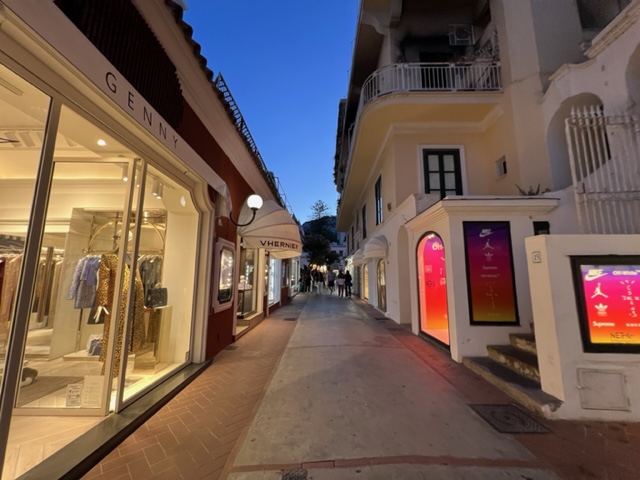
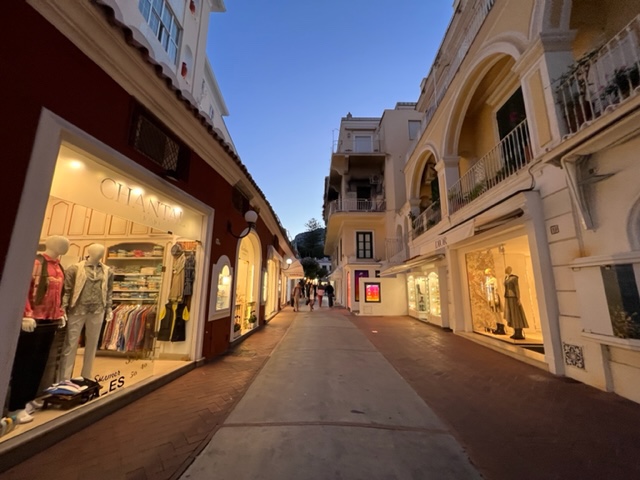
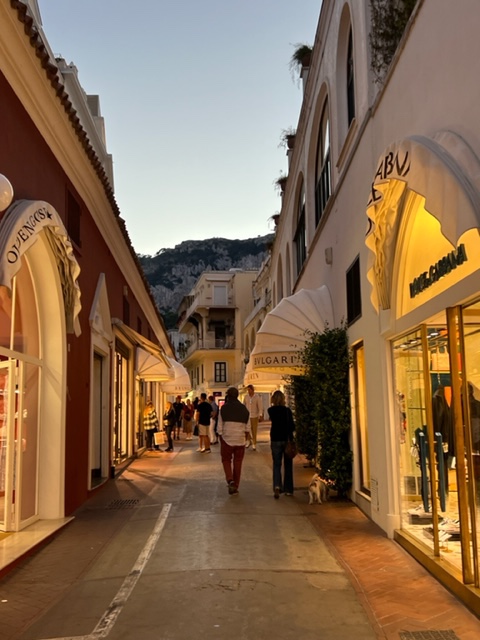
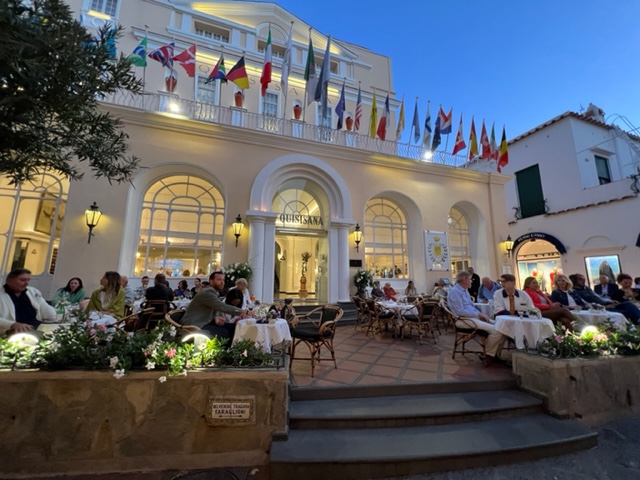
We never made it to Ischia because of the stormy weather.The ferries stopped running. Truman Compote and I had a writing date there. I will just “think about it” and suddenly it will happen. We are staying in Capri until we can get to Naples. So this is what it is like living on an Island.
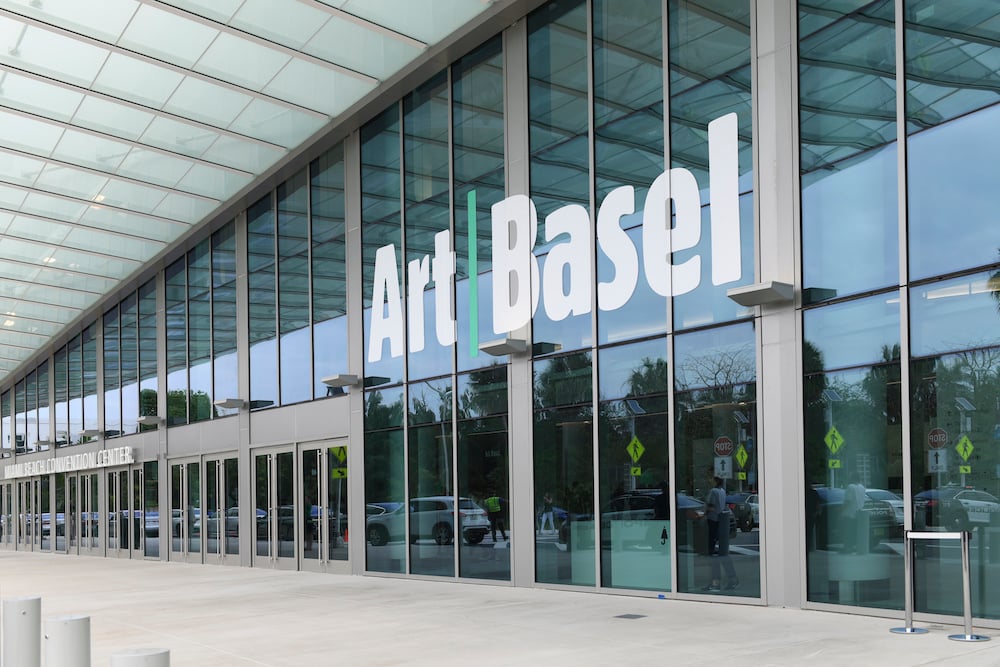
The Miami Beach Convention Center. Image courtesy of Art Basel.
Art Basel Miami Beach (ABMB) today announced its 2022 exhibitor list for its 20th birthday edition in Miami. Some 283 galleries are slated to show in the fair’s main section, making it the largest edition in the city yet.
The fair will feature 26 first time exhibitors, and overall the gallery selection shows it to be positioning itself as a global art market maker for the Americas, with half of this year’s galleries hailing from locations in North and South America.
A stalwart of familiar faces with heavy presence in New York and L.A. are returning: Gagosian, Hauser & Wirth, Marian Goodman, Perrotin, Esther Schipper, and Thaddaeus Ropac, to name a few. But they will be joined by galleries like Rolf Art from Buenos Aires, Paulo Kuczynski from São Paulo, and José de la Mano from Madrid.
“It is truly exciting to celebrate our 20-year presence in Miami Beach,” Marc Spiegler, Art Basel’s global director said in a press statement. “Over the last two decades our show has not only reinforced its pivotal position in the region—uniquely bridging the art scenes of North and South Americas, Europe, and beyond—but also played a galvanizing role in the city’s profound cultural transformation. The increasingly diverse range of galleries and artistic voices represented will make our show richer in discoveries than ever before.”
Standouts from this year’s Positions section, which focuses on solo exhibitions of emerging international artists, are new work by artists Tonia Nneji and Ishi Glinsky at newcomers And Now and Ishi Glinsky.
The Nova portion of the fair, which focuses on new work by up to three artists, will welcome 11 galleries in 2022, including Yavuz Gallery showing the artist Pinaree Sanpitak, K Art showing Edgar Heap of Birds together alongside artists Erin Ggaadimitis, Ivalu Gingrich, and Robyn Tsinnajinnie.
Running from November 29 to December 3, the usual suspects of satellite fairs will also be present, including NADA, Design-Miami, and Untitled.
Next month, Art Basel’s long awaited Paris debut will also be taking place. From October 20-23, the Grand Palais Éphémère will welcome 156 galleries for Paris+ par Art Basel.
Art Basel’s Miami Beach edition takes place from November 29-30 (VIP and preview days), and will open to the public from December 1-3. See the full list of galleries taking part below.
The full list of galleries participating at Art Basel Miami Beach 2022:
GALLERIES 303 Gallery 47 Canal A Gentil Carioca Miguel Abreu Gallery Acquavella Galleries Altman Siegel Galeria Raquel Arnaud Alfonso Artiaco Balice Hertling Barro Nicelle Beauchene Gallery galería elba benítez Berggruen Gallery blank projects Blum & Poe Peter Blum Gallery Marianne Boesky Gallery Tanya Bonakdar Gallery Bortolami Luciana Brito Galeria Ben Brown Fine Arts Galerie Buchholz Canada Cardi Gallery Carlos/Ishikawa Casa Triângulo Casas Riegner David Castillo Ceysson & Bénétière Chapter NY Cheim & Read Clearing James Cohan Gallery Sadie Coles HQ Commonwealth and Council Galleria Continua Paula Cooper Gallery Corbett vs. Dempsey Pilar Corrias Galerie Crèvecœur Galerie Chantal Crousel DAN Galeria DC Moore Gallery Massimo De Carlo Jeffrey Deitch Bridget Donahue Andrew Edlin Gallery galerie frank elbaz Derek Eller Gallery Thomas Erben Gallery Eric Firestone Gallery Konrad Fischer Galerie Fortes D’Aloia & Gabriel Peter Freeman, Inc. Stephen Friedman Gallery James Fuentes Gaga Gagosian Galerie Christophe Gaillard Galerie 1900-2000 Gavlak François Ghebaly Gladstone Gallery Gomide & Co Galería Elvira González Goodman Gallery Marian Goodman Gallery Galerie Bärbel Grässlin Gray Garth Greenan Gallery Greene Naftali Galerie Karsten Greve Cristina Guerra Contemporary Art Kavi Gupta Hales Gallery Hauser & Wirth Galerie Max Hetzler High Art Hirschl & Adler Modern Hannah Hoffman Rhona Hoffman Gallery Edwynn Houk Gallery Pippy Houldsworth Gallery Xavier Hufkens Gallery Hyundai Mariane Ibrahim Ingleby Gallery rodolphe janssen Catriona Jeffries Jenkins Johnson Gallery JTT Annely Juda Fine Art Kalfayan Galleries Casey Kaplan Karma Karma International Kasmin kaufmann repetto Sean Kelly Kerlin Gallery Anton Kern Gallery Kewenig Galerie Peter Kilchmann Tina Kim Gallery Kohn Gallery David Kordansky Gallery Andrew Kreps Gallery Galerie Krinzinger Kukje Gallery kurimanzutto Labor Simon Lee Gallery Lehmann Maupin Galerie Lelong & Co. David Lewis LGDR Josh Lilley Lisson Gallery Luhring Augustine Magazzino Mai 36 Galerie Maisterravalbuena Jorge Mara – La Ruche Matthew Marks Gallery Marlborough Philip Martin Gallery Barbara Mathes Gallery Mayoral Mazzoleni Anthony Meier Fine Arts Mendes Wood DM kamel mennour Meyer Riegger Mignoni Millan Victoria Miro Mitchell-Innes & Nash Mnuchin Gallery The Modern Institute moniquemeloche mor charpentier Morán Morán Galerie nächst St. Stephan Rosemarie Schwarzwälder Galerie Nagel Draxler Edward Tyler Nahem Helly Nahmad Gallery Nanzuka Galería Leandro Navarro neugerriemschneider Nicodim Gallery Galleria Franco Noero David Nolan Gallery Galerie Nordenhake Galerie Nathalie Obadia OMR Galleria Lorcan O’Neill Roma P.P.O.W Pace Gallery Franklin Parrasch Gallery Patron Peres Projects Perrotin Petzel Galerie Eva Presenhuber Proyectos Monclova Almine Rech Regen Projects Revolver Galería Roberts Projects Rodeo Nara Roesler Thaddaeus Ropac Michael Rosenfeld Gallery Lia Rumma SCAI The Bathhouse Esther Schipper Schoelkopf Gallery Galerie Thomas Schulte Marc Selwyn Fine Art Jack Shainman Gallery Sicardi Ayers Bacino Sies + Höke Sikkema Jenkins & Co. Jessica Silverman Simões de Assis Skarstedt Fredric Snitzer Gallery Sperone Westwater Sprüth Magers Galleria Christian Stein Stevenson Galeria Luisa Strina Simone Subal Gallery Galería Sur Timothy Taylor Templon Galerie Thomas Galerie Barbara Thumm Tornabuoni Art Travesía Cuatro Van de Weghe Van Doren Waxter Vedovi Gallery Venus Over Manhattan Vermelho Vielmetter Los Angeles Waddington Custot Galleri Nicolai Wallner Wentrup Michael Werner Gallery White Cube Yares Art David Zwirner
EDITION Cristea Roberts Gallery Crown Point Press Gemini G.E.L. Carolina Nitsch Pace Prints Paragon Polígrafa Obra Gràfica Susan Sheehan Gallery STPI Two Palms ULAE
NOVA Afriart Gallery Helena Anrather Antenna Space 80m2 Livia Benavides Galerie Maria Bernheim Company Gallery Document Anat Ebgi Galería Agustina Ferreyra Instituto de visión Charlie James Gallery K Art Kristina Kite Gallery Kendra Jayne Patrick Galerie Jérôme Poggi Proyectos Ultravioleta Galeria Patricia Ready Spinello Projects Super Dakota Rachel Uffner Gallery Nicola Vassell Welancora Gallery Yavuz Gallery
POSTITIONS And Now Arcadia Missa Edel Assanti Ruth Benzacar Galeria de Arte Central Galeria Emalin Isla Flotante Night Gallery P21 Pequod Co. Queer Thoughts Rele Gallery Residency Art Gallery Reyes Finn Chris Sharp Gallery Soft Opening Stars Sultana Sophie Tappeiner
SURVEY 1 Mira Madrid acb Alexandre Gallery Berry Campbell José de la Mano Larkin Erdmann Gallery Fridman Gallery Herlitzka + Faria Galerie Knoell Paulo Kuczynski Magenta Plains Galerie Mitterrand Rolf Art Meredith Rosen Gallery Cristin Tierney Gallery Watanuki Ltd. / Toki-no-Wasuremono Steven Zevitas Gallery
The 26 newly participating galleries for Art Basel Miami are: Alexandre Gallery (New York); And Now (Dallas); Edel Assanti (London); Berry Campbell (New York); José de la Mano (Madrid); Bridget Donahue (New York); Emalin (London); Herlitzka + Faria (Barrio Norte); K Art (Buffalo); Kristina Kite Gallery (Los Angeles); Paulo Kuczynski (São Paulo); Magenta Plains (New York); P21 (Seoul); Queer Thoughts (New York); Residency Art Gallery (Inglewood); Rolf Art (Buenos Aires); Meredith Rosen Gallery (New York); Chris Sharp Gallery (Los Angeles); Soft Opening (London); Sophie Tappeiner (Vienna); Stars (Los Angeles); Sultana (Arles and Paris); Super Dakota (Brussels); Rodeo (London and Piraeus); Watanuki Ltd. / Toki-no-Wasuremono (Tokyo); and Yavuz Gallery (Redfern and Singapore). The fair continues to offer differing models for participation, including joint booths by A Gentil Carioca (Rio de Janeiro and São Paulo) and Goodman Gallery (Cape Town, Johannesburg, and London) as well as Bridget Donahue (New York) and Hannah Hoffman (Los Angeles) in the Galleries sector; and Super Dakota (Brussels) and Helen Anrather (New York) in the Nova sector.
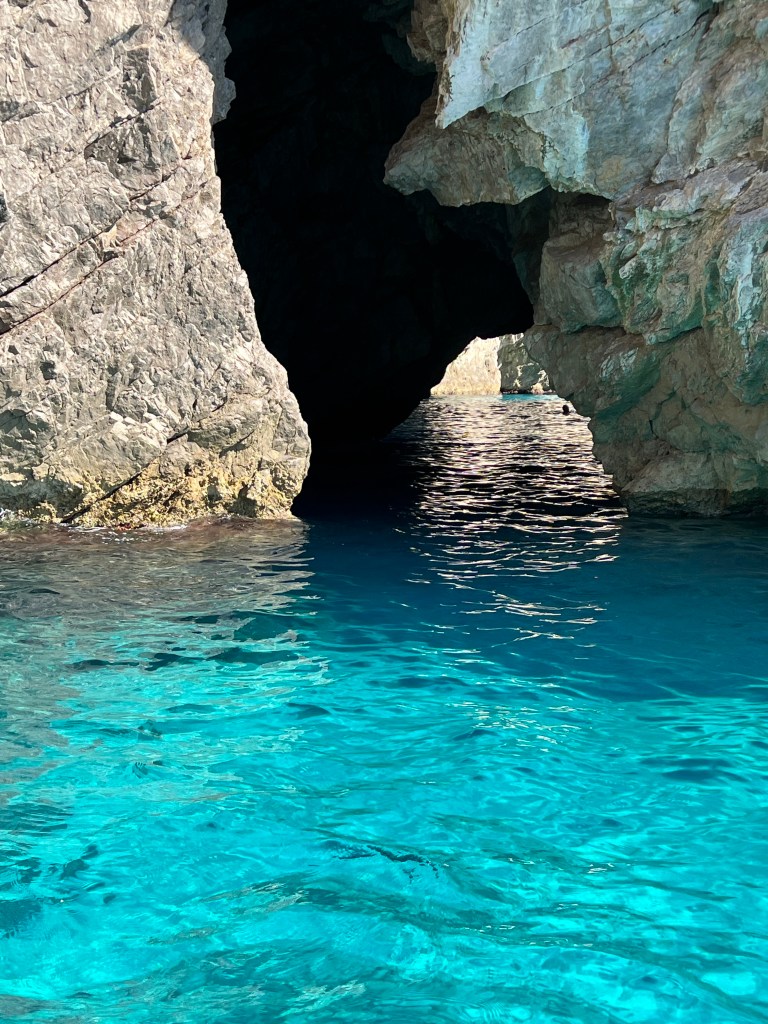
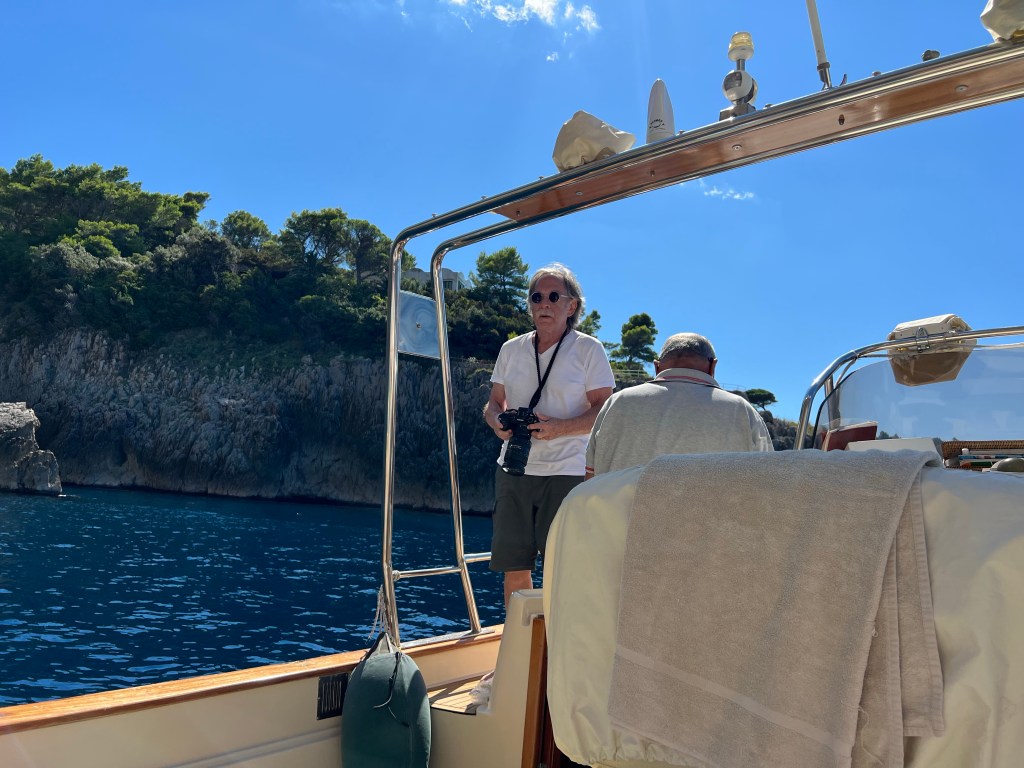
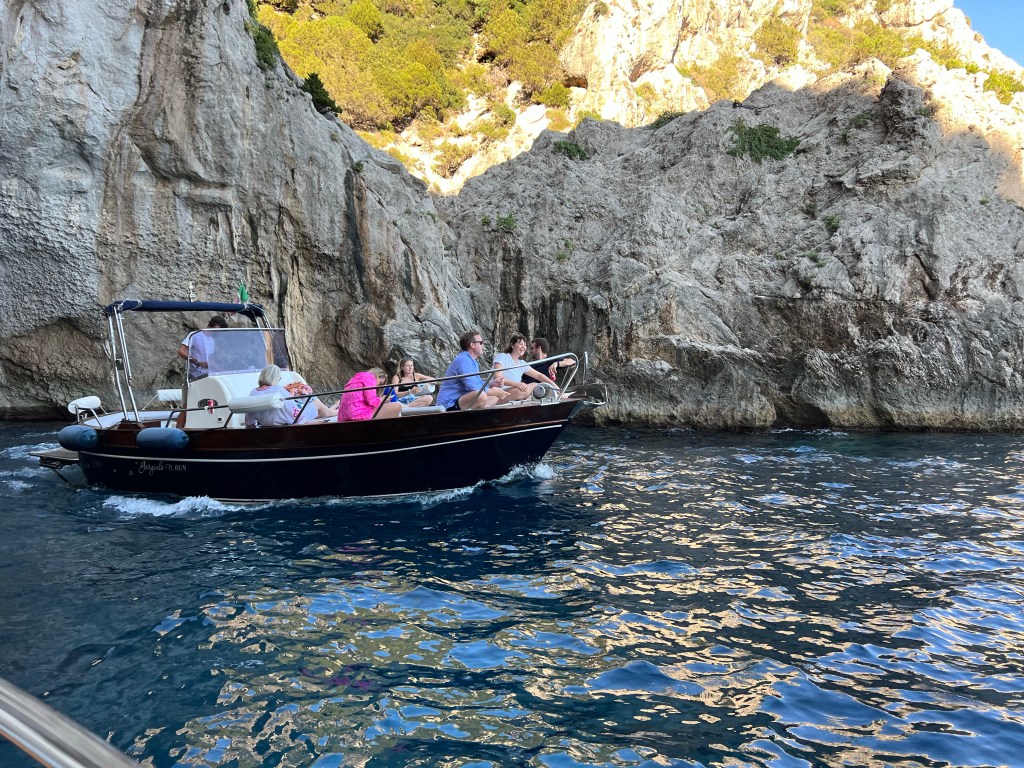
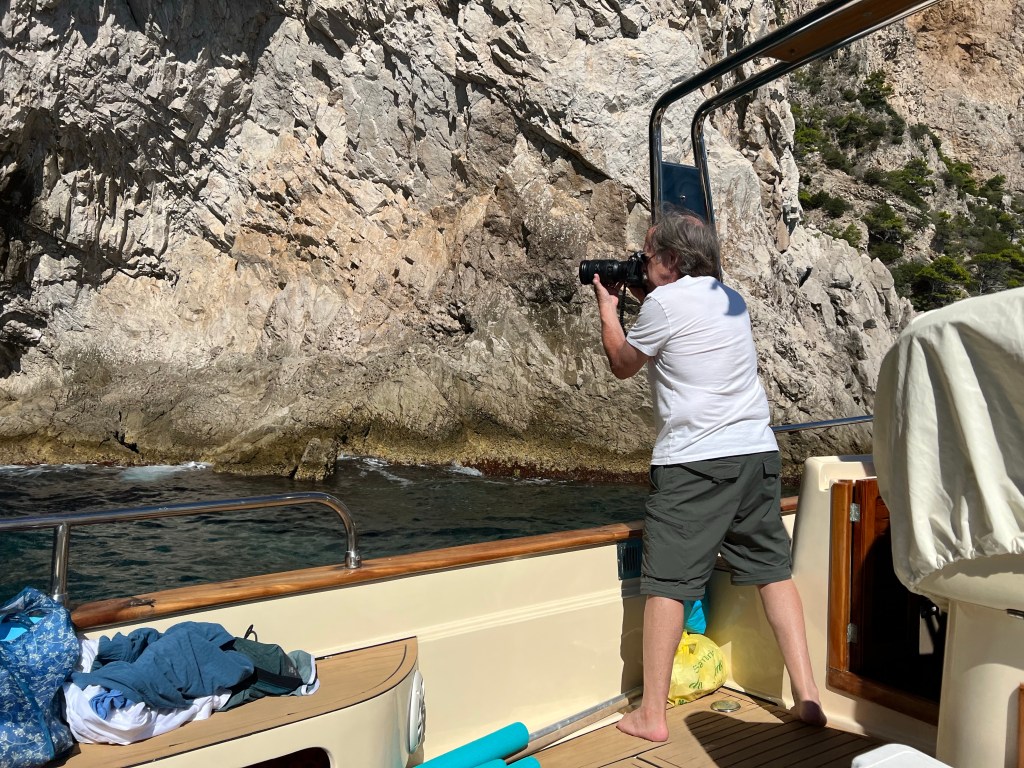
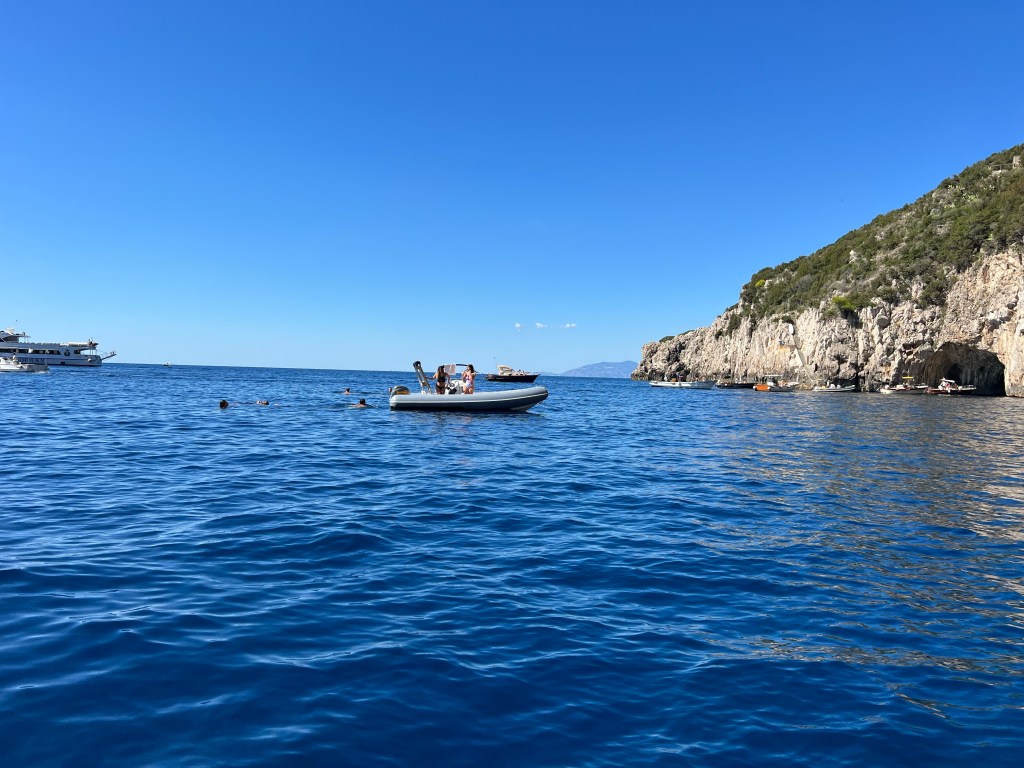
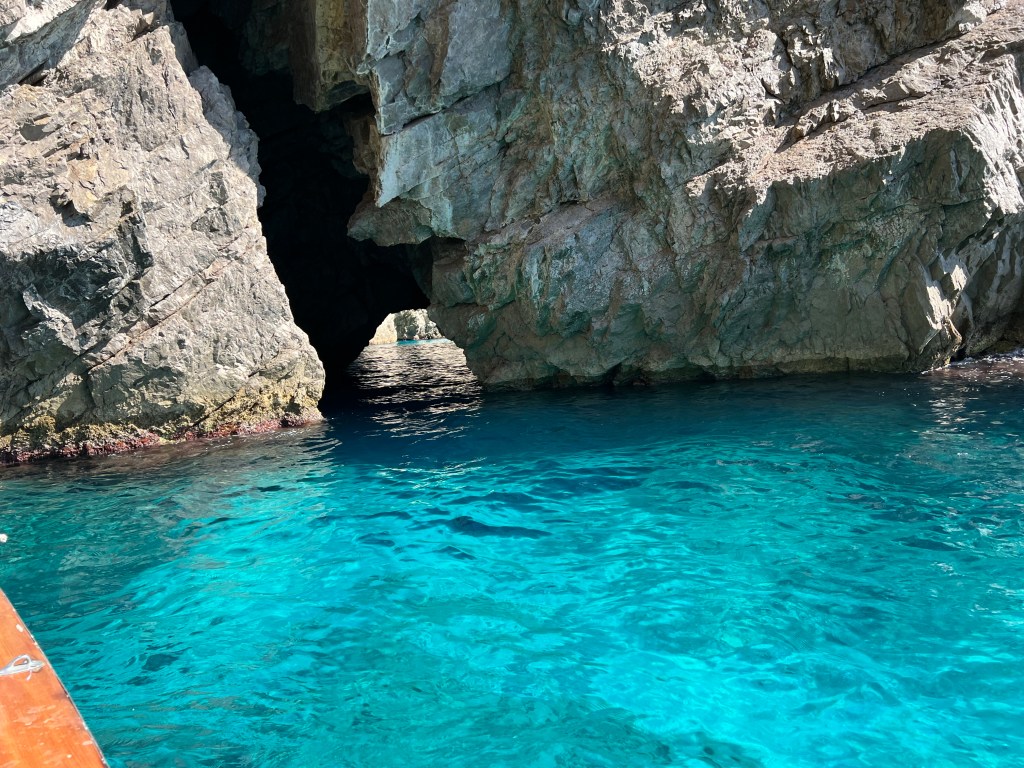
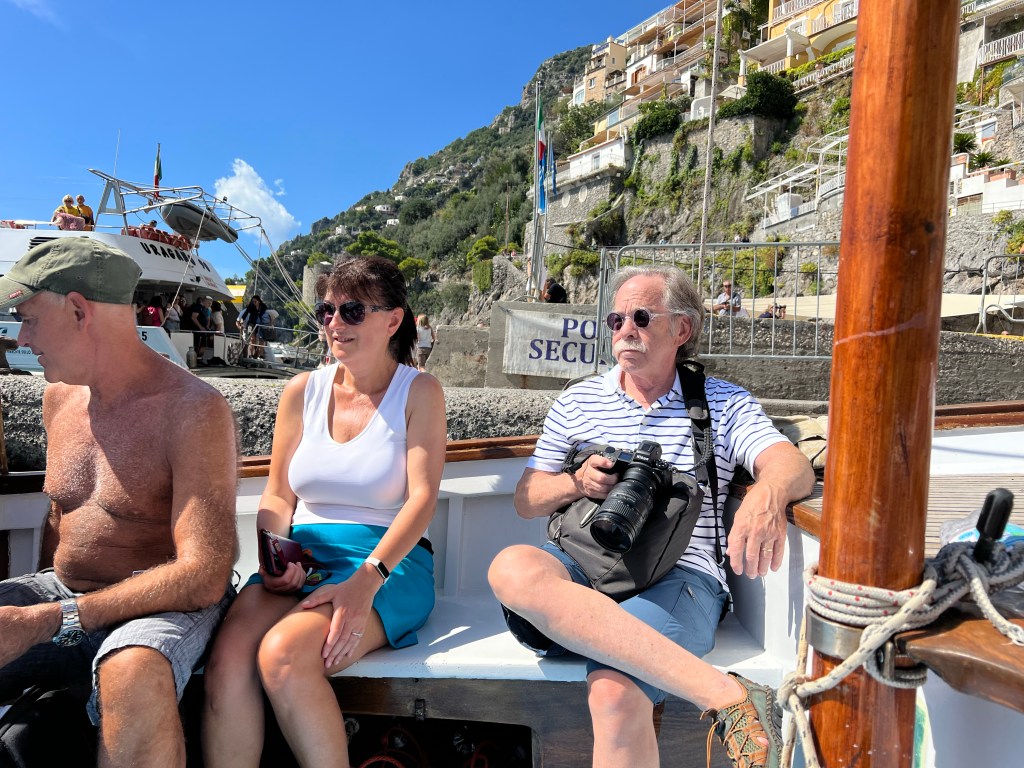
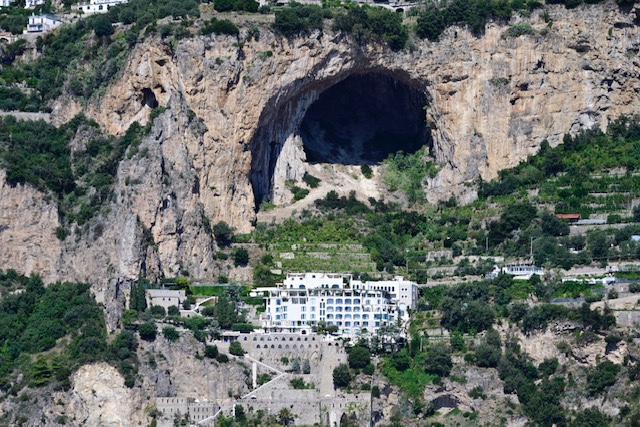
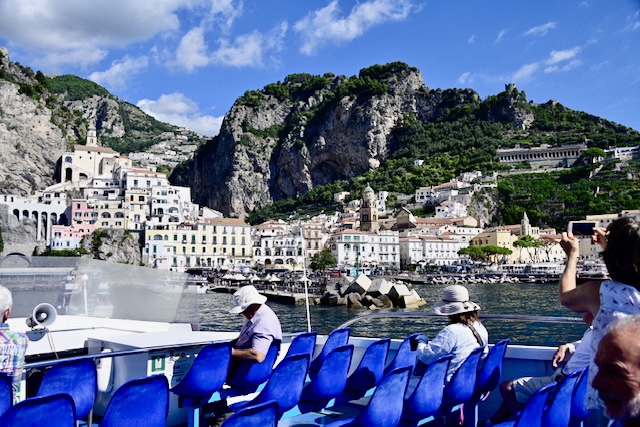
Going through the rocks . Awesome experienceChecking out the coral waters. Listen to our guide addressing me to pay attention. Everyone lining up to cruise through the cave.See the heart inside
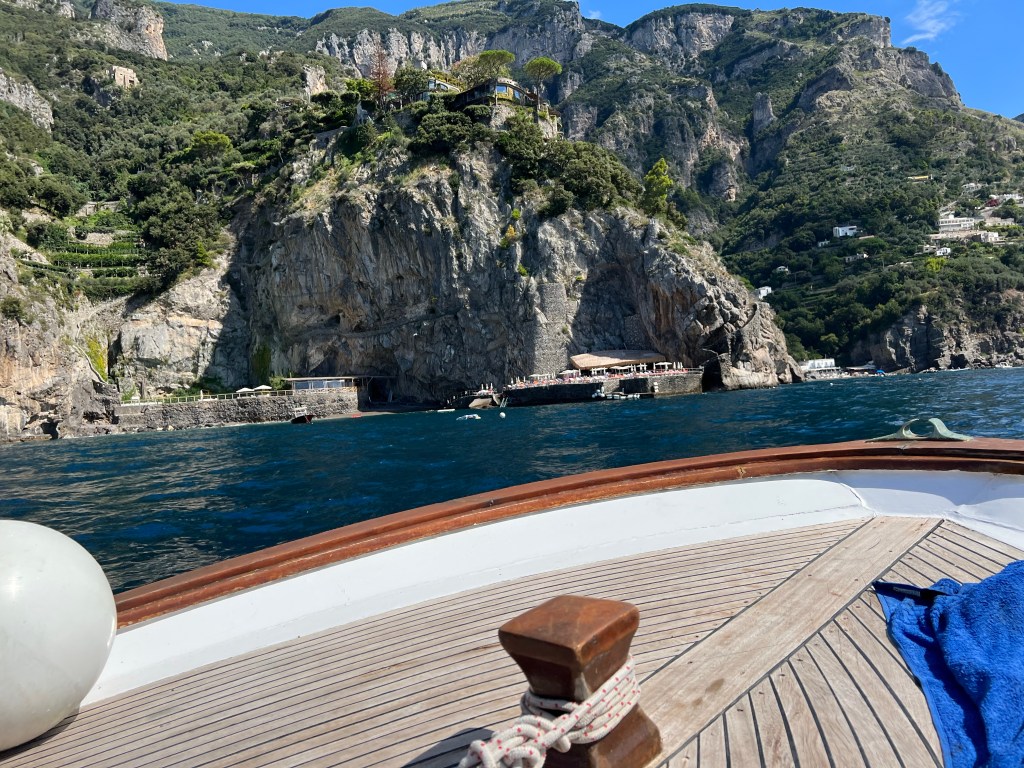
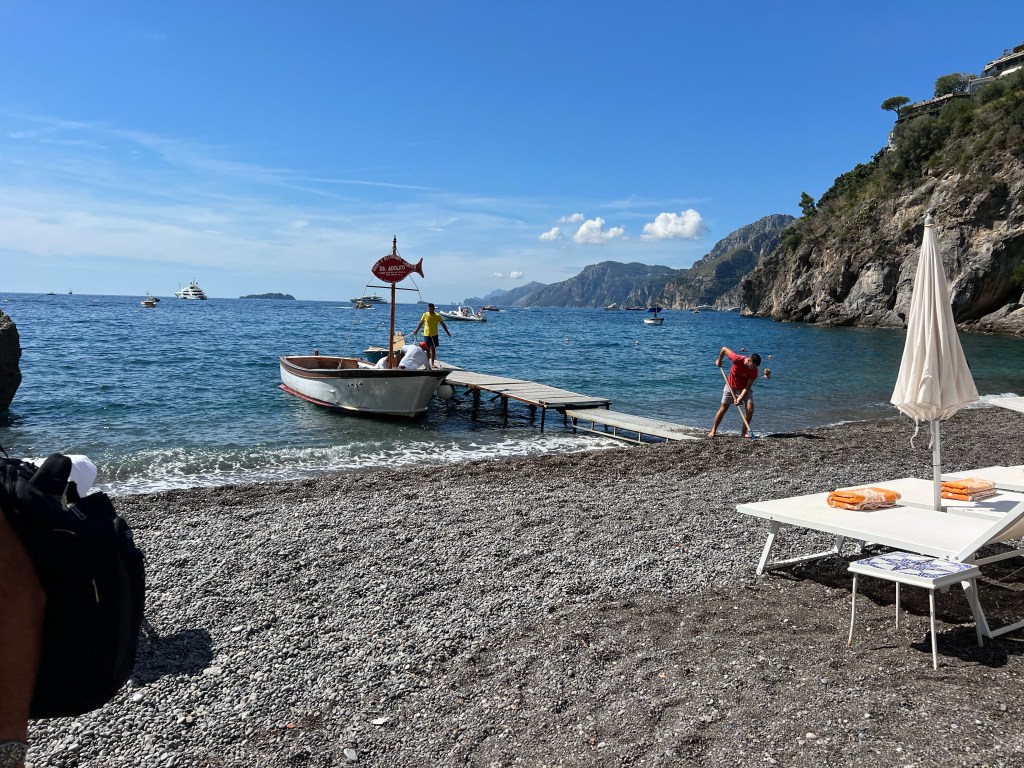
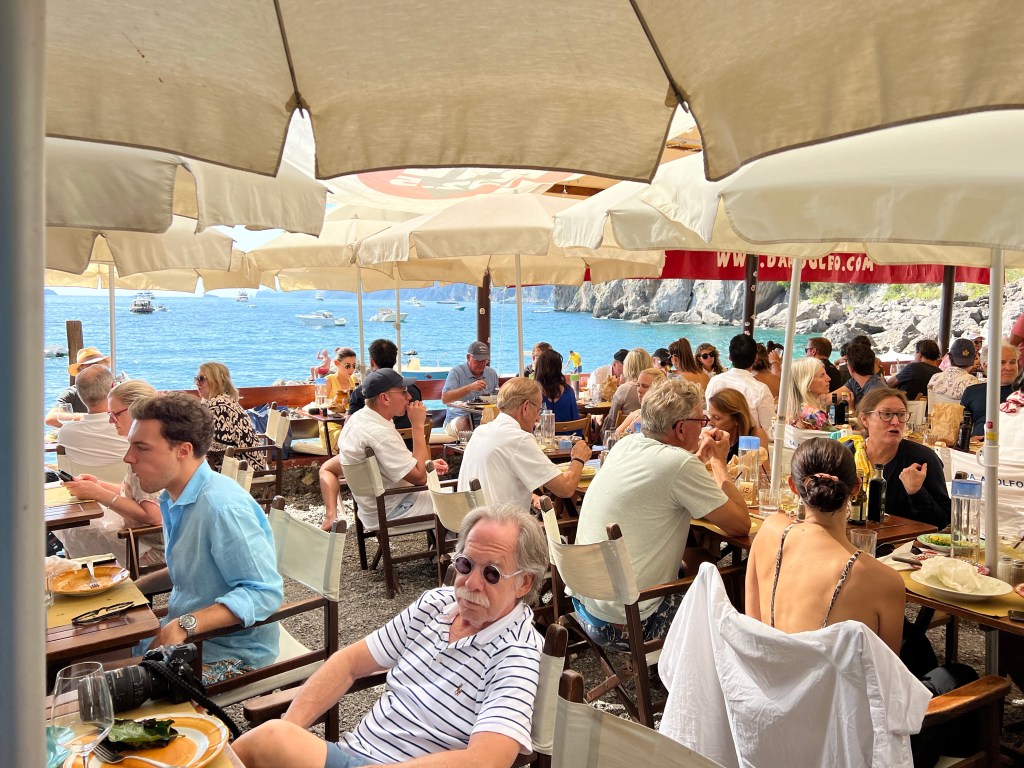
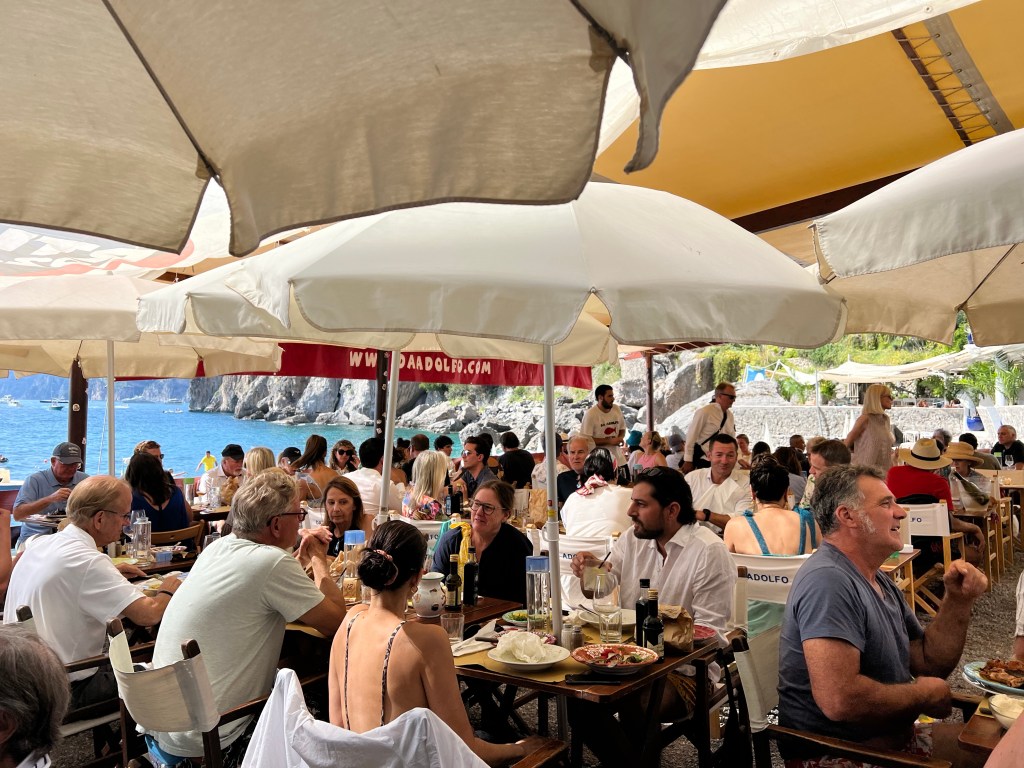
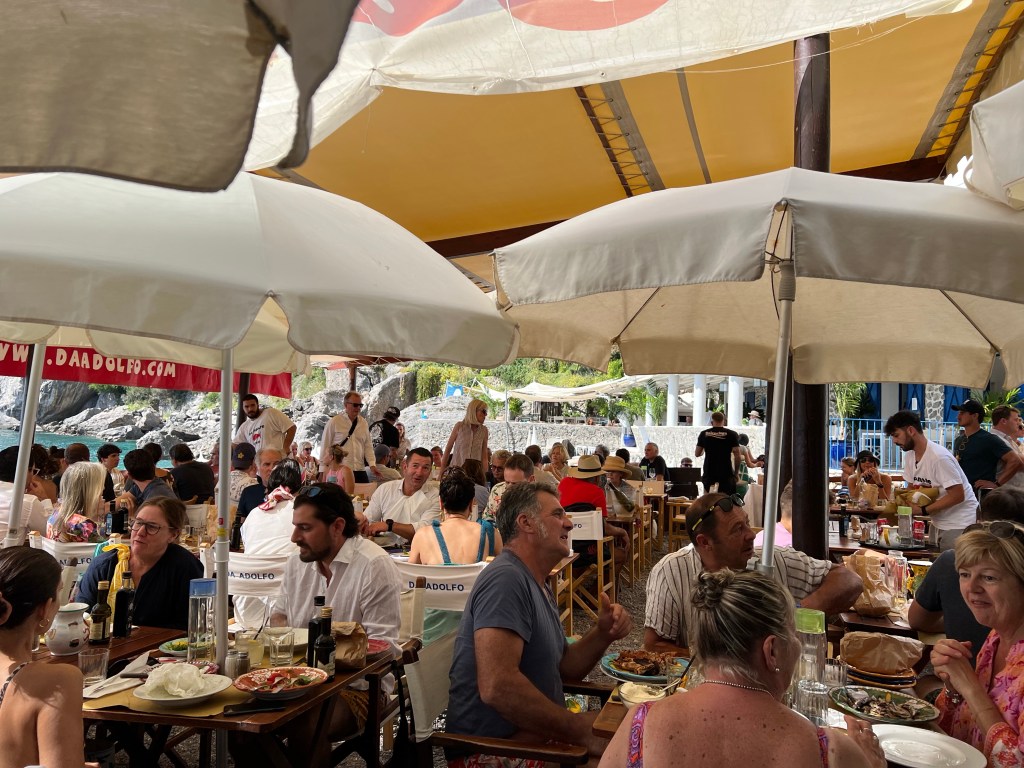
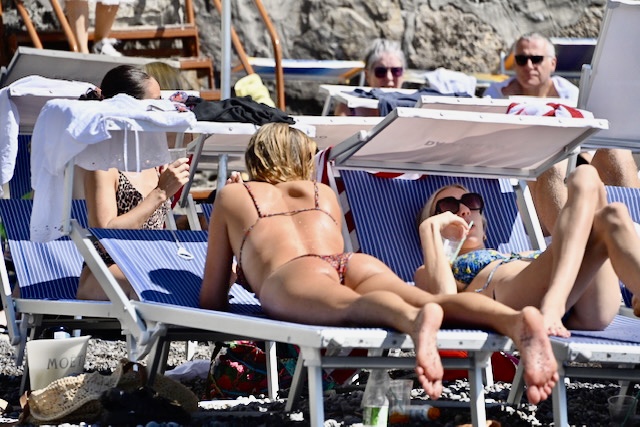
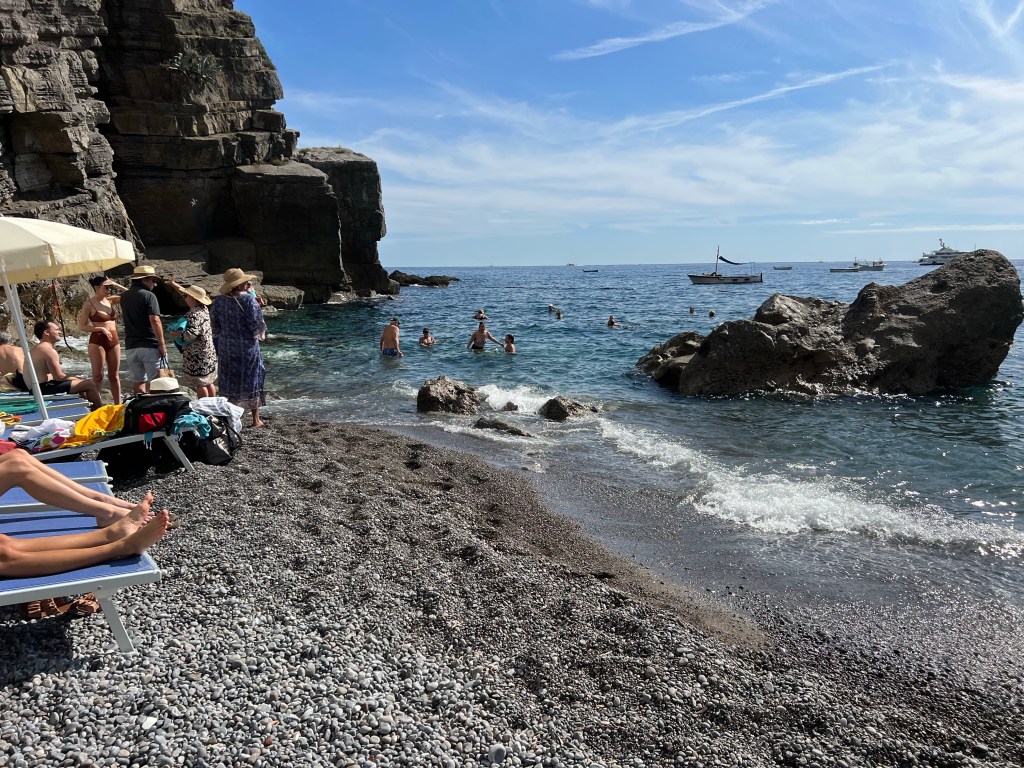
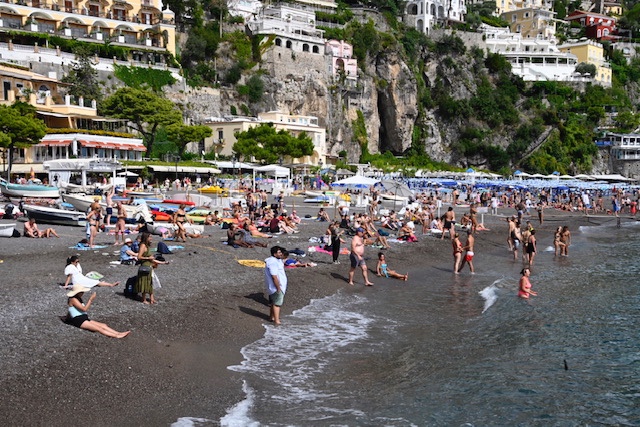
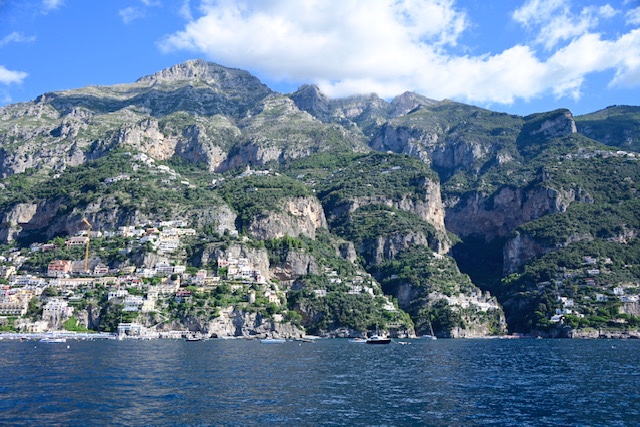
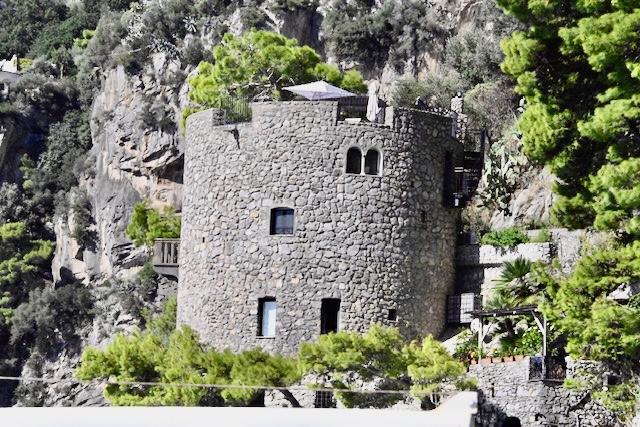
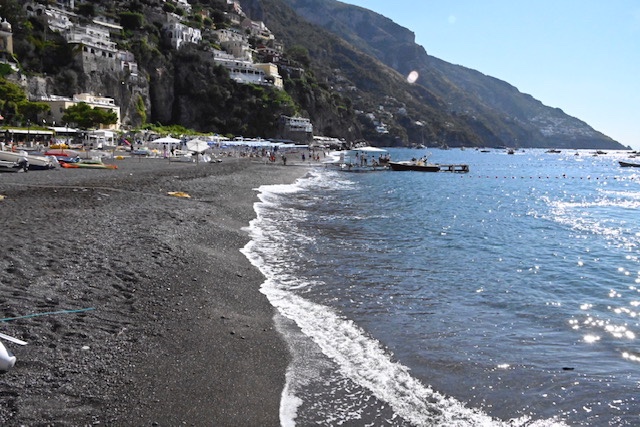
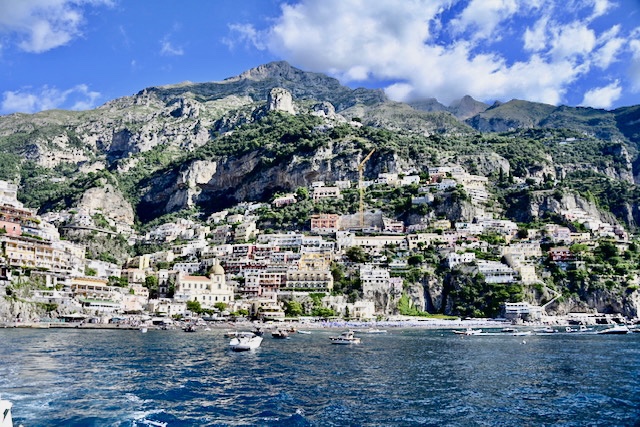
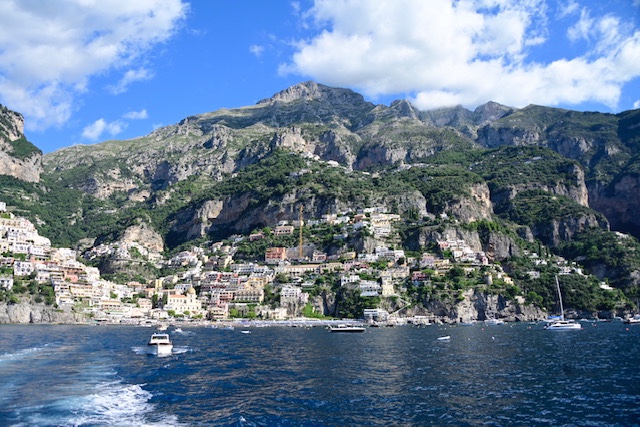
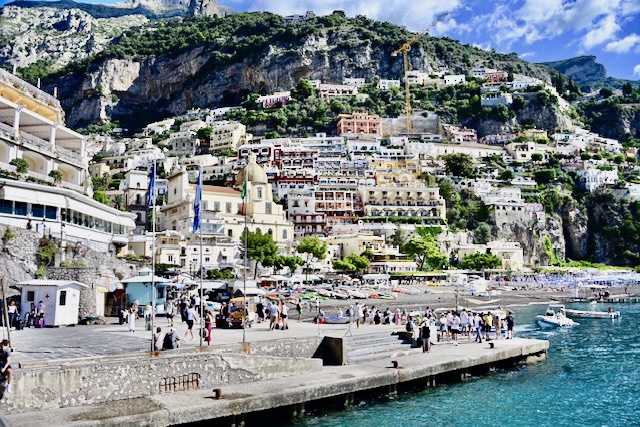
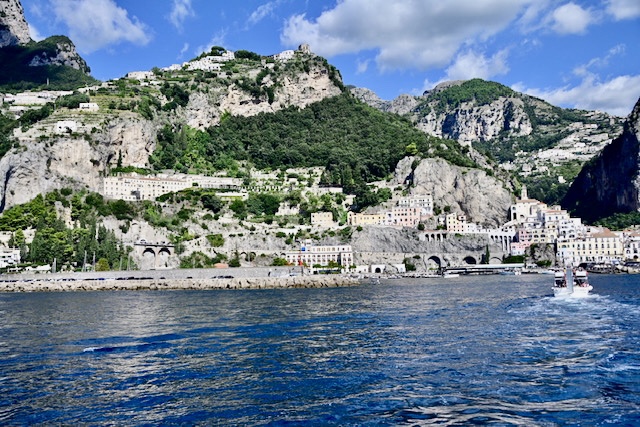
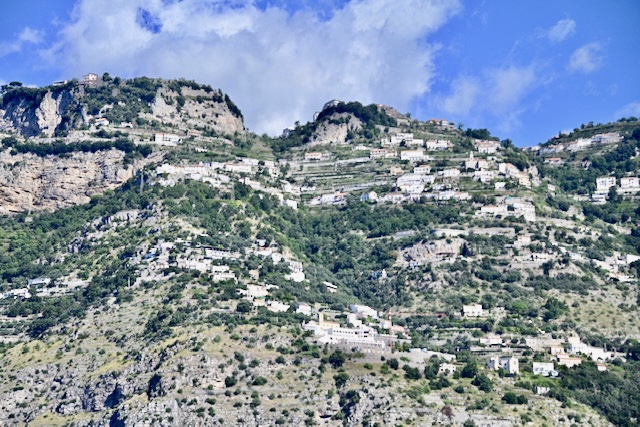
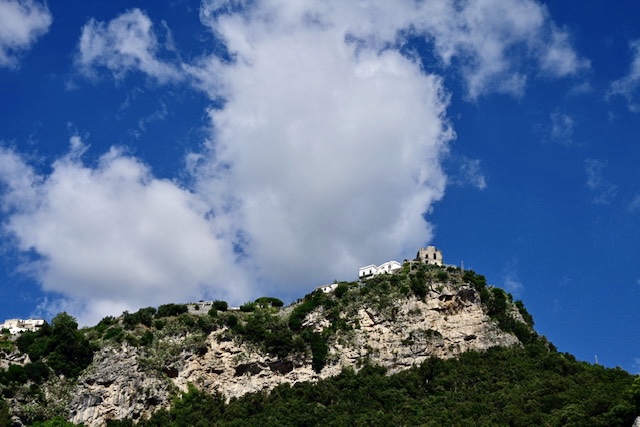
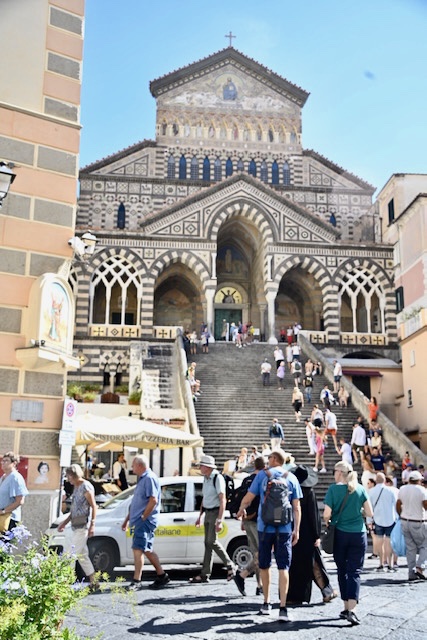
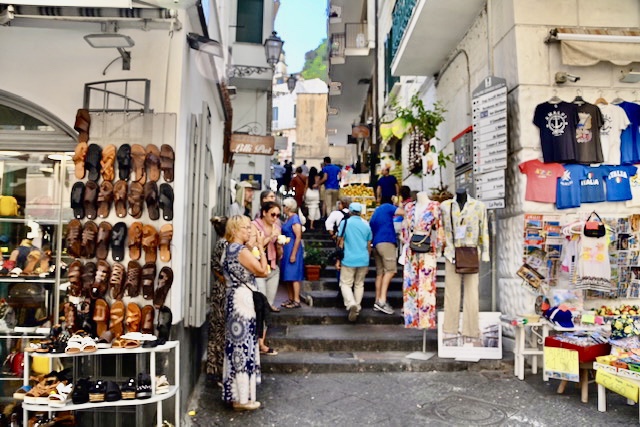
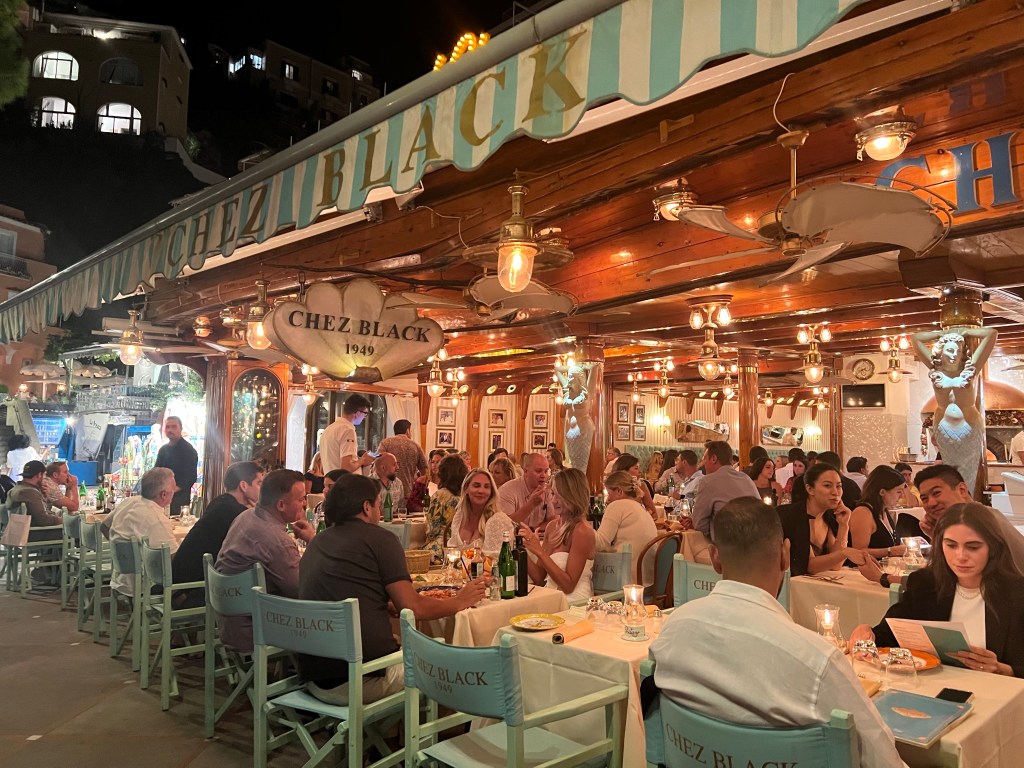
We cruised to a restaurant built in a cove for lunch yesterday. Just 10 minutes from our area in Positano. Beautiful people everywhere. Fashion galore. The Italians are just fabulous.



 Photograph: Courtesy Fountainhead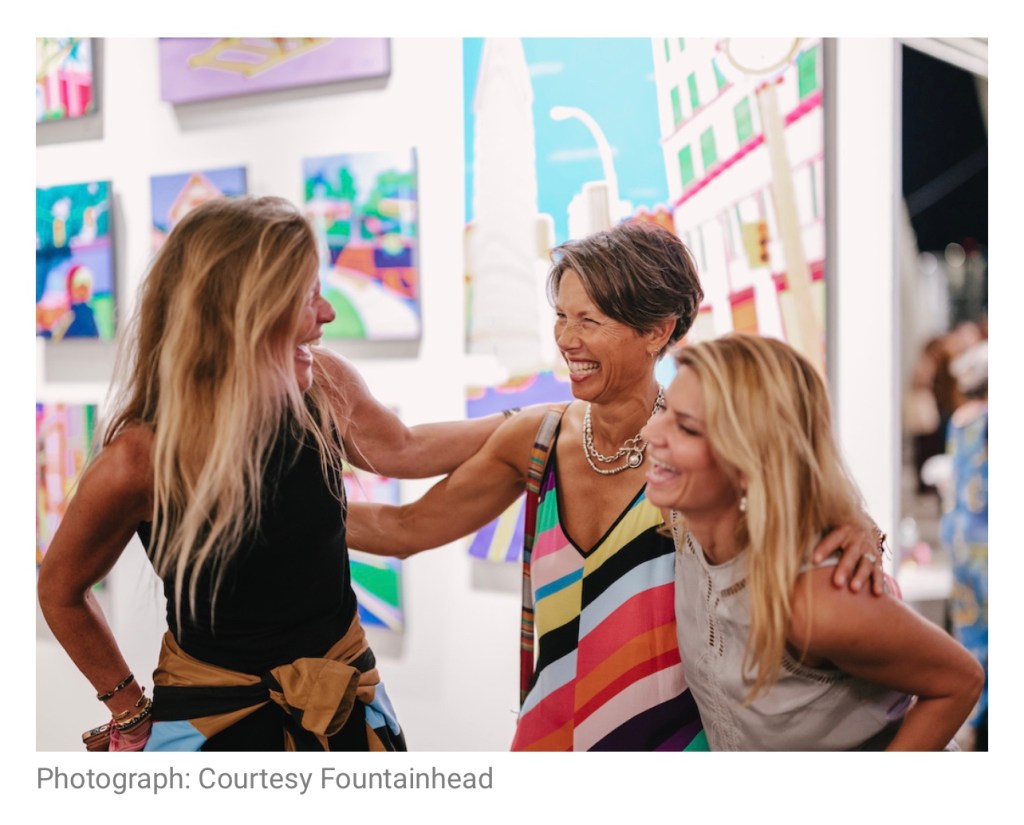

















































 DigiDame