It’s not often that you get to hear the head of the world’s largest trade show give you specific details on the making of CES 2016. Robert Scoble, a tech futurist, spontaneously interviewed Gary Shapiro at one of the keynote CES sessions last week. I enjoyed the interview because it was the first time I got to hear the enormity of CES and the reason why the parent association’s name was changed from the Consumer Electronics Association to Consumer Technology Association.
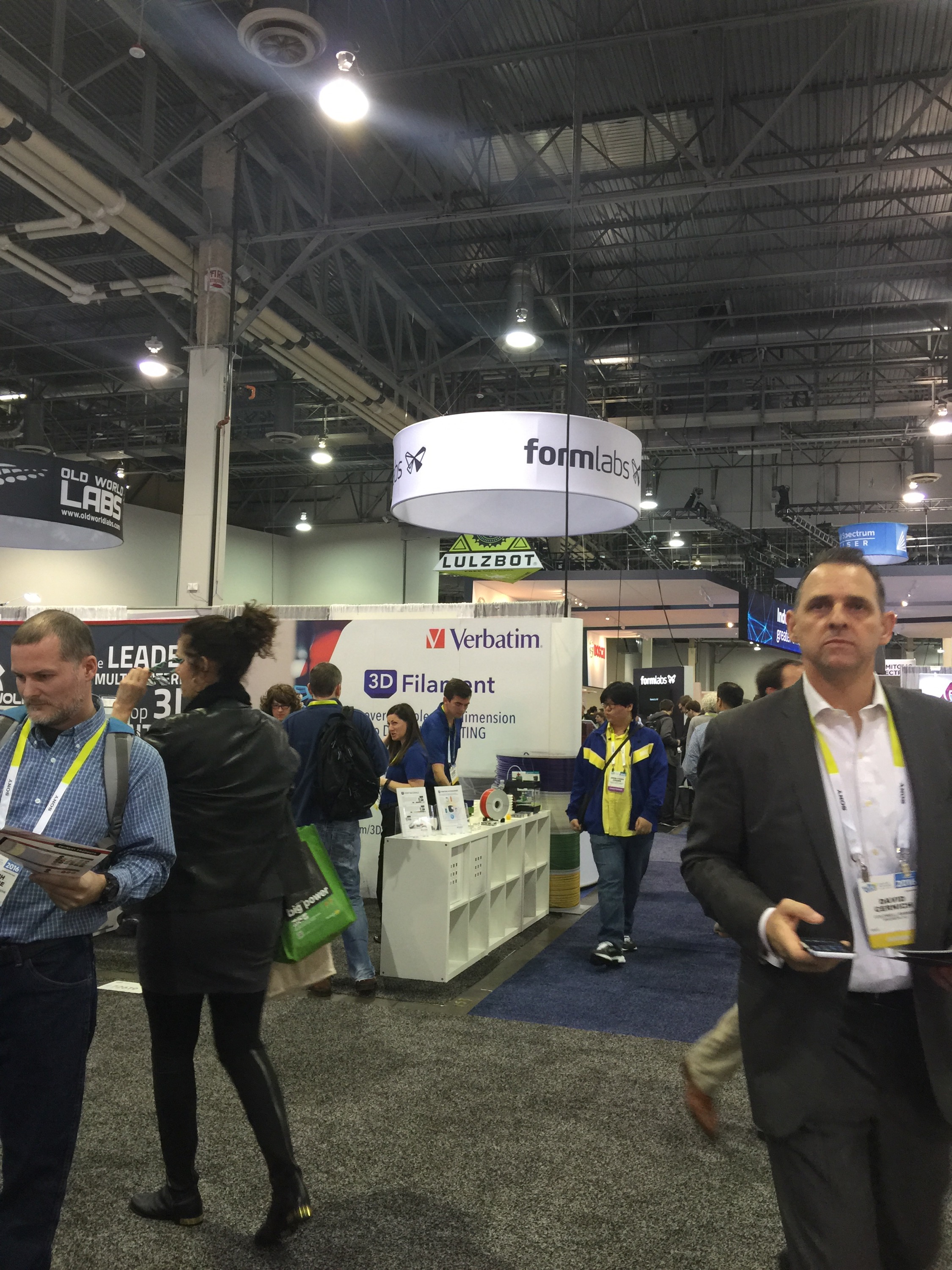
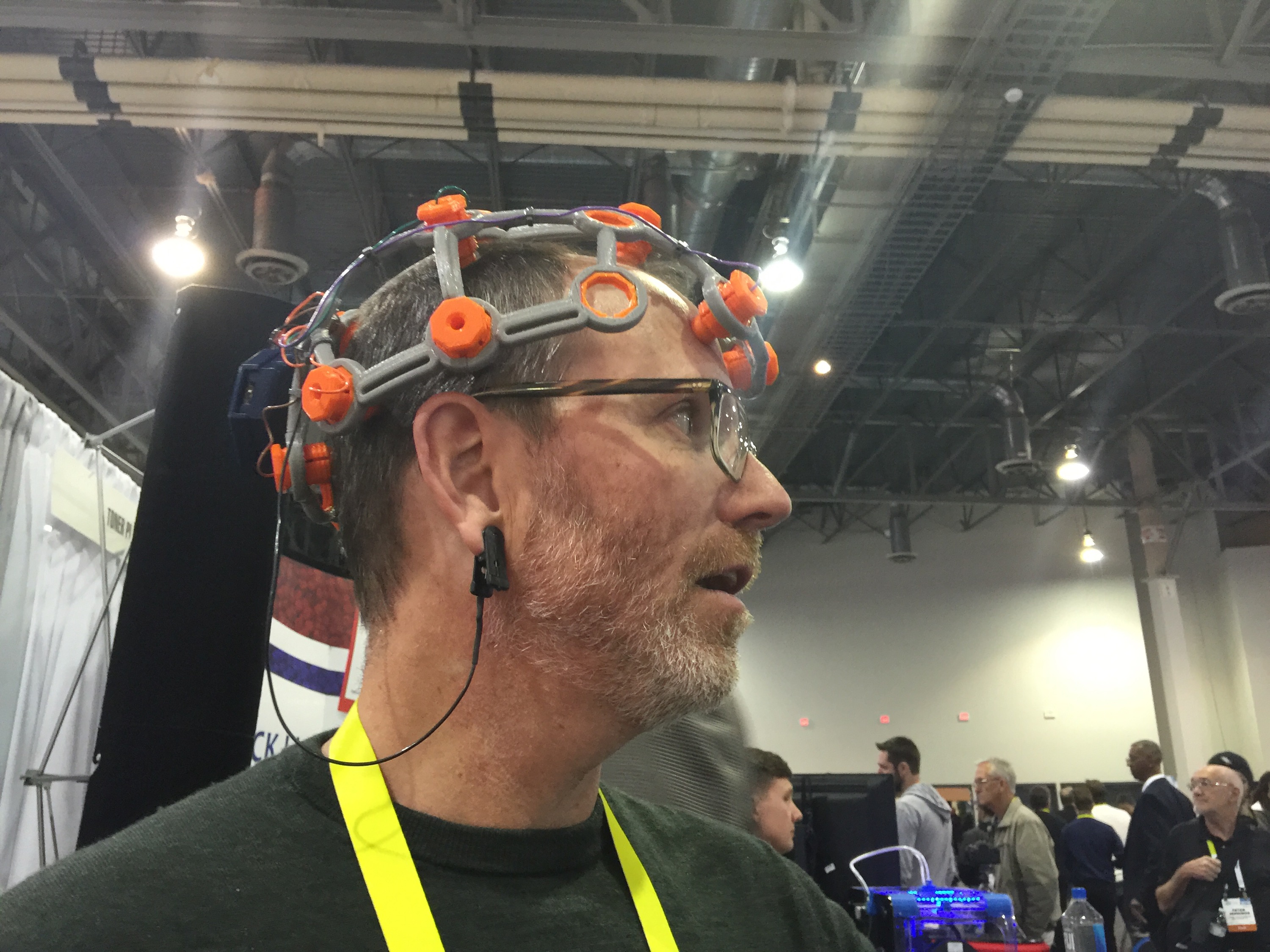
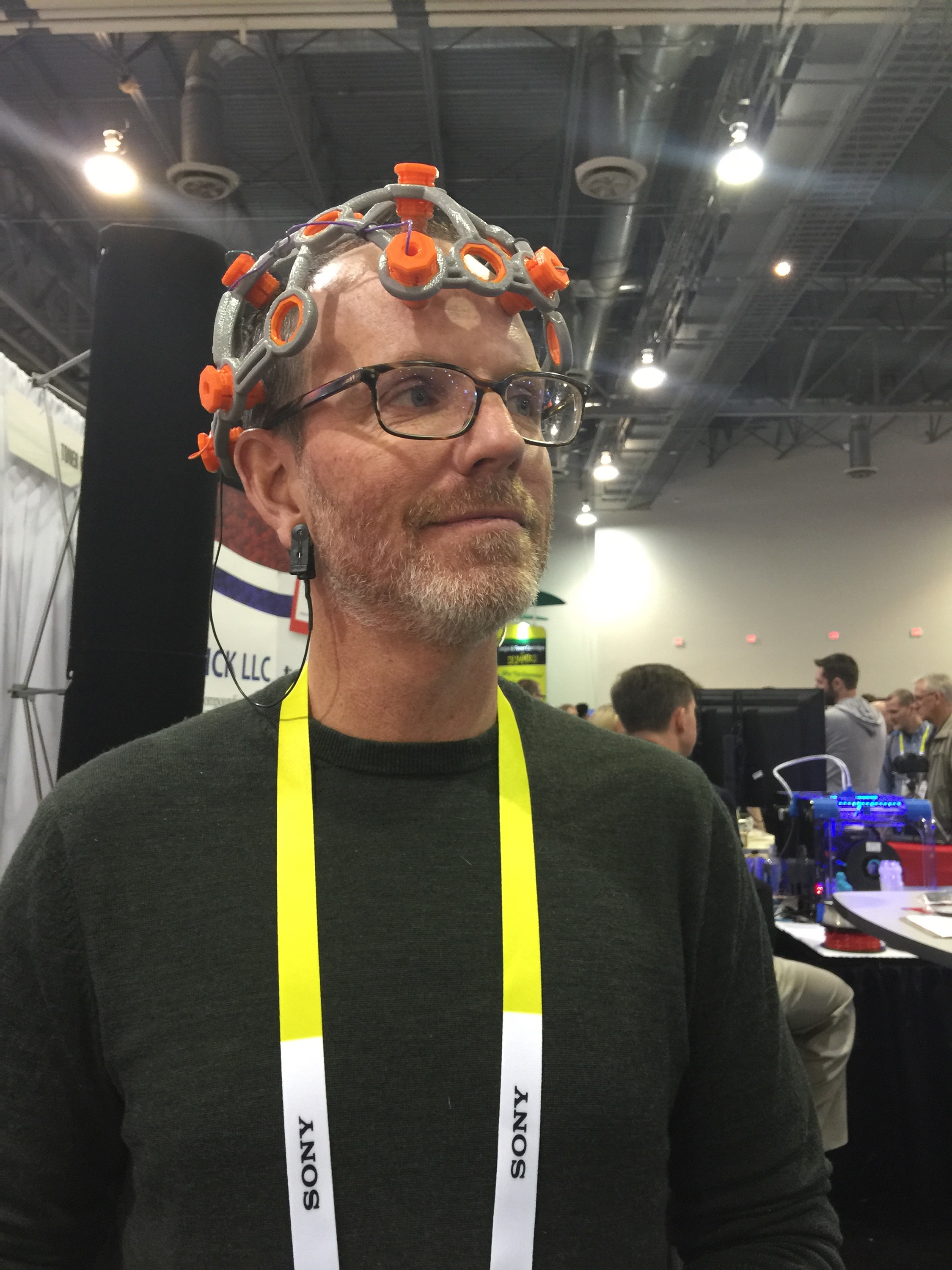
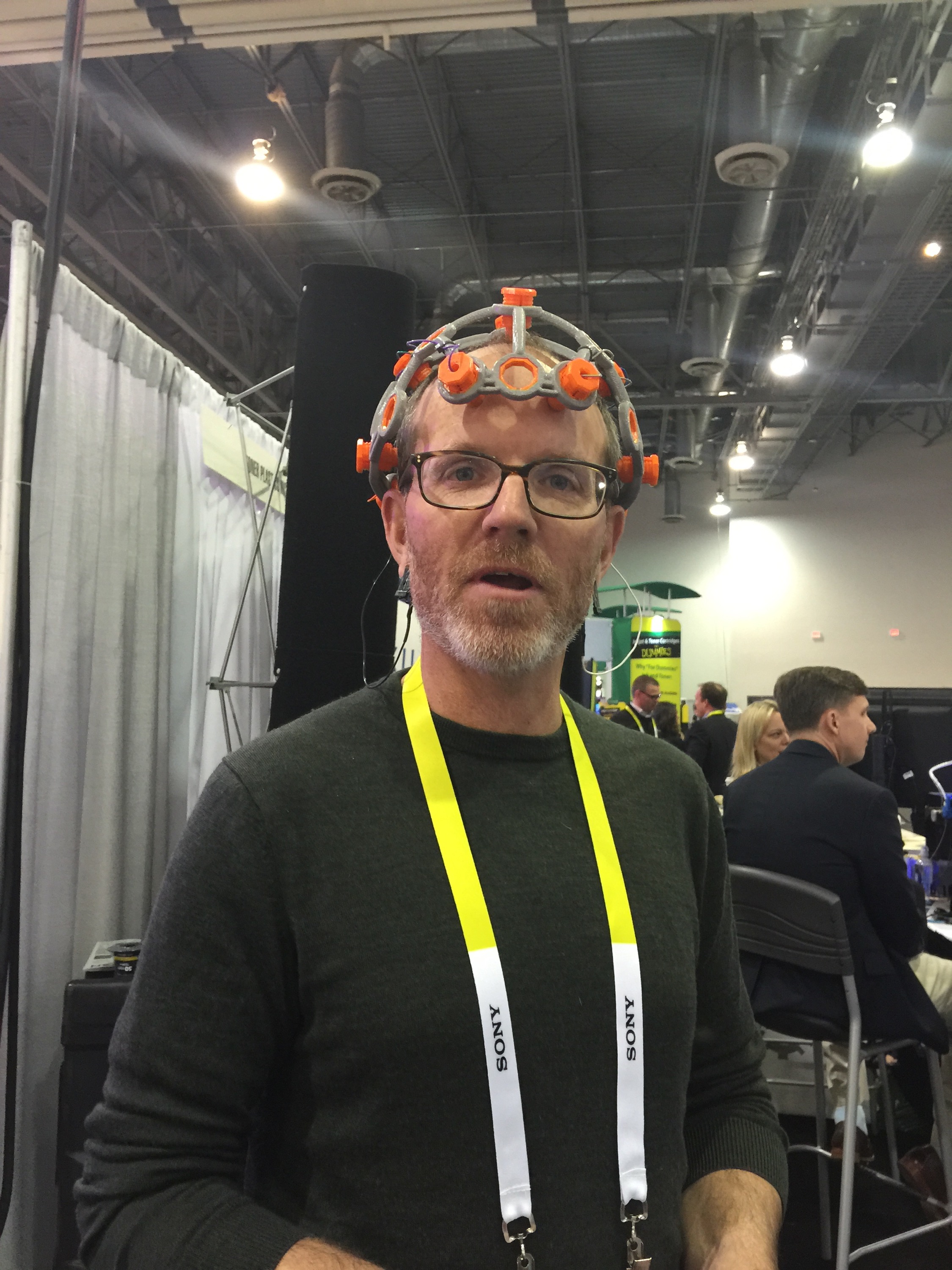
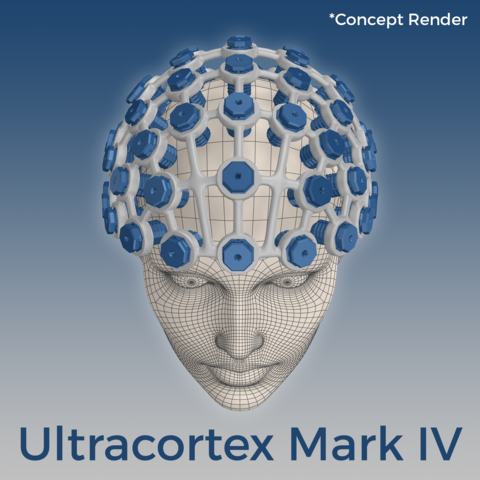
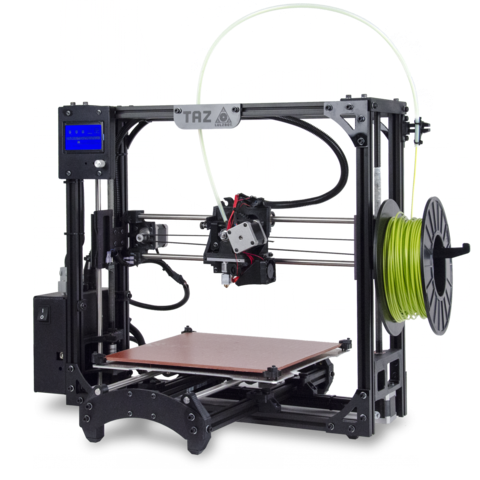
I met Joel Murphy while strolling through the aisles of CES. I asked him why he was wearing a funny-looking helmet. He told me he made it with a 3D printer by Lulzbot. It holds all of the components he needs to explore the electrical signals of the human brain and body and to further understand and expand who we are.
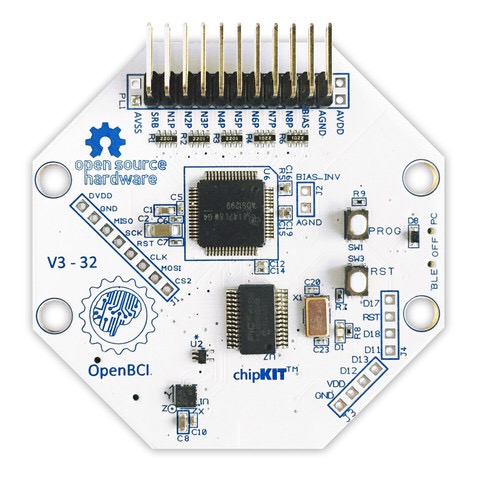
Murphy, and his partner, Conor Russomanno of Williamsburg, Brooklyn, recently conducted a Kickstarter campaign for their company, OpenBCI, so they could raise funds to expand their studies. Murphy said, “BCI stands for open-source brain-computer interface (BCI). The OpenBCI Board is a versatile and affordable bio-sensing microcontroller that can be used to sample electrical brain activity (EEG), muscle activity (EMG), heart rate (EKG), and more. It is compatible with almost any type of electrode and is supported by an ever-growing, open-source framework of signal processing tools and applications.”
Their Kickstarter campaign pointed out that “Understanding who we are will not be solved by a single company, an institution, or even an entire field of science. These discoveries will only—and should only—be made through an open forum of shared knowledge and concerted effort, by people from a variety of backgrounds. We work to harness the power of the open source movement to accelerate ethical innovation of human-computer interface technologies.”
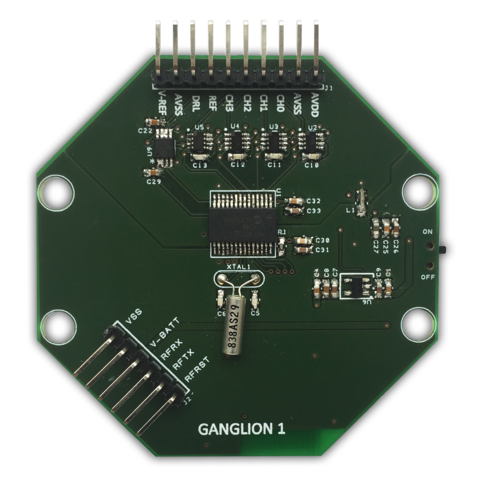
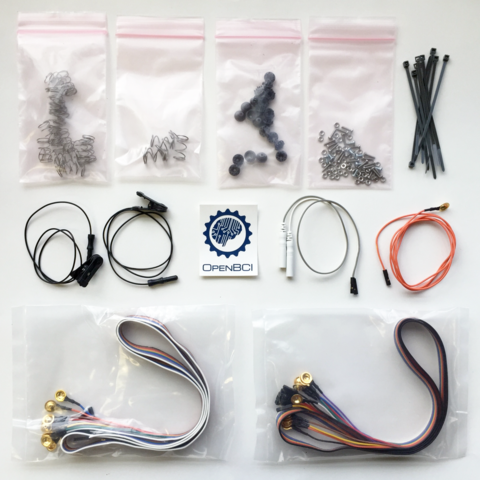
This is what some of their supplies look like.
I will update you on their progress when they release information.
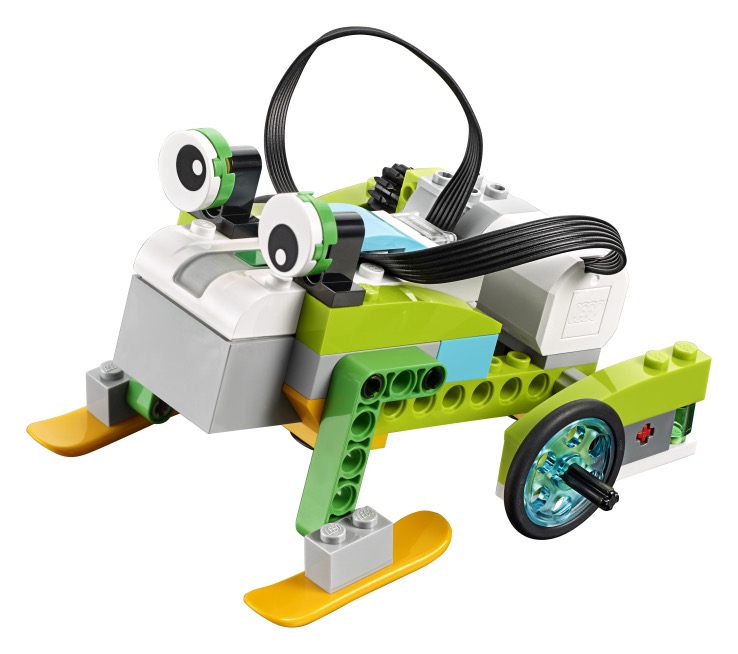
I was surprised to find Lego Education at CES, but I guess it makes sense. The company is launching an updated version of its WeDo robotics kit, “which is aimed at teaching science and engineering skills to elementary school students.”
I wish I was a kid again. I would have enjoyed working with the WeDo 2.0 robotics kit. It’s based on STEM (science, technology, engineering and mathematics) learning system. It introduces students to robotics, programming and engineering concepts
Lego Education is currently selling a site-wide license to schools and charging them on the basis of pay-per-classroom. Each subscribed classroom will get a specified number of Lego’s robotics kits for $2,000.
I had many false starts writing today’s post. The new gadget that I’m about to describe borderlines on insane and ingenious. What the heck. It’s 2016 and I’m at CES. This is the land of innovation and insanity.
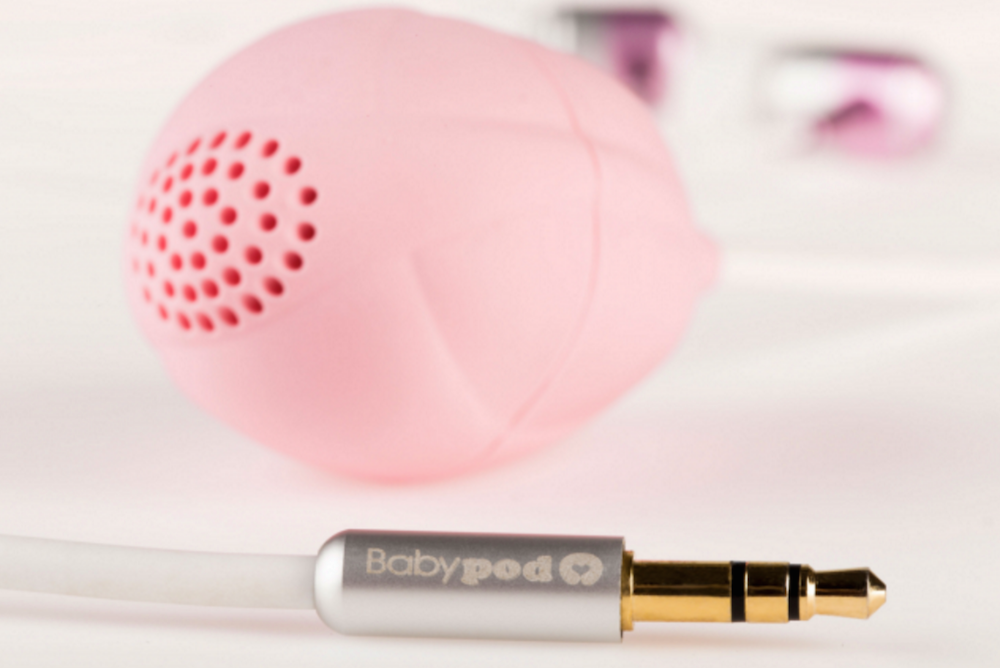
I’m blushing as I tell you there is a new wireless speaker that’s made specifically to play music to a fetus. Ordinarily, there is nothing strange about that. Not this time. Babypod is a small intravaginal device that looks like a tampon with speakers.
Image from Babypod
Babypod claims unborn children can only hear muffled sounds. “We are really looking out for the best interests of the little fetuses. It’s only natural that we give them the best acoustic experience possible. The only way to do this is to go through the vagina.”
Babypod claims that the device is perfectly safe. “The material coming into contact with the mother’s body is silicone, which does not irritate the skin and is hypoallergenic.”
If you want to know more about this, click here for the Digital Trends’ take on the whole subject.
Click here if you are interested in purchasing Babypod.
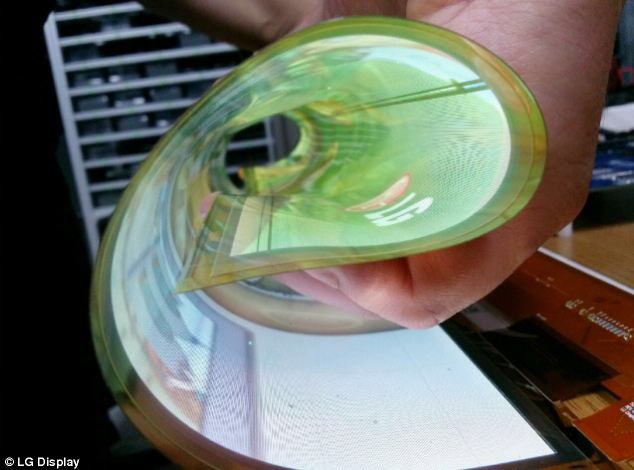
Tomorrow morning I head out to CES in Las Vegas. Word has already spread that one of the hottest products at the show is a prototype, 18-inch OLED screen that rolls up like a piece of paper from LG Displays. It’s expected to be available to consumers next year. .
When I first saw it, I immediately thought, “Who would want this?” Boy was I wrong. LG said these types of displays are geared for smartphones, tablets, and TVs.”
OLED uses an organic compound that allows screens to be curved, rolled and bent. According to CNET, “The organic material also emits its own light, eliminating the need for a backlight.”
The interior design community is applauding LG for being so creative. Now they can install a roll up TV screen almost anywhere. Cool beans!
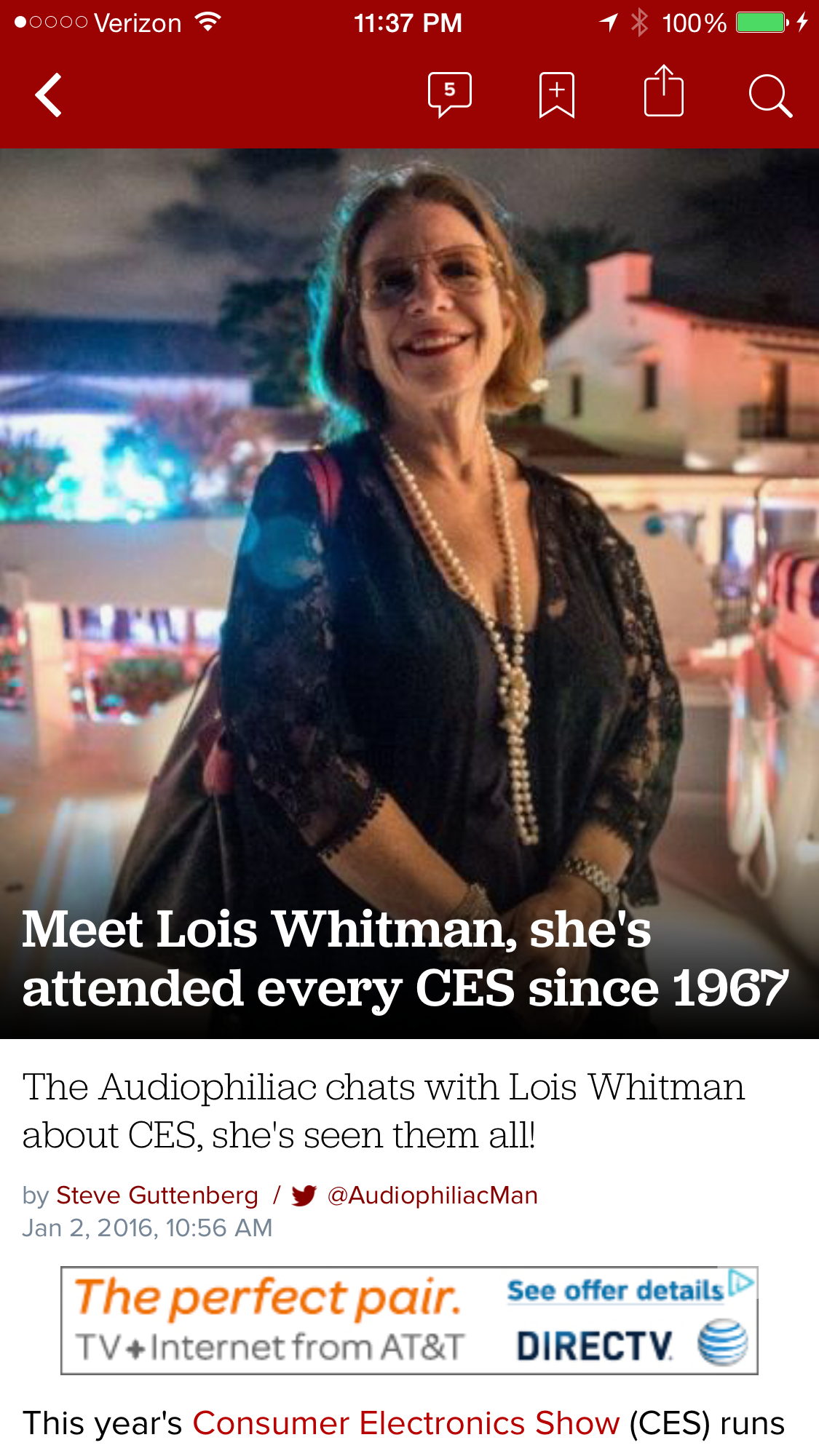
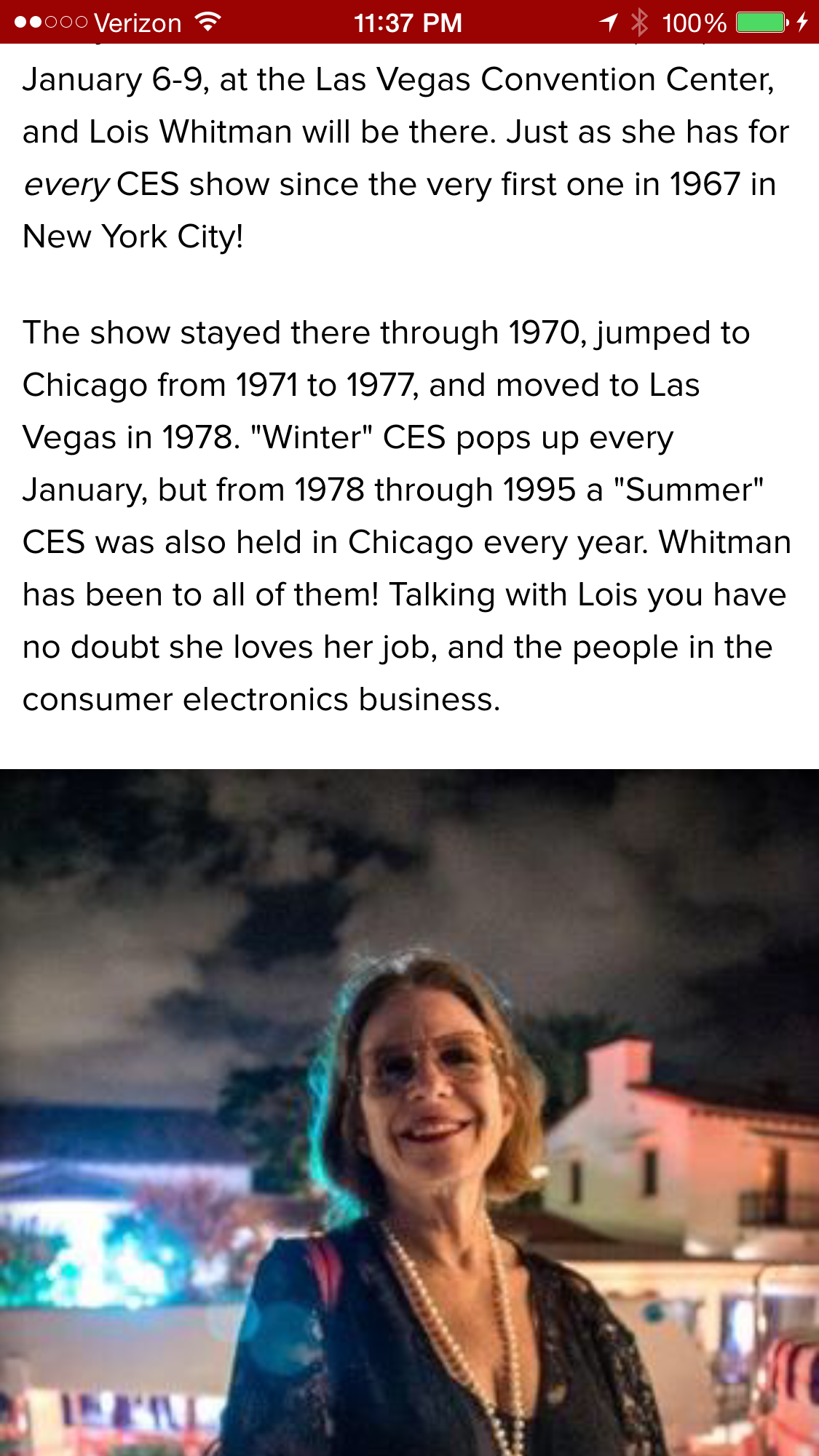
When Steve Guttenberg, the highly regarded audio editor at CNET, a leading tech site, found out last year that I had attended every CES, he said he wanted to write a story about it. I was thrilled because it is a pretty amazing accomplishment, considering 99.9 per cent of the people I started going to CES with no longer attend the show. They are either retired or have died.
This week, approximately 200,000 people will attend the show. While I enjoy going to witness all of the new innovative introductions, I do feel the rooms are filled with the ghosts of all of the amazing entrepreneurs who have helped build the electronics industry. These are the folks I grew up with. These are the folks I worked and partied with for decades.
I’m so grateful to Steve Guttenberg for recognizing my participation in the show. It pays tribute to everyone I miss, yet validates all of the important work I still want to do. I am truly honored to have a major influencer in the business focus his attention on me, even for a second.
I cut and pasted the blog post below because I wanted to share it. I also included the link. Click here. Digital posts average 300 to 400 words so it will be a fast, meaningful read. That’s the way the Internet works.
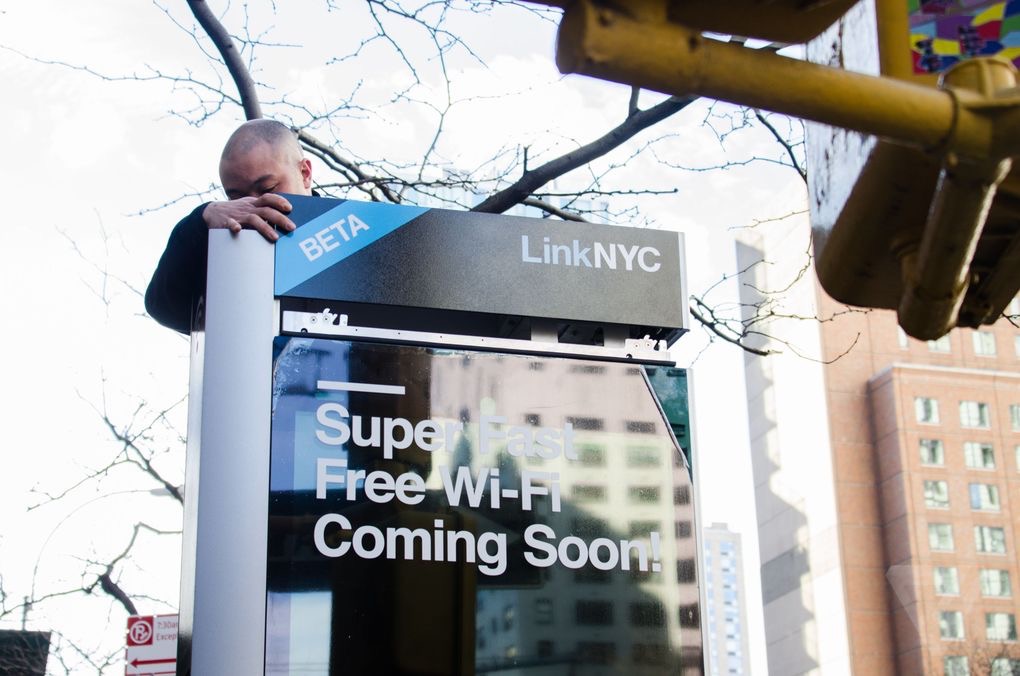
Say goodbye to telephone booths in NYC. While you probably don’t notice them anymore, there are still plenty of booths around the city just standing there doing nothing.
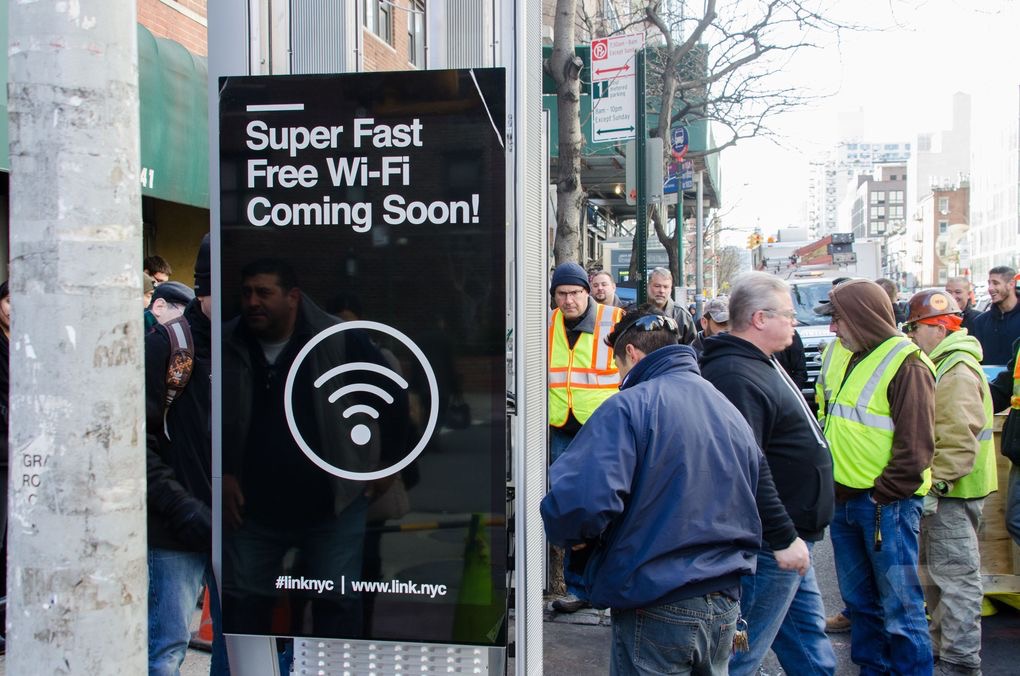
All that is about to change. Telephone booths are being reconfigured as wifi charging stations for smartphones and other mobile devices.
The LinkNYC stations are designed to provide gigabit Wi-Fi access points. One of the first hubs was installed at 15th St and 3rd Avenue. The Verge, an Internet site, claims there will be aporoximately 500 other hubs installed in 2016.
All of the boroughs will be getting LinkNYC hubs.The full network can go as high as 7,500 public hubs throughout the city. The hubs wil include USB device charging ports, touchscreen web browsing, and two 55-inch advertising displays.
The city is expecting the advertising displays to generate more than $500 million in revenue this year.
That’s a nice piece of change.
By the way, cities across the country are planning to update their telephone booths as well. Superman will no longer have a place to change his clothes, but he will be able to recharge his power whenever he wants.










 DigiDame